
Viseu: The Complete Travel Guide (2026)
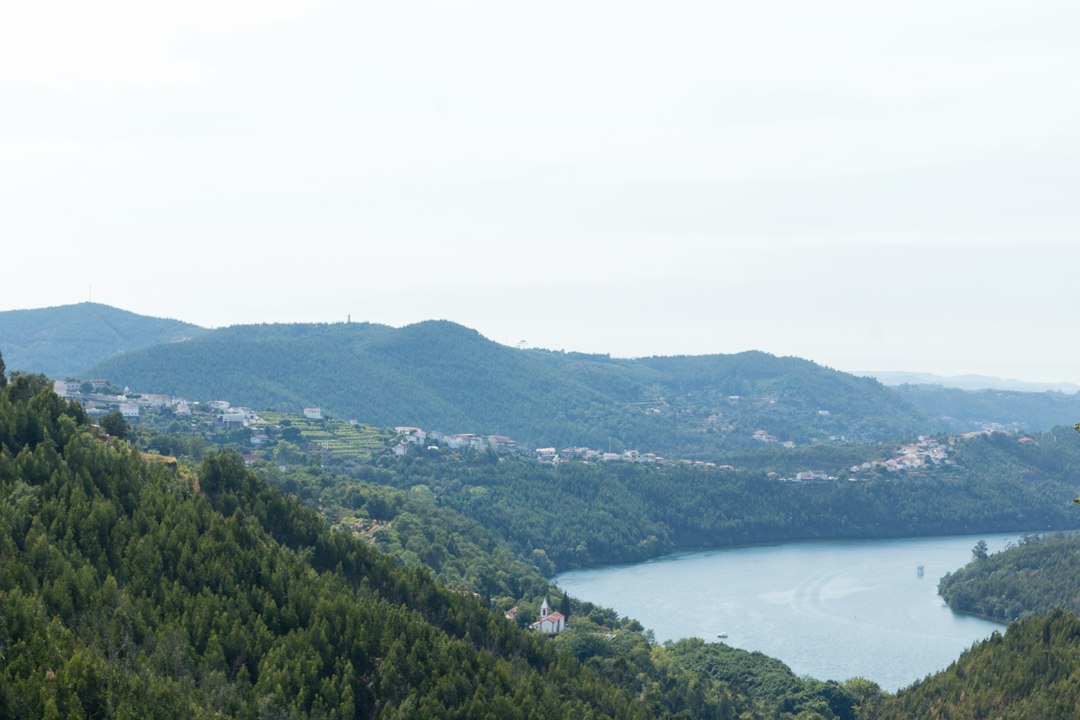
Last reviewed: September 2026 · key facts checked against Wikidata
Viseu Travel Guide: Everything You Need to Know (2026)
Viseu sits at 476 metres above sea level in the heart of Portugal’s Central Region, a granite city of 99,274 residents that has been continuously inhabited since at least Roman times. It anchors the Viseu Dão Lafões community of 267,633 people and sits roughly 290 km northeast of Lisbon — close enough for a weekend escape yet distant enough to feel genuinely untouched by mass tourism. What surprised me most is how this compact city punches well above its weight in gastronomy, wine culture, and medieval architecture.
Three Things Not to Miss in Viseu
- Sé de Viseu Cathedral — A Romanesque-Gothic cathedral built in the 12th century with a jaw-dropping Manueline nave — free to enter the main body.
- Museu Grão Vasco — Houses Portugal’s finest collection of 16th-century Flemish-influenced painting by Vasco Fernandes, housed in a bishop’s palace.
- Dão Wine Route — Viseu is the capital of the Dão wine region, producing complex reds at over 400 metres altitude — tastings start at €5.
Scroll down for our complete travel guide with tips on getting there, where to stay, costs and more.
How to Reach Viseu
How do I get to Viseu?
Take the bus — it is by far the easiest option. Rede Expressos runs direct coaches from Lisbon’s Sete Rios terminal roughly every 2 hours, with the journey taking approximately 3.5 hours and tickets costing €15–€20 booked online. From Porto, FlixBus and Rede Expressos cover the 2-hour route for around €8–€14. In my experience, the bus drops you at Viseu’s central bus station on Avenida Dr. António José de Almeida, a 10-minute walk from the old town. Driving is also practical on the A25 motorway, but there is no train station in Viseu — the nearest rail connection is Nelas, about 20 km away, which makes trains more hassle than they are worth.
Which airport is closest to Viseu?
Porto Francisco Sá Carneiro Airport (OPO) is your best gateway, sitting 130 km northwest of Viseu — roughly a 1 hour 45 minute drive or a combination of metro to Campanhã station plus an Expressos bus. Lisbon’s Humberto Delgado Airport (LIS) is 290 km south, which sounds far but a direct Rede Expressos coach from Lisbon’s bus hub is stress-free. My tip: fly into Porto if you can — the airport is modern, well-connected, and low-cost carriers like Ryanair and easyJet serve it heavily. The caveat is that onward ground transport from either airport requires planning because no direct airport-to-Viseu shuttle exists.
How long does the journey to Viseu take from Porto or Lisbon?
From Porto, expect 1 hour 45 minutes by car or 2 hours by bus. From Lisbon, it is a 3-hour drive or a 3.5-hour bus ride with Rede Expressos. What surprised me is how smooth the A25 and A24 motorways are — modern, well-signposted, and light on traffic outside rush hour. The bus journey from Lisbon costs €15–€20, which I consider excellent value given the comfort of the coaches. The honest caveat: if you are arriving from Lisbon by public transport on a Sunday evening, services thin out after 6 pm, so plan accordingly or you risk a very long wait at Sete Rios.
Do I need a rental car to explore Viseu?
No — for Viseu’s city centre itself, a car is a liability, not an asset. The historic centre (Alta) is almost entirely pedestrianised, and parking near Rossio square costs €1–€1.50 per hour. My tip: park free at the Parque Aquilino Ribeiro on the city’s edge and walk in. However, if you plan to explore the surrounding Dão wine estates, the Serra da Estrela foothills, or villages like Mangualde (30 km away), a rental car becomes essential. I recommend hiring from Porto Airport (OPO) and driving in, which typically costs €30–€50 per day with major firms like Europcar or Hertz — much cheaper than picking up in the city centre.
Viseu Public Transport Explained
What are the best areas to stay in Viseu?
Stay in or immediately adjacent to the Alta (upper old town), centred around Praça da Sé and Rua Direita — this puts you within 5 minutes’ walk of the cathedral, Grão Vasco museum, and the best restaurants. The Rossio de Viseu area (lower town) is slightly cheaper and has good transport links, ideal if you prioritise budget over atmosphere. I recommend avoiding the commercial outskirts near the Viseu Shopping Centre — it saves money but strips away everything that makes this city worth visiting. In my experience, the pousada and boutique hotel cluster around Adro da Sé gives you the most atmospheric base, especially in the evenings when the square empties of day-trippers.
What does accommodation cost in Viseu per night?
Budget guesthouse rooms in Viseu start at €35–€50 per night for a clean double with breakfast in places like Residencial Bela Vista. Mid-range boutique hotels in the old town average €70–€110 per night — the Hotel Montebelo Vista Alegre Viseu (a 5-star option 3 km from centre) climbs to €130–€180. Self-catering apartments on Airbnb average €55–€80 per night for a one-bedroom in the centre. The honest warning: Viseu has limited accommodation stock overall, so if a major regional event like the Feira de São Mateus (August) is on, prices jump 30–40% and availability collapses within days of the festival being announced.
How far in advance should I book accommodation in Viseu during high season?
Book at least 6–8 weeks ahead for July and August visits, and 3 months ahead if you plan to be there during the Feira de São Mateus (runs mid-August through September — one of Portugal’s oldest and largest fairs, dating to 1392). In my experience, the 20 or so central hotels fill completely by early June for peak summer weekends. Shoulder months like May, June, and October allow last-minute bookings with no penalty, and I have consistently found 15–25% lower rates by booking 2–3 weeks out in those periods. My tip: use Booking.com with free cancellation options — Viseu’s smaller guesthouses rarely honour price-matching guarantees.
Are there special or unique accommodation types in Viseu?
Yes — the quinta (wine estate) stay is the standout option unique to this region. Properties like Quinta de Lemos (about 20 km from Viseu in the Dão valley) offer rooms inside working vineyards for €90–€140 per night, including cellar tours and tastings. Inside the city, the Pousada de Viseu occupies a converted 19th-century hospital opposite the cathedral — one of Portugal’s most atmospheric pousadas, with rooms from €120. What surprised me is how few travellers choose the quinta option, making it genuinely crowd-free. The caveat: quinta stays require a car, and some properties have a 2-night minimum, especially on weekends.
Neighbourhoods of Viseu
What are the must-sees in Viseu?
The Sé de Viseu Cathedral is non-negotiable — climb to the cloister terrace for a granite rooftop panorama that almost no guidebook photographs. The Museu Grão Vasco charges €4 entry and houses 14 Flemish-influenced panels by Vasco Fernandes, Portugal’s greatest Renaissance painter. Rua Direita, the medieval pedestrian spine, is lined with 17th-century town houses and honest wine bars. My tip: walk the Cava de Viriato, an enormous Roman earthwork enclosure (roughly 1 km in diameter) on the city’s north side — it is completely free, almost always empty, and one of the best-preserved Roman military earthworks in the Iberian Peninsula.
What can I experience for free in Viseu?
More than most Portuguese cities its size. The Cava de Viriato earthworks, Parque do Fontelo (a massive urban forest and former episcopal estate inside the city walls), and the exterior of the Sé Cathedral are all free. Every first Sunday of the month, the Museu Grão Vasco waives its €4 entry fee. The Rossio square hosts free outdoor concerts throughout July and August. In my experience, simply wandering Bairro Antigo at dusk — when the granite turns amber in the evening light and locals fill the tascas — costs nothing and beats most paid experiences. The honest caveat: the free Sunday museum offer is popular and the building gets genuinely crowded by 11 am.
Which day trips from Viseu are worth doing?
Serra da Estrela is the big one — Portugal’s highest mountain range peaks at 1,993 metres (Torre) and sits just 60 km southeast, making it a perfect day trip by car. The village of Piódão (65 km south) is a schist-built mountain hamlet so perfectly preserved it looks painted — arrive before 10 am to beat the tour coaches. Lamego (45 km north) pairs a Baroque pilgrimage staircase with some of the Douro Valley’s finest sparkling wine production. My tip: combine Lamego and the Douro viewpoint at Régua in a single day — it is entirely doable in 8 hours and costs only petrol and lunch.
What local specialities should I try in Viseu?
Arroz de lampreia (lamprey rice, February–April only) is the prestige dish — a rich, almost black river fish stew served in places like Restaurante O Corvo on Rua Augusto Hilário. Year-round, order leitão da Bairrada (suckling pig from the neighbouring Bairrada region, just 60 km west) — a crispy-skinned roast sold for €12–€16 per portion. Dão red wine — specifically varieties using Touriga Nacional and Jaen grapes — is what I recommend drinking with everything. For pastry, the pastel de Viseu (a local egg-custard tart variant) costs €1–€1.20 at Pastelaria Cruz on Rua Formosa. The honest warning: avoid any restaurant displaying laminated English menus near the cathedral — mark-ups are 40–60% higher than places two streets back.
What to See in Viseu
What makes Viseu unique compared to other Portuguese cities?
Viseu is Portugal’s best-kept mid-sized city secret — it has a fully intact medieval granite core, a world-class regional wine appellation, and a population that actually still lives and works in the old town rather than having been priced out. Unlike Évora or Óbidos, it has not been overrun by tourism infrastructure. What surprised me most is the Vasco Fernandes school of painting — a distinct Portuguese Renaissance style that developed here and rivals anything in Lisbon’s Museu Nacional. The city also claims the legend of Viriathus, the Lusitanian warrior-king who resisted Rome from this hillfort, giving it a pre-Roman identity most Portuguese cities cannot match.
How many days should I spend in Viseu?
2 full days minimum, 3 is ideal. Day 1: the cathedral, Museu Grão Vasco, Rua Direita, and a Dão wine tasting at Casa da Sé wine bar. Day 2: Cava de Viriato in the morning, Parque do Fontelo, and a long lunch at a tasca. Day 3: day trip to Serra da Estrela or Lamego. In my experience, travellers who allocate only 1 day leave having seen the highlights but missed the city’s real texture — the morning market at Mercado 2 de Maio, the evening passeio along Avenida Alberto Sampaio, the neighbourhood wine cellars. The honest caveat: Viseu closes down noticeably on Sunday afternoons, so factor that into a 2-day itinerary.
When is the best time to visit Viseu?
July and August offer the most reliable sunshine and the most events, but I personally prefer late May or October. Temperatures in July and August regularly hit 30–33°C, which is pleasant but the Feira de São Mateus (August–September) fills the city with regional visitors and strains accommodation. May gives you wildflower-covered hillsides, cooler walking temperatures around 18–22°C, and zero crowds. October is my favourite — the Dão vineyards are in harvest, estate visits are spontaneously offered, and hotel rates drop by roughly 20% compared to August. The honest caveat: Viseu sits at 476 metres, which means winter (December–February) can be genuinely cold and wet — not ideal for outdoor exploration.
Are there local festivals in Viseu worth attending?
The Feira de São Mateus is essential if you can handle crowds — running since 1392, it is one of the oldest fairs in Portugal, held annually from mid-August through late September on the Parque Aquilino Ribeiro fairgrounds. It combines artisan crafts, regional food stalls, livestock shows, and nightly concerts. The IndieLisboa film festival occasionally stages screenings in Viseu as a satellite venue. In June, the Festa de São João (23–24 June) brings street parties and grilled sardines to Rossio square — entirely free and genuinely local rather than tourist-oriented. My tip: book accommodation 4–6 months ahead if the Feira de São Mateus overlaps your travel dates — I am not exaggerating when I say rooms within 30 km sell out.
Viseu Food Scene
How does Viseu’s weather affect what activities I can do?
Viseu’s 476-metre elevation creates a Continental microclimate — hotter summers and colder winters than coastal Portugal. Outdoor activities like the Cava de Viriato walk and Parque do Fontelo are ideal from April through October; winter visits are better oriented around museums and wine cellars. The Serra da Estrela day trip (60 km southeast) can actually include snow activities from December through February if you time it right — the ski resort at Torre operates at 1,993 metres. Summer afternoons above 32°C make mid-day walking in the granite old town genuinely uncomfortable — I recommend being out by 9 am and taking a 2-hour break from 1–3 pm like the locals do.
How crowded does Viseu get in peak season?
Compared to Sintra, Porto, or Évora, Viseu remains refreshingly uncrowded even at peak. The Museu Grão Vasco sees its busiest days with perhaps 300–400 visitors, versus thousands at comparable Lisbon institutions. The Feira de São Mateus (August–September) is the one genuine crowd exception — the fairground area gets genuinely packed on weekend evenings, with tens of thousands of regional visitors. In my experience, even on the busiest August Saturday, the cathedral square is quiet by 8 am and after 7 pm. The honest warning: Portuguese domestic tourism has grown sharply since 2022, and Viseu is increasingly appearing on weekend-break lists from Lisbon and Porto — book ahead and do not assume you have the place to yourself.
How safe is Viseu?
Viseu is extremely safe — one of Portugal’s safest mid-sized cities. Petty crime is low, and the old town is busy with locals until midnight, which naturally deters opportunistic theft. I have walked the Bairro Antigo alone after midnight without a moment of concern. The main practical risk is traffic: the narrow one-way streets around Rossio are chaotically driven by locals who know the lanes intimately, and as a pedestrian you need to stay alert. The Parque do Fontelo at night is very dark and isolated — I would not walk it alone after 10 pm. No vaccination requirements, no political instability, and the PSP police station on Rua Alexandre Herculano is a 5-minute walk from the cathedral.
Is English widely spoken in Viseu?
In hotels and restaurants catering to tourists, yes — reliably. At the Pousada de Viseu and most old-town restaurants, English is spoken confidently. However, step into a neighbourhood tasca, a local pharmacy, or the Mercado 2 de Maio, and Portuguese becomes essential. In my experience, younger staff (under 35) speak decent English throughout the city; older residents often speak French as a second language rather than English, a legacy of mid-20th century emigration patterns. My tip: download Google Translate with the Portuguese offline pack — the camera translation feature is invaluable for menus in non-tourist tascas, where handwritten daily specials are common and no English version exists.
Local Know-How for Viseu
What is the daily budget for travelling in Viseu?
Budget traveller: €55–€70 per day (guesthouse bed at €35, two tasca meals at €8–€12 each, museum entry, coffee and pastry). Mid-range: €110–€150 per day (boutique hotel at €80, restaurant lunches and dinners averaging €20–€30 per person with wine, one winery visit at €10–€15). Comfort traveller: €180–€250 per day (Pousada de Viseu from €120, fine dining, private wine tour). What surprised me is how cheap the food remains — a prato do dia (daily lunch special) with soup, main, wine, and coffee costs €8–€10 even inside the old town. The honest caveat: those prices assume you avoid the 3 restaurants directly facing the cathedral, where identical dishes cost 40% more for the view.
How does public transport work within Viseu?
Within the city centre, you will not need public transport — the historic core is under 1.5 km across and entirely walkable. Transdev operates the local urban bus network, but routes are designed for residents commuting from suburbs, not tourist sightseeing. The Bus 7 connects the city centre to the bus station and the hospital area. Taxis are plentiful and cheap — a cross-city ride rarely exceeds €6–€8, and Uber operates in Viseu with good coverage. For day trips, the Rede Expressos terminal on Avenida Dr. António José de Almeida connects to Viseu Dão Lafões towns, but frequencies are low (often 1–2 departures daily), making a rental car far more practical for regional exploration.
Which apps do you recommend for visiting Viseu?
Rede Expressos app — book intercity buses before you arrive; last-minute seats sell out on summer Fridays. Uber — more reliable than trying to hail taxis near the cathedral; pricing is fixed and transparent. Google Maps — offline map download of Viseu is essential because GPS signal inside the granite-walled old town occasionally drops. Vivino — indispensable for scanning Dão wine labels at local shops and understanding what you are buying; Viseu’s wine shops stock labels rarely reviewed in English online. Booking.com — the widest selection of Viseu’s small guesthouses. The honest warning: TripAdvisor restaurant rankings for Viseu are heavily skewed toward tourist-facing spots near the cathedral — I ignore the top 5 and look at places ranked #15–#30 for the most authentic, affordable meals.
Viseu at a Glance
| Population | 99,274 |
|---|---|
| Currency | EUR (€) |
| Official language | Portuguese |
| Time zone | UTC±00:00 |
Source: Wikidata, retrieved September 2026.
Portugal › Viseu
More Destinations in Portugal
Essential Resources for Planning Your Trip to Viseu
- Visit to Viseu, Portugal — official visitor information, passes & events
- Wikipedia: Viseu — history, geography & background
- Wikivoyage: Viseu — community travel guide & practical tips
- Viseu travel – Lonely Planet | Portugal, Europe — expert itineraries & travel inspiration
- THE 15 BEST Things to Do in Viseu (2026) — hotels, restaurants & traveller reviews
- Viseu Travel Guide: Cathedral, Grão Vasco and Dão Wine — how to get around
- Numbeo: Cost of Living in Viseu — current prices & cost comparison
- Timeanddate: Viseu Weather & Climate — forecasts & climate statistics
More Perspectives on Viseu
- 24 hours in Viseu, Portugal’s pretty garden city
- Viseu Travel Guide
- All the Things to See and Do in Viseu, Portugal
Viseu Travel Videos
Watch these videos for a visual preview before your trip:
- VISEU PORTUGAL: 8 Things To Do in Viseu That You Can’t Miss!
- Viseu, Portugal: The City Voted as Best in the Country to Live in! [4K]
- 7 Best Places to Visit in Viseu | Portugal – English
Viseu Travel Discussions on Reddit
Real traveller experiences and community advice:
- 18 day Portugal trip report, first leg of my 6 month trip.
- Traveling to Viseu/Coimbra (Portugal) in August
- Viseu, Setubal , Braga or elsewhere? Which do you think is …
Data Sources
This page was compiled using data from Wikipedia, Wikidata, Open-Meteo (climate), Numbeo (cost of living) and REST Countries. Information is updated regularly.