
Avignon: The Complete Travel Guide (2026)
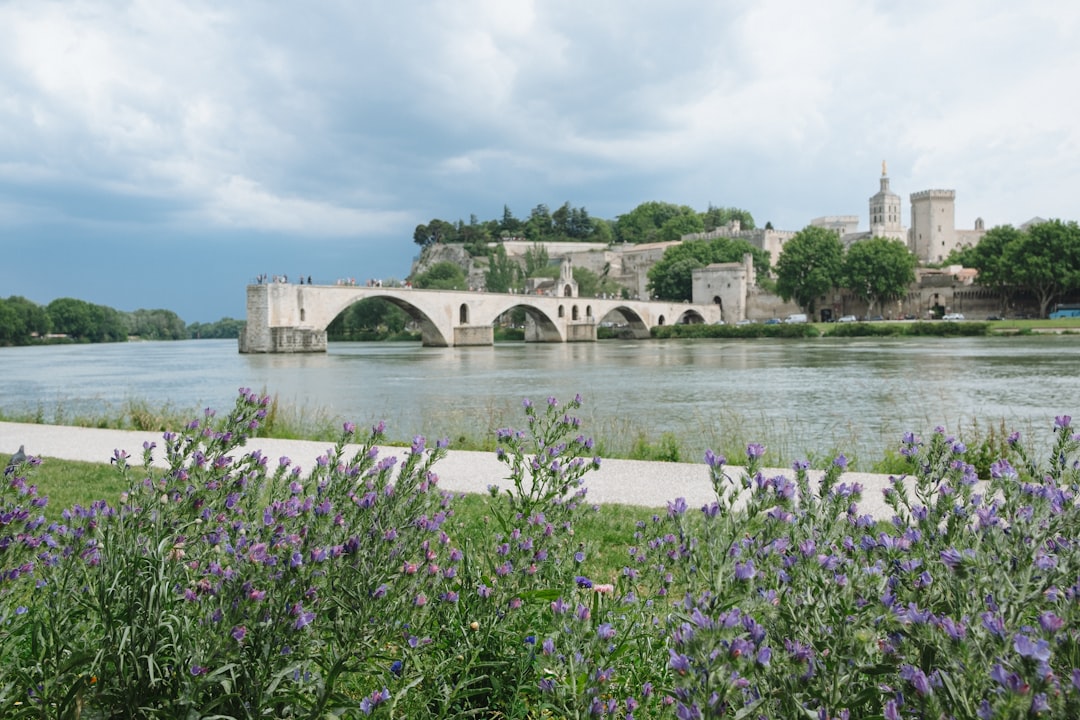
Avignon Travel Guide: Everything You Need to Know (2026)
Avignon, a walled city of 90,305 residents on the left bank of the Rhône in Provence, served as the seat of the Catholic papacy for 68 years during the 14th century — a fact that shaped every stone of its skyline. Founded by the Romans and sitting at just 10m above sea level, it hosts one of Europe’s most famous theatre festivals every July, drawing over 150,000 visitors to a city whose medieval ramparts still stand virtually intact. The TGV from Paris reaches Avignon in just 2h40, making it one of southern France’s most accessible medieval cities.
Top 3 Highlights at a Glance
- Palais des Papes — The largest Gothic palace in Europe, built between 1335 and 1364, dominates the city skyline from every angle.
- Pont Saint-Bénézet — The famously incomplete 12th-century bridge stretching into the Rhône — only 4 of 22 original arches survive.
- Place de l’Horloge — The living heart of Avignon’s intra-muros district, surrounded by 19th-century arcades and outdoor café terraces.
Scroll down for our complete travel guide with tips on getting there, where to stay, costs and more.
Arrival & Airport
How do I get to Avignon?
Take the TGV from Paris Gare de Lyon — it’s the fastest and most practical option. The TGV Méditerranée stops at Avignon TGV station in as little as 2h40, with tickets bookable from €29 if purchased 90 days ahead on SNCF Connect. From Lyon, it’s just 1h by TGV. Driving from Paris covers roughly 690km via the A7 autoroute (Autoroute du Soleil), taking around 5.5 hours — toll costs add up to about €50 each way. My tip: avoid driving into the walled city itself; parking inside the intra-muros is a nightmare. What most guides omit: Avignon has two TGV stations — Avignon TGV (outside the walls) and Avignon Centre (inside the walls). Always check which station your train serves before booking.
Which airport is closest to Avignon?
Avignon-Caumont Airport (AVN) is the closest, just 8km southeast of the city centre, but its connections are extremely limited — primarily seasonal UK routes. In my experience, Marseille Provence Airport (MRS), located 80km south, is the most practical entry point, with direct buses to Avignon taking around 1h15. Lyon Saint-Exupéry (LYS), 220km north, and Nîmes Alès Camargue Cévennes (FNI), 45km southwest, are secondary alternatives. The honest caveat: if you’re flying intercontinentally, you’ll almost certainly connect through Charles de Gaulle (CDG) in Paris and then take the TGV south — often cheaper and faster than piecing together regional flight connections to Marseille.
How long does the journey to Avignon take from major hubs?
From Paris by TGV: 2h40 to Avignon Centre or Avignon TGV. From Marseille airport by bus: 1h15. From Lyon by TGV: under 1 hour. Driving from Barcelona takes around 3h30 via the AP-7/A9 motorways. What surprised me: the shuttle bus (navette) between Avignon TGV station and Avignon Centre takes only 15 minutes and costs around €1.80, but it runs infrequently — check the timetable before you land because taxis from the TGV station to the city centre cost roughly €15. My tip: book the TGV leg early during July festival season, when trains sell out weeks in advance and prices spike above €100 on last-minute bookings.
Do I need a car in Avignon?
No — you absolutely do not need a car for Avignon itself. The intra-muros historic centre is only about 1.5km across and best explored entirely on foot. TCRA bus lines cover the wider agglomeration for €1.80 per journey. The honest trade-off: a car becomes genuinely useful for day trips into the Luberon villages, Gordes, or the Dentelles de Montmirail, none of which are well served by public transport. If you rent, do it from Avignon TGV station rather than the city centre to avoid navigating the confusing one-way systems inside the walls. Rental from major agencies at the TGV station starts at around €40/day for a compact car in shoulder season.
City Transport
What are the best areas to stay in Avignon?
Stay inside the medieval walls (intra-muros) — full stop. The area around Rue de la République and Place de l’Horloge puts you within walking distance of every major sight. For a quieter experience with character, the Quartier de la Balance, wedged between the Palais des Papes and the Rhône, offers boutique hotels in restored townhouses. The Quartier des Teinturiers, named after the old dyers’ quarter along a small canal, has Avignon’s best independent restaurants and a local feel. What most guides omit: the area immediately outside the Porte de la République (near the train station) is convenient but noticeably noisier and less atmospheric — worth avoiding for a first visit.
What does accommodation in Avignon cost per night?
Budget options inside the walls start at around €80/night for an economy hotel — consistent with verified Numbeo data. A solid 3-star hotel in the Quartier des Teinturiers or near Place des Corps Saints typically runs €110–€150/night. Boutique hotels in converted mansions near the Palais des Papes range from €180–€280/night in peak season. The critical caveat: during Festival d’Avignon in July, prices across all categories jump by 40–70% and even modest rooms can hit €200+. I recommend Airbnb apartments in the intra-muros as a genuine money-saver — a well-located apartment for two costs around €90–€130/night outside festival season, and you get a kitchen to offset expensive restaurant costs.
How far in advance should I book accommodation in Avignon during high season?
For July — Festival d’Avignon month — book at least 4–6 months in advance. I have personally seen every intra-muros hotel fully booked by March for the July festival. For August and late June, booking 2–3 months ahead is sufficient for most budgets. Shoulder months like April, May, September, and October are much more flexible — a 4-week lead time is usually adequate. The trade-off nobody mentions: if you book the festival period without attending events, you’re paying premium prices while the city is chaotic. Either commit to the festival experience fully — buy show tickets on festival-avignon.com — or deliberately visit in September when prices drop by roughly 30% and the city breathes again.
Are there special or unique accommodation types in Avignon?
Yes — Avignon has a handful of genuinely distinctive stays. Several hôtels particuliers (private mansions) from the 17th and 18th centuries have been converted into boutique hotels, with La Mirande, located in a 14th-century cardinal’s palace directly behind the Palais des Papes, being the most extraordinary — rates from €300/night but worth knowing about. For something cheaper and local, chambres d’hôtes (B&Bs) in the Villeneuve-lès-Avignon district across the Rhône offer castle views at €85–€120/night with a French breakfast included. My tip: during the festival, several local residents rent rooms directly — check leboncoin.fr (France’s Craigslist equivalent) for listings that never appear on Booking.com. The caveat: quality varies enormously with private lettings.
Accommodation & Neighbourhoods
What are the must-sees in Avignon?
Three things are non-negotiable. First, the Palais des Papes — the largest Gothic building in Europe, built between 1335 and 1364; budget 2 hours minimum and pay the €12 entry fee for the full audio tour. Second, Pont Saint-Bénézet (the famous bridge): entry costs €5 and is worth every cent for the views of the Rhône and the Rocher des Doms gardens above. Third, walk the full circuit of the medieval ramparts — free and offering perspectives no guidebook photo captures. Beyond those, the Musée du Petit Palais on Place du Palais holds an underrated collection of Italian Primitives and is free on the first Sunday of each month. What surprised me: the rooftop terrace of the Palais des Papes is accessible and overlooked by most visitors.
What can I experience for free in Avignon?
Quite a lot, actually. Walking the 3km circuit of the medieval ramparts is completely free and takes about 45 minutes at a leisurely pace. The Rocher des Doms gardens above the Palais des Papes offer panoramic views over the Rhône and the Alpilles — free and open daily. Place de l’Horloge and the Rue des Teinturiers canal walk cost nothing. The Musée du Petit Palais is free on the first Sunday of every month. In July, the Festival OFF d’Avignon (the fringe) has hundreds of free or €5–€10 short performances at venues across the city — dramatically cheaper than the official festival. My tip: the view of the Palais des Papes from the Île de la Barthelasse across the Rhône is the best free photo angle in the city.
Which day trips from Avignon are most worthwhile?
Les Baux-de-Provence is 30km south — a dramatic hilltop village and home to the Carrières de Lumières, an immersive art projection show inside a quarry costing €15 entry. Gordes and the Luberon villages (Roussillon, Ménerbes, Bonnieux) sit 45–55km east and are genuinely stunning but require a rental car. Orange, only 28km north by regional TER train (€6, 20 minutes), has a UNESCO-listed Roman theatre in better condition than Rome’s. Pont du Gard, the intact Roman aqueduct, is 23km southwest — reachable by bus from Avignon’s Gare Routière for roughly €5. The caveat: without a car, Luberon village-hopping is nearly impossible on public transport — buses are infrequent and routes don’t connect villages to each other efficiently.
What are Avignon’s local culinary specialities?
Avignon sits in the heart of Provençal cuisine. Tapenade (olive paste on toast) appears on every table as a starter — quality varies enormously, so skip restaurant versions and buy it at the Les Halles market on Place Pie for around €4–€8 per jar. Daube Provençale (slow-braised beef with olives, capers, and Côtes du Rhône wine) is the emblematic main course — order it at any traditional bistrot in the Quartier des Teinturiers. The Rhône Valley produces Châteauneuf-du-Pape wine just 18km north; a glass at source costs €4–€7, while the same bottle in Paris restaurants doubles in price. My honest warning: Place de l’Horloge restaurants are uniformly overpriced for mediocre food — never eat within 50 metres of the main square.
Highlights & Must-Sees
What makes Avignon unique compared to other Provençal cities?
Three things distinguish Avignon from Aix-en-Provence or Nîmes. First, it was the seat of the Catholic papacy from 1309 to 1377 — seven popes ruled Christendom from here, leaving a palace complex of a scale that no comparable French city can match. Second, Festival d’Avignon, founded in 1947, is the world’s oldest and largest performing arts festival, transforming every courtyard, church, and car park into a stage for 3 weeks each July. Third, the intact medieval ramparts — 4.3km of walls built in the 14th century — still encircle the entire historic core, making Avignon arguably France’s best-preserved walled city. What surprised me: unlike Carcassonne, Avignon’s walls enclose a genuinely lived-in city of 16,000 intra-muros residents, not a museum piece.
How many days do I need to see Avignon properly?
2 full days cover all intra-muros highlights comfortably. Day 1: Palais des Papes, Pont Saint-Bénézet, Rocher des Doms, evening in the Teinturiers quarter. Day 2: Les Halles market, Musée du Petit Palais, afternoon at Villeneuve-lès-Avignon across the river. Add 1–2 days if you want to day-trip to Pont du Gard or Orange. For the July festival, budget 4–5 days minimum to do justice to the programme. The honest trade-off: Avignon is compact enough that two days feel complete, but the Luberon and Côtes du Rhône wine country immediately around it could absorb a full week. My tip: use Avignon as a base for a 5-day Provence road trip rather than treating it as an isolated destination.
When is the best time to visit Avignon?
Based on verified climate data, July, August, and September are the optimal travel months for weather. My personal recommendation is late September or early October — summer heat has broken (July averages above 30°C in the Rhône Valley), crowds thin dramatically after the August holidays, and the vineyards surrounding the city turn golden. July is extraordinary if you’re attending the festival but punishing otherwise — prices are 40–70% higher and accommodation is scarce. April and May are excellent shoulder months with mild temperatures around 17–20°C and blooming Provençal landscapes. The one caveat: November through February sees the Mistral wind — a cold, sustained northerly that can make outdoor sightseeing genuinely unpleasant for days at a time.
Are there local festivals in Avignon worth attending?
Festival d’Avignon in July is the definitive answer — the world’s largest live performance arts festival, running for 3 weeks from early July. The official programme (Festival IN) features around 40 productions at prestigious venues like the Cour d’Honneur du Palais des Papes, with tickets from €15–€55. The Festival OFF runs simultaneously with 1,500+ shows at 130 venues, many under €15. Beyond July, the Festival des Chorégies d’Orange (opera in the Roman theatre, 18km north) runs late July through August. Christmas market on Place de l’Horloge in December is atmospheric without the summer madness. My honest caveat: the official festival tickets for headline shows sell out within hours of going on sale in January — set a calendar reminder.
Food & Drink
How does weather affect activities in Avignon throughout the year?
Avignon’s climate is classic Provence Mediterranean — hot dry summers, mild winters, and the Mistral wind as the wildcard. Summer sightseeing between 11:00–16:00 in July and August is genuinely draining when temperatures hit 33–38°C in the Rhône corridor — I recommend visiting the Palais des Papes first thing at opening (9:00) and retreating to shaded café terraces during midday. The Mistral wind (cold, northerly, up to 100km/h in extreme cases) can occur any season but peaks in winter and spring — it makes cycling unpleasant and outdoor dining uncomfortable. Spring and autumn offer the most balanced conditions for walking the ramparts and exploring the surrounding countryside. Rain is rare in summer but autumn sees heavier showers — carry a compact jacket in October.
How crowded does Avignon get in peak season?
July festival period is exceptionally crowded — the most intense tourist pressure in all of Provence. The population of the intra-muros effectively doubles during the 3 festival weeks, with every café, restaurant, and public space at capacity. The Palais des Papes queue can stretch to 45 minutes without pre-booked tickets. August is busy but noticeably calmer than July. What surprises most visitors: even at peak season, the streets inside the walls thin out dramatically after 21:00 when day-trippers leave — the city regains a magical quietness. My tip: book Palais des Papes tickets online in advance at palais-des-papes.com — this gives you a timed entry and bypasses the queue entirely, saving real time during peak months.
How safe is Avignon for tourists?
Avignon is safe for tourists by any objective European standard. The intra-muros historic centre is well-lit and populated until late. The main risk is pickpocketing around Place de l’Horloge and the Palais des Papes — standard crowded-city precautions apply. The bus station (Gare Routière) area and the streets immediately south of Porte de la République warrant more awareness at night, particularly after 23:00. During the July festival, the huge crowds create more opportunities for petty theft — use a money belt or front-pocket wallet. What guides typically understate: scooter theft from parked rental scooters near the main sights has increased — if renting, always use the provided lock and avoid leaving valuables in under-seat storage.
Is English widely spoken in Avignon?
English is functional in tourist-facing contexts — fluency is patchy in everyday settings. Staff at major sites like the Palais des Papes, hotels in the intra-muros, and restaurants on Rue des Teinturiers speak workable to good English. Away from those contexts — at the Les Halles market, neighbourhood bakeries, or local tabacs — French is essential. In my experience, even basic French phrases (‘Bonjour’, ‘Un café s’il vous plaît’, ‘L’addition’) transform interactions dramatically — Avignonnais respond warmly to any effort. The caveat that most guides omit: during Festival d’Avignon, the city fills with international theatre professionals and audiences, making English far more prevalent than during the rest of the year. Download DeepL (not Google Translate) for the most accurate French-English translations.
Practical Tips
What is a realistic daily budget for Avignon?
Budget traveller: €70–€90/day. Mid-range: €130–€180/day. Comfortable: €220+/day. Breakdown for mid-range: economy hotel at €80/night, a sit-down lunch at around €13–€15 (verified Numbeo data), dinner for two at roughly €23–€35, Palais des Papes entry at €12, coffee and snacks €8–€12. The hidden cost most budgets miss: wine — Avignon is surrounded by AOC wine country and it’s almost impossible not to spend €25–€40/day on wine between tastings, a bottle at dinner, and an aperitif. My tip: buying a bottle of Côtes du Rhône Villages at a cave coopérative for €6–€9 and picnicking in the Rocher des Doms gardens cuts daily costs dramatically while actually improving the experience.
How does public transport work in Avignon?
TCRA buses cover the city and agglomeration for €1.80 per journey. Within the intra-muros, the network is less relevant — the walled city is small enough to walk everywhere in under 20 minutes. The navette shuttle between Avignon TGV station and Avignon Centre is the most practically useful service, running roughly every 15–20 minutes and costing €1.80 one-way. Regional TER trains from Avignon Centre station reach Orange in 20 minutes (€6), Nîmes in 30 minutes (€9), and Marseille in 35 minutes (€17). The honest limitation: for Luberon villages, Gordes, and wine country — the public bus network (operated by Zou! regional buses) is infrequent and unreliable, with sometimes only 1–2 services per day.
Which apps do you recommend for visiting Avignon?
Five apps that genuinely help in Avignon. SNCF Connect — essential for booking TGV tickets and checking TER regional train times; buy tickets here rather than at the station to access advance pricing. Citymapper — works well for Avignon and shows TCRA bus times accurately. DeepL — superior to Google Translate for French, particularly for menus and museum signage. festival-avignon.com (mobile site) — the official festival programme; no standalone app needed but the site is mobile-optimised. Maps.me — downloadable offline maps that work without data, useful for wandering the intra-muros without burning through your data plan. My warning: Waze and Google Maps frequently suggest driving routes through the walled city that are actually pedestrian zones — always verify navigation before entering the historic centre by car.
More Destinations in Europe
Explore our complete travel guides for more Europe destinations: Côte dAzur Travel Guide (2026), Biarritz Travel Guide (2026), Chartres Travel Guide (2026), Porto Travel Guide (2026), Lisbon Travel Guide (2026).
Avignon at a Glance
| Population | 92,188 |
|---|---|
| Currency | EUR (€) |
| Official language | French |
| Time zone | UTC+01:00 |
Source: Wikidata, retrieved August 2026.
Useful Resources for Planning Your Trip to Avignon
- Wikipedia: Avignon — history, geography and background
- Lonely Planet: Avignon — itineraries and travel inspiration
- TripAdvisor: Avignon — hotels, restaurants and traveller reviews
🎥 Avignon Travel Videos

Top 10 Best Things to do in Avignon, France [Avignon Travel …
Vacation Idea

AVIGNON travel guide – Love it or hate it? Did I visit at the …
Planes, Trains, Everything.

10 Best Things to Do in Avignon, France
Jillu Travel
You are currently viewing a placeholder content from Vimeo. To access the actual content, click the button below. Please note that doing so will share data with third-party providers.
More InformationYou are currently viewing a placeholder content from YouTube. To access the actual content, click the button below. Please note that doing so will share data with third-party providers.
More InformationYou need to load content from reCAPTCHA to submit the form. Please note that doing so will share data with third-party providers.
More InformationYou are currently viewing a placeholder content from GetYourGuide. To access the actual content, click the button below. Please note that doing so will share data with third-party providers.
More Information