
Djibouti: The Complete Travel Guide (2026)
Last reviewed: August 2026 · key facts checked against Wikidata
Djibouti Travel Guide: Everything You Need to Know (2026)
Djibouti is a tiny Horn of Africa nation covering just 23,200 km² with a population of 83,636, making it one of the least visited yet most geopolitically strategic countries on earth — home to military bases from the US, France, China, and Japan simultaneously. Perched at the southern entrance to the Red Sea where it meets the Gulf of Aden, this former French territory gained independence in 1977 and punches far above its weight in terms of raw natural drama. From the third-lowest point on earth at Lac Assal (-155 meters) to vast salt flats and whale shark encounters, Djibouti rewards the genuinely curious traveler.
Top 3 Highlights at a Glance
- Lac Assal — The third-lowest point on earth at -155 meters, with salt concentrations 10x saltier than the ocean — you float effortlessly.
- Whale Shark Snorkeling at Arta Beach — Between November and February, whale sharks gather reliably in Gulf of Tadjoura waters just 40 km from the capital.
- Day Forest National Park — A cloud forest at 1,500 meters altitude that shocks every visitor — wild olive trees, fog, and endemic bird species in the desert country.
Scroll down for our complete travel guide with tips on getting there, where to stay, costs and more.
Getting There & Transport
Which airports are the best entry points into Djibouti?
Djibouti-Ambouli International Airport (JIB) is the only entry point — there is exactly one international airport in the country. It sits 5 km from Djibouti City center, which is convenient. In my experience, most travelers fly via Addis Ababa (ADD) on Ethiopian Airlines, which operates the most frequent connections and often the cheapest fares. Dubai (DXB) via flydubai is the second-best hub. What most guides omit: flight options are genuinely limited and seats sell out weeks in advance, especially during whale shark season (November–February). Book your inbound flight before finalizing any other plans. There are no domestic airports worth noting — the country is small enough to drive everywhere.
How do I get from Djibouti-Ambouli Airport to my first accommodation?
Take a taxi — it costs roughly $5–8 USD for the 5 km ride into Djibouti City center. The ride takes 10–15 minutes in normal traffic. My tip: agree on the price before you get in, as meters are non-existent. The Plateau du Serpent and European Quarter neighborhoods are where most decent hotels cluster, so give drivers those area names rather than a hotel address. What most guides omit: there is no airport bus, no ride-hailing app, and no rail link despite Djibouti having a historic railway to Ethiopia — it currently does not serve passengers reliably from the airport. Have Djiboutian Francs (DJF) ready or negotiate in USD, which is widely accepted.
What transport options exist within Djibouti for getting around?
Minibuses (called “busettes”) connect Djibouti City to major towns for under $3 USD. Routes cover Tadjoura, Ali Sabieh, and Dikhil but schedules are loose and departures happen when vehicles fill up. Shared taxis — colored white with an orange stripe — are the urban backbone at roughly $0.50–1 USD per shared ride within the city. I recommend renting a 4WD for anything outside the capital, as roads to Lac Assal and the northern regions are rough piste tracks. What surprises most visitors: Djibouti City itself is walkable in the compact European Quarter, but distances to natural attractions like the Goda Mountains make self-drive or guided tours essential. Fuel is widely available in the capital.
Do I need a rental car to explore Djibouti properly?
Yes, a 4WD rental car is essential for seeing the best of Djibouti. The road to Lac Assal and the salt flats of Lac Abbé requires high clearance, and no public transport goes there. Rental rates run approximately $80–120 USD per day for a Toyota Land Cruiser with a local driver, which I strongly recommend over self-drive — drivers double as guides and know the unmarked tracks. Renting from Europcar Djibouti or local operators near the port is your best option. The honest caveat: self-drive rental insurance is extremely limited, breakdown recovery in remote areas is your problem, and GPS coverage outside the capital is unreliable. Budget for a driver — it’s worth every dollar.
How good is the public transport network between regions of Djibouti?
Public transport between regions is functional but basic and slow. Busettes depart from Marché Central in Djibouti City to regional towns like Ali Sabieh (90 km south) for about $2–3 USD, but expect 2–3 hours due to stops and vehicle conditions. The historic Djibouti-Ethiopia railway was rehabilitated but carries freight primarily, not reliable passenger service. My honest assessment: if your itinerary includes only Djibouti City and day trips with a driver, public transport is sufficient. If you want Lac Abbé, the Goda Mountains, or the northern coast near Obock, you need private transport. What most guides omit: there is zero public transport to most natural highlights — plan accordingly and budget for private vehicles or guided day tours.
Accommodation
Which regions of Djibouti should I stay in?
Stay in Djibouti City — it is the only practical base for most visitors. The European Quarter (Plateau du Serpent) has the best hotels, restaurants, and security, and it’s walkable. For beach access, Arta Beach (40 km west on Gulf of Tadjoura) has simple bungalow camps perfect for whale shark season. Tadjoura, the oldest town in Djibouti across the gulf, has one guesthouse and a ferry connection — worth an overnight if you want authenticity. In my experience, the Lake Assal area has no proper accommodation, so day trips are the only option. What most guides miss: staying in the city gives you the strategic position to reach every major attraction within a 2-hour drive.
What does good accommodation cost per night in Djibouti?
Expect to pay $80–150 USD per night for a decent hotel in Djibouti City. The Kempinski Palace Djibouti is the top-end option at $200–300 USD per night and genuinely delivers international standards — pool, sea views, strong Wi-Fi. Mid-range options like Hôtel Horseed or Sheraton Djibouti (now rebranded) run $100–150 USD. Budget guesthouses exist from $30–50 USD but quality is inconsistent and power cuts are common without backup generators. In my experience, Djibouti is the most expensive country in the Horn of Africa for accommodation — a fact that shocks most first-timers. Prices rarely include breakfast unless explicitly stated. Book direct when possible, as third-party booking sites often have outdated room information.
When should I book hotels in Djibouti — how far in advance?
Book at least 6–8 weeks in advance for whale shark season (November–February). Djibouti City has limited quality hotel stock, and military contractors, NGO workers, and embassy staff fill rooms year-round — this is not a typical tourist economy. The Kempinski and top mid-range properties sell out during peak season with no warning. What most guides omit: Djibouti has a significant long-stay corporate clientele that competes directly with leisure travelers for rooms. My tip: if you’re visiting for the whale sharks at Arta Beach, book both your hotel and your dive/snorkel operator simultaneously — operators like Dolphin Excursion have limited boats and cap group sizes. Last-minute bookings in January can leave you with zero acceptable options.
When is the best time to travel to Djibouti?
November through February is the best time to visit Djibouti. Temperatures during these months stay around 25–28°C — tolerable compared to the brutal summer heat that regularly exceeds 45°C in June through August. The whale shark season runs November to January in the Gulf of Tadjoura, which alone justifies timing your trip. January and February also bring clearer skies for photography at Lac Assal and Lac Abbé. In my experience, December is the sweet spot: comfortable temperatures, active marine life, and the salt flats are at their most photogenic. The honest caveat: even ‘cool season’ daytime highs of 28°C feel intense in direct sun — pack serious sun protection and hydrate aggressively.
How does peak season affect prices in Djibouti?
Hotel prices rise 20–40% during peak whale shark season (November–February). Djibouti does not operate a formal tourist pricing structure, but scarcity of quality rooms drives rates up naturally. Guided excursions to Lac Assal and whale shark snorkeling trips run $80–150 USD per person during peak demand versus occasional negotiation in slower months. What surprises most travelers: Djibouti never becomes cheap — even off-season, it remains one of the Horn of Africa’s most expensive destinations due to the import-heavy economy and military presence inflating local prices. My tip: budget accommodation options don’t meaningfully drop in price year-round, so the value calculation almost always favors visiting during the comfortable, activity-rich November–February window regardless of the premium.
Best Time to Visit
Which regions of Djibouti have different climate zones?
Djibouti has three distinct climate zones despite its small 23,200 km² size. The coastal strip around Djibouti City and the Gulf of Tadjoura is hot and humid year-round, with summer temperatures hitting 45°C. The central depression — including Lac Assal at -155 meters — is the hottest and driest zone, recording some of the highest temperatures ever measured in Africa. The northern highlands around the Goda Mountains and Day Forest sit at 1,500 meters altitude and offer genuinely cooler, sometimes foggy conditions — a climate shock after the coast. In my experience, visiting Day Forest after the salt flats in a single day feels like traveling between continents. The inland Dikhil region is semi-arid with slightly more vegetation than the coast.
What are the rainy seasons in Djibouti?
Djibouti has two weak rainy periods — neither is reliable or heavy. The main rainy period falls October to December with sporadic showers averaging 30–50mm total. A secondary period occurs March to April. In my experience, ‘rainy season’ in Djibouti means occasional dramatic thunderstorms — not sustained rainfall like tropical destinations. The honest caveat: when rain does fall, dry riverbeds (wadis) can flash-flood rapidly and make dirt roads to Lac Abbé and remote areas temporarily impassable for hours or even days. If you’re renting a 4WD and heading into the interior between October and December, always ask locals about recent rainfall before driving into any wadi crossing. Annual total rainfall in Djibouti City is just 160mm — it is fundamentally a desert country.
What does a trip to Djibouti cost per person per day?
Budget $150–250 USD per person per day for a complete Djibouti experience. This includes: a mid-range hotel at $100–130 USD, meals at $20–40 USD, local transport or shared excursion costs at $30–80 USD. Djibouti is not a backpacker destination — there is no hostel infrastructure, no street food culture comparable to Southeast Asia, and excursions to key sites like Lac Assal with a driver cost $80–120 USD regardless of group size. My honest assessment: if you’re traveling solo, expect the upper end because you can’t split vehicle costs. Couples traveling together can realistically land at $150 USD per person per day by sharing a room and private driver. Budget travelers who skip the excursions miss most of what makes Djibouti worth visiting.
How expensive is food in Djibouti?
A restaurant meal in Djibouti City costs $10–25 USD per person — expensive by African standards. The European Quarter has Lebanese, French, and international restaurants where a main course runs $15–25 USD. Local Djiboutian restaurants near Marché Central serve rice and fish dishes (fah-fah, skoudehkaris) for $5–8 USD — these are your best value meals. Supermarkets like Score near the port stock imported French goods at European prices. What most guides omit: Djibouti imports nearly all food, which structurally inflates costs. The fresh fish market near the port sells locally-caught grouper and tuna at roughly $3–5 USD per kg — buying here for a self-catering apartment cuts costs significantly. Alcohol is available in licensed hotels and some restaurants but adds $6–12 USD per drink to your bill.
What hidden costs should I expect when traveling in Djibouti?
The biggest hidden cost is mandatory private transport — add $80–150 USD per day. There is no tourist bus to Lac Assal, Lac Abbé, or the northern coast — private vehicle hire is unavoidable for any serious sightseeing. Beyond transport: the e-visa costs $30 USD upfront and is non-negotiable. Whale shark snorkeling at Arta Beach via operators like Dolphin Excursion runs $70–100 USD per person including boat and wetsuit. Water costs more than you’d expect — budget $5–8 USD daily on bottled water because tap water is unsafe and heat is severe. What genuinely surprises travelers: tipping culture is embedded at 10–15% in restaurants and for drivers, guides, and boat crews — factor this into daily costs. Port fees, photography permits at some sites, and national park entry fees add another $10–20 USD per day.
Budget & Costs
How much cash should I bring to Djibouti?
Bring $300–500 USD in cash for a 5-day trip as emergency backup. The Djiboutian Franc (DJF) is pegged to the USD at approximately 177 DJF per dollar — a fixed peg since 1973, making it unusually stable. USD is accepted widely in hotels, tour operators, and upmarket restaurants. ATMs exist in Djibouti City at Banque de Djibouti et du Proche-Orient (BDPE) and a few bank branches, but machine reliability is inconsistent and withdrawal limits are typically $200–300 USD per transaction. My tip: withdraw or exchange money on your first day in the city before heading to remote areas, where cash is the only option. What most guides omit: outside Djibouti City, cashless payment is completely non-functional — the salt flats and ferry crossings to Tadjoura require physical cash only.
Which credit cards are accepted in Djibouti?
Visa and Mastercard are accepted only at major hotels and a handful of upmarket restaurants in Djibouti City. The Kempinski and Sheraton reliably process cards; most mid-range and budget properties are cash-only. American Express is essentially non-functional outside the Kempinski. In my experience, even hotels that claim to accept cards sometimes have terminal issues — always have cash as a backup. What most guides omit: card skimming has been reported at standalone ATMs in Djibouti City — use ATMs inside bank branches whenever possible and shield your PIN. Foreign transaction fees from your home bank will apply; notify your bank before travel as Djibouti triggers fraud alerts. Contactless payment infrastructure is virtually non-existent outside the top hotel properties.
Which regions of Djibouti must I not miss?
Three areas are non-negotiable: the Lac Assal depression, the Gulf of Tadjoura coast, and the northern Goda highlands. Lac Assal at -155 meters altitude is Africa’s lowest point and the world’s third-lowest — the salt crust glitters white and the colors at sunrise are unlike anything else on the continent. The Gulf of Tadjoura coastline around Arta Beach is where whale shark encounters happen November–February. The Goda Mountains around Forêt du Day showcase a bizarre cloud forest ecosystem that contradicts every expectation you arrive with about Djibouti. In my experience, visitors who only see Djibouti City leave unimpressed — the capital is functional, not beautiful. The country’s magic is entirely in these three natural areas within a 2-hour drive of each other.
What are the top tourist highlights in Djibouti?
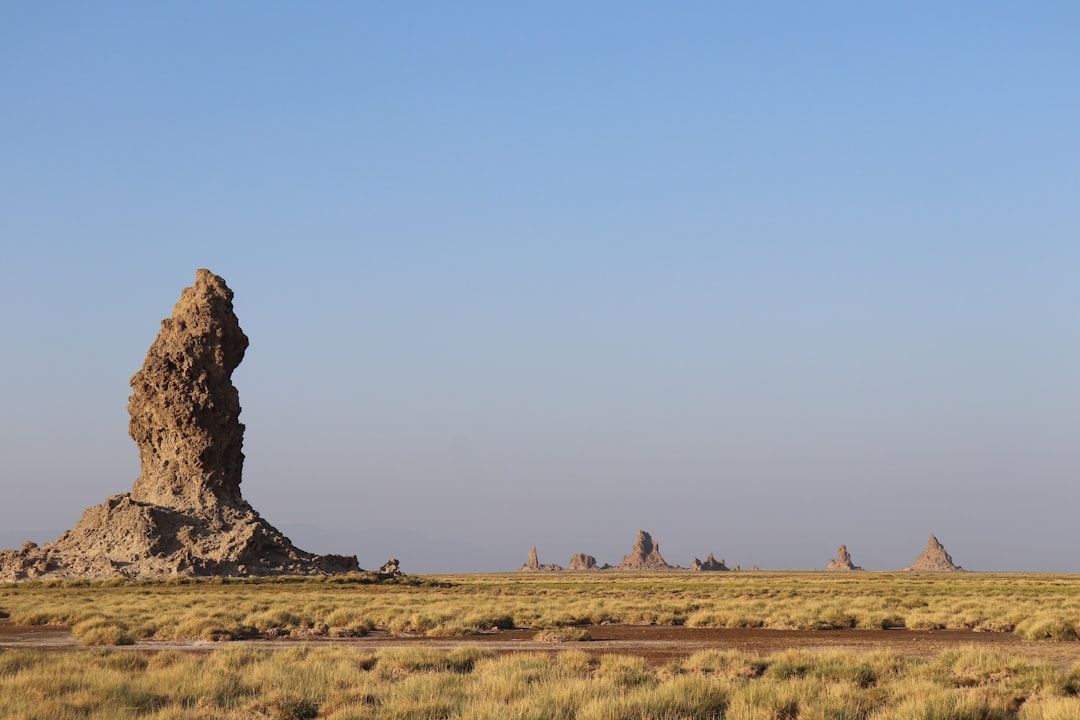
The top five highlights are Lac Assal, Lac Abbé, whale shark snorkeling, Day Forest, and the Tadjoura ferry. Lac Assal is the crown jewel — a hypersaline crater lake where you float effortlessly in near-zero-visibility brine. Lac Abbé on the Ethiopian border features otherworldly limestone chimneys (termite-mound-like formations up to 50 meters tall) with flamingos in season — plan an overnight camp here for the sunrise. Whale sharks in the Gulf of Tadjoura are the marine highlight, accessible from Arta Beach in 30-minute boat rides. Day Forest National Park is 7,900 hectares of endemic-species-rich highland forest. The ferry crossing from Djibouti City to Tadjoura takes 2 hours and passes spectacular red-cliff coastline — don’t skip it even if you don’t stay overnight.
What experiences in Djibouti are found nowhere else on earth?
Swimming with whale sharks in a semi-enclosed gulf 40 km from an African capital is genuinely unique. The Gulf of Tadjoura creates calm, plankton-rich conditions that attract whale sharks predictably each November–February in a way that few accessible global destinations can match. Lac Assal’s combination of extreme altitude depression, 10x ocean salinity, and volcanic crater setting — in a country you can reach by direct flight — is not replicated anywhere. In my experience, the most extraordinary moment is standing at Lac Abbé at sunrise watching the limestone chimneys steam with geothermal vents while flamingos feed in the shallows — a scene so surreal it feels staged. Djibouti also uniquely hosts military bases from 4 rival superpowers (US, France, China, Japan) simultaneously — a geopolitical curiosity visible from the harbor.
Regions & Highlights
Which areas of Djibouti are overcrowded, and what are the quieter alternatives?
Lac Assal sees the most visitor traffic — go at dawn before 7am to avoid tour groups. The salt lake receives a majority of Djibouti’s tourist excursions and by 10am can feel busy by local standards (though ‘crowded’ is relative — you’ll rarely see more than 30 people). The quieter alternative is Lac Abbé, which requires an overnight stay near Dikhil and receives a fraction of the visitors due to the longer drive (roughly 3 hours from the capital). Obock, on the northern Gulf of Tadjoura coast, is almost completely off the tourist circuit despite having good snorkeling and historical significance as France’s first colonial port. In my experience, any destination in Djibouti requiring an overnight stay filters out 80% of day-trippers — lean into multi-day routes for genuine solitude.
How many days do I need to explore Djibouti properly?
5–7 days is the ideal duration for a complete Djibouti experience. Day 1: arrive, settle in Djibouti City, explore the market and port area. Day 2: full-day to Lac Assal and Ardoukoba Volcano. Day 3: whale shark snorkeling at Arta Beach. Day 4: ferry to Tadjoura, overnight. Day 5: Goda Mountains and Day Forest, return to capital. Add 2 days for Lac Abbé if the chimneys and flamingos are priorities. What most guides omit: Djibouti is tiny at 23,200 km² but road quality makes distances deceptive — a 150 km drive can take 3 hours on piste. I have never met a visitor who felt 3 days was sufficient; the country requires time to decode its stark, slow-burning beauty.
Do I need a visa to visit Djibouti?
Most nationalities need a visa — obtain it online via e-visa for $30 USD before departure. The e-visa system at evisa.gouv.dj processes applications within 72 hours and grants a 30-day single-entry tourist visa. Citizens of France, Italy, and a handful of Arab League states receive visa-on-arrival or visa-free access. In my experience, the e-visa process is straightforward but the website can be slow — apply at least 2 weeks before travel to avoid stress. What most guides omit: your passport must have at least 6 months validity beyond your entry date and 2 blank pages — Djibouti border officials check both strictly. The visa-on-arrival option technically exists but queues at Ambouli Airport (JIB) can be long on busy flight days; the e-visa lane is faster.
What languages are spoken in Djibouti?
Djibouti has two official languages: French and Arabic. In practice, French is the dominant language in government, business, upmarket hotels, and restaurants in Djibouti City — a legacy of French colonial rule until 1977. Somali (Issa dialect) and Afar are the native languages spoken at home by the majority of the population. English is spoken at 4-star hotels like the Kempinski and by tour operators catering to international visitors, but don’t assume it in markets, local restaurants, or with taxi drivers. In my experience, a handful of French phrases unlocks enormous goodwill — even poor French is received warmly. What surprises travelers: signage is bilingual French-Arabic, not English, which can disorient visitors arriving from anglophone African countries.
What cultural rules do I need to know before visiting Djibouti?
Djibouti is a Muslim-majority country — dress modestly outside hotels and beaches. Women should cover shoulders and knees when visiting Marché Central, mosques, or any residential neighborhood. Men in shorts are acceptable in tourist areas but may attract attention in conservative districts. Ramadan shifts the entire daily schedule — restaurants close during daylight hours, and public eating or drinking in the street is disrespectful. The khat chewing culture is visible and legal — large portions of the male population chew khat leaves from early afternoon onwards; don’t photograph users without permission. In my experience, Djiboutians are exceptionally hospitable when approached respectfully — a greeting of ’Salaam Alaikum’ before any transaction sets the right tone. Friday prayers between noon and 2pm effectively shut down businesses — plan around them.
Practical Tips
How safe is Djibouti for travelers?
Djibouti is one of the safest countries in the Horn of Africa — petty crime is the main concern. Violent crime targeting tourists is rare, and the significant military presence (US Camp Lemonnier is the largest US base in Africa) creates a deterrent effect. Djibouti City’s European Quarter and Plateau du Serpent are safe to walk day and night. The honest caveat: Balbala, the informal settlement west of the capital, is not a tourist area and should be avoided after dark. Bag snatching occurs near Marché Central — use a money belt and don’t display expensive cameras. Regional travel toward the Eritrean border in the north requires checking current advisories; the border area has historically had friction. Register with your embassy on arrival if staying more than 3 days.
What health precautions should I take before visiting Djibouti?
Yellow fever vaccination is mandatory if arriving from an endemic country — carry your certificate. Recommended vaccinations include hepatitis A, hepatitis B, typhoid, and tetanus. Malaria is present year-round in Djibouti, particularly in rural areas and near standing water after rain — start prophylactics (doxycycline or Malarone) before arrival. The sun at Lac Assal at -155 meters combined with salt flat reflection causes sunburn within 20 minutes — SPF 50 and a hat are medical necessities, not optional. Tap water is unsafe — drink bottled water only. The Peltier Hospital in Djibouti City provides emergency care but for serious medical issues, evacuation to Addis Ababa or Dubai is standard. Carry comprehensive travel insurance with medical evacuation coverage — this is non-negotiable.
What SIM card or eSIM options are available in Djibouti?
Buy a Djibouti Telecom SIM card at the airport or their downtown office for approximately $5–10 USD. Djibouti Telecom holds a monopoly on the local network — there is no competition. A tourist SIM with 10GB of data costs roughly $15–20 USD and covers 4G in Djibouti City reliably. Signal drops to 2G or disappears entirely at Lac Assal, Lac Abbé, and the northern highlands — download offline maps on Maps.me or Google Maps before leaving the capital. International eSIM providers like Airalo offer Djibouti data packages at roughly $12–18 USD for 5GB — useful for travelers wanting to avoid the monopoly’s retail queues. What most guides omit: WhatsApp calling and VoIP services are officially blocked on the Djibouti Telecom network; use a VPN or rely on hotel Wi-Fi for internet calls.
Which apps do you recommend for traveling in Djibouti?
**Download these 5 apps before landing at JIB: Maps.me, WhatsApp (with VPN), XE Currency, Google Translate, and iOverlander. Maps.me with offline Djibouti maps is essential — Google Maps coverage outside the capital is patchy. XE Currency handles the DJF/USD conversion instantly (fixed rate: 177 DJF = 1 USD). Google Translate with Arabic and French downloaded offline handles market negotiations. iOverlander has user-reported GPS waypoints for camping spots near Lac Abbé and remote piste tracks that no guidebook covers. For whale shark bookings, contact Dolphin Excursion directly via WhatsApp before arrival — they don’t have a functional booking website. A VPN app** (ExpressVPN or NordVPN) is worth installing before arrival to restore VoIP calling blocked by Djibouti Telecom’s monopoly.
What are the most common traveler mistakes in Djibouti?
The biggest mistake is underestimating how much everything costs and how little infrastructure exists. Travelers who budget like they’re in Ethiopia or Kenya arrive grossly underprepared — Djibouti is 3–4x more expensive than its neighbors for accommodation and food. Mistake two: visiting in June–August when temperatures hit 45°C makes outdoor sightseeing at Lac Assal genuinely dangerous, not just uncomfortable. Mistake three: not booking whale shark excursions in advance — Dolphin Excursion runs limited boats and turns away walk-ins during January peak weeks. Mistake four: expecting to use cards everywhere — cash in USD or DJF is king outside the Kempinski. In my experience, the most disappointed visitors are those who spend all their time in Djibouti City, which is a transit city, not a destination — get out to the natural sites within 24 hours of arrival.
Djibouti at a Glance
| Population | 1,152,944 |
|---|---|
| Currency | Djiboutian franc (Fdj) |
| Official language | French, Arabic |
| Time zone | UTC+03:00 |
Source: Wikidata, retrieved August 2026.
Related Travel Guides
Essential Resources for Planning Your Trip to Djibouti
- Djibouti Travel Advisory — official visitor information, passes & events
- Wikipedia: Djibouti — history, geography & background
- Wikivoyage: Djibouti — community travel guide & practical tips
- Djibouti travel – Africa — expert itineraries & travel inspiration
- THE 15 BEST Things to Do in Djibouti (2026) — hotels, restaurants & traveller reviews
- Djibouti Travel Advisory — how to get around
- Numbeo: Cost of Living in Djibouti — current prices & cost comparison
- Timeanddate: Djibouti Weather & Climate — forecasts & climate statistics
- Djibouti – International Institute for Educational Planning
More Perspectives on Djibouti
- Djibouti Travel Guide 2026
- Djibouti International Travel Information
- Travel advice and advisories for Djibouti
Djibouti Travel Videos
Watch these videos for a visual preview before your trip:
- 10 Top Places To Visit In Djibouti | Travel Video | Travel Guide | SKY Travel
- Exploring Africa’s Hidden Country (Djibouti)
- TOP 10 Things to do in Djibouti, Africa 2023!
Djibouti Travel Discussions on Reddit
Real traveller experiences and community advice:
- Is Djibouti safe to travel?
- I’m going on my first trip ever, to Djibouti : r/travel
- Visiting Djibouti and Somaliland : r/solotravel
Data Sources
This page was compiled using data from Wikipedia, Wikidata, Open-Meteo (climate), Numbeo (cost of living) and REST Countries. Information is updated regularly.