
Micronesia: The Complete Travel Guide (2026)
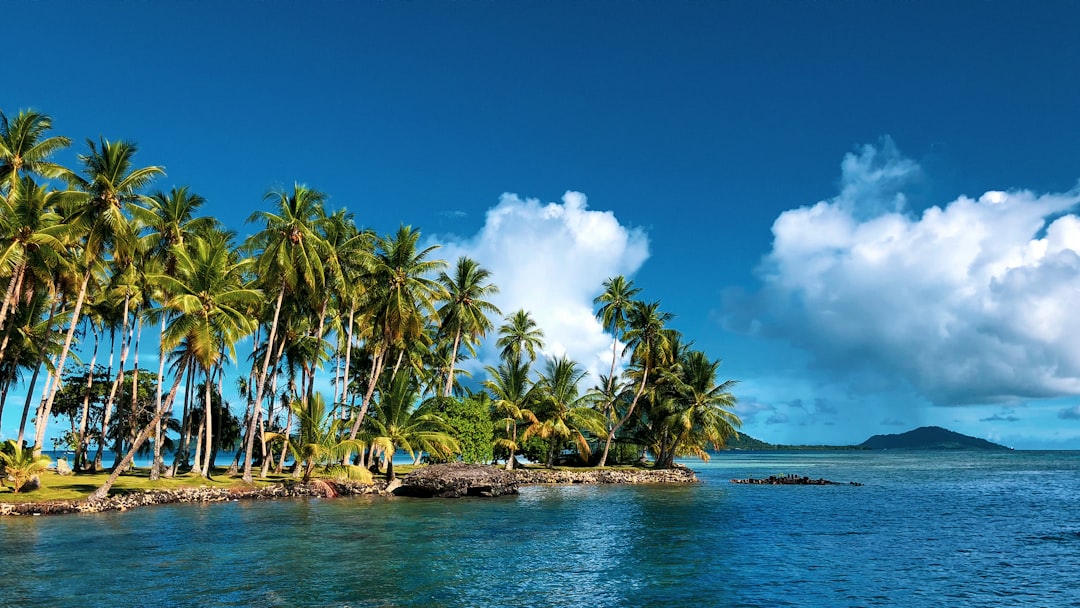
Last reviewed: August 2026 · key facts checked against Wikidata
Micronesia Travel Guide: Everything You Need to Know (2026)
Micronesia spans approximately 2,000 small islands across the Northwestern Pacific Ocean, covering a sea area larger than the continental United States yet with a total land mass of just 702 square kilometers. The Federated States of Micronesia alone has a population of 321,304 spread across four main island states — Yap, Chuuk, Pohnpei, and Kosrae. This remote Austronesian world sits roughly 4,000 km northeast of Australia and remains one of the least-visited yet most extraordinary destinations in the entire Pacific.
Three Things Not to Miss in Micronesia
- Chuuk Lagoon Wreck Diving — Home to over 60 WWII Japanese shipwrecks — the world’s greatest wreck diving site, lying at depths of 10–70 meters.
- Nan Madol, Pohnpei — A UNESCO World Heritage Site: ancient stone city built on 92 artificial islands, constructed around 1200 AD.
- Yap’s Stone Money Banks — Enormous limestone rai stones up to 4 meters wide still function as living cultural currency in Yapese villages today.
Scroll down for our complete travel guide with tips on getting there, where to stay, costs and more.
Arriving in Micronesia: Airports & Transport
Which airports are the best entry points into Micronesia?
Pohnpei International Airport (PNI) is the primary gateway for most travelers to Micronesia. In my experience, United Airlines’ ‘Island Hopper’ route — flying Honolulu to Guam via Majuro, Kwajalein, Kosrae, Pohnpei, and Chuuk — is the single most practical way in. Guam (GUM) serves as the western entry hub, with connecting flights operated by United to individual island states. Chuuk (TKK) and Yap (YAP) also have functioning international airports but require connections. My tip: book through Honolulu if coming from North America, or through Guam if connecting from Asia. Warning most guides omit: inter-island flights cancel with very little notice — always build buffer days around connections.
How do I get from the airport to my accommodation in Micronesia?
Taxi is essentially your only realistic option on arrival in Micronesia. In my experience, Pohnpei’s airport sits just 5 km from Kolonia town center, and taxis charge roughly $3–6 USD for that ride — but meters don’t exist, so agree on the price before you get in. On Yap, the airport is about 3 km from Colonia, and most mid-range hotels send a pickup if you email ahead — I recommend doing exactly that. On Chuuk, the Weno Island airport is chaotic and dive operators almost always include airport pickup in their packages. My warning: do not expect Uber or any rideshare app to function anywhere in Micronesia — it simply does not exist here.
What transport options are there within Micronesia?
Within Micronesia, transport is limited and you need to plan around it carefully. United Airlines operates the only inter-state flights, connecting Pohnpei, Chuuk, Yap, and Kosrae on a schedule that runs roughly 3 times per week per route. Flights between states cost $150–400 USD one-way depending on route. Within each island, taxis are the dominant option — there are no public bus networks in the Western sense. On Pohnpei, shared taxis run fixed routes for about $1–2 USD. Boat transport between outer islands exists but runs irregularly, sometimes only once per fortnight. What surprised me: renting a car on Pohnpei or Yap is possible and costs around $60–80 USD per day, which is genuinely useful for day exploration.
Do I need a rental car in Micronesia?
On Pohnpei, yes — a rental car makes a significant difference. The island is 35 km long, and sights like Nan Madol, the Kepirohi Waterfall, and highland trails are spread out. Rentals cost $60–80 USD per day from local agencies near Kolonia. On Yap, I recommend it if you want to explore villages beyond Colonia — but roads are short and distances small. On Weno (Chuuk) and Kosrae, you can honestly skip it: dive boats handle most transport, and Kosrae’s circuit road is compact. Trade-off: roads across all islands are poorly maintained, often unpaved in rural stretches, and some rental vehicles are aging — inspect thoroughly before signing anything.
How good is the public transport network between regions in Micronesia?
Bluntly: between island states, public transport does not exist in any meaningful form — United Airlines is the only scheduled inter-island carrier. Within individual islands, informal shared taxis cover main routes on Pohnpei for $1–2 USD per ride, but schedules are nonexistent — you simply flag them down. Field Trip Ships — government cargo-passenger vessels — serve outer atolls but run on unpredictable schedules, sometimes every 2–4 weeks. In my experience, travelers who try to rely on public transport alone often miss flights, miss boats, and miss entire islands. My recommendation: treat every transport connection in Micronesia as requiring a confirmed booking or a confirmed local contact. This is not a destination for improvised travel logistics.
Accommodation Across Micronesia
Which regions of Micronesia should I stay in?
Pohnpei is the best all-round base — it has the widest range of accommodation, the UNESCO World Heritage site of Nan Madol, strong hiking, and the best infrastructure. Yap is the cultural heartland: traditional villages, stone money, and exceptional manta ray diving in Manta Ray Bay make it ideal for divers and cultural travelers. Chuuk (Truk Lagoon) is non-negotiable for wreck divers — it’s one of the top 3 dive destinations on earth, but has almost nothing else for non-divers. Kosrae is the hidden gem: lush, uncrowded, and genuinely off-the-radar, with excellent snorkeling and ruins at Lelu. My tip: spend at least 2 nights per state minimum — island-hopping too fast here is a mistake.
What does good accommodation cost per night in Micronesia?
Good mid-range accommodation in Micronesia costs $80–150 USD per night. The dive-focused Truk Stop Hotel on Chuuk and Manta Ray Bay Hotel on Yap sit around $120–160 USD per night and include strong dive infrastructure. Budget guesthouses on Pohnpei start at $50–70 USD, though rooms are basic and air conditioning is not guaranteed below $80. The top property on the islands, Village Hotel in Pohnpei, runs around $150–180 USD per night. What most guides omit: accommodation on outer islands and atolls is extremely basic — expect fan-only rooms, cold water, and shared bathrooms for $30–50 USD. There are no international chain hotels anywhere in the Federated States of Micronesia.
When should I book hotels in Micronesia — how far in advance?
Book dive-focused lodges at least 3–4 months in advance for peak season (June–September). Properties like Manta Ray Bay Hotel (Yap) and Truk Stop Hotel (Chuuk) have limited rooms — Truk Stop has fewer than 30 rooms — and they fill with dive groups who book as packages. For Pohnpei and Kosrae, 6–8 weeks ahead is generally sufficient outside peak months. What surprised me: Micronesia’s limited flight schedule is often the real bottleneck, not accommodation. If you can’t get a flight connection that works, the hotel booking is irrelevant. My tip: book flights and accommodation simultaneously — do not treat them as separate steps in this destination.
When is the best time to travel to Micronesia?
June through September is the optimal travel window for Micronesia based on verified climate analysis. These months deliver the most reliable dry conditions, calmer seas, and best underwater visibility — critical for the wreck diving in Chuuk and manta encounters in Yap’s Manta Ridge. December through April brings the northeast trade winds, which keep things cooler and relatively dry in Yap and Pohnpei but can produce rough seas. Pohnpei is one of the wettest places on Earth, receiving over 7,600 mm of rain annually — so ‘dry season’ is relative there. My honest caveat: even in peak months, afternoon downpours are common across all states. Pack a dry bag for any boat-based activity regardless of when you travel.
How does peak season affect prices in Micronesia?
Peak season (June–September) in Micronesia pushes dive lodge rates up by 20–30% compared to low season and reduces availability dramatically. United Airlines’ Island Hopper fares increase by $100–200 USD per segment during summer months when American and Japanese dive groups dominate bookings. Budget accommodation, by contrast, sees less seasonal variation — guesthouses tend to hold flat rates year-round. What most guides miss: Japanese Golden Week (late April–early May) creates a sharp secondary peak specifically in Chuuk and Palau as Japanese WWII history tourism surges. My tip: traveling in October or November offers a genuine sweet spot — post-peak prices, still-acceptable diving conditions, and noticeably fewer group tours competing for boats and guides.
Micronesia Season by Season
Which regions of Micronesia have different climate zones?
Micronesia spans a vast ocean area with meaningful climatic variation between states. Pohnpei holds a world record: it receives approximately 7,600 mm of rain per year, making it one of the wettest inhabited places on Earth — rain falls almost daily regardless of season. Kosrae is similarly lush and wet. Yap and Chuuk are drier and more conventionally tropical, with a distinct dry season from December to April. The outer atolls and low-lying islands — like the outer islands of Yap State — are significantly more exposed to typhoon risk between July and November. What surprised me: the elevation difference between Pohnpei’s mountain interior (800+ meters) and its coast creates genuinely different microclimates within a single island.
What are the rainy seasons in Micronesia?
There is no single unified rainy season across Micronesia — each state has its own pattern. Pohnpei effectively has no dry season: rain falls throughout the year, with the heaviest periods between June and December. Yap’s wettest months run May through November, with typhoon risk peaking between August and October. Chuuk and Kosrae follow a similar pattern of heavier rainfall May–November. Typhoons are the critical weather risk: Micronesia sits within the Western Pacific typhoon belt, and Chuuk and Yap have both suffered direct typhoon hits in recent decades. My warning: travel insurance covering typhoon disruption is not optional here — it is essential. Check the Joint Typhoon Warning Center (JTWC) forecasts before any outer-island boat trip.
What does a trip to Micronesia cost per person per day?
A realistic daily budget in Micronesia runs $120–180 USD per person per day for mid-range travel. Budget breakdown: accommodation $70–120 USD, meals $25–40 USD, transport and activities $20–50 USD. Dive packages in Chuuk typically run $150–200 USD per day all-in including two dives, boat, and accommodation — which actually represents reasonable value for what you get. True budget travelers staying in guesthouses and eating local can get to $70–90 USD per day, but options are thin. What most guides omit: the flights getting here add significant cost — expect $800–1,500 USD in flights just to reach Pohnpei from the US West Coast or Japan. Factor this into your total trip budget from day one.
How expensive is food in Micronesia?
Food in Micronesia is more expensive than most of Southeast Asia due to the extreme import dependency of these islands. A local plate lunch at a Kolonia market or roadside stall in Pohnpei costs $5–8 USD — typically fish, rice, and breadfruit. A sit-down meal at a mid-range restaurant like Café Ocean in Pohnpei runs $12–20 USD per person. Alcohol is expensive — a local Budweiser or imported beer costs $4–6 USD. Supermarket groceries are available in Kolonia and Colonia (Yap) but carry a heavy import premium — expect to pay 30–50% more than US mainland prices. My tip: embrace local staples like taro, sakau (kava), breadfruit, and fresh reef fish — they’re cheaper, fresher, and the most authentic food experience available.
What hidden costs should I expect in Micronesia?
Several costs catch travelers off guard in Micronesia. Departure taxes at Pohnpei and other airports run $20–30 USD and are not always included in ticket prices. Hiring a guide to enter Nan Madol costs $15–25 USD and is effectively mandatory — going without one is both disrespectful and logistically difficult. Dive gear rental on Chuuk adds $25–40 USD per day if you don’t bring your own. Boat charters to outer islands or remote dive sites cost $100–300 USD and are non-negotiable for reaching many highlights. What surprised me: the cost of a U.S. postal address for mail forwarding — many outer island residents use this, and travelers sometimes need it for package services. Also, credit card surcharges of 3–5% are common at most properties.
Budgeting Your Micronesia Trip
How much cash should I bring to Micronesia?
Bring $500–800 USD cash minimum per person for a 10-day trip, even if you plan to use cards. ATMs exist in Pohnpei (FSM Development Bank, Bank of Hawaii) and Yap, but are unreliable — they regularly run out of cash or go offline for days. On Chuuk and Kosrae, ATM access is severely limited. Outer atolls operate entirely on cash. The US Dollar is the official currency of the Federated States of Micronesia, which eliminates currency exchange complexity. My tip: withdraw from a U.S. bank account before departing — Bank of Hawaii ATMs on Pohnpei charge $3–5 USD per withdrawal and have daily limits of $500 USD. Small bills ($1, $5, $10) are essential for taxis and market purchases.
Which credit cards are accepted in Micronesia?
Visa and Mastercard are accepted at major hotels, dive operators, and larger restaurants — but nowhere near universally. In my experience, 50–60% of transactions in day-to-day Micronesia are cash-only. The Village Hotel and PCR Hotel in Pohnpei, plus established dive lodges like Manta Ray Bay (Yap), reliably accept cards. Local restaurants, taxis, market stalls, small guesthouses, outer island accommodation, and boat operators almost always require cash. American Express is largely useless outside the biggest hotels. My warning: do not assume a card will work even at properties that claim to accept them — connectivity outages are frequent and card terminals go offline without warning. Treat cash as your primary payment method and cards as backup only.
Which regions of Micronesia must I not miss?
Chuuk Lagoon is non-negotiable if you dive — 60+ WWII wrecks make it arguably the world’s greatest dive site. Yap is essential for cultural immersion: stone money, traditional men’s houses (faluw), and Manta Ridge where manta rays aggregate year-round. Pohnpei combines the UNESCO-listed Nan Madol ruins, excellent hiking on Sokehs Ridge, and the most accessible infrastructure. Kosrae is the one I recommend for travelers wanting somewhere genuinely uncrowded — its Lelu Ruins, mangrove kayaking, and pristine reef feel completely unlike the tourist trail. What most guides omit: the outer islands of Yap State — particularly Ulithi Atoll — are among the most remote and culturally intact places in the entire Pacific, reachable by field trip ship.
What are the tourist highlights of Micronesia?
The top verified highlights are: Nan Madol (Pohnpei) — a UNESCO World Heritage Site, a Venice-like city of stone built on 92 artificial islands around 1200 AD. Chuuk Lagoon Wrecks — over 60 Japanese WWII ships sunk in Operation Hailstone in February 1944, now coral-encrusted and fish-filled. Yap Stone Money Banks — massive limestone rai discs, some weighing 4 metric tons, still functioning as cultural currency. Manta Ray Bay (Yap) — one of the most reliable manta ray diving locations on earth, with sightings on 90%+ of dives at Manta Ridge. Kosrae’s Lelu Ruins — a 13th-century royal city hidden in mangroves. What surprised me: sakau (kava) ceremonies in Pohnpei are a genuinely profound cultural experience, not a tourist performance.
What experiences in Micronesia are found nowhere else on earth?
Three experiences are genuinely unique to Micronesia. First: diving the Fujikawa Maru in Chuuk Lagoon — swimming through a Japanese aircraft hangar 15 meters underwater, with Zero fighter planes still inside, is something no other destination offers. Second: participating in a traditional Yapese cultural exchange — the island’s milamil (gift-giving protocol) and traditional dancing at a faluw (men’s house) cannot be replicated in any tourism simulation elsewhere. Third: receiving a traditional navigation lesson from a Carolinian wayfinder — traditional stick chart navigation using stars, waves, and bird behavior is still actively practiced in Micronesia’s outer islands and is essentially extinct everywhere else. These are not experiences you can approximate in another Pacific destination.
Which Part of Micronesia to Choose
Which areas of Micronesia are overcrowded — what are quieter alternatives?
Chuuk’s main dive sites — particularly the Fujikawa Maru and Shinkoku Maru — get crowded with dive groups between June and August, with 10–15 divers per site on peak days. My alternative: ask your dive operator to schedule early morning entries at 6:30–7:00 AM before liveaboard groups arrive. Nan Madol sees tour groups between 9 AM and 2 PM — arriving before 8 AM means you often have it entirely to yourself. For true quiet, Kosrae sees fewer than 2,000 tourist visitors per year — its reef, ruins, and rainforest trails are almost always empty. Ulithi Atoll in outer Yap State is even more remote, requiring advance coordination but rewarding with an experience that feels completely unmediated by tourism.
How many days do I need to see Micronesia properly?
A minimum of 14 days is needed to visit just three of the four main states meaningfully. My recommended split: 4 nights Pohnpei (Nan Madol, Sokehs Ridge, sakau ceremony), 4 nights Chuuk (wreck diving), 3 nights Yap (stone money, mantas), and 3 nights Kosrae (ruins, reef, hiking). Add 2–3 buffer days for flight delays and connection gaps — this is not optional in Micronesia. A 7-day trip covering just Pohnpei and Chuuk is feasible but feels rushed. What most guides omit: United Airlines’ Island Hopper only flies 3 times per week, which means your departure timing controls your entire itinerary structure — plan around the flight schedule, not the other way around.
Do I need a visa to visit Micronesia?
US citizens do not need a visa and can stay in the Federated States of Micronesia for up to 30 days under the Compact of Free Association, extendable to 1 year. Citizens of most Western European countries, Australia, Japan, Canada, and New Zealand receive 30-day visa-free entry on arrival. Citizens of countries outside this list must obtain a visa in advance through an FSM embassy — the nearest for many travelers is in Honolulu or Tokyo. What most guides omit: you must hold a return or onward ticket and proof of accommodation to clear immigration — border officers in Pohnpei do check these. Passport validity of at least 6 months beyond your intended stay is required. Entry requirements for Republic of Palau and Marshall Islands are separate — do not assume FSM rules apply across all of Micronesia’s political entities.
What languages are spoken in Micronesia?
English is the official language of the Federated States of Micronesia and is spoken at all hotels, government offices, airports, and most restaurants. In my experience, English communication in Pohnpei and Chuuk is reliable for tourism purposes. However, each state has its own indigenous language: Pohnpeian, Chuukese, Yapese, and Kosraean — plus dozens of additional languages on outer islands. What surprised me: Chuukese is spoken by roughly half the country’s population and is the dominant language you’ll hear in daily life on Weno. Learning 3–4 words in the local state language — hello (Ran annim in Yapese, Kaselehlie in Pohnpeian) — earns immediate warmth and respect from locals. Japanese is occasionally spoken by older residents in Yap and Chuuk given the region’s WWII history.
What cultural rules do I need to know before visiting Micronesia?
Always ask permission before photographing people — this is a firm rule across all states, not a suggestion. In Yap especially, entering a village without an invitation or guide is genuinely disrespectful and can cause serious offense. Traditional men’s houses (faluw) are often off-limits to women and to uninvited outsiders. Dress modestly when visiting villages — shoulders and knees covered for both men and women. The sakau (kava) ceremony in Pohnpei has specific protocols: accept the cup with both hands, do not refuse, drink it in one go. What most guides omit: stone money in Yap is not a museum piece — it is living property belonging to specific families, and touching it without permission is considered theft. Tipping is not a strong local custom but is appreciated at restaurants and dive operations.
Before You Go to Micronesia
How safe is Micronesia for travelers?
Micronesia is generally safe for tourists — violent crime against visitors is rare. In my experience, the main safety concerns are environmental and logistical, not criminal. Chuuk (Weno Island) has a higher rate of alcohol-related incidents than other states — avoid isolated areas at night and don’t walk alone after dark in Weno town. Pohnpei and Kosrae feel genuinely peaceful and safe at all hours. Ocean safety is a real concern: currents around outer reefs and passes can be extremely powerful, and drowning incidents among tourists do occur. Never dive or snorkel without a qualified local guide at unfamiliar sites. Petty theft exists in Pohnpei’s market area — use a money belt. The U.S. State Department rates FSM at Level 1 (exercise normal precautions) as of 2024.
What health precautions should I take before visiting Micronesia?
See a travel medicine doctor at least 6 weeks before departure. Recommended vaccinations include Hepatitis A, Hepatitis B, Typhoid, and updated Tetanus. Dengue fever is present across all states — there is no vaccine approved for first-time exposure, so DEET-based repellent (30%+) is essential especially at dawn and dusk. Medical facilities in Micronesia are limited: Pohnpei State Hospital can handle basic emergencies, but serious trauma or cardiac events require medical evacuation to Guam or Hawaii — which can cost $50,000–100,000+ USD without insurance. Comprehensive travel insurance with medical evacuation coverage is absolutely non-negotiable here. Bring a personal supply of any prescription medication plus extras — pharmacies stock very little. Water safety varies by island — drink bottled water throughout.
What SIM card or eSIM options are available in Micronesia?
FSM Telecom is the dominant and essentially only carrier within the Federated States of Micronesia. Local SIM cards are available at their offices in Kolonia (Pohnpei) and other state capitals for approximately $5–10 USD, with data top-up packages running $10–20 USD for 1–2 GB. Coverage is reasonable in main towns but deteriorates rapidly outside urban areas — expect no signal in highland Pohnpei, outer atolls, or remote dive sites. International eSIM providers like Airalo or Holafly offer Pacific/Oceania plans but verify explicitly that Micronesia FSM is covered before purchasing — it is frequently excluded from ‘Pacific’ bundles. What surprised me: WhatsApp and Facebook are by far the primary communication tools for local businesses — having data for these apps matters more than voice calls.
Which apps do you recommend for traveling in Micronesia?
My essential app list for Micronesia is short but specific. Google Maps works for Pohnpei and Yap’s main roads but has significant gaps — download offline maps for Kolonia and Colonia before arrival. WhatsApp is mandatory — virtually every hotel, dive operator, boat charter, and local guide communicates exclusively through it. XE Currency is useful even though USD is the local currency, for tracking costs in your home currency. DAN (Divers Alert Network) app is critical for any diver — it includes emergency contact protocols and nearest recompression chamber info (Guam Navy Hospital has the nearest hyperbaric chamber). JTWC (Joint Typhoon Warning Center) online — not an app but bookmark the website for real-time typhoon tracking. Avoid relying on TripAdvisor — listings are severely outdated for Micronesia.
What are the most common traveler mistakes in Micronesia?
The biggest mistake I see repeatedly: not building flight buffer days. United’s Island Hopper cancels and reschedules with almost no notice — travelers who book tight connections miss onward flights and lose non-refundable accommodation. Second mistake: arriving in Chuuk expecting a rounded destination — it is a world-class dive site with almost no infrastructure for non-divers; bring a diving certification or don’t go. Third: underestimating Pohnpei’s rain — travelers arrive in June expecting sunshine and get drenched without waterproof gear. Fourth: ignoring cultural protocols in Yap — entering villages without a guide has caused real diplomatic incidents between tourists and communities. My final warning: booking the cheapest guesthouse online without verifying it’s still open — many Micronesia listings on Booking.com and Agoda are years out of date and the properties may no longer operate.
Micronesia at a Glance
| Population | 321,304 |
|---|
Source: Wikidata, retrieved August 2026.
Essential Resources for Planning Your Trip to Micronesia
- Sustainable Tourism Development in the Federated States … — official visitor information, passes & events
- Wikipedia: Micronesia — history, geography & background
- Wikivoyage: Micronesia — community travel guide & practical tips
- Nan Madol | Attractions — expert itineraries & travel inspiration
- Top 12 Things to Do in Federated States of Micronesia — hotels, restaurants & traveller reviews
- Federal States of Micronesia Travel Advisory | Travel.State.gov — how to get around
- Numbeo: Cost of Living in Micronesia — current prices & cost comparison
- Timeanddate: Micronesia Weather & Climate — forecasts & climate statistics
- Micronesia (Federated States of)
More Perspectives on Micronesia
- First-timer’s Guide to Micronesia 2026
- Micronesia Travel Guide
- Federal States of Micronesia Travel Advisory | Travel.State.gov
Micronesia Travel Videos
Watch these videos for a visual preview before your trip:
- Micronesia Travel Guide: 11 Best Things To Do In Micronesia Country
- Micronesia: The Pacific’s Best-Kept Secret 🇫🇲
- MICRONESIA VIRTUAL TRAVEL | FOUR ISLANDS OF POHNPEI, KOSRAE, CHUUK AND YAP | TRAVEL DISCOVERY
Micronesia Travel Discussions on Reddit
Real traveller experiences and community advice:
- Anyone visited Micronesia and Marshall Islands? : r/travel
- Micronesia vs other small islands : r/solotravel
- Micronesia? : r/travel
Data Sources
This page was compiled using data from Wikipedia, Wikidata, Open-Meteo (climate), Numbeo (cost of living) and REST Countries. Information is updated regularly.