
Île d’Aix: The Complete Travel Guide (2026)
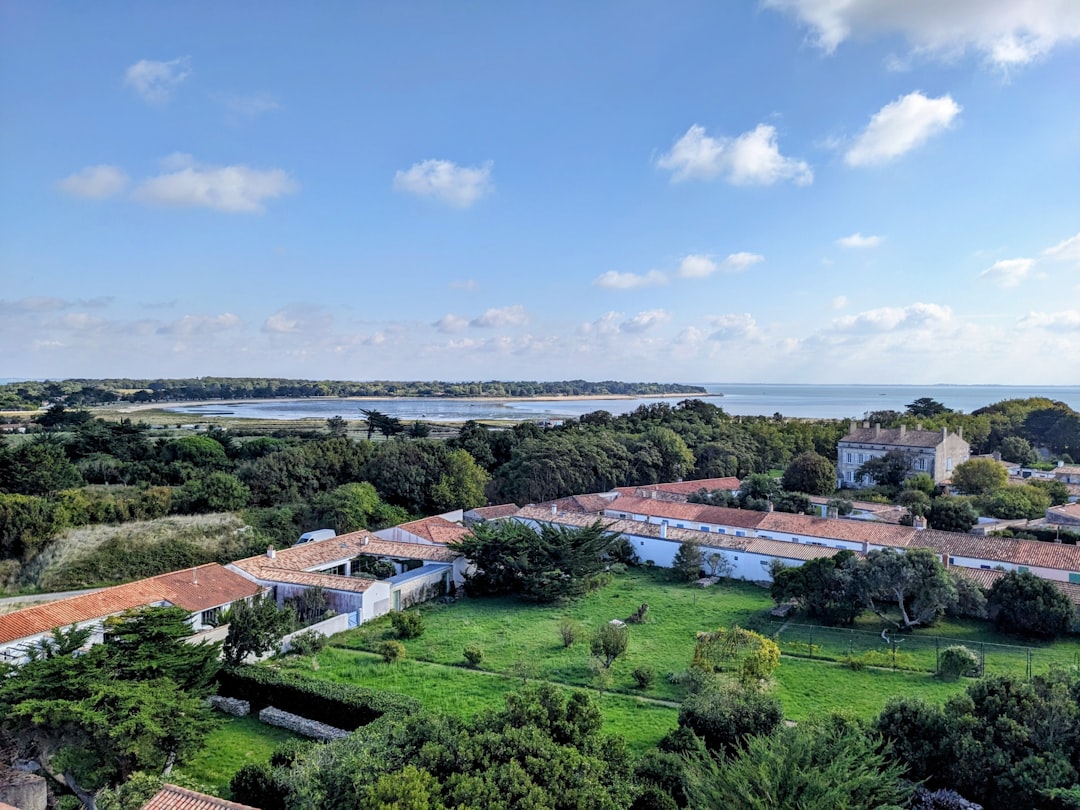
Île d’Aix Travel Guide: Everything You Need to Know (2026)
Île d’Aix is a car-free island commune off the Atlantic coast of France, home to just 245 permanent residents and reachable only by ferry from Fouras or La Rochelle. Napoleon Bonaparte spent his final days on French soil here in 1815 before his exile to Saint Helena, giving this 3-km-long island an outsized historical weight. Sitting in the Charente-Maritime department of Nouvelle-Aquitaine, it draws tens of thousands of summer visitors despite having zero cars, zero traffic lights, and zero ATMs.
Top 3 Highlights at a Glance
- Musée Napoléonien — Napoleon’s last French residence, housing over 1,000 original Napoleonic artefacts in a fort dating to 1808.
- Fort Liédot — A 19th-century star-shaped fortress that once held Russian prisoners of war and offers panoramic Atlantic views.
- Plage de la Croix — The island’s most sheltered sandy beach, shallow enough for swimming and facing the Île d’Oléron just 4 km away.
Scroll down for our complete travel guide with tips on getting there, where to stay, costs and more.
Arrival & Airport
How do I get to Île d’Aix?
Take the ferry from Pointe de la Fumée (Fouras) — the only year-round link, just 20 minutes each way. In my experience, this is by far the most practical access point. Croisieurope and Inter-Îles operate the crossing. From La Rochelle, a seasonal ferry runs approximately 1 hour 30 minutes in summer but does not operate in winter. No bridge exists and no private boats are permitted to dock freely. My tip: drive or take a bus to Fouras and leave your car in the paid parking lot at Pointe de la Fumée, which costs around €7–9 per day. The island itself is entirely car-free, which is the whole point.
Which airport is closest to Île d’Aix?
La Rochelle–Île de Ré Airport (LRH) is the closest, approximately 35 km from Fouras ferry terminal. In my experience, it handles mostly domestic and UK charter flights, so connections are limited. Bordeaux–Mérignac Airport (BOD) is a stronger bet at roughly 140 km away — it offers far more international routes from across Europe. I recommend flying into Bordeaux, renting a car for the drive to Fouras, parking there, and crossing by ferry. What surprised me: there is no direct shuttle from either airport to Fouras, so a rental car or taxi is essential for that final leg.
How long does the journey to Île d’Aix take from major cities?
From Paris Montparnasse by TGV to Rochefort, then bus or taxi to Fouras, total journey time is roughly 3 hours 30 minutes to 4 hours. The TGV takes about 2 hours 45 minutes to Rochefort. From Bordeaux, it’s a 1 hour 30 minute drive to Fouras plus the 20-minute ferry. My tip: the Rochefort–Fouras leg is the trickiest — taxis cost around €25–30 and bus frequency is low outside summer. In my experience, combining the Paris TGV with a pre-booked taxi from Rochefort is the most reliable option if you’re not driving.
Do I need a car to visit Île d’Aix?
No — and you literally cannot bring one onto the island. The entire island is car-free. You need a car only to reach Pointe de la Fumée in Fouras, where paid parking is available. Once on Île d’Aix, everything is covered on foot or by bicycle. The island is only 3 km long, so walking from the ferry port to the far beach takes around 25 minutes. My honest caveat: without a car, reaching Fouras from nearby towns is genuinely awkward — public bus connections are infrequent, and a taxi from Rochefort adds €25–30 each way to your budget.
City Transport
What are the best areas to stay on Île d’Aix?
The only village on Île d’Aix is simply called Le Bourg, clustered around the ferry port — and that is where all accommodation sits. In my experience, staying near the Place d’Armes puts you within 5 minutes of both the Musée Napoléonien and the main beach access paths. There are no distinct hotel zones; the island has fewer than 15 accommodation options total. My tip: the quietest sleeping spots are the handful of gîtes on the southern end near Fort Liédot, where you get near-silence after day-trippers leave on the last ferry at around 18:30.
What does accommodation cost per night on Île d’Aix?
Expect to pay €80–€130 per night for a basic gîte or chambre d’hôte in shoulder season, rising to €150–€220 in July and August. There is no hotel in the traditional sense — accommodation is exclusively gîtes, chambres d’hôtes, and a small campsite. The Camping de l’Île d’Aix offers pitches from around €20–€30 per night and is the budget option. What most guides omit: the total number of beds on the island is extremely limited, meaning you face a genuine binary choice — book months ahead or day-trip. In my experience, the campsite books out by March for peak summer weeks.
How far in advance should I book accommodation on Île d’Aix during high season?
Book at least 4–5 months in advance for July and August — I cannot stress this enough. With fewer than 200 overnight beds on the entire island, availability disappears fast. My tip: set a calendar reminder for February or March if you want a gîte in peak season. The campsite opens bookings around January and fills within weeks for the last two weeks of July. For September or June, 6–8 weeks ahead is usually sufficient. What surprised me: many gîte owners on Île d’Aix require a minimum 3-night stay in summer, so spontaneous one-night bookings are almost impossible.
Are there special or unique accommodation types on Île d’Aix?
Yes — the Camping de l’Île d’Aix is genuinely special: a small, well-maintained site where you fall asleep to Atlantic waves with zero traffic noise, because there are no cars. Several gîtes are housed in 19th-century stone cottages that were originally military barracks, giving them thick walls and authentic character. In my experience, staying overnight transforms the island entirely — by 19:00, after the last day-trip ferry departs, you have the beaches and fortified paths almost entirely to yourself. My honest caveat: don’t expect luxury. There is no spa, no room service, and Wi-Fi is patchy across the island.
Accommodation & Neighbourhoods
What are the absolute must-sees on Île d’Aix?
Start with the Musée Napoléonien, which holds over 1,000 authentic Napoleonic objects and documents Napoleon’s final days on French soil in 1815 — entry costs around €5. Then walk 20 minutes south to Fort Liédot, the star-shaped fortress built in 1808 and open for visits in summer. Finally, circle the island’s coastal path — the full perimeter walk is just 8 km and takes about 2 hours. In my experience, the coastal path at sunset is genuinely one of the most underrated Atlantic coast experiences in France. My tip: combine all three in a single day — they are all walkable from the ferry port.
What can I experience for free on Île d’Aix?
The 8 km coastal footpath around the entire island is free and passes dramatic Atlantic rock formations, migratory bird zones, and views across to Fort Boyard — yes, the famous TV game-show fortress visible just 3 km offshore. The exterior of Fort Liédot and the beaches including Plage de la Croix and Plage de la Cabane are all free to access. In my experience, simply cycling the island’s paths for 2 hours and watching Fort Boyard glow at sunset costs nothing and is worth the ferry fare alone. My caveat: the Musée Napoléonien and Fort Liédot interior each charge entry, around €4–€6.
Which day trips are possible from Île d’Aix?
Île d’Aix is more often the day-trip destination than the base, but if you’re staying overnight, Rochefort (15 km by ferry and bus) is the obvious trip — its 17th-century Corderie Royale royal rope factory is a UNESCO-listed monument. La Rochelle is reachable by seasonal ferry in about 1 hour 30 minutes and offers the famous Vieux-Port towers. I recommend the boat ride to Fort Boyard operated by Inter-Îles in summer — it circles the famous fortress for around €25. My honest caveat: day-tripping from Île d’Aix requires careful ferry timetable planning, as crossings are not continuous and gaps of 2–3 hours between departures are common.
What are the local specialities to eat on Île d’Aix?
Oysters from the Marennes-Oléron basin, just 20 km away, are the defining local food — a dozen costs around €8–€12 at the island’s small market stalls near the port. Moules marinières (mussels) and Atlantic-caught sea bass are staples on the limited restaurant menus. In my experience, the best meal on the island is the simplest: a paper cone of freshly shucked oysters eaten on the sea wall with a glass of local Muscadet white wine for around €15 total. My honest warning: the island has only 3–4 restaurants, all of which close from October through March, so dining options in low season are close to zero.
Highlights & Must-Sees
What makes Île d’Aix unique compared to other French islands?
Île d’Aix combines three things I’ve found nowhere else together: a car-free 245-person community, living Napoleonic history (this is where he surrendered to the British in 1815), and the surreal sight of Fort Boyard rising from the sea 3 km away. Unlike Île de Ré or Île d’Oléron, there is no bridge — the absence of a road connection preserves an authenticity that has been largely erased from other Atlantic islands. In my experience, the island feels genuinely unchanged in character, and the 245 permanent residents give it a functioning village atmosphere rather than a tourist theme park.
How many days do I need to explore Île d’Aix properly?
1 full day covers all highlights if you’re day-tripping; 2 nights is my recommended stay to experience the island after day-trippers leave. The full coastal walk takes 2 hours, both museums together take 2.5 hours, and beaches fill the rest of the afternoon comfortably. In my experience, the second evening on the island — when it’s just you, the 245 locals, and Atlantic silence — justifies the extra night completely. My caveat: more than 3 nights is only worthwhile if you’re specifically there to disconnect, read, and cycle. There is genuinely nothing left to ‘see’ after day two; the appeal shifts entirely to atmosphere.
When is the best time to visit Île d’Aix?
June and July are the best months based on climate data — warmest reliable temperatures and lowest rainfall for Atlantic France. In my experience, mid-June is the sweet spot: warm enough to swim, long evenings, but without the August crush when day-tripper ferries can carry 2,000+ people in a single day onto a 3 km island. September is genuinely underrated — water temperatures peak in late August and linger into September, beaches empty, and the island reverts to its quiet self. My honest warning: October through April, most restaurants and several gîtes close entirely, and the island can feel deserted in a way that some find atmospheric and others find bleak.
Are there local festivals or events worth attending on Île d’Aix?
The Fête de l’Île, typically held in late July, is a one-day community festival with local music, seafood, and open-air dancing organised by and for the 245 residents — it’s not commercialised and genuinely charming. Napoleonic commemoration events occasionally take place in late July, marking the anniversary of Napoleon’s surrender offshore on 15 July 1815. In my experience, stumbling into the Fête de l’Île as an overnight guest is one of those rare travel moments that feels earned rather than packaged. My honest caveat: exact dates shift each year and are not widely publicised — check with the Mairie de l’Île d’Aix directly before planning your trip around it.
Food & Drink
How does the weather affect activities on Île d’Aix throughout the year?
Atlantic winds are the defining weather factor on Île d’Aix — even in July, a westerly gust can make beach days uncomfortable, and the island has little shelter. June and July offer the best balance of warmth and manageable winds. Swimming is realistic from late June through mid-September, with water temperatures peaking around 19–21°C in August. In my experience, the coastal footpath is actually better walked in April or October — dramatic skies, crashing waves, and zero crowds. My caveat: the island is essentially flat and fully exposed, so in winter storms, the ferry from Fouras is cancelled frequently, which can strand overnight guests for 1–2 extra days.
When does Île d’Aix get overcrowded in peak season?
August, specifically the first two weeks, is when Île d’Aix becomes genuinely overwhelmed. Day-trip ferries from Fouras and La Rochelle can deposit over 2,000 visitors onto an island that is 3 km long and has one small village. In my experience, arriving on the first morning ferry at 08:30 and leaving on the last one at 18:30 in peak August is tolerable, but midday on a sunny Saturday in August feels claustrophobic. My strong tip: if visiting in August, either stay overnight to outlast the crowds or come on a Tuesday or Wednesday — weekend ferries are dramatically busier. Late June and the last week of August are far more pleasant.
How safe is Île d’Aix for travellers?
Île d’Aix is exceptionally safe — it ranks among the safest places I’ve visited anywhere. With 245 permanent residents, no cars, and a small transient tourist population, the only realistic risks are environmental: Atlantic rip currents on the exposed western beach and slippery rocks on the coastal path after rain. There is no resident police officer — the island falls under the Fouras gendarmerie, reachable by ferry. In my experience, leaving belongings on the beach while swimming feels completely normal here. My one practical warning: the lack of a pharmacy or medical facility on the island means any health issue requires a 20-minute ferry ride to Fouras before any treatment.
Is English widely spoken on Île d’Aix?
French is the only language of daily life on Île d’Aix — expect minimal English. The 245 permanent residents are a tight-knit French community, and even in peak summer the island draws overwhelmingly French domestic tourists. In my experience, basic French phrases take you a long way here, and locals respond warmly to any effort. Restaurant staff in summer occasionally speak elementary English, but menus are exclusively in French. My honest tip: download the Google Translate app with the French offline pack before arriving — the island has patchy data coverage and you won’t want to rely on a live connection when deciphering an oyster menu. A phrasebook confidence level of 20 words is genuinely enough.
Practical Tips
What is the daily budget for visiting Île d’Aix?
A realistic day-trip budget is €50–€70 per person including the Fouras ferry return (€12–€15), both museum entries (€10 total), lunch at a port café (€15–€20), and a bike rental (€10–€12 for a half day). Overnight visitors should budget €100–€160 per day adding accommodation (€80–€130 for a gîte) and dinner (€20–€30). In my experience, the island is moderately priced by French standards — not cheap, but not Paris-expensive either. My honest warning: there is no ATM on the island, so bring sufficient cash in euros before boarding the ferry, or rely entirely on card payments which most vendors now accept.
How does public transport work for reaching and getting around Île d’Aix?
The ferry from Pointe de la Fumée, Fouras runs year-round and is the only motorised transport option — crossing takes 20 minutes and costs around €12–€15 return. From Rochefort train station, bus line 15 runs to Fouras in approximately 30 minutes but operates only 4–6 times daily and less frequently on weekends. On the island itself, there is no motorised transport whatsoever — movement is exclusively by foot or bicycle. In my experience, the bus connection from Rochefort is unreliable enough that I’d always pre-check the Cara’bus timetable online before relying on it. My tip: taxi from Rochefort at €25–€30 is worth the predictability.
Which apps do you recommend for visiting Île d’Aix?
I recommend four apps for Île d’Aix. First, SNCF Connect for booking TGV trains to Rochefort from Paris or Bordeaux — book at least 3 weeks ahead for best fares. Second, Horaires des Bacs or the Croisières Inter-Îles website (no dedicated app but mobile-friendly) for live ferry schedules from Fouras. Third, Maps.me with the offline Charente-Maritime map downloaded — signal on the island drops significantly away from the port. Fourth, Google Translate with French offline pack installed. My honest caveat: do not rely on Google Maps for walking routes on the island — it shows the coastal footpath inaccurately in places and will try to route you through private land.
More Destinations in Europe
Explore our complete travel guides for more Europe destinations: Picardie Travel Guide (2026), Amiens Travel Guide (2026), Île de Kerners Travel Guide (2026), Provence Travel Guide (2026), Lleida Travel Guide (2026).
Useful Resources for Planning Your Trip to Île dAix
- Wikipedia: Île dAix — history, geography and background
- Lonely Planet: Île dAix — itineraries and travel inspiration
- TripAdvisor: Île dAix — hotels, restaurants and traveller reviews
🎥 Île d’Aix Travel Videos
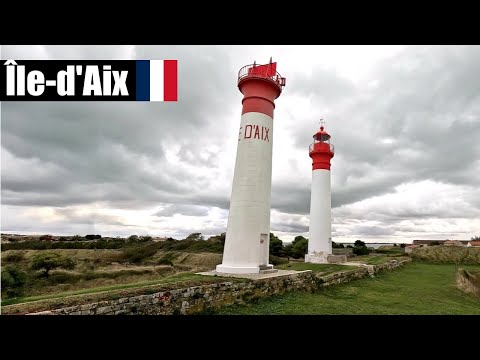
Walking tour of Île-d’Aix – This island was where Napoleon …
Travelling Tourist

A Tiny Island Where Time Stands Still
Mo Goes Miles – Travel & Hiking Vlogs

WHAT TO KNOW BEFORE VISITING AIX-EN-PROVENCE …
Sam Fournier
You are currently viewing a placeholder content from Vimeo. To access the actual content, click the button below. Please note that doing so will share data with third-party providers.
More InformationYou are currently viewing a placeholder content from YouTube. To access the actual content, click the button below. Please note that doing so will share data with third-party providers.
More InformationYou need to load content from reCAPTCHA to submit the form. Please note that doing so will share data with third-party providers.
More InformationYou are currently viewing a placeholder content from GetYourGuide. To access the actual content, click the button below. Please note that doing so will share data with third-party providers.
More Information