
Île de Batz: The Complete Travel Guide (2026)
Île de Batz Travel Guide: Everything You Need to Know (2026)
Île de Batz is a tiny Atlantic island off the coast of Roscoff in Finistère, Brittany, home to just 494 permanent residents and sitting at only 10 metres above sea level. The island measures roughly 4 kilometres long by 1.5 kilometres wide, making it one of Brittany’s most compact yet rewarding island escapes. What surprises most visitors is that despite its micro-community, the island hosts a 19th-century lighthouse, a remarkable exotic garden, and some of the finest unspoiled beaches in northern France.
Top 3 Highlights at a Glance
- Phare de l’Île de Batz — Climb the 198-step lighthouse for a 360-degree panorama over the Breton coastline and surrounding archipelago.
- Jardin Georges Delaselle — A botanical garden founded in 1897, sheltering over 1,500 exotic species despite the North Atlantic latitude.
- Plage du Toul Bihan — A car-free, crowd-free white-sand beach that feels genuinely wild — rare on any French island this accessible.
Scroll down for our complete travel guide with tips on getting there, where to stay, costs and more.
Arrival & Airport
How do I get to Île de Batz from the mainland?
Take the ferry from Roscoff — it is the only way to reach Île de Batz. Ferries run year-round from Roscoff’s port, operated by Armein and Compagnie Finistérienne de Transport Maritime. The crossing takes 15 minutes and costs roughly €8–€10 return per adult. In my experience, the morning departures are the most reliable regardless of season. My tip: Roscoff itself is served by TGV-connected trains via Morlaix, which is 27 km away, making the rail-to-ferry route genuinely practical. The honest caveat: in rough weather or very low tides, departures are delayed without warning, so build flexibility into your schedule if visiting between November and March.
Which airport is closest to Île de Batz?
Brest Bretagne Airport (BES) is the closest practical airport, sitting approximately 60 km from Roscoff — your ferry departure point for Île de Batz. A taxi from BES to Roscoff costs around €70–€80, or you can take a bus to Brest city centre and connect by regional TER train via Landerneau to Morlaix, then onward to Roscoff. In my experience, flying into Rennes Airport (RNS) is worth considering if you find cheaper transatlantic connections, though it adds roughly 200 km of ground travel. What surprised me: Brest has direct flights from several UK airports, making it the smartest entry point for British travellers specifically.
How long does the journey to Île de Batz take from Paris?
From Paris Montparnasse, the TGV to Morlaix takes approximately 3 hours 30 minutes, then a regional train to Roscoff adds 30 minutes, and the ferry crossing is 15 minutes — so budget 4 hours 30 minutes total door-to-ferry-dock. A TGV ticket from Paris to Morlaix booked early costs from €35–€55. The hidden caveat: the Roscoff TER runs only a handful of times daily and is not always timed to match TGV arrivals, meaning you may wait 45–90 minutes in Morlaix for a connection. My tip: book the full itinerary on SNCF Connect in one search to identify the genuinely coordinated combinations.
Do I need a rental car to explore Île de Batz?
No car is needed — and in fact, no cars are available for hire on the island. Île de Batz is almost entirely car-free; only residents with special permits bring vehicles across. The island is 4 km long, and the single unpaved track circling it is walkable in under 2 hours. In my experience, the most practical option is renting a bicycle from one of two hire shops near the ferry landing, costing around €10–€14 per day. The honest trade-off: if you have heavy luggage or mobility limitations, bring only what you can carry or wheel comfortably, because there are no taxis and no porters anywhere on the island.
City Transport
What are the best areas to stay on Île de Batz?
There is effectively one village, clustered around the ferry landing on the island’s southern shore — all accommodation is within 10 minutes’ walk of where the boat docks. I recommend staying near the port quarter for easiest access to the handful of restaurants and the morning ferry back to Roscoff. For more solitude, a couple of gîtes sit on the island’s northern side near Plage du Toul Bihan, giving you direct beach access. The caveat most guides omit: accommodation options are extremely limited — the island has no hotel in the traditional sense, so your choices are gîtes, chambres d’hôtes, and one small campsite. Demand far exceeds supply in July and August.
What does accommodation cost per night on Île de Batz?
A chambre d’hôtes (B&B) typically runs €70–€110 per night for a double room in high season. Self-catering gîtes cost between €400–€700 per week in July and August, which works out cheaper for stays of 5 nights or more. The island’s campsite charges around €12–€18 per pitch per night. In my experience, pricing is higher than equivalent accommodation in mainland Finistère because supply is so constrained — just 494 residents means very few properties enter the rental market. The honest warning: most gîtes require a minimum 7-night stay in peak summer, which catches short-break visitors off guard. Always verify minimum stay requirements before booking.
How far in advance should I book for Île de Batz’s high season?
Book at least 4–6 months ahead for July and August — this is not a platitude, it is a structural necessity. Île de Batz has fewer than 20 rentable accommodation units island-wide, and French families rebook their favourite gîtes for the following summer before they even leave. In my experience, if you search in May for August availability, you will find almost nothing. My tip: target June or September instead — the weather is still excellent (the best travel months are June through September based on climate data), prices drop 20–30%, and day-tripper crowds thin out dramatically. The caveat: some chambres d’hôtes close entirely outside the April–October window.
Are there special or unusual accommodation types on Île de Batz?
The most distinctive option is staying in a traditional Breton stone longhouse (longère) converted into a gîte — several on the island retain original granite walls and exposed beam ceilings from the 18th century. The island’s campsite, Camping de l’Île de Batz, sits in a sheltered hollow and is unusually quiet even in August given the island’s no-car rule. What surprised me: there is no branded hotel chain, no hostel, and no glamping operation here — which is precisely the appeal. In my experience, booking directly with the Mairie de l’Île de Batz or via the Finistère tourism board surfaces listings that never appear on Airbnb or Booking.com, giving you access to the best local properties.
Accommodation & Neighbourhoods
What are the absolute must-sees on Île de Batz?
Three sights are non-negotiable. First, Phare de l’Île de Batz — climb all 198 steps for the finest coastal panorama in northern Finistère; entry costs €3–€5. Second, Jardin Georges Delaselle, a botanical garden founded in 1897 by a visionary Parisian, sheltering over 1,500 species of palms, agaves, and New Zealand flora — extraordinary at this Atlantic latitude. Third, the island’s Gallo-Roman archaeological site near the north shore, where ruins from the 4th century remain largely unvisited. In my experience, most day-trippers see only the port village and lighthouse, missing the garden and the prehistoric menhir near the island’s western tip entirely.
What can I experience for free on Île de Batz?
Walking the entire island perimeter trail (approximately 8 km round circuit) costs nothing and delivers Brittany’s best free coastal scenery. Plage du Toul Bihan and Plage Sainte-Anne are both public and free — no sunbed rental, no beach bars extracting money. The island’s historic church, Église Saint-Pol-Aurélien, dating to the 9th century, is freely accessible and contains relics connected to the island’s founding saint. In my experience, watching the lobster boats return to the port at around 7am is one of the most atmospheric free experiences in Brittany. The honest caveat: even the free trail requires sturdy shoes — the northern shore path crosses loose rocks and unmarked boggy patches.
What day trips are possible from Île de Batz?
Roscoff is your natural day-trip base — the 15-minute ferry drops you into one of Brittany’s most intact medieval port towns, with its 16th-century Église Notre-Dame de Croaz Batz and the Station Biologique de Roscoff marine research centre open to visitors. From Roscoff by regional train (30 minutes), Morlaix offers a spectacular 19th-century viaduct and a well-preserved historic centre. The Château du Taureau, a sea fortress in the Baie de Morlaix, is reachable by boat excursion from Carantec. My tip: combine a Roscoff morning market visit (Thursday mornings) with the return ferry — the artichokes and sea vegetables sold here are local specialities you will not find inland.
What local specialities should I eat on Île de Batz?
Homard breton (Breton lobster) is the island’s signature dish — local fishermen land them daily, and the two island restaurants serve them grilled or in bisque at prices around €28–€45 per portion. Algues marines (sea vegetables) cultivated in the surrounding waters appear in salads, butters, and even local bread — Île de Batz is one of France’s main seaweed harvesting zones. Don’t miss kouign-amann, Brittany’s butter-saturated pastry, available at the port bakery. In my experience, the island’s oysters sourced from nearby Prat-Ar-Coum beds are among the finest in Finistère. The honest caveat: restaurant choice is extremely limited — just 2 restaurants operate year-round, and neither takes reservations, so arrive early in August.
Highlights & Must-Sees
What makes Île de Batz unique compared to other French islands?
Île de Batz is unique because it is one of the last inhabited French islands with a fully functioning fishing economy rather than one dependent almost entirely on tourism. Its 494 residents include active seaweed harvesters, lobster fishermen, and market gardeners who grow artichokes and early vegetables in the island’s mild microclimate — a tradition dating back centuries. What surprised me most: the island sits just 2.5 km from mainland Roscoff yet feels genuinely remote and self-contained. Unlike Île de Ré or Île d’Oléron, it has no bridge, no car hire, and no mass-market infrastructure — the lack of tourist machinery is the attraction itself.
How many days should I plan for Île de Batz?
2 full days is the honest minimum to see everything properly without rushing. Day one: circumnavigate the island on foot (2–3 hours), visit the lighthouse and the Jardin Delaselle. Day two: explore the northern beaches in the morning, visit the church and archaeological sites in the afternoon, watch the fishing boats at dusk. A 3-night stay allows a half-day excursion to Roscoff without sacrificing island time. In my experience, visitors who come as day-trippers from Roscoff (the majority) see perhaps 30% of the island in the 4–5 hours they have before the return ferry. The honest caveat: after 3 days, you will have genuinely exhausted the island’s sights — it is a place for deep rest, not relentless activity.
When is the best time to visit Île de Batz?
June and September are my personal recommendations based on the island’s verified best travel window of June through September. June delivers long Atlantic daylight hours, the Jardin Delaselle at its most lush, and minimal crowds. September sees the seaweed harvest in full swing — a genuinely rare spectacle — and air temperatures still warm enough for swimming. July and August are the true peak: ferries run most frequently and all businesses are open, but accommodation is near-impossible to find and day-tripper numbers overwhelm the island’s tiny infrastructure. The honest warning: October through March can be bleak and isolating — several restaurants and the garden close, and ferry schedules reduce significantly.
Are there local festivals worth attending on Île de Batz?
The Fête de Saint-Pol-Aurélien, held each year in early July, celebrates the island’s patron saint with a procession, traditional Breton music, and communal meals — it is one of the most authentic small-island festivals remaining in Brittany, drawing the island’s diaspora back home. In my experience, this single weekend in July transforms the island: the 494 residents swell to several thousand for 48 hours and the atmosphere is extraordinary. Roscoff, just a 15-minute ferry away, hosts the Fête de l’Oignon Rosé de Roscoff in August, celebrating the famous pink onion with markets and tastings. The caveat: neither festival is heavily advertised online — check the Mairie de l’Île de Batz website for confirmed annual dates.
Food & Drink
How does the weather on Île de Batz affect what activities I can do?
The island’s Atlantic microclimate is measurably milder than the mainland — this is why exotic palms grow in the Jardin Delaselle at a latitude of 48.7°N. Summer brings reliable mild temperatures around 19–22°C with Atlantic breezes, ideal for cycling and walking. Swimming is viable from June through September though the water rarely exceeds 18°C even at peak summer. The caveat most guides ignore: Atlantic wind on the island’s northern shore is relentless year-round — Plage du Toul Bihan can be uncomfortably exposed even in July. In my experience, the island’s southern beaches near the port are sheltered and almost always calmer, making them the better choice for families with young children.
How crowded does Île de Batz get in peak season?
In July and August, day-tripper ferries from Roscoff carry up to 800–1,000 visitors per day onto an island with just 494 permanent residents — the ratio is striking and visible. The port village and lighthouse become genuinely congested between 11am and 4pm. My tip: catch the first ferry of the morning (typically departing around 8am) to have the northern beaches and garden almost entirely to yourself for 2 hours before the day-tripper wave arrives. The honest trade-off: even at its most crowded, Île de Batz is vastly quieter than comparable Breton islands like Île de Bréhat or the Îles de Glénan. The car-free policy is a natural crowd-dispersal mechanism.
How safe is Île de Batz?
Île de Batz is exceptionally safe — I would place it among the safest destinations in France for solo travellers, families, and older visitors. Petty crime is virtually nonexistent in a community of 494 people where everyone knows their neighbours. The genuine safety risks are environmental rather than social: the tidal currents around the island’s northern and western shores are powerful and have caused drownings — swim only at designated beaches and check tide tables before coastal walking. In my experience, the single most dangerous moment for visitors is missing the last ferry back to Roscoff, which runs as early as 6pm in low season, leaving you stranded without booked accommodation.
Is English widely spoken on Île de Batz?
English is not widely spoken on Île de Batz — this is a genuinely French community where the official language is French, and older residents may also speak Breton as a heritage language. In the restaurants and at the ferry ticket office, basic English is understood, but menus, ferry timetables, and the Jardin Delaselle signage are French-only. In my experience, a French phrasebook or the Google Translate app with an offline French language pack downloaded is essential. The honest upside: the language barrier is minimal for navigation because the island is so small that getting lost is practically impossible. Locals are warm and patient with visitors who make even a basic effort in French.
Practical Tips
What is the daily budget for visiting Île de Batz?
A realistic mid-range daily budget is €80–€120 per person including accommodation (sharing a chambre d’hôtes), meals, ferry, and the lighthouse entry fee. Budget travellers camping and self-catering can manage on €35–€50 per day. A splurge day with lobster dinner and gîte accommodation reaches €150–€180. In my experience, the island is not cheap relative to mainland Brittany — the island premium on groceries at the small port shop runs 15–20% above Roscoff prices because everything arrives by ferry. The hidden cost most visitors miss: the return ferry from Roscoff (€8–€10) plus any transport to reach Roscoff itself — factor in €20–€40 in transport costs on top of island spending.
How does public transport work on and around Île de Batz?
On the island itself, there is no public transport — the island is car-free and small enough that it is unnecessary. Getting to Roscoff for the ferry is served by SNCF regional TER trains from Morlaix (30 minutes, approximately €5), and Morlaix connects directly to the national TGV network. The Finistère Penn ar Bed (CAT) bus network also runs Morlaix–Roscoff routes. Ferry frequency varies dramatically: in July and August, boats run roughly every 30–60 minutes from 7am to 7pm. In winter, service reduces to 3–5 crossings daily. My tip: download the Armein Ferries timetable as a PDF before you arrive because mobile signal on the island is weak and the schedule changes seasonally.
Which apps do you recommend for visiting Île de Batz?
I recommend 4 specific apps. First, SNCF Connect for booking trains from Paris or Brest to Morlaix and onward to Roscoff. Second, Maree Info — a French tide table app that is essential for planning coastal walks and understanding ferry delay risks. Third, Google Translate with offline French downloaded, because the island has patchy data signal. Fourth, komoot for the island’s walking circuit — even though the path is simple, having GPS tracking prevents you from missing the northern shore’s less obvious trails. The honest caveat: mobile data coverage on the northern shore of Île de Batz is genuinely unreliable in 2025–2026 — download everything you need while you still have signal in Roscoff.
More Destinations in Europe
Explore our complete travel guides for more Europe destinations: Annecy Travel Guide (2026), Caen Travel Guide (2026), Annecy Travel Guide (2026), Auvergne Travel Guide (2026), Lugo Travel Guide (2026).
Useful Resources for Planning Your Trip to Île de Batz
- Wikipedia: Île de Batz — history, geography and background
- Lonely Planet: Île de Batz — itineraries and travel inspiration
- TripAdvisor: Île de Batz — hotels, restaurants and traveller reviews
🎥 Île de Batz Travel Videos
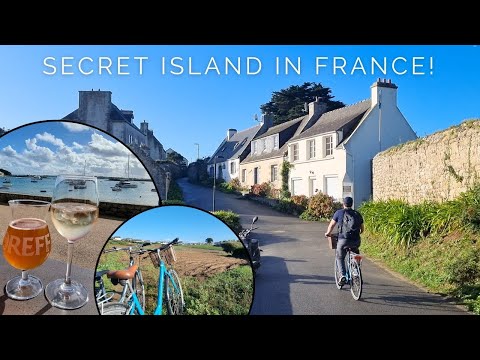
Why does NOBODY know about this ISLAND? | HIDDEN …
Gotta Wander
You are currently viewing a placeholder content from Vimeo. To access the actual content, click the button below. Please note that doing so will share data with third-party providers.
More InformationYou are currently viewing a placeholder content from YouTube. To access the actual content, click the button below. Please note that doing so will share data with third-party providers.
More InformationYou need to load content from reCAPTCHA to submit the form. Please note that doing so will share data with third-party providers.
More InformationYou are currently viewing a placeholder content from GetYourGuide. To access the actual content, click the button below. Please note that doing so will share data with third-party providers.
More Information