
Île de Bréhat: The Complete Travel Guide (2026)

Île de Bréhat Travel Guide: Everything You Need to Know (2026)
Île de Bréhat is a tiny car-free island off the northern coast of Brittany, home to just 406 permanent residents and sitting at 26 metres above sea level. The island lies roughly 2 kilometres from the mainland port of Paimpol and is famous for its extraordinarily mild microclimate, which allows Mediterranean plants like mimosa and agapanthus to thrive this far north. Two main islets connected by an 18th-century bridge form the island’s distinctive figure-eight shape.
Top 3 Highlights at a Glance
- Paon Lighthouse (Phare du Paon) — The island’s northern tip delivers dramatic Atlantic views from a lighthouse rebuilt after WWII destruction in 1945.
- Chapelle Saint-Michel — A hilltop chapel just 38 metres high offers the best 360° panorama of Bréhat’s pink granite coastline.
- Pont ar Prat & South Island Gardens — The 1770 bridge connects two islets where exotic Mediterranean plants bloom surprisingly far north in Brittany.
Scroll down for our complete travel guide with tips on getting there, where to stay, costs and more.
Arrival & Airport
How do I get to Île de Bréhat?
You reach Île de Bréhat exclusively by ferry from Pointe de l’Arcouest, a small harbour 6 km north of Paimpol. The crossing takes just 10 minutes and ferries run by Les Vedettes de Bréhat depart frequently — roughly every 30 minutes in summer. There is no bridge and no airport. In my experience, arriving mid-morning on a weekday avoids the weekend crush. The honest caveat most guides skip: in rough winter weather, crossings are cancelled without warning, so never book a tight onward train connection on the same day you plan to leave the island.
Which airport is closest to Île de Bréhat?
Rennes Airport (RNS) is the most practical gateway, roughly 150 km southeast of Paimpol, with connections to Paris and several European cities. Alternatively, Brest Airport (BES) sits about 170 km west. My tip: fly into Rennes, then take the TER train to Guingamp and a connecting bus or taxi to Paimpol — the entire journey takes around 3 hours. What surprised me is how few travellers consider Paris Montparnasse by TGV to Guingamp (about 3 hours 20 minutes), which is often faster and cheaper than flying when you factor in airport time.
How long does the journey to Île de Bréhat take from Paris?
Door-to-island, expect 4.5 to 5.5 hours from Paris. The fastest route is TGV from Paris Montparnasse to Guingamp (approximately 3 hours), then a 40-minute bus or taxi to Pointe de l’Arcouest, followed by the 10-minute ferry. I recommend booking the TGV leg at least 3 weeks in advance on SNCF’s Ouigo or iDTGV fares to get tickets from €19. The trade-off: the last ferry back from Bréhat in low season departs as early as 17h00, so a day trip from Paris is technically possible but genuinely stressful.
Do I need a car to visit Île de Bréhat?
Absolutely not — cars are banned on Île de Bréhat entirely. No motor vehicles beyond a handful of emergency and agricultural tractors are permitted. You walk, cycle, or hire a horse-drawn carriage. In my experience, the island’s largest dimension is only about 3.5 km, so everything is comfortably on foot. What most guides omit: you do benefit from a car on the mainland to reach Pointe de l’Arcouest from inland Brittany, especially if you’re combining Bréhat with the Pink Granite Coast or Cap Fréhel. Parking at the ferry point costs around €8 per day.
City Transport
What are the best areas to stay on Île de Bréhat?
There are only two real clusters: Le Bourg on the southern island, which is the main village with the port, bakery, and most services — ideal if you want convenience. The northern island is quieter, more wild, and better for walkers seeking solitude. In my experience, staying in Le Bourg is the smart base for a first visit because you’re 2 minutes from the return ferry if weather turns. The caveat: accommodation options on the entire island total fewer than 15 establishments, so ‘choosing an area’ is almost academic — book wherever has availability.
What does accommodation cost per night on Île de Bréhat?
Expect to pay €90–€160 per night for a double room in a gîte or small hotel in peak summer. The island’s only hotel-style property, Hôtel-Restaurant Bellevue, charges around €120–€150 for a sea-view double in July and August. Self-catering gîtes booked weekly start at €600 per week in shoulder season. The honest truth most guides skip: budget accommodation simply does not exist on Bréhat. If €150 per night strains your budget, stay in Paimpol (rooms from €65) and day-trip across — the ferry is cheap enough to make this very viable.
How far in advance should I book for Île de Bréhat high season?
Book at least 4–6 months ahead for July and August stays on the island itself. With fewer than 15 accommodation options for an island receiving tens of thousands of summer visitors, availability evaporates fast. In my experience, February is the realistic deadline for securing a gîte in peak season. The hidden caveat: even ferry capacity gets stretched on sunny July weekends, with queues at Pointe de l’Arcouest stretching back 400 metres. If you’re day-tripping, arrive at the embarkation point by 08h30 to catch an early crossing and beat the crowds by at least 2 hours.
Are there special accommodation types worth trying on Île de Bréhat?
The most distinctive option is renting a traditional Breton stone cottage (gîte) with a garden — several properties on the southern island are converted fishermen’s houses dating to the 18th century, with metre-thick granite walls. My top recommendation: look for gîtes listed through Clévacances Côtes-d’Armor, which vets rural properties across Brittany. What surprised me is the quality of some private rentals that never appear on mainstream booking platforms — local Paimpol tourist office (Office de Tourisme de Paimpol) maintains a direct list. The trade-off: these rustic cottages often lack air conditioning, but given Bréhat’s Atlantic climate, you genuinely won’t need it.
Accommodation & Neighbourhoods
What are the must-sees on Île de Bréhat?
Three sights are non-negotiable. First, walk to Phare du Paon on the northern tip — the pink granite landscape here looks like nowhere else in France. Second, climb Chapelle Saint-Michel for the panoramic overview that contextualises the island’s geography in about 5 minutes of climbing. Third, cross Pont ar Prat (built 1770) at low tide when the tidal channels around it are fully exposed — the colour contrast between the pink rock, turquoise water, and exotic plants is genuinely extraordinary. In my experience, the walk from the port to Phare du Paon and back takes 2.5 hours at a comfortable pace.
What can I experience for free on Île de Bréhat?
Almost everything on Bréhat costs nothing beyond the ferry ticket. All footpaths covering the island’s 3.5 km length are free and public. The Chapelle Saint-Michel hilltop is freely accessible. Watching the tide interact with the pink granite at Guerzido beach or the northern coastline costs nothing and is genuinely the island’s best spectacle. In my experience, a full day of walking, picnicking, and coastal exploration — bringing your own food from the mainland — costs €0 once you’re off the ferry. The honest caveat: the island’s single bakery sells good galettes and pastries, making it almost impossible to resist spending €3–€5 there regardless.
Which day trips are possible from Île de Bréhat?
Day trips radiate naturally from the mainland base of Paimpol, which is itself worth 2–3 hours for its harbour and market. The Pink Granite Coast (Côte de Granit Rose) around Perros-Guirec is 45 km west — a genuinely spectacular drive. Cap Fréhel with its lighthouse and dramatic cliffs is 55 km east. The walled medieval town of Dinan is 80 km southeast, about 1 hour 15 minutes by car. My tip: if you’re car-free, Paimpol’s bus connections to these destinations are limited, so consider a half-day taxi tour — local drivers in Paimpol quote around €80–€120 for a 3-hour circuit of the Pink Granite Coast.
What are the local specialities to eat on Île de Bréhat?
Bréhat’s culinary identity is rooted in Breton seafood. The island’s waters produce exceptional spider crab (araignée de mer) and oysters from the Trieux estuary just across the channel — a plate of 6 costs around €8–€10 in local establishments. The obligatory experience is galette de sarrasin (buckwheat crepe) filled with local cured ham and Breton butter. Far Breton (a dense prune custard cake) is the dessert you must try. In my experience, the restaurant at Hôtel Bellevue serves the best seafood on the island, but book your table the same morning — walk-in capacity is tiny and they fill by noon on summer days.
Highlights & Must-Sees
What makes Île de Bréhat unique compared to other French islands?
Bréhat’s uniqueness is the collision of two climatic worlds: this is officially the northernmost point in France where Mediterranean and subtropical plants survive outdoors year-round, including fig trees, mimosa, and agapanthus. The island’s pink granite geology produces a colour palette found elsewhere only on parts of the Côte de Granit Rose. At 406 permanent residents, it remains a functioning village — not a theme park. What surprised me most: the near-total absence of cars creates a silence unlike any inhabited French island I’ve visited. Add a tidal range exceeding 8 metres during spring tides, and the landscape transforms completely every 6 hours.
How many days should I spend on Île de Bréhat?
1 night minimum, 2 nights ideal for most visitors. A day trip covers the main footpaths and lighthouse in 5–6 hours, but you miss the island’s greatest asset: the early morning and late evening light on the pink granite when day-trippers are absent. In my experience, 2 full days lets you walk every trail, explore both the northern and southern islands thoroughly, and sit through a complete tidal cycle — which is genuinely transformative. The honest caveat: after 3 days, the island’s 3.5 km size means you’ve exhausted the terrain and the limited restaurant rotation, so resist over-staying unless you’ve come specifically to decompress and write a novel.
When is the best time to visit Île de Bréhat?
June through September are the optimal months, with July and August delivering the warmest, driest conditions. June is my personal favourite — the island’s exotic flowers peak in bloom, ferry crowds are lighter than July, and the long Atlantic evenings are extraordinary. September brings softer light and noticeably fewer day-trippers. Based on verified climate data, these 4 months represent the reliable window. The caveat worth knowing: Bréhat’s microclimate means even April and May can be surprisingly pleasant for walkers — temperatures often reach 16–18°C and the mimosa flowers in February and March, creating a surreal winter spectacle with almost no tourists present.
What are the local festivals on Île de Bréhat worth attending?
The island’s small permanent population of 406 residents means festivals are modest but authentic. The Fête de la Saint-Michel in late September celebrates the island’s patron with a small procession to Chapelle Saint-Michel — genuinely moving and untouristy. In Paimpol on the mainland, the Festival du Chant de Marin (sea shanty festival) takes place every 2 years in August (next edition 2026) and draws over 50,000 visitors to the harbour — easily combined with a Bréhat stay. My tip: the Paimpol festival in 2026 means accommodation within 30 km will book out completely — reserve at least 6 months ahead if you plan to coincide with it.
Food & Drink
How does the weather affect activities on Île de Bréhat?
Wind is the dominant variable — Bréhat is fully exposed to Atlantic weather systems, and a Force 6 wind transforms a pleasant coastal walk into a genuine battle. In my experience, the northern coastline around Phare du Paon is exhilarating in any conditions but genuinely dangerous in wet weather on slippery granite. The tidal range of over 8 metres means certain coastal paths are only accessible for 3–4 hours either side of low tide — check the tide tables for Paimpol before planning your northern walk. The honest caveat: July and August still produce rainy days, and on those days, the island’s indoor options — essentially one restaurant and a small chapel — are extremely limited.
How crowded does Île de Bréhat get in peak season?
Extremely crowded by the island’s standards. On peak July and August weekends, Les Vedettes de Bréhat ferries carry upwards of 2,000 day-trippers onto an island with 406 permanent residents. The main path from the port through Le Bourg to the northern lighthouse becomes genuinely congested between 10h00 and 16h00. In my experience, arriving on the first ferry of the day (around 08h30 in summer) gives you 90 minutes on the island before the crowds land. The overlooked trade-off: visiting in peak season is financially punishing — a couple spending 2 nights in accommodation plus meals can easily spend €400–€500 for the stay.
How safe is Île de Bréhat?
Île de Bréhat is extremely safe — petty crime is essentially nonexistent on a car-free island of 406 residents where everyone knows everyone. The genuine safety risks are environmental: the pink granite coastal paths become treacherous when wet, and several visitors each year twist ankles or slip on algae-covered rocks at low tide. My tip: wear proper walking shoes — trainers are inadequate on wet granite. The tidal danger is real: a 8-metre tidal range means rocky areas around the bridge can flood with alarming speed. The local SNSM rescue station (sea rescue volunteers) in Paimpol responds to incidents, but you should always check tide tables before exploring the northern coast.
Is English widely spoken on Île de Bréhat?
English is spoken at a basic level in most tourist-facing businesses — the ferry company, Hôtel Bellevue, and the main crêperie all manage straightforward conversations in English. However, this is genuinely rural Brittany, and many islanders and seasonal workers are more comfortable in French. In my experience, learning 10 basic French phrases transforms your interactions completely — Breton islanders respond warmly to any effort in their language. The honest caveat: unlike Paris or major coastal resorts, you cannot rely on English as a default. The official language is French, and the island’s 406 residents include a significant number of older locals for whom English is minimal.
Practical Tips
What is the daily budget for visiting Île de Bréhat?
A realistic budget is €80–€120 per person per day including accommodation, meals, and the ferry. Breakdown: return ferry from Pointe de l’Arcouest costs €10–€12 per adult. A simple lunch at a crêperie runs €12–€18. A sit-down dinner with wine costs €35–€55 per person. Budget travellers staying in Paimpol and day-tripping can cut this to €50–€60 per day total. The hidden cost: island prices carry a 10–20% premium over mainland Brittany because everything arrives by ferry. In my experience, buying breakfast supplies in Paimpol before crossing saves €5–€8 daily versus buying on the island.
How does public transport work for reaching Île de Bréhat?
Public transport gets you close but not seamlessly. From Guingamp train station (served by TGV from Paris), CAT bus line 10 runs to Paimpol in about 45 minutes and costs €2.50. From Paimpol, a local shuttle bus (seasonal, €2) runs to Pointe de l’Arcouest in 15 minutes, timed loosely with ferries. Then the 10-minute ferry crossing completes the journey. In my experience, the shuttle bus frequency drops sharply after 18h00, catching out visitors who linger for sunset. My tip: always confirm the last shuttle departure at the Paimpol tourist office — missing it means a €15–€20 taxi back to Paimpol or a very long walk.
Which apps do you recommend for visiting Île de Bréhat?
Five apps I use personally: SNCF Connect for train bookings from Paris to Guingamp — buy in advance for the best fares. Marees (tide app) is non-negotiable — input Paimpol as your tide reference point and check it before every coastal walk. Les Vedettes de Bréhat’s own website has a live ferry schedule, but there’s no dedicated app — bookmark it. Komoot has the island’s walking trails mapped and downloadable offline, essential since 4G signal is patchy on the northern island. Finally, Google Translate with French downloaded offline — menus and signs on Bréhat are French-only, and the camera translation feature saves real time ordering at the island’s crêperie.
What are common traveller mistakes when visiting Île de Bréhat?
The 5 mistakes I see repeatedly: First, arriving at Pointe de l’Arcouest at 10h00 on a Saturday in August without a booked return ticket — the afternoon boats sell out. Second, wearing trainers or sandals on the wet pink granite paths — falls happen every week. Third, ignoring the tide table and getting cut off on the northern coast as water rises. Fourth, assuming there’s an ATM on the island — there is no cash machine on Bréhat, so withdraw euros in Paimpol beforehand. Fifth, booking a same-day return train from Guingamp: if the 17h00 last ferry is delayed by weather, you miss your train with no recourse. Always build in a one-hour buffer on departure day.
More Destinations in Europe
Explore our complete travel guides for more Europe destinations: Biarritz Travel Guide (2026), Copenhagen Travel Guide (2026), Côte dAzur Travel Guide (2026), Bordeaux Travel Guide (2026), Chania Travel Guide (2026).
Useful Resources for Planning Your Trip to Île de Bréhat
- Wikipedia: Île de Bréhat — history, geography and background
- Lonely Planet: Île de Bréhat — itineraries and travel inspiration
- TripAdvisor: Île de Bréhat — hotels, restaurants and traveller reviews
🎥 Île de Bréhat Travel Videos
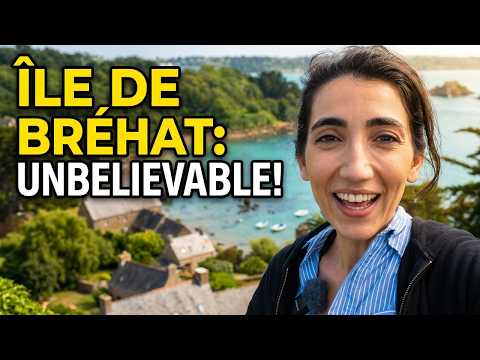
Is Île-de-Bréhat Worth Visiting? (Brittany Island Day Trip)
JuliaSomething | Travel Guides & Road Trips
You are currently viewing a placeholder content from Vimeo. To access the actual content, click the button below. Please note that doing so will share data with third-party providers.
More InformationYou are currently viewing a placeholder content from YouTube. To access the actual content, click the button below. Please note that doing so will share data with third-party providers.
More InformationYou need to load content from reCAPTCHA to submit the form. Please note that doing so will share data with third-party providers.
More InformationYou are currently viewing a placeholder content from GetYourGuide. To access the actual content, click the button below. Please note that doing so will share data with third-party providers.
More Information