
Bilbao: The Complete Travel Guide (2026)
Last reviewed: October 2026 · key facts checked against Wikidata
Bilbao Travel Guide: Everything You Need to Know (2026)
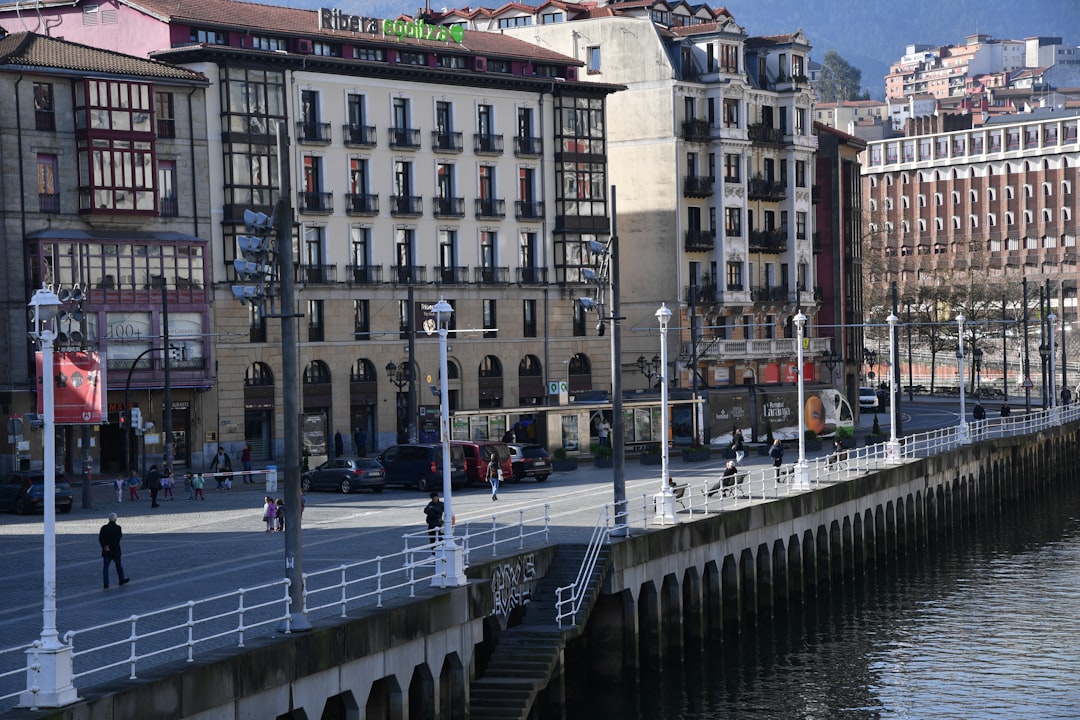
Bilbao, the Basque Country’s industrial-turned-cultural powerhouse, sits at 19 metres above sea level along the Nervión River in northern Spain, with a population of 349,356 in the city proper and over 1 million in its metro area. Founded in 1300 by Diego López V de Haro, it transformed from a steel and shipbuilding hub into one of Europe’s most celebrated urban regeneration stories — anchored by the Guggenheim Museum that opened in 1997. The city sits just 14 km from the Bay of Biscay coast, giving it a dramatically green, Atlantic-influenced character utterly unlike Mediterranean Spain.
Top 3 Highlights at a Glance
- Guggenheim Museum Bilbao — Frank Gehry’s titanium-clad masterpiece single-handedly triggered a global urban regeneration blueprint — 1.4 million visitors annually prove it.
- Casco Viejo (Old Town) — Seven medieval streets called Las Siete Calles pack pintxos bars, the 1571 Gothic cathedral, and authentic Basque street life into 10 walkable blocks.
- Mercado de la Ribera — Europe’s largest covered market by floor area at 10,000 square metres buzzes with fresh Basque produce and pintxos counters from 8am daily.
Scroll down for our complete travel guide with tips on getting there, where to stay, costs and more.
Arrival & Airport
How do I get to Bilbao from abroad or within Spain?
Fly into Bilbao Airport (BIO) — it’s your fastest option from most European cities. From Madrid, the Alsa or ALSA luxury coach takes around 4.5 hours and costs as little as $25 booked ahead; trains via Renfe connect through Miranda de Ebro and take 5-6 hours with a change. From Barcelona, the coach takes 8 hours — I’d fly instead, with Vueling and Iberia offering fares from $40-60 on budget days. My tip: avoid driving into Bilbao’s city centre — the ring roads are genuinely confusing for first-timers and parking is expensive. What surprised me is how well the coach stations and airport connect to the metro, making car-free arrival completely stress-free.
Which airport serves Bilbao and how close is it?
Bilbao Airport (BIO), officially Loiu Airport, sits 9 km northeast of the city centre in the suburb of Loiu. It’s a compact, easy airport — cleared in under 30 minutes on normal days. The Bizkaibus A3247 bus runs directly to Moyua Plaza in the city centre in around 30 minutes for $1.70. Taxis cost $25-30 fixed rate. In my experience, the bus is completely reliable and drops you a short walk from most central hotels. The honest caveat: BIO has limited long-haul routes, so travellers from North America must connect through Madrid (MAD) or London Heathrow (LHR).
How long does the journey from Bilbao Airport to the city centre take?
The Bizkaibus A3247 bus covers the 9 km in 30-35 minutes to Moyua Plaza, costing just $1.70 — the single best-value transfer in Basque Country. A taxi takes 20 minutes in normal traffic but costs $25-30. My tip: the bus runs every 15-30 minutes from early morning until midnight, so unless you’re arriving with mountains of luggage past midnight, skip the taxi. The honest warning most guides omit: during Bilbao’s Semana Grande festival in August, traffic near the centre adds 20 extra minutes to every surface journey — factor that in if you’re arriving that week.
Do I need a car to explore Bilbao?
No — Bilbao’s metro, tram, and walkable Casco Viejo make a car completely unnecessary in the city. The Metro Bilbao (Lines 1 and 2) covers the urban core and extends to the coast at Plentzia and Bermeo — brilliant for a beach day. A single metro ticket costs $1.70. Renting a car only makes sense if you plan day trips to inland Basque villages like Gernika or wine country in Rioja Alavesa — and even then, hire outside the city to avoid the one-way street maze. The hidden cost trap: city-centre parking garages charge $25+ per day, making a rental car genuinely punishing for urban stays.
City Transport
What are the best areas to stay in Bilbao?
Abando is my top recommendation — the city’s elegant 19th-century expansion district, central to the Guggenheim, Gran Vía shopping, and metro connections. Casco Viejo (Old Town) suits travellers who want to wake up inside the pintxos bar scene, though streets are narrow and cobbled. Indautxu is a quieter residential neighbourhood popular with mid-range stays, 15 minutes’ walk from the Guggenheim. I’d avoid staying in Deusto as a first-timer — it’s across the river and feels disconnected without a metro stop nearby. What surprised me: Bilbao’s neighbourhoods are geographically compact enough that the difference between them is more about atmosphere than convenience.
What does accommodation cost per night in Bilbao?
Budget hostels in Casco Viejo run $25-40 per night for a dorm bed. A solid mid-range double room in Abando — think Hotel Carlton or boutique options on Gran Vía — costs $90-150. Design hotels near the Guggenheim jump to $180-280 in peak season. In my experience, the best-value sweet spot is a 3-star hotel in Abando at $100-120, combining central location with breakfast included. The honest caveat most booking sites won’t flag: Bilbao has a tourist tax of €1-3 per person per night added at checkout — small but worth budgeting for across a 5-night stay.
How far in advance should I book accommodation in Bilbao during high season?
For July and August — Bilbao’s peak months — book at least 2-3 months ahead, especially for anything near the Guggenheim or Casco Viejo. During Semana Grande (Aste Nagusia), the city’s 9-day festival in mid-August, hotels sell out 4-6 months in advance and prices surge 40-60% above normal. For June or September, 4-6 weeks is usually sufficient. My tip: book directly with the hotel after finding your room on booking platforms — many Bilbao independents offer a 5-10% discount for direct bookings. The trap to avoid: last-minute deals barely exist during festival periods — this is not a city where you can wing accommodation in August.
Are there special or unique accommodation types worth trying in Bilbao?
Yes — casas rurales (rural guesthouses) in the hills above Bilbao, particularly around Artxanda, offer panoramic city views from $70-90 per night with a deeply local feel. Several restored Basque farmhouses called caseríos operate as boutique B&Bs within 20 minutes of the city. In the city itself, apartment rentals in Abando through local agencies give you a kitchen and neighbourhood life for $80-120 per night. What surprised me: Bilbao has an excellent selection of design hotels under $150 — the city’s architecture obsession extends to its interiors. The honest warning: avoid apartments directly above Casco Viejo bar streets — noise after midnight is relentless on weekends.
Accommodation & Neighbourhoods
What are the absolute must-sees in Bilbao?
Three non-negotiables: the Guggenheim Museum Bilbao (entry $27, closed Mondays), where even the building exterior is worth an hour; Casco Viejo for the Gothic Santiago Cathedral and the real pintxos bar crawl culture of Calle Ledesma; and the Museo de Bellas Artes, Bilbao’s underrated fine arts museum free on Wednesdays, housing El Greco and Goya originals. My honest take: don’t rush the Guggenheim in under 2 hours — the permanent collection alone justifies 3 hours minimum. What most guides skip: take the Artxanda Funicular (€1.25 each way) for the best panoramic view of Bilbao — it beats any paid viewpoint in the city.
What can I experience for free in Bilbao?
Genuinely great free experiences: the Guggenheim exterior and Jeff Koons’ Puppy sculpture are fully free to admire; Casco Viejo’s Las Siete Calles cost nothing to wander; and the Zubizuri pedestrian bridge by Calatrava is a photogenic architectural gem at zero cost. The Museo de Bellas Artes is free every Wednesday. The Nervión riverfront promenade from Guggenheim to Casco Viejo is a 2 km walk through the city’s regeneration story — my favourite free hour in Bilbao. The caveat: Bilbao’s food culture IS its free entertainment — a pintxos crawl starting around $2-3 per pintxo can technically be done on a tight budget if you’re disciplined about one drink per bar.
Which day trips from Bilbao are most worthwhile?
San Sebastián (Donostia) is the obvious choice — 100 km east by Alsa bus in 75 minutes for around $10 each way, and genuinely one of the world’s great food cities. Gernika is 33 km northeast and accessible by Euskotren in 55 minutes for $3.50 — the historic town immortalised by Picasso and worth a half-day. Gaztelugatxe (the Game of Thrones hermitage island) is 35 km west and reachable by bus from Bermeo for $4 — book the free access permit online in advance or you’ll be turned away. My honest warning: the Rioja wine region is a 90-minute drive south and poorly served by public transport — this day trip genuinely requires a car.
What are Bilbao’s local food specialities I must try?
Pintxos are non-negotiable — small Basque bar snacks averaging $2-4 each, eaten standing at the bar. Order bacalao al pil-pil (salt cod in gelatinous garlic sauce), marmitako (tuna and potato stew), and txangurro (spider crab) wherever you see them fresh. The Mercado de la Ribera is the best place to sample seasonal Basque produce at honest prices. For a sit-down meal, kokotxas (cod cheeks) at any traditional Basque restaurant is a dish found almost nowhere outside the Basque Country. My tip: hit Calle Ledesma and Plaza Nueva for the most authentic pintxos bars — Bar Gure Toki on Plaza Nueva is exceptional. A glass of local txakoli white wine costs $3-4 and cuts through the richness perfectly.
Highlights & Must-Sees
What makes Bilbao genuinely unique compared to other Spanish cities?
Bilbao is the only major Spanish city that successfully reinvented itself from heavy industry to cultural tourism within a single generation — the Guggenheim effect is studied in urban planning courses worldwide. The Basque culture and language (Euskara) — one of Europe’s oldest and linguistically isolated tongues — give Bilbao a distinct identity no other Spanish city replicates. Food culture here is the most serious in Spain: the city has more Michelin stars per capita than almost any city on Earth. What surprised me most: Bilbao residents have a fierce, justified pride that makes interactions feel warmer and more genuine than in more tourist-saturated Spanish cities. The honest caveat: it rains roughly 140 days per year — pack accordingly.
How many days should I spend in Bilbao?
3 full days is the minimum to see Bilbao properly without rushing. Day 1: Guggenheim, Nervión waterfront, and dinner in Abando. Day 2: Casco Viejo, Mercado de la Ribera, Artxanda Funicular, and a pintxos crawl. Day 3: Museo de Bellas Artes and a coastal day trip to Plentzia on the Metro Line 1 in 45 minutes. Add a 4th day if you want a day trip to San Sebastián or Gernika. My honest take: Bilbao rewards slow travel — the food culture alone justifies lingering an extra night. The trap: day-trippers from San Sebastián often only see the Guggenheim and leave convinced that’s all there is — they’re missing two-thirds of the city’s character.
When is the best time to visit Bilbao?
July is the statistically optimal month based on climate data — long days, warmest temperatures, and the city is fully energised without August’s peak chaos. June and September are my personal recommendations: pleasant weather, lower prices than August, and a more relaxed atmosphere. Semana Grande in mid-August is spectacular if you want full festival immersion — but hotel prices surge 40-60% and the city is genuinely packed. April and May offer lush green Basque landscapes and manageable crowds, though rain is frequent. The honest warning: Bilbao’s Atlantic climate means rain is possible year-round — I’ve been rained on in July. A waterproof jacket isn’t optional; it’s essential regardless of when you visit.
Are there local festivals in Bilbao worth timing a trip around?
Semana Grande (Aste Nagusia) in mid-August is Bilbao’s defining festival — 9 days of free concerts, fireworks, Basque sports, and street events that transform the entire city. It’s genuinely one of the best urban festivals in Europe and costs nothing to attend beyond food and drink. Bilbao BBK Live, a major indie music festival on Mount Kobetas, runs 3 days in early July with international headliners — 2025 tickets averaged $120-180 for the full weekend. The Basque Culinary World Prize events in autumn attract serious food travellers. My honest caveat: book Semana Grande accommodation 4-6 months ahead or accept staying 30+ km outside the city — I’ve seen travellers scramble hopelessly for rooms during that week.
Food & Drink
How does Bilbao’s weather affect what activities I can do?
Rain in Bilbao hits on average 140 days per year — so indoor activities like the Guggenheim, Museo de Bellas Artes, and Mercado de la Ribera are genuinely all-weather anchors you should schedule for grey days. Beach days at Plentzia or Sopelana (reachable on Metro Line 1 in 45 minutes) require sunny forecasts — the Atlantic water temperature peaks at just 20°C in August, so it’s brisk swimming. The Artxanda hills above the city are spectacular in clear weather for hiking but miserable in heavy rain. My tip: download Windy.com and check 48-hour forecasts religiously — Bilbao’s weather shifts fast and morning rain often clears by afternoon, which most visitors don’t wait around long enough to discover.
How crowded does Bilbao get in peak season?
The Guggenheim attracts 1.4 million visitors annually, meaning summer queues at opening (10am) can reach 45-60 minutes without pre-booked tickets. Casco Viejo on Saturday evenings becomes genuinely shoulder-to-shoulder during July and August. The honest reality: Bilbao is less overwhelmed than Barcelona or Seville — it’s big enough to absorb tourism without the suffocating mass-tourism feel of Spain’s top-tier destinations. My tip: buy Guggenheim tickets online at least 2-3 days ahead in summer — the museum does sell out specific time slots. The quieter alternative: Museo de Bellas Artes 4 minutes’ walk away has world-class art and rarely more than 200 people in the building at any time.
How safe is Bilbao for travellers?
Bilbao is very safe by European standards — petty crime rates are low compared to Madrid or Barcelona. Casco Viejo on weekend nights sees rowdy bar crowds but genuine violence toward tourists is extremely rare. The metro and tram are safe at all hours in my experience. The honest warning most guides omit: pickpocketing does occur around the Guggenheim exterior and Mercado de la Ribera during peak summer — use a crossbody bag and don’t leave phones on outdoor bar tables. There is no significant no-go area in Bilbao for tourists. ETA, the former Basque separatist group, declared a permanent ceasefire in 2011 — political security concerns are no longer relevant to travel planning here.
Is English widely spoken in Bilbao?
In tourist areas — Guggenheim, Casco Viejo pintxos bars, hotel reception desks — English is reliably spoken, especially by anyone under 40. Outside tourist corridors, Spanish is the working language, with Euskara (Basque) appearing on all signage alongside Spanish. In my experience, attempting even 3 words of Basque — ‘Kaixo’ (hello), ‘Eskerrik asko’ (thank you) — generates a warmth from locals that Spanish alone doesn’t. The honest caveat: older residents in neighbourhood bars and markets often speak limited English — Google Translate with the camera function on menus is genuinely useful here. French works better than English in some border-region contexts, but overall, English-only travellers navigate Bilbao without serious difficulty.
Practical Tips
What is the daily budget for travelling in Bilbao?
A tight budget: $60-70 per day — hostel dorm ($30), pintxos lunch ($12), museum entry ($0-15), metro ($3-5), dinner in a local bar ($15). A comfortable mid-range day: $120-160 — mid-range hotel share ($50-75), Guggenheim entry ($27), sit-down Basque lunch ($25-35), tram/metro ($5), evening pintxos and txakoli ($20-30). A splurge day with a Michelin-starred lunch: $300+. Food costs from verified data: a cheap meal runs $15, a mid-range dinner for two around $30. My honest observation: Bilbao is notably cheaper than San Sebastián for equivalent quality — you get better value for Basque cuisine here than anywhere else in the region.
How does Bilbao’s public transport system work?
Metro Bilbao has 2 lines covering the city and extending to the coast — a single ride costs $1.70 and a 10-trip Barik card reduces that to around $1 per journey. The Euskotren rail connects to Gernika and San Sebastián. The Bilbobus city bus network fills gaps the metro misses. The EuskoTran tram runs 1 line connecting Atxuri station through the Guggenheim to La Casilla — useful and frequent. My tip: buy a Barik transport card at any metro station for $3 deposit — it works across metro, bus, and tram and saves meaningful money over 3+ days. The honest caveat: the metro map looks simple but the station names are in Euskara only, so screenshot the route map before you go underground.
Which apps do you recommend for navigating and enjoying Bilbao?
Google Maps works well for navigation — Bilbao’s streets are fully mapped including metro and bus routes. Bilbao Turismo’s official app has offline Guggenheim neighbourhood maps and free walking routes. Moovit handles real-time metro and Bilbobus timings better than Google in my experience. TheFork (ElTenedor) is essential for booking Basque restaurant tables — many popular spots like Azurmendi require reservations weeks ahead. Windy.com for Atlantic weather forecasting. Barik app for loading your transport card remotely. The honest tip most travel articles skip: WhatsApp is how Bilbao restaurants, guesthouses, and tour guides actually communicate — having a working Spanish SIM or eSIM with WhatsApp active will solve more logistical problems than any dedicated travel app.
More Destinations in Europe
Explore our complete travel guides for more Europe destinations: Grenoble Travel Guide (2026), Île de Ré Travel Guide (2026), Crete Travel Guide (2026), Normandie Travel Guide (2026), Le Havre Travel Guide (2026).
Bilbao at a Glance
| Population | 351,124 |
|---|---|
| Currency | EUR (€) |
| Official language | Basque, Spanish |
| Time zone | UTC+01:00 |
Source: Wikidata, retrieved October 2026.
Useful Resources for Planning Your Trip to Bilbao
- Wikipedia: Bilbao — history, geography and background
- Lonely Planet: Bilbao — itineraries and travel inspiration
- TripAdvisor: Bilbao — hotels, restaurants and traveller reviews
🎥 Bilbao Travel Videos
A Beginner’s Guide To Bilbao | Spain Travel 2026
Easy Travel Dude
what to do in BILBAO | travel guide 🇪🇸 #193
ROAD TRIP Spain and Portugal
Can’t Miss Things To Do in Bilbao, Spain | Travel Guide
Afar
You are currently viewing a placeholder content from Vimeo. To access the actual content, click the button below. Please note that doing so will share data with third-party providers.
More InformationYou are currently viewing a placeholder content from YouTube. To access the actual content, click the button below. Please note that doing so will share data with third-party providers.
More InformationYou need to load content from reCAPTCHA to submit the form. Please note that doing so will share data with third-party providers.
More InformationYou are currently viewing a placeholder content from GetYourGuide. To access the actual content, click the button below. Please note that doing so will share data with third-party providers.
More Information