
Île des Ebihens: The Complete Travel Guide (2026)
Île des Ebihens Travel Guide: Everything You Need to Know (2026)
Île des Ebihens is a small tidal island off the coast of Saint-Jacut-de-la-Mer in Brittany, France, accessible only on foot or by kayak during low tide across a 800-metre causeway. The island covers roughly 40 hectares and sits within the Côtes-d’Armor department, part of a coastline that sees over 4 million visitors annually to Brittany. Its granite watchtower, built in 1703 under Louis XIV, makes it one of the most historically layered uninhabited islands on the Emerald Coast.
Top 3 Highlights at a Glance
- Tour des Ebihens — A 1703 Vauban-era granite watchtower offering 360-degree views across the Rance estuary and Saint-Malo bay.
- Low-tide crossing from Saint-Jacut-de-la-Mer — An 800-metre tidal causeway walk that disappears completely at high tide — timing it is half the adventure.
- Wild Emerald Coast shoreline — Completely undeveloped beaches of pink granite and turquoise water with zero beach infrastructure or crowds.
Scroll down for our complete travel guide with tips on getting there, where to stay, costs and more.
Arrival & Airport
How do I get to Île des Ebihens?
Drive or take a bus to Saint-Jacut-de-la-Mer, then walk the tidal causeway at low tide. In my experience, the most practical approach is driving: Saint-Jacut-de-la-Mer is 45 km west of Saint-Malo and about 30 minutes by car. From Paris, the TGV reaches Saint-Brieuc in under 2 hours, then you need a 30-minute taxi or car hire to the peninsula. No public transport reaches Saint-Jacut directly — the nearest bus stop is in Ploubalay, 8 km away. My tip: check the tide table on horamar.fr before you go — the crossing window is roughly 2-3 hours either side of low tide.
Which airport is closest to Île des Ebihens?
Dinard-Pleurtuit-Saint-Malo Airport (DNR) is the closest, just 35 km away. It handles seasonal Ryanair flights from London Stansted and a handful of other UK and Irish routes — useful if you’re coming from Britain. In my experience, Rennes Airport (RNS), 90 km south, offers far more year-round connections including Air France links to Paris CDG. What surprised me: DNR has no car hire desks inside the terminal building, so pre-booking with Hertz or Europcar well in advance is essential — walk-up rentals are essentially unavailable in summer.
How long does the journey to Île des Ebihens take from major hubs?
From Saint-Malo, allow 50 minutes by car. From Paris by train and car combined, budget 3 hours minimum — TGV to Saint-Brieuc takes 1 hour 55 minutes, then 45 minutes driving to Saint-Jacut. From Rennes Airport, the drive is 1 hour 10 minutes via the N176. My honest caveat: summer traffic on the D786 coastal road through Lancieux adds 20-30 minutes on Friday afternoons in July and August. I recommend arriving midweek or planning your arrival for a morning low tide to make the crossing without rushing.
Do I need a rental car to visit Île des Ebihens?
Yes — a rental car is effectively essential for this destination. No bus reaches Saint-Jacut-de-la-Mer directly, and taxis from Ploubalay or Dinard are expensive and unreliable outside summer. In my experience, hiring a small car from Saint-Malo or Dinard for €45-65 per day gives you the freedom to combine the island with nearby towns like Matignon and Erquy. The honest trade-off: parking at the tip of the Saint-Jacut peninsula near Pointe de la Garde Guérin is limited — arrive before 9am in July and August or you will find the small car park full.
City Transport
What are the best areas to stay when visiting Île des Ebihens?
Saint-Jacut-de-la-Mer is the obvious base — it’s the village at the end of the peninsula closest to the island, with a handful of chambres d’hôtes and a small hotel. For more choice, Saint-Cast-le-Guildo, 12 km east, has a proper beach resort infrastructure with hotels, restaurants, and a supermarket. In my experience, staying in Matignon puts you centrally within the Côte de Penthièvre area and reduces driving. What most guides omit: Saint-Jacut itself has no ATM — withdraw cash in Plancoët or Ploubalay before arriving.
What does accommodation cost near Île des Ebihens per night?
Expect to pay €80-120 per night for a decent chambre d’hôte or gîte in Saint-Jacut-de-la-Mer in high season. Self-catering gîtes rent weekly rather than nightly in July and August — typical weekly rate is €600-1,100 for a 4-person property. The one proper hotel in the area, Hôtel de la Barge in nearby Saint-Cast, runs €95-140 per night for a sea-view double. My honest warning: budget accommodation is nearly non-existent on this peninsula — there’s no hostel, no campsite directly in Saint-Jacut, and Airbnb supply is thin, so book early.
How far in advance should I book accommodation for Île des Ebihens in high season?
Book at least 4-6 months ahead for July and August. In my experience, the tiny supply of rooms in Saint-Jacut-de-la-Mer — fewer than 15 bookable units across all platforms — sells out by February for peak summer weeks. Saint-Cast-le-Guildo has more inventory but fills by March. My tip: if you’re visiting in June or September, 6-8 weeks’ notice is usually enough and you’ll pay 20-30% less. The trade-off: gîte owners in this area often don’t list on Booking.com — check gites-de-france.com and contact properties directly by email for best availability.
What are special or unique accommodation types near Île des Ebihens?
The standout option is a granite farmhouse gîte — traditional Breton stone properties converted for holiday rental, several of which sit within 3 km of the Saint-Jacut causeway. In my experience, these offer the most authentic Breton atmosphere: thick walls, original stone fireplaces, enclosed gardens. Some properties on Gîtes de France have direct coastal views. For something more unusual, glamping pods operate near Plévenon, 25 km away, close to the Cap Fréhel lighthouse. The honest caveat: these special properties book on Saturday-to-Saturday schedules in summer — arriving on a different day forces you into a hotel.
Accommodation & Neighbourhoods
What are the must-see sights at Île des Ebihens?
The Tour des Ebihens — the 1703 octagonal watchtower built under Vauban’s fortification programme — is unmissable and can be climbed for panoramic views across to Saint-Malo and the Île de Bréhat. The tidal crossing itself is a highlight: walk the 800-metre tombolo watching the water recede around you. The island’s northern cliffs offer wild Breton seascape without a single café or vendor in sight. My tip: circumnavigate the island’s perimeter on foot — it takes 45 minutes and reveals deserted pink granite coves on the western side that most visitors never reach.
What can I experience for free at Île des Ebihens?
Almost everything here is free. The tidal crossing, the island walk, the tower exterior, the beaches, and the coastal panoramas cost nothing. In my experience, the best free experience is timing your crossing for sunrise on a summer morning — the light on the granite is extraordinary and you’ll have the causeway entirely to yourself before 7am. The GR34 coastal footpath runs along the Saint-Jacut peninsula and is completely free, offering 6 km of clifftop walking. The honest caveat: the tower interior has occasionally been accessible via guided tours organised by the local commune — check with Saint-Jacut tourist office in advance as this is not guaranteed.
Which day trips are possible from Île des Ebihens?
Cap Fréhel with its 70-metre cliffs and lighthouse is 25 km east — a stunning half-day. Saint-Malo’s walled city is 45 km away and easily fills a full day. Dinan, a medieval walled town on the Rance river, is 30 km south and one of the best-preserved towns in Brittany. In my experience, combining Fort La Latte — a 14th-century coastal castle — with Cap Fréhel in a single afternoon is the best day trip from this base. What surprised me: Erquy, known for its scallop fishing, is only 20 km west and has a working harbour market on weekend mornings in summer.
What are the local specialities to eat near Île des Ebihens?
Brittany’s signature dishes dominate: galettes de sarrasin (buckwheat crêpes) with salted butter, coquilles Saint-Jacques from Erquy Bay (the most renowned scallop fishery in France), and fresh oysters from Cancale, 50 km northeast. In my experience, the best meal near Saint-Jacut is a plateau de fruits de mer — a seafood platter with langoustines, whelks, and shrimp — at a restaurant in Saint-Cast-le-Guildo for around €35-55 per person. My honest warning: restaurants in Saint-Jacut itself are limited to 2-3 options and close on weekdays in low season — don’t rely on finding dinner after 8pm without checking ahead.
Highlights & Must-Sees
What makes Île des Ebihens unique compared to other Breton islands?
Unlike Île de Bréhat or Belle-Île, the Île des Ebihens has no permanent population, no tourist infrastructure, no ferry service, and no entry fee — you simply walk across when the tide allows. In my experience, that raw inaccessibility is exactly what makes it special: it filters out casual visitors and rewards those who plan around the tides. The 1703 watchtower is the only man-made structure of significance on the island. What genuinely surprised me: on a July afternoon, I counted fewer than 20 people on the entire island — compare that to 2,000+ daily visitors on Bréhat in summer.
How many days should I plan for Île des Ebihens and the surrounding area?
Île des Ebihens itself needs half a day maximum — the island is small and walkable in under an hour. But the surrounding Côte d’Émeraude justifies 3-4 full days as a base: one day each for Cap Fréhel, Saint-Malo, Dinan, and relaxed beach time in Saint-Jacut. In my experience, 4 nights in the area feels exactly right — enough to hit the island twice (once for the crossing experience, once for sunset), explore the hinterland, and eat your way through Breton seafood without feeling rushed. The honest trade-off: don’t combine this with Paris in under a week — the journey time eats into your days.
When is the best time to visit Île des Ebihens?
June and September are my top recommendations. The tidal crossing works year-round, but July and August bring the most reliable warm weather (averaging 20-22°C) alongside the most visitors to the broader Brittany coast. In my experience, mid-June hits a sweet spot: the days are long (sunset after 10pm), the water is warming up, restaurants are open, and you won’t fight for parking. September offers golden light, still water warm enough to swim (17-18°C), and dramatically fewer people. October through April the island is atmospheric but cold and very isolated — only suited to walkers and birdwatchers.
How does weather affect activities at Île des Ebihens?
The tidal crossing itself is safe in most weather, but strong westerly winds above Beaufort 5 can make the exposed causeway uncomfortable and spray the path. In my experience, the island’s western cliffs are spectacular in stormy autumn conditions but access requires waterproof gear and sturdy footwear. Swimming in the coves is pleasant from mid-June through mid-September — water temperature peaks at around 18°C in August. My honest warning: Brittany’s weather is genuinely changeable even in summer — I’ve had July mornings with fog so thick I couldn’t see 50 metres across the causeway. Always check meteofrance.com the morning of your visit.
Food & Drink
Are there local festivals worth attending near Île des Ebihens?
Saint-Jacut-de-la-Mer is a small village and doesn’t host major festivals, but the broader region offers excellent cultural events. Les Folklores du Monde in Saint-Cast-le-Guildo takes place in late July and brings international folk dance groups. Dinan, 30 km south, hosts La Fête des Remparts every 2 years — a massive medieval festival drawing 100,000+ visitors over one weekend in July (next edition: 2026). In my experience, timing a visit around the Dinan medieval festival paired with an Ebihens crossing makes for an outstanding Brittany itinerary. My tip: book accommodation 12 months ahead if the Dinan festival falls during your trip.
When does Île des Ebihens get crowded, and how can I avoid the peak?
The island itself stays relatively uncrowded even in summer — its tidal access naturally limits visitor numbers. The Saint-Jacut peninsula and its parking areas get busiest on French national holidays and weekends in July and August. In my experience, arriving at the first accessible low tide of the morning — often between 6am and 9am — gives you the island virtually to yourself. The honest trade-off: the most dramatic coefficient tides (above 90) that expose the most causeway coincide with summer weekends when French families descend en masse — check tides.net for the combination of high coefficient and weekday timing.
How safe is Île des Ebihens?
The island itself is safe but the tidal crossing carries genuine risk if you ignore the tide schedule. People have been cut off and required coastguard rescue — this is not theoretical. In my experience, the danger is underestimated by visitors who assume they have more time than they do: the tide comes in fast around the causeway and water rises 10-12 metres in this part of the bay. My firm advice: check the SHOM tide table (shom.fr) the morning of your visit, set a phone alarm for 90 minutes before high tide, and turn back before you feel pressure to hurry. Crime risk on the island is essentially zero.
Is English widely spoken near Île des Ebihens?
English is spoken at a basic level in tourist-facing businesses in Saint-Cast-le-Guildo and Saint-Malo, but in Saint-Jacut-de-la-Mer itself, French is essentially the only language. In my experience, shopkeepers and chambres d’hôtes owners in this village are welcoming but don’t expect fluent English — a translation app (DeepL works better than Google Translate for French) and a few phrases of French go a long way. What surprised me: Breton signage appears alongside French on road signs throughout the Côtes-d’Armor — it’s bilingual, not English-friendly. My tip: download an offline French pack on Google Translate before leaving mobile coverage.
Practical Tips
What is the daily budget for visiting Île des Ebihens?
Budget €80-120 per person per day for a comfortable visit. Breakdown: accommodation €40-60 per person sharing a gîte or chambre d’hôtes, lunch €12-18 at a crêperie, dinner €25-40 at a seafood restaurant in Saint-Cast, coffee and snacks €5-8, and petrol for day trips roughly €8-12. The island itself costs nothing to visit. My honest caveat: the seafood plateau is irresistible and costs €45-60 for two people — budget for it at least once. A frugal traveller eating crêpes and supermarket picnics can manage €55-65 per day but would miss the best of what this coastline offers.
How does public transport work for getting around near Île des Ebihens?
Public transport is sparse and impractical for island access. The Tibus network (Côtes-d’Armor regional buses) covers routes between Saint-Brieuc, Matignon, and Plancoët but does not serve Saint-Jacut-de-la-Mer directly. In my experience, you can reach Plancoët by bus from Dinan or Saint-Brieuc then take a taxi the final 8 km — but this requires pre-booking a local taxi as there are no cabs waiting. Saint-Malo has a reliable Keolis bus network for city use but nothing reaching this peninsula. My firm recommendation: hire a car — it’s the only realistic way to access Île des Ebihens independently.
Which apps do you recommend for visiting Île des Ebihens?
Four apps are genuinely essential here. Maré (iOS/Android) gives accurate tidal predictions with visual crossing-window displays — I use it every time I visit a tidal island in France. Meteofrance is far more accurate than international weather apps for Brittany’s microclimate. Maps.me with offline Brittany maps covers the GR34 coastal trail in detail — useful when mobile signal drops on the peninsula. Komoot is excellent for planning the circumnavigation walk on the island itself. My bonus tip: save the SNSM coastguard number (196) in your phone before walking the causeway — it’s France’s sea rescue service and response from the Saint-Cast lifeboat station is fast.
More Destinations in Europe
Explore our complete travel guides for more Europe destinations: Nizza Travel Guide (2026), Île dAix Travel Guide (2026), Chartres Travel Guide (2026), Málaga Travel Guide (2026), Île de Noirmoutier Travel Guide (2026).
Useful Resources for Planning Your Trip to Île des Ebihens
- Wikipedia: Île des Ebihens — history, geography and background
- Lonely Planet: Île des Ebihens — itineraries and travel inspiration
- TripAdvisor: Île des Ebihens — hotels, restaurants and traveller reviews
🎥 Île des Ebihens Travel Videos
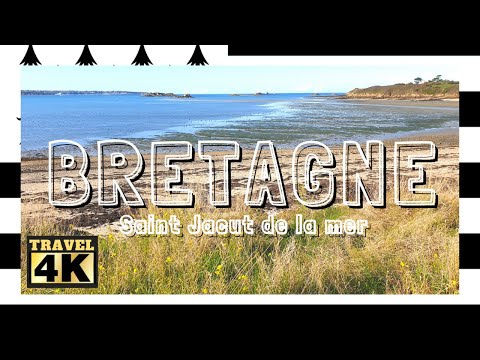
Where to go to France this summer? Best destinations in Brittany
Travel 4K
You are currently viewing a placeholder content from Vimeo. To access the actual content, click the button below. Please note that doing so will share data with third-party providers.
More InformationYou are currently viewing a placeholder content from YouTube. To access the actual content, click the button below. Please note that doing so will share data with third-party providers.
More InformationYou need to load content from reCAPTCHA to submit the form. Please note that doing so will share data with third-party providers.
More InformationYou are currently viewing a placeholder content from GetYourGuide. To access the actual content, click the button below. Please note that doing so will share data with third-party providers.
More Information