
Nizza: The Complete Travel Guide (2026)
Nizza Travel Guide: Everything You Need to Know (2026)
Nice (Nizza in Italian/German) sits on the French Riviera at the foot of the Alps, with a population of roughly 342,000 making it France’s 5th-largest city. Founded by the Greeks around 350 BC as Nikaia, it sits at sea level but the surrounding Alpes-Maritimes peaks top 3,000 metres within 90 minutes’ drive. The city receives over 5 million visitors annually, drawn by 300 days of sunshine per year and one of Europe’s most photogenic promenades.
Top 3 Highlights at a Glance
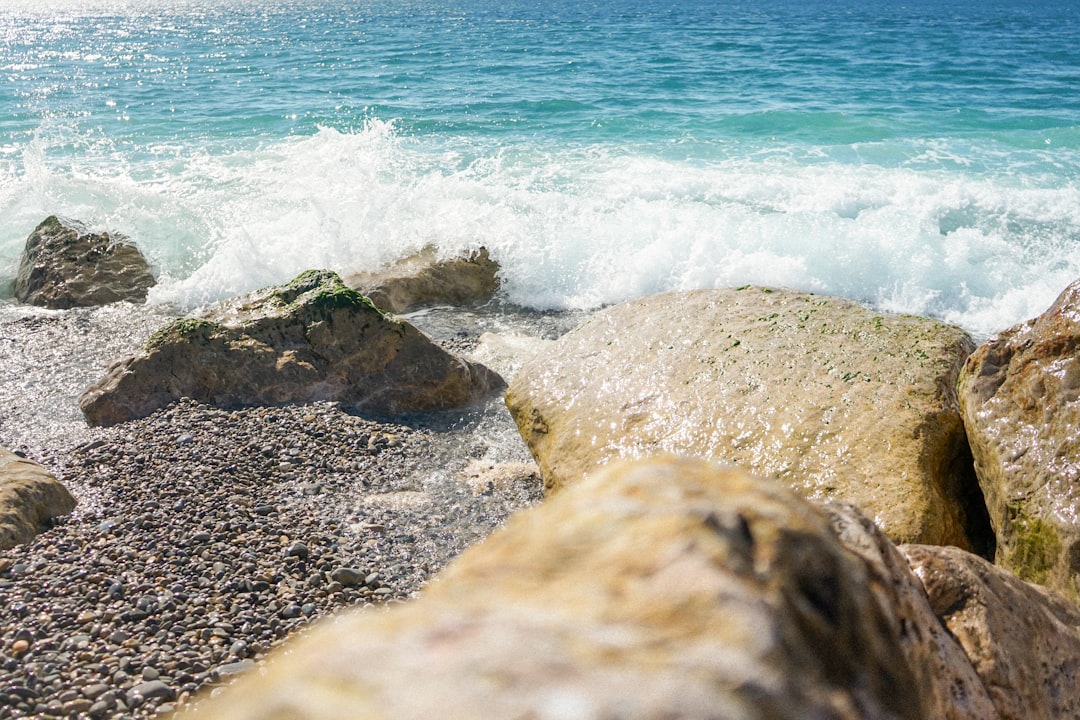
- Promenade des Anglais — The iconic 7 km seafront boulevard with pebble beaches and Belle Époque hotels is Nice’s defining image.
- Vieux-Nice (Old Town) — A labyrinth of Baroque ochre buildings and the legendary Cours Saleya flower market open since the 17th century.
- Colline du Château — A hilltop park offering a panoramic 360-degree view over the Baie des Anges and the red rooftops below.
Scroll down for our complete travel guide with tips on getting there, where to stay, costs and more.
Getting There
How do I best reach the Nizza region?
Fly directly into Nice — it’s the fastest and most practical entry point. Nice Côte d’Azur Airport (NCE) is France’s 2nd busiest airport, handling over 14 million passengers annually. From Paris, the TGV high-speed train reaches Nice Gare de Nice-Ville in approximately 5.5 hours, costing as little as €29 booked far in advance. Driving from Paris takes around 7.5 hours via the A7/A8 motorway. In my experience, flying is the clear winner for international visitors — cheap direct routes from across Europe mean you can land, drop your bags, and be eating socca in Vieux-Nice within 40 minutes. Caveat: summer road traffic on the A8 near Cannes can add 2 hours to a drive.
Which airport is closest to Nizza?
Nice Côte d’Azur Airport (NCE) is only 6 km west of the city centre — one of Europe’s most conveniently located airports. It has two terminals connected by a free shuttle. My tip: Terminal 1 handles most long-haul and Air France flights; Terminal 2 is dominated by easyJet and Ryanair. A second option is Marseille Provence Airport (MRS), roughly 200 km west, useful only if you find dramatically cheaper fares and plan to road-trip along the coast. For the Nizza region specifically, NCE wins every time — the Tramway Line 2 connects the airport to the city centre in 8 minutes for just €1.70, which is a genuine bargain most tourists miss entirely.
How long is the journey from the capital to Nizza?
Paris to Nice by TGV takes 5 hours 20 minutes direct — the fastest trains depart from Paris Gare de Lyon multiple times daily. Budget fares start at €29 but premium last-minute tickets hit €150+. Flying takes about 1 hour 20 minutes in the air, but factor in airport time and you’re looking at a 4-hour door-to-door reality from central Paris. In my experience, the train wins for comfort — you arrive directly at Nice Gare de Nice-Ville, a short walk or tram ride from every central neighbourhood. What surprised me: the coastal stretch from Marseille to Nice by rail is spectacularly beautiful, so consider breaking the train journey there for an extra half-day.
Are there direct bus connections to Nizza?
Yes, but buses serve specific routes better than others. Flixbus runs direct coaches to Nice from Marseille (roughly 2.5 hours, from €5), Lyon (around 6 hours, from €9), and Milan (approximately 4 hours, from €12). Within the Alpes-Maritimes department, Lignes d’Azur operates an extensive regional network — Line 500 connects Nice to Cannes for just €1.50, which is absurdly good value. The honest caveat: intercity coaches are slow and unreliable in summer when coastal traffic is brutal. I recommend buses only for budget travellers on the Cannes-Antibes-Nice corridor or for the scenic mountain routes into the Arrière-Pays Niçois hinterland.
Is a rental car necessary in Nizza?
For the city of Nice itself, absolutely not — ditch the car idea immediately. Parking in Nice costs €25–40 per day in central car parks, traffic is chaotic, and the tram and bus network covers everything you need. However, for exploring the wider Alpes-Maritimes region — Gorges du Verdon, Mercantour National Park, or hilltop villages like Èze and Peillon — a rental car transforms the trip. I recommend picking up a car for 2–3 days mid-trip specifically for mountain excursions. Expect to pay €40–70 per day from agencies at NCE Airport. Warning most guides omit: the Moyenne Corniche and Grande Corniche roads are genuinely narrow with steep drops — not suitable for nervous drivers.
Accommodation
Which towns make good bases in the Nizza region?
Nice itself is the best all-round base — central, well-connected, with the full range of accommodation. Antibes suits those who want a quieter Provençal atmosphere with easy rail access to both Cannes and Nice in under 30 minutes. Menton, right on the Italian border 30 km east, is dramatically undervisited and significantly cheaper than Nice or Monaco — my top pick for travellers who want authenticity. Villefranche-sur-Mer, just 6 km east of Nice, offers a genuinely beautiful bay and a relaxed pace, ideal for families. The caveat: basing yourself in Cannes adds unnecessary cost; it’s better as a day trip from Nice via the €1.50 Ligne 500 bus.
Where should I stay in Nizza?
In Nice, Vieux-Nice (the old town) puts you within walking distance of the market, beach, and restaurants — ideal for first-timers. The Carré d’Or neighbourhood around Rue de France offers smarter boutique hotels and easier parking access. Cimiez, uphill north of centre, is quieter, home to the Matisse Museum, and popular with longer-stay visitors. Budget travellers gravitate toward the Gare de Nice-Ville station area — less glamorous but packed with affordable options. My tip: avoid hotels directly on Promenade des Anglais unless budget is not a concern — you pay a 40% premium purely for the address, and the beach directly below is public and accessible from anywhere.
What does accommodation cost in Nizza?
Expect to pay €80–130 per night for a solid 3-star hotel in Nice outside peak season. A decent 4-star near Vieux-Nice runs €150–250 in shoulder season, jumping to €300+ in July and August. Budget hostels in the Gare area start from €30 per bed in a dorm. Airbnb apartments in Cimiez or Libération neighbourhoods average €90–150 per night for a full one-bedroom — better value than hotels for stays of 4+ nights. The honest warning: during the Nice Carnival in February and the Jazz Festival in July, prices spike by 60–80% and availability collapses. Book those weeks at least 4 months in advance or pay whatever is left.
How far in advance should I book accommodation in Nizza?
For July and August, book 3–4 months ahead — no exceptions. In my experience, waiting until 6 weeks before in peak summer means either paying double or settling for far-from-centre options. For the Nice Carnival (February) and the Monaco Grand Prix weekend (May), I’d push that to 5–6 months. Shoulder season — April, May, October — gives you 4–6 weeks of flexibility, sometimes less for quality hotels in Vieux-Nice. Winter is the exception: December through February outside Carnival sees genuine availability within 1–2 weeks’ notice, often with rates 30–40% below summer peaks. My tip: use Booking.com with free cancellation and lock in a rate early — adjust later if something better appears.
When is the best time to visit Nizza?
June, September, and early October are the sweet spot — verified by 5-year climate analysis. June gives you warm temperatures around 24°C, long days, and crowds that haven’t yet reached July’s intensity. September is arguably perfect: sea temperature peaks at 24°C for swimming, summer crowds have thinned, and the Fête de la Gastronomie festival adds local flavour. July and August are genuinely beautiful but brutally busy — the Promenade des Anglais becomes an obstacle course. What surprised me: May in Nice is exceptional — the Cannes Film Festival runs nearby, wildflowers blanket the hills above Èze, and hotel rates are still reasonable. Avoid the last two weeks of August if crowds frustrate you.
Best Time to Visit
How does the weather affect activities in Nizza?
Nice enjoys 300 days of sunshine annually, which sounds idyllic — and mostly it is. Summer heat peaks at 28–32°C in July-August, making midday beach time genuinely uncomfortable; I recommend hiking in the Mercantour mountains during those weeks instead, where temperatures drop to 18–22°C. The Mistral wind occasionally sweeps down from the Alps in spring and autumn, clearing the sky dramatically but making outdoor dining unpleasant for 1–2 days. Winter is mild at 12–15°C — perfect for walking the Promenade des Anglais without crowds. The honest caveat: autumn storms between October and November can be intense — the Alpes-Maritimes region experiences some of France’s heaviest rainfall events during this period, occasionally causing flash floods.
Are there local festivals in Nizza worth attending?
Absolutely — Nice Carnival (February, 2 weeks) is one of Europe’s oldest and largest, dating to 1294, with flower battles on the Promenade des Anglais that are genuinely spectacular. Tickets for the official stands cost €15–25. The Nice Jazz Festival in July (held in Jardins Albert 1er since moving from Cimiez) draws international headliners — day passes run €45–65. Fête de la Musique on June 21st is free city-wide and genuinely wonderful in Vieux-Nice. My tip: the Fête du Citron in nearby Menton (February, same period as Carnival) uses 145 tonnes of citrus fruits to build sculptures — less crowded than Nice Carnival and frankly more charming. Don’t try to attend both in the same weekend.
When does Nizza get crowded?
Peak crowding hits from July 14 (Bastille Day) through August 31 — this is when the Promenade des Anglais is shoulder-to-shoulder and restaurant queues stretch 45 minutes. The Monaco Grand Prix weekend in late May creates a secondary spike, filling every hotel from Nice to Menton. Nice Carnival in February causes a localised surge. In my experience, the worst single day of the year is July 14 — the Bastille Day fireworks over the Baie des Anges attract enormous crowds but also commemorate the 2016 attack, giving the evening an emotionally charged atmosphere. If you’re visiting in August, arrive at any beach before 9:00 AM to claim a reasonable spot — by 11:00 AM the pebbles are invisible.
What does a daily budget cost in Nizza?
Budget traveller: €70–90 per day — hostel bed at €30, socca and pissaladière street food at €5–8, tram and bus pass at €1.70 per trip. Mid-range: €150–200 per day — 3-star hotel, sit-down lunches at €15–20, one museum entry at €10, and a decent dinner in Vieux-Nice at €35. Comfort level: €280–400 per day — 4-star hotel, beachfront restaurant lunches, car rental, and evening drinks on Cours Saleya. What surprised me: Nice is significantly cheaper than Monaco (30 minutes away) but noticeably pricier than inland Provence. The honest caveat: alcohol inflates budgets fast — a glass of rosé on the Promenade costs €9–14, while the same wine at a Cours Saleya bar runs €5–7.
Is Nizza cheaper or more expensive than other French regions?
Nice is France’s 3rd most expensive city for accommodation after Paris and Lyon — expect to pay 20–30% more than comparable Provençal towns like Aix-en-Provence or Avignon. Restaurant prices in Vieux-Nice are elevated but not Parisian — a 3-course lunch menu (midi) runs €18–25, which is actually reasonable for the quality. The Côte d’Azur premium is real: a beach sun-lounger rental costs €20–30 per day on a private beach concession, though the public pebble beaches are entirely free. My tip: shop at Marché du Cours Saleya for olives, cheese, and charcuterie — a picnic lunch assembled there costs under €12 and the quality beats most restaurants. Inland villages like Utelle cost roughly 40% less across the board.
Budget
What free highlights are there in Nizza?
Genuinely impressive free experiences exist here. Colline du Château is completely free and offers the best panoramic view in the region — take the free elevator from the base near Quai des États-Unis. Cours Saleya flower market (Tuesday–Sunday mornings) is free to browse and wildly photogenic. The Promenade des Anglais itself costs nothing. MAMAC (Museum of Modern and Contemporary Art) is free the first Sunday of each month. The Russian Orthodox Cathedral of Saint Nicholas — the largest outside Russia — charges just €3 entry. What surprised me: the Parc du Château waterfall and gardens are free and almost entirely missed by day-trippers who only reach the viewpoint and turn back. Budget 1.5 hours to explore properly.
What do local specialities cost in Nizza?
Nice’s cuisine is wonderfully cheap when bought from the right places. A socca (chickpea flour pancake) from Chez René Socca on Rue Miralheti costs €3–4 — this is the gold standard and the queue proves it. Pissaladière (onion and anchovy tart) runs €2.50 per slice at market stalls. A bowl of soupe au pistou in a proper restaurant in Vieux-Nice costs €10–14. The famous Salade Niçoise at a decent brasserie is €14–18 — beware tourist traps near the Promenade serving inferior versions at €22+ with tinned tuna. My tip: Pan Bagnat (the Niçois tuna sandwich) from a market stall at €6–8 is the ultimate lunch — authentic, filling, and something almost no tourists bother ordering.
Which route do you recommend for 5–7 days in Nizza?
Day 1: Arrive, walk Vieux-Nice, Cours Saleya market, climb Colline du Château at sunset. Day 2: Morning at Promenade des Anglais, afternoon Musée Matisse in Cimiez, evening dinner in the old town. Day 3: Rent a car — drive the Grande Corniche (D2564) to Èze village, continue to Monaco (30 km from Nice), return via Menton for dinner. Day 4: Day trip to Gorges du Loup and Gourdon village (55 km northwest) — return the car. Day 5: Train to Cannes (30 minutes, €7), afternoon in Antibes, return by train. Day 6: Explore Mercantour National Park if hiking-inclined, or visit Vence and the Chapelle Matisse. Day 7: Slow morning, beach, depart. This route covers coast, mountains, and hinterland without backtracking.
What are the must-see sights in Nizza?
In Nice itself: Vieux-Nice with Cours Saleya, Colline du Château, Musée Matisse (entry €10, closed Tuesdays), and MAMAC. The Promenade des Anglais at golden hour is non-negotiable. Within the wider region: Èze village perched at 429 metres above the sea, Monaco’s Old Town and Oceanographic Museum (€18 entry), and the Gorges du Verdon — Europe’s Grand Canyon at 700 metres deep. What most guides omit: the Fondation Maeght in Saint-Paul-de-Vence is arguably the finest private art foundation in France, with a permanent collection including Miró, Giacometti, and Chagall that justifies the €20 entry fee entirely. Skip the overcrowded Saint-Paul-de-Vence village square and head straight to the Foundation.
What natural highlights does the Nizza region offer?
The contrast within 90 minutes of Nice is extraordinary — Mediterranean coastline to Alpine peaks above 3,000 metres. Mercantour National Park covers 685 km² and is home to wolves, ibex, and over 3,000 plant species. The Gorges du Loup near Gourdon is more accessible than Verdon and almost as dramatic. The Trois Corniches coastal road system — Basse, Moyenne, and Grande — offer cliff-edge driving above a turquoise sea that has no equal in France. What surprised me: the Vallée des Merveilles in Mercantour contains over 40,000 Bronze Age rock engravings — accessible only by a 4-hour round-trip hike from Lac des Mesches. It’s one of Europe’s most significant prehistoric sites and most visitors to Nice never hear of it.
Routes & Highlights
What local specialities should I try in Nizza?
Start with socca — Nice’s street food identity, best at Chez René Socca on Rue Miralheti. Then pissaladière (caramelised onion, olive, and anchovy flatbread), daube Niçoise (beef stewed in local wine), and stockfish (dried cod stew called estocaficada) — the latter is an acquired taste but authentically Niçois. The region produces excellent wine: Bellet AOC wines grown on hills just 10 km north of Nice city centre are rare, expensive (€15–25 per bottle), and almost never exported — try them at Les Vins de Bellet cave. For cheese: Brousse du Rove (fresh goat cheese from near Marseille) appears on every serious cheese board. My warning: Salade Niçoise must contain no cooked vegetables — potatoes and green beans are a Parisian corruption.
What activities are available in Nizza?
On the water: sailing from Nice Harbour, paddleboarding along the Baie des Anges, and snorkelling around the Cap Ferrat peninsula where visibility reaches 15 metres. On land: hiking trails from Eze down to Eze-sur-Mer (the famous Nietzsche Path, 7 km, about 2.5 hours), cycling the Voie Bleue coastal path, and road cycling into the Alps — Col de la Madone above Menton is a legendary professional cycling climb at 1,000 metres. Urban activities include the Nice tram system as sightseeing, cooking classes in Vieux-Nice for authentic Niçois cuisine (€80–120 for 3 hours), and perfume workshops in nearby Grasse (20 km west, the world’s perfume capital). My tip: paragliding from Col de la Forclaz above Annecy is a full-day excursion but the most memorable thing I’ve done in the region.
What distinguishes Nizza from other French regions?
Nice wasn’t formally French until 1860 — it was part of the Kingdom of Sardinia, and before that a Genoese and Savoyard territory. This history created a genuinely distinct culture: the Niçard dialect (Nissart), a cuisine with heavy Italian and Ligurian influences, and an architectural style unlike anything in Provence or Languedoc. The ochre and terracotta Baroque facades of Vieux-Nice are Italian, not French. The Bellet wine appellation exists nowhere else. The landscape combination — ski resorts at Isola 2000 (90 km north, at 1,800 metres base) and a Mediterranean beach — within a single day is unique in Western Europe. What surprised me most: locals here still argue passionately about whether their identity is more Italian or French — and that tension makes the culture genuinely alive.
Which day trips are possible from Nizza?
Monaco: 22 km east by train (25 minutes, €4.30) — do the Oceanographic Museum, walk to the palace, and have one €20 coffee at the Casino terrace. Cannes: 33 km west by train (30 minutes, €7) — the Croisette and Lérins Islands are excellent. Antibes: between the two, 30 minutes, €5 — Musée Picasso and the old ramparts. Èze village: accessible by bus 82 from Nice Est (€1.70, 30 minutes) or the Nietzsche Path hike up. Menton for the lemon festival town and Italian border feel (40 minutes by train, €5.40). My personal favourite day trip: take the train to Ventimiglia, Italy (50 minutes, €8) — the Friday market is enormous, the seafood pasta is exceptional, and you return to Nice feeling like you’ve discovered something most guidebooks skip.
Are there language barriers in Nizza?
English is widely understood in tourist areas — Vieux-Nice, hotel receptions, and airport staff are generally comfortable in English. However, venture into local boulangeries in Libération or market stalls in Cours Saleya and French is essential. I recommend learning 10 basic phrases minimum — Niçois locals respond warmly to any attempt at French and noticeably less warmly to English-only demands. The Nissart dialect (native to Nice) is occasionally heard among older locals but you’ll never need it. The Italian influence means many Niçois speak some Italian — helpful if you’re crossing into Ventimiglia. My tip: Google Translate with camera function handles menus and signage instantly; the offline French pack takes 30 seconds to download and saves real money when you can read the prix-fixe lunch menu hidden inside the door.
Practical Tips
Which apps do you recommend for Nizza?
Lignes d’Azur app: essential for bus and tram times across the entire Alpes-Maritimes department — it covers the €1.50 intercity routes that save you serious money. SNCF Connect: book TGV trains and check regional rail times. Waze: mandatory if you rent a car on the Corniche roads — Google Maps consistently underestimates traffic on the coastal A8. TheFork (LaFourchette): book Nice restaurants with up to 50% discounts on weekday lunches — I’ve eaten at €40-per-head restaurants for €22 this way. Météo-France: the official French weather app, more accurate than any international alternative for Alpine micro-climates. Citymapper covers Nice’s tram network clearly. Honest caveat: mobile data is essential — offline maps of the Mercantour trails via AllTrails Pro (€30/year) are worth every cent if you’re hiking above 1,500 metres.
Are there medical facilities in Nizza?
Yes — CHU de Nice (Centre Hospitalier Universitaire) is a major academic hospital with full emergency services, located at Hôpital Pasteur, 30 Voie Romaine. Nice also has Hôpital Saint-Roch for general emergencies closer to the city centre. EU citizens with a European Health Insurance Card (EHIC) access French public healthcare at standard French rates — typically a €25 GP consultation fee partially reimbursed. Non-EU visitors should carry comprehensive travel insurance — a basic emergency room visit without insurance can cost €200–500 before treatment begins. Pharmacies (identifiable by green crosses) are dense in Nice — most central ones have English-speaking staff. For mountain emergencies in Mercantour, the rescue service (PGHM Alpes-Maritimes) operates helicopter rescue: dial 15 (SAMU) or 112 from any mobile.
How safe is Nizza?
Nice is safe by any reasonable measure for tourists. The main risks are pickpocketing — concentrated on the Promenade des Anglais, Cours Saleya market mornings, and crowded trams (especially Line 1 near the Jean Médecin stop). Keep bags zipped and phone off tables. The Ariane and Les Moulins northern districts are residential neighbourhoods with higher crime rates — no reason for tourists to visit them. Vieux-Nice at night is lively and generally safe until 2:00 AM. The honest caveat: Nice experienced a devastating terrorist attack on July 14, 2016, on the Promenade des Anglais — security presence during major events is now significantly heightened, with vehicle barriers permanent along the beachfront. Solo female travellers report occasional unwanted attention near the train station area after midnight — take taxis rather than walking.
What are common traveller mistakes in Nizza?
The biggest mistake: eating directly on Promenade des Anglais — those restaurants charge 30–50% more for identical quality found two streets back. Second: taking a taxi from NCE Airport when the Tram Line 2 does the same journey in 8 minutes for €1.70 versus a taxi’s €32–40. Third: visiting Monaco without checking it’s not a Formula 1 race week — hotel prices in Nice triple and roads close. Fourth: expecting sandy beaches — Nice’s beaches are pebble, and barefoot walking is uncomfortable; bring water shoes. Fifth: skipping Cours Saleya because it looks touristy — the Tuesday–Sunday morning market is genuinely local and the flower section alone is worth the detour. My worst personal mistake: booking a hotel with ‘sea view’ near the airport flight path — planes descend directly over the western Promenade from 6:00 AM.
Which accommodation types suit the Nizza region best?
For Nice city: boutique hotels in Vieux-Nice (I recommend the Hôtel Windsor near Rue Dalpozzo for its garden and art installations — doubles from €110) or Airbnb apartments in Cimiez for stays over 5 nights. For the wider region: chambres d’hôtes (B&Bs) in hilltop villages like Tourrettes-sur-Loup or Saint-Jeannet offer a completely different experience — genuine Provençal farmhouses for €70–100 per night including breakfast. For families or groups: villas with pools in the Var hinterland (inland from Fréjus) are rented weekly from €1,500–3,500 and represent exceptional value split between 6+ people. Camping at Camping de la Baie des Anges in Villeneuve-Loubet (15 km west of Nice) costs from €28 per night with direct beach access — criminally underrated option.
More Destinations in Europe
Explore our complete travel guides for more Europe destinations: Mont Saint-Michel Travel Guide (2026), Málaga Travel Guide (2026), Caen Travel Guide (2026), Mérida Travel Guide (2026), Toulouse Travel Guide (2026).
Nizza at a Glance
| Currency | EUR (€) |
|---|---|
| Official language | French |
| Time zone | UTC+01:00 |
Source: Wikidata, retrieved August 2026.
Useful Resources for Planning Your Trip to Nizza
- Wikipedia: Nizza — history, geography and background
- Lonely Planet: Nizza — itineraries and travel inspiration
- TripAdvisor: Nizza — hotels, restaurants and traveller reviews
🎥 Nizza Travel Videos

52 Tips I Wish I Knew Before Visiting Nice, France
Camden David

Nice, France: The Complete Guide for First-Time Visitors …
Riviera Go!
The ESSENTIAL Nice Guide in Under 15 Minutes
ExpatsEverywhere Explores
You are currently viewing a placeholder content from Vimeo. To access the actual content, click the button below. Please note that doing so will share data with third-party providers.
More InformationYou are currently viewing a placeholder content from YouTube. To access the actual content, click the button below. Please note that doing so will share data with third-party providers.
More InformationYou need to load content from reCAPTCHA to submit the form. Please note that doing so will share data with third-party providers.
More InformationYou are currently viewing a placeholder content from GetYourGuide. To access the actual content, click the button below. Please note that doing so will share data with third-party providers.
More Information