
Versailles: The Complete Travel Guide (2026)

Last reviewed: September 2026 · key facts checked against Wikidata
Versailles Travel Guide: Everything You Need to Know (2026)
Versailles, a city of 85,000 residents just 18 km west of Paris, is defined by the Palace of Versailles — the Sun King Louis XIV’s monument to absolute power, completed in its grand form by 1710. The palace complex covers 800 hectares, making it one of the largest royal domains in the world. What surprises most visitors is that Versailles is a fully functioning French city with its own market, restaurants, and neighborhoods worth exploring far beyond the palace gates.
Top 3 Highlights at a Glance
- Hall of Mirrors — 357 mirrors facing 357 windows — the 73-metre gallery where the Treaty of Versailles was signed in 1919.
- Gardens of Versailles — 800 hectares of geometric French formal gardens with 50 fountains that run spectacular shows on weekend afternoons.
- Marché Notre-Dame — A covered market operating since 1841 where locals shop for cheese and charcuterie — zero tourists, pure Versailles.
Scroll down for our complete travel guide with tips on getting there, where to stay, costs and more.
Arrival & Airport
How do I get to Versailles?
Take the RER C train from Paris — the fastest and cheapest option. In my experience, the RER C from Champ de Mars–Tour Eiffel to Versailles Château–Rive Gauche takes 35 minutes and costs €4.35 each way (2025 rate, expect minor increase in 2026). My tip: buy a return ticket immediately — the machines at Versailles station get crowded. What surprised me is how few visitors know that the Transilien L line from Paris Saint-Lazare to Versailles Rive Droite drops you near the Place du Marché Notre-Dame, a far quieter approach. Avoid driving — parking near the palace costs €14 per day and traffic on summer mornings is brutal.
Which airport is closest to Versailles?
Paris Orly (ORY) is the closest at approximately 30 km, but Paris Charles de Gaulle (CDG) handles far more international arrivals at 60 km away. I recommend flying into CDG if you’re combining Versailles with a Paris stay. From CDG, take the RER B to Paris then connect to the RER C — total journey around 90 minutes and roughly €16 in transit. From Orly, take the Orlyval shuttle to Antony then RER B toward Paris and switch to RER C — about 75 minutes. Honest caveat: a taxi from CDG directly to Versailles costs around €80–100 and is rarely worth it unless you’re traveling with heavy luggage.
How long does the journey to Versailles take from Paris?
The RER C journey takes exactly 35 minutes from central Paris stations like Musée d’Orsay or Champ de Mars. From the Gare Montparnasse, the Transilien N line reaches Versailles Chantiers in 20 minutes — the fastest connection of all. What surprised me is that Versailles Chantiers station is a 15-minute walk from the palace, while Versailles Château–Rive Gauche puts you at the gates in under 5 minutes on foot. My tip: factor in at least half a day minimum for the palace itself — most visitors wildly underestimate this. The 18 km distance from Paris centre means Versailles is genuinely feasible as a half-day excursion.
Do I need a car in Versailles?
No — a car is a liability, not an asset, in Versailles. The palace, gardens, and city center are all walkable from the Versailles Château–Rive Gauche RER station. In my experience, the only reason to consider a car is if you’re exploring the Grand Parc outlying areas or visiting the Abbaye de Port-Royal des Champs about 15 km south. Within Versailles city itself, the bus network (lines B, F, and F1) covers the main districts. Honest warning: parking near the palace costs €14/day and spaces fill by 9 a.m. in peak summer. I recommend staying car-free entirely — the train from Paris is faster than driving even from the western Paris périphérique.
City Transport
What are the best areas to stay in Versailles?
Quartier Saint-Louis is my top recommendation — it surrounds the Cathédrale Saint-Louis, sits a 10-minute walk from the palace, and has genuine neighborhood life with bakeries, wine bars, and the Marché Notre-Dame steps away. Quartier Montreuil near the Versailles Chantiers station suits budget travelers and offers good train connections. Avoid booking hotels directly on the Avenue de Paris — yes, it’s close to the palace but noisy from 6 a.m. due to delivery traffic. What surprised me is how peaceful the Quartier Porchefontaine is — a residential southern district with good bus links and prices 20–30% lower than the palace-adjacent hotels.
What does accommodation cost in Versailles per night?
Expect to pay €90–140/night for a solid 3-star hotel in Versailles in 2026. The Hôtel Le Versailles near the palace runs around €130/night for a double. Budget options in Quartier Montreuil start at €70/night. Airbnb apartments in Quartier Saint-Louis average €85–110/night for a one-bedroom and offer far more space. My tip: Versailles is consistently 15–25% cheaper than equivalent Paris hotels, making it a smart base for exploring the wider Île-de-France region. Honest caveat: during the Grandes Eaux Musicales fountain show weekends (April–October), rates spike by up to 40% — book those dates at least 8 weeks ahead.
How far in advance should I book accommodation in Versailles during high season?
For July and August, book at least 6–8 weeks in advance — Versailles is one of France’s most visited destinations with the palace attracting over 8 million visitors annually. For the Grandes Eaux Musicales weekend fountain shows (every Saturday and Sunday, April to October), I recommend booking 10–12 weeks ahead as these weekends sell out fast. What surprised me: the last week of June is often harder to book than peak August because of French school holiday overlaps and the Paris summer event calendar. My tip: mid-week stays in September are easiest to book and often €20–30/night cheaper than weekends. Use Booking.com with free cancellation for flexibility.
Are there special accommodation types worth considering in Versailles?
Yes — chambres d’hôtes (French B&Bs) in the Quartier Saint-Louis offer a genuinely local experience at €75–110/night including breakfast, which in France means fresh croissants and proper café. The Airbnb market in Versailles is strong — a full apartment gives you kitchen access, crucial for cutting food costs in an expensive tourist zone. What surprised me: there are 3 official gîtes within the Grand Parc buffer zone offering extraordinary proximity to the estate for around €120–160/night. My honest caveat: full-service luxury hotels like the Waldorf Astoria Versailles – Trianon Palace are world-class but start at €450/night — beautiful for a splurge night, not a base for budget travel.
Accommodation & Neighbourhoods
What are the absolute must-sees in Versailles?
The Hall of Mirrors is non-negotiable — 73 metres long with 357 mirrors, it’s genuinely breathtaking even when crowded. The Grand Trianon and Petit Trianon palaces within the estate are visited by fewer than 30% of day-trippers despite being included in the €21.50 full passport ticket. In Versailles city itself, the Marché Notre-Dame covered market (Tuesday, Friday, Sunday mornings) shows you real French provincial life. My tip: arrive at the palace 30 minutes before the 9 a.m. opening — the first hour in the Hall of Mirrors is genuinely manageable. Honest warning: the coach tour groups arrive at 10 a.m. and the experience deteriorates sharply — plan your visit backward from this fact.
What can I experience for free in Versailles?
The Gardens of Versailles are free on non-fountain-show days — that’s Monday through Friday outside the April–October season, giving you access to 800 hectares of formal gardens at zero cost. The Potager du Roi (King’s Kitchen Garden), a UNESCO-listed working vegetable garden from 1683, charges only €5.50 entry. The Place d’Armes forecourt gives you the full palace exterior view without spending a cent. My tip: every first Sunday of the month from November to March, the palace interior is completely free — arrive by 8:45 a.m. to beat the crowds. Versailles city’s Cathédrale Saint-Louis (1754) is free and magnificently undervisited with only a handful of visitors on any given afternoon.
Which day trips are possible from Versailles?
Paris is the obvious choice — 35 minutes by RER C and you’re in the center of one of the world’s great cities. The Chartres Cathedral, a UNESCO World Heritage Gothic masterpiece, is 80 km southwest and reachable in 55 minutes by Transilien N train from Versailles Chantiers for around €16 return. Rambouillet with its royal château and forest is 25 km south — a 30-minute train ride. What surprised me: Provins, a perfectly preserved medieval walled town and UNESCO site, is 90 minutes by train via Paris and sees almost no foreign tourists. My honest caveat: don’t try Paris and Chartres on the same day — both deserve focused time and you’ll exhaust yourself rushing.
What are the local specialities to try in Versailles?
The Potager du Roi produces heritage vegetables sold at the garden shop — buying a jar of their preserves is both a souvenir and a taste of 17th-century royal horticulture. At Marché Notre-Dame, try brie de Meaux and coulommiers cheese — the Île-de-France dairy tradition is exceptional here. The Paris-Brest pastry (choux filled with praline cream) was invented near Versailles for a 1910 cycling race and remains the regional pastry of pride — La Pâtisserie des Lys on Rue de la Paroisse does an outstanding version for €5.50. My tip: lunch at a brasserie on Rue Satory — a local street with zero tourist markup where a two-course formule costs €14–16.
Highlights & Must-Sees
What makes Versailles genuinely unique compared to other French cities?
Versailles is the only city in France where the entire urban grid was designed to radiate from a single building — three grand avenues converge on the palace in a deliberate statement of royal power, and this layout from 1671 is still completely intact. The city has a split identity that fascinates me: one half is a living, breathing French town with locals arguing about parking and buying baguettes; the other half is a global pilgrimage site hosting 8 million annual visitors. The Grandes Eaux Musicales fountain shows — 50 fountains choreographed to Baroque music — exist nowhere else on earth and cost just €10.50 to add to your palace ticket. This tension between the monumental and the municipal is genuinely irreplaceable.
How many days should I spend in Versailles?
2 full days is my honest minimum to do Versailles justice. Day 1: palace interior — the State Apartments, Hall of Mirrors, and King’s Bedchamber alone take 4–5 hours. Day 2: the Grand Trianon, Petit Trianon, and Marie Antoinette’s Estate, plus a bicycle ride through the Grand Parc (€8/hour rental at the palace). Add a half-day for the city itself — Marché Notre-Dame, Quartier Saint-Louis, and a proper lunch. What surprised me: most visitors do Versailles as a rushed half-day Paris day trip and miss approximately 70% of the estate. If you add a day trip to Chartres, build in 3 nights. One day is genuinely not enough — it’s an 800-hectare estate, not a single building.
When is the best time to visit Versailles?
Late September to mid-October is my personal favourite — the palace gardens turn amber and gold, crowds drop by roughly 40% compared to August, and the Grandes Eaux Musicales still run on weekends until late October. The verified best travel month based on climate data is June, which offers long daylight hours (sunset after 9:30 p.m.) perfect for evening garden walks. Avoid July and August unless you book palace timed entry at 8:00 a.m. — the Hall of Mirrors becomes genuinely unpleasant by 11 a.m. with crowds. My tip: Tuesday through Thursday in any month sees consistently lower visitor numbers than weekends, when Parisians flood in. The palace is closed on Mondays — a fact that catches out more visitors than any other.
Are there local festivals in Versailles worth attending?
The Grandes Eaux Musicales (April–October, Saturdays, Sundays, and French public holidays) is the headline event — 50 fountains run to Baroque and classical music for 6 hours starting at 11 a.m., and it costs €10.50 extra on top of palace entry. The Grandes Fêtes de Nuit in summer features evening fountain shows with fireworks for €37 — a genuinely theatrical experience I strongly recommend. Les Médiévales de Provins nearby runs in June for jousting and medieval market fans. What surprised me: the Versailles Festival in late June brings contemporary music and dance into the palace courtyards at tickets ranging €25–65 — completely off the radar of most travel guides but outstanding quality for a summer evening.
Food & Drink
How does the weather affect activities in Versailles throughout the year?
Versailles sits in the Île-de-France basin with a classic oceanic climate — mild but unpredictable. The gardens are the weather’s biggest casualty: rain turns the gravel paths into mud and the fountain shows are cancelled in lightning. Always carry a compact umbrella — the palace offers zero shelter in the exterior courtyard queues. Winter (December–February) averages 5–7°C — cold but manageable, and the indoor palace rooms are heated. The Grand Canal freezes in extreme winters, as it famously did in 1709 when Louis XIV’s court skated on it. My tip: May offers the best garden flowers with cherry blossoms in the Queen’s Grove without the summer crowd intensity. Summer afternoon thunderstorms are common — schedule outdoor time for mornings.
How crowded does Versailles get in peak season?
Brutally crowded — the palace receives over 8 million annual visitors, making it France’s most visited monument outside the Eiffel Tower. In July and August, the Hall of Mirrors can hold 20,000 people per day, and by 11 a.m. it feels like a packed metro car. The timed entry system (mandatory since 2022) reduces queueing but doesn’t reduce density inside. What surprised me: Sundays are actually worse than Saturdays in summer because Parisians treat it as their local day trip. My honest advice: book the first entry slot at 9:00 a.m., visit the State Apartments immediately, then retreat to the Grand Trianon by 11 a.m. — crowd levels there are a fraction of the main palace and the experience is infinitely more pleasant.
How safe is Versailles for tourists?
Versailles is very safe — it’s a prosperous Parisian suburb with extremely low violent crime. The main risk is pickpocketing at the palace entrance queues and on the RER C train from Paris, particularly around the Invalides and Javel stops. In my experience, the Place d’Armes in high summer attracts organized pickpocket groups working the ticket queue — keep phones in front pockets and bag zips closed. The city center around Quartier Saint-Louis is genuinely safe at all hours. Honest caveat: the RER C line has a worse pickpocketing reputation than the Transilien L from Saint-Lazare — the latter is quieter and I prefer it for solo travelers. Emergency number in France: 15 (SAMU), 17 (Police), 18 (Fire).
Is English widely spoken in Versailles?
Yes, more than almost anywhere else in France — the palace is an international operation with English-speaking staff at every ticket desk and tour departure. The audio guide (included in most tickets) is excellent in English. In restaurants and hotels within the tourist zone, English is near-universal. What surprised me: venture 3 streets away from the palace toward the Marché Notre-Dame or into Quartier Montreuil, and English drops off sharply — locals appreciate a simple ”Bonjour” and “Merci” enormously and it genuinely changes how you’re treated. My tip: learn the phrase ”Avez-vous une formule du midi?” (Do you have a lunch menu?) — it unlocks the €14–16 fixed-price lunch that non-French-speaking tourists routinely miss.
Practical Tips
What is the daily budget for visiting Versailles?
Budget traveler: €55–70/day; mid-range: €100–140/day; comfort: €180–250/day. The palace passport ticket costs €21.50 and is your biggest fixed expense — it covers the main palace plus Trianons. Lunch at a local brasserie on Rue Satory runs €14–16 for a two-course formule. A coffee and croissant at a neighborhood café costs €3.50. RER C return from Paris is €8.70. My tip: the free first Sunday entry (November–March) combined with a picnic from Marché Notre-Dame (budget €8–10 for cheese, bread, fruit) makes an outstanding sub-€30 day. Honest warning: eating within 200 metres of the palace entrance costs roughly double what you’d pay 10 minutes away — the tourist markup is aggressive.
How does public transport work in and around Versailles?
Versailles has 3 train stations connecting it to Paris: Versailles Château–Rive Gauche (RER C), Versailles Rive Droite (Transilien L from Saint-Lazare), and Versailles Chantiers (Transilien N from Montparnasse, plus TER to Chartres). Within the city, Phébus bus network runs 12 lines with a flat fare of €1.70 per journey. The city is also covered by Vélo bike-share with €1/30 minutes. What surprised me: the Navigo Découverte weekly pass (approximately €30 in 2026) covers all Versailles trains and buses plus the entire Paris metro network — exceptional value if you’re spending more than 3 days in the Île-de-France. Validate your ticket every time — inspectors board RER C trains frequently and fines start at €50.
Which apps do you recommend for visiting Versailles?
Palace of Versailles official app (free) — essential for navigating the 800-hectare estate with offline maps and audio commentary that beats the physical audioguide. Bonjour RATP for real-time RER C departures — I check it every time to catch delays before I leave my hotel. Citymapper covers Versailles transit comprehensively and is more reliable than Google Maps for RER connections. TheFork (LaFourchette in France) for restaurant reservations — many Versailles restaurants offer up to 30% discount for off-peak lunch bookings through the platform. My personal favourite: Météo-France app for hyperlocal weather — the gardens decision (go today or tomorrow?) is genuinely helped by their hourly precipitation radar, which is more accurate than any international weather app for Île-de-France microclimates.
More Destinations in Europe
Explore our complete travel guides for more Europe destinations: Córdoba Travel Guide (2026), Besançon Travel Guide (2026), Amsterdam Travel Guide (2026), Cannes Travel Guide (2026), Nice Travel Guide (2026).
Versailles at a Glance
| Currency | EUR (€) |
|---|---|
| Official language | French |
| Time zone | UTC+01:00 |
Source: Wikidata, retrieved September 2026.
Useful Resources for Planning Your Trip to Versailles
- Wikipedia: Versailles — history, geography and background
- Lonely Planet: Versailles — itineraries and travel inspiration
- TripAdvisor: Versailles — hotels, restaurants and traveller reviews
🎥 Versailles Travel Videos

Versailles 2026 Changes | Don’t Visit Without This Plan
the tour guy
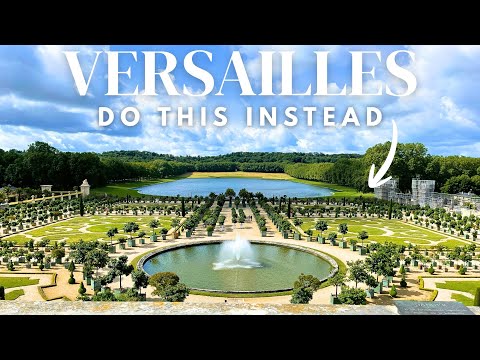
If I Could Visit Versailles Again, Here’s What I’d Do Differently
Johlene Orton

Tips for Your First Visit to Versailles
Miles Away with Us
You are currently viewing a placeholder content from Vimeo. To access the actual content, click the button below. Please note that doing so will share data with third-party providers.
More InformationYou are currently viewing a placeholder content from YouTube. To access the actual content, click the button below. Please note that doing so will share data with third-party providers.
More InformationYou need to load content from reCAPTCHA to submit the form. Please note that doing so will share data with third-party providers.
More InformationYou are currently viewing a placeholder content from GetYourGuide. To access the actual content, click the button below. Please note that doing so will share data with third-party providers.
More Information