
Soria: The Complete Travel Guide (2026)
Last reviewed: August 2026 · key facts checked against Wikidata
Soria Travel Guide: Everything You Need to Know (2026)
Soria sits at 1,063 meters above sea level on the banks of the Duero river in Castile and León, making it the second highest provincial capital in Spain. With a population of just 39,753 it is one of the least densely populated provincial capitals in Europe, yet it packs Roman ruins, Romanesque churches, and raw Castilian landscapes into a compact, walkable city. Founded as a strategic frontier town, Soria rewards slow travellers who skip the obvious Spanish cities and want something genuinely unpolished.
Top 3 Highlights at a Glance
- Ermita de San Saturio — A baroque hermitage carved into a cliff above the Duero, reachable by a 1km riverside walk — one of Soria’s most photogenic spots.
- Ruinas de Numancia — The ancient Celtiberian city that resisted Rome for decades sits just 7km north of Soria, with open-air ruins and an on-site museum.
- Cañón del Río Lobos — A 25km limestone canyon in a natural park just 45km from Soria, home to griffon vultures and a Templar church inside the gorge.
Scroll down for our complete travel guide with tips on getting there, where to stay, costs and more.
Arrival & Airport
How do I get to Soria?
By car or bus is your best option — Soria has no train station on a main line. In my experience, the fastest approach is driving the A-15 motorway from Madrid in roughly 2.5 hours (230km). ALSA runs direct buses from Madrid’s Estación Sur roughly 4 times daily, costing around €15–22 one way and taking about 2 hours 45 minutes. The honest caveat: if you don’t have a car, your movement around the wider province will be severely limited — buses between villages run once daily at best, and many top sights like Numancia require your own wheels or a paid tour.
Which airport is closest to Soria?
Madrid Barajas (MAD) is the practical gateway to Soria, sitting approximately 230km southwest. My tip: Ryanair and Vueling also serve Valladolid Airport (VLL), about 190km west, which can be cheaper for European connections but requires a car rental on arrival. Zaragoza Airport (ZAZ) is roughly 165km northeast and handles budget European routes too. What surprised me is that Soria itself has no scheduled commercial air service whatsoever, so whichever airport you choose, factor in 2–2.5 hours of road or bus travel on top of your flight time.
How long does the journey to Soria take from Madrid?
By car, Madrid to Soria takes roughly 2 hours 30 minutes (230km) via the A-2 and A-15 motorways. The ALSA bus takes 2 hours 45 minutes to 3 hours depending on stops. I recommend renting a car in Madrid before you leave — returning it in Soria is possible at a few local agencies, but availability is thin. The trade-off: driving lets you stop at the Medinaceli Roman arch and the Almazán medieval walls en route, turning the transfer into part of the experience rather than dead time.
Do I need a car in Soria?
For the city itself, no — Soria’s centre is entirely walkable in under 20 minutes end to end. But to reach Cañón del Río Lobos (45km), the Numancia ruins (7km north), Laguna Negra (75km southwest), or the Romanesque church route through the province, a car is non-negotiable. My tip: rent from Europcar or Avis in Soria city or pick up in Madrid. Daily rental rates run €35–55 per day for a compact car in 2025. The caveat most guides skip: petrol stations in the rural province close on Sundays — fill up Saturday evening.
City Transport
What are the best areas to stay in Soria?
Stay in the Casco Histórico (historic centre) within 5 minutes’ walk of the Plaza Mayor — everything worth seeing is there. The streets around Calle El Collado, Soria’s pedestrian main street, and near the Catedral de San Pedro put you next to the best bars, restaurants, and the Alameda de Cervantes park. I recommend avoiding hotels near the industrial outskirts on the N-122 bypass, which look cheap online but add a 15-minute walk to everything. For families, the area near Parque de la Dehesa gives more space and quieter nights while staying central.
What does accommodation cost in Soria?
Soria is genuinely affordable by Spanish standards. In my experience, a solid 3-star hotel in the historic centre costs €55–80 per night for a double room. The Parador de Soria, perched on the hill above the city with panoramic Duero views, runs €100–140 per night — exceptional value for a parador. Budget travellers can find guesthouses and hostales on or near Calle Alberca for €30–45 per night. The honest caveat: during the San Juan fiestas in late June, prices jump 30–40% and rooms sell out weeks in advance, so book early for that window.
How far in advance should I book accommodation in Soria during high season?
For July and August, book at least 4–6 weeks ahead for your first choice of hotel in the centre. The Parador fills up fastest — I’d book that 8–10 weeks out in summer. The San Juan festival (last week of June) is Soria’s biggest local event and attracts Spaniards from across Castile, so accommodation disappears within days of going on sale. What surprised me: outside those windows, Soria almost never sells out — you can often find good rooms 2–3 days in advance in October or March. The city sees very little international tourism, which keeps the booking pressure low year-round except in festival weeks.
Are there special accommodation types worth trying in Soria?
The Parador de Soria is the standout — it occupies a hilltop position in the Parque del Castillo with views over the Duero that no other property can match, and it is one of the more affordable paradors in Spain at €100–140. My tip: for rural immersion, look at casas rurales (rural guesthouses) in villages like Calatañazor or Berlanga de Duero, typically €40–70 per night for a full apartment, which give you a base to explore the province’s medieval villages. The honest caveat: rural casas rurales often require a minimum 2-night stay on weekends, so confirm before booking.
Accommodation & Neighbourhoods
What are the must-sees in Soria?
Do not miss the Ermita de San Saturio, a baroque chapel embedded in cliffs above the Duero — free to enter, open Tuesday–Sunday 10:30–14:00 and 16:30–19:30. The Museo Numantino on Paseo del Espolón covers Celtiberian and Roman Numancia for just €1 entry — one of the best small archaeology museums in Castile. The Concatedral de San Pedro cloister is a Romanesque gem from the 12th century tucked into the city centre. My experience: walk the full Ruta del Duero riverside path (3km loop) at dusk — it connects San Saturio with the Templars bridge and the city skyline in a single golden-hour walk.
What can I experience for free in Soria?
Soria punches well above its weight for free experiences. The Ermita de San Saturio is free to enter. The entire Alameda de Cervantes park — where poet Antonio Machado famously walked — costs nothing and features ancient elm trees and a Sunday paseo culture that feels unchanged for 100 years. The Monasterio de San Juan de Duero ruins, including the extraordinary interlaced Romanesque arches, are free on Sundays and national holidays (€0.60 other days). My tip: the hilltop Parque del Castillo above the Parador gives a 360-degree panorama of the Duero valley and the Picos de Urbión without any charge — go at sunset.
Which day trips are possible from Soria?
The best day trip from Soria is Cañón del Río Lobos, a limestone gorge natural park 45km southeast — allow a full day for the 11km trail to the Templar church of San Bartolomé and back. Numancia is just 7km north and takes 1–2 hours. The walled medieval town of Berlanga de Duero (60km south) is stunning and almost empty of tourists. For a longer push, Medinaceli (75km south) has a Roman triumphal arch and a hilltop medieval quarter. The caveat: none of these are reachable without a car or a private tour, and no regular public buses serve these routes on weekends.
What local specialities should I try in Soria?
Soria’s signature dish is migas — fried breadcrumbs cooked with chorizo, bacon, and garlic, historically shepherd’s food and now a Saturday breakfast institution in every local bar. Lechazo asado (roast suckling lamb) is the regional centrepiece; the best in the city is at Restaurante Casa Augusto on Plaza Mayor, where a full ración costs roughly €18–22. Local black truffle from the Soria forests turns up in scrambled eggs and rice dishes from January to March. My tip: buy truffle products and local sheep’s cheese at the Saturday morning market on Plaza Herradores — prices are a fraction of what you’d pay in Madrid.
Highlights & Must-Sees
What makes Soria unique compared to other Spanish cities?
Soria holds the distinction of being the least visited provincial capital in mainland Spain — a fact that, paradoxically, is its greatest asset in 2026. You will walk the Monasterio de San Juan de Duero Romanesque cloister without another tourist in sight. The city has a literary soul — Antonio Machado wrote some of his most celebrated poetry here and his house is preserved as a small museum. At 1,063m altitude, it has the most dramatic four-season climate of any Spanish city I’ve visited, with proper snowfall in winter and cool summers when the rest of Spain bakes. The honest caveat: nightlife and gastronomy are limited by Spanish standards — Soria closes early.
How many days in Soria are worthwhile?
2 full days covers the city’s highlights comfortably without rushing. Day 1: historic centre, Museo Numantino, San Saturio cliff hermitage, Duero riverside walk. Day 2: drive to Numancia ruins and Cañón del Río Lobos. If you add a 3rd day, use it for the medieval villages circuit — Calatañazor, Berlanga de Duero, and Gormaz castle — which is genuinely one of the best rural drives in Castile. My tip: Soria works brilliantly as a 3-night base within a longer Castilian road trip between Madrid and Burgos or Zaragoza, splitting the drive and filling it with substance rather than motorway kilometres.
When is the best time to visit Soria?
June through September offers the most reliable weather, with July and August averaging warm, dry days ideal for hiking and the Cañón del Río Lobos. In my experience, late September is the sweet spot — crowds from the San Juan festival (late June) have gone, the Duero valley turns amber, temperatures sit around 18–22°C, and lechazo season is at its peak. Spring (April–May) can be beautiful but unpredictable at 1,063m — expect cold snaps. Winter is genuinely harsh with snowfall, but the city looks extraordinary under snow and the Parador rates drop to around €85. Avoid the last week of June unless you want the festival experience specifically.
Are there local festivals in Soria worth attending?
The Fiestas de San Juan (last week of June) is Soria’s defining festival — a week of bonfires, processions, and communal lamb roasts that date back to medieval times and draw thousands of Sorianos back from across Spain. It is authentically local rather than tourist-facing, which makes it more rewarding but also means accommodation books out completely. In my experience, the Jueves Lardero (Carnival Thursday in February) features a city-wide picnic of chorizo and wine in the Alameda park — bizarre, joyful, and utterly Spanish. The Feria de Artesanía in early December brings regional crafts to the Plaza Mayor. Book rooms 8–10 weeks ahead for San Juan.
Food & Drink
How does the weather in Soria affect activities?
At 1,063m altitude, Soria has the most extreme temperature range of any Spanish provincial capital — winters genuinely reach -5 to -10°C with snowfall, while summers are warm at 25–30°C but rarely oppressive. This directly shapes what you can do: the Cañón del Río Lobos trail is best April–October; winter visits close some rural roads after snowfall. The Duero riverside walk and city sightseeing are year-round, though February winds on the hilltop Parador terrace are brutal. My tip: always pack a mid-layer even in July — evenings at altitude cool fast. The trade-off is that Soria’s cool summers make it a genuine escape when coastal Spain hits 40°C.
How crowded does Soria get in peak season?
By Spanish standards, Soria barely registers as crowded even in peak season. July and August bring Spanish domestic tourists — families from Madrid and Basque Country escaping the heat — but the city has fewer than 40,000 residents and limited hotel capacity, meaning it never feels overwhelmed. The San Juan festival week in late June is the single genuine exception, when the population effectively doubles and every bar and plaza is packed. What surprised me: even in August, I walked through the Monasterio de San Juan de Duero completely alone on a Tuesday morning. The caveat: the upside of low crowds is the downside of limited services — fewer restaurants open in winter, and some close for August holidays.
How safe is Soria?
Soria is one of the safest cities in Spain — full stop. With a population of 39,753 and a deeply community-oriented culture, street crime is virtually non-existent. In my experience walking the city at midnight during the San Juan festival, the atmosphere was celebratory and relaxed. The main genuine safety consideration is driving the mountain roads to Laguna Negra or Cañón del Río Lobos in winter — the SO-820 to Vinuesa can ice over without warning and is not always gritted. My tip: check road conditions on the DGT Spain traffic app before any rural drive between November and March. Petty theft at bars and restaurants is essentially unheard of here.
Is English widely spoken in Soria?
Bluntly: English is not widely spoken in Soria, far less so than in Madrid, Barcelona, or the costas. At the Parador and a handful of hotels, you will find English-speaking staff. In local bars, restaurants, and shops, Spanish is essential — staff are friendly but communication will default to gestures and goodwill. My tip: download Google Translate’s offline Spanish pack before you arrive, and learn a dozen key phrases — even minimal Spanish effort is met with genuine warmth in a city this small. The trade-off: the lack of English speakers is precisely why Soria feels authentic and unpolished. You are genuinely off the international tourist trail here.
Practical Tips
What is the daily budget for visiting Soria?
Soria is budget-friendly by Spanish standards. My realistic daily budget breakdown: accommodation €55–80 (3-star double), lunch menú del día €12–14 (3 courses with wine), dinner €18–25, coffee and snacks €5, and entry fees average under €3 per day given how much is free. A comfortable solo traveller should budget €80–100 per day all-in. Couples sharing a room can each come in under €70. The hidden cost: car rental adds €35–55 per day, which is essential for the province. My tip: the menú del día at lunch (typically 13:00–15:30) is the best value meal in Spain — order it at Bar Medievales or any local place on Calle El Collado.
How does public transport work within Soria?
Within Soria city, you genuinely do not need public transport — the entire historic centre is walkable in under 20 minutes. The city has a local bus network, but it serves residential outskirts rather than tourist sights. For intercity connections, ALSA coaches link Soria to Madrid (€15–22, 2h45m), Burgos (€9–13, 1h30m), and Zaragoza (€12–18, 2h). The train station exists but sits on a slow regional line — the Madrid–Soria rail journey takes over 3 hours with a change at Torralba and is not recommended over the bus. My honest assessment: Soria’s public transport is adequate for arriving and leaving but useless for exploring the province, reinforcing the need for a rental car.
Which apps do you recommend for visiting Soria?
My shortlist for Soria in 2026: Google Maps (works offline, essential for rural navigation — download the Soria province map before you lose signal in the canyon). ALSA app for booking and checking buses to Madrid or Burgos. DGT España for real-time road and weather conditions on mountain routes — non-negotiable in winter. Google Translate offline Spanish pack for the near-total lack of English on menus and signage. Wikiloc has user-uploaded GPS trails for the Cañón del Río Lobos and the Laguna Negra hike that are more accurate than any printed map. My tip: download everything before leaving your last city with reliable WiFi — rural Soria 4G coverage drops in gorges and forested areas.
More Destinations in Europe
Explore our complete travel guides for more Europe destinations: Mallorca Travel Guide (2026), Cáceres Travel Guide (2026), Santiago de Compostela Travel Guide (2026), Île de Noirmoutier Travel Guide (2026), Budapest Travel Guide (2026).
Soria at a Glance
| Population | 41,025 |
|---|---|
| Currency | EUR (€) |
| Official language | Spanish |
| Time zone | UTC+01:00 |
Source: Wikidata, retrieved August 2026.
Useful Resources for Planning Your Trip to Soria
- Wikipedia: Soria — history, geography and background
- Lonely Planet: Soria — itineraries and travel inspiration
- TripAdvisor: Soria — hotels, restaurants and traveller reviews
🎥 Soria Travel Videos
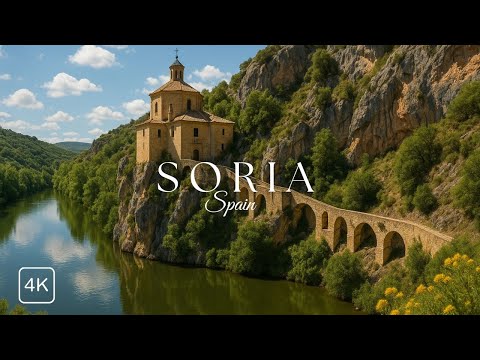
SORIA, Spain: Charming Spanish Town, Beautiful …
Velvet Cremaet
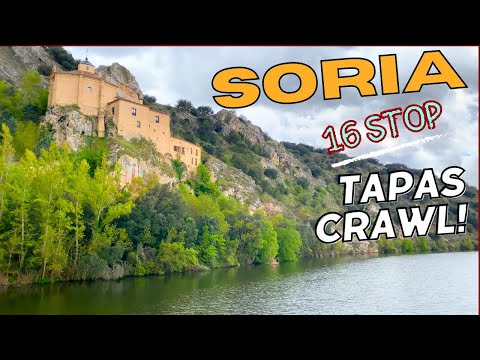
SORIA: 16-Stop EPIC Tapas Crawl in Spain’s 2nd Smallest …
The Gastro Traveler
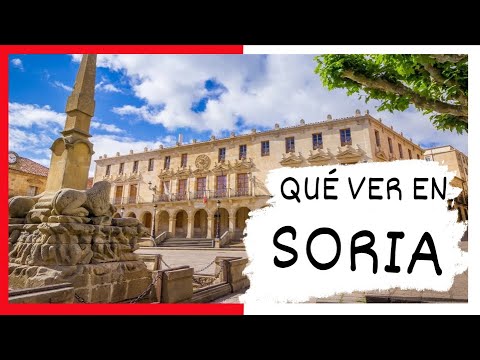
Soria: The DEFINITIVE Guide to Traveling to Soria (What to …
Así es el mundo
You are currently viewing a placeholder content from Vimeo. To access the actual content, click the button below. Please note that doing so will share data with third-party providers.
More InformationYou are currently viewing a placeholder content from YouTube. To access the actual content, click the button below. Please note that doing so will share data with third-party providers.
More InformationYou need to load content from reCAPTCHA to submit the form. Please note that doing so will share data with third-party providers.
More InformationYou are currently viewing a placeholder content from GetYourGuide. To access the actual content, click the button below. Please note that doing so will share data with third-party providers.
More Information