
Malawi: The Complete Travel Guide (2026)
Last reviewed: August 2026 · key facts checked against Wikidata
Malawi Travel Guide: Everything You Need to Know (2026)
Malawi is a landlocked nation in southeastern Africa covering 118,484 km² with a population of 22,224,282 — it is dominated by Lake Malawi, which alone covers roughly 20% of the country’s total surface area. Known as the ‘Warm Heart of Africa,’ this compact, friendly nation sits at elevations ranging from 37m in the Shire Valley to 3,002m atop Mount Mulanje. Despite being one of Africa’s least-visited destinations, that is precisely its greatest advantage for travelers in 2026.
Top 3 Highlights at a Glance
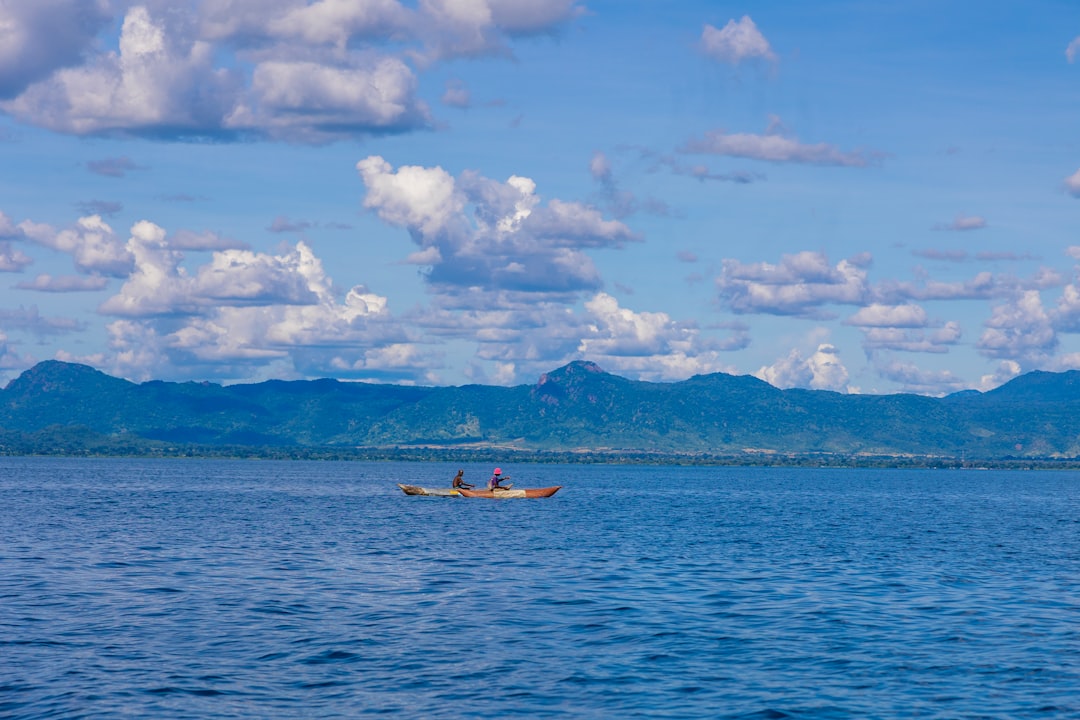
- Lake Malawi — The world’s ninth-largest lake stretches 580km and holds 15% of Earth’s freshwater fish species.
- Mount Mulanje — Africa’s most southerly massif rises to 3,002m with multi-day hut-to-hut trekking unlike anywhere else on the continent.
- Liwonde National Park — A recently rewilded park now hosting lions, elephants, and cheetahs along the Shire River, visitable by boat safari.
Scroll down for our complete travel guide with tips on getting there, where to stay, costs and more.
Getting There & Transport
Which airports are the best entry points into Malawi?
Kamuzu International Airport (LLW) in Lilongwe is your primary entry point into Malawi. It handles the majority of international flights, including connections via Addis Ababa (Ethiopian Airlines), Nairobi (Kenya Airways), and Johannesburg (South African Airways, Airlink). My tip: Airlink from Johannesburg is the most reliable budget-friendly option at roughly $250–$400 return. Chileka Airport (BLZ) in Blantyre is a secondary option, useful if you are heading directly to the south — Mount Mulanje or Liwonde. What surprised me: there are no direct flights from Europe or North America to Malawi, so always budget a minimum one-stop routing, adding at least 3–4 hours to your journey. Always double-check baggage allowances on Airlink’s small-aircraft connections — 23kg check-in limits are strictly enforced.
How do I get from the airport to my first accommodation in Malawi?
There is no airport train or official bus service from Kamuzu International Airport (LLW). Your realistic options are a pre-arranged hotel transfer, a taxi, or a ride-hailing app. In my experience, Ulendo Transfers and hotel shuttles are the safest options for first-time arrivals. A taxi from LLW to Area 9 or Old Town Lilongwe costs roughly MWK 15,000–25,000 (about $8–$14) and takes 20–30 minutes. My tip: always agree on a price before getting in — meters are not standard here. What most guides omit: arrival after dark feels genuinely disorienting, as road lighting outside the airport is minimal. If your flight lands after 8 PM, I strongly recommend a pre-booked hotel pickup. From Chileka Airport in Blantyre, the taxi ride to the city centre is approximately 15 minutes and costs MWK 10,000–18,000.
What transport options are there within Malawi?
Your main options within Malawi are minibuses, private transfers, and rental cars — with no functioning passenger rail network. Minibuses are the cheapest at MWK 500–2,000 per leg and connect all major towns, but they depart only when full and have no fixed timetables. AXA Bus operates a more reliable coach service between Lilongwe, Mzuzu, and Blantyre, with fares around MWK 8,000–15,000 and departure times that are broadly respected. For longer hauls, I recommend Ulendo or Kuyenda Safaris for pre-booked private transfers at roughly $80–$150 per journey. What surprised me: the M1 highway connecting Lilongwe to Blantyre is mostly sealed but heavily potholed in stretches, especially between Liwonde and Zomba. Domestic flights via Nyasa Air exist but routes are inconsistent — always confirm 48 hours before departure.
Do I need a rental car in Malawi?
Yes, a rental car dramatically expands what you can see in Malawi. Public transport reaches towns, not national parks or remote lake beaches. In my experience, self-drive is absolutely worth it if you are comfortable on unsealed roads — which are unavoidable at destinations like Cape Maclear, Majete Wildlife Reserve, or Nyika Plateau. A 4WD is essential outside dry season. Expect to pay $60–$120 per day from operators like Apex Car Rentals in Lilongwe or SS Rent A Car in Blantyre. The honest caveat most guides skip: fuel stations are scarce north of Mzuzu, so always carry a 20-litre jerry can. International driving licenses are accepted, but road conditions — including unexpected livestock and unmarked speed bumps — demand constant attention. I do not recommend driving after dark under any circumstances.
How good is the public transport network between regions in Malawi?
The intercity network in Malawi is functional but unreliable for time-sensitive itineraries. The M1 corridor from Lilongwe to Blantyre is reasonably well-served by AXA Bus with 2–3 departures daily taking around 4 hours for roughly MWK 12,000. The Northern Region toward Mzuzu takes 5–6 hours by bus and roads are rougher. Minibuses fill the gaps but expect waits of 1–2 hours at bus depots like Lilongwe’s Wenela Bus Station. What most guides omit: transport to Lake Malawi’s northern shores — places like Nkhata Bay or Chitimba — involves multiple transfers and can eat a full day. The lake ferry, MV Ilala, historically connected lakeside towns but its schedule in 2026 should be verified locally as the vessel undergoes periodic maintenance shutdowns lasting months.
Accommodation
Which regions should I stay in when visiting Malawi?
Base yourself strategically across Malawi’s three distinct zones. Lilongwe is unavoidable as your entry hub — stay in the Old Town area for atmosphere, or near Area 9 for better restaurants. For Lake Malawi, Cape Maclear (Lake Malawi National Park) is the classic backpacker base, while Nkhata Bay in the north offers a quieter, more local feel. For wildlife, Liwonde or Mvuu Camp inside Liwonde National Park puts you directly in safari territory. My tip: Zomba is criminally underrated as a highland base — the Zomba Plateau sits at 1,800m and temperatures are 10°C cooler than the lakeshore. What surprised me: the north, specifically around Livingstonia and Nyika Plateau, rewards longer stays with true wilderness but demands the most logistical planning.
What does good accommodation cost per night in Malawi?
Accommodation in Malawi spans a wide range. Budget guesthouses in Lilongwe or Blantyre cost $10–$25 per night. Mid-range lodges — the sweet spot for most travelers — run $50–$120 per night at properties like Kumbali Country Lodge near Lilongwe or Sunbird Nkopola on the lake. Premium safari camps like Mvuu Lodge in Liwonde or Chelinda in Nyika cost $200–$450 per person per night, often all-inclusive. My tip: lake lodges frequently charge per person rather than per room, which catches couples off guard — always confirm pricing structure before booking. What most guides omit: budget accommodation quality drops sharply in rural areas, where $15 rooms often mean bucket showers and intermittent electricity. The honest trade-off: Malawi’s top lodges are genuinely world-class but priced at international rates despite the weak local economy.
When should I book hotels in Malawi — how far in advance?
Book top safari lodges and lake camps at least 3–4 months ahead for peak season travel in Malawi. The best properties — Mvuu Camp, Chelinda Lodge, Mushroom Farm near Livingstonia — fill quickly between June and September. For mid-range lodges in Lilongwe or Blantyre, 4–6 weeks notice is usually sufficient. Budget guesthouses can almost always be booked on arrival or with 1–2 weeks notice. What most guides omit: the December–January period around Christmas sees a surge in bookings from the Malawian diaspora and NGO workers taking annual leave — lake properties especially sell out. My tip: if you are targeting Cape Maclear during July or August, expect the best beachside lodges like Chembe Eagles Nest to be fully booked by March. Always get written confirmation — verbal bookings in Malawi do not always hold.
When is the best time to travel to Malawi?
The best months to visit Malawi are May, September, and October — based on verified climate analysis. May marks the end of the rains, delivering lush green landscapes, full rivers, and far fewer tourists. September and October offer peak wildlife viewing in Liwonde and Majete as animals concentrate around shrinking water sources, and lake temperatures are warm without oppressive humidity. I personally prefer June–August for the dry season’s reliability, though nights on the Nyika Plateau drop to near 0°C. The honest caveat: July is the coldest month in the highlands — pack layers you would not expect to need in Africa. Avoid February and March, when the Shire Valley floods, roads become impassable, and malaria transmission peaks. November is transitional — rains start unevenly but prices are at their lowest.
How does peak season affect prices in Malawi?
Peak season in Malawi runs June through August and pushes lodge prices up by 30–60% at top-tier properties. A mid-range lake lodge costing $80 per night in November can jump to $120–$140 in July. Safari camps with all-inclusive rates like Mvuu or Robin’s House in Liwonde frequently apply mandatory full-board supplements during peak months, adding $60–$100 per person per day. What surprised me: budget backpacker places at Cape Maclear barely shift prices seasonally — a dorm bed stays around $8–$12 year-round. My tip: the shoulder months of May and September offer the best value-to-experience ratio — wildlife is still active, crowds are thin, and you can negotiate 10–15% discounts directly with lodge owners. Airlines into Lilongwe also see higher fares in July — book flights 3+ months out to avoid paying $150+ more per ticket.
Best Time to Visit
Which regions in Malawi have different climate zones?
Malawi’s climate varies significantly by altitude. The Shire Valley in the south — including Nsanje and Chiromo — sits below 100m and bakes at 38–42°C in October and November, with high humidity. Lilongwe at 1,050m is more temperate, rarely exceeding 30°C even in October. The Zomba and Mulanje plateaus at 1,800–2,800m experience genuine cool-season temperatures dropping to 5–10°C in June and July — requiring a fleece. Nyika Plateau in the north at 2,200m is the coldest zone, with frost possible in July. Lake Malawi’s shore runs warm and humid year-round, sitting at around 475m elevation, with water temperatures rarely below 23°C. What most guides overlook: the Northern Region around Rumphi receives heavier rainfall than the south, with the wet season sometimes extending into late April — affecting Nyika trekking conditions.
What are the rainy seasons in Malawi?
Malawi’s rainy season runs November through April, peaking in January and February. The south receives the heaviest rainfall — the Shire Valley and Blantyre area can see 250mm+ in January alone, turning dirt roads into mud rivers. The central and northern regions generally receive less intense rainfall but it is still disruptive. What most guides omit: rain in Malawi is rarely all-day drizzle — it typically comes as intense afternoon downpours lasting 2–3 hours, followed by sunshine. This makes early-morning activities still viable even in the wet season. My honest warning: park roads in Liwonde and Majete become impassable for standard vehicles from January to March — 4WD is non-negotiable and some camps temporarily close. Bilharzia risk in the lake also increases after rains stir up shallow water. If visiting during the wet season, travel insurance covering weather disruptions is essential.
What does a trip to Malawi cost per person per day?
Budget travelers in Malawi can manage on $25–$40 per day, covering a dorm bed, local food, and minibus transport. A comfortable mid-range traveler — lodge accommodation, restaurant meals, and occasional activities — should budget $80–$150 per day. Safari-focused itineraries with premium lodges and park fees push costs to $300–$500 per person per day. My tip: the biggest daily cost surprises are national park fees — Liwonde charges $10 per person per entry, Lake Malawi National Park charges $10, and guided activities like boat safaris add $25–$50 per person. What surprised me: car hire and fuel can easily add $80–$100 per day to a self-drive budget, making group travel significantly more economical. Malawi is not the cheapest African destination once you move beyond backpacker infrastructure — budget honestly.
How expensive is food in Malawi?
Local food in Malawi is genuinely affordable. A plate of nsima (maize porridge) with relish at a local restaurant costs MWK 2,000–4,000 (about $1.10–$2.20). A full meal at a mid-range restaurant in Lilongwe’s Area 9 or Blantyre’s Mandala House area runs MWK 15,000–35,000 ($8–$19). Fresh chambo fish — Malawi’s beloved lake tilapia — is a must-try at around MWK 8,000–15,000 ($4.40–$8.20) at lakeshore restaurants. What most guides omit: imported foods, Western-style breakfasts, and restaurant meals at lodges are priced at near-European levels — a lodge breakfast can cost $12–$18. My tip: Shoprite supermarkets in Lilongwe and Blantyre stock good provisions for self-catering at reasonable prices. Street food like mandazi doughnuts at MWK 200–500 per piece is safe, delicious, and genuinely local.
What hidden costs should I expect in Malawi?
The hidden costs that catch travelers in Malawi off guard are consistent and avoidable if you know them. Visa fees — $75 for most nationalities on arrival — are not always clearly advertised. Park entry fees accumulate fast: visiting Liwonde, Lake Malawi National Park, and Majete adds $30+ per person in fees alone. Lodge activity supplements — boat safaris, guided walks, game drives — are frequently sold separately from room rates at $25–$60 per activity. What surprised me: ATMs run out of cash regularly in smaller towns and the maximum daily withdrawal is often MWK 200,000 ($110), meaning multiple ATM visits. Fuel costs add up fast on Malawi’s long inter-town distances — Lilongwe to Nkhata Bay is 370km. My tip: always budget a 15% contingency on top of your planned daily spend — something always costs more than expected here.
Budget & Costs
How much cash should I bring to Malawi?
Bring $300–$500 USD in cash as emergency backup for your time in Malawi — it is genuinely essential. The Malawian Kwacha (MWK) is the local currency and most transactions outside lodges require it. ATMs in Lilongwe and Blantyre are functional but often impose MWK 200,000 ($110) daily withdrawal limits, and machines in rural areas — including most lakeshore towns — are unreliable or absent. USD cash is accepted at many lodges, camps, and for visa-on-arrival payment. My tip: exchange money at National Bank or First Capital Bank branches in Lilongwe for better rates than airport bureaux de change. What most guides omit: fake currency is a known problem at informal exchange points — stick to licensed banks. Carry small denomination Kwacha notes for markets, minibuses, and tips, as change for large notes is perpetually scarce.
Which credit cards are accepted in Malawi?
Visa is the most widely accepted card in Malawi — Mastercard works at most ATMs but is less reliable at point-of-sale terminals. In my experience, card payments are only consistently accepted at upscale lodges, Shoprite supermarkets, and larger hotels in Lilongwe and Blantyre. Everywhere else — markets, local restaurants, minibuses, petrol stations outside cities — is cash only. American Express is effectively useless in Malawi. What most guides omit: even where card machines exist, they fail frequently due to poor internet connectivity — always have Kwacha backup. My tip: notify your bank before travel as Malawi transactions are sometimes flagged as fraudulent. Stanbic Bank ATMs in Lilongwe have the most reliable dispensing record for foreign cards in my experience. Never rely solely on cards for a trip through Malawi’s rural regions — it will leave you stranded.
Which regions of Malawi must I not miss?
Three regions in Malawi are non-negotiable. First, Lake Malawi — specifically the Cape Maclear peninsula in the south for snorkeling and relaxed beach life, and Nkhata Bay in the north for a more authentic, less-touristed lake experience. Second, Liwonde National Park in the south — transformed by African Parks since 2015, it now rivals East African parks for wildlife density along the Shire River. Third, the Southern Highlands — Mount Mulanje for trekking and the Zomba Plateau for misty forests. What surprised me: the Northern Region around Livingstonia is the most visually dramatic — the colonial-era Livingstonia mission perched at 900m above the lake with a 20km switchback road is one of Malawi’s genuinely jaw-dropping experiences. The Nyika Plateau at 2,200m offers rolling montane grasslands that feel more like Scotland than Africa.
What are the tourist highlights of Malawi?
Malawi’s definitive highlights concentrate around water, wildlife, and highlands. Lake Malawi — listed as a UNESCO World Heritage Site — offers snorkeling with hundreds of endemic cichlid fish species in water you can see 10–15m down. Liwonde National Park delivers boat safaris on the Shire River past hippos, crocodiles, and elephants at extremely close range. Mount Mulanje at 3,002m is Africa’s most southerly massif with a hut-to-hut trail network maintained by the Mountain Club of Malawi. Majete Wildlife Reserve has reintroduced the Big Five and is now Malawi’s only Big Five destination. My tip: do not overlook Vwaza Marsh Wildlife Reserve near Rumphi — enormous elephant herds and almost zero other tourists. What most guides miss: the Zomba Market is one of central Africa’s most authentic and photogenic urban markets, completely free to explore.
What experiences in Malawi are found nowhere else?
Malawi offers genuinely irreplaceable experiences. Snorkeling in Lake Malawi National Park puts you face-to-face with hundreds of endemic mbuna cichlid species found nowhere else on Earth — the lake contains more freshwater fish species than all of Europe combined. Chambo fishing with local dugout canoes off Cape Maclear is a participatory cultural experience unavailable anywhere else on the continent. The Livingstonia switchback road — 20 hairpin bends over 9km dropping 600m to the lakeshore — is one of Africa’s most dramatic drives. Hut-to-hut trekking on Mulanje Massif using the Mountain Club’s 10 overnight huts at altitudes between 1,800–2,800m combines genuine wilderness with remarkably low commercial infrastructure. What surprised me most: Malawi’s warmth toward foreigners is not a tourist-brochure cliché — I have been invited into homes, shared meals, and attended local church services in ways that simply do not happen in more-visited African nations.
Regions & Highlights
Which areas of Malawi are overcrowded — and what are the quieter alternatives?
Cape Maclear is Malawi’s most overtouristed spot — in July and August the small peninsula feels genuinely cramped, with backpacker bars and boat tours creating a party-beach atmosphere that bears little resemblance to authentic Malawi. My recommended alternative: Nkhata Bay, 400km north, offers the same beautiful lake swimming and kayaking with a fraction of the visitors and a real fishing-village atmosphere. Lilongwe’s Old Town market area is visited by every tour group — Dedza Pottery 90km south is a genuinely peaceful craft destination most travelers skip. Liwonde town itself is chaotic and skippable — go directly to the national park. What surprised me: even at the height of peak season, Nyika Plateau rarely sees more than 20–30 tourists simultaneously despite being arguably Malawi’s most spectacular landscape. The north rewards the extra day of travel investment enormously.
How many days do I need for Malawi?
10–14 days is the minimum to experience Malawi meaningfully. A 10-day itinerary realistically covers Lilongwe (2 nights), Liwonde National Park (2 nights), Cape Maclear (3 nights), and Zomba or Mulanje (2 nights). To add the north — Nkhata Bay, Livingstonia, or Nyika Plateau — you need 16–21 days. What most guides omit: travel distances are deceptively long — Lilongwe to Nkhata Bay is 370km but takes 6–7 hours on the M1/M5 due to road conditions. My tip: do not try to rush Malawi into 7 days — you will spend most of it in a vehicle. 3 nights minimum at any lake location lets you properly decompress and explore beyond your guesthouse. The honest trade-off: Malawi rewards slow travelers over those ticking boxes — build in at least 2 buffer days for the inevitable transport delays.
Do I need a visa for Malawi?
Most Western nationalities pay $75 USD for a visa on arrival at Kamuzu International Airport in Lilongwe. This covers citizens of the USA, UK, Canada, Australia, Germany, France, and most EU nations. The visa is valid for 30 days and can be extended at Immigration offices in Lilongwe or Blantyre for an additional 30 days at roughly MWK 50,000 ($27). Citizens of SADC member states (including South Africa, Zambia, and Tanzania) enter visa-free. My tip: always carry exact USD cash for visa payment — card machines at the border are unreliable. What most guides omit: yellow fever vaccination proof is mandatory if you are arriving from a yellow fever endemic country — arriving without it can result in vaccination on the spot or denial of entry. Verify your specific nationality’s requirements at immigration.gov.mw before travel as rules do change.
What languages are spoken in Malawi?
English and Chichewa are both official languages of Malawi. English is widely spoken in cities, lodges, and among educated Malawians — navigating Lilongwe, Blantyre, and tourist areas in English is entirely straightforward. Chichewa is the lingua franca across central and southern Malawi. In the north, Tumbuka is the dominant local language. My tip: learning just 5 Chichewa phrases transforms interactions dramatically — ‘Moni’ (hello), ‘Zikomo’ (thank you), and ‘Bwanji’ (how are you) will generate genuine delight from locals. What surprised me: even in remote rural villages, you will almost always find someone with functional English, often a result of Malawi’s high church-school density. Language barriers are genuinely minimal compared to francophone or lusophone African neighbors. For market haggling in Lilongwe’s City Centre Market, knowing numbers in Chichewa gives you a negotiating edge worth having.
What cultural rules do I need to know before visiting Malawi?
Dress modestly outside beach areas — this matters more than most Africa guides admit. In Lilongwe, Blantyre, and rural areas, women wearing shorts or sleeveless tops in markets or towns will attract unwanted attention and sometimes hostility. Cover knees and shoulders when visiting markets, mosques, or churches. At Lake Malawi beach resorts, swimwear is expected and normal. Photographing people — especially women and children — without explicit permission is considered rude and increasingly resisted. My tip: always ask first, and if refused, accept graciously. Handshakes are important — greet elders and officials formally. What surprised me: Malawi has a significant Muslim population in the north and along the lake — during Ramadan, eating and drinking in public during daylight hours in these areas is considered disrespectful. Tipping is not mandatory but 10% at restaurants and $2–$5 USD for guides is appreciated and makes a genuine difference.
Practical Tips
How safe is Malawi for travelers?
Malawi is one of Africa’s safer destinations for independent travelers. Violent crime against tourists is rare — the primary risk is opportunistic petty theft in crowded areas like Lilongwe’s Old Town bus station or Blantyre’s Limbe Market. Keep phones and cameras out of sight in urban areas. Driving at night is genuinely dangerous — unlit roads, pedestrians, and livestock make after-dark driving one of the leading causes of serious accidents involving foreigners. What most guides omit: Malawi’s political demonstrations (which have occurred in recent years) can escalate unpredictably — check FCO or State Department advisories for current status. The Shire Valley road between Liwonde and Nsanje has had isolated reports of car jackings — travel in convoy if possible. In 10+ years visiting African countries, I rate Malawi comfortably in the top 5 for day-to-day traveler safety.
What health precautions should I take before visiting Malawi?
Malaria is the number one health risk in Malawi — prophylaxis is non-negotiable. Start Malarone (atovaquone/proguanil) or doxycycline before departure as prescribed. Mosquito repellent with DEET 30–50% and long sleeves after dusk are essential even if you take medication. Bilharzia (schistosomiasis) is present in Lake Malawi — avoid wading in shallow water, especially near reeds. Dedicated snorkeling spots like the designated swimming areas at Cape Maclear in deep water are considered lower risk but not zero risk. Ensure vaccinations include hepatitis A, typhoid, tetanus, and yellow fever (required if coming from endemic countries). What most guides omit: medical facilities outside Lilongwe and Blantyre are extremely limited — carry a comprehensive first aid kit including rehydration salts. Travel insurance with medical evacuation coverage is essential, not optional. The nearest advanced trauma care is Johannesburg, South Africa, roughly 2+ hours by emergency flight.
What SIM card or eSIM options are available in Malawi?
Buy a Malawi Airtel or TNM SIM on arrival at Kamuzu Airport for MWK 500–1,000 ($0.28–$0.55). Both Airtel and TNM (Telekom Networks Malawi) offer prepaid data bundles — a 5GB Airtel data pack costs approximately MWK 8,000 ($4.40). Registration requires your passport. Airtel has marginally better rural coverage across the lake region and north. In my experience, 4G signal is reliable in Lilongwe, Blantyre, and along the main M1 highway — but drops to 2G or nothing in Nyika Plateau, Mulanje highlands, and many remote lake camps. eSIM options via Airalo or Holafly now cover Malawi at around $12–$18 for 3GB, which works well if you want connectivity before landing. What most guides omit: WhatsApp calling is the standard communication method for lodges, guides, and local contacts — always get WhatsApp numbers rather than standard call numbers when making arrangements.
Which apps do you recommend for traveling in Malawi?
Download Maps.me or OsmAnd with Malawi offline maps before you land — Google Maps has significant gaps in rural areas. For ride-hailing in Lilongwe, Mondo Ride is the local app that works in the city and is safer than flagging unknown taxis. WhatsApp is essential for communicating with lodges, guides, and local contacts — virtually all business communication runs through it. XE Currency for live MWK conversion is useful given Malawi’s currency fluctuates. iOverlander is invaluable for road condition reports, reliable fuel stops, and campsite locations from recent travelers. My tip: download the Malawi Tourism Board app for park fee information and official contact numbers. What surprised me: Facebook groups like ‘Malawi Expats’ and ‘Malawi Tourism’ are actively updated by locals and are genuinely the best real-time source for road conditions, ATM availability, and safety updates — more reliable than any travel blog.
What are common traveller mistakes in Malawi?
The most consistent mistakes I see travelers make in Malawi are all avoidable. Underestimating distances — the 600km between Lilongwe and Nkhata Bay via the lake road can take 8–9 hours, not the 5 hours Google suggests. Relying entirely on cards — as outlined, ATMs fail and rural Malawi is cash-only. Skipping the north — most travelers stick to the central lake and south, missing Livingstonia, Nyika, and Vwaza, which are genuinely world-class. Not booking Mulanje huts in advance — the Mountain Club of Malawi huts fill up for July weekends months ahead at MWK 15,000 ($8.20) per night. What I see constantly: travelers who book an all-inclusive lake lodge and never leave the property — missing the real Malawi entirely. My honest warning: do not drive the Livingstonia switchback road after heavy rain in a 2WD vehicle — it has claimed vehicles even with experienced drivers at the wheel.
Malawi at a Glance
| Population | 17,563,749 |
|---|---|
| Currency | Malawian kwacha (MK) |
| Official language | English, Chewa, Tumbuka |
| Time zone | UTC+02:00 |
Source: Wikidata, retrieved August 2026.
Essential Resources for Planning Your Trip to Malawi
- Times 360 Malawi — official visitor information, passes & events
- Wikipedia: Malawi — history, geography & background
- Wikivoyage: Malawi — community travel guide & practical tips
- Malawi travel – Africa — expert itineraries & travel inspiration
- THE 15 BEST Things to Do in Malawi (2026) — hotels, restaurants & traveller reviews
- Malawi highlands set for growth after Mulanje gains … — how to get around
- Numbeo: Cost of Living in Malawi — current prices & cost comparison
- Timeanddate: Malawi Weather & Climate — forecasts & climate statistics
More Perspectives on Malawi
Malawi Travel Videos
Watch these videos for a visual preview before your trip:
- Lilongwe: Why you Should Visit Malawi’s Capital
- 10 Best Places to Visit in Malawi – Malawi Tourism
- MALAWI: Africa’s Hidden Paradise No One Talks About | 4K Travel Documentary
Malawi Travel Discussions on Reddit
Real traveller experiences and community advice:
- Is Malawi a good travel place for an American to visit?
- Malawi and Zambia for a first trip to Africa? : r/travel
- Tourist seeking advice about Malawi
Data Sources
This page was compiled using data from Wikipedia, Wikidata, Open-Meteo (climate), Numbeo (cost of living) and REST Countries. Information is updated regularly.