
Otranto: The Complete Travel Guide (2026)
Last reviewed: September 2026 · key facts checked against Wikidata
Otranto Travel Guide: Everything You Need to Know (2026)
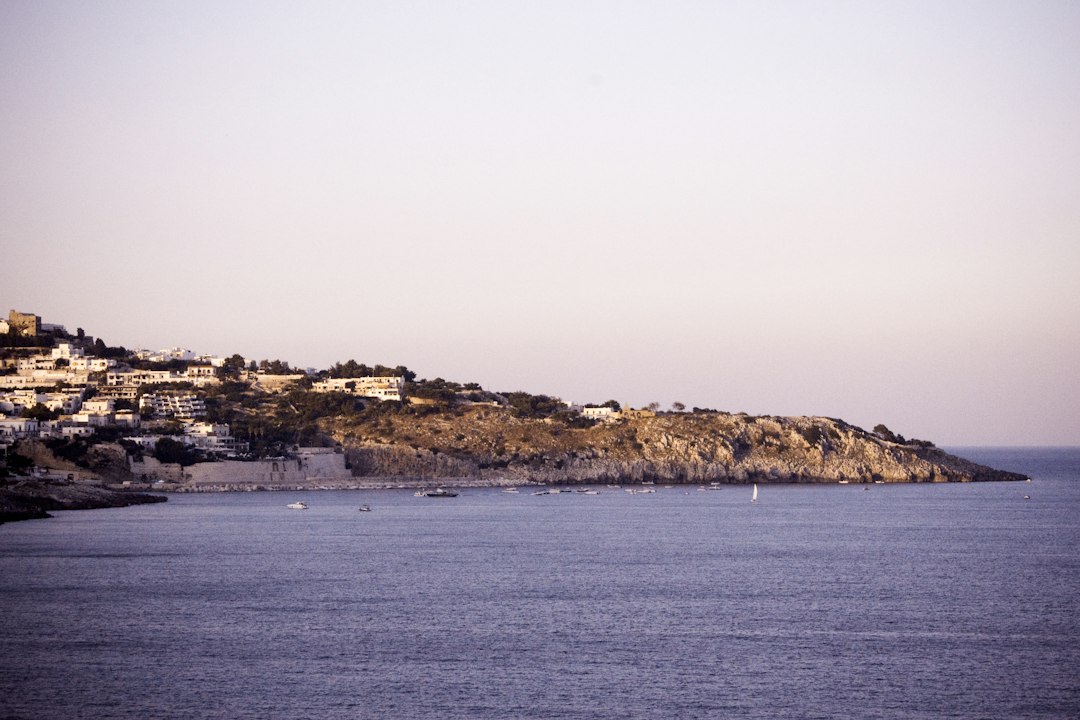
Otranto is a walled Apulian port town of 5,587 residents on the heel of Italy’s boot, sitting just 15 metres above the Adriatic at the easternmost point of the Italian peninsula — only 72 km from Albania across the Strait of Otranto. Founded by the ancient Messapians and later a key Byzantine and Norman stronghold, it is officially listed among I Borghi più belli d’Italia (the Most Beautiful Villages of Italy). The old town’s 15th-century cathedral floor mosaic alone makes the 9-hour drive from Rome worth every kilometre.
Three Things Not to Miss in Otranto
- Cathedral of Santa Maria Annunziata — Its 1163 floor mosaic — 54 metres long — is the largest surviving Norman mosaic in the world.
- Aragonese Castle — A perfectly preserved 15th-century coastal fortress with panoramic Adriatic views from its bastions.
- Baia dei Turchi — A pristine pine-fringed bay 8 km north of Otranto, consistently rated among Puglia’s clearest water beaches.
Scroll down for our complete travel guide with tips on getting there, where to stay, costs and more.
Getting to Otranto from the Airport
How do I get to Otranto — by train, bus, or car?
Drive or take a train-bus combination — there is no direct rail line into Otranto itself. In my experience, the fastest independent option is renting a car at Brindisi Airport (BDS), roughly 80 km away, and driving the SP367 coastal road in about 1 hour. Alternatively, take a Trenitalia train to Lecce (€8–12), then a FSE regional bus to Otranto (€3.50, about 1 hour 15 minutes). What surprised me is how infrequent the FSE buses are on Sundays — check the timetable at fse.it before you commit to this option without a car.
Which airport is closest to Otranto?
Brindisi Airport (BDS) is the closest airport at approximately 80 km north of Otranto, about a 1-hour drive. My tip: book direct flights into BDS rather than Bari Airport (BRI), which is 180 km away and adds nearly an extra hour of driving. Ryanair and Wizz Air serve BDS from multiple European cities, especially in summer. The honest caveat most guides skip: BDS has almost no car rental availability after 10 PM, so if your flight lands late, pre-book your rental weeks in advance or you will be stranded at the airport.
How long does the journey to Otranto take from major Italian cities?
From Rome, expect a 9-hour drive (roughly 640 km) or a train-bus combo of 8–9 hours via Lecce. From Naples, driving takes about 5.5 hours. The fastest practical approach from the north is flying into Brindisi (BDS) and driving the final 80 km in 1 hour. I recommend the coastal drive along the SP358 Litoranea Salentina rather than the inland motorway — it adds 20 minutes but the scenery through Porto Badisco and the sea caves is genuinely spectacular. The trade-off: summer traffic near Otranto on Friday evenings turns that stretch into a crawl.
Do I need a rental car to explore Otranto and the surrounding Salento?
Yes, absolutely — a car is essential beyond Otranto’s historic centre. The town itself is walkable in 20 minutes end to end, but the best beaches — Baia dei Turchi (8 km north), Laghi Alimini (6 km north), and Porto Badisco (10 km south) — have no reliable bus service. I recommend booking a mid-size rental from Brindisi for €35–55 per day through AutoEurope or Rentalcars. The honest warning: Otranto’s old town has a ZTL restricted traffic zone in summer — park outside the walls at Parcheggio Lido Azzurro (free, 5-minute walk) and walk in on foot.
Moving Around Otranto
What are the best areas to stay in Otranto?
Stay inside or immediately outside the historic centre (centro storico) for the best experience. The Aragonese Castle area puts you within a 3-minute walk of the cathedral, the port promenade, and the best aperitivo bars on Via Vittorio Emanuele. What surprised me is how quiet the streets inside the walls get after 11 PM — despite peak season crowds during the day. If you want a beach-side location, the strip along Lido Azzurro south of the castle has B&Bs with Adriatic-facing terraces. Avoid booking in the sprawling modern outskirts near the SS16 bypass — it has no character and requires a car for everything.
What does accommodation cost per night in Otranto?
In peak July–August, expect to pay €90–140 per night for a solid B&B or boutique hotel inside the walls, such as Palazzo Papaleo or Masseria del Duca. A well-located self-catering apartment runs €70–110 per night. Shoulder season (May, June, September) drops prices by 30–40%, making those same rooms available for €55–85. The caveat most booking sites hide: Otranto accommodation frequently has a 3-night minimum stay in August, and the tourist tax adds €1.50–2.50 per person per night on top of quoted rates. My tip: book direct with the property to avoid platform fees.
How far in advance should I book accommodation in Otranto during high season?
Book at least 3–4 months ahead for July and August stays — Otranto is one of Puglia’s most sought-after summer destinations and quality rooms inside the centro storico sell out completely by April. In my experience, the best boutique properties like Relais Valle dell’Idro near the Alimini Lakes are fully booked by March for peak weeks. For shoulder season (May, June, September), 4–6 weeks in advance is usually sufficient. The honest trade-off: last-minute deals in September do appear on booking.com after the Ferragosto (August 15) rush ends, often at 25–35% discounts.
Are there special or unique accommodation types in Otranto?
Otranto and the surrounding Salento offer masserie — fortified stone farmhouses converted into boutique stays — which are genuinely unlike anything you will find elsewhere in Europe. Masseria Il Frantoio (12 km away near Fasano) and several smaller masserie within 20 km of Otranto include dinner from their own organic produce. Inside the walls, a handful of trullo-adjacent cave rooms and historic palazzo apartments with original barrel-vaulted ceilings rent for €80–120 per night. My tip: search agriturismi.it alongside the usual platforms — many rural masserie near Otranto are not listed on Booking.com at all.
Choosing a Neighbourhood in Otranto
What are the absolute must-sees in Otranto?
Three sights are non-negotiable. First, the Cathedral of Santa Maria Annunziata — its 1163 floor mosaic is 54 metres long and the largest Norman mosaic in existence; entry is free but a €3 donation is expected. Second, the Aragonese Castle (entry €5), a 15th-century coastal fortress with the famous Chapel of the Martyrs, honouring 800 Otrantines beheaded by Ottoman forces in 1480. Third, Baia dei Turchi, 8 km north — a protected pine-forest bay with water so clear it appears Caribbean. What surprised me: the cathedral crypt beneath the altar, filled with ancient columns, is darker and more atmospheric than the main floor above.
What can I experience for free in Otranto?
Quite a lot. Walking the complete circuit of the medieval walls is free and takes about 25 minutes, offering views over both the Adriatic and the old town rooftops. The Porto di Otranto promenade at sunset costs nothing and is genuinely one of Puglia’s finest evening walks. Baia dei Turchi beach has no entry fee — you pay only for a sunlounger (€10–15) if you want one. In my experience, the most underrated free experience is the Byzantine frescoes in the crypt of the Cathedral — they are included with cathedral entry and most visitors walk past them without stopping. The evening passeggiata on Corso Garibaldi is the authentic Otranto social ritual — no ticket required.
Which day trips are worth taking from Otranto?
Lecce is the standout day trip — just 40 km west and 45 minutes by car, its baroque stone architecture earns it the nickname ‘the Florence of the South.’ I recommend leaving Otranto by 9 AM to beat the coach groups. Santa Maria di Leuca (50 km south, 1 hour) sits at the literal tip of Italy’s heel where the Adriatic meets the Ionian — the lighthouse viewpoint is dramatic. Gallipoli (60 km southwest, 1 hour 10 minutes) has a better beach scene than Otranto itself. The honest caveat: all three require a car — bus connections are infrequent and involve changes in Lecce.
What are the local food specialities I must try in Otranto?
Start with ciceri e tria — fried and boiled pasta with chickpeas, the defining Salentino dish, available for €8–12 at any trattoria on Via Rondachi. Ricci di mare (sea urchin) served raw on bread is sold at the Otranto fish market near the port for €3–5 per portion — eat it standing up. Pasticciotto leccese, a shortcrust pastry filled with custard cream, is the breakfast of choice and costs €1.20–1.80 at any bar. What surprised me: Salento produces excellent Primitivo and Negroamaro wines — ask for the local label rather than the generic house wine, and expect to pay €4–6 per glass at a decent enoteca.
Top Sights in Otranto
What makes Otranto genuinely unique compared to other Puglia towns?
Otranto is simultaneously Italy’s easternmost city, a medieval walled port, and the site of one of the most dramatic sieges in Italian history — the 1480 Ottoman massacre of 800 Christians whose skulls are still displayed in the Cathedral. No other town in Puglia carries that specific combination of geopolitical edge, living history, and Adriatic drama. In my experience, the light quality here in the late afternoon — bouncing off white limestone walls with the sea directly behind — is different from anywhere else on the Salento coast. It is also the departure point for ferry routes to Albania (Vlora, 4–5 hours) — a genuinely unusual onward journey option.
How many days should I spend in Otranto?
2 full days covers Otranto itself thoroughly — the cathedral, castle, walls, port, and beaches. Add a third day for a day trip to Lecce or a boat excursion to the Grotte della Poesia sea caves (8 km south, tours from €15). If you are using Otranto as a base to explore the entire southern Salento coast — from Castro to Santa Maria di Leuca — plan 4–5 days minimum. The honest trade-off: 1 night is not enough. Otranto’s authentic character only reveals itself after the day-tripper buses leave at 6 PM and the town returns to the locals.
When is the best time to visit Otranto?
June and September are the best months — warm enough to swim (sea temperature 22–24°C), far fewer crowds than July–August, and accommodation prices 30–40% lower. Climate data confirms June, August, and September as the optimal travel months. My personal preference is the second week of September: summer heat has broken slightly, the sea is at its warmest for the whole year, and Otranto feels like a different town without the Ferragosto crowds. The trade-off: some smaller beach bars close after September 15, and the ferry service to Albania reduces to 3 departures per week rather than daily.
Are there local festivals in Otranto worth timing a visit around?
Notte della Taranta — the massive folk music festival celebrating the Salentine pizzica dance — culminates in a free concert near Melpignano (30 km from Otranto) every last Saturday of August, drawing crowds of over 100,000. In Otranto itself, the Feast of the Martyrs of Otranto on August 14 is a solemn and atmospheric procession through the old town commemorating the 1480 Ottoman siege — genuinely moving and not a tourist spectacle. My tip: book accommodation 6 months ahead if you plan to attend either event — the entire Salento region fills up completely in the surrounding days.
Where to Eat in Otranto
How does the weather in Otranto affect what I can do?
Otranto’s Adriatic microclimate means summers are hot (28–33°C in July–August) but sea breezes make it more bearable than inland Puglia. Swimming season runs reliably from mid-June through late September. The Tramontane wind occasionally picks up in spring and autumn, making some beach days choppy but creating spectacular light for photography. Winter (December–February) is mild at 10–14°C but most seafront restaurants operate reduced hours and the town is very quiet — authentic but sparse. What surprised me: even in November, sunny days in the low 18°C range make the old town walkable and the cathedral completely crowd-free.
How crowded does Otranto get in peak season?
August is genuinely overwhelming — the Via Vittorio Emanuele promenade and the cathedral queue can feel claustrophobic by 11 AM, and parking within 3 km of the walls becomes impossible after 9 AM. Day-tripper coaches from Lecce and Brindisi arrive in waves between 10 AM and 4 PM. In my experience, the only way to enjoy peak Otranto is to visit the cathedral at opening time (8 AM), retreat to Baia dei Turchi for midday, and return to the old town after 6 PM when it genuinely transforms. The quieter alternative within the Salento is Castro, 25 km south — similar charm, a fraction of the crowds.
How safe is Otranto for tourists?
Otranto is very safe — petty crime is rare and violent crime essentially unheard of in this small coastal community of 5,587 residents. The main risk is pickpocketing in the cathedral and along the port promenade during August, when the town is overwhelmed with day visitors. I recommend keeping valuables in your accommodation’s safe during crowded beach days. The Baia dei Turchi car park has had occasional reports of break-ins during August — take everything from your car. Outside of peak season, I have walked the walls and beach paths at midnight without any concern whatsoever.
Is English widely spoken in Otranto?
English is spoken at a functional level in hotels, larger restaurants, and the Aragonese Castle ticket office, but do not assume it outside tourist-facing businesses. At the morning fish market, the Mercato Coperto, and family-run trattorias on Via Basilica, Italian is essential. In my experience, even a basic attempt at Italian — buongiorno, per favore, grazie — earns a genuinely warmer response in Otranto than in Rome or Florence. The honest caveat: Salentino locals often speak a thick regional dialect rather than standard Italian, so even your Italian textbook phrases may get a puzzled look from older residents.
Before You Go to Otranto
What is the daily budget for visiting Otranto?
On a mid-range budget, expect €100–140 per person per day in peak season, covering accommodation (€60–80 pp sharing), 2 meals (€25–35), beach access (€10–15), and incidentals. A tight budget — hostel dorm or private apartment shared, self-catering breakfast, one sit-down lunch — comes to around €55–75 per day. The honest hidden cost: car rental from Brindisi adds €35–55 per day before petrol, which most online budget calculators omit. My tip: buy your beach picnic at the Coop supermarket on Via Taranto rather than beach bars, and you cut food spending by 40% instantly.
How does public transport work in and around Otranto?
Within Otranto, public transport is irrelevant — the entire centro storico is walkable in 20 minutes. For regional connections, FSE buses link Otranto to Lecce (€3.50, approximately 1 hour 15 minutes, 8–10 departures daily in summer). There is no direct rail line into Otranto — the nearest FSE train station is Maglie (20 km away), requiring a bus connection. In my experience, the FSE network is adequate for the single Lecce corridor but useless for beach-hopping along the coast — that requires a car or scooter. Taxis from Otranto to Baia dei Turchi cost approximately €12–15 one way.
Which apps do you recommend for visiting Otranto?
Google Maps is essential and works reliably throughout the Salento — download the offline Puglia region before you arrive. FSE Ferrovie app shows live bus times for the Otranto–Lecce route, though the interface is Italian-only. Windy.com is my personal tool for predicting Tramontane wind days — critical for beach planning in spring and autumn. TheFork (ElTenedor) covers the better Otranto restaurants and occasionally offers 10–25% discounts on dinner bookings. For the ferry crossing to Albania, book through Adria Ferries directly at adriaferries.com — third-party booking sites add €8–15 in unnecessary fees.
What are the most common tourist mistakes made in Otranto?
The biggest mistake is arriving by car without a plan for the ZTL restricted zone — I have watched tourists receive €80–150 fines driving into the old town in August without realising cameras are active. Second mistake: skipping the cathedral crypt because the floor mosaic above dazzles and people forget to go downstairs — the Byzantine frescoes are older and arguably more significant. Third mistake: booking accommodation outside the walls near the SS16 bypass to save €15 per night, then spending that saving on taxis every evening. My tip: eat lunch at €10–12 set menu trattorias on Via Rondachi rather than the port-facing restaurants that charge double for identical dishes.
Otranto at a Glance
| Population | 5,587 |
|---|---|
| Currency | EUR (€) |
| Official language | Italian |
| Time zone | Europe/Rome |
Source: Wikidata, retrieved September 2026.
Italy › Otranto
More Destinations in Apulia
More Destinations in Italy
Related Travel Guides
Essential Resources for Planning Your Trip to Otranto
- What are day trip options from Otranto without a car? — official visitor information, passes & events
- Wikipedia: Otranto — history, geography & background
- Wikivoyage: Otranto — community travel guide & practical tips
- Otranto travel – Lonely Planet | Italy, Europe — expert itineraries & travel inspiration
- THE 15 BEST Things to Do in Otranto (2026) — hotels, restaurants & traveller reviews
- Otranto Tourist Information — how to get around
- Numbeo: Cost of Living in Otranto — current prices & cost comparison
- Timeanddate: Otranto Weather & Climate — forecasts & climate statistics
More Perspectives on Otranto
- The Very Best Things to do in Otranto, Puglia
- 6 of the Best Things to Do in Otranto, Puglia
- Travel Guide to Otranto, Puglia
Otranto Travel Videos
Watch these videos for a visual preview before your trip:
- Otranto, Puglia Travel Guide 2026 | Best Things to See & Do
- Best Things To Do In Otranto (Puglia) | Italy Travel Guide 2025
- Otranto Puglia – The Fortified Old Town – Travel Guide
Otranto Travel Discussions on Reddit
Real traveller experiences and community advice:
- Monopoli vs. Otranto : r/ItalyTravel
- Otranto or Gallipoli? 8-10 days in early September.
- Puglia in late October – Monopoli + Gallipoli or Otranto? …
Data Sources
This page was compiled using data from Wikipedia, Wikidata, Open-Meteo (climate), Numbeo (cost of living) and REST Countries. Information is updated regularly.