
Chartres: The Complete Travel Guide (2026)

Chartres Travel Guide: Everything You Need to Know (2026)
Chartres, a city of 38,840 residents sitting at 142m above sea level, is dominated by its UNESCO-listed Gothic cathedral built from 1194 and stands just 90km southwest of Paris — making it one of France’s most accessible medieval masterpieces. The city’s cathedral towers are visible from 30km away across the flat Beauce plain, and its medieval old town descends dramatically toward the Eure River.
Top 3 Highlights at a Glance
- Chartres Cathedral (Notre-Dame de Chartres) — One of the world’s best-preserved Gothic cathedrals, housing 176 original 12th-century stained glass windows covering 2,600 square metres.
- COMPA — Museum of Agriculture and Countryside — France’s only national museum dedicated to agriculture, with 35,000 artefacts tracing rural life across 10,000 years of Beauce farming history.
- Chartres en Lumières Night Illuminations — Every summer evening, 28 monumental light projections transform the cathedral and old town facades into a free outdoor spectacle.
Scroll down for our complete travel guide with tips on getting there, where to stay, costs and more.
Arrival & Airport
How do I get to Chartres?
Take a direct SNCF Intercités train from Paris Montparnasse — the fastest option. Trains run roughly every hour and cost €15–€22 each way; the journey takes 55 to 70 minutes. My tip: buy tickets on the SNCF Connect app at least a few days ahead for the cheapest fares. In my experience, driving from Paris via the A11 motorway takes about 90 minutes but parking in the old town is genuinely frustrating on market days (Tuesday, Thursday, Saturday). Coach services exist but take 2+ hours and aren’t worth the time saving. The caveat most guides skip: last trains back to Paris on Sundays run early — check the timetable or you’ll be stranded.
Which airport is closest to Chartres?
Paris Orly (ORY) is the closest major airport, approximately 100km northeast of Chartres. Paris Charles de Gaulle (CDG) is 130km away. In my experience, there is no direct airport-to-Chartres transfer; from Orly, take the OrlyVal shuttle to Antony, then RER B to Paris Montparnasse, then the direct train to Chartres — total journey around 2 hours. From CDG, expect 2.5 hours minimum via RER B and Montparnasse. My honest warning: do not rent a car at the airport expecting a simple drive to Chartres — the Paris périphérique adds 30–45 minutes of stress to any GPS estimate.
How long does the journey to Chartres take from Paris?
By direct train from Paris Montparnasse, Chartres is 55–70 minutes away. This is the definitive answer — it’s one of France’s most straightforward day-trip journeys. What surprised me is how few tourists actually stay overnight, meaning the cathedral at dusk and early morning is remarkably crowd-free. By car via the A11, budget 90 minutes from central Paris in normal traffic, but Friday afternoons add 45 minutes easily. The honest trade-off: arriving by 9:00 and leaving by 16:00 makes a comfortable day trip, but staying overnight lets you experience the Chartres en Lumières illuminations, which run until midnight in summer and are completely free.
Do I need a car to explore Chartres?
No — Chartres is entirely walkable for the main sights. The cathedral, old town, Eure riverbanks, and COMPA museum are all within a 1.5km radius of the train station. I walked everywhere without a second thought during my visit. The one caveat: if you want to explore the Beauce plateau villages or the Château d’Anet (40km away), a car is essential — buses to outlying villages run only 2–3 times daily. Parking near the cathedral costs €1.50–€2 per hour; the Parking des Épars is the most convenient. My tip: rent a car for one day specifically for the surrounding countryside, then return it and use the train home.
City Transport
What are the best areas to stay in Chartres?
Stay in the Vieux Quartier (old town) immediately around the cathedral for the best atmosphere — you can see the north tower from some hotel windows. The area around Place des Épars is the commercial heart and works well for mid-range hotels with easy access to both the station and cathedral. In my experience, the Eure riverside district (lower town, called the Bas-Quartier) is quieter, atmospheric, and 10 minutes’ walk uphill to the cathedral. What most guides skip: avoid booking hotels directly on the Rue Jean-de-Beauce if you’re a light sleeper — delivery trucks arrive before 6:00am. The station area is convenient but charmless.
What does accommodation cost per night in Chartres?
A solid 3-star hotel in central Chartres costs €80–€130 per night for a double room. The landmark Grand Monarque hotel on Place des Épars runs €150–€200 and is genuinely worth it for the historic atmosphere. Budget options like Ibis Chartres come in at €65–€85. What surprised me: Chartres is meaningfully cheaper than equivalent Paris accommodation — you get far more room for the money. The honest caveat: during the annual Chartres en Lumières festival (April–September) and the Chartres Cathedral pilgrimage weekends, prices spike 30–40% and availability tightens fast. Breakfast is almost never included in the base rate — budget an extra €12–€18 per person.
How far in advance should I book accommodation in Chartres during high season?
Book at least 4–6 weeks ahead for summer visits (June–August) and cathedral pilgrimage weekends. The Chartres en Lumières season runs April through September, drawing visitors specifically for the evening light shows, and the small hotel stock fills quickly. In my experience, the Le Voeu de Louis XIII pilgrimage in August and organised Catholic pilgrimages in May and October can book out every central hotel in 48 hours. My tip: if you arrive spontaneously on a Friday or Saturday evening in summer, expect to be pushed to a La Motte-Beuvron or Maintenon property 20km away. Last-minute deals exist on weekday nights between October and March — sometimes €60–€70 for normally €120 rooms.
Are there special or unique accommodation types in Chartres?
The Grand Monarque (4-star, Place des Épars) is Chartres’ most characterful hotel — a coaching inn dating to the 18th century with a Michelin-recognised restaurant. For something different, chambres d’hôtes (B&Bs) in the Eure valley villages like Maintenon offer converted farmhouses for €70–€100/night with far more personality than chain hotels. What surprised me: Chartres itself has very few boutique hotels — the independent accommodation scene is underdeveloped compared to cities of similar size. My honest warning: Airbnb availability in Chartres city centre is limited to under 40 listings at any given time, so don’t rely on it as a fallback. A rented gîte in the Beauce makes a superb base for 3+ night stays.
Accommodation & Neighbourhoods
What are the must-sees in Chartres?
The Cathédrale Notre-Dame de Chartres is the non-negotiable centrepiece — climb the North Tower (349 steps, €9.50 entry) for panoramic views over the Beauce. The Musée des Beaux-Arts de Chartres in the former Bishop’s Palace holds a strong collection for a city this size. The old washhouses (lavoirs) and half-timbered houses along the Rue des Écuyers are the finest medieval streetscapes. In my experience, Malcolm Miller’s English-language cathedral tours (or his successor guides) transform the stained glass from beautiful confusion into a comprehensible medieval picture-Bible — €15 per person, 75 minutes, and genuinely unmissable. Don’t leave without walking the Eure riverbank path south toward the Pont Bouju at golden hour.
What can I experience for free in Chartres?
Entry to the cathedral nave and choir is completely free — you pay only for the tower climb. The Chartres en Lumières light projections on 28 buildings run free every evening from late April through early September, typically 21:30–01:00. Walking the medieval streets of the Basse Ville along the Eure costs nothing but time. The Jardins de l’Évêché (Bishop’s Palace gardens) offer a free terrace with the best daytime view of the cathedral’s south facade. What most guides omit: the free cathedral labyrinth — a 13th-century stone floor maze of 262.4 metres — is only accessible on Fridays from April to October when pews are moved; it draws a quiet, contemplative crowd worth experiencing.
Which day trips are possible from Chartres?
Maintenon (20km, 15 minutes by train, €5 return) combines a Louis XIV-era château with France’s most ambitious unfinished aqueduct — extraordinary and barely visited. Illiers-Combray (25km southwest) is Marcel Proust’s childhood village and the real-life Combray from In Search of Lost Time — his Maison de Tante Léonie museum costs €6. Châteaudun (45km south) has a dramatic château above the Loir valley for €9 entry. My honest caveat: bus connections to all three are infrequent — 1–2 services daily — so a car or taxi is practically necessary for Illiers-Combray. Chartres itself also makes an excellent day trip base for Paris visitors rather than an overnight destination, but doing it both ways is ideal.
What local specialities should I try in Chartres?
Chartres and the Beauce region are famous for saffron — the Beauce was historically France’s main saffron-producing region, and local restaurants use it in sauces and rice dishes. Try poulet au safran de Chartres at any serious local restaurant. Mentchikoff chocolates — a local confection of praline and meringue with Swiss chocolate — have been made in Chartres since 1893 and are the definitive edible souvenir. The region also produces Beauce wheat that supplies artisan boulangeries; the bread here is noticeably better than Paris supermarket standard. My tip: the covered market at Les Halles de Chartres on Saturday mornings has the best local cheese and charcuterie at honest prices — arrive before 11:00 for the best selection.
Highlights & Must-Sees
What makes Chartres unique compared to other French cities its size?
Chartres punches absurdly above its weight culturally for a city of 38,840 residents. The cathedral’s 176 intact 12th and 13th-century stained glass windows are the world’s most complete medieval glass collection — no other Gothic cathedral comes close. What surprised me most: unlike Reims or Amiens, the Chartres old town was almost entirely spared in both World Wars, meaning the medieval urban fabric around the cathedral is genuine, not reconstruction. The labyrinth, the Saint-Aignan crypt (one of France’s oldest Romanesque crypts at 110 metres long), and the surrounding agrarian Beauce landscape create a combination found nowhere else in France. It’s a place that rewards slowness over a tick-box visit.
How many days are worthwhile in Chartres?
2 nights (3 days) is the ideal stay to experience Chartres properly without rushing. Day 1: cathedral morning + tower climb + medieval streets afternoon + Chartres en Lumières evening. Day 2: Musée des Beaux-Arts + lavoirs + Eure riverside + day trip to Maintenon. Day 3: Saturday market at Les Halles + departure. In my experience, the one-day Paris day-tripper pattern means most visitors see only 20% of what Chartres offers. The honest trade-off: if you genuinely only have one day, arrive on the first train at 07:00, beat the tour groups to the cathedral, climb the tower before 09:30, and leave by 15:30 — it works, but you’ll wish you’d stayed.
When is the best time to visit Chartres?
June is the optimal month based on climate data — warm days averaging around 20°C, long evenings for the light illuminations, and the cathedral’s rose windows lit by afternoon sun from the west. May and September are strong alternatives with fewer crowds. What surprised me: the Christmas market in December transforms the cathedral square into something genuinely magical, and the cathedral’s own nativity installations are elaborate. The worst time to visit is August during French school holidays — the cathedral has organised tour groups blocking the nave from 10:00–16:00. My caveat: the Chartres en Lumières season (April–September) is a genuine reason to time your visit — witnessing the cathedral illuminated at midnight in June is one of France’s great free spectacles.
Are there local festivals in Chartres worth attending?
Chartres en Lumières (late April through mid-September) is the headline event — 28 buildings illuminated nightly, free entry, running until 01:00. The Salon International de la Cathédrale in June draws contemporary artists responding to the cathedral’s stained glass heritage. The Catholic pilgrimage season peaks in May (Pentecost) and August — the Notre-Dame de Chartres pilgrimage from Paris on foot over 3 days, 90km attracts thousands of walkers every Pentecost weekend, creating a uniquely medieval atmosphere. My honest warning: the August pilgrimage weekend fills every hotel within 30km of Chartres — if that’s not your scene, actively avoid those dates. The Maintenon Son et Lumière (20km away) in June–July is an underrated local spectacle worth combining.
Food & Drink
How does the weather affect activities in Chartres?
Rain is the primary concern — the Beauce plateau is flat and exposed, and the cathedral’s north-facing Gothic porch gets biting cold from November through February. Indoor alternatives (cathedral nave, Musée des Beaux-Arts, COMPA museum) make Chartres viable year-round. The stained glass windows are specifically best viewed on overcast days — direct sunlight creates glare, while diffused grey light makes the 12th-century blues luminous. My tip: a light drizzle on an October morning with the cathedral nearly empty is honestly one of the best ways to experience Chartres. Summer heat above 28°C (increasingly common in recent years) makes the Eure riverbank the essential escape — it’s shaded and 2°C cooler than the sun-baked upper town plaza.
How crowded does Chartres get in peak season?
The cathedral receives approximately 1.5 million visitors annually — concentrated almost entirely between 10:00 and 16:00 from June through August. Tour bus groups from Paris dominate that window, turning the nave into a bottleneck. In my experience, arriving before 09:00 or after 17:00 in summer gives you essentially a private cathedral. The Chartres en Lumières nights draw large crowds at the cathedral square but spread across 28 locations citywide, so it never feels dangerously packed. The honest caveat: Chartres is not Versailles — even at peak times, the medieval streets 5 minutes from the cathedral are quiet. The city’s infrastructure (restaurants, shops) visibly strains on summer Saturdays when coach tours and Parisian day-trippers overlap between 12:00 and 14:00.
How safe is Chartres?
Chartres is a very safe city by any European standard. Violent crime is rare, and the tourist areas around the cathedral and old town have no meaningful safety concerns. The Beaulieu neighbourhood (northeast, near the ring road) is the one area I’d avoid at night — it has occasional petty theft reports — but tourists have zero reason to go there. Pickpocketing near the cathedral entrance during summer tour group rush hours (10:00–14:00) is the primary actual risk; keep bags zipped. In my experience, Chartres feels noticeably safer and calmer than comparable Paris-orbit cities. The SNCF train station area after 22:00 has the occasional rowdy group, but nothing beyond standard European city-centre caution.
Is English widely spoken in Chartres?
English is functional but limited outside tourist-facing businesses. Cathedral staff and the tourist office on Place de la Cathédrale speak excellent English — the guided tours Malcolm Miller pioneered are still conducted in English at 12:00 and 14:45 daily (April–November). Restaurant staff in the tourist zone manage basic English; venture 3 streets away and you’ll need basic French phrases. What surprised me: Chartres sees enormous numbers of English-speaking visitors but has made less investment in English signage than smaller tourist towns. My tip: download Google Translate with French offline — the camera translation function is invaluable for menus. The COMPA museum has minimal English labelling, which is a genuine frustration for a museum of its quality.
Practical Tips
What does a daily budget cost in Chartres?
Budget traveller: €80–€100/day (Ibis hotel, market lunch, cathedral free entry, one museum). Mid-range: €150–€200/day (3-star hotel, two restaurant meals, tower climb, one day trip). Comfortable: €250–€300/day (Grand Monarque, dinner at their brasserie around €45/person, guided cathedral tour). A crêpe at a café near Place des Épars costs €3–€5; a sit-down plat du jour lunch costs €13–€18; a full evening dinner with wine runs €35–€55/person. The honest caveat: Chartres is moderately more expensive than provincial French cities of the same size because of the Parisian day-trip premium on restaurants. Budget accommodation is genuinely limited — there is no hostel in the city centre.
How does public transport work within Chartres?
Chartres operates the Filibus urban bus network with 10 lines covering the city and inner suburbs. Single tickets cost €1.20; a 10-trip carnet costs €10. In my experience, the bus network is irrelevant for tourists — the cathedral, old town, museums, and riverfront are all walkable within 20 minutes of the train station. The most useful line is Line 1, which links the station to Place des Épars (cathedral area) in 8 minutes. What most guides skip: there are no taxis waiting at the station — you must call Taxi Chartres (+33 2 37 36 00 26) or use the Bolt app (available in Chartres since 2023). Uber operates here but with significantly fewer drivers than Paris — expect 10–15 minute waits.
Which apps do you recommend for visiting Chartres?
SNCF Connect is essential for train bookings — buy tickets at least 3 days ahead for best pricing. Cathédrale de Chartres (the official cathedral app) provides a self-guided tour of the stained glass with audiovisual explanations in English — download before arrival as the cathedral’s WiFi is unreliable. Google Maps works well for navigation; the offline Chartres map fits under 50MB. Too Good To Go is genuinely useful here — I saved €8 on a bakery bag near the cathedral. The Sortir à Chartres local events app lists all Chartres en Lumières programming with precise start times per building. My honest warning: there is no dedicated Chartres city card app — the tourist office on Place de la Cathédrale still issues paper maps that are frankly more useful than most digital alternatives.
More Destinations in Europe
Explore our complete travel guides for more Europe destinations: Grenoble Travel Guide (2026), Prague Travel Guide (2026), Cuenca Travel Guide (2026), Pau Travel Guide (2026), Grenoble Travel Guide (2026).
Chartres at a Glance
| Population | 38,324 |
|---|---|
| Currency | EUR (€) |
| Official language | French |
| Time zone | UTC+01:00 |
Source: Wikidata, retrieved August 2026.
Useful Resources for Planning Your Trip to Chartres
- Wikipedia: Chartres — history, geography and background
- Lonely Planet: Chartres — itineraries and travel inspiration
- TripAdvisor: Chartres — hotels, restaurants and traveller reviews
🎥 Chartres Travel Videos
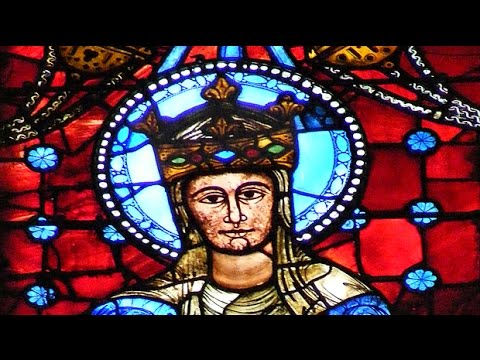
Chartres, France: Pure Gothic Cathedral – Rick Steves’ Europe …
Rick Steves’ Europe

Visiting Chartres from Paris: A Perfect Day Trip Itinerary …
Join Us in France Audio

CHARTRES: A Day in France’s Catholic Pilgrimage City
Anton and Sinan
You are currently viewing a placeholder content from Vimeo. To access the actual content, click the button below. Please note that doing so will share data with third-party providers.
More InformationYou are currently viewing a placeholder content from YouTube. To access the actual content, click the button below. Please note that doing so will share data with third-party providers.
More InformationYou need to load content from reCAPTCHA to submit the form. Please note that doing so will share data with third-party providers.
More InformationYou are currently viewing a placeholder content from GetYourGuide. To access the actual content, click the button below. Please note that doing so will share data with third-party providers.
More Information