
Ciudad Real: The Complete Travel Guide (2026)

Last reviewed: October 2026 · key facts checked against Wikidata
Ciudad Real Travel Guide: Everything You Need to Know (2026)
Ciudad Real sits at 628 metres above sea level on the vast La Mancha plateau, a provincial capital of 74,872 people that most travellers speed past on the AVE high-speed rail line between Madrid and Andalusia. Founded in 1255 by Alfonso X of Castile as Villa Real, it guards the heart of Don Quixote country, with windmills, medieval gates, and one of Spain’s least-touristed Gothic cathedrals within walking distance of each other. What surprised me most was how effortlessly you can experience authentic Castilian life here without fighting crowds or inflated prices.
Top 3 Highlights at a Glance
- Puerta de Toledo — The only surviving medieval gate from the 14th-century city walls, standing completely intact in the city centre.
- Catedral de Santa María del Prado — A Gothic-Plateresque cathedral housing a revered 13th-century statue of the city’s patron saint.
- Campo de Calatrava Windmills (Consuegra day trip) — Eleven restored 16th-century windmills on a ridge 45 km away — the definitive Don Quixote landscape.
Scroll down for our complete travel guide with tips on getting there, where to stay, costs and more.
Arrival & Airport
How do I get to Ciudad Real?
Take the AVE high-speed train — it is by far the fastest and most practical option. Madrid Puerta de Atocha to Ciudad Real takes just 50 minutes and tickets cost as little as €15–25 booked in advance on Renfe.es. From Seville, the journey is around 1 hour 40 minutes. I recommend booking at least 1 week ahead for cheap Tarifa Promo fares. The caveat most guides omit: Ciudad Real’s AVE station sits about 2 km from the city centre, so budget €6–8 for a taxi or walk 25 minutes with luggage. Driving from Madrid takes roughly 2 hours via the A-4 motorway, but parking in the old centre is fiddly.
Which airport is closest to Ciudad Real?
In practice, fly into Madrid Barajas (MAD), roughly 200 km north, and connect by AVE train. My tip: Ciudad Real Central Airport (CQM) exists on maps but has been commercially inactive since 2012 — ignore any suggestion to fly there directly. Toledo lies 120 km away but has no airport. From Barajas Terminal 4, take the Cercanías C-10 suburban rail to Atocha station (€2.60, 25 minutes), then board the AVE south. The honest trade-off: the two-leg journey from MAD takes about 2.5 hours door to door, but it is cheaper and less stressful than renting a car and dealing with Madrid traffic.
How long does the journey to Ciudad Real take from Madrid?
By AVE high-speed train, the ride from Madrid Atocha to Ciudad Real takes exactly 50 minutes — one of the shortest inter-city high-speed journeys in Spain. What surprised me: this is faster than getting across Madrid itself by metro at rush hour. By car on the A-4 motorway, expect 1 hour 45 minutes in light traffic, but Madrid’s southern exit can add 30–40 minutes during weekday rush hours. By standard regional bus from Madrid Estación Sur, the trip stretches to around 2 hours 30 minutes and costs roughly €10–14 — fine if you miss a train, but not competitive with the AVE on time.
Do I need a car in Ciudad Real?
No — the compact old town is entirely walkable. Every major sight — Puerta de Toledo, the cathedral, Plaza Mayor, and the Museo del Quijote — sits within a 15-minute walk from the AVE station. I walked the entire historic centre comfortably in half a day. The honest caveat: if you want to explore the surrounding La Mancha landscape — windmills at Consuegra, the Tablas de Daimiel wetlands, or Almagro’s theatre — a rental car becomes genuinely useful. Europcar and Hertz both have offices in the city. Day rates start around €35–50. For a pure city visit of 1–2 days, leave the car in Madrid.
City Transport
What are the best areas to stay in Ciudad Real?
Stay in or immediately around the historic centre (casco antiguo), within a 10-minute walk of Plaza Mayor. This puts you beside the cathedral, the main tapas bars on Calle Toledo and Calle Calatrava, and all walkable sights. The area around Ronda de Toledo is quieter and slightly cheaper. I recommend avoiding hotels near the AVE station — that northern fringe is functional but charmless, adding a 20-minute walk to everything. For a more local feel, the Barrio del Pilar neighbourhood has good mid-range guesthouses used by Spanish business travellers rather than tourists, which keeps prices honest and service attentive.
What does accommodation cost in Ciudad Real?
Ciudad Real is refreshingly affordable by Spanish standards. A clean, well-located 3-star hotel near Plaza Mayor costs €55–80 per night. My tip: the Hotel Santa Cecilia and similar mid-range properties frequently drop to €45–60 midweek when the business crowd thins out. Budget guesthouses (hostales) run €30–45 for a double. Boutique options in converted historic buildings push to €90–110 at the top end — still about 30–40% cheaper than equivalent Toledo or Segovia hotels. The honest caveat: weekend rates can spike 20–25% when Spanish domestic tourism picks up in spring, so book Thursday-to-Sunday stays a couple of weeks ahead.
How far in advance should I book accommodation in Ciudad Real during high season?
For May and June — the best travel months based on climate data — book at least 3–4 weeks ahead, especially for weekends. What surprised me: Ciudad Real fills up faster during Semana de Música Religiosa (Holy Week, March/April) and the Feria de Ciudad Real in August than during the summer tourist peak. For a standard midweek visit outside these events, booking 1 week ahead is usually sufficient. The honest caveat most guides omit: Ciudad Real hosts a large regional university, so accommodation around September (start of term) and February (exam resits) gets snapped up by families. Use Booking.com and filter by ‘free cancellation’ to stay flexible.
Are there special accommodation types worth trying in Ciudad Real?
My tip: book a casa rural (rural guesthouse) on the outskirts — properties like those around the Laguna de Peñarroya, about 20 km south, offer genuine La Mancha farmhouse stays for €60–90 per night including breakfast, with views across vineyards and wetlands. These are wildly underused by international visitors. In the city itself, some hostales above traditional tapas bars offer basic but characterful rooms — you eat breakfast downstairs for €2–3 like a local. The caveat: rural casas require a car to access properly. If you are train-based, stick to the city-centre hotels and use the rural experience as a day-trip destination instead.
Accommodation & Neighbourhoods
What are the must-sees in Ciudad Real?
Three sights genuinely justify the detour. Puerta de Toledo is the intact 14th-century Gothic city gate — free to view, and far more impressive up close than photos suggest. The Catedral de Santa María del Prado took 200 years to complete and houses intricate Plateresque altarpieces; entry costs around €3. The Museo del Quijote y Biblioteca Cervantina on Calle Toledo is the world’s largest Don Quixote collection — over 16,000 editions in 50 languages — and admission is free on Sundays. In my experience, tourists who skip the museum regret it; it contextualises everything you will see in the surrounding La Mancha countryside on day trips.
What can I experience for free in Ciudad Real?
Quite a lot. Puerta de Toledo and the 13th-century Ermita de Alarcos archaeological site (8 km outside the city) are both free to visit. The Museo del Quijote is free on Sundays and costs just €3 otherwise. Walking Calle Toledo at tapas hour — from 8 pm to 10 pm — is one of Spain’s more authentic free pleasures; many bars serve a free tapa with every €1.80–2.50 drink, meaning you can eat well for the price of drinks alone. The Plaza Mayor Sunday morning market is free to browse and worth attending for local cheese, saffron, and La Mancha wine. I spent an entire rewarding day in Ciudad Real spending under €15.
Which day trips from Ciudad Real are worth doing?
Almagro is my top recommendation — a perfectly preserved Renaissance town just 22 km south, home to the world’s oldest continuously operating corral de comedias (open-air theatre, dating to 1628). Bus service runs roughly hourly for about €3. Consuegra (45 km north) has 11 whitewashed windmills on a dramatic ridge above a Moorish castle — the definitive Don Quixote scene and worth a half-day. Tablas de Daimiel National Park (25 km northeast) is one of Spain’s most important wetland systems, free to enter, and spectacular for birdwatching in spring. The honest trade-off: Consuegra and Daimiel really require a car; Almagro is bus-accessible and the better choice without wheels.
What are the local specialities to eat in Ciudad Real?
La Mancha’s cuisine is hearty and deeply flavoured. Order pisto manchego (a slow-cooked vegetable stew, the original ratatouille) and gachas (a thick flour-and-pork fat porridge that sounds alarming but tastes magnificent on cold evenings). Queso manchego DOP — aged sheep’s milk cheese from the surrounding province — is sold in the Sunday market for €8–12 per 250g and dramatically better than anything exported. The region produces some of Spain’s most underrated red wines from Valdepañas, just 40 km south; a good bottle costs €6–10 in a restaurant. My tip: at Bar El Bodegón on Calle Calatrava, the free tapa with your wine is often a full portion of pisto — this is not the exception here, it is the norm.
Highlights & Must-Sees
What makes Ciudad Real unique compared to other Spanish provincial capitals?
Ciudad Real is the gateway to genuine Don Quixote country — not a theme park version but the actual landscape Cervantes walked and described in 1605. The La Mancha plateau stretching in every direction is flat, semi-arid, and dotted with windmills, medieval castles, and saffron fields that feel unchanged in centuries. Unlike Toledo or Segovia, the city receives almost no international tourist infrastructure — no English-language menus everywhere, no souvenir shop every 10 metres, no queue for the cathedral. With 74,872 residents, it functions as a real working city. What surprised me: the tapas culture here rivals Salamanca in quality and beats it on price. That authenticity is the whole point of coming.
How many days should I spend in Ciudad Real?
2 full days is the sweet spot for the city itself, with a third day for the best day trip. Day 1: walk the casco antiguo — Puerta de Toledo, cathedral, Museo del Quijote, tapas on Calle Toledo by evening. Day 2: rent a car or join a tour for Consuegra’s windmills and Almagro’s theatre. Day 3 (optional): Tablas de Daimiel wetlands or the wine town of Valdepeñas. The honest caveat: if you are an architecture or art specialist, add a half-day for the Alarcos archaeological park. One day is too short to leave the city centre; four days risks exhausting the city’s compact offer. Ciudad Real works best as part of an Andalusia AVE route — Madrid → Ciudad Real → Córdoba — rather than as a standalone destination.
When is the best time to visit Ciudad Real?
May and June are the optimal months based on verified climate data — temperatures are warm but not brutal, wildflowers cover the plateau, and the saffron and cereal fields are vivid green. In my experience, late May hits the perfect balance: long evenings, outdoor terrace dining, and zero tourist crowds. July and August push temperatures on the La Mancha plateau above 38°C regularly — the city empties of locals, some restaurants close, and sightseeing by midday becomes genuinely unpleasant. October and April are solid shoulder-season alternatives with mild temperatures around 18–22°C. Avoid August unless you specifically want the Feria festival atmosphere and can manage the heat.
Are there local festivals in Ciudad Real worth attending?
Semana Santa (Holy Week) in March or April is Ciudad Real’s most visually dramatic event — the processions through the medieval streets around Puerta de Toledo are solemn and genuinely moving, not tourist-staged. Book accommodation 6–8 weeks ahead as the city fills with Spanish visitors. The Feria de Ciudad Real in late August is a week of flamenco, bullfighting, and outdoor concerts centred on the Recinto Ferial fairgrounds; lively but very hot. The Festival Internacional de Cine (film festival) runs for a week in autumn and screens work in outdoor venues — worth knowing if you are visiting in October. My tip: Semana Santa is the unmissable event; the August Feria is authentic but punishing in the heat.
Food & Drink
How does the weather affect activities in Ciudad Real throughout the year?
At 628 metres elevation, Ciudad Real is hotter in summer and colder in winter than coastal Spain. Summer afternoons above 38°C make outdoor sightseeing a bad idea between noon and 5 pm — follow local custom and use those hours for lunch and a rest. Winter (December–February) brings crisp, clear days around 8–12°C — perfect for walking without sweating, but some rural sites and outdoor terraces close. Spring and autumn (April–June, September–October) are the sweet spots: comfortable temperatures, good light for photography at the windmill sites, and all attractions fully open. The trade-off: spring can bring strong winds across the flat plateau that make outdoor dining uncomfortable even at 20°C.
How crowded does Ciudad Real get in peak season?
By international standards, Ciudad Real barely registers as a tourist destination — even in peak May–June, you will not queue for the cathedral or fight for a table at dinner. The city sees primarily Spanish domestic visitors rather than international tour groups. The honest caveat: Holy Week and the August Feria are the two genuine crowding events, and during those periods every restaurant and bar within the historic centre operates at 100% capacity after 9 pm. Outside those two windows, I walked into every museum without a ticket queue and found terrace tables without reservations. This is one of provincial Spain’s most underrated advantages — genuine sights with zero crowd stress.
How safe is Ciudad Real?
Ciudad Real is very safe by any European standard. In my experience, petty crime directed at tourists is negligible here — this is not a high-footfall tourist city where pickpockets concentrate. The historic centre and Plaza Mayor area are well-lit and active until midnight on weekends. The honest caveat: like all Spanish cities, stay aware around the bus station area late at night, which can feel isolated. The university district is lively and young but completely benign. Do not leave valuables visible in a parked car near trailheads outside the city — the only realistic theft risk I identified. Emergency number is 112; the main police station is on Calle Alarcos.
Is English widely spoken in Ciudad Real?
Bluntly: no, not widely. This is a real provincial Spanish city where Spanish is the default for every interaction. Hotel front desks at 3-star and above usually have one English-speaking staff member. Restaurant menus in the tourist core occasionally include English translations, but tapas bars on Calle Toledo — where you actually want to eat — operate exclusively in Spanish. My tip: download Google Translate with Spanish offline pack before arriving, and learn five key phrases (por favor, la cuenta, sin gluten if relevant, and a question about the menu del día). What surprised me: Spaniards in Ciudad Real respond warmly to any attempt at Spanish, however broken — this makes the language gap much less of a barrier than it sounds.
Practical Tips
What is the daily budget for visiting Ciudad Real?
Ciudad Real is one of Spain’s most affordable provincial cities. A realistic budget day (hostal bed, café breakfast, menú del día lunch at €10–12, tapas dinner with drinks at €12–15, one museum entry) costs €50–65 per person. A mid-range day (3-star hotel at €70, café breakfast, sit-down lunch and dinner with wine) runs €90–110. The menú del día is the key: for €10–13 you get three courses with wine and bread at lunch — this is not tourist pricing, it is what locals pay. The honest caveat: transport costs for day trips add up; a car rental for a Consuegra excursion adds €35–50 to your day. Budget that separately from your city spend.
How does public transport work within Ciudad Real?
The city bus network (Autobuses Urbanos de Ciudad Real) covers the main districts with single fares around €1–1.30, but the compact historic centre makes buses largely unnecessary — I never used one during my visit. For day trips, ALSA buses connect Ciudad Real to Almagro roughly hourly for about €3 one way, and to Valdepeñas for €5–7. The Renfe regional train (not AVE) connects to smaller towns like Manzanares for under €5. The honest trade-off: the bus to Consuegra (the windmill town) requires a connection in Madridejos and takes over 2 hours — for that trip specifically, a rental car or organised tour saves you 3 hours of travel time and is worth every cent.
Which apps do you recommend for visiting Ciudad Real?
Renfe (official app) is non-negotiable — buy and manage your AVE tickets here and save the QR code offline. Google Maps works well for walking navigation in the historic centre and has offline download for the province. Wikivoyage has a usable Ciudad Real entry for free cultural context. For restaurant hunting, El Tenedor (TheFork) lists local spots with reviews in Spanish that Google Translate handles easily. Meteored gives hyperlocal La Mancha weather forecasts far more accurately than generic apps — crucial if you are planning a windmill day trip and want to avoid the plateau winds. My tip: download Spanish offline on Google Translate and save the 112 emergency number and the Ciudad Real taxi line (+34 926 23 11 11) before you arrive.
What is the daily budget for visiting Ciudad Real?
A comfortable mid-range traveller should budget €80–110 per person per day including accommodation, meals, entry fees, and local transport. The menú del día culture is your biggest money-saver: €10–13 buys a three-course lunch with wine at restaurants like those around Plaza Mayor — the same meal costs €35+ in Madrid. Coffee costs €1.20–1.50 at a local bar; a glass of Valdepeñas red wine with tapas runs €1.80–2.50. The honest caveat: day trips requiring car rental blow the budget by €35–50 in one move — factor that in as a separate line item rather than daily spend. Overall, Ciudad Real consistently delivers about 35–40% more value per euro than Madrid or Seville equivalents.
More Destinations in Europe
Explore our complete travel guides for more Europe destinations: Île du Gaou Travel Guide (2026), Île de Gavrinis Travel Guide (2026), Montpellier Travel Guide (2026), Amsterdam Travel Guide (2026), Camargue Travel Guide (2026).
Ciudad Real at a Glance
| Population | 76,217 |
|---|---|
| Currency | EUR (€) |
| Official language | Spanish |
| Time zone | UTC+01:00 |
Source: Wikidata, retrieved October 2026.
Useful Resources for Planning Your Trip to Ciudad Real
- Wikipedia: Ciudad Real — history, geography and background
- Lonely Planet: Ciudad Real — itineraries and travel inspiration
- TripAdvisor: Ciudad Real — hotels, restaurants and traveller reviews
🎥 Ciudad Real Travel Videos
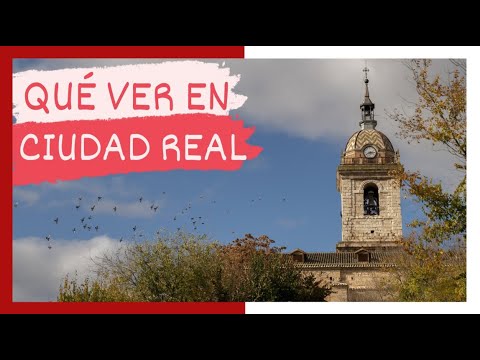
COMPLETE GUIDE ▶ What to see in the CITY of CIUDAD …
Así es el mundo

TRIP to CIUDAD REAL: The best thing to do in a morning!
La Neurona Derretida

Ciudad Real
All About Spain by BarryHaylor
You are currently viewing a placeholder content from Vimeo. To access the actual content, click the button below. Please note that doing so will share data with third-party providers.
More InformationYou are currently viewing a placeholder content from YouTube. To access the actual content, click the button below. Please note that doing so will share data with third-party providers.
More InformationYou need to load content from reCAPTCHA to submit the form. Please note that doing so will share data with third-party providers.
More InformationYou are currently viewing a placeholder content from GetYourGuide. To access the actual content, click the button below. Please note that doing so will share data with third-party providers.
More Information