
Trebinje: The Complete Travel Guide (2026)
Last reviewed: September 2026 · key facts checked against Wikidata
Trebinje Travel Guide: Everything You Need to Know (2026)
Trebinje is the southernmost city in Bosnia and Herzegovina, sitting at 275 metres above sea level on the banks of the Trebišnjica river with a population of 31,433. Founded in the medieval era, its walled old town is one of the best-preserved Ottoman-era cores in the western Balkans. The city enjoys a Mediterranean microclimate that sets it dramatically apart from the rest of landlocked Bosnia.
Three Things Not to Miss in Trebinje
- Walled Old Town (Stari Grad) — An Ottoman walled quarter with intact 18th-century stone architecture, nearly tourist-free compared to Mostar.
- Herzegovačka Gračanica Monastery — A striking Serbian Orthodox church perched on Crkvina Hill, modelled on the Kosovo original, with panoramic city views.
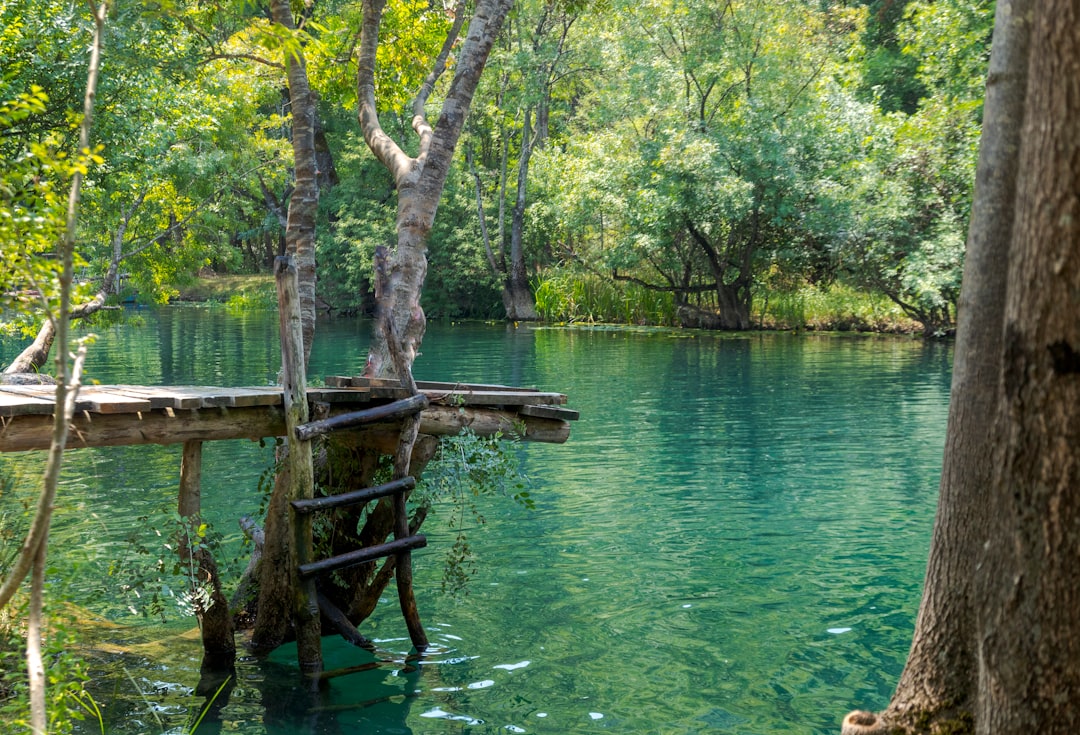
- Trebišnjica River Promenade — One of the longest sinking rivers in Europe, lined with plane trees and open-air kafanas perfect for evening walks.
Scroll down for our complete travel guide with tips on getting there, where to stay, costs and more.
Arriving in Trebinje: Airport & Transfers
How do I get to Trebinje?
Fly into Dubrovnik Airport (DBV) — it is the closest international airport, just 30 km away. I recommend this over Sarajevo, which is roughly 240 km north and takes over 3 hours by road. From Dubrovnik, shuttle buses and taxis connect to Trebinje in about 45 minutes. Bus company Autoprevoz runs a daily service. My tip: book a private transfer in advance for around BAD 70–90 per car — drivers often speak basic English and can drop you at your guesthouse door. The caveat most guides skip: Croatian border crossings can add 20–40 minutes at busy periods in summer.
Which airport is closest to Trebinje?
Dubrovnik Airport (DBV) in Croatia is the closest airport at approximately 30 km from Trebinje city centre. It handles direct flights from London, Vienna, Frankfurt, and most major European hubs. In my experience, flight prices to Dubrovnik are consistently cheaper than to Sarajevo (SAR), which is the nearest Bosnian airport but sits 240 km away. The honest trade-off: crossing from Croatia into Bosnia and Herzegovina means a EU Schengen exit stamp, which matters if you are managing Schengen days. Budget for that extra border buffer time, especially in July and August.
How long does the journey to Trebinje take from the nearest hub?
From Dubrovnik Airport, the drive to Trebinje takes 45–55 minutes by car or shuttle in normal traffic. From Dubrovnik Old Town by bus, plan around 1 hour 15 minutes including the border stop. From Sarajevo, the journey by car is roughly 3 hours 30 minutes on winding mountain roads — scenic but exhausting. What surprised me: the road through Nevesinje and the Bišina plateau is genuinely spectacular but has no service stations for stretches of 60+ km, so fill your tank before leaving Trebinje heading north. There is no direct train to Trebinje.
Do I need a car to explore Trebinje properly?
For Trebinje city itself, no car is needed — the old town, river promenade, and Crkvina Hill are all walkable within a 2 km radius. However, for day trips to Tvrdoš Monastery (4 km outside town), the Hutovo Blato bird reserve (55 km away), or the Adriatic coast, a rental car adds serious value. I recommend hiring from Europcar or local agency Meridian Rent-a-Car in Trebinje for around BAD 100–140 per day. The caveat: many rental contracts prohibit crossing into Croatia — confirm explicitly before signing, especially if you plan to visit Dubrovnik.
Getting Around Trebinje
What are the best areas to stay in Trebinje?
Stay in or within 200 metres of the Stari Grad (Old Town) — this puts you inside the walled quarter or right on the Trebišnjica river promenade, the social heart of the city. The neighbourhood around Trg Slobode (Freedom Square) is ideal: cafes, restaurants, and the city market are all within a 5-minute walk. I recommend avoiding the residential suburbs north of the Lug district — they are dull, require a taxi for everything, and offer no atmospheric bonus. Boutique guesthouses inside the old walls offer the most authentic experience and are typically cheaper than equivalent places in Mostar.
What does accommodation cost per night in Trebinje?
Budget travellers can find a clean private room in a guesthouse for BAD 60–90 per night. A solid mid-range hotel like Hotel Leotar or a riverside boutique guesthouse runs BAD 120–180 per night including breakfast. Upscale options, including the renovated manor properties on the edge of the old town, reach BAD 250–320 per night in peak summer. What surprised me: Trebinje is 30–40% cheaper than equivalent quality accommodation in Dubrovnik, just 30 km away — making it an outstanding value base for exploring the southern Adriatic region without the Croatian tourist premium.
How far in advance should I book accommodation in Trebinje during high season?
Book at least 6–8 weeks ahead for July and August — the city’s limited quality inventory sells out fast. Trebinje has fewer than 20 quality guesthouses and hotels in the old town area, so the pool is genuinely small. In my experience, the best riverside rooms at places like Villa Korijen or boutique properties on Mića Ljubibratića Street disappear by May for peak summer. For the shoulder months of May, June, September, 2–3 weeks’ notice is usually sufficient. The honest warning: last-minute bookings in July often push visitors into characterless apartments far from the centre.
Are there special or unusual accommodation types in Trebinje?
Yes — Trebinje has a handful of genuinely distinctive options most booking platforms under-promote. Agrotourism farmhouses in the surrounding Popovo Polje karst plain offer rooms with vineyard views and homemade wine from Herzegovina’s dominant Žilavka and Blatina grape varieties. Several families in the old town rent rooms inside authentic Ottoman stone houses with original wooden ceilings. I stayed in one such property on Jovan Dučić Street — extraordinary atmosphere at under BAD 100 per night. The trade-off: some of these informal rentals do not appear on major OTAs, so you need to book via local Facebook groups or through the Trebinje tourism office directly.
Where to Stay in Trebinje
What are the must-see sights in Trebinje?
Three are non-negotiable. First, the Walled Old Town (Stari Grad) — an 18th-century Ottoman fortress with intact stone towers and a functioning čaršija (bazaar street). Second, Herzegovačka Gračanica, the Serbian Orthodox monastery on Crkvina Hill overlooking the city, housing the remains of poet Jovan Dučić and offering sweeping views to the Adriatic mountains. Third, Tvrdoš Monastery (4 km from centre), an active Orthodox monastery dating to the 15th century producing its own award-winning red wine sold on site for under BAD 20 a bottle. These three alone justify a 2-night stay.
What can I experience for free in Trebinje?
Quite a lot. Walking the entire Trebišnjica river promenade costs nothing and takes about 40 minutes end to end — lined with enormous plane trees planted in the 19th century. The climb to Crkvina Hill for the panoramic view is free (the monastery itself charges no admission). The Stari Grad walls and lanes are freely accessible at all hours. The city’s Friday market near Trg Slobode is free to browse and worth an hour for local produce, honey, and rakija. My tip: the small Dučić Memorial Museum in the old town charges only BAD 3 — almost criminally underpriced for what it offers.
Which day trips from Trebinje are most worthwhile?
Dubrovnik, Croatia is the obvious choice — 30 km, about 50 minutes by car, and a completely different visual world of baroque architecture and Adriatic sea. Buses run twice daily. Mostar (100 km, 2 hours) is the second essential day trip — the Stari Most bridge and Ottoman bazaar are genuinely unmissable. Closer to home, Popovo Polje karst valley (15 km) is an eerie landscape of disappearing rivers and medieval church ruins that almost no tourists visit. What surprised me: the border crossing into Croatia at Ivanica is faster than the Neum corridor — factor 15–20 minutes for the stop in normal season.
What local specialities should I try in Trebinje?
Herzegovina cuisine dominates and it is outstanding. Order janjetina ispod sača (lamb slow-roasted under a bell-shaped lid) at any traditional konoba — a portion for 2 costs around BAD 35–45. The local Žilavka white wine is dry, mineral, and unlike anything from neighbouring Croatia — a carafe runs BAD 8–12. Travnički sir (fresh white cheese) served with flatbread is the default table starter. My honest tip: skip the pizza and pasta menus at tourist-facing restaurants on the main square and walk 3 minutes into the old town lanes to find family-run konobas where a full meal with wine costs under BAD 25 per person.
Trebinje Highlights & Must-Sees
What makes Trebinje unique compared to other Bosnian cities?
Three things set it apart completely. Its Mediterranean microclimate — thanks to proximity to the Adriatic just 33 km south — means palm trees grow in the city centre, something impossible in Sarajevo or Mostar. Its near-total absence of mass tourism despite being 30 minutes from Dubrovnik is extraordinary — you can have the old town walled lanes entirely to yourself on a weekday morning. And Trebinje produces its own monastery wine at Tvrdoš, one of the few cities in the western Balkans where a functioning 15th-century winery is a mainstream attraction. It genuinely does not feel like a tourist destination — because it mostly is not one yet.
How many days are worthwhile in Trebinje?
2 full days covers the city comfortably; 3 days is the ideal if you add one day trip. Day 1: old town, Crkvina Hill monastery, river promenade evening. Day 2: Tvrdoš Monastery morning, Popovo Polje afternoon, wine tasting. Day 3: day trip to Dubrovnik or Mostar. Trebinje works brilliantly as a base — cheaper than Dubrovnik, calmer than Mostar, and centrally located for both. The honest trade-off: it is a small city of 31,433 people, and after 3 days you will have seen virtually everything. Do not over-plan — 2 nights is the sweet spot for most travellers.
When is the best time to visit Trebinje?
July is the climate peak based on verified temperature data — warm, dry, and sunny with reliable Adriatic-influenced weather. But my personal recommendation is late May or early June: temperatures are already pleasant at around 25°C, the old town is crowd-free, and guesthouse rates are 20–30% lower than August. September is equally excellent — summer heat fades, harvests begin in the vineyards, and the city returns to its local rhythm. Avoid January and February if you dislike cold nights and limited restaurant hours — several family konobas close for winter. The city is genuinely enjoyable across 8 months of the year.
Are there local festivals in Trebinje worth attending?
The Trebinje Summer Festival runs through July and August, filling the old town square with live music, theatre, and folk performances — largely free to attend and genuinely local in flavour rather than tourist-oriented. The Wine and Culture Festival in late September or early October celebrates the Herzegovina harvest with open tastings at Tvrdoš Monastery and in the old town — tickets for the tasting sessions run around BAD 25–40. What surprised me: unlike similar events in Croatia or Slovenia, these festivals attract almost exclusively domestic and regional visitors — you will be surrounded by Bosnians, Serbs, and Montenegrins rather than package tourists, which makes for a far more authentic experience.
Eating & Drinking in Trebinje
How does weather affect activities in Trebinje across the year?
Summer (June–August) is hot and dry — perfect for walking, outdoor dining, and day trips to the Adriatic. Spring (April–May) brings the Popovo Polje plain to life with wildflowers and migratory birds at Hutovo Blato (55 km away) — ideal for hiking and cycling along the Trebišnjica. Autumn (September–October) is the harvest season and arguably the most atmospheric time in the vineyards. Winter cold is real — nights drop below 5°C — but the city stays functional. The honest caveat: mountain roads toward Sarajevo and Nevesinje can become treacherous with ice and snow between December and February, so check road conditions before driving north.
How crowded does Trebinje get in peak season?
Remarkably little by Balkan standards. Even in July and August, the old town never approaches the suffocating crowds of Dubrovnik or Mostar. Day-tripper bus groups occasionally pass through the Stari Grad for 2–3 hours, but by mid-afternoon the lanes empty again. The riverside kafanas get busy on Friday and Saturday evenings year-round — this is a local social ritual, not a tourist phenomenon. What surprised me: the biggest crowd pressure is actually at Tvrdoš Monastery on Sunday mornings when local Orthodox families attend services — plan your visit for a weekday or arrive by 9:00 before the post-service rush.
How safe is Trebinje for travellers?
Trebinje is very safe — petty crime is extremely low for a city of this size. I walked the old town and river promenade alone late at night without any concern. Violent crime targeting tourists is essentially unheard of. The standard caution applies: do not leave valuables visible in a parked rental car, particularly near the Dubrovnik border crossing area. Political tensions between Republika Srpska and the Federation of BiH exist at a governmental level but do not affect daily life or traveller safety in any practical way. Emergency number in Bosnia and Herzegovina is 122 (police) and 124 (ambulance). Basic travel insurance is recommended regardless.
Is English widely spoken in Trebinje?
Less so than in Sarajevo or Mostar — be prepared. In hotels, tourist-facing guesthouses, and the better restaurants in the old town, English is adequate. At local konobas, markets, and shops away from the centre, expect Bosnian/Serbian only. In my experience, younger staff (under 35) usually manage basic English, but older generations often do not. My tip: download the Google Translate app with the Bosnian/Serbian offline pack before you arrive — it handles Cyrillic script used in Republika Srpska signage. A few learned phrases in Serbian/Bosnian — ”hvala” (thank you) and ”molim” (please) — go a long way and are genuinely appreciated.
Practical Tips for Trebinje
What is the daily budget for travelling in Trebinje?
Budget traveller: BAD 80–110 per day covering a hostel or basic guesthouse room, meals at local konobas, and free sights. Mid-range: BAD 180–260 per day for a riverside boutique room, sit-down meals with wine, and one paid excursion. Comfortable: BAD 320–450 per day with a quality hotel, restaurant dinners, wine tastings at Tvrdoš, and a private day-trip transfer to Dubrovnik. Food and drink are the standout values — a full dinner with local wine at a traditional konoba costs BAD 20–28 per person. The hidden cost most guides skip: border crossing fees and Croatian toll roads add BAD 15–25 to any Dubrovnik day trip.
How does public transport work in and around Trebinje?
Within the city, Trebinje has no tram or metro — it is a walkable city where almost everything is within 2 km of the old town. Taxis are cheap: a cross-city ride costs BAD 5–8. Inter-city buses depart from the Trebinje Bus Station on Vojvode Stepe Street — connections run to Sarajevo (roughly 4 hours, BAD 25), Mostar (2 hours, BAD 15), and Dubrovnik (50 minutes, BAD 12). In my experience, bus schedules change seasonally and are not reliably listed online — always confirm departures directly at the station or call Autoprevoz the day before. There is no train service to Trebinje.
Which apps do you recommend for visiting Trebinje?
Five apps I actually used in Trebinje. Maps.me — download the Bosnia and Herzegovina offline map; it covers hiking trails and rural roads that Google Maps misses. Google Translate with the Serbian/Bosnian offline language pack — essential for Cyrillic menus and signage in Republika Srpska. Booking.com — has the broadest local guesthouse inventory, though some family properties are not listed. Uber does not operate in Trebinje — use the local Car:Go app (popular across the western Balkans) or simply flag down a taxi on the promenade. For border crossing wait times at Ivanica/Croatia, check the HAK Croatian road authority website before any Dubrovnik day trip.
Trebinje at a Glance
| Population | 31,433 |
|---|---|
| Currency | Bosnia and Herzegovina dinar (BAD) |
| Official language | Bosnian, Croatian, Serbian |
| Time zone | Central European Time |
Source: Wikidata, retrieved September 2026.
Bosnia and Herzegovina › Trebinje
More Destinations in Herzegovina
More Destinations in Bosnia and Herzegovina
Essential Resources for Planning Your Trip to Trebinje
- Sustainable tourism is growing in 🇧🇦Bosnia and … — official visitor information, passes & events
- Wikipedia: Trebinje — history, geography & background
- Wikivoyage: Trebinje — community travel guide & practical tips
- Trebinje travel – Bosnia & Hercegovina, Europe — expert itineraries & travel inspiration
- THE 15 BEST Things to Do in Trebinje (2026) — hotels, restaurants & traveller reviews
- Trebinje, Republika Srpska | Sophie’s World Travel Inspiration — how to get around
- Numbeo: Cost of Living in Trebinje — current prices & cost comparison
- Timeanddate: Trebinje Weather & Climate — forecasts & climate statistics
More Perspectives on Trebinje
- 5 Best things to do in Trebinje, Bosnia, in 1 day
- Trebinje in Bosnia: sights and local insider tips
- 2026 Trebinje Travel Guide: must-see attractions, popular …
Trebinje Travel Videos
Watch these videos for a visual preview before your trip:
- Trebinje, Bosnia-Herzegovina: Yugloslavian Diversity – Rick Steves’ Europe Travel Guide
- Trebinje, Bosnia-Herzegovina: Charming Market Town – Rick Steves’ Europe Travel Guide – Travel Bite
- Exploring TREBINJE 🇧🇦 Bosnia & Herzegovina’s BEST City
Trebinje Travel Discussions on Reddit
Real traveller experiences and community advice:
- A day trip to Trebinje, Bosnia : r/travel
- Beautiful sunset in Trebinje, Bosnia and Herzegovina
- Guys, I’ve found a gem : r/digitalnomad
Data Sources
This page was compiled using data from Wikipedia, Wikidata, Open-Meteo (climate), Numbeo (cost of living) and REST Countries. Information is updated regularly.