
Viana do Castelo: The Complete Travel Guide (2026)
Last reviewed: September 2026 · key facts checked against Wikidata
Viana do Castelo Travel Guide: Everything You Need to Know (2026)
Viana do Castelo is a coastal city in Northern Portugal with a population of 88,725, sitting just 12 meters above sea level at the mouth of the Lima River. Founded as a chartered town in 1258, it punches well above its weight with a cathedral, a hilltop basilica, and one of Portugal’s most authentic folk festival traditions. It sits roughly 70 km north of Porto, making it an easy addition to any northern Portugal itinerary.
Three Things Not to Miss in Viana do Castelo
- Basílica de Santa Luzia — A neo-Byzantine hilltop basilica reached by a 1902-built funicular, offering panoramic views over the Lima estuary.
- Praça da República & Chafariz Fountain — A 16th-century Renaissance fountain and loggia at the heart of the old town, one of Portugal’s finest civic squares.
- Romaria de Nossa Senhora d’Agonia — Portugal’s most spectacular folk festival, held every August, with processions of women in gold-laden traditional costume.
Scroll down for our complete travel guide with tips on getting there, where to stay, costs and more.
Arriving in Viana do Castelo: Airport & Transfers
How do I get to Viana do Castelo?
Take the direct Alfa Pendular or regional train from Porto’s Campanhã station — it takes 1 hour 20 minutes and costs around €7–€12 depending on the service. In my experience, the regional Comboios de Portugal (CP) trains run roughly every 2 hours and are comfortable. Buses from Porto’s Campo 24 de Agosto terminal (Rede Expressos) also serve the route in about 1 hour 45 minutes for under €8. What surprised me: driving adds almost no time advantage because parking in the old town is genuinely frustrating. My tip: book the train online at cp.pt to lock in cheaper fares — walk-up prices on busy weekends can be 30% higher.
Which airport is closest to Viana do Castelo?
Porto’s Francisco Sá Carneiro Airport (OPO) is the closest gateway, 75 km south of Viana do Castelo. In my experience, it’s one of Europe’s best-connected regional airports with direct flights from London, Amsterdam, Paris, and Berlin. From OPO, take the Metro to Campanhã station (about 35 minutes) then a direct train north. The honest caveat: there is no direct airport-to-Viana bus, so connections always involve at least one transfer and total travel time of roughly 2 hours 30 minutes door-to-door. Braga airport handles some Ryanair routes but is actually further by transit time.
How long does the journey to Viana do Castelo take from Porto?
By direct train from Porto Campanhã, the journey takes 1 hour 20 minutes. By car via the A28 motorway it’s a similar 55–65 minutes, though tolls add around €5 each way. What surprised me: the scenic train route hugs the Atlantic coast through Viana’s sister beach towns like Póvoa de Varzim and Esposende, making the train not just cheaper but genuinely more enjoyable. My tip: avoid Friday evening trains — commuters from Porto fill them and the 17:30 and 18:30 services can be standing-room only. The 09:15 morning departure from Campanhã is reliably quiet.
Do I need a car to explore Viana do Castelo?
No — the old city centre is walkable in under 20 minutes end to end. The funicular to Santa Luzia costs €1.50 each way and eliminates the only real climb. I recommend skipping a car entirely if you’re staying in the city centre. The honest caveat: if you want to explore the Lima Valley inland toward Ponte de Lima or the Peneda-Gerês National Park (about 60 km east), a rental car becomes essential — bus connections to those areas run only 2–3 times daily and are slow. Rent from the Hertz or Europcar offices near Viana train station for around €35–€50 per day.
Getting Around Viana do Castelo
Which areas of Viana do Castelo are best to stay in?
Stay in the historic centre around Praça da República — everything is within a 10-minute walk. The riverside Avenida dos Combatentes da Grande Guerra strip is my second recommendation: slightly quieter at night but with excellent morning views over the Lima. What surprised me: the area around the train station (Bairro da Meadela side) feels locally authentic and cuts your accommodation cost by roughly 20%, though you sacrifice charm. I’d avoid the beach district of Praia Norte as your base unless you have a car — it’s 3 km from the centre with infrequent buses and feels deserted outside summer.
What does accommodation in Viana do Castelo cost per night?
A solid mid-range hotel in the historic centre costs €80–€130 per night in high season (July–August). Guesthouses (pensões) like those near Rua Sacadura Cabral run €45–€70. The upscale Hotel Viana Plaza or the boutique options near Santa Luzia push €150–€200. In my experience, Viana is meaningfully cheaper than Porto for equivalent quality — you get a 4-star experience for 3-star Porto prices. The honest caveat: during the Romaria d’Agonia festival in August, rooms book out 4–5 months in advance and prices spike by 40–60%. Book by March if you plan to attend.
How far in advance should I book accommodation in Viana do Castelo during high season?
For July and August outside the Romaria festival, book 6–8 weeks in advance. For the Romaria de Nossa Senhora d’Agonia (third weekend of August), book by February or March — this is non-negotiable. In my experience, the 15–20 mid-range hotels in the historic centre sell out entirely for festival dates, leaving only expensive rural quintas or poor-value chain options near the ring road. My tip: if you miss the festival window, search for accommodation in Ponte de Lima (30 km east) — it’s quieter, has beautiful manor houses, and you can day-trip in for the processions.
Are there special or unique accommodation types in Viana do Castelo?
Yes — the Solares de Portugal network includes historic manor houses (solar) in the Lima Valley just outside the city. Properties like Quinta de Paço d’Anha, a working wine estate 8 km south of Viana, charge €90–€130 per night for rooms in genuine 18th-century manor houses with vineyards. In my experience, this is one of the most underrated stays in northern Portugal. The honest caveat: you absolutely need a car for solar stays — taxis from Viana centre cost around €12–€15 one way and late-night returns are unreliable. The city centre also has a handful of well-converted 19th-century town houses listed as boutique guesthouses — far more characterful than the business hotels.
Where to Stay in Viana do Castelo
What are the must-see sights in Viana do Castelo?
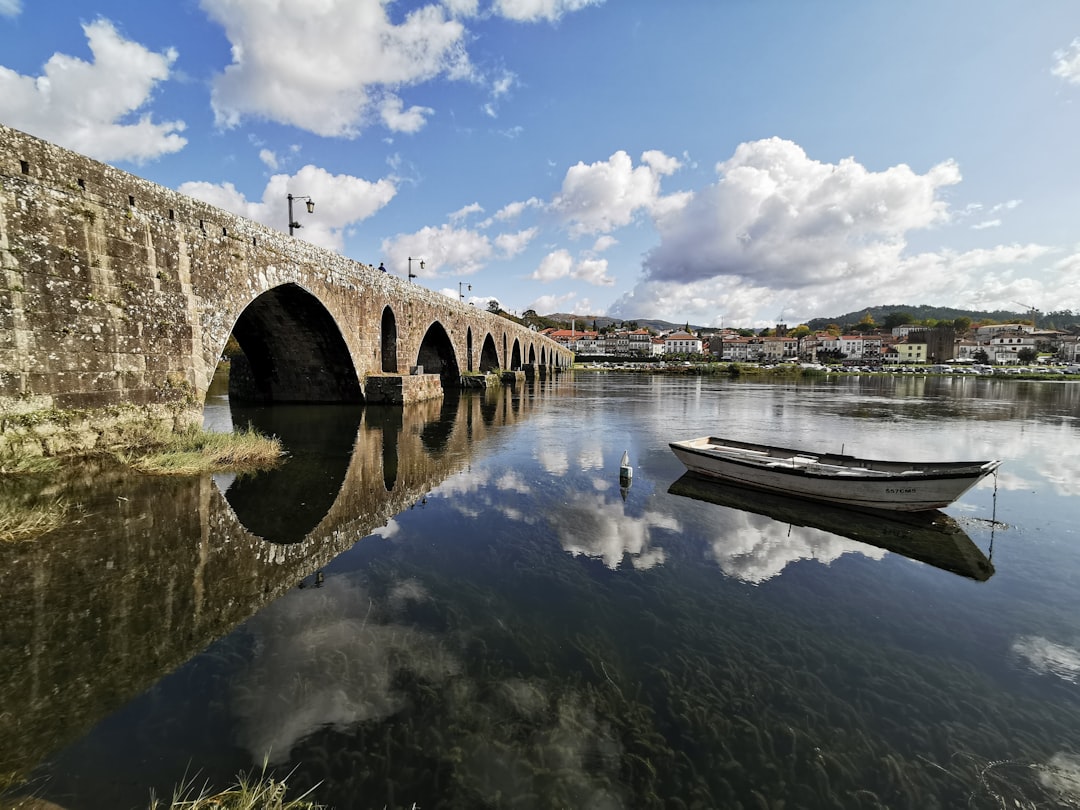
The Basílica de Santa Luzia on the hill above the city is the unmissable anchor — take the 1902 funicular for €1.50 and climb the dome for a 360-degree view over the Lima estuary and Atlantic. The Praça da República with its Manueline fountain and 16th-century almshouse (Misericórdia) is one of Portugal’s finest civic squares. The Museu de Artes Decorativas (Museu do Traje) displays the elaborate traditional costume and gold filigree jewellery unique to Minho — entry is under €3. My tip: the medieval walls and the iron bridge designed by a student of Gustave Eiffel (opened 1878) are often overlooked but photogenic.
What can I experience for free in Viana do Castelo?
Plenty. Walking the Praça da República and the cathedral’s exterior costs nothing. The Eiffel-style Eça de Queirós bridge and the riverside promenade along the Lima are free and beautiful at golden hour. Every Sunday morning, the Mercado Municipal on Rua do Gontim overflows with regional produce, cheeses, and handcrafts at no entry cost. In my experience, the old town itself is the attraction — the azulejo-tiled facades and Manueline doorways reward slow wandering. The honest caveat: the Basílica interior is free but the dome access and funicular both charge; budget €5 total if you want the full hilltop experience.
Which day trips from Viana do Castelo do you recommend?
Ponte de Lima (30 km east, 40 minutes by car) is my top recommendation — Portugal’s oldest town, with a Roman bridge, weekly Monday market, and the best concentration of Solares manor houses in the country. Braga (50 km south, 1 hour by train) offers the stunning Bom Jesus staircase and a vibrant university city atmosphere. For beach lovers, Moledo do Minho (20 km north, 20 minutes by train for €3) has a wild, underdeveloped Atlantic beach backed by dunes. The honest caveat: Peneda-Gerês National Park requires a car — the park entry zone at Lindoso is 65 km east and there is no practical public transport.
What local specialities should I try in Viana do Castelo?
Order bacalhau à Viana — a regional salt-cod dish layered with potatoes and olive oil, distinct from Porto’s versions. The Vinho Verde from the Lima Valley (particularly the local Loureiro grape variety) is outstanding and costs €2–€4 per glass even in sit-down restaurants. For pastry, the cavacas (crisp ring-shaped biscuits with white icing) are a Viana original found nowhere else in Portugal — a bag costs about €3 at the Confeitaria Natário near the market. What surprised me: the seafood here is exceptional and cheaper than Porto — a full arroz de lingueirão (razor clam rice for two) runs €18–€24 in the fish restaurants behind the Mercado Municipal.
Viana do Castelo Highlights & Must-Sees
What makes Viana do Castelo unique compared to other Portuguese cities?
Three things set it apart. First, it’s the living capital of Minho folk culture — the gold filigree jewellery, embroidered costumes, and folk music here are still genuinely worn and practiced, not just performed for tourists. Second, the city has an extraordinary architectural coherence: Manueline, Baroque, and Art Nouveau buildings sit within a 500-metre radius in the old town. Third, the Lima River mouth creates a geography that no other Portuguese city replicates — a long beach, a navigable river, a forested hill, and an old town all within 3 km of each other. In my experience, it feels like a less-discovered Vigo with better food and more personality.
How many days are worthwhile in Viana do Castelo?
2 full days cover the city comfortably. Day 1: old town, Praça da República, Museu do Traje, funicular, and Santa Luzia at sunset. Day 2: Lima riverside walk, Eiffel bridge, Mercado Municipal in the morning, then a half-day trip to Ponte de Lima. A 3rd day makes sense if you want to explore the Lima Valley by car or time your visit around a weekend market. The honest caveat: Viana is a genuine city with real neighbourhood life, not a theme-park old town — a second evening wandering the Bairro Antigo after dinner reveals a side most 1-day visitors completely miss. I’d never do it as a single day trip from Porto.
When is the best time to visit Viana do Castelo?
July and August offer the best weather — warm Atlantic temperatures averaging around 24–26°C with low rainfall and long evenings. The third week of August coincides with the Romaria de Nossa Senhora d’Agonia, Portugal’s most spectacular folk festival, which alone justifies the trip. In my experience, June and September are the sweet spot for avoiding crowds while keeping reliable sunshine. The honest caveat: Viana’s Atlantic exposure means even July occasionally delivers a cloudy or drizzly day — pack a light layer. Winter (November–February) is mild at 12–14°C but genuinely grey; the city functions normally but beach and outdoor activities are limited.
Are there local festivals in Viana do Castelo worth attending?
The Romaria de Nossa Senhora d’Agonia (third weekend of August) is the standout — women dressed in gold-embroidered costumes and ancestral jewellery weighing up to 2 kg process through the streets in a spectacle that UNESCO has recognised as intangible heritage. It draws crowds of 50,000–80,000 over 4 days. My tip: arrive Friday evening for the opening parade, which is less crowded than Saturday. The Festa do Senhor do Mar (August) is a smaller waterfront festival with blessed fishing boats. In spring, the Feira do Livro in May turns the riverside gardens into an outdoor book market — low-key, entirely local, and a pleasant contrast to the summer intensity.
Eating & Drinking in Viana do Castelo
How does the weather in Viana do Castelo affect what I can do there?
Summer weather unlocks everything: Praia Norte (3 km from the centre) is a proper Atlantic beach with waves ideal for surfing; the Lima riverside cafés fill; and outdoor evening dining along the Avenida dos Combatentes is genuinely pleasant until 22:00. Shoulder season (April–May, September–October) suits cultural sightseeing perfectly — the old town is uncrowded and the light is exceptional for photography. The honest caveat: the Atlantic surf at Praia Norte is powerful year-round and has a dangerous rip current on the northern end — swim only in the flagged zone. Winter limits beach activity but the Basílica, museums, and restaurants all operate normally.
How crowded does Viana do Castelo get in peak season?
Outside the Romaria festival, Viana is rarely overwhelmed — it sits below the tourist radar compared to Porto or the Algarve. In July–August, the historic centre fills on weekends, particularly around Praça da República, but weekday mornings remain calm. The Romaria weekend in August is a genuine exception: the city’s population of 88,725 is effectively doubled over 72 hours and every pavement is packed. My tip: if crowds stress you, visit the first week of July — the weather is excellent and the city feels 80% quieter than Romaria week. What surprised me: even at peak, Viana never felt as tourist-saturated as Sintra or Óbidos.
How safe is Viana do Castelo?
Viana do Castelo is very safe — petty crime rates are among the lowest of any Portuguese city this size. In my experience walking late at night along the riverside and through the old town, I never felt remotely threatened. The honest caveat: during the Romaria festival, the concentration of 50,000+ visitors creates the usual pickpocket opportunity in dense crowds — keep bags zipped and phones out of back pockets during the Saturday procession. The beach at Praia Norte has a legitimate physical danger from rip currents, which is a more realistic risk than crime. Standard Portuguese street safety rules apply: watch your belongings near the train station at night.
Is English widely spoken in Viana do Castelo?
In hotels, restaurants, and tourist-facing businesses, yes — English is spoken reliably by staff under 45. The honest caveat: Viana is a working Portuguese city, not a tourist resort, and once you step into neighbourhood bakeries, the Mercado Municipal, or local tasca restaurants, you’ll find Portuguese-only interactions. My tip: learn 5 words — obrigado/obrigada (thank you), por favor (please), quanto custa (how much), sem (without), and conta (bill). Locals respond warmly to any attempt at Portuguese and the city has far less of the English-first attitude found in Lisbon or the Algarve. Google Translate’s camera mode handles menus instantly.
Practical Tips for Viana do Castelo
What is the daily budget for visiting Viana do Castelo?
A comfortable mid-range day costs €80–€110 per person: €80–€100 for accommodation, €12–€15 for lunch, €25–€35 for dinner with wine, €5–€10 for entry fees and the funicular. Budget travellers staying in guesthouses and eating the €9–€11 lunch menu do dia (which includes bread, wine, main, and dessert) can manage €50–€65 per day total. What surprised me: Viana is noticeably cheaper than Porto for food and accommodation — a full fish dinner with Vinho Verde for two costs €35–€45 at the restaurants behind the fish market. The honest caveat: the Romaria weekend inflates hotel costs by 40–60%, so adjust your accommodation budget upward if attending.
How does public transport work within Viana do Castelo?
The city centre is compact enough that you’ll walk almost everywhere. The funicular to Santa Luzia costs €1.50 each way and runs roughly every 30 minutes. Local buses (operated by TUB — Transportes Urbanos de Braga’s Viana network) connect the centre to Praia Norte beach and outlying neighbourhoods for €1.50–€2 per trip. Trains from Viana train station run north to Caminha (25 minutes, €2.65) and south to Porto (1 hour 20 minutes, €7–€12). In my experience, you only need the bus network for the beach or outlying areas — everything historic is on foot. Taxis and Uber both operate; a city taxi rarely exceeds €8 for any in-town journey.
Which apps do you recommend for visiting Viana do Castelo?
Four apps cover everything. CP — Comboios de Portugal for train tickets and live departure boards (book ahead for better prices). Uber works reliably in Viana despite the city’s size — I recommend it over street taxis for late-night airport transfers. Google Maps has excellent offline coverage of the city and surrounding Lima Valley roads. Visitportugal (Tourism of Portugal’s official app) has curated walking routes for Viana including the azulejo tile trail. The honest caveat: Bolt has limited driver availability in Viana outside peak hours — Uber is the more reliable ride-hailing option. Download Google Translate with Portuguese offline for market and menu interactions.
What is the daily budget for visiting Viana do Castelo?
A comfortable mid-range day costs €80–€110 per person: €80–€100 for accommodation, €12–€15 for lunch, €25–€35 for dinner with wine, €5–€10 for entry fees and the funicular. Budget travellers staying in guesthouses and eating the €9–€11 lunch menu do dia (which includes bread, wine, main, and dessert) can manage €50–€65 per day total. What surprised me: Viana is noticeably cheaper than Porto for food and accommodation — a full fish dinner with Vinho Verde for two costs €35–€45 at the restaurants behind the fish market. The honest caveat: the Romaria weekend inflates hotel costs by 40–60%, so adjust your accommodation budget upward if attending.
Viana do Castelo at a Glance
| Population | 88,725 |
|---|---|
| Currency | EUR (€) |
| Official language | Portuguese |
| Time zone | UTC±00:00 |
Source: Wikidata, retrieved September 2026.
Portugal › Viana do Castelo
More Destinations in Minho
More Destinations in Portugal
Essential Resources for Planning Your Trip to Viana do Castelo
- Visitar Viana do Castelo — official visitor information, passes & events
- Wikipedia: Viana do Castelo — history, geography & background
- Wikivoyage: Viana do Castelo — community travel guide & practical tips
- The 7 best things to do in Viana do Castelo, Portugal — expert itineraries & travel inspiration
- THE 15 BEST Things to Do in Viana do Castelo (2026) — hotels, restaurants & traveller reviews
- Transport from Porto airport to Viana do Castelo for … — how to get around
- Numbeo: Cost of Living in Viana do Castelo — current prices & cost comparison
- Timeanddate: Viana do Castelo Weather & Climate — forecasts & climate statistics
More Perspectives on Viana do Castelo
- 9 Extremely Cool Things to do in Viana Do Castelo
- Viana do Castelo: independent travel guide for 2026
- Viana do Castelo Travel Guide 2026: Expert Tips & Reviews
Viana do Castelo Travel Videos
Watch these videos for a visual preview before your trip:
- VIANA DO CASTELO 🇵🇹 | What You Should Know Before You Go
- EXPLORING MINHO REGION, VIANA DO CASTELO | VON FROTH
- Portugal in 150 Seconds: Viana do Castelo
Viana do Castelo Travel Discussions on Reddit
Real traveller experiences and community advice:
- Starting in Viana do Castelo instead of Porto, will I miss out?
- Small village of France in Viana do Castelo, Portugal : r/travel
- Viana do Castelo Trip : r/porto
Data Sources
This page was compiled using data from Wikipedia, Wikidata, Open-Meteo (climate), Numbeo (cost of living) and REST Countries. Information is updated regularly.