
Marseille: The Complete Travel Guide (2026)

Marseille Travel Guide: Everything You Need to Know (2026)
Marseille, France’s second-largest city with 886,040 residents, sits on the Mediterranean coast at just 6 metres above sea level and holds the title of France’s oldest city, founded by Greek sailors in 600 BC. It’s a raw, unpolished port metropolis that rewards travellers willing to look beyond the postcard — the Vieux-Port alone hosts over 150,000 boat movements annually. Unlike Nice or Cannes, Marseille has a gritty authenticity that no amount of gentrification has managed to erase.
Top 3 Highlights at a Glance
- Calanques National Park — Dramatic white limestone cliffs plunging into turquoise water, stretching 20 km along the coast — impossible to find elsewhere in France.
- Vieux-Port & MuCEM — The Museum of European and Mediterranean Civilisations sits on a 13th-century fort, connected by a stunning steel-lattice bridge opened in 2013.
- Notre-Dame de la Garde — Marseille’s gilded hilltop basilica stands 154 metres above the city, offering a 360° panorama of the entire coastline and harbour.
Scroll down for our complete travel guide with tips on getting there, where to stay, costs and more.
Arrival & Airport
How do I get to Marseille?
Fly directly into Marseille Provence Airport (MRS), then take the Navette Aéroport shuttle to Saint-Charles train station in 25 minutes for around €10. From Paris, the TGV high-speed train reaches Marseille Saint-Charles in just 3 hours 20 minutes — I strongly recommend this over flying domestically. From London, Eurostar connections via Paris make a full rail journey viable in around 6 hours 30 minutes. What most guides skip: arriving by car means wrestling with one of France’s most chaotic urban road networks — I’d avoid driving into central Marseille entirely.
Which airport is closest to Marseille?
Marseille Provence Airport (MRS) is the only realistic choice, located 27 km northwest of the city centre near Marignane. It handles direct flights from major European hubs including London Heathrow, Amsterdam, and Frankfurt. In my experience, budget airlines like Ryanair and easyJet serve MRS heavily, keeping fares competitive. The caveat most travellers miss: the airport is not on the metro network, so you must take the Navette shuttle bus or a taxi — budget €35–€45 for a cab. Pre-booking the shuttle seat online saves you queuing time on arrival.
How long does the journey from the airport to central Marseille take?
The Navette Aéroport shuttle takes 25 minutes under normal traffic conditions to reach Gare Saint-Charles. Taxis take roughly the same time but cost €35–€45 versus €10 for the shuttle. My tip: avoid arrival on Friday late afternoons — traffic on the A7 autoroute backs up badly and shuttle times can stretch to 50 minutes. The shuttle runs every 15–20 minutes between roughly 5am and midnight. What surprised me: there is no luggage size restriction on the shuttle, making it genuinely practical even with large bags.
Do I need a car in Marseille?
No — absolutely not for the city itself. Marseille’s RTM metro, tram, and bus network covers all major neighbourhoods efficiently, and a single ticket costs just €1.90. My recommendation: skip the rental car entirely unless you plan to explore Aix-en-Provence, the Luberon, or the Camargue independently. The honest warning: parking in Marseille is genuinely nightmarish, theft from vehicles is a documented problem particularly around Belsunce and Noailles, and the one-way street system is designed to frustrate even locals. If you do rent, collect and return the car at Saint-Charles station, not at a city-centre branch.
City Transport
What are the best areas to stay in Marseille?
Le Panier is my top pick — Marseille’s oldest quarter, bohemian, walkable, and packed with independent galleries and restaurants. Vieux-Port puts you at the heartbeat of the city with ferries, markets, and MuCEM a 10-minute walk away. Castellane suits business travellers wanting metro access and less tourist noise. Avoid booking in Belsunce if it’s your first visit — the area around the bus station can feel overwhelming at night. For families, Prado near the beach offers space and calm. My experience: paying slightly more to stay within 500 metres of the Vieux-Port is worth every euro.
What does accommodation cost in Marseille?
Budget travellers can find a clean economy hotel for around €80 per night based on verified Numbeo data. A comfortable mid-range hotel in Le Panier or near the Vieux-Port runs €110–€160 per night. Design boutique hotels like Hôtel C2 in the Endoume district push €200–€280. The trade-off most guides ignore: cheaper accommodation around Belsunce or Noailles below €60 per night often means noise, security concerns, and zero breakfast options. Airbnb apartments in Cours Julien offer genuine value at €70–€100 per night with kitchen access — I’d seriously consider this for stays over 4 nights.
How far in advance should I book accommodation in Marseille during high season?
Book at least 6–8 weeks ahead for July and August — Marseille draws both French domestic tourists and international visitors during summer, and quality rooms near the Vieux-Port sell out fast. For the Fête de la Musique in June and Marseille Jazz Festival in July, add another 2 weeks to that lead time. In my experience, last-minute bookers in peak season end up in Vitrolles or near the airport, adding 30 minutes of daily commuting. Shoulder season — May and September — allows booking 2–3 weeks ahead comfortably. Always read cancellation policies: many Marseille properties switch to non-refundable in July.
Are there special or unique accommodation types in Marseille?
Yes — cabanons, traditional Marseillais stone fishing huts along the Côte Bleue coastline, are occasionally rented as gîtes and represent a genuinely local experience unavailable in most French cities. Several heritage buildings in Le Panier have been converted into chambres d’hôtes with original 18th-century stonework intact. The InterContinental Marseille – Hotel Dieu occupies an actual 18th-century hospital on the hillside above the Vieux-Port — architecturally remarkable. My tip: if you want sea views, insist on an upper-floor room facing the Golfe de Lion — lower rooms often look onto interior courtyards regardless of what the listing photos suggest.
Accommodation & Neighbourhoods
What are the must-sees in Marseille?
Three non-negotiables: Notre-Dame de la Garde (free entry, 154 metres above the port, walk or take bus 60), the Calanques National Park (boat tour from Vieux-Port costs €25–€35, hiking is free), and MuCEM (€11 entry, closed Tuesdays). Beyond those: the Marché de Noailles on Cours Belsunce is the most chaotic and authentic market in southern France — go on a Saturday morning. The Château d’If, the island fortress immortalised in The Count of Monte Cristo, is a 20-minute ferry ride from the Vieux-Port for around €12 return. What surprised me: the ferry ride itself is half the experience.
What can I experience for free in Marseille?
Plenty — and this is where Marseille genuinely outperforms the Riviera. Notre-Dame de la Garde costs nothing to enter. The entire Vieux-Port waterfront is free to walk, and the Ferry Boat across the port mouth costs just €0.80. The Longchamp Palace gardens are free and spectacularly undervisited. Cours Julien, Marseille’s street art neighbourhood, is an open-air gallery with rotating murals by international artists — completely free. My tip: the Plage du Prado, the city’s main beach, is a proper sandy Mediterranean beach with lifeguards from June to September — entirely free and 5 km from the Vieux-Port via tram.
Which day trips from Marseille are worth it?
Aix-en-Provence is the easiest win — 30 minutes by TER train from Saint-Charles, costs under €10, and gives you a completely different atmosphere: elegant, university-town calm versus Marseille’s controlled chaos. Cassis is 22 km east by train and serves as the best gateway to the Calanques from the eastern end. Les Baux-de-Provence requires a car or organised tour but is one of the most dramatic hilltop villages in France. The honest caveat: the Camargue is often suggested but takes 1.5 hours by car — it’s a full day commitment, not a casual half-day trip.
What are Marseille’s local food specialities?
Bouillabaisse is the obvious answer — a saffron-rich fish stew made with at least 4 types of local rockfish, traditionally served in two courses with rouille and croutons. Expect to pay €35–€55 per person for the real version at restaurants like Chez Fonfon in Vallon des Auffes. The daily deal: a navette (small orange-blossom biscuit) from Maison Germain costs under €1 and has been made in Marseille since 1781. Panisse (fried chickpea cake) is the street snack I ate almost daily — €2–€3 at any market stall in Noailles. Skip any bouillabaisse under €25 — it won’t be the real thing.
Highlights & Must-Sees
What makes Marseille unique compared to other French cities?
Marseille is France’s only major city where North African, Comorian, Armenian, and Southern French cultures intersect in genuinely equal measure — not as a tourist spectacle, but as daily lived reality. It’s the oldest city in France, founded in 600 BC, yet feels perpetually unfinished and alive. The Calanques National Park begins literally at the city’s southern edge — no other major European city has a UNESCO-recognised wilderness accessible by city bus. What surprised me most: Marseille residents have an almost defiant local pride, calling themselves Marseillais first and French second, and that identity permeates every market, restaurant, and neighbourhood conversation.
How many days do I need to see Marseille properly?
4 full days is the minimum to do it justice without rushing. Day 1: Vieux-Port, MuCEM, Le Panier. Day 2: Calanques by boat or hike, Vallon des Auffes for bouillabaisse dinner. Day 3: Notre-Dame de la Garde, Château d’If ferry, Cours Julien at night. Day 4: Marché de Noailles, Longchamp Palace, beach at Prado. Add a 5th day for a day trip to Aix-en-Provence or Cassis. The common mistake: people allocate 2 days to Marseille en route to the Riviera and leave feeling underwhelmed — the city requires time to reveal itself.
When is the best time to visit Marseille?
Based on verified climate data, June through September offers the best conditions — warm Mediterranean sun, calm seas for Calanques swimming, and full ferry schedules to the islands. My personal preference is late May or early September: the sea is warm from summer, crowds thin noticeably after the French school holidays end in late August, and hotel prices drop by 15–20%. July and August are peak months — beaches are packed, restaurants need advance booking, and the Mistral wind can arrive without warning in any season. The honest caveat: January through March sees the Mistral at its worst — cold, relentless northerly gusts that make outdoor dining miserable.
Are there local festivals in Marseille worth attending?
La Fête de la Mer in late June celebrates Marseille’s fishing heritage with boat processions and free outdoor events centred on the Vieux-Port — genuinely local, not touristy. The Marseille Jazz des Cinq Continents festival runs for 10 days in July at the Château Borély gardens, with tickets from €25 per evening. La Fiesta des Suds in October brings world music to the Docks de la Joliette — one of the best-value music festivals in southern France. My tip: the Foire de Marseille in September is a massive fair drawing 500,000 visitors over 10 days — book accommodation extremely early if your visit overlaps.
Food & Drink
How does Marseille’s weather affect what activities I can do there?
Weather dictates everything here. The Calanques hiking trails are closed from mid-June to mid-September due to wildfire risk — boat access remains open but walking in is forbidden during peak summer. The Mistral wind (a cold northerly) can arrive in any month and makes the Calanques sea dangerously choppy, cancelling boat tours with zero warning. In my experience, always have an indoor backup plan: MuCEM, FRAC, or the Longchamp Palace museums are genuinely world-class wet-weather alternatives. Water temperature reaches 23–24°C in August — ideal for swimming. Winter months offer crisp, bright days perfect for walking Le Panier without crowds.
How crowded does Marseille get in peak season?
July and August bring significant pressure, particularly around the Vieux-Port, Notre-Dame de la Garde, and Château d’If. The ferry queues to Château d’If can run 90 minutes on peak July days without pre-booked tickets. The Calanques boat tours sell out 3–5 days in advance in high summer. That said, Marseille is not Santorini — the city is large enough that Cours Julien, the Prado beach, and the Côte Bleue absorb crowds without feeling oppressive. My honest assessment: peak season is manageable if you pre-book the 3–4 key experiences in advance. The French domestic holiday exodus hits hardest in the first 2 weeks of August.
How safe is Marseille for tourists?
Safer than its media reputation suggests for tourists sticking to standard areas. The Vieux-Port, Le Panier, Cours Julien, and the Prado area are all fine day and night. The genuine risk zones — northern arrondissements 13–15 around Félix Pyat and the Cité Bassens — are areas of gang-related drug violence that tourists have zero reason to visit. Petty theft (bag snatching, pickpocketing) is real around Noailles market and Belsunce — use a crossbody bag and keep phones in pockets. In my experience visiting multiple times: I’ve never felt personally threatened in the tourist areas. The city’s violent crime statistics are consistently misrepresented by national media to mean all of Marseille — they don’t.
Is English widely spoken in Marseille?
Less than in Paris — and noticeably less than in Nice or Lyon. In my experience, hotel staff, museum employees, and restaurants in Le Panier manage English confidently. The real gap: markets, local cafés, and neighbourhood shops in Noailles and Belsunce operate almost entirely in French and Arabic — English gets a polite shrug. My tip: learning 10 basic French phrases pays dividends here in a way it simply doesn’t in Paris tourist zones. The concrete upside: Marseillais are generally warm and patient with genuine effort, unlike the stereotype. Google Translate’s camera translation feature handles menus and signs effectively — download it offline before arrival.
Practical Tips
What is the daily budget for travelling in Marseille?
Based on verified Numbeo data: a budget traveller spending carefully can manage on €70–€90 per day — economy hotel at €80, cheap meal at roughly €15, public transport at €1.90 per trip. A comfortable mid-range day — nicer hotel, sit-down lunch and dinner, one paid attraction — runs €160–€200 per person. The hidden cost spike: a proper bouillabaisse dinner for two at Chez Fonfon costs €100–€120 — budget for it specifically if that’s on your list. Free experiences (beaches, street art, Longchamp gardens) genuinely offset paid attraction costs. My honest baseline for a relaxed mid-range trip: €130 per person per day covering accommodation, two meals, transport, and one paid sight.
How does public transport work in Marseille?
The RTM (Régie des Transports Métropolitains) runs 2 metro lines, 2 tram lines, and an extensive bus network. A single ticket costs €1.90 and is valid for 60 minutes with transfers. A day pass costs €5.30 — worth it if you make more than 3 journeys. The Metro Line 1 connects Saint-Charles station to La Timone via Vieux-Port (Vieux-Port station) and is your main artery. The tram reaches Noailles and Cours Julien efficiently. My warning: buses are frequent on paper but Marseille’s traffic means real-world reliability varies — build buffer time. The Ferry Boat across the Vieux-Port mouth costs just €0.80 and is technically part of the RTM network.
Which apps do you recommend for visiting Marseille?
RTM Mobile is essential for live bus and metro times — download before arrival. Komoot or AllTrails for Calanques hiking routes, including the legal access windows and fire-risk closures updated in real time. TheFork (LaFourchette) for restaurant reservations — many Marseille restaurants only appear here, not on Google. SNCF Connect for TER train bookings to Aix-en-Provence and Cassis. Google Maps works reliably for navigation but misses some local street quirks. My tip: download offline maps for the Marseille metro area before flying — roaming data on transit is unreliable underground. Météo France beats any international weather app for accurate Mistral wind forecasts — critical for planning Calanques days.
More Destinations in Europe
Explore our complete travel guides for more Europe destinations: Le Havre Travel Guide (2026), Versailles Travel Guide (2026), Zentralmassiv Travel Guide (2026), Saint-Étienne Travel Guide (2026), Lisbon Travel Guide (2026).
Marseille at a Glance
| Population | 886,040 |
|---|---|
| Currency | EUR (€) |
| Official language | French |
| Time zone | UTC+01:00 |
Source: Wikidata, retrieved August 2026.
Useful Resources for Planning Your Trip to Marseille
- Wikipedia: Marseille — history, geography and background
- Lonely Planet: Marseille — itineraries and travel inspiration
- TripAdvisor: Marseille — hotels, restaurants and traveller reviews
🎥 Marseille Travel Videos
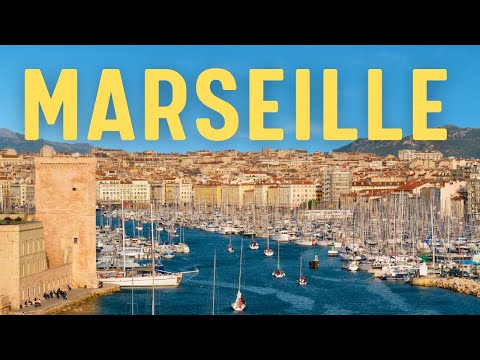
Marseille Travel Guide – France
Martijn Around The World – Travel
The ULTIMATE Guide To Spending A Day In Marseille (Food …
Sara & Ryan
You are currently viewing a placeholder content from Vimeo. To access the actual content, click the button below. Please note that doing so will share data with third-party providers.
More InformationYou are currently viewing a placeholder content from YouTube. To access the actual content, click the button below. Please note that doing so will share data with third-party providers.
More InformationYou need to load content from reCAPTCHA to submit the form. Please note that doing so will share data with third-party providers.
More InformationYou are currently viewing a placeholder content from GetYourGuide. To access the actual content, click the button below. Please note that doing so will share data with third-party providers.
More Information