
Girona: The Complete Travel Guide (2026)
Last reviewed: September 2026 · key facts checked against Wikidata
Girona Travel Guide: Everything You Need to Know (2026)
Girona is a Catalan city of 108,666 residents sitting at 70m elevation at the confluence of four rivers — the Ter, Onyar, Galligants, and Güell — just 37km from the Costa Brava coast. Founded as a Roman settlement called Gerunda around 77 BC, it became one of medieval Europe’s most important Jewish communities. What surprises most visitors is how much history, gastronomy, and architecture is packed into a city routinely overshadowed by Barcelona, just 100km to the south.
Arrival & Airport
How do I best get to Girona?
The fastest option is the AVE high-speed train from Barcelona in 38 minutes, costing around €15–€25 one-way. In my experience, this is the definitive way to arrive — trains run roughly every hour from Barcelona Sants. Girona also has its own airport, GRO (Girona-Costa Brava Airport), served primarily by Ryanair, located 13km south of the city centre. The caveat: GRO has limited routes, mostly from the UK and Central Europe, and is poorly connected to the city — the Sagalés bus to the centre takes 35 minutes and costs €2.75. My tip: fly into GRO if Ryanair prices are low, otherwise use the train from Barcelona.
Which airport is closest to Girona?
Girona-Costa Brava Airport (GRO) is the closest, just 13km south of the city. It’s predominantly a Ryanair hub serving budget routes from the UK, Germany, Poland, and Ireland. What most guides omit: if you’re connecting from a long-haul flight, Barcelona El Prat (BCN), 100km south, is far better connected globally and the train from Barcelona to Girona runs until late. I recommend GRO only if you find a direct Ryanair fare under €50 — otherwise the hassle of its limited bus service and irregular schedule negates the proximity advantage compared to BCN plus the 38-minute AVE train.
How long does the journey to Girona take from Barcelona?
By AVE high-speed train from Barcelona Sants, the journey is exactly 38 minutes. By standard regional train it’s 1 hour 20 minutes, costing around €10. Driving the AP-7 motorway takes about 55 minutes but tolls add roughly €8–€12 each way — a cost most road-trip guides forget to mention. In my experience, the AVE is unbeatable value for time. What surprised me: Girona station sits just 10 minutes’ walk from the old city walls, so you’re exploring El Call Jewish Quarter within an hour of leaving central Barcelona.
Do I need a car in Girona?
No — Girona’s old city (Barri Vell) is entirely walkable within a 20-minute radius. In my experience, a car is actively a liability here: the historic centre is largely pedestrianised, parking in the centre costs €2–€3/hour, and the main sights — Cathedral, El Call, Eiffel Bridge — are all within a tight footprint. The honest caveat: if you plan day trips to Costa Brava coves like Calella de Palafrugell or the Dalí Theatre-Museum in Figueres, a rental car opens up significant freedom. Rental starts around €35/day from the train station area. For the city itself, your feet are your best transport.
City Transport
What are the best areas to stay in Girona?
Stay in or directly adjacent to Barri Vell (the walled old city) — it puts you within 5 minutes of every major sight. My top pick for character is the streets around Plaça de la Independència, right on the Onyar River, where you wake up to views of the famous coloured houses. The honest trade-off: old-city accommodation commands a 20–30% premium over the newer Eixample district west of the river. Eixample is quieter, cheaper, and only a 10-minute walk to the Cathedral. I recommend avoiding accommodation near Girona train station — it’s fine functionally but lacks atmosphere and adds a 15-minute walk to sights.
What does accommodation cost per night in Girona?
An economy hotel runs approximately €55/night based on verified Numbeo data. Mid-range hotels in Barri Vell like Hotel Llegendes de Girona average €90–€140/night. Boutique options on the Onyar riverfront push €150–€220 in peak season. My tip: searching for apartments on Booking.com in the Mercadal neighbourhood typically saves 25–30% versus equivalent river-view options. The caveat most guides miss: Girona prices spike dramatically during Temps de Flors (the flower festival in May) and Game of Thrones tourism peaks in summer — book 3 months ahead for those periods or pay double.
How far in advance should I book accommodation in Girona during high season?
For July and August — Girona’s peak months — book at least 8–10 weeks ahead for anything in Barri Vell with decent reviews. The Temps de Flors flower festival (May) fills the city within 3 months of its announced dates — I’d say this is Girona’s most under-anticipated booking crunch. In my experience, October, which is one of the best travel months climatically, catches many visitors off-guard: Girona Film Festival (FiraSci) and autumn cycling events create unexpected spikes. Low season (January–February) needs no advance booking — you’ll find the €55–€70 economy hotels available last-minute. My tip: always confirm free cancellation policies given how quickly Catalan festival dates shift.
Are there special accommodation types worth considering in Girona?
Yes — Girona has a handful of genuinely special stays most generic guides overlook. Casa Cundaro, a restored 12th-century Jewish house inside El Call, offers just 6 rooms and an extraordinarily intimate connection to medieval history — book 3 months ahead minimum. Mas farmhouses in the surrounding Gavarres hills, reachable in 15 minutes by car, offer rural Catalan character at €80–€120/night with private pools. What surprised me: several apartment rentals on the Onyar bridges corridor — legally registered ones — put you above the iconic coloured houses for around €100/night. The caveat: these book out in under 48 hours when listed, so set Booking.com alerts.
Accommodation & Neighbourhoods
What are the must-sees in Girona?
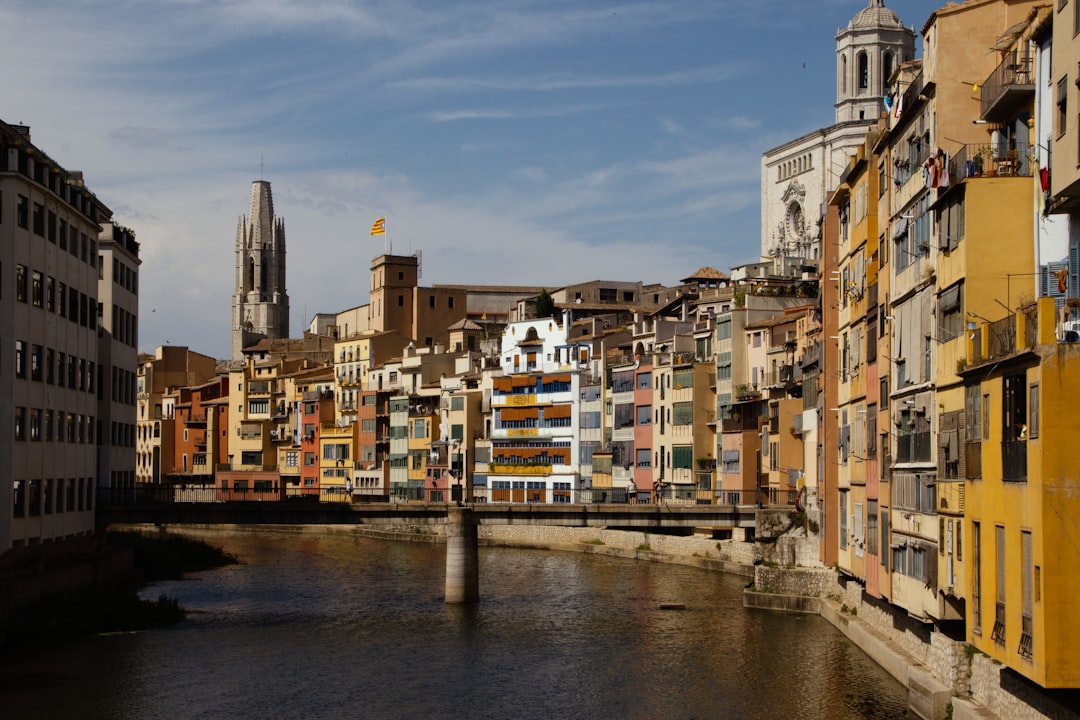
Girona Cathedral — with its single Gothic nave measuring 23m wide, the broadest in the world — is non-negotiable. Walk the City Walls (Passeig Arqueològic) for free panoramic views. El Call (the medieval Jewish quarter) is one of the best-preserved in Europe, anchored by the Museum of Jewish History (MUHBA). The Onyar River coloured houses photographed from Pont de Pedra are unmissable at golden hour. In my experience, the Sant Pere de Galligants Monastery housing the Archaeology Museum is routinely skipped despite being extraordinary. Entry to most museums costs €4–€7. The honest trade-off: Game of Thrones filming locations draw crowds to the Cathedral steps — visit before 9am to avoid tour groups.
What can I experience for free in Girona?
The City Walls (Passeig Arqueològic) are completely free and offer the best elevated views over the Cathedral and old city rooftops — allow 45 minutes. Walking El Call’s labyrinthine alleys costs nothing, as does crossing all 7 historic bridges over the Onyar. The Devesa Park, one of Catalonia’s largest plane tree gardens at 44 hectares, is a perfect free afternoon escape. In my experience, the exterior viewing of the Eiffel Bridge (Pont de les Peixateries Velles) — yes, designed by Gustave Eiffel’s company in 1877 — is as rewarding as any paid sight. My tip: the Barri Vell evening passeig from 7–9pm along Rambla de la Llibertat is free, local, and completely authentic.
Which day trips from Girona are most worthwhile?
Figueres (37km north, 30 minutes by train, ~€8) is essential for the Dalí Theatre-Museum — book tickets online at least 2 weeks ahead or face 2-hour queues. Besalú, a perfectly preserved medieval bridge-town 32km northwest, is a half-day trip by bus or car and shocks most visitors with its scale. The Costa Brava coast — specifically Calella de Palafrugell (56km east) — requires a car but delivers Mediterranean cove beaches in 1 hour. The caveat: Cadaqués, the postcard-perfect fishing village, is 1 hour 20 minutes by car on winding roads — worth it overnight, but exhausting as a single day trip despite what every blog claims.
What local specialities should I eat in Girona?
Girona sits in arguably Spain’s greatest culinary province. Botifarra amb mongetes (pork sausage with white beans) is the essential Catalan dish — try it at Cafè Le Bistrot near the Cathedral for under €12. Suquet de peix (Catalan fish stew) uses Costa Brava seafood and appears on most old-town menus. In my experience, the truffles from the Garrotxa region appear on Girona menus November through February and represent extraordinary value at €15–€20 for truffle-enhanced dishes. The honest caveat: El Celler de Can Roca (3 Michelin stars, consistently ranked world’s best) is in Girona — but requires reservations 11 months in advance via their online lottery. Don’t plan your trip around it.
Highlights & Must-Sees
What makes Girona unique compared to other Spanish cities?
Girona’s El Call is one of Europe’s 3 best-preserved medieval Jewish quarters alongside Toledo and Prague — and the least touristed of them. The convergence of 4 rivers inside the city creates a unique urban geography found nowhere else in Catalonia. What surprised me most: Girona is a functioning world-class cycling city — home to pro teams including former Team Sky/INEOS riders who base themselves here, with dedicated cycling infrastructure covering 200+ km of routes. The city also maintains a genuinely local identity with real neighborhoods despite heavy tourism — Sant Feliu neighbourhood south of the Cathedral still has bakeries and bars catering purely to residents, not visitors.
How many days are worthwhile in Girona?
2 full days covers every major sight in the old city thoroughly. 3 days allows one day trip (I recommend Figueres + Besalú combined in a single car day). 4–5 days makes sense only if you’re using Girona as a base for Costa Brava exploration. In my experience, most visitors on a day trip from Barcelona leave feeling they needed more time — the Cathedral, El Call, City Walls, and river walk alone fill a rewarding 6-hour itinerary. The honest caveat: Girona rewards slow walking and café-sitting more than sight-ticking — if you’re rushing 8 attractions in a day, you’ve missed the point of the city entirely.
When is the best time to visit Girona?
July and October are the verified best months based on climate data. October is my personal recommendation: temperatures around 18–22°C, minimal rain, no summer crowds, and the Girona Film Festival adds cultural energy. July delivers guaranteed sun and buzzing terraces but brings significant tourist pressure from Costa Brava beach visitors using Girona as a stopover. May is spectacular for Temps de Flors (flower festival) — the city installs floral displays across every courtyard and staircase — but accommodation sells out entirely. The caveat almost no guide mentions: January and February are magical for architecture photography (empty streets, low golden light) at 30–40% cheaper accommodation rates.
Are there local festivals in Girona worth attending?
Temps de Flors (mid-May, 10 days) transforms Girona’s patios, courtyards, and monuments into floral installations — it’s genuinely one of Spain’s most beautiful festivals and admission is free. The Girona Film Festival (FiraSci, late October) screens international cinema across the old city’s public spaces for €5–€8/screening. Sant Narcís (end of October, 10 days) is Girona’s patron saint festival with free concerts, fairground rides in Devesa Park, and the authentic local energy most tourists never witness. In my experience, Sant Narcís is the most underrated festival in Catalonia — hotels stay reasonably priced and you’re surrounded by locals, not tour groups.
Food & Drink
How does weather in Girona affect activities throughout the year?
Girona’s inland Mediterranean climate means hotter, drier summers and colder winters than the coast — temperatures can hit 35°C+ in July and August, making midday old-city walking genuinely uncomfortable by 1–4pm. I recommend structuring summer days around early morning sightseeing (8–11am), a long lunch break, then evening exploration from 6pm. Winter (December–February) averages 8–12°C — cool but entirely functional for walking. The caveat: Girona sits in a river valley and gets the Tramontane wind in winter and spring, which can feel bitterly cold even at mild temperatures. Pack a proper windproof layer for any visit before May or after October.
How crowded does Girona get in peak season?
July and August bring significant pressure around the Cathedral, El Call, and Onyar bridges — queues of 30–45 minutes form at the Cathedral entrance by 10am. The Game of Thrones connection (the Cathedral steps feature prominently as King’s Landing) draws a specific wave of pilgrimage tourists year-round. In my experience, Saturday mornings in summer are the most congested period — cruise passengers from Barcelona Port (100km south) arrive in coach groups by 10:30am. My tip: the City Walls and Sant Pere de Galligants neighbourhood remain genuinely uncrowded even in peak season, absorbing almost no overflow crowds. Visit the Cathedral before 9am or after 5pm for near-solitude.
How safe is Girona?
Girona is extremely safe — it’s consistently among Spain’s top 5 safest cities per national crime statistics for cities over 108,666 residents. In my experience walking the old city at midnight, it felt safer than most European capitals at noon. The honest caveat: petty pickpocketing occurs near the Cathedral steps and Rambla de la Llibertat during peak summer, exactly as in any tourist-dense area — keep bags zipped at the front and wallets in front pockets. There are no no-go neighbourhoods — even the train station area is completely benign. Medical emergency services (Hospital Universitari de Girona) are world-class and located just 1.5km from the old city.
Is English widely spoken in Girona?
English is spoken competently in hotels, restaurants, and tourist areas throughout the old city. In my experience, staff at the Cathedral, City History Museum, and Jewish History Museum all speak fluent English. The caveat: outside the Barri Vell, especially in local bakeries, neighbourhood bars, and markets, you’ll encounter predominantly Catalan and Spanish — which is part of the authentic charm. Catalan is the primary language locals speak to each other; Spanish is the second language. Attempting a few words of Catalan (gràcies = thank you, bon dia = good morning) earns enormous goodwill. Don’t assume Catalan speakers are Spanish — many are quietly proud of the distinction.
Practical Tips
What is the daily budget for visiting Girona?
A budget day (economy hotel, cheap meals, free sights): €65–€80/person. A mid-range day (decent hotel, sit-down lunches, paid museums): €120–€160/person. A comfortable day with a riverside hotel, one restaurant meal, and activities: €180–€220/person. Based on verified Numbeo data: a cheap meal costs approximately €9, a mid-range dinner for 2 costs €16.20, and local transport is €1.50/trip. In my experience, food is where Girona genuinely over-delivers on value — a 3-course menú del día with wine at lunch runs €12–€16 in restaurants one street back from the tourist circuit. The hidden cost: Temps de Flors week inflates accommodation 40–60% above standard rates.
How does Girona’s public transport work?
Within the city, Girona operates TMG bus lines covering all neighbourhoods — a single ticket costs €1.50 and a 10-trip card costs €8.50. The honest assessment: for tourists, the bus network is largely irrelevant because the entire old city is walkable within 20 minutes end-to-end. The Girona train station connects regionally to Figueres (30 min, ~€6), Barcelona (38 min AVE, ~€20), and the coast. For Costa Brava destinations, SARFA buses depart from the bus station adjacent to the train station — routes serve Palafrugell, Begur, and Cadaqués seasonally. My tip: buy regional train tickets on the Renfe app at least 3 days ahead to access the cheapest advance fares.
Which apps do you recommend for visiting Girona?
Renfe app — essential for booking AVE and regional trains; book 3+ days ahead for cheapest fares. TMG Bus app — real-time Girona city bus tracking (rarely needed but useful for airport bus timing). Google Maps works reliably for navigation but I recommend downloading the Girona offline map before arrival — the old city’s medieval streets confuse even seasoned navigators. Duolingo for 10 minutes of Catalan basics before you go — locals notice. For dining, TheFork (ElTenedor) lists Girona restaurants with real-time availability and occasional 30% discounts on quieter nights. The honest caveat: El Celler de Can Roca bookings are only possible through their official website — no third-party app will help you secure a table.
Tours & Activities in Girona
More Destinations in Europe
Explore our complete travel guides for more Europe destinations: Nice Travel Guide (2026), Amiens Travel Guide (2026), Grenoble Travel Guide (2026), Granada Travel Guide (2026), Unusual Places to Consider Visiting.
Girona at a Glance
| Population | 108,666 |
|---|---|
| Currency | EUR (€) |
| Official language | Catalan |
| Time zone | UTC+01:00 |
Source: Wikidata, retrieved September 2026.
Useful Resources for Planning Your Trip to Girona
- Wikipedia: Girona — history, geography and background
- Lonely Planet: Girona — itineraries and travel inspiration
- TripAdvisor: Girona — hotels, restaurants and traveller reviews
🎥 Girona Travel Videos
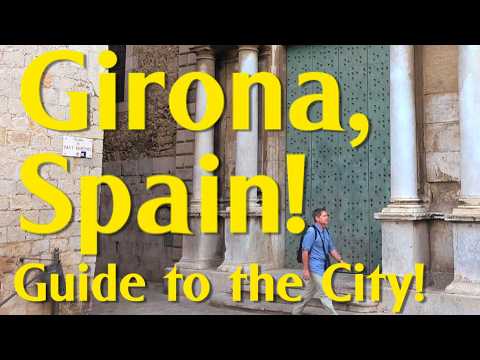
Guide to Girona, Spain! #travel #spain #history #guide
The Road Less Traveled
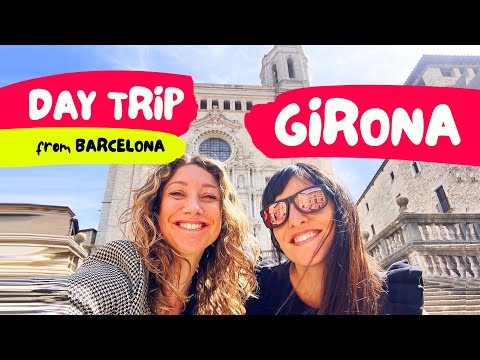
GIRONA DAY TRIP from Barcelona! Spain Travel Guide 2025 …
Pickapictour “Barcelona by a local”
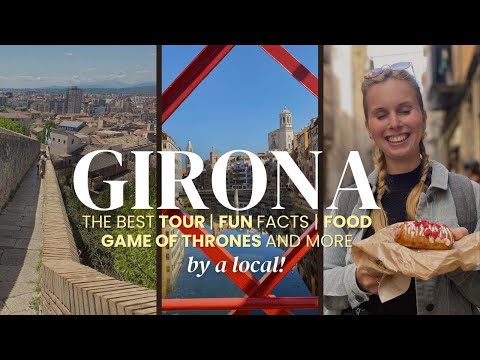
Girona travel guide: best things to do!
mariaSmiles
You are currently viewing a placeholder content from Vimeo. To access the actual content, click the button below. Please note that doing so will share data with third-party providers.
More InformationYou are currently viewing a placeholder content from YouTube. To access the actual content, click the button below. Please note that doing so will share data with third-party providers.
More InformationYou need to load content from reCAPTCHA to submit the form. Please note that doing so will share data with third-party providers.
More InformationYou are currently viewing a placeholder content from GetYourGuide. To access the actual content, click the button below. Please note that doing so will share data with third-party providers.
More Information