
Champagne: The Complete Travel Guide (2026)
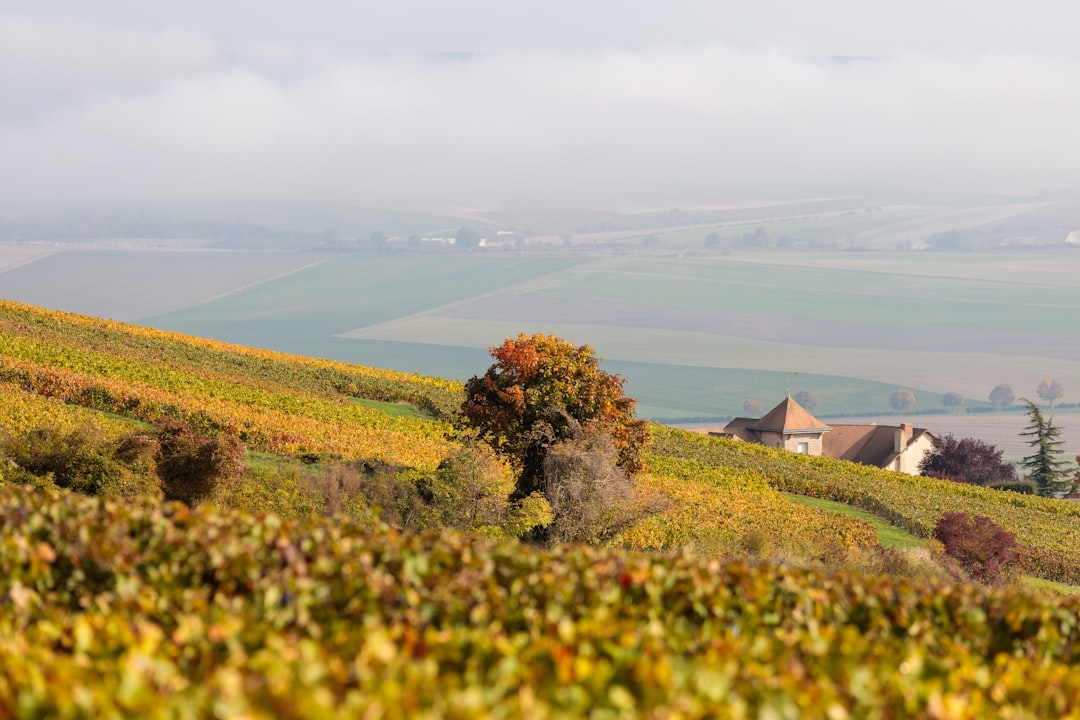
Champagne Travel Guide: Everything You Need to Know (2026)
Champagne, the storied wine region northeast of Paris, stretches across roughly 34,000 hectares of UNESCO-listed vineyards and produces over 300 million bottles annually. The regional capital Reims was founded by the Romans and boasts a cathedral where 33 French kings were crowned. Sitting just 130 km from Paris, Champagne is one of France’s most accessible yet underexplored wine destinations.
Top 3 Highlights at a Glance
- Reims Cathedral (Cathédrale Notre-Dame de Reims) — A Gothic masterpiece where 33 French kings were crowned, featuring 2,303 original statues on its facade.
- Épernay Avenue de Champagne — A single street housing Moët & Chandon, Perrier-Jouët and more, with 200 km of cellars beneath it.
- Montagne de Reims Vineyard Loop — A 70 km scenic driving route through Premier and Grand Cru villages with tasting rooms open to visitors.
Scroll down for our complete travel guide with tips on getting there, where to stay, costs and more.
Getting There
How do I best reach the Champagne region?
Train from Paris is the fastest and most practical option. In my experience, the TGV from Paris Gare de l’Est to Reims takes just 45 minutes and costs €15–€35 booked in advance on the SNCF app. If you’re targeting Épernay specifically, a regional train from Paris Est takes about 1 hour 20 minutes via Épernay station. Driving via the A4 autoroute takes roughly 1.5 hours from central Paris, which makes sense only if you plan to explore smaller villages off the main wine routes. My tip: avoid driving if you’re planning serious tastings — designated driver logistics quickly become a headache in Champagne.
Which airport is closest to the Champagne region?
Paris Charles de Gaulle (CDG) is your best entry point, sitting approximately 120 km west of Reims. I recommend taking the RER B from CDG to Paris Gare du Nord, then walking to Gare de l’Est for the TGV to Reims — total journey roughly 1 hour 45 minutes and under €40. What surprised me is that many travelers waste money on taxis from CDG directly to Reims, which costs €150–€200 and saves almost no time. Paris Vatry Airport (XCR) is technically closer at just 80 km from Reims but serves only low-cost routes with no onward rail connection — practically useless for most travelers.
How long is the journey from Paris to the Champagne region?
By TGV, Reims is 45 minutes from Paris Gare de l’Est — one of France’s best transport bargains. Épernay is 1 hour 20 minutes by regional train. In my experience, most visitors dramatically underestimate how close Champagne is and either skip it entirely or cram it into a half-day, which is a mistake. The honest caveat: regional train frequency to smaller villages like Hautvillers or Aÿ-Champagne drops to 3–4 trains per day, so once you’re in the vineyards, a car or guided tour becomes essential for flexibility. Budget €15–€35 each way on the fast train depending on booking lead time.
Are there direct bus connections into the Champagne region?
Direct bus connections are limited and I don’t recommend relying on them. FlixBus operates Paris–Reims routes for as little as €5–€12, departing from Bercy Seine in Paris, with a journey time of 1.5–2 hours. However, buses drop you at Reims Maison Blanche on the outskirts, not the city centre. The honest trade-off: while the price is unbeatable, departure times are inflexible and delays are common on the A4 corridor. For inter-village travel within Champagne, local Transdev buses exist but run infrequently — roughly 2–3 times daily between Épernay and Reims. My tip: use buses only as a budget option for the Paris–Reims leg, then switch to a hire car locally.
Is a rental car necessary in the Champagne region?
Yes, a rental car is necessary if you want to explore beyond Reims and Épernay. The three main wine routes — Route Touristique du Champagne, Montagne de Reims, and Côte des Blancs — are virtually inaccessible without one. I recommend hiring from Reims city centre rather than the train station, where prices are often €15–€20 per day cheaper. Expect to pay €40–€70 per day for a standard car including insurance. The critical warning most guides omit: roads through vineyard villages are often single-lane and GPS routing can send you down unpaved tracks between rows of vines. Download Waze with offline maps before you leave the city.
Accommodation
Which towns make good bases in the Champagne region?
Reims is the best all-round base — it has the cathedral, the champagne house cellars of Taittinger and Veuve Clicquot, excellent restaurants, and fast rail access to Paris. Épernay is the better choice for pure wine immersion, sitting right on the Avenue de Champagne with the major houses within walking distance. In my experience, staying in Épernay feels more intimate and wine-focused, while Reims offers more cultural depth and a wider restaurant scene. The honest trade-off: Épernay has limited accommodation options, especially in peak July–August season, and prices spike sharply. For a 5-day itinerary, I recommend 2 nights Reims, 3 nights Épernay.
Where should I stay in the Champagne region?
For maximum atmosphere, stay at a chambre d’hôte (B&B) run by a grower-producer in villages like Hautvillers, Aÿ-Champagne, or Cramant. Many offer cellar tours and morning tastings included in the room rate. In Reims, the Hôtel de la Paix near the cathedral offers solid mid-range quality. In Épernay, La Villa Eugène — a 19th-century mansion on the Avenue de Champagne — is my top splurge recommendation. What surprised me is how many excellent village gîtes go unbooked even in peak season because travelers default to the cities. Booking through Gîtes de France opens up properties that never appear on major booking platforms.
What does accommodation cost in the Champagne region?
Budget options in Reims start at €65–€85 per night for a clean two-star hotel near the centre. Mid-range hotels in Épernay run €110–€160 per night. Vineyard B&Bs in villages like Mareuil-sur-Aÿ average €90–€130 per night including breakfast. The honest caveat: during the October grape harvest (vendanges), prices across the region jump 30–50% and rooms disappear within hours of availability. Luxury options like Les Crayères in Reims — a Michelin-starred château hotel — start at €350 per night. My tip: village B&Bs consistently over-deliver on value compared to town hotels; the personal winemaker contact alone is worth it.
How far in advance should I book accommodation in the Champagne region?
For June–August, book at least 8–10 weeks ahead for mid-range and village accommodation. For the October harvest period, I strongly recommend booking 4–6 months in advance — this is non-negotiable. What surprised me is that even Épernay’s small hotel stock (under 15 properties in town) sells out entirely during the Fêtes de la Vigne weekend in September. For off-peak travel in March–April or November, last-minute booking is fine and you’ll often find rates 20–25% lower than the listed rack rate. My tip: always email village B&B owners directly — they frequently hold back rooms from online platforms for direct bookings at reduced rates.
When is the best time to visit the Champagne region?
June through September offers the best combination of weather, vineyard scenery, and cellar access. My personal favourite window is mid-September to mid-October, when the harvest transforms the region — the vines turn gold and amber, harvest crews fill the villages, and the air smells of fermenting juice. July and August are the most reliable for warm, dry weather averaging 22–24°C. The honest trade-off: harvest season brings the region’s most authentic atmosphere but also its highest prices and tightest accommodation. May is an underrated option — vineyards are vivid green, crowds are thinner, and most cellar doors are open. Avoid January–February when many smaller houses close entirely.
Best Time to Visit
How does the weather affect activities in the Champagne region?
Rain affects outdoor vineyard walks and cycling routes significantly — the chalky Côte des Blancs soil turns slippery when wet. In my experience, the underground crayères (chalk cellars) at houses like Pommery and Taittinger are the perfect wet-day activity, maintaining a constant 10–12°C year-round. Summer afternoons above 28°C are increasingly common and make midday vineyard walks uncomfortable — I recommend morning hikes before 10am. The critical warning: spring frost in April–May is the single biggest threat to the vintage and can close some tasting rooms while producers manage crop damage. Always check ahead before visiting smaller grower-producers in early spring.
Are there local festivals in the Champagne region worth attending?
Yes, and they’re genuinely spectacular. Les Sacres du Folklore in Reims every June fills the cathedral square with international folk dancers for 5 days — free to attend. The Habits de Lumière festival in Épernay in December projects light shows onto the Avenue de Champagne facades and attracts over 30,000 visitors in a single weekend. My top recommendation is Les Vendanges de Montagne in October in the Montagne de Reims villages — a harvest festival with free tastings, vine tours, and communal meals. The honest caveat: Habits de Lumière in December is magical but accommodation becomes nearly impossible to find within 30 km — book at least 6 months ahead.
When does the Champagne region get crowded?
July and August bring the highest tourist volumes, particularly on the Avenue de Champagne in Épernay and at Reims Cathedral. The October harvest draws a different, more wine-focused crowd that can be equally intense. What surprised me is that Épernay feels visibly overwhelmed on summer weekends — the Avenue de Champagne becomes gridlocked with tour buses by 11am on Saturdays. My tip: visit major houses like Moët & Chandon on weekday mornings before 9:30am to avoid tour groups. The Côte des Blancs villages south of Épernay — places like Avize and Oger — remain genuinely quiet even in peak season because most tour itineraries skip them entirely.
What does a daily budget cost in the Champagne region?
A realistic mid-range daily budget is €120–€160 per person including accommodation, meals, and 2–3 tastings. Budget travelers staying at village B&Bs and eating at bistros can manage €80–€100 per day. The honest breakdown: accommodation €55–€80, lunch €15–€20 at a local brasserie, dinner €30–€45, and cellar tastings €15–€35 per house. In my experience, the tasting fees add up faster than expected — visiting 4 champagne houses in a day easily costs €60–€100 in entry and tasting fees alone before you buy a single bottle. My tip: prioritize 2 major houses and 1 grower-producer per day to balance cost and quality of experience.
Is the Champagne region cheaper or more expensive than other French wine regions?
Champagne is 15–25% more expensive than comparable French wine regions like Burgundy’s Côte de Beaune or Alsace. The product commands premium pricing everywhere — even a casual glass at a village café starts at €8–€12. Restaurant meals in Épernay average €18–€25 for a main course, noticeably above the French provincial average. The honest trade-off: the cellar tour experiences at major houses are genuinely exceptional value compared to equivalent wine tourism in Napa Valley or Tuscany, where similar tours cost twice as much. Food outside restaurants is reasonable — a market lunch in Reims’s covered Les Halles du Boulingrin runs €10–€14 with a glass of wine included.
Budget
What free highlights are there in the Champagne region?
More than you’d expect. Reims Cathedral exterior and interior are free to enter — only the tower climb costs €8. The Parc de la Patte d’Oie vineyard walk in Hautvillers, the village where Dom Pérignon developed the méthode champenoise, is completely free and offers panoramic views over the Marne Valley. The War Memorial Butte de Vauquois near Varennes-en-Argonne — a WWI site where Germans and French tunnelled directly beneath each other — is free and profoundly moving. In my experience, the Saturday morning market in Reims on Place du Boulingrin is one of northeastern France’s best free experiences, with regional cheeses, charcuterie, and the odd grower selling bottles directly from a van.
What do local specialities cost in the Champagne region?
A glass of Champagne AOC at a producer’s tasting room starts at €8 for a non-vintage brut and reaches €25–€40 for a prestige cuvée pour. The regional dish potée champenoise (a pork and vegetable stew) costs €14–€18 at a traditional restaurant. Chaource cheese — the local AOC soft cheese — costs €4–€6 for a whole round at a market stall. A bottle of grower-producer Champagne bought directly at the cellar door runs €18–€28, which is 30–40% cheaper than the same wine in a Paris restaurant. My tip: buying 6 bottles directly from a récoltant-manipulant in Aÿ-Champagne or Le Mesnil-sur-Oger is the single best-value purchase you can make in the region.
Which route do you recommend for 5–7 days in the Champagne region?
Day 1–2: Reims — cathedral, Palais du Tau, and cellar tours at Taittinger and Veuve Clicquot. Day 3: Montagne de Reims loop — drive through Verzenay (visit the lighthouse-museum), Bouzy rouge tasting, and Ambonnay. Day 4–5: Épernay — Avenue de Champagne houses, then south to Côte des Blancs villages Cramant and Le Mesnil-sur-Oger for Blanc de Blancs tastings. Day 6: Vallée de la Marne — Hautvillers, Châtillon-sur-Marne, and the Statue of Urban II. Day 7: Troyes — the medieval half-timbered city 70 km south, often skipped but unmissable. My honest caveat: 5 days feels rushed; 7 days allows you to slow down and truly engage with individual winemakers.
What are the must-see sights in the Champagne region?
Reims Cathedral is non-negotiable — the scale of its sculptural programme is staggering even by French Gothic standards. The underground crayères at Pommery in Reims — 18 km of chalk galleries carved by Romans — rank among France’s most atmospheric cellar experiences. Épernay’s Avenue de Champagne is more than a marketing cliché: standing above 200 km of cellars holding over 200 million bottles, it genuinely earns its UNESCO-listed status. The Basilique Saint-Remi in Reims is frequently overlooked in favour of the cathedral but holds equal historical weight as the burial site of Saint Remigius. In my experience, Hautvillers Abbey — where Dom Pérignon worked for 47 years — is always moving despite being modest in scale.
What natural highlights does the Champagne region offer?
The Parc Naturel Régional de la Montagne de Reims covers 69,000 hectares and contains forests, vineyards, and the extraordinary Faux de Verzy — a grove of contorted, umbrella-shaped beech trees (Fagus sylvatica tortuosa) that appear like something from a fairy tale. The Lac du Der-Chantecoq, 120 km southeast of Reims, is Europe’s largest artificial lake and a critical winter stopover for 60,000–80,000 Common Cranes migrating through in October–November. The Marne Valley between Épernay and Château-Thierry offers excellent cycling along the Canal latéral à la Marne. What surprised me is how few visitors explore beyond the vineyards — the forests of the Parc Naturel alone justify a half-day detour.
Routes & Highlights
What local specialities should I try in the Champagne region?
Beyond Champagne itself, the region has a strong food identity. Chaource — a creamy AOC cheese from the southern Aube — pairs perfectly with a Blanc de Blancs and costs €4–€6 at markets. Boudin blanc de Rethel (white sausage, AOC protected) is the region’s most distinctive charcuterie and costs €8–€12 at a charcutier. Coteaux Champenois — still red wine from Bouzy — is a revelation almost no visitor tries; expect to pay €15–€22 per bottle at the producer. My tip: eat potée champenoise at least once — it’s the honest, peasant counterpart to the region’s luxury image and costs €14–€18 at a traditional auberge. Skip the tourist menus offering Champagne sorbet at every course.
What activities are available in the Champagne region?
Cellar tours and tastings are the obvious draw — Moët & Chandon charges €30–€55 for a guided tour with tasting, while smaller grower-producers often charge €10–€15 or nothing at all. Cycling the Route du Champagne en Vélo covers 350 km of signed trails with e-bike hire available in Reims and Épernay from €30 per day. Hot air balloon flights over the vineyards with operators like Champagne Balloon cost approximately €200–€250 per person for a 1-hour flight — expensive but genuinely spectacular. In my experience, joining a harvest volunteer program in October through local domaines is the most immersive activity available and sometimes includes free accommodation in exchange for work.
What distinguishes the Champagne region from other French wine regions?
Champagne is the only wine region in France where the final product is legally tied to a geographic origin by international treaty — not just EU law. The chalk subsoil (belemnite chalk) found nowhere else in France at this depth creates a minerality impossible to replicate. Unlike Bordeaux or Burgundy, where tourism infrastructure centres on châteaux, Champagne’s experience is fundamentally underground — those 18 km of Pommery cellars and the chalk galleries beneath Épernay are unique worldwide. What surprised me most is the scale of the grower-producer movement: over 4,000 individual vignerons make their own Champagne in the region, offering tasting experiences that rival the grandes maisons at a fraction of the price.
Which day trips are possible from the Champagne region?
Troyes is the most rewarding day trip — 70 km south of Épernay, it has France’s finest concentration of half-timbered medieval architecture and a beautiful Gothic cathedral, all without tour-bus crowds. Verdun is 110 km east of Reims and one of WWI’s most powerful memorial landscapes — the Ossuary of Douaumont holds the bones of 130,000 unidentified soldiers. Laon, 45 km north of Reims, sits on a dramatic hilltop with a Romanesque cathedral predating Reims’s Gothic masterpiece by decades. My tip: the day trip to Soissons (60 km west) is consistently underrated — its ruined abbey nave, left open to the sky since WWI shelling, is one of France’s most haunting monuments.
Are there language barriers in the Champagne region?
English is widely spoken at major champagne houses in Reims and Épernay — all the grandes maisons like Moët & Chandon, Taittinger, and Pommery offer English-language tours as standard. The honest caveat: in smaller villages and at grower-producer domaines, English drops off sharply. I recommend downloading Google Translate with French offline pack before arrival. Restaurant menus outside the main cities are rarely translated. My tip: learning five phrases — ’Une dégustation s’il vous plaît’, ’Avez-vous une chambre?’, ’L’addition s’il vous plaît’, ’Sans réservation’, and ’Pas trop sucré’ — will take you remarkably far and is always appreciated by locals who find tourists making zero effort frustrating.
Practical Tips
Which apps do you recommend for visiting the Champagne region?
SNCF Connect is essential for booking trains from Paris — fares to Reims can drop below €10 with advance booking. Waze outperforms Google Maps for rural Champagne navigation, especially on the Côte des Blancs back roads. Vignobles & Découvertes (the official Champagne tourism app) maps over 400 producer cellar doors with opening hours and booking links. Too Good To Go works surprisingly well in Reims for discounted end-of-day meals at restaurants. For wine notes, Vivino is handy for scanning bottles at producers, though grower-producer cuvées are often too small to appear in the database. My tip: download offline maps.me maps of the Marne département before your trip — phone signal disappears in vineyard valleys with alarming frequency.
Are there medical facilities in the Champagne region?
Yes, the region is well-served. CHU de Reims (Centre Hospitalier Universitaire) is a full-service university hospital handling emergencies 24/7 — located on Rue du Général Koenig in Reims. Épernay has the smaller but functional Hôpital Auban-Moët for non-critical care. EU citizens with a European Health Insurance Card (EHIC) receive the same state healthcare rights as French nationals, covering roughly 70% of costs — bring yours. Non-EU travelers must rely on travel insurance — I strongly recommend coverage of at least €100,000 for medical evacuation given the region’s distance from major trauma centres. Pharmacies (identified by green cross signs) are in every town and provide solid first-line medical advice without an appointment.
How safe is the Champagne region?
Champagne is extremely safe by any European standard. Reims has typical French city petty crime — pickpocketing around the Place du Boulingrin market and the train station area — but nothing beyond standard urban vigilance. The vineyard villages and rural areas are essentially crime-free. The honest warning most guides omit: drink-driving is the genuine safety risk in this region. French police run frequent checkpoint controls on roads leaving Épernay on weekends, and a blood alcohol limit of 0.5g/L (lower than the UK’s 0.8g/L) catches unprepared visitors. I always recommend a designated driver or using the local taxi app G7 for evening winery visits. Road conditions are good but rural lanes narrow dramatically.
What are common traveller mistakes in the Champagne region?
The biggest mistake: visiting only the grandes maisons and missing grower-producers entirely. Moët & Chandon is impressive but a récoltant-manipulant in Aÿ or Cumières offers a personal, unhurried tasting at half the price. Second mistake: skipping Troyes — it’s within 70 km and has better medieval architecture than most destinations people fly internationally to see. Third mistake: over-scheduling tastings — attempting 5 cellar visits in one day is physically exhausting and analytically useless; 2–3 per day maximum. What surprised me: many visitors book Paris accommodation and day-trip to Champagne rather than staying overnight — this misses the golden-hour vineyard light at dusk and the genuine rhythm of the region entirely.
Which accommodation types suit the Champagne region best?
Chambres d’hôtes at grower-producer estates are the ideal Champagne accommodation — you wake up surrounded by vines, breakfast often includes a tasting, and hosts provide cellar introductions unavailable to walk-in visitors. Properties in Hautvillers, Dizy, and Mareuil-sur-Aÿ offer this experience from €90–€130 per night. Gîtes (self-catering cottages) in the Parc Naturel Régional suit families or groups staying 4+ nights and average €700–€1,100 per week. City hotels in Reims suit travelers combining Champagne with cultural sightseeing. The honest caveat: boutique hotels are genuinely scarce in Épernay — the town has fewer than 15 hotels in total, making early booking critical. Avoid generic chain hotels on the RN51 bypass — they’re characterless and add unnecessary driving time.
More Destinations in Europe
Explore our complete travel guides for more Europe destinations: Porto Travel Guide (2026), Strasbourg Travel Guide (2026), Huesca Travel Guide (2026), Málaga Travel Guide (2026), Saint-Tropez Travel Guide (2026).
Champagne at a Glance
| Currency | EUR (€) |
|---|---|
| Official language | French |
| Time zone | UTC+01:00 |
Source: Wikidata, retrieved August 2026.
Useful Resources for Planning Your Trip to Champagne
- Wikipedia: Champagne — history, geography and background
- Lonely Planet: Champagne — itineraries and travel inspiration
- TripAdvisor: Champagne — hotels, restaurants and traveller reviews
🎥 Champagne Travel Videos

Champagne Wine Region Travel Tips
The Wine CEO

Our tips for visiting France’s Champagne wine region
Winekellertravel
You are currently viewing a placeholder content from Vimeo. To access the actual content, click the button below. Please note that doing so will share data with third-party providers.
More InformationYou are currently viewing a placeholder content from YouTube. To access the actual content, click the button below. Please note that doing so will share data with third-party providers.
More InformationYou need to load content from reCAPTCHA to submit the form. Please note that doing so will share data with third-party providers.
More InformationYou are currently viewing a placeholder content from GetYourGuide. To access the actual content, click the button below. Please note that doing so will share data with third-party providers.
More Information