
Saint-Tropez: The Complete Travel Guide (2026)
Last reviewed: October 2026 · key facts checked against Wikidata
Saint-Tropez Travel Guide: Everything You Need to Know (2026)
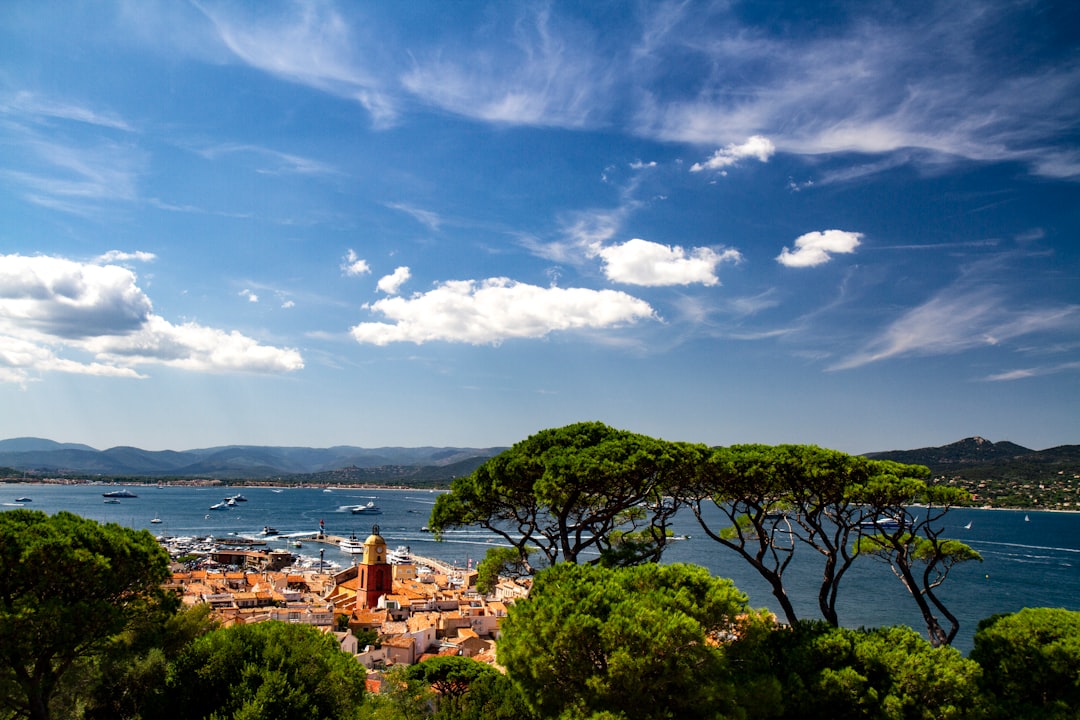
Saint-Tropez sits at 7 metres above sea level on the French Riviera, roughly 68 kilometres west of Nice and 100 kilometres east of Marseille, in the Var department of Provence-Alpes-Côte d’Azur. Once a quiet fishing village, it exploded into global fame after Brigitte Bardot filmed ‘And God Created Woman’ here in 1956. Today its resident population of just 4,402 swells to over 100,000 during peak July and August, making it one of the most dramatic seasonal transformations on the Mediterranean coast.
Top 3 Highlights at a Glance
- Plage de Pampelonne — The legendary 4.5-kilometre beach that launched Saint-Tropez’s global fame, home to iconic beach clubs like Club 55.
- La Citadelle de Saint-Tropez — A 17th-century hilltop fortress offering panoramic Gulf of Saint-Tropez views and a superb naval museum inside.
- Le Port de Saint-Tropez — The old harbour lined with superyachts worth billions — free to stroll, and the best people-watching on the Riviera.
Scroll down for our complete travel guide with tips on getting there, where to stay, costs and more.
Getting There
How do I best reach Saint-Tropez?
Fly into Nice Côte d’Azur Airport (NCE) — it is the most practical gateway. From NCE, the fastest option is a helicopter transfer with Heli Air Monaco, taking approximately 30 minutes and costing around €180–€250 per person each way. Alternatively, rent a car at the airport and drive the 68 kilometres west, which takes roughly 1.5 hours outside summer peak hours — but easily 3+ hours in August traffic. In my experience, the helicopter is genuinely worth it in July and August. Arriving by private or charter boat into the harbour is another realistic option if you are island-hopping along the Riviera.
Which airport is closest to Saint-Tropez?
Nice Côte d’Azur Airport (NCE) is the primary gateway, approximately 68 kilometres northeast of Saint-Tropez. A smaller option is Toulon-Hyères Airport (TLN), roughly 60 kilometres to the west, served by Air France and a handful of European carriers — but with far fewer international connections. What surprised me: there is no commercial airport in Saint-Tropez itself, though a small private airstrip at La Môle Airport (LTT), just 15 kilometres away, handles private jets and is the true VIP shortcut. My tip: unless you are flying private, book NCE and budget for a transfer.
How long is the journey to Saint-Tropez from the nearest major city?
From Nice, the drive is approximately 68 kilometres and takes 1.5 to 3.5 hours depending on season and traffic. From Marseille, it is roughly 100 kilometres and 2 to 3 hours by car. There is no direct train to Saint-Tropez — the nearest rail station is Saint-Raphaël-Valescure, from which buses or taxis cover the remaining 40 kilometres in about 45 minutes off-season. I recommend planning to arrive before 10:00 in summer — the single-road approach to the peninsula becomes a genuine car park by mid-morning in August. Pre-book a parking spot in advance at Parking du Port.
Are there direct bus connections to Saint-Tropez?
Yes, Varlib bus line 7601 connects Saint-Raphaël to Saint-Tropez, running multiple times daily and costing approximately €3 per single journey — by far the cheapest transfer option available. The journey takes 1.5 hours off-season, but stretches to 2.5–3 hours in July and August due to traffic on the D98A road. I recommend this only for shoulder-season travel — in peak summer it is genuinely slow. What most guides omit: the bus drops you at Gare Routière de Saint-Tropez, a 10-minute walk to the port, which is perfectly manageable with a single bag but miserable with large luggage.
Is a rental car necessary in Saint-Tropez?
Within Saint-Tropez town itself, a car is a liability, not an asset. The old village is mostly pedestrianised, parking costs up to €6 per hour at Parking du Nouveau Port, and summer gridlock is legendary. However, to reach Plage de Pampelonne (4 kilometres from town), the Chapelle de la Gioia, and villages like Gassin or Ramatuelle, a car or scooter becomes very useful. My tip: hire a scooter in town for around €50–€70 per day — it handles Riviera roads far better than a car and park anywhere. If you must drive, book parking in advance through the ParkAround app.
Accommodation
Which towns make good bases for exploring the Saint-Tropez area?
Saint-Tropez itself is the obvious base but expensive and congested in summer. For better value without sacrificing access, I recommend Sainte-Maxime across the gulf — a ferry ride of just 15 minutes costing €8 one way on Les Bateaux Verts, with significantly lower hotel prices. Ramatuelle, a hilltop village 10 kilometres south, offers authentic Provençal character and direct access to Pampelonne Beach. Grimaud is another excellent base — quieter, with medieval streets and gulf views, about 12 kilometres from Saint-Tropez. In my experience, staying in Sainte-Maxime and day-tripping by ferry gives the best balance of budget and experience.
Where should I stay in the Saint-Tropez area?
Stay in the old village (La Ponche neighbourhood) if budget is not a concern — you are within walking distance of the port, the Annonciade museum, and the market. Pampelonne Beach road suits those who want to wake up near the water and the beach club scene. For luxury, Les Parcs de Saint-Tropez offers villa-style rooms about 2 kilometres from the centre. Budget travellers should genuinely consider Sainte-Maxime, where a decent hotel room costs roughly half the Saint-Tropez rate and the ferry connection is fast. What surprised me: many visitors overlook the Grimaud area which has charming chambres d’hôtes from around €120 per night.
What does accommodation cost in Saint-Tropez?
Saint-Tropez is among the most expensive accommodation markets in France. A mid-range hotel room in peak July–August starts at €300–€500 per night, while luxury properties like Byblos Saint-Tropez or Château de la Messardière charge €800–€3,000+ per night. Budget options are essentially non-existent within the town itself — the nearest hostel is in Saint-Raphaël, 40 kilometres away. In shoulder season (May, June, September), prices drop to roughly €150–€250 per night for a decent mid-range room. In my experience, renting a private apartment via Airbnb in Ramatuelle or Cogolin for a week cuts costs dramatically compared to any Saint-Tropez hotel.
How far in advance should I book accommodation in Saint-Tropez?
For July and August, book at least 6–9 months in advance — top hotels fill by January for peak summer. The Les Voiles de Saint-Tropez sailing regatta in late September books out accommodation up to 12 months ahead for any room within 20 kilometres. In my experience, last-minute July availability in Saint-Tropez is almost zero at any price point. For May, June, or September, 2–3 months lead time is usually sufficient. My honest warning: many Saint-Tropez properties require a minimum 7-night stay during the last two weeks of July and first two of August — single-night bookings are nearly impossible then.
When is the best time to visit Saint-Tropez?
Based on verified climate data, June, July, August, and September are the best travel months. My personal recommendation is early June or September — the Mediterranean is warm enough to swim (around 22–24°C sea temperature), crowds are 40–50% lower than August, and prices drop significantly. July and August bring the full Riviera experience but also genuine overcrowding — the village population swells from 3,582 residents to over 100,000 daily visitors. What most guides omit: October still offers beautiful light, near-empty beaches, and pleasant temperatures around 18°C, making it arguably the most underrated month for photographers and those seeking authenticity.
Best Time to Visit
How does the weather affect activities in Saint-Tropez throughout the year?
Watersports, beach clubs, and boat trips are realistically limited to May through October. The notorious Mistral wind can blow at 60–80 km/h from the north even in summer, closing beach clubs for 2–3 days at a time — no guide reliably warns you about this. Hiking around Cap Camarat and visiting hilltop villages like Gassin is excellent from March through November. The weekly Tuesday and Saturday market at Place des Lices runs year-round and is genuinely more enjoyable in winter when locals actually outnumber tourists. Winter (November–February) is quiet but charming — roughly 60% of restaurants and shops close for the season.
Are there local festivals in Saint-Tropez worth attending?
Absolutely. The Les Bravades festival in May (15th–17th) is a must — a 450-year-old tradition where locals in 17th-century military costume parade through town firing muskets, celebrating Saint-Tropez’s patron saint Saint Torpes. It is completely free and 100% authentic, attended primarily by locals. Les Voiles de Saint-Tropez in late September–early October is one of the world’s great classic yacht regattas, drawing over 300 historic vessels and thousands of spectators. The Nioulargue festival in early October is newer but increasingly popular. My tip: book accommodation for Les Bravades 4–5 months ahead — even locals’ spare rooms fill up.
When does Saint-Tropez get crowded and should I avoid it?
August is the single most overcrowded month — avoid it entirely unless you specifically want the full party-and-superyacht scene. The village receives over 3 million visitors annually, concentrated into roughly 10–12 weeks. Parking on the D98A road is a literal car park by 9:00 on any August morning. The first two weeks of August are the absolute peak — restaurant queues exceed 90 minutes even with reservations. In my experience, the festival window of 14 July (Bastille Day) weekend is also severely overcrowded. June and September give you 80% of the experience with 40% of the crowd — that is the honest calculation.
What does a daily budget cost in Saint-Tropez?
Saint-Tropez is genuinely one of France’s most expensive destinations. A realistic mid-range daily budget is €200–€350 per person, excluding accommodation. This covers a beach club entry or sunbed hire (€30–€60), a two-course lunch at a mid-range restaurant (€40–€60), one cocktail at a terrace bar (€15–€20), ferry or transport (€10–€15), and one paid attraction. On a strict budget, targeting the Tuesday market, Citadelle museum (€8 entry), and a picnic from Monoprix supermarket on Avenue du Général Leclerc, you can manage €60–€80 per day excluding accommodation. Budget travellers should be honest with themselves — this is not a cheap-travel destination.
Is Saint-Tropez cheaper or more expensive than other French Riviera regions?
Saint-Tropez is more expensive than virtually every other French Riviera destination, including Cannes and Antibes. A beach club lunch that costs €35 in Juan-les-Pins costs €80–€150 at Club 55 in Pampelonne. Hotel rates in August run 30–50% higher than equivalent hotels in nearby Sainte-Maxime. Even a basic café coffee costs €4.50–€5.50 versus €2.50–€3 in Nice. What most guides omit: the village’s Tuesday and Saturday market at Place des Lices sells Provençal produce at normal prices — wheel of cheese around €8, tapenade €4 — and is the single best value experience in town.
Budget
What free highlights are there in Saint-Tropez?
Several genuinely worthwhile experiences cost nothing. The port promenade along Quai Jean Jaurès, lined with superyachts, is free and endlessly entertaining. The Tuesday and Saturday market at Place des Lices is free to browse and worth 2 hours of your time. Sentier du Littoral — the coastal footpath starting at Plage des Graniers — stretches 35 kilometres around the peninsula with extraordinary sea views at zero cost. The Eglise de Saint-Tropez on Place de l’Ormeau is a beautiful free visit. Watching the daily boules games at Place des Lices at sunset costs nothing and is as authentically Provençal as it gets.
What do local specialities cost in Saint-Tropez restaurants?
Tarte Tropézienne — the cream-filled brioche dessert invented here in 1955 by pastry chef Alexandre Micka — costs €5–€8 per slice at the original La Tarte Tropézienne bakery on Place des Lices. A bowl of bouillabaisse (Provençal fish stew) runs €35–€55 at a proper sit-down restaurant. Socca (chickpea pancake) from a market stall is around €3. A glass of local Provence rosé — the unofficial drink of Saint-Tropez — costs €8–€15 at a restaurant, or you can buy a whole bottle from the Cave de Saint-Tropez wine shop for €12–€25. My tip: eat lunch, not dinner — the same menus cost 25–30% less at midday.
Which 5–7 day route do you recommend for exploring Saint-Tropez and its surroundings?
Day 1: Arrive, drop bags, walk the port at golden hour — dinner at Le Sporting on Place des Arts. Day 2: Full beach day at Pampelonne — hire a sunbed at Tropezina Beach (cheaper than Club 55). Day 3: Morning market at Place des Lices, afternoon at Citadelle museum, evening aperitif at Café de Paris on the port. Day 4: Day trip by ferry to Sainte-Maxime (€8), visit Château de la Garde, swim off quieter beaches. Day 5: Drive or scooter to Gassin and Ramatuelle — two hilltop Provençal villages within 10 kilometres, lunch at a village café. Day 6: Hike Sentier du Littoral from Plage des Graniers to Cap Camarat (12 kilometres). Day 7: Explore Grimaud and the nearby Port Grimaud floating village before departing.
What are the must-see sights in Saint-Tropez?
La Citadelle de Saint-Tropez is non-negotiable — this 17th-century hexagonal fortress sits 80 metres above town with 360-degree gulf views and a naval museum inside (€8 adult entry). Musée de l’Annonciade on Place Grammont houses an exceptional collection of Post-Impressionist and Fauvist paintings — works by Signac, Matisse, and Bonnard for just €7 entry. Plage de Pampelonne at 4.5 kilometres is the legendary beach that defined the Riviera’s glamour from the 1950s onward. Place des Lices is the village heart, worth visiting on market days. And the port itself at sunrise — before the crowds — is genuinely one of the most beautiful harbours in Europe.
What natural highlights does the Saint-Tropez area offer?
The Presqu’île de Saint-Tropez (Saint-Tropez Peninsula) is the headline — 35 kilometres of coastal footpath around a forested headland with near-zero development on its southern shores. Cap Camarat lighthouse, at 129 metres, is the second-tallest lighthouse in France and reachable via the Sentier du Littoral. The Massif des Maures mountain range begins just inland — Chartreuse de la Verne monastery in the forest is a stunning 12th-century ruin 25 kilometres from Saint-Tropez. Île du Levant and the nudist island of Île du Levant are reachable by boat from Port de Saint-Tropez in 45 minutes. The gulf itself offers exceptional sailing and snorkelling conditions from June through September.
Routes & Highlights
What local specialities should I try in Saint-Tropez?
Tarte Tropézienne is the single non-negotiable food experience — this orange-blossom cream brioche was created here by pastry chef Alexandre Micka in 1955 and named by Brigitte Bardot herself. Try it at the original La Tarte Tropézienne on Place des Lices. Bouillabaisse is the great Provençal fish stew — best at Le Quai on the port. Local Provence AOC rosé wine from the Château Minuty vineyard (12 kilometres away near Gassin) is exceptional — order it by the glass everywhere. Pan bagnat (olive oil-soaked sandwich with tuna and vegetables) from a market stall makes a perfect beach lunch for around €6–€8. Finish with a pastis aperitif — it is how locals actually end every afternoon.
What activities are available in the Saint-Tropez area?
Watersports dominate from June to September — jet ski hire at Pampelonne Beach costs around €80 for 30 minutes, paddleboard rental €15–€20 per hour, and sailing lessons through Saint-Tropez Sailing School start at €60 per session. Boat rental (self-skippered) from the port starts at roughly €300 per day for a small motorboat — genuinely the best way to explore hidden coves. Hiking the Sentier du Littoral is free and spectacular. Golf de Beauvallon in Sainte-Maxime offers 18 holes with gulf views for around €70 green fees. Wine tasting at Château Minuty is bookable for approximately €20 per person. In winter, hiking the Massif des Maures is my favourite off-season activity.
What distinguishes Saint-Tropez from other French Riviera regions?
Unlike Nice or Cannes, Saint-Tropez has no railway station — its inaccessibility is a defining feature that preserved its village character for longer than any comparable Riviera town. The old fishing port, La Ponche quarter, and winding cobblestone lanes feel genuinely Provençal rather than urban. The beach club culture at Pampelonne is unique in Europe — nowhere else has this concentration of design-forward, celebrity-frequented beach restaurants stretching 4.5 kilometres along a single bay. What surprised me most: despite the global glamour reputation, Place des Lices boules and the Tuesday market operate exactly as they did 50 years ago — two of the most unpretentious experiences on the entire Côte d’Azur.
Which day trips are possible from Saint-Tropez?
Port Grimaud — the Provençal Venice — is just 8 kilometres away and worth 3 hours; walk the canals, cross the bridges, and eat fresh fish on the waterfront. Les Gorges du Verdon (the Grand Canyon of Europe) is 90 kilometres north — a full day trip by car with extraordinary turquoise water and 700-metre canyon walls. Hyères and the Îles d’Or (Porquerolles, Port-Cros) are reachable in 45 minutes by car and then ferry — Porquerolles has arguably the best beaches in southern France. Gassin and Ramatuelle are 10-kilometre hilltop villages combining medieval architecture with sweeping gulf panoramas. My favourite day trip: Porquerolles by ferry — completely car-free island with white-sand beaches that rival the Caribbean.
Are there language barriers in Saint-Tropez?
Minimal for English speakers — English is widely spoken in hotels, restaurants, and beach clubs throughout Saint-Tropez, largely because the tourism industry serves a heavily international clientele (British, American, and Russian visitors particularly dominate in summer). Port-area staff at Les Bateaux Verts ferry company speak English fluently. However, venturing into nearby villages like Ramatuelle or Cogolin, English becomes patchier and basic French phrases genuinely help. My tip: learn 10 French phrases minimum — even a flawed attempt at French earns measurable warmth from locals who deal with monolingual tourists all summer. Google Translate’s camera function handles all menus and signs instantly.
Practical Tips
Which apps do you recommend for visiting Saint-Tropez?
Waze is essential for navigation — it handles the notorious single-road summer traffic on the D98A far better than Google Maps by rerouting dynamically. ParkAround lets you pre-book parking spots in Saint-Tropez, which is genuinely necessary in July–August. Les Bateaux Verts has an app for ferry schedules and tickets between Saint-Tropez and Sainte-Maxime. The Fork (LaFourchette) is critical for restaurant reservations — book at least 2–3 weeks ahead for August dinners. Windy.com tracks the Mistral wind, which can cancel a boat day with zero warning. Doctolib handles medical appointments if needed. My honest caveat: mobile signal in parts of Cap Camarat on the coastal path drops to zero — download offline maps via Maps.me beforehand.
Are there medical facilities in Saint-Tropez?
Saint-Tropez has a Centre Médical on Rue du Docteur Gassin with general practitioners — no advance booking needed for walk-ins, though expect 30–60 minute waits in summer. The nearest full hospital with emergency services is Centre Hospitalier Intercommunal de Toulon-La Seyne, approximately 70 kilometres west — around 90 minutes in summer traffic. For minor issues, pharmacies in town are excellent and French pharmacists are trained to handle wounds, burns, and mild illnesses directly. What most travellers overlook: European Health Insurance Card (EHIC/GHIC) covers EU and UK citizens for basic treatment, but private travel insurance is strongly recommended — a Mistral-related sailing accident or scooter injury can generate serious costs without it.
How safe is Saint-Tropez?
Saint-Tropez is very safe by European standards — violent crime is extremely rare. The primary risk is pickpocketing in the port area and at Place des Lices market, particularly in peak season when crowds are dense. Scooter theft is documented — use the provided lock and lock to a fixed object. Driving the D98A in August is a genuine safety concern — frustration and heat lead to aggressive driving from both tourists and locals. At beach clubs, watch unattended drinks. What surprised me: water safety is the most underreported risk — the Mistral can create unexpectedly strong currents at Cap Camarat and the southern peninsula beaches within 30 minutes. Always check conditions at the beach before swimming.
What are common traveller mistakes in Saint-Tropez?
The biggest mistake is driving into Saint-Tropez village centre in August — you will lose 2–3 hours in traffic each way and pay a fortune for parking. Use the ferry from Sainte-Maxime or park at Les Lices parking and walk. Second: booking restaurant dinners without reservations in July–August — top tables at Le Girelier or Vague d’Or require reservations 4–6 weeks ahead. Third: paying Club 55 peak prices without realising that Tropezina or Tahiti Beach offer comparable Pampelonne experiences at 30–40% lower cost. Fourth: underestimating how early the day starts — the best light, the quietest port, and the best market stalls are all gone by 10:00. I always tell people: wake up at 7:00 in Saint-Tropez and you will experience a completely different, genuinely magical place.
Which accommodation types suit the Saint-Tropez region best?
Villa rental is the most practical accommodation type for the Saint-Tropez area — a villa in Ramatuelle or Gassin sleeping 6–8 people, with a pool and garden, costs €5,000–€15,000 per week in peak summer, which breaks down to roughly €100–€250 per person per night and is genuinely competitive versus comparable hotel rooms. Boutique hotels in La Ponche quarter (central village) give walking access to the port. Chambres d’hôtes (B&Bs) in Grimaud offer the best value — around €120–€180 per night with breakfast included and a 12-kilometre drive to the port. What most guides omit: glamping at Domaine de Bertaud near Gassin offers tent-cabin accommodation from €150 per night — surprisingly upscale and genuinely popular with a younger crowd avoiding hotel prices.
More Destinations in Europe
Explore our complete travel guides for more Europe destinations: Tenerife Travel Guide (2026), Île Rouzic Travel Guide (2026), Caen Travel Guide (2026), Île des Embiez Travel Guide (2026), Chartres Travel Guide (2026).
Saint-Tropez at a Glance
| Population | 3,582 |
|---|---|
| Currency | EUR (€) |
| Official language | French |
| Time zone | UTC+01:00 |
Source: Wikidata, retrieved October 2026.
Useful Resources for Planning Your Trip to Saint-Tropez
- Wikipedia: Saint-Tropez — history, geography and background
- Lonely Planet: Saint-Tropez — itineraries and travel inspiration
- TripAdvisor: Saint-Tropez — hotels, restaurants and traveller reviews
🎥 Saint Travel Videos

St. Thomas Travel Guide: Things That Will Shock First-Time …
Chews to Explore

St. Thomas US Virgin Islands – What to Know Before You Visit
Camilla Johannesen
St. John USVI Travel Guide: The Exit Tip Nobody Tells You
Keep Your Daydream
You are currently viewing a placeholder content from Vimeo. To access the actual content, click the button below. Please note that doing so will share data with third-party providers.
More InformationYou are currently viewing a placeholder content from YouTube. To access the actual content, click the button below. Please note that doing so will share data with third-party providers.
More InformationYou need to load content from reCAPTCHA to submit the form. Please note that doing so will share data with third-party providers.
More InformationYou are currently viewing a placeholder content from GetYourGuide. To access the actual content, click the button below. Please note that doing so will share data with third-party providers.
More Information