
Paris und Île-de-France: The Complete Travel Guide (2026)
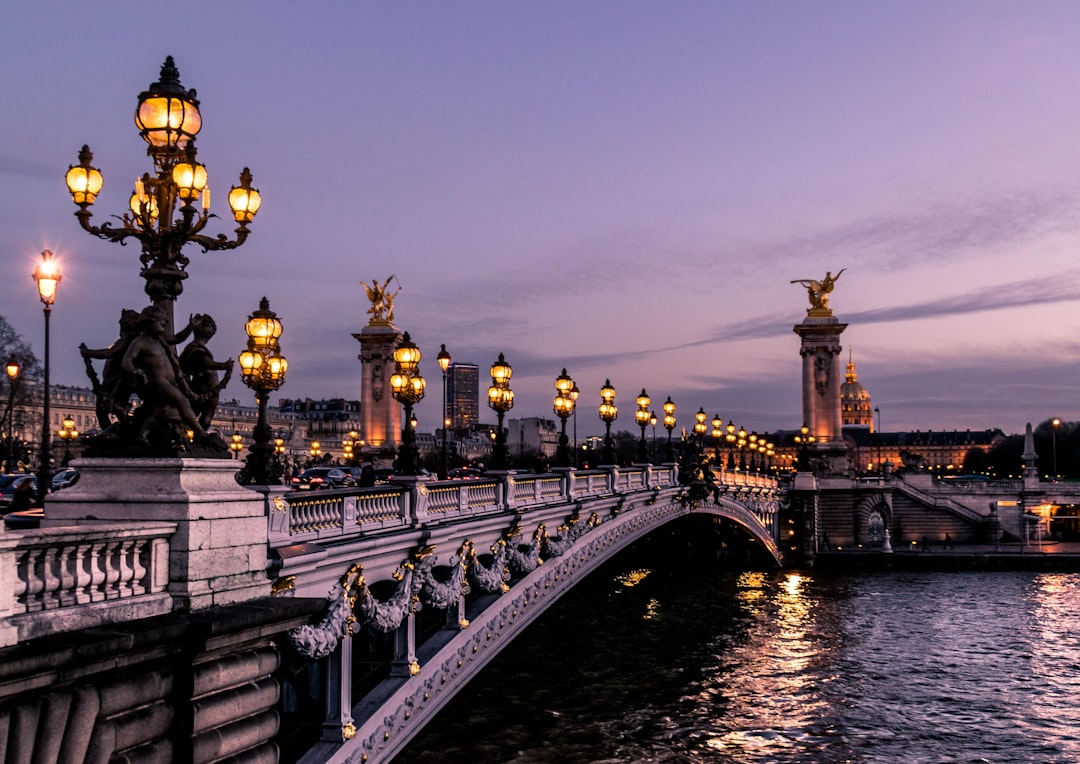
Paris und Île-de-France Travel Guide: Everything You Need to Know (2026)
Paris, founded by the Parisii Celts around 250 BC, sits at the heart of the Île-de-France region, which covers 12,012 km² and houses over 12 million people — nearly 19% of France’s entire population. The region contains 3 UNESCO World Heritage Sites, runs the world’s fourth-busiest metro system, and draws over 40 million international visitors annually, making it the single most visited destination on earth.
Top 3 Highlights at a Glance
- Palace of Versailles — Louis XIV’s 700-room palace with 800 hectares of gardens is the defining statement of French royal excess — unmissable.
- Sainte-Chapelle — Gothic masterpiece built in 1248 with 15-metre stained-glass windows that dwarf even Notre-Dame’s interior — routinely overlooked.
- Fontainebleau Forest — 280 km² of boulder-strewn sandstone forest, 65 km from Paris, beloved by climbers and painters since the 17th century.
Scroll down for our complete travel guide with tips on getting there, where to stay, costs and more.
Getting There
How do I best reach Paris und Île-de-France?
Fly into Paris — it’s by far the fastest and most practical entry. Charles de Gaulle Airport (CDG) handles the majority of long-haul traffic, while Orly (ORY) serves European and North African routes. From within Europe, the Eurostar from London St Pancras arrives at Gare du Nord in 2 hours 16 minutes — my favourite entry point for UK travellers. The TGV network connects Paris to Lyon in 2 hours, Marseille in 3 hours 20 minutes, and Bordeaux in 2 hours 4 minutes. I recommend avoiding driving into central Paris entirely — the Périphérique ring road is chronically congested and parking costs €40–60 per day in the city centre.
Which airport is closest to Paris und Île-de-France?
Charles de Gaulle (CDG) is 23 km northeast of central Paris — the primary hub for intercontinental arrivals. Orly (ORY) sits 14 km south of the city and is technically closer but serves fewer long-haul routes. In my experience, CDG wins on connectivity but costs more to reach by taxi (€55–65 fixed fare to the Right Bank). My tip: the RER B from CDG to Châtelet–Les Halles costs just €11.80 and takes 35 minutes — far better value. The honest caveat: RER B is frequently delayed and pickpocketing on this line is a real, documented problem — keep your bag in front of you.
How long is the journey from the airport to central Paris und Île-de-France?
From CDG, expect 35–50 minutes by RER B to central Paris under normal conditions. The Le Bus Direct (formerly Cars Air France) to Arc de Triomphe takes 60 minutes and costs €17. Taxis run a fixed €55 to the Right Bank or €62 to the Left Bank — legally mandated flat rates, so always confirm the driver uses them. From Orly, the Orlyval automatic shuttle + RER B combination to central Paris takes 35 minutes and costs €12.10. What surprised me: adding even 20 minutes for CDG terminal transfers inside the airport itself — Terminal 2 is enormous and poorly signed for first-time visitors.
Are there direct bus connections into Paris und Île-de-France?
Yes — FlixBus and BlaBlaBus serve Paris from Gallieni bus station (Métro Line 3, Gallieni stop) with direct routes from Brussels (2h 30min, from €9), Amsterdam (5h, from €15), and Frankfurt (7h, from €19). Within Île-de-France, the Transilien rail network (SNCF suburban trains, lines H, J, K, L, N, P, R, U) connects Paris with Versailles, Fontainebleau, Chantilly, and Rambouillet. I recommend the Navigo Easy card for tap-and-go zone 1–5 travel covering the entire region — it replaces the old paper tickets as of January 2025. The honest caveat: inter-town buses within Île-de-France outside the Transilien are slow and infrequent — always check train first.
Is a rental car necessary in Paris und Île-de-France?
No — for central Paris and the major châteaux, a car is a liability, not an asset. The Métro (16 lines), RER (5 lines), and Transilien trains cover every major sight. Versailles is reachable in 40 minutes by RER C from Gare d’Austerlitz. Fontainebleau takes 40 minutes by Transilien R from Gare de Lyon. I only recommend renting a car if you plan to explore the remote Seine-et-Marne countryside or the Vexin Regional Park — areas with virtually no public transport. Rental starts at €45/day from agencies at CDG. The critical warning: the Crit’Air vignette (pollution sticker, €3.67 online) is legally required to drive in central Paris on weekdays — ignore it and face a €68 fine.
Accommodation
Which towns make good bases in Paris und Île-de-France?
Paris itself is the obvious base — staying within the Périphérique puts you within 20 minutes of any major sight. For a quieter, cheaper alternative with excellent transport links, Saint-Germain-en-Laye (RER A, 25 minutes to Châtelet) is a charming royal town with its own château. Versailles town centre works brilliantly if you want to beat the château crowds by arriving at 9:00am opening before day-trippers arrive at 11:00. Fontainebleau suits outdoor enthusiasts — the forest trails begin literally at the edge of town. My honest caveat: basing yourself outside Paris saves €50–100/night on accommodation but adds €10–20/day in transport costs — the maths rarely favour leaving the city.
Where should I stay in Paris und Île-de-France?
In my experience, the Marais (4th arrondissement) is the single best neighbourhood for first-time visitors — central, walkable, safe, and rich in free architecture. For atmosphere without tourist saturation, Montmartre (18th) and Oberkampf (11th) deliver genuine Parisian neighbourhood life. Saint-Germain-des-Prés (6th) is elegant but expensive — budget €250+/night for anything decent. For Versailles day-trippers, the 7th arrondissement near Gare d’Invalides provides direct RER C access. Avoid hotels directly around Gare du Nord and Gare de l’Est — the immediate streets involve frequent petty crime and the area has visibly deteriorated since 2022. My tip: Bastille (11th/12th) offers the best value-to-location ratio in the city right now.
What does accommodation cost in Paris und Île-de-France?
Budget honestly: €80–130/night for a clean, well-located 3-star hotel in the 11th or 12th arrondissement. Expect €180–280/night for a solid 4-star in the Marais or Saint-Germain. The iconic Hôtel Plaza Athénée (8th) starts at €1,200/night. Airbnb in Paris faces strict 120-night annual rental limits — supply has shrunk, pushing prices toward hotel rates. In Versailles town, hotels average €95–150/night — noticeably cheaper than comparable Paris accommodation. The honest caveat: Paris hotel room sizes are famously small — a €200/night room in Paris is often half the size of a €120/night room in Lyon or Bordeaux. Always check room size in photos before booking.
How far in advance should I book accommodation in Paris und Île-de-France?
For peak summer (June–August), book 4–6 months ahead minimum for central Paris — the city’s 40+ million annual visitors overwhelm supply. 2026 will be particularly challenging: post-Olympics renovation projects are still displacing hotel inventory near key sites, and major trade shows at Paris Le Bourget and Villepinte regularly sell out the entire metropolitan area on specific weekdays. My tip: check the Paris Convention Bureau event calendar before finalising dates — I’ve seen hotel prices triple overnight during SIAL or Maison&Objet trade fairs. For shoulder seasons (March–May, October–November), 6–8 weeks ahead is generally sufficient for good availability at reasonable prices.
When is the best time to visit Paris und Île-de-France?
June through September offers the best combination of weather, long daylight hours, and full attraction access. June is my personal favourite — gardens at Versailles peak, temperatures average 22°C, and crowds are lighter than July–August. September is exceptional: Parisian residents return from August holidays, restaurants reopen, and the Journées du Patrimoine (European Heritage Days) in mid-September opens otherwise closed palaces and government buildings for free. Avoid August 1–20 if you want authentic Parisian life — half the city’s own restaurants close as locals holiday in Brittany or Provence. October surprises many visitors with golden light, 18°C averages, and dramatically reduced queues at Versailles.
Best Time to Visit
How does the weather affect activities in Paris und Île-de-France?
The Seine flooding risk is real and underreported — in January 2018, the river rose 5.84 metres, closing riverside museums including the Musée d’Orsay for weeks. Winter (December–February) averages 5–7°C with frequent grey skies but rarely snow — outdoor palace gardens like Versailles lose much of their grandeur. Summer heat waves are increasingly severe: July 2019 hit 42.6°C, closing parks and straining the Métro. My practical tip: the Palais Royal gardens and covered passages (Galerie Vivienne, Passage des Panoramas) are perfect wet-weather alternatives. Gardens at Vaux-le-Vicomte require at least partial sunshine to justify the €21 entry — don’t visit on a grey day.
Are there local festivals in Paris und Île-de-France worth attending?
Absolutely — Fête de la Musique on June 21 transforms every street in Paris into a free outdoor concert, from jazz at Place de la République to classical at Sainte-Chapelle. Bastille Day (July 14) delivers the world’s oldest and largest military parade down the Champs-Élysées plus a €2 million fireworks display over the Eiffel Tower — arrive by 9:00pm to secure a spot on Trocadéro. Nuit Blanche (first Saturday of October) opens museums, galleries, and unexpected spaces for free from dusk to dawn. My honest caveat: the Paris Plages beach event (mid-July to late August, Seine banks) is charming but underwhelming compared to its press — the sand is fine but the water is still not swimmable despite 2024 Olympic promises.
When does Paris und Île-de-France get crowded?
Peak crowding hits from late June through mid-August — Versailles alone sees 20,000 visitors per day in July, creating 90-minute entrance queues even with pre-booked tickets. The Eiffel Tower regularly sells out timed slots 6–8 weeks ahead in summer. Christmas week (Dec 26 – Jan 2) brings a surge of American and British tourists that makes the Galeries Lafayette and Champs-Élysées nearly impassable. My practical tip: visiting Versailles on a Tuesday in late September cuts crowds by roughly 60% compared to a Saturday in July — that single scheduling choice transforms the experience. The Sainte-Chapelle is chronically underestimated and has shorter queues than Notre-Dame even on the busiest summer days.
What does a daily budget cost in Paris und Île-de-France?
Budget realistically in three tiers. Backpacker (€80–100/day): hostel dorm at €35–45, baguette lunch at a boulangerie (€5–8), Métro day pass (€16.10), one paid museum. Mid-range (€180–250/day): 3-star hotel, two sit-down meals, Navigo week pass (€30), two major attractions. Comfortable (€350–500/day): 4-star hotel in the Marais, dinner in a genuine bistro like Le Comptoir du Relais, taxis, skip-the-line tickets. What surprised me: the hidden transport costs — a Navigo Découverte weekly pass covering zones 1–5 (including Versailles) at €30 is the single best value purchase in the entire region, saving most visitors €20–30 over individual tickets.
Is Paris und Île-de-France cheaper or more expensive than other French regions?
Paris is 40–60% more expensive than other French regions across accommodation, restaurants, and transport. A lunch menu that costs €14 in Lyon costs €22 in the 6th arrondissement. A mid-range hotel that runs €90/night in Bordeaux is €160+ in the Marais. The Île-de-France suburbs (Versailles excepted) offer partial relief — Fontainebleau hotels average €90/night versus €160+ in Paris for equivalent quality. My honest assessment: Paris is expensive by any European standard but not as brutal as London or Zurich — a disciplined mid-range traveller who eats at neighbourhood bistros rather than tourist brasseries and uses the Métro can manage €150–180/day comfortably.
Budget
What free highlights does Paris und Île-de-France offer?
The free highlights in Paris und Île-de-France are genuinely world-class. Notre-Dame Cathedral (reopened December 2024 after the 2019 fire) is free to enter — the restoration is extraordinary and entry is currently timed but no charge. The Louvre is free every first Sunday of the month — arrive at 9:00am sharp because the queues reach 90 minutes by 10:30. Musée d’Art Moderne de la Ville de Paris has a permanently free permanent collection. The Palais Royal gardens, Jardin du Luxembourg, and the entire Canal Saint-Martin walk cost nothing. My tip: the Promenade Plantée (4th/12th), Paris’s original elevated park that inspired New York’s High Line, offers 4.7 km of elevated garden walking — free, uncrowded, and genuinely beautiful.
What do local specialities cost in Paris und Île-de-France?
Eating local in Paris rewards those who know where to look. A croissant at a neighbourhood boulangerie costs €1.20–1.50 — the same item at a café terrace near the Louvre is €3.50. A formule déjeuner (set lunch: starter + main or main + dessert) at a genuine bistro runs €16–22 and is by far the best-value eating in Paris. The steak-frites at a proper zinc bar like Café de l’Industrie (11th) costs €18–22. Île-de-France’s own regional product is Brie de Meaux — buy it at a fromagerie in the 5th for €4–6 per 200g. A glass of house wine (pichet) at lunch in a neighbourhood restaurant is €4–6 — order it confidently, it’s what locals drink.
Which route do you recommend for 5–7 days in Paris und Île-de-France?
Day 1: Marais and Île de la Cité — Notre-Dame (reopened 2024), Sainte-Chapelle, Place des Vosges. Day 2: Louvre (arrive 9am) + Tuileries + Musée de l’Orangerie. Day 3: Versailles — take RER C, depart 8:30am to beat crowds, spend the full day including the Grand Trianon. Day 4: Montmartre + Sacré-Cœur + local lunch at Café des Deux Moulins + evening at Oberkampf. Day 5: Musée d’Orsay (Impressionists) + Saint-Germain-des-Prés + Jardin du Luxembourg. Day 6: Fontainebleau château + forest walk — Transilien R from Gare de Lyon, 40 minutes. Day 7: Père Lachaise cemetery, Canal Saint-Martin, Belleville neighbourhood market. My firm advice: resist adding more — Paris rewards slow, neighbourhood-level attention, not checklist speed.
What are the must-see sights in Paris und Île-de-France?
Palace of Versailles heads the list — pre-book the €21.50 Passport ticket covering the château and both Trianon palaces. Notre-Dame de Paris reopened in December 2024 after a €700 million restoration and is more beautiful than before the fire — I visited in early 2025 and was genuinely moved. The Louvre — go directly to the Denon Wing, Room 711 for the Mona Lisa, then escape to the less-visited Islamic Art department in the Cour Visconti. Sainte-Chapelle on the Île de la Cité takes 45 minutes and is architecturally more astonishing per square metre than any building in France. Musée de Cluny (medieval art, reopened 2022 after full renovation) is criminally undervisited — the Lady and the Unicorn tapestries alone justify the €12 entry.
What natural highlights does Paris und Île-de-France offer?
Beyond the city’s manicured parks, the region hides genuine wilderness. Fontainebleau Forest at 280 km² offers the finest bouldering in Europe — over 10,000 climbing circuits on sandstone formations used by climbers since the 1930s. The Vexin Regional Natural Park (68,000 hectares) northwest of Paris provides cycling through chalk valleys and half-timbered villages with almost no tourist infrastructure — in a good way. Parc Naturel de la Haute Vallée de Chevreuse, 35 km southwest of Paris, delivers proper hiking through forested valleys. The Seine-et-Marne département contains genuine working farmland with medieval villages like Provins (UNESCO listed) at the region’s edge. My tip: rent a bike in Fontainebleau town for €15/day and ride the forest circuits — you’ll see almost no other tourists.
Routes & Highlights
What local specialities should I try in Paris und Île-de-France?
Île-de-France has its own culinary identity beyond Parisian café culture. Brie de Meaux and Brie de Melun — both AOC-protected cheeses from the Seine-et-Marne — are the region’s defining products; buy them at Fromagerie Laurent Dubois (5th) for authenticity. Brioche Nanterre originates from the suburb of Nanterre — find the real version at Boulangerie Poilâne (6th). For Paris proper: steak tartare, soufflé au fromage, and tarte Tatin are the canonical bistro dishes — try them at Bistrot Paul Bert (11th). The Paris–Brest pastry (choux with praline cream) was invented in 1910 to celebrate the Paris–Brest cycling race — La Maison Stohrer (2nd), founded 1730, makes the definitive version at €6.50 a slice.
What activities are available in Paris und Île-de-France?
The region runs far deeper than museum-hopping. Rock climbing at Fontainebleau is a world-class activity — Bleau.info lists every boulder problem by difficulty and GPS location. Cycling the Canal de l’Ourcq from Parc de la Villette (19th) to Meaux covers 97 km of flat towpath — doable in 2 days with an overnight in Claye-Souilly. Hot-air ballooning over Versailles runs from €200–280 per person and offers a genuinely unmissable perspective on the formal gardens. Seine river kayaking between Conflans-Sainte-Honorine and Paris is possible in a weekend. For culture: Opéra Garnier standing tickets cost just €10 for same-day purchase — one of Paris’s great bargains. My tip: Seine-Saint-Denis (93) has genuine urban street art culture and costs nothing to explore.
What distinguishes Paris und Île-de-France from other French regions?
Three things make this region categorically different. First: density of world-class art — the Louvre, Orsay, Pompidou, and Versailles within 15 km of each other is unmatched anywhere on earth. Second: living urban culture — Paris is not a museum city; the 11th arrondissement’s restaurant scene, the Canal Saint-Martin’s independent shops, and Belleville’s arts community reflect a genuinely evolving metropolis. Third: the paradox of proximity — within 70 km of Notre-Dame you can stand in the middle of Fontainebleau Forest hearing nothing but birds. What surprised me most after 10+ visits: the region’s small medieval towns — Senlis, Provins, Chartres — feel more authentically medieval than anything in more-touristed Provence.
Which day trips from Paris und Île-de-France are possible?
All achievable by public transport, no car required. Versailles (40 min, RER C, €7.20 return) — the obvious choice, genuinely unmissable. Chartres cathedral (1h, Transilien N from Montparnasse, €15 return) — the finest Gothic cathedral in France, in my view superior to Notre-Dame in architectural integrity. Chantilly (25 min, TER from Gare du Nord, €10 return) — horses, a beautiful château, and the best Chantilly cream you’ll ever eat at the original Auberge du Jeu de Paume. Provins (1h 25min, Transilien P from Gare de l’Est, €16 return) — UNESCO medieval walled town with almost no foreign tourists. Giverny (Monet’s garden, April–October only) requires a train to Vernon then a €7 shuttle — allow a full day.
Are there language barriers in Paris und Île-de-France?
English is widely spoken in hotels, major museums, and tourist areas — but Parisian service culture rewards effort. My honest advice: open every interaction in French, even just ’Bonjour, parlez-vous anglais?’ — the difference in warmth you receive is not a cliché, it’s real and I’ve observed it hundreds of times. In the suburbs (banlieues) and markets, English drops off sharply — Google Translate’s camera function handles French menus and street signs perfectly. RATP official app has full English language support. The one genuine challenge: phone customer service for bookings (SNCF, etc.) is almost entirely French-only — use online booking systems wherever possible. My tip: learn ’L’addition, s’il vous plaît’ (the bill, please) — French waiters will never bring it unsolicited.
Practical Tips
Which apps do you recommend for Paris und Île-de-France?
Six apps I personally rely on: Bonjour RATP (official, real-time Métro/RER/bus disruption alerts — essential during frequent strikes), Citymapper (better than Google Maps for Paris transit routing, includes real-time delays), Paris Musées (city museum booking and collection browsing, free), Transilien (SNCF suburban trains for Versailles, Fontainebleau day trips — book before boarding), Too Good To Go (unsold restaurant food bags from €4–6 — I’ve eaten brilliantly cheaply using this), and Waze if you’re driving in the suburbs (the Périphérique is a genuinely dangerous place to navigate without real-time traffic alerts). The honest caveat: RATP app and Citymapper occasionally disagree on routing — when they conflict, trust RATP for live disruption data.
Are there medical facilities in Paris und Île-de-France?
Medical infrastructure is excellent — Paris hosts 38 public hospitals including Hôpital Lariboisière (18th) near Gare du Nord and Hôpital Hôtel-Dieu directly beside Notre-Dame. EU citizens with EHIC/GHIC receive state-subsidised care — keep your card accessible. Non-EU visitors should carry travel insurance with minimum €100,000 medical coverage. For minor issues, pharmacies (identified by green cross signs) are extraordinarily competent in France — pharmacists can treat wounds, recommend prescription-equivalent medications, and refer you appropriately. They’re open until 8pm in most neighbourhoods; Pharmacie des Champs-Élysées (8th) operates 24/7. My tip: US travellers specifically should know that French emergency room visits cost roughly €150 upfront even with insurance — get reimbursement documentation at checkout.
How safe is Paris und Île-de-France?
Paris is safe by global city standards but requires specific awareness. Pickpocketing around the Eiffel Tower, Sacré-Cœur, and on RER B from CDG is endemic — I’ve had two attempted pickpocketing incidents personally in 15 years of visiting. Wear a front-pocket money belt and keep phone in a front zip pocket. The 18th arrondissement (northern Montmartre edges), Châtelet–Les Halles underground, and areas around Gare du Nord at night require heightened awareness. Violent crime against tourists is rare but not zero. The Seine-Saint-Denis département (93) has neighbourhoods I would not walk alone at night — Aubervilliers and La Courneuve specifically. The broader region’s small towns (Versailles, Fontainebleau, Chartres) are genuinely very safe by any standard.
What are common traveller mistakes in Paris und Île-de-France?
Five mistakes I see constantly. 1. Skipping queue times — booking Versailles or the Eiffel Tower without timed tickets and losing 3 hours in line. Book both minimum 3 weeks ahead in summer. 2. Eating within 200 metres of a major sight — the brasseries around the Louvre and Notre-Dame are 40% more expensive and 60% worse than identical food 3 streets away. 3. Using taxis from CDG without confirming the flat rate — some drivers ‘forget’ it. The legal rate is €55 to Right Bank. 4. Underestimating Versailles — most visitors allocate 3 hours; the full estate including Trianons requires 6–7 hours. 5. Ignoring the suburbs — Île-de-France’s greatest surprise is what lies beyond the Périphérique, and most visitors never discover it.
Which accommodation types suit Paris und Île-de-France best?
Boutique hotels in the Marais (4th) are my top recommendation for first-time visitors — central, character-rich, and walkable to both banks. Apartment rentals via VRBO or direct agency booking make more sense than Airbnb given Paris’s strict short-term rental limits — look for agencies like Paris Attitude or Paris Perfect for legally compliant, well-maintained apartments. For families: Aparthotels (Citadines, Adagio) at €130–180/night offer kitchen facilities that slash food costs by 30–40%. For the Versailles and Fontainebleau day trip circuit, a B&B in Versailles town (€85–120/night) is genuinely charming and lets you access the palace at opening time — a meaningful advantage. Avoid budget chain hotels (Ibis Budget, F1) near CDG unless you have a very early flight.
More Destinations in Europe
Explore our complete travel guides for more Europe destinations: Le Havre Travel Guide (2026), Île de Bréhat Travel Guide (2026), Île Rousse Travel Guide (2026), Reims Travel Guide (2026), Le Havre Travel Guide (2026).
Useful Resources for Planning Your Trip to Paris und Île-de-France
- Wikipedia: Paris und Île-de-France — history, geography and background
- Lonely Planet: Paris und Île-de-France — itineraries and travel inspiration
- TripAdvisor: Paris und Île-de-France — hotels, restaurants and traveller reviews
🎥 Paris und Île Travel Videos

27 Tips I Wish I Knew Before Visiting Paris
Camden David
30 Tips I Wish I Knew Before Visiting Paris
Naick & Kim

20 Things I Wish I Knew Before Visiting Paris
Destination Well Known
You are currently viewing a placeholder content from Vimeo. To access the actual content, click the button below. Please note that doing so will share data with third-party providers.
More InformationYou are currently viewing a placeholder content from YouTube. To access the actual content, click the button below. Please note that doing so will share data with third-party providers.
More InformationYou need to load content from reCAPTCHA to submit the form. Please note that doing so will share data with third-party providers.
More InformationYou are currently viewing a placeholder content from GetYourGuide. To access the actual content, click the button below. Please note that doing so will share data with third-party providers.
More Information