
Pyrenäen: The Complete Travel Guide (2026)
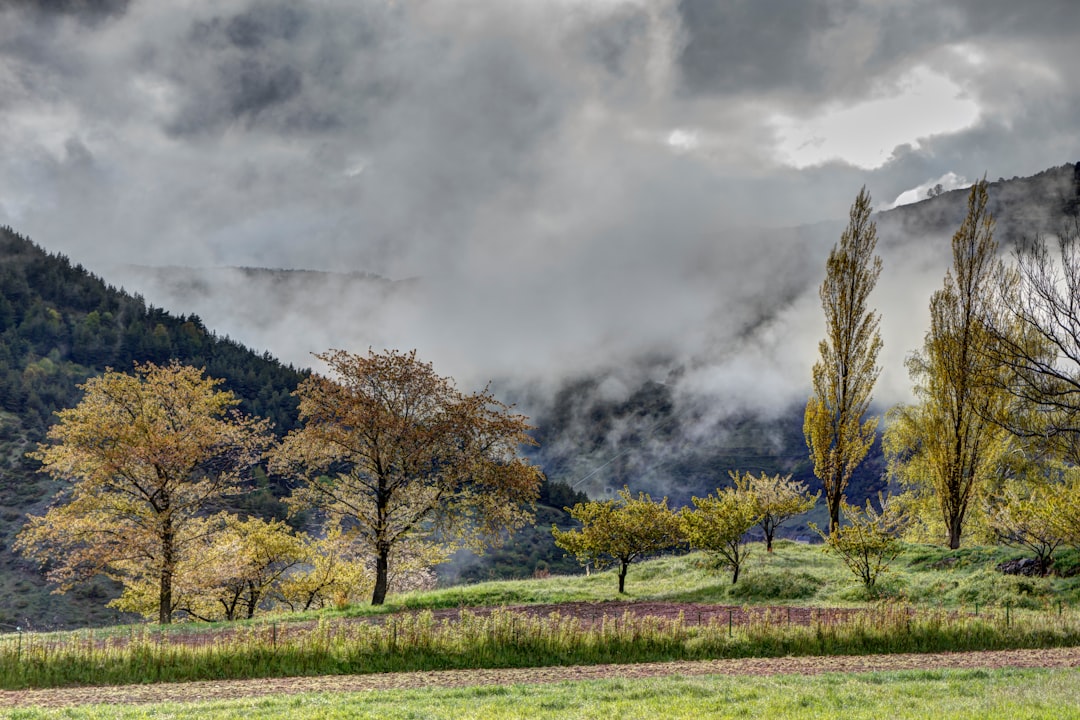
Pyrenäen Travel Guide: Everything You Need to Know (2026)
The French Pyrenees stretch 430 km along the Franco-Spanish border, rising to 3,404 m at Vignemale — the highest French peak in the range. Founded as a natural boundary since the 1659 Treaty of the Pyrenees, this region shelters 15 million annual visitors across its Atlantic, Central, and Mediterranean flanks. In 2026, with Lourdes alone drawing 3.5 million pilgrims per year, the Pyrenees remain one of France’s most diverse and underexplored mountain frontiers.
Top 3 Highlights at a Glance
- Cirque de Gavarnie — Europe’s largest glacial cirque at 1,400 m tall, a UNESCO World Heritage waterfall amphitheatre unlike anything else in France.
- Pic du Midi de Bigorre Observatory — Accessible by cable car to 2,877 m, offering the clearest night skies in mainland France — a certified International Dark Sky Reserve.
- Vallée d’Ossau — A strikingly wild Béarn valley where Pyrenean brown bears still roam and the iconic Pic du Midi d’Ossau towers at 2,884 m.
Scroll down for our complete travel guide with tips on getting there, where to stay, costs and more.
Getting There
How do I best reach the French Pyrenees?
Fly into Toulouse or Pau, then drive — there is no avoiding a car for real Pyrenees access. Toulouse-Blagnac (TLS) is my top choice: it handles over 9 million passengers annually and sits 1.5 hours by motorway from the central valleys. Pau-Pyrénées (PUF) is better if you’re targeting the Atlantic or western sector around Ossau and Cauterets. My tip: TGV from Paris to Tarbes takes 4 hours 40 minutes and drops you directly in the mountain foothills — rent a car at the station. What surprised me: budget airlines including EasyJet serve Toulouse year-round, often undercutting Paris connections by €40–80.
Which airport is closest to the French Pyrenees?
Pau-Pyrénées (PUF) is the closest major airport to the central and western French Pyrenees, sitting just 40 km north of the mountains and 25 minutes from Lourdes. In my experience, it’s underused and therefore fast — you clear arrivals in under 20 minutes. The trade-off: flight options are limited, with mainly Air France connections via Paris and a handful of Transavia routes. For the eastern Pyrenees and Cerdagne plateau, Perpignan-Rivesaltes (PGF) is your best entry, only 90 km from Font-Romeu. I recommend checking both airports when booking — the price difference can easily justify a 45-minute longer drive.
How long is the journey from Paris to the French Pyrenees?
By TGV from Paris Montparnasse to Tarbes, expect 4 hours 40 minutes — and that puts you at the gateway to Gavarnie and Cauterets. Driving the 800 km from Paris takes roughly 7.5 hours without stops. My tip: the train is far less exhausting and drops you within 30 minutes of the first mountain valleys by taxi or rental car. The honest caveat most guides omit: the TGV only reaches Pau, Tarbes, and Lourdes — you still need wheels for anything deeper in the range. Flying to Toulouse and picking up a rental car is faster overall if you’re targeting the central Pyrenees near Luz-Saint-Sauveur.
Are there direct bus connections into the French Pyrenees?
Direct long-distance bus connections into the French Pyrenees are scarce and unreliable for mountain access. FlixBus serves Toulouse and Pau from major French cities, but stops there — you won’t reach Gavarnie, Cauterets, or Ax-les-Thermes by intercity bus alone. In my experience, Réseau Régional Occitanie operates seasonal mountain buses from Lourdes to Cauterets (45 minutes, around €3) and to Luz-Saint-Sauveur, but frequencies drop to 2–3 daily in shoulder season. What surprised me: ski resorts like La Mongie run free or low-cost shuttle buses from Bagnères-de-Bigorre in winter. The honest trade-off: you’ll lose 2–3 hours per day without a car and miss entire valleys entirely.
Is a rental car necessary in the French Pyrenees?
Yes — a rental car is non-negotiable for exploring the French Pyrenees properly. The most spectacular roads, including the Route des Cols with passes like Col du Tourmalet at 2,115 m and Col d’Aubisque, are only accessible by car. I recommend picking up a car at Tarbes or Pau station where rates start around €35/day for a compact. The critical warning others skip: many mountain roads are one-lane with passing places and close October–May due to snow — always check Bison Futé road conditions before driving cols. My tip: a mid-size SUV is worth the €10/day extra for comfort on unpaved pastoral tracks in valleys like Bethmale or Aure.
Accommodation
Which towns in the French Pyrenees make good bases?
Cauterets is my favourite base for the central Pyrenees — a genuine mountain spa town at 932 m, 30 km from Lourdes, with direct cable car access to ski terrain and summer hiking into the Parc National des Pyrénées. Ax-les-Thermes works brilliantly for the eastern range, combining thermal baths, affordable lodging, and access to Ariège valleys. For the western Pyrenees, Laruns in the Vallée d’Ossau is a quiet, authentic village without tourist crowds. The trade-off: Lourdes itself has the most hotel infrastructure — over 270 hotels — but the pilgrimage atmosphere is overwhelming if you’re not there for that purpose. I recommend Cauterets as the sweet spot for nature-focused travellers.
Where should I stay in the French Pyrenees?
Stay in Cauterets or Luz-Saint-Sauveur if your priority is hiking, waterfalls, and the national park. For skiing or winter sports, La Mongie or Barèges (linked ski area, 100 km of pistes) put you slope-side. The eastern Pyrenees around Font-Romeu offer a sunnier microclimate — the Cerdagne plateau receives 3,000 hours of sunshine annually, more than Nice. My tip: gîtes d’étape (mountain hiker hostels) along the GR10 trail cost €20–35 per night including breakfast and are the most authentic lodging experience in the range. The warning most guides skip: village accommodation fills by March for July–August — book early or you’ll end up in Lourdes traffic.
What does accommodation cost in the French Pyrenees?
Budget €55–80/night for a simple auberge or chambre d’hôte in villages like Arrens-Marsous or Etsaut. Mid-range hotels in Cauterets run €90–140/night in July and August. Ski resort apartments at Piau-Engaly or Peyragudes cost €80–150/night in high ski season, often sold as weekly packages. In my experience, gîtes d’étape along the GR10 offer the best value at €25–40/night half-board. The trade-off: the cheapest options in Lourdes — budget hotels from €45/night — aren’t worth the location unless you need a transit base. What surprised me: camping in the national park at designated sites runs just €8–12/night per pitch, and the settings are spectacular.
How far in advance should I book in the French Pyrenees?
Book July and August accommodation by April at the latest — ideally February for peak weeks. The 14 July and 15 August national holiday windows see French domestic tourism flood the valleys and every decent hotel in Cauterets, Gavarnie, and Saint-Lary-Soulan fills within hours of availability. In my experience, ski season at La Mongie and Les Angles sells out weekly rentals by October for February half-term. The critical caveat: many small mountain gîtes and chambres d’hôte don’t list on Booking.com — contact them directly via Gîtes de France (gites.fr) or the local tourist office. My tip: shoulder season in June or September rarely needs more than 2–3 weeks advance notice.
When is the best time to visit the French Pyrenees?
June, July, August, and September are the best months based on verified climate data for the French Pyrenees. July and August deliver the most reliable warm weather for hiking, with temperatures averaging 20–25°C in valleys. June is my personal favourite — snowmelt feeds waterfalls at peak volume, wildflowers blanket the Plateau de Saugué, and trails are uncrowded. September offers golden light, harvests in Basque wine country, and cool ridge walks without summer heat. The honest trade-off: late June can still see snow above 2,200 m on north-facing cols, so check trail conditions on Refuges.info before tackling high routes like the GR10 or HRP.
Best Time to Visit
How does the weather affect activities in the French Pyrenees?
Weather in the French Pyrenees changes fast — afternoon thunderstorms between June and August are a serious hazard above 2,000 m. I recommend starting high-altitude hikes before 8 AM and being below the treeline by 1 PM during July. Atlantic influence hits the western Pyrenees hardest: Iraty and Ossau receive over 1,800 mm of rain annually, making western trails muddier and cloud-prone than the drier eastern Capcir and Cerdagne zones. Skiing at Grand Tourmalet (100 km of pistes) runs reliably from December to April. The overlooked caveat: the Col du Tourmalet road typically closes November to May — don’t plan a driving loop without verifying opening dates on viamichelin.fr.
Are there local festivals in the French Pyrenees worth attending?
Fête de l’Ours in Prats-de-Mollo every February is unmissable — a bear-masked carnival dating to pre-Christian tradition, free entry, genuinely bizarre, and attended by 2,000–3,000 locals and visitors. In July, Saint-Bertrand-de-Comminges hosts an international classical music festival in a Roman-era cathedral — tickets from €25. The Saga Occitane in Luz-Saint-Sauveur runs each August: a 400-person outdoor historical pageant covering Pyrenean history. My tip: the Transhumance festivals in late May and early June — when shepherds drive thousands of sheep up to summer pastures — happen in Ossau Valley and near Laruns and are completely free to watch. These are the calendar moments that define Pyrenean culture.
When does the French Pyrenees get crowded?
Peak crowds hit between 14 July and 20 August, when French families on grandes vacances flood every valley. Gavarnie village, which receives over 1 million visitors annually, becomes genuinely unpleasant — parking queues stretching 4 km before 10 AM are common in August. Cauterets cable car lines exceed 45-minute waits on August weekends. My strong recommendation: visit the same landscapes by arriving at 7 AM — trailheads at Pont d’Espagne are empty before 8. The underrated alternative: shift to the Ariège Pyrenees around Tarascon-sur-Ariège — same mountain quality, one-third of the tourist volume. Winter ski season sees manageable crowds except February school holidays, when La Mongie reaches capacity on powder days.
What does a daily budget cost in the French Pyrenees?
Budget travellers sleeping in gîtes d’étape along the GR10 and eating at mountain huts can manage €60–75/day. A mid-range day — hotel, sit-down lunch, dinner, cable car or activity — runs €120–160/person. In my experience at Cauterets, a three-course menu at a good restaurant costs €22–28, a cable car to Cirque du Lys is €15 return, and parking in most villages is free. The hidden cost most budgets miss: fuel. Driving the Pyrenean cols burns through €25–40/day in a rental car given the distances between valleys. My tip: buy a Carte Famille if travelling with children — several ski resorts and attractions discount families by 30–40%.
Is the French Pyrenees cheaper or more expensive than other French regions?
The French Pyrenees is 20–30% cheaper than the French Alps for equivalent mountain experiences. A ski day pass at Grand Tourmalet costs €40–46 versus €60–72 at Les Deux Alpes. Restaurant meals in villages like Saint-Lary-Soulan average €14–18 for a main course versus €22+ in Chamonix. In my experience, the Pyrenees consistently delivers better value for money in accommodation, food, and activities. The honest caveat: the Atlantic coast section near Hendaye and Biarritz — technically Pyrenean foothills — operates at Côte d’Argent prices, with hotel rooms hitting €180–250/night in August. Stick to the inland valleys and you’ll find France’s best mountain value in 2026.
Budget
What free highlights are there in the French Pyrenees?
The Cirque de Troumouse — a 12 km glacial amphitheatre near Gavarnie — charges only €3.50 per car to enter, and the hiking circuit is completely free. The GR10 long-distance trail is entirely free to walk, covering 866 km from Atlantic to Mediterranean. In my experience, the Pont d’Espagne waterfall area near Cauterets costs nothing to reach on foot — the paid cable car is optional. Thermal springs at Ax-les-Thermes include a free outdoor foot pool in the town square, open year-round. The Romanesque churches of the Comminges — including Saint-Just de Valcabrère — are free to enter outside guided tour hours. These are some of the most rewarding zero-cost experiences in southern France.
What do local specialities cost in the French Pyrenees?
A bowl of garbure (the hearty Béarnaise cabbage and duck stew) costs €8–12 at a village auberge. Confits de canard in a proper sit-down restaurant run €16–22. A 250g wedge of Ossau-Iraty cheese (AOC ewe’s milk cheese from Vallée d’Ossau) at a farm or market costs €6–9. In my experience, buying directly from shepherd farms near Laruns saves 30% versus supermarket prices and the quality is incomparably better. Jurançon wine — the famous sweet white from Béarn — costs €12–18 for a bottle at a domaine. The overlooked gem: piperade and Bayonne ham platters at mountain restaurants near the Basque border hover around €14–16 and are outstanding.
Which 5–7 day route do you recommend for the French Pyrenees?
I recommend a west-to-east circuit starting in Pau (Day 1): drive to Laruns and Vallée d’Ossau for Ossau-Iraty cheese and bear-watching at dusk. Day 2: cross Col d’Aubisque (1,709 m) to Cauterets, hike Pont d’Espagne. Day 3: full day in Gavarnie — arrive by 7 AM, hike to the base of the cirque waterfall (6 km return). Day 4: south through Luz-Saint-Sauveur to Saint-Lary-Soulan, drive the Vallée d’Aure. Day 5: Saint-Bertrand-de-Comminges (Roman ruins) then east to Ariège, overnight in Tarascon. Day 6: Niaux Cave petroglyphs and Ax-les-Thermes hot springs. Day 7: finish at Font-Romeu on the sunny Cerdagne plateau before returning via Perpignan. Total driving: roughly 650 km.
What are the must-see sights in the French Pyrenees?
The Cirque de Gavarnie is non-negotiable — a UNESCO World Heritage glacial theatre with a 422 m waterfall, the tallest in France. The Pic du Midi de Bigorre Observatory at 2,877 m is accessible by cable car from La Mongie and offers the most dramatic panorama in the French Pyrenees. Niaux Cave near Tarascon-sur-Ariège contains 13,000-year-old Magdalenian bison paintings and admits only 170 visitors per day — book weeks ahead. The Pont d’Espagne waterfall near Cauterets thunders through a gorge at spring melt and is a 20-minute walk from the car park. My honest ranking: Gavarnie first, Pic du Midi second, Niaux third — skip none of these three.
What natural highlights does the French Pyrenees offer?
The Parc National des Pyrénées covers 45,707 hectares of protected wilderness along the Spanish border, home to Pyrenean brown bears (around 80 individuals), bearded vultures, and izard chamois. The Lac de Gaube at 1,725 m is a glacially carved lake a 30-minute walk above Pont d’Espagne — one of the most beautiful mountain lakes in France. In my experience, the Ossau Valley in June — when gentian and narcissus carpet the meadows — rivals anything in the Swiss or Austrian Alps for alpine scenery. The Gorges de Kakouetta near Sainte-Engrâce is a hidden slot canyon passable on foot, even in summer heat. The Cirque de Troumouse, 10 km from Gavarnie, is wilder and less visited than its famous neighbour.
Routes & Highlights
What local specialities should I try in the French Pyrenees?
Garbure is the definitive Pyrenean dish — a thick stew of cabbage, beans, preserved duck, and Tarbais white beans slow-cooked for hours. Try it at Auberge Chez Louisette in Laruns for an authentic version. Ossau-Iraty, the nutty AOC sheep’s milk cheese, is best eaten with cherry jam from Itxassou — a classic Basque combination. Axoa (minced veal with Espelette pepper) is the signature Basque-Pyrenean meat dish. In my experience, the trout from Pyrenean mountain streams, pan-fried in butter with almonds, is served at virtually every valley restaurant and is reliably excellent at €14–18. For dessert: croustade gascon — a caramelised apple pastry in tissue-thin dough — is the regional masterpiece.
What activities are available in the French Pyrenees?
Hiking the GR10 (866 km, Atlantic to Mediterranean) or day sections of it is the defining activity. White-water rafting on the Gave de Pau below Cauterets runs April to September, with half-day trips from €35–45. The Via Ferrata de Gavarnie is a graded steel-cable climbing route above the famous cirque, achievable without prior climbing experience. Thermal baths at Bagnères-de-Luchon — the most prestigious Pyrenean spa town — start at €18 for a 3-hour entry. Winter skiing at Grand Tourmalet (100 km of runs) dominates December to April. In my experience, the paragliding from Superbagnères above Luchon delivers the most spectacular flight corridor in the range, with tandem flights for €80–100.
What distinguishes the French Pyrenees from other French mountain regions?
The French Pyrenees is culturally unlike any other French mountain range — the western valleys are Basque-speaking, the central areas speak Occitan, and the eastern sector has Catalan identity. There is no equivalent in the French Alps. Wildlife density is higher: 80 brown bears survive here — zero survive in the Alps. The range is also a cycling pilgrimage: the Tour de France has crossed Col du Tourmalet 89 times, more than any other mountain. What surprised me most: the Romanesque art density in the Comminges and Ariège — over 60 Romanesque churches within 80 km — surpasses any comparable French mountain zone. The Pyrenees also border an actual separate country, Andorra, adding a tax-free shopping dimension entirely absent from Alpine touring.
Which day trips from the French Pyrenees are possible?
From Pau or Cauterets, cross into Spain via the Vallée d’Ossau to Hecho or Ansó in Aragon — stunning medieval villages, 90 minutes drive, entirely different cuisine. Andorra la Vella is 2.5 hours from Ax-les-Thermes — useful for duty-free fuel (petrol is roughly €0.30/litre cheaper than France), electronics, and spirits. Lourdes is a fascinating pilgrimage city worth 3–4 hours regardless of your beliefs — the basilica complex is architecturally extraordinary and free to enter. From Foix, the Château de Foix (medieval fortress) and the Rivière Souterraine de Labouiche (longest navigable underground river in Europe at 1.5 km by boat) make a perfect full-day circuit for €25 combined entry.
Are there language barriers in the French Pyrenees?
French is universal and non-negotiable in the Pyrenees — unlike coastal tourist zones, English is rarely spoken fluently in mountain villages like Etsaut, Arrens-Marsous, or Seix. In my experience, basic French goes a very long way and is warmly appreciated. The western Pyrenees — particularly around Mauléon-Licharre and Saint-Jean-Pied-de-Port — has a Basque-speaking minority, but French always works. The honest caveat: menus in rural auberges are often French-only, with no photos — download DeepL or Google Translate with camera function before you arrive. What surprised me: Spanish is surprisingly useful along border valleys like Luz-Saint-Sauveur, where cross-border commerce means many locals speak both. I recommend learning 10 key French food words before you go.
Practical Tips
Which apps do you recommend for the French Pyrenees?
Komoot is essential for trail navigation — download the Midi-Pyrénées and Occitanie packs (€3.99 each) before you lose signal in the valleys. Refuges.info shows real-time mountain hut availability and trail conditions — absolutely critical before any high-altitude route above 2,000 m. Météo-France (free) gives the most accurate mountain weather forecasts in France, updated every 3 hours. For road conditions, Bison Futé tells you which col passes are open. In my experience, Maps.me with offline Pyrenees download saves you when data cuts out in gorges. iOverlander lists wild camping spots and is invaluable for motorhome or tent travellers. Finally, Strava has the definitive route library for every Tour de France col if cycling is your goal.
Are there medical facilities in the French Pyrenees?
Tarbes, Pau, and Toulouse have full university hospitals within 60–90 minutes of most Pyrenean valleys. In my experience, mountain rescue (Peloton de Gendarmerie de Haute Montagne — PGHM) is fast and professional — average helicopter response in the national park is under 25 minutes. However, the critical caveat: pharmacies in mountain villages often close Sunday and Monday — stock up on basics in Lourdes or Tarbes. Minor injuries can be treated at the maisons médicales in ski resort towns like La Mongie or Luz-Saint-Sauveur, open daily during season. EU travellers: carry your EHIC card — it covers emergency care in France. Non-EU visitors: travel insurance with mountain rescue cover is non-negotiable — PGHM rescue costs can reach €5,000+ if uninsured.
How safe is the French Pyrenees?
The French Pyrenees is extremely safe for crime — petty theft and violence are essentially non-existent in mountain villages. The genuine safety risks are entirely environmental: afternoon lightning storms kill hikers on exposed ridges every summer, and 2–4 hikers die annually on the GR10 from falls or exposure. In my experience, the single most dangerous thing tourists do is underestimate how fast weather changes above 2,000 m — I’ve seen sunshine turn to horizontal sleet in 15 minutes on Col de la Croix de Fer. Trail avalanche risk is real from December to April — check data.enpc.fr/avalanche-bulletins daily before backcountry ski touring. Car break-ins at trailhead car parks near Gavarnie are reported — don’t leave valuables visible. Overall: one of France’s safest and most well-managed mountain environments.
What are common traveller mistakes in the French Pyrenees?
The biggest mistake: arriving in August without booked accommodation and spending 3 hours driving between full hotels. Book by April. Second critical error: planning to drive Col du Tourmalet or Col d’Aubisque in May — these roads typically open in mid-June at the earliest. In my experience, underestimating distances is endemic — what looks like 20 km on a map takes 50 minutes on sinuous mountain roads. Tourists regularly underestimate Gavarnie hike duration: the return walk from the village to the cirque base is 13 km round trip and takes 3.5 hours — not the 45-minute stroll they imagined. My final warning: Lourdes hotel districts look central on maps but sit 30 km from any real mountain access — don’t base your entire trip there.
Which accommodation types suit the French Pyrenees best?
Gîtes d’étape are the definitive Pyrenean accommodation type — dormitory-style mountain hostels positioned along the GR10 every 15–20 km, costing €25–40/night half-board. For couples or families, chambres d’hôte (B&Bs) in farmhouses in valleys like Bethmale or Barousse offer the most authentic experience at €70–110/night. In my experience, the villages de vacances (holiday villages) at Barèges and La Mongie are excellent value for families wanting ski access — weekly rates from €450 per apartment. The trade-off: luxury options are limited — the Pyrenees has no equivalent to Megève or Courchevel. The most comfortable mid-range option I recommend: Hôtel de la Vallée in Cauterets (renovated spa hotel, €110–145/night) positions you perfectly for both hiking and après-mountain relaxation.
More Destinations in Europe
Explore our complete travel guides for more Europe destinations: Elsass Travel Guide (2026), Île dOléron Travel Guide (2026), Nice Travel Guide (2026), Chartres Travel Guide (2026), Colmar Travel Guide (2026).
Pyrenäen at a Glance
| Currency | EUR (€) |
|---|---|
| Official language | French |
| Time zone | UTC+01:00 |
Source: Wikidata, retrieved August 2026.
Useful Resources for Planning Your Trip to Pyrenäen
- Wikipedia: Pyrenäen — history, geography and background
- Lonely Planet: Pyrenäen — itineraries and travel inspiration
- TripAdvisor: Pyrenäen — hotels, restaurants and traveller reviews
🎥 Pyrenäen Travel Videos
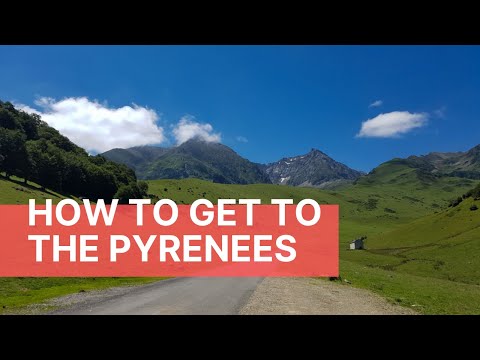
A guide about how to travel to the Pyrenees.
Seek Travel Ride

Watch this BEFORE you thru hike the Pyrenees [I answer your …
Chase Mountains
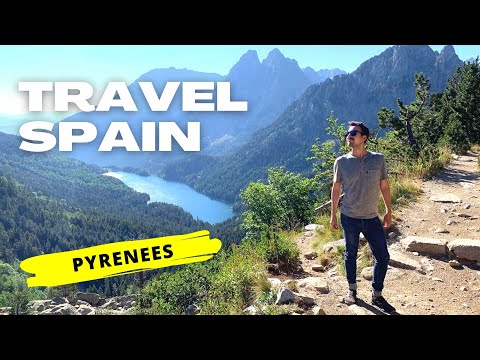
Exploring the Spanish Pyrenees | Travel SPAIN
Luke and Tyler Travel
You are currently viewing a placeholder content from Vimeo. To access the actual content, click the button below. Please note that doing so will share data with third-party providers.
More InformationYou are currently viewing a placeholder content from YouTube. To access the actual content, click the button below. Please note that doing so will share data with third-party providers.
More InformationYou need to load content from reCAPTCHA to submit the form. Please note that doing so will share data with third-party providers.
More InformationYou are currently viewing a placeholder content from GetYourGuide. To access the actual content, click the button below. Please note that doing so will share data with third-party providers.
More Information