
Zentralmassiv: The Complete Travel Guide (2026)
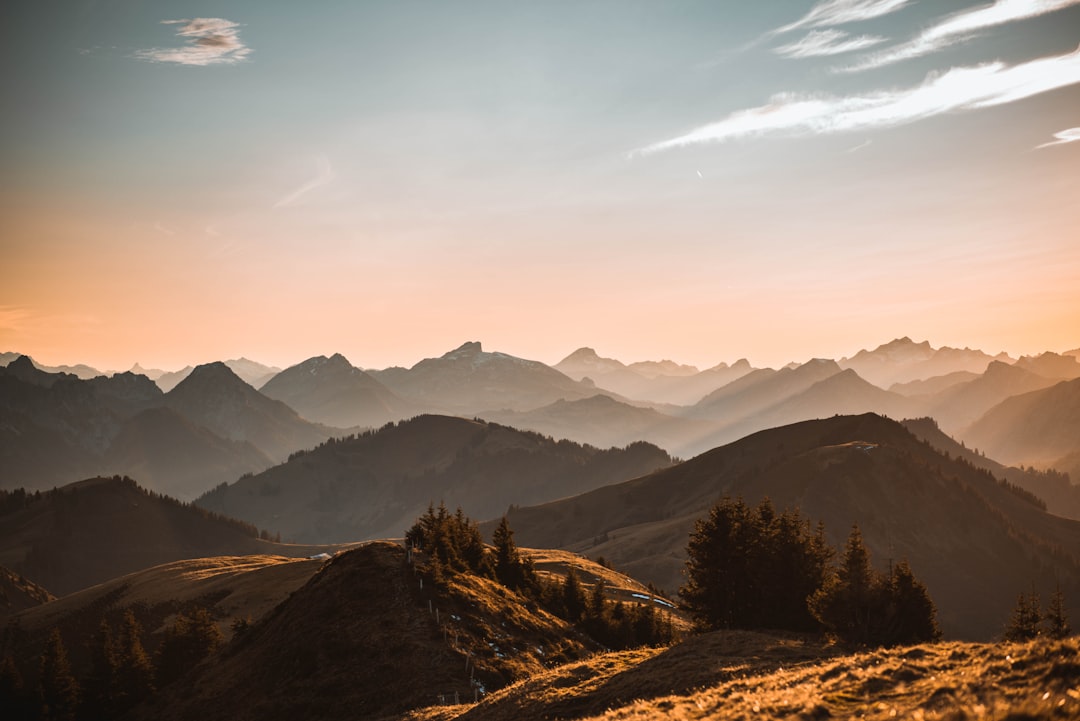
Zentralmassiv Travel Guide: Everything You Need to Know (2026)
The Massif Central covers roughly 85,000 km² of south-central France, making it the largest highland region in the country, with peaks like Puy de Sancy reaching 1,886 metres. Formed by ancient volcanic activity over 65 million years ago, it shelters extinct volcano chains, gorge-cut plateaus, and medieval market towns that see a fraction of the visitors flocking to Provence or the Loire Valley. In 2026, the region remains one of France’s best-kept secrets for travellers who want wild landscapes without the crowds.
Top 3 Highlights at a Glance
- Puy de Dôme & Chaîne des Puys — UNESCO-listed volcanic chain of 80 cones; the summit at 1,465 m offers a panorama no flat French region can match.
- Gorges du Tarn — 600-metre-deep canyon carved by the Tarn river, best explored by canoe over a 25 km stretch from Ispagnac to Le Rozier.
- Millau Viaduct — World’s tallest road bridge at 343 metres, spanning the Tarn valley — a genuine engineering marvel visible from hiking trails below.
Scroll down for our complete travel guide with tips on getting there, where to stay, costs and more.
Getting There
How do I best reach the Zentralmassiv?
By TGV to Clermont-Ferrand or by car via the A75 autoroute. In my experience, driving is the single most practical choice — the region spans four departments and distances between key sights often exceed 60 km on winding roads. From Paris by TGV, Clermont-Ferrand is reached in about 3 hours; from Lyon, it’s under 2 hours. My tip: if you’re rail-only, base yourself in Clermont or Mende for the southern Massif, then use local buses or taxis for day excursions. The honest caveat: intercity rail within the Massif Central is sparse and slow — a 90 km journey can take over 2 hours by regional train.
Which airport is closest to the Zentralmassiv?
Clermont-Ferrand Auvergne Airport (CFE) is the natural gateway, sitting just 7 km from the city centre. It handles direct flights from Paris-Orly, London Stansted, and a handful of European cities. What surprised me: CFE is small — only a dozen gates — which means no connection stress but also limited international routes. Lyon-Saint-Exupéry (LYS), 170 km east, offers far more intercontinental options and is often cheaper to fly into. Montpellier (MPL), roughly 200 km south, works well for the Gorges du Tarn area. I recommend checking both CFE and LYS before booking — the price difference can exceed €80 on the same route.
How long is the journey from the capital to the Zentralmassiv?
From Paris to Clermont-Ferrand, the fastest TGV takes 3 hours 5 minutes. By car on the A71 autoroute, expect 4 hours in normal traffic — add 30–45 minutes in July or August when Parisians flood south. I’ve done the drive multiple times: the stretch past Vichy and into the volcanic plateau is genuinely scenic from kilometre 300 onward. The honest warning: tolls on the Paris–Clermont autoroute route total roughly €30 one way. If you’re heading directly to the southern Massif — say, Millau or the Gorges du Tarn — Paris by car is closer to 5.5 hours, so an overnight stop in Clermont makes sense.
Are there direct bus connections to the Zentralmassiv?
Yes, but coverage is patchy. FlixBus runs direct services from Paris to Clermont-Ferrand for as little as €15, with the journey taking around 4.5 hours. Within the Massif Central, Transdev Auvergne and Région Occitanie buses connect larger towns, but frequency drops to 2–3 departures per day on rural routes. In my experience, the bus from Clermont-Ferrand to Le Puy-en-Velay takes about 2 hours and runs reliably. The caveat most guides omit: bus timetables collapse almost entirely in winter outside school-term periods — always verify on fluo.auvergne-rhone-alpes.fr before planning rural legs.
Is a rental car necessary in the Zentralmassiv?
For most itineraries, yes — a car is non-negotiable. The Chaîne des Puys, Gorges du Tarn, Aubrac plateau, and Cantal volcanoes are all but inaccessible without one. My tip: pick up your car at Clermont-Ferrand Gare (train station) rather than the airport to save roughly €15/day in airport surcharges. A compact car costs around €35–50/day from Europcar or Hertz in June–August; book at least 3 weeks ahead in July. The honest trade-off: narrow D-roads with steep gradients can be stressful — I’d avoid renting anything longer than a standard estate if you plan to explore the Gorges de l’Allier.
Accommodation
Which towns make good bases in the Zentralmassiv?
Clermont-Ferrand is the obvious northern hub — a working French city of 150,000 with good restaurant options, a striking black-stone cathedral, and direct access to the Chaîne des Puys in 20 minutes. For the central Massif, Aurillac or Murat put you within reach of the Cantal volcanoes and Truyère gorges. In the south, Mende covers the Lozère plateau and Gorges du Tarn, while Millau is ideal for the Aveyron area and Millau Viaduct. What surprised me: Le Puy-en-Velay is perhaps the most atmospheric base of all — a pilgrimage city built on volcanic plugs, with far more charm than its modest size of 18,000 suggests.
Where should I stay in the Zentralmassiv?
I recommend a mix of accommodation types rather than sticking to one town. Logis de France hotels — a French network of owner-run, regionally rooted properties — are excellent throughout the Massif and often include breakfast and a restaurant serving local Cantal or Aveyron dishes. In the Aubrac, converted burons (traditional herdsmen’s stone shelters) offer genuinely unique stays. For hiking the GR 70 Stevenson Trail or GR 4, gîtes d’étape charge roughly €20–30 per bunk. My tip: book accommodation in Salers or Blesle — both classified among France’s Plus Beaux Villages — at least 6 weeks ahead for July and August, as room inventory is tiny in these medieval villages.
What does accommodation cost in the Zentralmassiv?
Budget travellers can find gîtes and chambres d’hôtes from €45–65/night for a double room including breakfast. Mid-range Logis de France hotels run €75–110/night. In peak July–August, demand in scenic spots like Salers, Conques, or lakeside Garabit pushes rates up by 20–30%. What surprised me: luxury is genuinely rare here — there are very few four-star properties, and the handful that exist (such as Château de Codignat near Clermont) charge €200+/night. My tip: self-catering gîtes ruraux booked through Gîtes de France offer the best value for groups — a full farmhouse for 6 people costs €600–900/week in shoulder season.
How far in advance should I book accommodation in the Zentralmassiv?
For July and August, book at least 8 weeks ahead — preferably earlier for the most popular villages. Conques and Salers have fewer than 20 hotels combined, and they sell out fast. What surprised me: the spring shoulder season (May–June) books up quickly for pilgrim-route walkers on the Chemin de Saint-Jacques, particularly in Le Puy-en-Velay where hostel beds go in March for May departures. Outside peak season — September through October — you can usually book 1–2 weeks ahead without trouble, and prices drop noticeably. My tip: contact Logis de France properties directly by phone; owners sometimes hold back rooms from booking platforms and offer better rates.
When is the best time to visit the Zentralmassiv?
June, July, August, and September are the optimal months based on verified climate data. June is my personal favourite — wildflowers blanket the Aubrac plateau, crowd pressure is lower than July, and daylight runs past 9 pm. July and August are warmest but bring the most French domestic tourists. September is exceptional for hiking: temperatures ease to 15–20°C in the valleys, the Cantal forests turn golden, and the transhumance cattle festivals in Aubrac are genuinely memorable. The honest caveat: the high plateau above 1,200 m can see snow as late as May and as early as October — always carry a mid-layer even in summer.
Best Time to Visit
How does the weather affect activities in the Zentralmassiv?
Weather dictates everything in the high Massif. Above 1,500 m on Puy de Sancy or in the Cézallier, afternoon thunderstorms are common from June through August — I’ve been caught in hail in July on a clear morning start. My rule: begin summit hikes by 7 am to be descending before 1 pm. River activities in the Gorges du Tarn are best from mid-June to mid-September when water levels are manageable. Skiing at Super Besse or Mont-Dore runs from December to March, but snow reliability below 1,200 m is declining — check the resort snow reports within 2 weeks of travel. Cycling the Via Arverna greenway is comfortable from April through October.
Are there local festivals in the Zentralmassiv worth attending?
Absolutely — and they’re the real thing, not tourist performances. The Transhumance de l’Aubrac in late May sees herds of hundreds of Aubrac cattle driven up to summer pastures — free to watch, genuinely moving, centred on Saint-Chély-d’Aubrac. Festival de Laroquebrou in August is a roots-music event that pulls 10,000 people to a village of 700. Fête de la Transhumance in Saint-Flour (mid-June) includes markets of local cheese and knife-makers. What surprised me: the Festival International Court Métrage de Clermont-Ferrand in February is actually the world’s largest short film festival, drawing 170,000 attendees — worth planning a late-winter visit around if cinema interests you.
When does the Zentralmassiv get crowded?
Late July and the first two weeks of August are definitively the busiest period — French school holidays flood the region with domestic tourists. The Puy de Dôme summit can see 2,000+ visitors on a single August Saturday. The Gorges du Tarn canoe rental points queue from 10 am onward in peak weeks. My tip: visit the Chaîne des Puys by taking the Panoramique des Dômes rack railway before 9 am to beat coach groups. Conques and Rocamadour (just outside the Massif but often combined) become genuinely difficult to navigate in August afternoons. September drops crowds by roughly 40% while keeping good weather — it’s the smartest month overall.
What does a daily budget cost in the Zentralmassiv?
A realistic mid-range budget runs €90–130/person/day covering accommodation, meals, petrol, and one paid attraction. Broken down: gîte/chambre d’hôtes €50–65, lunch at a local auberge €14–18 (plat du jour with wine), dinner €22–35, petrol for 100 km roughly €12, and a site entry like Puy de Dôme rack railway €10.80. Budget backpackers using gîtes d’étape and self-catering can get by on €50–60/day. The honest warning: the region lacks true budget hostels outside Clermont-Ferrand and Le Puy-en-Velay — relying on camping (pitches from €12/night at Camping de la Vallée de la Jordanne near Aurillac) is the only way to push costs below €50.
Is the Zentralmassiv cheaper or more expensive than other French regions?
Significantly cheaper than Provence, the Côte d’Azur, or Alsace. A three-course lunch menu in the Cantal costs €14–18 where the same meal in Nice runs €28–35. Hotel rooms average 30–40% less than equivalent quality in the Loire Valley. What surprised me: fuel costs matter more here because distances are long and public transport is sparse — budget an extra €15–20/day for driving compared with city-based trips. The hidden premium is activity costs: guided volcanic geology tours, canoe hire on the Tarn (€22–30/half day), and ski lift passes (€28–34/day at Super Besse) add up quickly if you’re activity-focused. Overall, it remains one of France’s best-value regions for the landscape quality delivered.
Budget
What free highlights are there in the Zentralmassiv?
The Chaîne des Puys viewpoints from the D941 road are completely free — you can see the volcanic cones clearly without paying the €10.80 rack railway fare. Walking the GR 400 crater rim trail above Orcival costs nothing. The medieval village of Conques with its Romanesque abbey is free to enter (audioguide €5 optional). Gorges de la Truyère viewpoints near Garabit Viaduct are roadside and free. The Aubrac plateau itself — 1,300 km² of open grassland — is free to roam. My tip: the Vulcania volcano theme park charges €26 entry but its outdoor volcanic geology trail near Saint-Ours-les-Roches can be walked without buying a ticket.
What do local specialities cost in the Zentralmassiv?
Aligot — the volcanic-region’s iconic mashed potato and melted Tomme cheese dish — costs €8–12 as a side or €14–18 as a main with sausage. A plateau de fromages featuring Cantal, Salers, and Bleu d’Auvergne at a restaurant runs €8–12. Buying direct from a fromagerie or market: a 250g wedge of AOP Salers costs roughly €5–7. A glass of Côtes d’Auvergne wine starts at €3.50 in a village bar. My tip: the Thursday market in Aurillac and Saturday market in Clermont-Ferrand (Place de Jaude) have the best cheese-to-price ratios in the region. The honest warning: tourist restaurants in Salers charge up to 30% more for the same aligot than a farm auberge 10 km away.
Which route do you recommend for 5–7 days in the Zentralmassiv?
In my experience, this anti-clockwise loop works perfectly. Day 1–2: Clermont-Ferrand — Puy de Dôme, old town, Cathedral Notre-Dame-de-l’Assomption, evening aligot in Montferrand district. Day 3: Salers and Cantal — drive the D680 through volcanic Cantal via Murat and Salers village (park outside the walls, walk in). Day 4: Garabit Viaduct and Aubrac — the Garabit Viaduct (Eiffel-designed, 1884) in morning light, then north through Aubrac for transhumance country. Day 5: Gorges du Tarn — canoe from Ispagnac, overnight in La Malène. Day 6–7: Millau and Conques — Millau Viaduct viewpoint (free from D992 layby), then north to medieval Conques abbey for the final night. Total driving: roughly 700 km.
What are the must-see sights in the Zentralmassiv?
Puy de Dôme (1,465 m summit, UNESCO World Heritage, rack railway €10.80) is non-negotiable. Conques Abbey — a Romanesque masterpiece with a 12th-century tympanum that art historians call one of France’s finest — is genuinely unmissable and free to enter. The Millau Viaduct from the free D992 viewpoint layby is more impressive than any photograph suggests. Salers village — black-stone medieval streets, completely intact since the 15th century — takes 2 hours to explore properly. The Gorges du Tarn from the river itself (canoe, not road) reveals canyon walls impossible to appreciate from above. My tip: add Orcival Basilica, a 12th-century Romanesque church in a village of 300 people that punches far above its size.
What natural highlights does the Zentralmassiv offer?
The Chaîne des Puys — 80 aligned volcanic cones over 40 km, the densest such formation in Europe — is the headline. Puy de Sancy at 1,886 m is the highest point in the Massif Central and offers ski in winter, wildflower hiking in July. The Gorges de l’Allier cuts 500 m deep through granite — less visited than the Tarn gorges but arguably more dramatic. Lac de Guéry at 1,244 m altitude is the highest lake in the Auvergne and mirror-calm on autumn mornings. The Aubrac plateau above 1,100 m is one of France’s last genuinely wild grassland ecosystems, home to 180,000 Aubrac cattle and golden eagles. What surprised me: the thermal springs of Mont-Dore are still used by locals for respiratory treatments — a living geological feature, not a museum exhibit.
Routes & Highlights
What local specialities should I try in the Zentralmassiv?
Aligot is the dish you must eat at least once — elastic, cheesy, almost theatrical when a chef pulls it in long ribbons from the pot. Truffade is its simpler cousin: potatoes fried with Cantal and lardons, found in every village bar for €10–14. Salers beef (AOP-designated cattle raised on the Cantal plateau) is some of France’s finest — order it as a côte de boeuf for €28–38 at a proper auberge. Cantal Vieux cheese, aged over 240 days, has a depth that young Cantal entirely lacks — buy it at the Fromagerie Beillevaire outlet in Aurillac. To drink: Eau de Volvic comes from a spring 4 km from the Puy de Dôme — order it still (plate) and it costs nothing to feel smug about the provenance.
What activities are available in the Zentralmassiv?
Hiking dominates: the GR 4, GR 65 (Chemin de Saint-Jacques), and GR 400 volcano crater circuit are all fully waymarked. Canoe and kayak hire on the Gorges du Tarn runs €22–30 per half day from operators in La Malène and Les Vignes. Via ferrata routes at Gorges de la Jonte suit intermediate climbers. Mountain biking trails around Super Besse are lift-served in summer (€8/lift day pass). Paragliding from Puy de Dôme with an instructor costs €90–110 for a 20-minute tandem flight. In winter, Le Mont-Dore and Super Besse offer skiing from December to March with day passes at €28–34. My tip: the Stevenson Trail (GR 70) — following Robert Louis Stevenson’s 1878 donkey journey — is the most literary hike in France and achievable in 12 days from Le Puy-en-Velay to Alès.
What distinguishes the Zentralmassiv from other French regions?
Three things set it apart from anywhere else in France. First, active volcanology — no other region in Western Europe has as many intact volcanic landforms above ground; this is geology you can stand inside. Second, authentic rural France without performance — the Aubrac plateau and Cantal villages operate as working agricultural communities, not heritage theme parks. Third, pilgrimage culture — Le Puy-en-Velay has been a Camino starting point for over 1,000 years, giving the region a spiritual dimension that Provence or Burgundy simply don’t carry. What surprised me most: the near-total absence of international tourists — in a week of travel through the Cantal in September, I encountered almost no non-French visitors, which is extraordinary for a country receiving 100 million tourists annually.
Which day trips are possible from the Zentralmassiv?
From Clermont-Ferrand, Vichy is a perfectly preserved Art Deco spa town just 55 km north — the thermal halls and casino architecture are unlike anything else in France. Thiers, 30 km east of Clermont, is France’s cutlery capital with a free knife museum in a medieval hillside town. From Millau, Roquefort-sur-Soulzon is 25 km away — the actual Roquefort caves where 70,000 tonnes of blue cheese age annually offer 45-minute guided tours for €5. From Le Puy-en-Velay, the Gorges de l’Allier and Brioude Basilica (France’s largest Romanesque structure) are within 45 minutes. My tip: the Château de Murol near Besse — a 14th-century volcanic-stone fortress — takes only 2 hours but is one of the Massif’s most underrated stops.
Are there language barriers in the Zentralmassiv?
English proficiency is lower here than in Paris, Lyon, or the Côte d’Azur. In my experience, restaurant owners in Salers or Saint-Flour may speak no English at all — this is genuine rural France. That said, the hospitality is warm and patient. I recommend learning 10 key phrases in French: ordering food, asking for directions, and requesting the bill will cover 90% of interactions. Google Translate’s camera function works reliably for menus. At larger attractions like Vulcania or Puy de Dôme, English audioguides and signage are available. The honest truth: language limitation is actually part of the charm here — it forces authentic interaction with locals rather than the polished tourist-English of Paris. A phrasebook app like Duolingo used for even 30 minutes before arrival makes a noticeable difference.
Practical Tips
Which apps do you recommend for the Zentralmassiv?
Komoot or AllTrails are essential for hiking — download the Cantal and Lozère map packs offline before departure as mobile signal drops to zero above 1,200 m in many areas. Mappy beats Google Maps for rural French road routing, correctly identifying single-track D-roads. SNCF Connect handles train and regional bus bookings. For weather, Météo-France is more accurate than international apps for Atlantic-influenced mountain forecasts — critical for summit planning. Gîtes de France app lists rural accommodation not on Booking.com. My tip: download IGN Rando — France’s official topographic map app — for €4.99/region pack; it’s the same 1:25,000 maps the local gendarmerie uses for mountain rescue and is far more detailed than anything else available.
Are there medical facilities in the Zentralmassiv?
Clermont-Ferrand has the CHU Estaing university hospital — a full-service facility handling complex trauma and emergencies. Aurillac, Mende, and Millau each have general hospitals with 24-hour emergency departments. The honest warning: in the rural Cantal and Lozère, the nearest hospital can be 40–60 km away on winding roads — mountain rescue response times can exceed 45 minutes in bad weather. I always carry a basic first-aid kit when hiking above 1,000 m. EU citizens with a European Health Insurance Card (EHIC) get treatment at French public hospitals at local rates. Non-EU travellers should carry travel insurance covering mountain rescue — helicopter evacuation from Puy de Sancy costs €1,500–3,000 without coverage. Pharmacies in villages are well-stocked and pharmacists will triage minor issues for free.
How safe is the Zentralmassiv?
Extremely safe by any European standard — rural crime rates in the Cantal and Lozère are among France’s lowest. Car break-ins at trailhead car parks are the most common issue; don’t leave valuables visible. The real risk here is mountain weather: the plateau above 1,200 m can shift from sunshine to thick fog in under 20 minutes, and hypothermia risk is real even in August at altitude. I’ve seen unprepared day-hikers in shorts rescued from the Puy de Sancy in July fog. Flash flooding in the Gorges du Tarn is a genuine hazard during storm events — always check water levels with your canoe operator before launching. Road safety requires attention: the D-roads through the Cantal have no barriers on many mountain stretches and become icy from October through April above 800 m.
What are common traveller mistakes in the Zentralmassiv?
The biggest mistake is underestimating distances — looking at a map, 80 km seems manageable, but winding mountain roads make it a 2-hour drive. Tourists routinely try to combine Conques, Salers, and the Gorges du Tarn in a single day and arrive frantic at everything. Second mistake: visiting only in August when French crowds dominate and 30% of small auberges are actually closed on Mondays regardless of season. Third: ignoring the weather forecast and attempting summit walks in afternoon thunderstorm windows. Fourth: booking accommodation only in towns and missing the extraordinary farm stays (fermes auberges) where you eat what the family slaughters — book these directly by phone. My tip: allow at least one unplanned day — the Massif Central rewards spontaneous detours down unmarked D-roads in ways that no itinerary can capture.
Which accommodation types suit the Zentralmassiv best?
Chambres d’hôtes (B&Bs) are the single best match for this region — owners are invariably locals who know the unmarked trails, the best fromageries, and the festival dates. Fermes-auberges (farm stays with dinner) are unique to rural France and the Massif Central has exceptional ones: expect €60–75/person including bed, dinner with farm produce, and breakfast. Gîtes d’étape suit pilgrims and hikers on the GR routes — bunks from €20–25 with a shared kitchen. Converted volcanic-stone village houses listed on Gîtes de France offer the most atmospheric self-catering. The honest trade-off: design hotels and international chains are almost nonexistent outside Clermont-Ferrand — if a modern bathroom and reliable WiFi are priorities, you’ll need to adjust expectations. For me, that’s entirely the point.
More Destinations in Europe
Explore our complete travel guides for more Europe destinations: Angers Travel Guide (2026), Nantes Travel Guide (2026), Segovia Travel Guide (2026), Midi-Pyrénées Travel Guide (2026), Elsass Travel Guide (2026).
Useful Resources for Planning Your Trip to Zentralmassiv
- Wikipedia: Zentralmassiv — history, geography and background
- Lonely Planet: Zentralmassiv — itineraries and travel inspiration
- TripAdvisor: Zentralmassiv — hotels, restaurants and traveller reviews
🎥 Zentralmassiv Travel Videos
Exploring CAVES, CANYONS, RUINS & HIKES in Ardèche …
Mariano Caravano
Where’s Your Happy Place? Life in the Massif Central of France.
Tristan Deggan
#11 Toll-free route across the Massif Central. Fantastic …
Vangu
You are currently viewing a placeholder content from Vimeo. To access the actual content, click the button below. Please note that doing so will share data with third-party providers.
More InformationYou are currently viewing a placeholder content from YouTube. To access the actual content, click the button below. Please note that doing so will share data with third-party providers.
More InformationYou need to load content from reCAPTCHA to submit the form. Please note that doing so will share data with third-party providers.
More InformationYou are currently viewing a placeholder content from GetYourGuide. To access the actual content, click the button below. Please note that doing so will share data with third-party providers.
More Information