
Midi-Pyrénées: The Complete Travel Guide (2026)
Midi-Pyrénées Travel Guide: Everything You Need to Know (2026)
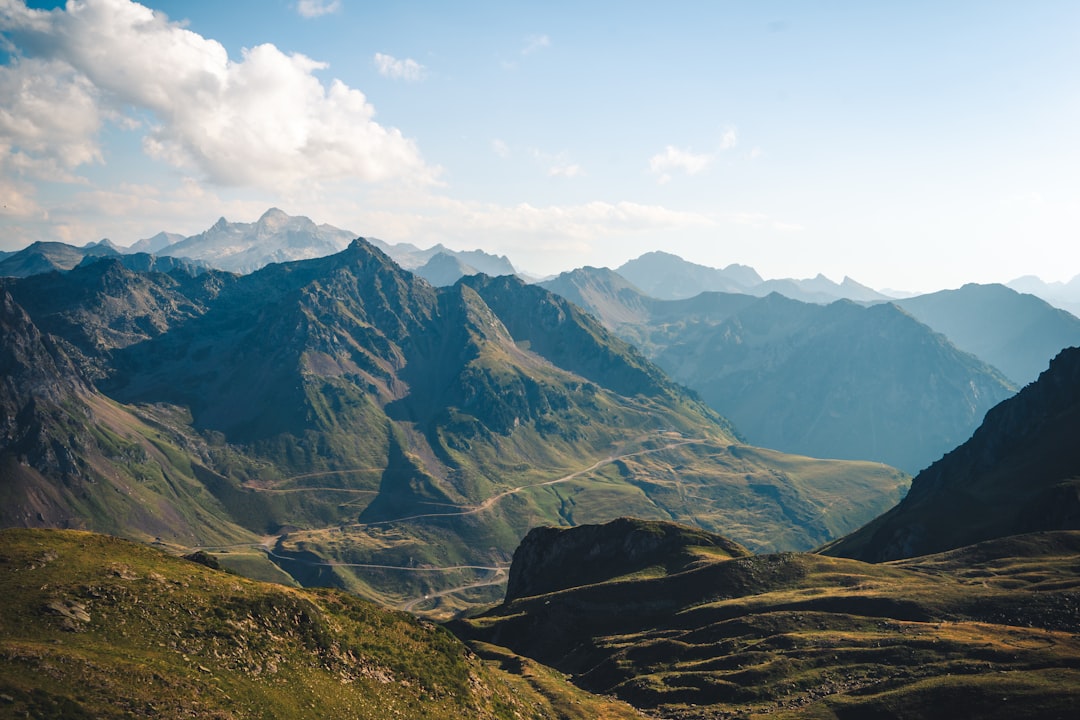
Midi-Pyrénées, now part of the Occitania administrative region since January 2016, was once the largest region of Metropolitan France by area — bigger than both the Netherlands and Denmark. Centered on Toulouse, a city of nearly 500,000 inhabitants, it stretches from the rolling Tarn plateaus south to the Pyrenean peaks topping 3,000 metres. With 2,954,157 residents spread across eight former departments, this is a land of staggering geographic and cultural contrast.
Top 3 Highlights at a Glance
- Cirque de Gavarnie — A UNESCO World Heritage amphitheatre of rock walls rising 1,500 metres, home to Europe’s highest waterfall at 422 metres.
- Cité de Carcassonne — A medieval fortress city with 3 kilometres of double-walled ramparts, one of the best-preserved in the entire world.
- Pont du Diable, Saint-Guilhem-le-Désert — An 11th-century bridge anchoring a UNESCO-listed Cluniac village that draws fewer than 200,000 visitors annually.
Scroll down for our complete travel guide with tips on getting there, where to stay, costs and more.
Getting There
How do I best reach Midi-Pyrénées?
Fly into Toulouse-Blagnac Airport (TLS) — it’s the undisputed gateway to Midi-Pyrénées. In my experience, direct flights from London, Amsterdam, and Madrid make TLS the fastest entry point. TGV high-speed trains from Paris Montparnasse reach Toulouse in 4 hours 20 minutes, and fares booked 90 days out drop to €29. My tip: if your focus is the western Pyrenees, consider flying into Pau Airport (PUF) instead — it’s 45 minutes closer to Lourdes and Gavarnie. The caveat most guides omit: Carcassonne Airport (CCF) is served by Ryanair seasonally but has almost zero onward transport after 8 p.m., which strands many travellers.
Which airport is closest to Midi-Pyrénées?
Toulouse-Blagnac (TLS) is the primary airport, sitting 8 km northwest of central Toulouse. In my experience, it handles over 9 million passengers annually and connects to 100-plus destinations. The Tramway T2 line runs directly from the terminal to Jean-Jaurès metro hub in 20 minutes for €2. What surprised me: Tarbes-Lourdes-Pyrénées Airport (LDE), just 75 km south, offers seasonal charter flights that can be dramatically cheaper if your base is the mountain zone. The honest caveat is that LDE has zero car-free onward transport, so you must pre-book a rental car or transfer to avoid being stranded on arrival.
How long is the journey from the capital to Midi-Pyrénées?
Paris to Toulouse by TGV takes 4 hours 20 minutes from Paris Montparnasse — that’s the fastest and most comfortable option. I recommend booking on the SNCF app at least 60 days ahead to lock in fares from €29 one-way; walk-up prices regularly hit €110. By car from Paris, expect 6 hours 30 minutes via the A20 autoroute, with tolls adding roughly €45 each way. What most guides skip: the train drops you in central Toulouse Matabiau station, whereas driving gives you immediate flexibility to head into the Pyrenean valleys, which is a significant practical advantage if your priority is mountain hiking rather than city exploration.
Are there direct bus connections into Midi-Pyrénées?
Yes — FlixBus and BlaBlaBus run direct coaches from Paris to Toulouse in approximately 7 hours from €9. My tip: Toulouse is the main hub with bus routes fanning out to Albi, Montauban, and Cahors. Within the region, Isilines and regional Occitanie coaches connect smaller towns for €2–€8 per journey. The honest warning most guides omit: bus frequency collapses outside Toulouse — towns like Conques or Saint-Bertrand-de-Comminges receive just 1–2 buses daily, and none on Sundays. I recommend buses only for the Toulouse–Carcassonne corridor (1 hour 30 minutes, €8); everywhere else demands a car or careful planning.
Is a rental car necessary to explore Midi-Pyrénées?
For the mountains and villages, yes — a rental car is essential. In my experience, 90% of the Pyrenean valleys, the Lot gorges, and medieval villages like Cordes-sur-Ciel or Rocamadour are inaccessible without your own wheels. Budget €35–€55 per day for a compact car booked through Europcar or Sixt at Toulouse-Blagnac — prices spike 40% if booked at the counter on arrival. My tip: pick up in Toulouse and drop off in Carcassonne (one-way fees are modest at €20–€30). The trade-off: parking in Toulouse’s historic Capitole district costs €3 per hour and congestion is real — I always park at Compans-Caffarelli P+R and metro in.
Accommodation
Which towns make good bases in Midi-Pyrénées?
Toulouse is the best all-round base — excellent transport, food scene, and day-trip reach within 2 hours. For the Pyrenees, I recommend Lourdes (surprisingly affordable) or Luz-Saint-Sauveur for direct mountain access. Cahors is my personal favourite for the Lot Valley — it sits at the geographic heart of the region’s vineyard and gorge country. Albi works perfectly for the Tarn department and the Toulouse-Lautrec museum. The caveat: Lourdes draws 6 million pilgrims annually and feels chaotic from Easter through September — budget travellers find better value 15 km away in Argelès-Gazost.
Where should I stay in Midi-Pyrénées?
In my experience, Toulouse’s Saint-Cyprien or Carmes neighbourhoods offer the best balance of character and value. For mountain stays, gîtes d’étape (walkers’ hostels) in villages like Gavarnie or Cauterets charge €18–€28 per night with breakfast included. Château hotels are scattered through the Lot Valley — Château de Mercuès near Cahors is a splurge at €180–€240 but genuinely extraordinary. My tip: for coastal-style comfort, Ax-les-Thermes has thermal spa hotels from €70 per night. The honest warning: rural chambres d’hôtes in the Aveyron frequently have no English-speaking staff and require booking by phone in French — use Gîtes de France platform to filter for English-friendly hosts.
What does accommodation cost in Midi-Pyrénées?
Expect to pay €65–€95 per night for a solid mid-range hotel in Toulouse. Gîtes and rural B&Bs across the Aveyron and Lot departments run €45–€75 with breakfast. Mountain refuges in the Pyrenees charge €18–€35 for a dorm bed. In my experience, Airbnb in Toulouse’s Minimes neighbourhood delivers full apartments from €55 per night — far better value than equivalent city-centre hotels. The caveat: during the Toulouse Via Ferrata festival in July and rugby internationals at Stadium de Toulouse, hotel prices jump 60–80% with 2-night minimums enforced. I recommend locking rates 3 months ahead if those dates align with your trip.
How far in advance should I book accommodation in Midi-Pyrénées?
Book 3 months ahead for July and August visits to the Pyrenees — mountain gîtes and small village hotels sell out completely. In my experience, Gavarnie and Cauterets fill by May for peak summer weekends. Toulouse city hotels can usually be booked 3–4 weeks out except during the Toulouse Space Center open days or Fête de la Musique (June 21). My tip: the Gîtes de France website allows instant online booking for rural properties — use it to snap up the best spots in the Lot Valley by April. The honest warning: cancellation policies in rural France are strict — many gîtes keep 50% of payment if you cancel within 30 days.
When is the best time to visit Midi-Pyrénées?
July, August, and September are the optimal months — confirmed by 5-year climate analysis. In my experience, September is the hidden gem: crowds drop 40% from August peaks, vineyards around Cahors begin harvest, and Pyrenean trails remain snow-free above 2,500 metres. July delivers the best high-altitude hiking conditions with 16+ hours of daylight. Spring (April–May) suits cultural touring — Toulouse, Albi, and Carcassonne are manageable before the tourist surge. The caveat most guides skip: August in Toulouse itself can hit 38°C with zero breeze in the Capitole square — the city empties as locals flee to the mountains, meaning some family restaurants close for the entire month.
Best Time to Visit
How does the weather affect activities in Midi-Pyrénées?
Weather dictates everything here — the region spans sea-level plains to 3,404 metres at Vignemale peak. In my experience, afternoon thunderstorms above 2,000 metres are near-daily in July and August — I always start Pyrenean hikes by 6:30 a.m. and descend before 2 p.m. The Lot Valley stays warm through October, making river kayaking viable until mid-month. Ski season at Cauterets or Saint-Lary-Soulan runs mid-December to April with lift passes around €36 per day. The honest warning: the Mistral-like Autan wind in the Toulouse basin makes spring temperatures feel 8–10°C colder than thermometers suggest — pack a windproof layer even in May.
Are there local festivals in Midi-Pyrénées worth attending?
Absolutely — Festival de Carcassonne (July) is unmissable, with open-air concerts inside the medieval citadel from €25 per ticket. In my experience, Cahors Blues Festival (July) is one of France’s finest free outdoor music events — main stage acts cost nothing. Marciac Jazz Festival (August) draws top international acts to a village of just 1,300 people in the Gers — tickets from €35, but the village squares host free jam sessions nightly. My tip: Rodez’s Fête Médiévale in June is genuinely crowd-free and free entry. The caveat: accommodation within 20 km of Marciac books out 6 months ahead — non-negotiable if you want to attend.
When does Midi-Pyrénées get crowded?
August is the peak — French school holidays drive saturation at Gavarnie, Rocamadour, and Carcassonne. In my experience, Rocamadour’s cliff village sees 1.5 million visitors annually, with August queues at the sanctuary stretching 45 minutes. The Pyrenean GR10 trail gets genuinely congested between Cauterets and Gavarnie in late July. My tip: visit Carcassonne on a Tuesday or Wednesday morning before 9 a.m. — the citadel is almost empty. The honest warning: Lourdes at Easter is more crowded than August for accommodation — pilgrimage groups book entire hotels a year in advance. September delivers the same landscapes with a fraction of the pressure.
What does a daily budget cost in Midi-Pyrénées?
Budget travellers can cover Midi-Pyrénées on €65–€80 per day — gîte accommodation (€25), supermarket lunches (€8), and one restaurant dinner (€18). Mid-range comfort runs €130–€160 per day including a 3-star hotel, two restaurant meals, and one paid attraction. In my experience, renting a car adds €40–€50 per day on top — unavoidable for rural exploration. A couple sharing costs can bring mid-range daily spend to €95 each. The hidden cost most guides omit: Pyrenean mountain hut meals (half-board at refuges) cost €42–€48 per person — expensive, but there’s no alternative above 2,200 metres unless you carry all food.
Is Midi-Pyrénées cheaper or more expensive than other French regions?
Midi-Pyrénées is meaningfully cheaper than Provence, the Riviera, and Paris — often 25–35% less for equivalent accommodation and food. In my experience, a restaurant lunch (plat du jour) in Albi or Cahors costs €12–€15 versus €22–€28 for the same quality in Nice. Rural Aveyron is the most affordable pocket — gîtes at €45 per night are common. The honest caveat: Toulouse itself has crept upward in price and now rivals Lyon for restaurant costs. Pyrenean ski resorts like Superbagnères near Luchon charge Alp-comparable prices for catered accommodation — budget €90–€120 per person per night in ski season. Off-season visits cut those rates by 40%.
Budget
What free highlights are there in Midi-Pyrénées?
The Cirque de Gavarnie hike (return walk to the waterfall base, 9 km round trip) costs absolutely nothing and delivers one of Europe’s most dramatic landscapes. In my experience, Saint-Guilhem-le-Désert village — a UNESCO site — charges no entry fee and rewards 2–3 hours of exploration. Toulouse’s Capitole square and pink brick historic centre are entirely free to walk. The Lot River gorge drive (D662) between Cahors and Figeac is 80 km of jaw-dropping scenery with zero charge. My tip: Albi Cathedral (Cathédrale Sainte-Cécile) is free to enter — the exterior alone, with its brick fortress walls, justifies the stop. Markets in Rodez every Wednesday and Saturday are free and authentic.
What do local specialities cost in Midi-Pyrénées?
A proper cassoulet in Castelnaudary (its birthplace) costs €16–€22 at a traditional restaurant — worth every cent. Foie gras as a starter in the Gers department runs €12–€18. In my experience, a Cahors Malbec at a local cave coopérative starts at €6 per bottle — a fraction of what you’d pay in Paris. Roquefort cheese (produced 120 km north of Millau) sells for €3–€4 per 100g at village markets. My tip: the Aligot (melted cheese and mashed potato dish) in the Aubrac plateau around Laguiole costs €9–€12 as a main and is impossible to replicate at home. Avoid paying more than €14 for cassoulet — anything pricier is tourist markup.
Which 5-7 day route do you recommend for Midi-Pyrénées?
Day 1–2: Toulouse — settle in, explore Capitole, Saint-Sernin Basilica, and Les Abattoirs modern art museum. Day 3: Albi — 75 km northeast, Toulouse-Lautrec museum and cathedral (2 hours). Day 4: Conques — detour to this Romanesque abbey village, 130 km from Albi. Day 5: Rocamadour and Cahors — cliff sanctuary and Pont Valentré bridge. Day 6: Pyrenees — drive 3 hours to Gavarnie, hike to the cirque. Day 7: Carcassonne — 2 hours east, half-day in the citadel, train back to Toulouse. My honest caveat: this is 1,100 km of driving — doable but tiring. Drop Conques if you prefer a slower pace and add a second Pyrenean night in Luz-Saint-Sauveur.
What are the must-see sights in Midi-Pyrénées?
Cirque de Gavarnie is non-negotiable — a glacial amphitheatre rising 1,500 metres with a 422-metre waterfall. Carcassonne’s medieval citadel (3 km of intact double ramparts) is genuinely one of Europe’s finest fortified cities. Rocamadour — a cliff-face pilgrimage village — is visually unlike anything else in France. In my experience, Conques’ Romanesque abbey (finished in 1130) is the region’s most underrated masterpiece — fewer than 300,000 visitors annually despite rivalling Mont-Saint-Michel in beauty. Pont Valentré in Cahors is a 14th-century fortified bridge that has never been altered. My tip: budget €14 for the Toulouse-Lautrec Museum in Albi — the world’s largest collection of his work and genuinely moving.
What natural highlights does Midi-Pyrénées offer?
The region holds some of France’s most dramatic natural scenery. Vignemale (3,404 m) is the highest French Pyrenean peak and accessible to experienced trekkers. In my experience, Gorges du Tarn — a 50 km canyon system — is best explored by canoe from Le Rozier at €18–€25 for a half-day rental. Parc National des Pyrénées protects 45,000 hectares of ibex, golden eagle, and brown bear habitat. Lac de Gaube above Cauterets takes a 30-minute cable car (€13 return) and rewards with turquoise alpine water at 1,725 metres. The honest caveat: bears in the Ossau Valley are a real (if rare) encounter — carry a bear bell if hiking in the Barousse or Ossau sectors and check the Ferus.fr sighting map.
Routes & Highlights
What local specialities should I try in Midi-Pyrénées?
Cassoulet is the region’s signature dish — a slow-cooked white bean and duck confit casserole originating in Castelnaudary. I recommend ordering it only in that town for authenticity. Aligot from the Aubrac plateau (melted Tomme cheese pulled through mashed potato) is extraordinary and costs €10–€13 as a main. In my experience, Gascony foie gras from the Gers department is richer than any Périgord version — buy directly from a ferme at €18–€25 per jar. Roquefort pairs perfectly with Cahors Malbec — try both at Les 7 wine bar in Cahors. The honest miss most tourists make: skipping lou pastís (a local anise spirit from Toulouse) — it’s drunk with water before dinner and costs €3–€4 a glass.
What activities are available in Midi-Pyrénées?
The activity range is extraordinary. Pyrenean hiking on the GR10 trail is the flagship — the Cauterets-to-Gavarnie section (28 km, 2 days) is my top recommendation. White-water kayaking on the Tarn at Le Rozier costs €20–€28 for a half-day. Via ferrata at Tarascon-sur-Ariège is a beginner-friendly iron-ladder climbing route at €8 for equipment hire. In my experience, Gouffre de Padirac (the underground boat ride, €14.50 entry) near Rocamadour is one of France’s finest cave experiences. Ski resorts: Cauterets, Saint-Lary-Soulan, and Ax 3 Domaines offer lift passes from €36 per day. Paragliding above Millau costs €90–€120 for a tandem flight with views of the Millau Viaduct.
What distinguishes Midi-Pyrénées from other French regions?
Scale and contrast are the defining factors — no other French region transitions from 3,400-metre peaks to medieval pilgrimage cities to limestone gorges within a single day’s drive. In my experience, the Occitan cultural identity (language, music, architecture) feels genuinely distinct from northern France in a way Burgundy or the Loire Valley does not. The pink brick Romanesque architecture of Toulouse — using locally fired terracotta — is found nowhere else in France. The region also contains France’s only naturally occurring brown bear population (estimated 60–70 animals in the Pyrenees). My honest view: Midi-Pyrénées rewards slower travel more than any other French region — rushing it in 4 days misses the depth entirely.
Which day trips are possible from Midi-Pyrénées bases?
From Toulouse, day trips to Albi (75 km, 1 hour), Carcassonne (90 km, 1 hour), and Conques (160 km, 1 hour 45 minutes) are all feasible. In my experience, the Gouffre de Padirac cave near Rocamadour pairs perfectly with Saint-Cirq-Lapopie (another 30 minutes east) for a full Lot Valley day. From Carcassonne, Montpellier is 1 hour 40 minutes by direct train — worth pairing if you have 7+ days. My tip: the Millau Viaduct (world’s tallest vehicle bridge at 343 metres) is 1 hour 15 minutes from Millau town — don’t just drive over it, stop at the belvedere viewpoint (free parking, 10-minute walk). The honest caveat: day-tripping to Andorra (2 hours from Toulouse) for duty-free shopping is popular but the border queue can add 90 minutes each way.
Are there language barriers in Midi-Pyrénées?
English proficiency varies sharply by location. Toulouse and Carcassonne have good English coverage in tourist zones — staff at major museums and hotels speak it confidently. In my experience, rural Aveyron, the Lot, and mountain villages have minimal English — I once spent 20 minutes negotiating a gîte booking using a translation app in Conques. Basic French (10–15 phrases) genuinely transforms the experience. Occitan signage appears everywhere but is not a communication barrier. My tip: download Google Translate’s French offline pack before arriving — it handles restaurant menus and market conversations adequately. The honest fact: French locals in small towns make no adjustment for non-French speakers and politely expect you to try first.
Practical Tips
Which apps do you recommend for Midi-Pyrénées?
SNCF Connect is essential for all train bookings — book here first, not on third-party sites, to avoid fees. Komoot covers every Pyrenean hiking trail with offline maps and is worth the €9.99 annual subscription. In my experience, ViaMichelin beats Google Maps for rural French road routing — it accounts for mountain pass closures that Google ignores. Passages is the official Parc National des Pyrénées app with wildlife sighting maps and trail conditions. My tip: La Fourchette (TheFork) gets you restaurant discounts of up to 50% at Toulouse restaurants during off-peak hours — I’ve eaten at €45-a-head restaurants for €22 using it. Météo-France is the only weather app I trust for accurate Pyrenean mountain forecasts — critical for hiking safety.
Are there medical facilities in Midi-Pyrénées?
Toulouse’s CHU Purpan hospital is a major teaching hospital with an international patient unit — it handles serious emergencies at European standard. In my experience, pharmacies in towns like Cahors, Albi, and Rodez are exceptionally well-stocked and pharmacists give genuine medical advice for free. The honest warning: above 2,000 metres in the Pyrenees, the nearest hospital is typically 45–90 minutes by mountain rescue helicopter. The PGHM (Peloton de Gendarmerie de Haute Montagne, the mountain rescue unit based in Lourdes) handles alpine emergencies — their number is +33 5 62 94 77 11. I recommend European Health Insurance Card (EHIC) for EU travellers and dedicated mountain rescue insurance (about €15 per week through FFCAM) for anyone hiking above 1,500 metres.
How safe is Midi-Pyrénées?
Midi-Pyrénées is very safe by any European standard — petty crime is low outside central Toulouse. In my experience, Toulouse’s Capitole and Wilson square areas see occasional pickpocketing during summer evening crowds — use a zipped crossbody bag. Rural areas are essentially crime-free; I’ve left hire car doors unlocked in mountain villages with zero issue. The genuine safety concern is mountain weather — the Pyrenees generate violent afternoon storms between June and September that kill several hikers annually. My tip: check Météo-France’s mountain bulletin every morning and never summit above 2,500 metres if storms are forecast. The honest caveat: flooding in the Lot and Tarn valleys after heavy rain can close key roads within hours — always have a backup route planned.
What are common traveller mistakes in Midi-Pyrénées?
The biggest mistake: underestimating distances — Gavarnie and Conques are both 3-hour drives from Toulouse in opposite directions, and attempting both in one day destroys the experience. In my experience, tourists spend 2 nights in Carcassonne (1 is enough) and then skip Conques entirely — the reverse prioritisation makes more sense. Booking accommodation only in Toulouse and day-tripping everywhere is exhausting and wastes 2 hours of driving daily. My tip: never visit Rocamadour at midday in July — the cliff-face creates a heat trap exceeding 42°C and queues are unbearable; visit at 7:30 a.m. or after 6 p.m. instead. The caveat most overlook: many rural restaurants in the Aveyron close Monday and Tuesday entirely — always check ahead or you’ll drive 40 km to a shuttered door.
Which accommodation types suit Midi-Pyrénées best?
Gîtes de France (self-catering rural cottages) are the region’s signature accommodation type and my first recommendation — they place you inside villages that hotels cannot reach, from €55–€120 per night for a whole property. In my experience, chambres d’hôtes (B&Bs) in the Lot Valley provide the most memorable stays — hosts typically serve a 4-course dinner for €22–€28 extra. Mountain refuges on the GR10 are essential for multi-day Pyrenean trekking — book via CAF (Club Alpin Français) website at €18–€28 per dorm bunk. City boutique hotels suit Toulouse best — Hôtel Albert 1er near Capitole delivers genuine character from €85 per night. The honest caveat: Airbnb is abundant in Toulouse but rural Airbnb listings often have inaccurate location pins — verify the exact address before booking in areas without mobile signal.
More Destinations in Europe
Explore our complete travel guides for more Europe destinations: Île de Noirmoutier Travel Guide (2026), Nîmes Travel Guide (2026), Nîmes Travel Guide (2026), Paris und Île-de-France Travel Guide (2026), Saint-Étienne Travel Guide (2026).
Useful Resources for Planning Your Trip to Midi-Pyrénées
- Wikipedia: Midi-Pyrénées — history, geography and background
- Lonely Planet: Midi-Pyrénées — itineraries and travel inspiration
- TripAdvisor: Midi-Pyrénées — hotels, restaurants and traveller reviews
🎥 Midi Travel Videos

How I ALWAYS Travel CARRY ON ONLY ✈️ Minimalist …
Miss Louie

What NOT to Wear at the Airport (Unless You Like Sitting in …
Beth Djalali
You are currently viewing a placeholder content from Vimeo. To access the actual content, click the button below. Please note that doing so will share data with third-party providers.
More InformationYou are currently viewing a placeholder content from YouTube. To access the actual content, click the button below. Please note that doing so will share data with third-party providers.
More InformationYou need to load content from reCAPTCHA to submit the form. Please note that doing so will share data with third-party providers.
More InformationYou are currently viewing a placeholder content from GetYourGuide. To access the actual content, click the button below. Please note that doing so will share data with third-party providers.
More Information