
Ulcinj: The Complete Travel Guide (2026)
Ulcinj Travel Guide: Everything You Need to Know (2026)
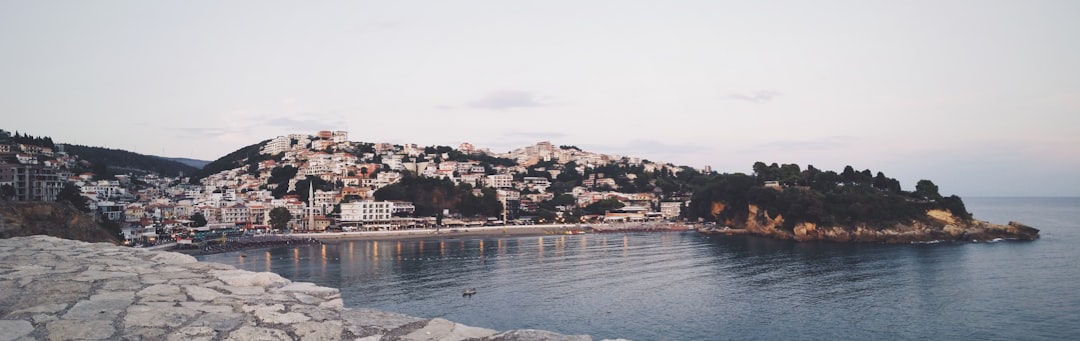
Ulcinj, Montenegro’s southernmost coastal town with a population of 11,488, sits just 7 metres above sea level and only 25 km from the Albanian border — making it the country’s most culturally distinct seaside destination. Founded by the ancient Illyrians and later shaped by five centuries of Ottoman rule, it’s home to one of the longest sandy beaches in the Adriatic, the 13 km-long Velika Plaža. What surprised me most was how different Ulcinj feels from Budva or Kotor — part Balkan, part Mediterranean, part North African in atmosphere.
Three Things Not to Miss in Ulcinj
- Velika Plaža (Long Beach) — At 13 km, this is one of the longest uninterrupted sandy beaches on the entire Adriatic coastline.
- Ulcinj Old Town (Stari Grad) — A clifftop Ottoman-era walled citadel with views stretching to the Albanian Alps on clear days.
- Ada Bojana Island — A rare river delta island at the mouth of the Bojana River, famous for nudism, windsurfing, and freshwater fish restaurants.
Scroll down for our complete travel guide with tips on getting there, where to stay, costs and more.
How to Reach Ulcinj
How do I get to Ulcinj?
Fly into **Podgorica Airport (TGD)**, roughly **80 km away** — the most practical gateway. In my experience, a taxi from TGD to Ulcinj costs around **€40–€55** and takes about **1 hour**. Budget airline connections into **Tivat Airport (TIV)**, around **120 km north**, are more frequent in summer but add **30–40 minutes** of extra driving. A public bus from Podgorica’s main bus station runs to Ulcinj for about **€7**, though connections can be infrequent. My tip: book a private transfer in advance through local operators to avoid haggling at the airport. The honest caveat — there is no direct rail connection to Ulcinj at all.
Which airport is closest to Ulcinj?
**Podgorica Airport (TGD)** is the closest, at approximately **80 km** from Ulcinj’s town centre. It handles flights from major European hubs including **Vienna, Frankfurt, London Stansted, and Istanbul**. What most guides omit: TGD has far fewer direct routes than Tivat (TIV), which sits **120 km north** but is served by far more low-cost carriers like Ryanair and Wizz Air, especially May through September. In my experience, flying into Tivat and renting a car gives you the most flexibility and often the cheapest overall package, even accounting for the extra distance.
How long does the journey to Ulcinj take from Podgorica?
The drive from **Podgorica** to Ulcinj takes approximately **1 hour to 1 hour 15 minutes** in normal traffic conditions, covering roughly **80 km** along well-maintained roads. My tip: avoid arriving on a Friday evening in July or August — traffic through **Bar and Ulcinj’s single approach road** can easily double your journey time. From **Tivat**, expect **1 hour 45 minutes to 2 hours** by car. The public bus from Podgorica’s central station takes around **1 hour 30 minutes** and drops you centrally. The honest caveat: the final stretch into Ulcinj passes through construction zones that have plagued the road for years.
Do I need a car to explore Ulcinj?
For Ulcinj’s Old Town and the immediate town beaches, **no car is needed**. The compact historic centre is entirely walkable within **15–20 minutes** on foot. However, if you want to reach **Ada Bojana island** (12 km south) or explore the full length of **Velika Plaža**, a car or scooter is genuinely useful. Scooter rental starts at around **€25 per day**. Taxis are cheap locally — expect **€5–€8** for most in-town journeys. The honest trade-off: parking in the Old Town area is chaotic in peak summer and can cost **€2–€3 per hour** at prime spots. I recommend hiring a car only if you plan day trips toward the Albanian border or to **Shkodër**.
Ulcinj Public Transport Explained
What are the best areas to stay in Ulcinj?
I recommend **Stari Grad (Old Town)** for atmosphere — staying within the medieval walls means waking up to Adriatic views and being 2 minutes from the best restaurants. **Mala Plaža** (Small Beach) area is the social hub, lined with cafes and bars, perfect for solo travellers and couples. Families tend to stay along **Velika Plaža**, the 13 km sandy stretch south of town, where hotels have direct beach access. What most guides omit: the **Ulcinj Riviera hotel zone** near Topliš feels dated and overbuilt — avoid it unless you’re prioritising budget above everything else. My tip: the Old Town is undeniably the most rewarding base for a first visit.
What does accommodation cost per night in Ulcinj?
In peak July–August, expect to pay **€60–€100 per night** for a decent double room in a guesthouse or small hotel near the Old Town. Mid-range hotels on **Velika Plaža** run **€80–€130** in high season. Budget options — private rooms in local guesthouses — start at **€30–€45**. In my experience, Airbnb apartments with sea views in the Old Town area average around **€70–€90** in July. The honest caveat: Ulcinj pricing has risen sharply since 2022 as Albanian and Kosovar tourism spiked — prices that felt bargain two years ago are now approaching Budva levels. Shoulder season (May or October) cuts these rates by **30–40%**.
How far in advance should I book accommodation in Ulcinj during high season?
Book **at least 2–3 months ahead** for July and August, especially for Old Town properties and beachfront rooms on **Velika Plaža**. What surprised me: Ulcinj draws enormous numbers of Albanian, Kosovar, and Bosnian tourists who book domestically through channels invisible to most European travellers — meaning properties disappear from Booking.com far earlier than you’d expect. The honest caveat: last-minute deals in peak season are essentially non-existent here. For September, booking **4–6 weeks ahead** is generally sufficient. My tip: contact guesthouses in the **Stari Grad** area directly via Instagram — many small owners post availability and offer slightly better rates than OTA platforms.
Are there special or unique accommodation types in Ulcinj?
Yes — **Ada Bojana island**, 12 km south, hosts one of Europe’s most established naturist resorts, operating since the 1960s as **Ada Bojana Naturist Resort**. It offers bungalows and hotel rooms within a unique river-island setting, fully separated from the main town. For something atmospheric, **Old Town guesthouses** built into the Ottoman-era city walls offer stone-vaulted rooms with direct sea views — genuinely unlike anything in Budva or Kotor. Prices for wall-integrated guesthouses start at **€65 per night**. The honest trade-off: staying on Ada Bojana is magical but means you need a car or taxi for every excursion — the island has no public bus connection.
Neighbourhoods of Ulcinj
What are the must-sees in Ulcinj?
First, walk **Stari Grad** at sunset — the clifftop Old Town fortress was built in the **3rd century BC** and the views toward Albania are extraordinary. Second, commit a full day to **Velika Plaža**, all 13 km of it, preferably cycling the length. Third, hire a small boat or walk the causeway to **Ada Bojana** for lunch at one of the floating fish restaurants on the Bojana River. My tip: the **Ulcinj Museum** inside the Old Town is genuinely well-curated on Ottoman and Illyrian history — entry is only **€2** and most visitors skip it entirely. The honest caveat: the small town beach **Mala Plaža** is overcrowded in peak season and frankly overrated compared to what’s just south.
What can I experience for free in Ulcinj?
The **Old Town walls** and ramparts are freely walkable without paying entry to the museum — the views alone are worth 30 minutes of exploration. **Mala Plaža** and most stretches of **Velika Plaža** are free public beaches. The evening korzo (promenade) along **Bulevar Đerđa Kastriota** is a genuine local ritual requiring nothing but your time. What surprised me: the viewpoint above the Old Town cemetery offers arguably the best panorama in Ulcinj — completely overlooked by tourists and entirely free. The honest caveat: free sunbeds don’t exist on prime beach sections; renting a sunbed and umbrella on Velika Plaža runs **€8–€15 per day** depending on location.
Which day trips from Ulcinj are worth doing?
**Shkodër, Albania** is just **45 km south** and makes an excellent day trip — Rozafa Castle, the old bazaar, and the Lake Shkodër waterfront are all within easy reach, and Albania feels genuinely different from Montenegro. The crossing at **Sukobin border** is quick outside peak hours. **Bar** (25 km north) has the evocative ruins of **Stari Bar** medieval city — entry is **€3** and it’s dramatically undervisited. **Lake Skadar National Park**, shared by Montenegro and Albania, is **60 km away** and offers boat tours through birdlife-rich channels for around **€15**. My tip: the Albania day trip is the one experience that genuinely has no equivalent elsewhere in Montenegro.
What local specialities should I try in Ulcinj?
Ulcinj’s Albanian heritage shapes its food distinctly from the rest of Montenegro. Order **grilled fish by the kilogram** — fresh catch on **Ada Bojana** island restaurants is exceptional, expect to pay **€15–€20 per kg** for sea bass or bream. **Ćevapi** here have an Albanian-influenced spice profile different from Montenegrin versions further north. Try **burek** (flaky pastry with meat or cheese) from the old town bakeries for **€1.50** — it’s breakfast perfection. What surprised me: **olive oil from Ulcinj’s own ancient olive groves** is genuinely world-class — some trees are over 2,000 years old, and local producers sell bottles for **€8–€12**. Don’t leave without buying one.
What to See in Ulcinj
What makes Ulcinj unique compared to other Montenegrin towns?
Ulcinj is the only majority-Albanian town in Montenegro — roughly **72% of the population** is ethnic Albanian — giving it a cultural fingerprint unlike anywhere else on the Montenegrin coast. Five centuries of Ottoman rule left visible marks: the Old Town mosque, the architecture, the food, and the pace of life all feel closer to Albania than to Budva or Herceg Novi. The 13 km **Velika Plaža** is simply the longest sandy beach in the eastern Adriatic — a geographic fact no other Montenegrin town can claim. The honest caveat: this cultural distinctiveness also means less polished tourism infrastructure — which is precisely what draws independent travellers seeking authenticity over convenience.
How many days should I spend in Ulcinj?
**3 full days** is the sweet spot for most travellers. Day 1: arrive, walk the Old Town, dinner in the fortress area. Day 2: full beach day on **Velika Plaža**, evening korzo. Day 3: day trip to **Ada Bojana** or **Shkodër, Albania**. If you want to add **Lake Skadar** and **Stari Bar**, extend to **4–5 days**. My tip: don’t rush Ulcinj trying to combine it with Budva in the same day — it’s a **2 hour 30 minute drive** and you’ll do neither justice. The honest caveat: Ulcinj’s nightlife and dining scene closes early by Mediterranean standards — if late-night entertainment is a priority, you’ll exhaust the options faster than expected.
When is the best time to visit Ulcinj?
**July and September** are the optimal months based on climate data. July delivers peak sun and warm sea temperatures (around **25°C water temperature**), while September offers almost identical beach weather with noticeably thinner crowds and lower prices. In my experience, the first two weeks of **September** are Ulcinj’s sweet spot — full beach conditions, functioning restaurants, and 25–30% fewer people than August. The honest caveat: August is overwhelming — the town’s infrastructure of **11,488 permanent residents** absorbs tens of thousands of summer visitors, and queues, noise, and parking chaos are real. **May and June** are pleasant for sightseeing but the sea is still cool at around **19–21°C**.
Are there local festivals in Ulcinj worth attending?
The **Ulcinj Summer Festival** runs through July and August, bringing live music, folklore performances, and craft markets to the Old Town area — most events are free to attend. **Ada Bojana Wind Festival** (typically late June or early July) draws kitesurfers and windsurfers from across the Balkans; it’s worth catching if wind sports interest you at all. What most guides omit: Albanian national and cultural celebrations are observed locally — **Flag Day on November 28** is marked with genuine community atmosphere in town. The honest caveat: Ulcinj doesn’t have the polished festival calendar of Budva’s Theatre City — events can be loosely organised with last-minute schedule changes.
Ulcinj Food Scene
How does the weather in Ulcinj affect activities?
Ulcinj sits at just **7 metres above sea level** with a classic Mediterranean climate — hot, dry summers and mild, wetter winters. July and August average **30°C+** daytime temperatures, making midday sightseeing uncomfortable; I recommend Old Town walks before **10am or after 6pm**. **Velika Plaža** benefits from a reliable afternoon breeze that makes the heat bearable and creates consistent **kitesurfing conditions** from June through September. The honest caveat: October brings increasing rain, and by November most beach-facing restaurants and bars close entirely. **Ada Bojana** restaurants specifically shut by early October — don’t plan that trip late in the season. Winter is quiet and atmospheric but limited in services.
How crowded does Ulcinj get in peak season?
Extremely crowded by the town’s own standards — a permanent population of **11,488** absorbs visitor numbers that peak at an estimated **50,000+ people** in the town and surrounding beaches during August. **Mala Plaža** becomes shoulder-to-shoulder in the first two weeks of August, and parking on the road to **Velika Plaža** stretches back kilometres. What surprised me: the crowds are predominantly Albanian, Kosovar, and Bosnian — Western European tourists are a minority, which creates a genuinely local atmosphere even when packed. My tip: access **Velika Plaža** before **9am** or after **5pm** in August and you’ll find it transforms into a completely different, relaxed experience. The southern half of Velika Plaža near **Ada Bojana** stays noticeably less crowded throughout.
How safe is Ulcinj for tourists?
Ulcinj is **safe for tourists** — petty crime is low and violent incidents targeting visitors are extremely rare. In my experience, solo female travellers and families move freely through the Old Town and beach areas at all hours. The honest caveat: the high Albanian population makes some Western visitors feel uncertain — this is unfounded; the community is tourism-dependent and genuinely hospitable. Traffic is the real safety concern: **Ulcinj’s roads during August**, especially the approach to Velika Plaža, involve reckless overtaking and inadequate pedestrian infrastructure. Standard precautions apply: watch your belongings on **Mala Plaža** in peak crowds, and don’t leave valuables visible in rental cars near the Albanian border crossing.
Is English widely spoken in Ulcinj?
English is spoken adequately in tourist-facing businesses — hotels, restaurants along **Mala Plaža**, and Old Town cafes all manage fine in English. The honest caveat: Ulcinj’s primary tourist base is Albanian and Bosnian, so staff more commonly switch to Albanian or Serbian than to English. Away from the main tourist strip, especially in local bakeries, markets, and the bus station, **very little English** is used. My tip: download **Google Translate** with offline Montenegrin and Albanian packs before arriving — Albanian is genuinely useful here and locals visibly appreciate the effort. Basic phrases in Albanian (not just Montenegrin) go a long way in this town specifically.
Local Know-How for Ulcinj
What is the daily budget for travelling in Ulcinj?
A realistic **mid-range daily budget** in July or August runs **€80–€120 per person**, covering a guesthouse double room (split two ways), three meals, coffee, sunbed hire, and one or two drinks. Budget travellers sharing dorm-style rooms or basic guesthouse beds and eating ćevapi can manage on **€40–€55 per day**. A comfortable independent traveller budget — decent hotel, restaurant dinner, beach umbrella, one excursion — sits around **€100–€140**. The honest caveat: Ulcinj no longer qualifies as the bargain destination it was pre-2022 — prices have risen roughly **20–30%** in three years due to Albanian and Kosovar demand. Shoulder season (May, September, October) cuts the above figures by a meaningful **25–35%**.
How does public transport work in and around Ulcinj?
Ulcinj’s local bus network is minimal — a single route runs between the **town centre and Velika Plaža** roughly every 30–45 minutes in peak season for about **€1 per ride**. There is no public bus to **Ada Bojana** — you need a taxi (around **€10–€12 one way**) or your own wheels. Inter-city buses connect Ulcinj to **Podgorica** (roughly **€7**, 6–8 departures daily in summer) and **Bar** (around **€3**, several daily). What surprised me: the bus station is on **Bulevar Đerđa Kastriota** and is easy to navigate — connections are reliable in peak season. The honest caveat: evening bus frequency drops sharply after 7pm, so return planning matters if you’re day-tripping without a car.
Which apps do you recommend for getting around and exploring Ulcinj?
**Google Maps** covers Ulcinj well for navigation and has most restaurants and beaches marked accurately. **Booking.com** works for accommodation but I’d cross-check prices directly with guesthouses via WhatsApp — local owners often undercut platform rates by **€10–€15 per night**. **Google Translate** with offline Albanian and Montenegrin packs is genuinely essential here given the bilingual reality of the town. **Windy.com** is invaluable for planning kitesurfing days on **Ada Bojana** — wind forecasting matters more here than on most Adriatic beaches. The honest caveat: ride-hailing apps like Bolt and Uber are **not operational in Ulcinj** — you flag taxis on the street or ask your hotel to call one, so save local taxi numbers in your phone on arrival.
Ulcinj at a Glance
| Population | 11,488 |
|---|---|
| Currency | EUR (€) |
| Official language | Montenegrin |
| Time zone | UTC+01:00 |
Source: Wikidata, retrieved September 2026.
Montenegro › Ulcinj
More Destinations in Albanische Grenzregion & Bar
More Destinations in Montenegro
Essential Resources for Planning Your Trip to Ulcinj
- The Complete Guide to Visit Ulcinj in Montenegro — official visitor information, passes & events
- Wikipedia: Ulcinj — history, geography & background
- Wikivoyage: Ulcinj — community travel guide & practical tips
- Ulcinj travel – Lonely Planet | Montenegro, Europe — expert itineraries & travel inspiration
- THE 15 BEST Things to Do in Ulcinj (2026) — hotels, restaurants & traveller reviews
- The Complete Guide to Visit Ulcinj in Montenegro — how to get around
- Numbeo: Cost of Living in Ulcinj — current prices & cost comparison
- Timeanddate: Ulcinj Weather & Climate — forecasts & climate statistics
- Ulcinj Old town
More Perspectives on Ulcinj
- A Short Guide To Ulcinj | Montenegro’s Best Beach Town
- 2026 Ulcinj Travel Guide: must-see attractions, popular …
- The Ulcinj Guide: Montenegro’s Wild, Sandy Frontier
Ulcinj Travel Videos
Watch these videos for a visual preview before your trip:
- Is Ulcinj worth going to? The TRUTH about the city
- TOP 10 Things to do in Ulcinj, Montenegro 2024!
- ULCINJ BEACH MONTENEGRO 🇲🇪 | YOUR COMPLETE GUIDE (2026 COSTS & ACTIVITIES)
Ulcinj Travel Discussions on Reddit
Real traveller experiences and community advice:
- Apparently Ulcinj, Montenegro had a very bad summer …
- Should I avoid Ulcinj in my travels? : r/montenegro
- Visiting Montenegro and Albania for a month, should I skip …
Data Sources
This page was compiled using data from Wikipedia, Wikidata, Open-Meteo (climate), Numbeo (cost of living) and REST Countries. Information is updated regularly.