
Kotor: The Complete Travel Guide (2026)
Last reviewed: August 2026 · key facts checked against Wikidata
Kotor Travel Guide: Everything You Need to Know (2026)
Kotor is a walled medieval city on the Bay of Kotor in Montenegro, recognized as a UNESCO World Heritage Site since 1979 and sitting at sea level beneath fortress walls that climb 1,350 steps to St. John’s Fortress at 260 meters. The Old Town was founded in the 9th century and packs extraordinary Venetian-era architecture into just 4.5 hectares. With cruise ships delivering up to 5,000 visitors on a single morning, timing your visit is everything.
Three Things Not to Miss in Kotor
- St. John’s Fortress — Climb 1,350 steps for panoramic Bay of Kotor views — the reward is a medieval walled circuit that took centuries to build.
- Kotor Old Town Walls — 13th-century Venetian fortifications encircle the entire old city — entry costs just €8 and takes under 2 hours to walk.
- Our Lady of the Rocks, Perast — An artificial island church built on sunken ships in 1630, reachable by a 5-minute boat taxi from Perast for €5.
Scroll down for our complete travel guide with tips on getting there, where to stay, costs and more.
How to Reach Kotor
How do I get to Kotor?
Fly into Tivat Airport (TIV), just 8 km from Kotor — it is by far the easiest entry point. A taxi from TIV to Kotor Old Town costs around €15–20 and takes 15 minutes. Alternatively, Podgorica Airport (TGD) is 90 km away with a 1.5-hour drive, used mostly when TIV has no direct connections from your city. In my experience, budget airlines like Wizz Air and Ryanair serve Tivat seasonally, so book early — by February for summer travel. Warning most guides omit: Tivat has no ATM airside, only after baggage claim.
Which airport is closest to Kotor?
Tivat Airport (TIV) is the closest at only 8 km, making it the clear winner. My tip: choose TIV over Podgorica every time if the fare difference is under €50, because the journey is just 15 minutes by car versus nearly 2 hours from Podgorica. TIV handles mainly seasonal traffic, with peak frequency from May through October. The honest caveat: TIV is small with limited food options and a single terminal, so don’t plan a long layover. I recommend grabbing euros before arrival — exchange rates inside TIV are poor.
How long does the journey from the airport to Kotor take?
From Tivat Airport (TIV) to Kotor Old Town takes 15–20 minutes by taxi covering 8 km. A taxi costs approximately €15, while a local bus exists but requires a connection and takes 45 minutes — not worth it with luggage. From Podgorica Airport (TGD), expect 90–100 minutes by car or an infrequent bus that stops in multiple towns first. What surprised me: the road from Tivat passes through a short tunnel under the bay — Vrmac Tunnel — which saves 30 minutes versus the older coastal road. Traffic in summer peak season can add 20–30 minutes to any journey.
Do I need a car to explore Kotor?
No — for Kotor Old Town itself, a car is a liability. The historic core is entirely pedestrianized and parking outside the walls costs €2/hour. That said, to explore Perast, Herceg Novi, Lovćen National Park, and the upper bay villages, renting a car unlocks the region dramatically. I recommend a car from day 3 onward if you stay 5+ days. Budget €35–50/day for a compact rental from local agencies near Tivat Airport. The honest warning: the serpentine road up to Lovćen has 25 hairpin bends and terrifies some drivers — check your nerve before booking.
Kotor Public Transport Explained
What are the best areas to stay in Kotor?
Kotor Old Town is the atmospheric first choice — you wake up inside 13th-century walls and walk everywhere within 5 minutes. However, noise from bars and cruise-ship crowds until midnight is the trade-off most guides skip. Dobrota, a residential village 2 km north along the bay, offers quieter waterfront apartments at lower prices with easy bus access to Old Town. For families, Prcanj is another calm bay-side option. My tip: if you prioritize sleep and budget, Dobrota gives you bay views and calm without Old Town premium pricing, often 30% cheaper for comparable apartments.
What does accommodation in Kotor cost per night?
An economy hotel or guesthouse in Kotor runs approximately €60/night based on verified Numbeo data, though Old Town boutique guesthouses push €90–140 in July and August. Apartments in Dobrota or Prcanj cost €50–80/night for a sea-view studio. Budget travelers find private rooms for €30–40 in local family homes on platforms like Booking.com. The hidden cost most travelers miss: many Old Town properties charge a €5–10/night tourist tax not shown in the headline price. I recommend filtering for total price including fees before comparing options.
How far in advance should I book accommodation in Kotor during high season?
Book at least 3–4 months ahead for July and August — Kotor’s Old Town has fewer than 50 licensed guesthouses inside the walls, and quality options sell out fast. What surprised me: cruise ship port schedules are published a year in advance on the Port of Kotor website, and on days when 3–4 ships dock simultaneously, accommodation prices spike artificially. I recommend checking the port calendar and avoiding those dates entirely if possible. For shoulder season — May, June, September — booking 4–6 weeks ahead is sufficient and you’ll find last-minute deals 20–30% below peak rates.
Are there special accommodation types worth trying in Kotor?
Absolutely — stone-house rentals inside the Old Town are Kotor’s signature experience. Staying in a building from the 15th or 16th century with exposed stone walls, wooden beams, and a rooftop terrace overlooking the Cathedral of Saint Tryphon is genuinely unforgettable. Platforms like Airbnb list these at €80–150/night. My tip: search for listings on Stari Grad (Old Town) specifically, not just “Kotor.” The honest trade-off: medieval buildings mean no elevator, steep interior staircases, and occasionally poor soundproofing from the narrow cobblestone lanes below. For families with young children or mobility concerns, Dobrota waterfront apartments are the smarter pick.
Neighbourhoods of Kotor
What are the absolute must-sees in Kotor?
The Kotor City Walls and St. John’s Fortress top the list — entry costs €8 and the 1,350-step climb rewards you with the best view in the entire Adriatic. Cathedral of Saint Tryphon, built in 1166, is the finest Romanesque church in Montenegro with entry at €3. The Maritime Museum of Montenegro in Piazza of the Arms tells the story of Kotor’s seafaring republic for €4. Don’t skip Perast — a 20-minute drive north — and the boat to Our Lady of the Rocks island for €5 return. In my experience, most visitors rush the walls but skip the museum; reverse that order for a richer visit.
What can I experience for free in Kotor?
Walking Kotor Old Town’s cobblestone streets and squares costs nothing — St. Tryphon Square, Flour Square, and the Arms Square are all free and gorgeous at any hour. The Cat Museum (housed in a private shop) is informal but free to browse — Kotor’s cats are locally famous and the subject of genuine civic pride. The bay promenade walk from Kotor toward Dobrota (about 3 km one way) offers water-level bay views at zero cost. My tip: arrive at the City Gates at sunrise — around 5:45am in July — for a completely crowd-free Old Town that looks like a film set. Most tourists sleep through it.
Which day trips from Kotor are most worthwhile?
Perast is the single best day trip — just 20 km by car or bus (€2 by local bus), this perfectly preserved baroque village with the boat to Our Lady of the Rocks takes half a day. Lovćen National Park is 35 km by car but involves those famous 25 hairpin bends — the mausoleum of Petar II Petrović-Njegoš at 1,657 meters altitude is worth every twist. Herceg Novi at the bay entrance is 50 km away and pairs dramatic fortress ruins with a lively café scene. I recommend skipping Budva as a day trip in peak season — it is 25 km but traffic jams can make it a 90-minute crawl each way.
What local specialities should I eat in Kotor?
Školjke (mussels) farmed directly in the Bay of Kotor are the standout — the bay’s unique mix of freshwater and seawater produces unusually sweet, clean-tasting mussels served for €8–12 per kilo at waterfront restaurants in Ljuta and Morinj. Priganice (fried dough balls with honey or sour cream) served at local bakeries for €2–3 are the authentic breakfast. Lamb under the sač — a bell-shaped lid slow-roasting method — costs around €12 per portion at inland konobas. What surprised me: the seafood at restaurants 10 minutes outside Old Town is noticeably fresher and 30–40% cheaper than the tourist-facing places near the sea gate.
What to See in Kotor
What makes Kotor genuinely unique compared to other Adriatic destinations?
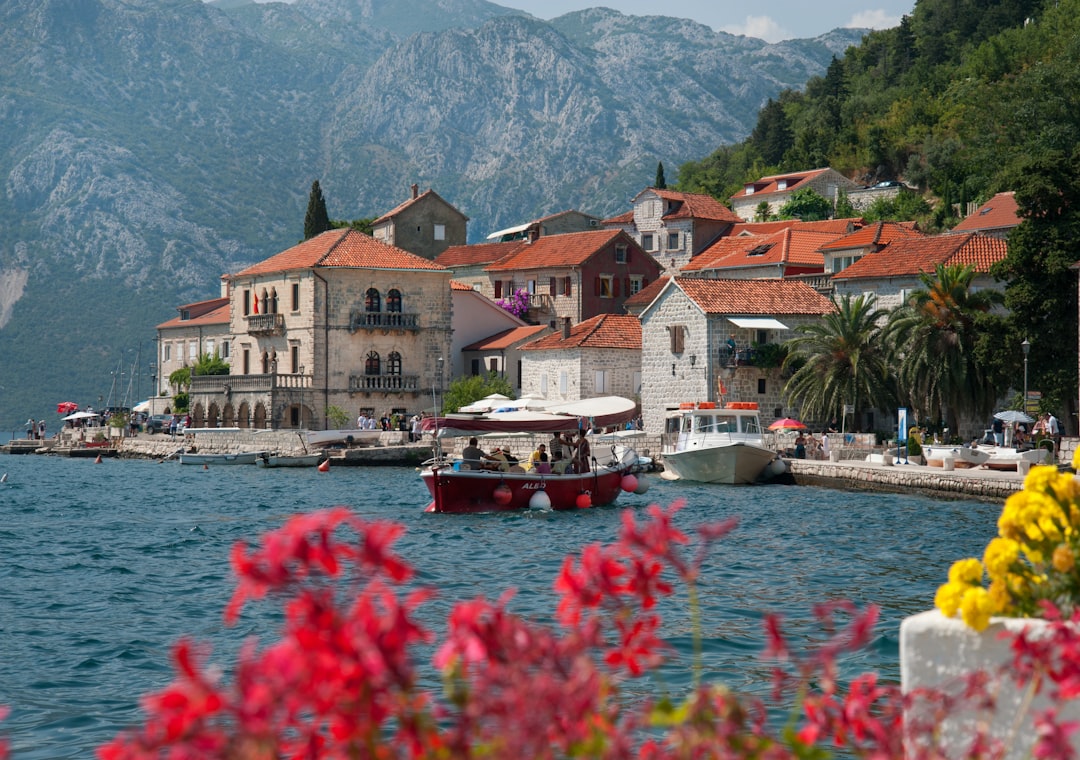
Kotor’s fjord-like bay — technically a submerged river canyon, not a true fjord — creates a landscape that exists nowhere else in the Adriatic. You are enclosed by 2,000-meter limestone mountains reflected in calm water, which gives an almost Norwegian quality to a Mediterranean setting. The city functioned as an independent maritime republic under Venetian protection for 300+ years, creating an architectural and cultural identity distinct from both Croatia and Albania. In my experience, the combination of UNESCO walled city, dramatic mountain backdrop, and a working-resident community of 13,347 people — not a theme park — gives Kotor an authenticity that Dubrovnik lost a decade ago.
How many days in Kotor are worthwhile?
3 days minimum, 5 days ideal. Day 1: Old Town walls, Cathedral, Maritime Museum, sunset from the fortress. Day 2: Perast and Our Lady of the Rocks. Day 3: Lovćen National Park or a bay kayaking excursion. Days 4–5 add Herceg Novi and a drive around the full bay loop — 80 km total circuit — which passes through every major bay settlement. In my experience, people who book just 2 nights almost always wish they had stayed longer — the bay has a hypnotic quality. The honest caveat: if you are purely a beach traveler, Kotor’s pebble-and-urban-waterfront will disappoint; base yourself in Budva instead and visit Kotor as a day trip.
When is the best time to visit Kotor?
June and September are my firm recommendations — July is the verified best weather month but also peak crush. In June, temperatures hit 25–28°C, cruise ships are fewer, and accommodation costs 20–30% less than July. September brings warm sea temperatures (24°C), harvest-season local food, and crowds dropping sharply after the first week. July and August bring temperatures above 33°C inside the Old Town’s enclosed stone walls, which act as a heat trap — genuinely uncomfortable at midday. What surprised me: October in Kotor is underrated — mild at 18–22°C, almost no cruise ships, and the fortress climb is finally pleasant without sweating through your clothes.
Are there local festivals in Kotor worth attending?
Kotor Carnival (Bokeljska noć) in late August is the most spectacular local festival — a centuries-old maritime procession of decorated boats across the bay accompanied by fireworks, running since 1839. Kotor Art — Don Branko’s Music Days in August brings classical music performances inside the Old Town churches and squares, with ticket prices from €10–25. The Fasinada procession to Our Lady of the Rocks island happens every 22 July, when locals row boats to the island carrying stones — a tradition dating to 1452. My tip: book accommodation 6 months ahead for Carnival week — it is the single most in-demand period and prices jump 50–80% above standard August rates.
Kotor Food Scene
How does weather affect activities in Kotor?
In July and August, midday temperatures inside the Old Town walls regularly exceed 35°C — the enclosed stone canyon traps heat brutally. I structure visits with the fortress climb before 8am and afternoon breaks from 12pm–4pm. Bay kayaking and boat tours are best in June and September when winds are gentler. The Bora wind — a cold northeastern mountain wind — hits in winter and can close boat services for 24–48 hours, relevant for anyone planning Our Lady of the Rocks in November–February. Rainfall is concentrated in November through February, making the fortress walls slippery — wear proper shoes, not sandals, if visiting off-season.
How crowded does Kotor get in peak season?
Extremely crowded. On peak days in July, 5–6 cruise ships dock simultaneously delivering up to 15,000 day visitors into a walled city designed for a few thousand. The Sea Gate entrance becomes shoulder-to-shoulder from 10am to 5pm. My honest advice: check the Port of Kotor official schedule (portofkotor.me) before choosing your travel dates and avoid days with 4+ ships listed. The Arms Square becomes impossible for photography between 11am and 3pm. What surprised me: arriving at the Sea Gate at 7am gives you 2–3 hours in an almost empty medieval city before the first cruise wave hits — it is a completely different and far superior experience.
How safe is Kotor for travelers?
Kotor is very safe — petty crime is low and violent crime against tourists is rare. The Old Town is well-lit at night and families, solo travelers, and couples all move freely without concern. The main risks are pickpocketing in the crush near the Sea Gate on heavy cruise-ship days — keep phones and wallets in front pockets during those peak windows. The fortress climb in heat is a genuine safety concern for elderly travelers or those with heart conditions — there is no shade on the upper 500 steps and medical assistance cannot reach the top quickly. I recommend carrying 0.5L of water minimum per person and starting the climb before 9am in summer.
Is English widely spoken in Kotor?
Yes — English is widely spoken in Kotor’s tourist areas. Staff at hotels, restaurants, tour operators, and Old Town shops all communicate comfortably in English. What surprised me: younger Montenegrins in Kotor often also speak German and Italian, reflecting the country’s tourism history. Outside the tourist bubble — at the Gruda market 15 km away or in local government offices — English drops off sharply, and Serbian/Montenegrin becomes necessary. My tip: download a Serbian Cyrillic keyboard on your phone for reading menus and street signs in less-touristic neighborhoods — Montenegrin uses both Latin and Cyrillic script interchangeably, and some older signage is Cyrillic only.
Local Know-How for Kotor
What is the daily budget for traveling in Kotor?
Based on verified Numbeo data: a budget traveler spending €50–60/day covers a private hostel room or Dobrota guesthouse (€30–40), local meals (€10 for a cheap meal, as verified), and bus transport (€1.50 per ride). A mid-range budget of €120–150/day gets an Old Town boutique room, a seafood dinner for 2 at around €18–25 as a base, and one paid attraction per day. Splurge travelers in a sea-view hotel with a rental car budget €200–250/day. The hidden cost: fortress entry (€8) + cathedral (€3) + museum (€4) + boat to Our Lady of the Rocks (€5) adds €20 in a single sightseeing day before food.
What public transport options exist in and around Kotor?
Local buses are the backbone — the Kotor–Perast–Herceg Novi coastal route runs hourly in summer for €2–3 per leg, operated from the Main Bus Station just outside the Old Town north gate. Buses to Budva depart roughly every 30 minutes for €2.50 and take 45 minutes. Within the Old Town, everything is walkable — it takes 12 minutes to cross from Sea Gate to Gurdić Gate on foot. There is no train service in coastal Montenegro. Taxis use meters but drivers sometimes prefer a fixed price — always confirm before entering. My tip: the Kotor–Perast bus (line 3 from the station) is the single most useful route for non-car travelers and runs reliably until 10pm.
Which apps do you recommend for visiting Kotor?
Maps.me with an offline Montenegro map is essential — Google Maps has gaps in the bay-side villages and the mountain roads to Lovćen. Booking.com dominates local accommodation in Montenegro, with better inventory than Airbnb for the bay area outside Old Town. Port of Kotor’s website (not an app, but mobile-friendly at portofkotor.me) lets you check the cruise ship schedule — this is the single most useful planning tool most travelers never discover. Revolut or Wise for fee-free card payments in euros, since Montenegro uses € despite not being an EU member. For translation, Google Translate’s camera feature handles Cyrillic menus perfectly — I use it every trip in Montenegro.
What is Kotor’s daily budget in euros for travelers?
A budget day in Kotor costs €45–60 covering a basic guesthouse room outside Old Town, 2–3 local meals based on the verified ~€10 cheap meal price, and bus transport at €1.50 per ride. A comfortable mid-range day runs €120–160 including an Old Town hotel, sit-down meals with local wine, and 1–2 paid attractions. The costs that catch travelers off guard: drinking bottled water (€1.50–2 per bottle) adds up fast in the heat, and restaurant prices on the waterfront promenade directly facing the bay carry a 25–35% view premium over identical food 2 streets inland. My recommendation: eat breakfast and lunch at Stari Mlini bakery in the Old Town to save €15–20 daily versus tourist restaurant pricing.
Kotor at a Glance
| Population | 562 |
|---|---|
| Currency | EUR (€) |
| Official language | Montenegrin |
| Time zone | UTC+01:00 |
Source: Wikidata, retrieved August 2026.
Montenegro › Kotor
More Destinations in Bay of Kotor
More Destinations in Montenegro
Essential Resources for Planning Your Trip to Kotor
- Wikipedia: Kotor — history, geography & background
- Wikivoyage: Kotor — community travel guide & practical tips
- Kotor travel – Montenegro, Europe — expert itineraries & travel inspiration
- Kotor, Montenegro: All You Must Know Before You Go (2026) — hotels, restaurants & traveller reviews
- Kotor, Montenegro travel information — how to get around
- Numbeo: Cost of Living in Kotor — current prices & cost comparison
- Timeanddate: Kotor Weather & Climate — forecasts & climate statistics
- Natural and Culturo-Historical Region of Kotor
More Perspectives on Kotor
- The Backpacker’s Travel Guide to Kotor, Montenegro
- Ultimate Travel Guide to Kotor, Montenegro: Best Things to …
- Kotor, Montenegro: what to do, where to stay, when to go
Kotor Travel Videos
Watch these videos for a visual preview before your trip:
- KOTOR, MONTENEGRO | 10 Best Things To Do In & Around Kotor
- KOTOR TRAVEL GUIDE! Montenegro 🇲🇪 (Things To Do & Prices)
- Kotor, Montenegro Travel Guide | Best Things to Do, See & Eat in 2026
Kotor Travel Discussions on Reddit
Real traveller experiences and community advice:
- Honest thoughts about Montenegro (Kotor region) : r/travel
- Just got back from Montenegro – here’s my honest review
- Kotor, Montenegro : r/travel
Data Sources
This page was compiled using data from Wikipedia, Wikidata, Open-Meteo (climate), Numbeo (cost of living) and REST Countries. Information is updated regularly.