
Herceg Novi: The Complete Travel Guide (2026)
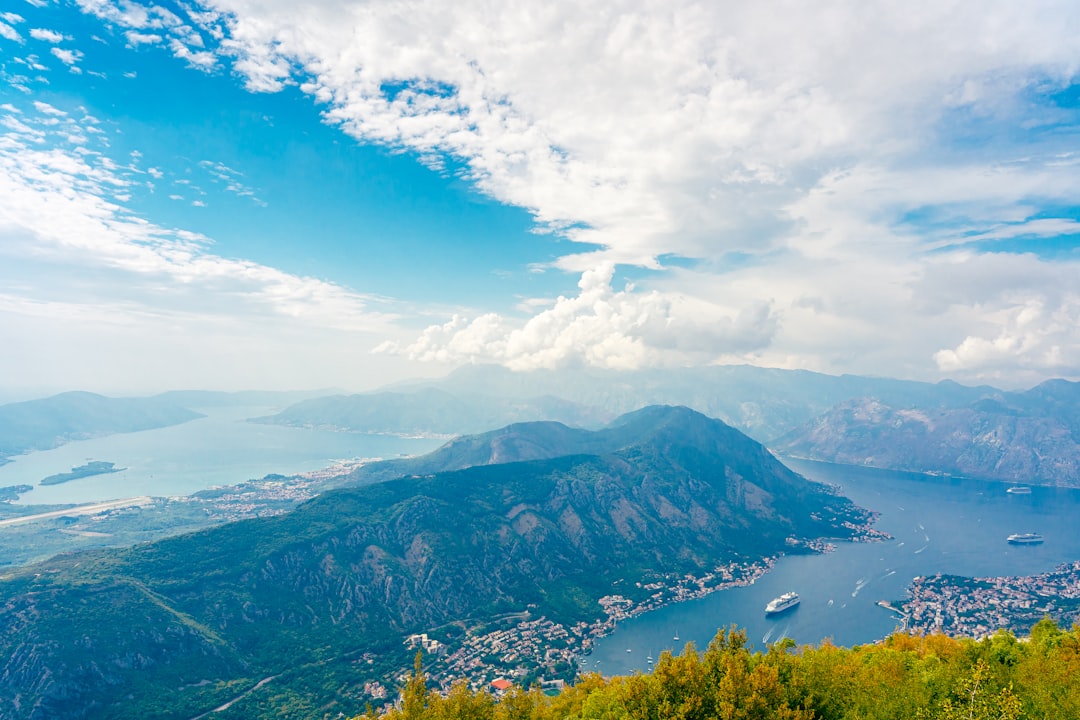
Last reviewed: August 2026 · key facts checked against Wikidata
Herceg Novi Travel Guide: Everything You Need to Know (2026)
Herceg Novi sits at the western entrance to the Bay of Kotor at just 40 metres above sea level, founded in 1382 by Bosnian King Tvrtko I Kotromanić as a fortress town named after Saint Stephen. The municipality counts around 33,000 inhabitants while the old town core remains intimate and walkable. Its layered Ottoman, Venetian, and Austro-Hungarian architecture makes it one of the Adriatic coast’s most historically dense small cities.
Three Things Not to Miss in Herceg Novi
- Kanli Kula Fortress — A 16th-century Ottoman fortress perched above the old town hosting open-air concerts, with panoramic Bay of Kotor views.
- Herceg Novi Old Town Stairways — A labyrinth of steep medieval alleyways connecting three distinct architectural eras within 500 metres of walking.
- Savina Monastery — A 12th-century Orthodox monastery on the seafront with a cypress-lined courtyard, free to enter and rarely crowded.
Scroll down for our complete travel guide with tips on getting there, where to stay, costs and more.
Getting to Herceg Novi from the Airport
How do I get to Herceg Novi?
Fly into **Tivat Airport (TIV)**, roughly **35 km** away — that is your best option. In my experience, a taxi from TIV costs **€25–€35** and takes about **40 minutes** depending on Bay of Kotor tunnel traffic. The alternative is **Dubrovnik Airport (DBV)** in Croatia, approximately **50 km** away, which offers more international routes but adds border-crossing time. I recommend Tivat for convenience. The honest caveat most guides skip: summer road traffic through the **Verige strait ferry crossing** or the tunnel can add 30 minutes unexpectedly. Book your transfer in advance if arriving in July or August.
Which airport is closest to Herceg Novi?
**Tivat Airport (TIV)** is the closest airport at approximately **35 km**. In my experience, it handles the bulk of charter and seasonal European routes, particularly from the UK, Germany, and Russia. The drive via the **Bay of Kotor coastal road** is scenic but slow in peak season. **Podgorica Airport (TGD)**, Montenegro’s main hub, is about **120 km** away and offers year-round scheduled flights — useful outside summer. My tip: check both TIV and DBV fares simultaneously, as Dubrovnik sometimes offers significantly cheaper connections, especially on low-cost carriers like Ryanair.
How long does the journey to Herceg Novi take from major hubs?
From **Tivat Airport** the drive is roughly **40–50 minutes** by taxi or transfer. From **Dubrovnik Airport** expect **60–80 minutes** including the border crossing at **Debeli Brijeg**, which in July can add a further **30–45 minutes** in queue. From **Podgorica** by car it is approximately **2 hours**. There is no direct rail connection to Herceg Novi — Montenegro’s rail network does not reach the coast here. What surprised me: the coastal road via **Kotor** is strikingly beautiful but genuinely narrow in sections, so budget extra time if self-driving with luggage.
Do I need a rental car to explore Herceg Novi?
No — for the town itself, you absolutely do not need a car. The **old town** and seafront **Šetalište** promenade are entirely walkable, and local taxis are cheap at **€3–€8** for most in-town trips. However, if you want to explore **Mount Orjen**, the **Luštica Peninsula**, or villages like **Risan** and **Perast** independently, a rental car becomes genuinely useful. Expect to pay **€35–€55 per day** for a compact car in July from agencies at Tivat Airport. The trade-off: parking in Herceg Novi’s old town is almost nonexistent, so you will park uphill and walk down regardless.
Moving Around Herceg Novi
What are the best areas to stay in Herceg Novi?
I recommend basing yourself in or directly adjacent to the **Stari Grad (Old Town)**. You get immediate access to the fortress, restaurants, and the waterfront without needing transport. The **Igalo** suburb, roughly **3 km west**, suits travellers seeking health spa resorts — it is quieter and has the historic **IGM Institute** spa hotel. **Topla**, just east of the centre, offers a mix of apartments and small hotels with sea views at slightly lower prices. The honest caveat: Old Town accommodation is limited in supply, so expect fewer options and higher prices. Book early — Old Town rooms sell out by March for peak summer.
What does accommodation cost per night in Herceg Novi?
A solid mid-range hotel or apartment in Herceg Novi costs **€60–€110 per night** in July 2026. Budget guesthouses in **Igalo** or **Topla** start around **€35–€50**. Design boutique hotels inside the **Stari Grad** walls push to **€120–€180**. Private apartment rentals via Airbnb or Booking.com in the **Topla** neighbourhood average **€55–€85** for a one-bedroom with sea views. My tip: apartments offer dramatically better value than hotels here — kitchens save on breakfast and lunch costs. The trade-off: cheaper places are often on steep hillsides, meaning a 10-minute uphill climb from the waterfront every evening.
How far in advance should I book accommodation in Herceg Novi during high season?
For **July and August 2026**, book by **February at the latest** for quality Old Town options — the best places carry fewer than 10 rooms and fill completely. In my experience, waiting until April means settling for hillside apartments in **Igalo** with no sea view. **September** bookings can safely wait until June. The honest warning most guides skip: Herceg Novi sees a surge of visitors from **Serbia, Bosnia, and Croatia** who travel by car — this crowd books accommodation privately through local Facebook groups and WhatsApp, meaning publicly listed availability overstates what is actually free. Call hotels directly and confirm.
Are there special or unique accommodation types in Herceg Novi?
Yes — the most distinctive option is staying in a **kula**, a traditional Montenegrin stone tower-house converted into boutique lodging inside the **Stari Grad**. These typically offer 2–4 rooms, rooftop terraces, and walls dating to the Ottoman period. The **IGM Health Institute** in **Igalo** is another genuine rarity: a functioning thalassotherapy and rheumatology spa resort where guests combine beach holidays with medical treatments — rates start around **€80 per night** including treatments. My tip: the kula guesthouses are not listed on major booking platforms; search **’kula Herceg Novi smještaj’** on local tourism boards or contact the **Herceg Novi Tourist Organisation** directly.
Choosing a Neighbourhood in Herceg Novi
What are the must-sees in Herceg Novi?
Three sights stand above everything else. **Kanli Kula** — the Ottoman-era bloody tower — charges **€2 entry** and rewards you with the best elevated view over the bay. **Savina Monastery**, dating to the 12th century, is free and set among cypress trees on the seafront just **1 km east** of the old town. The **Clock Tower (Sahat Kula)** at the **Belavista Square** is the town’s most photographed landmark, built in the Ottoman period and framing a perfect view down to the sea gate. Beyond these three, walk the entire **Šetalište** seafront promenade — it stretches roughly **6 km** and connects multiple neighbourhoods without costing a cent.
What can I experience for free in Herceg Novi?
Quite a lot, honestly. The entire **Šetalište promenade** is free and one of the finest coastal walks on the Adriatic at approximately **6 km** in length. **Savina Monastery** has no entry fee. The fortress walls of the **Stari Grad** can be walked through freely — only **Kanli Kula** charges admission at **€2**. The **city beaches** at **Žanjice** and near **Meljine** are public and free to access, though sunbed rental runs **€5–€8 per day**. In my experience, the free evening stroll through the old town during the **korzo** — the local social promenade tradition — is the most authentically Montenegrin experience Herceg Novi offers, and it costs nothing.
Which day trips are possible from Herceg Novi?
**Kotor Old Town**, a UNESCO World Heritage Site, is just **35 km away** — roughly **45 minutes** by car or local bus — and is the single best day trip. **Perast**, with its two iconic bay islands, sits **25 km** away and rewards 2–3 hours. **Dubrovnik** is reachable in under **90 minutes** by car from Herceg Novi, making it an excellent full-day excursion. The **Luštica Peninsula** immediately south offers secluded coves like **Žanjice** and **Mirišta** — both reachable by seasonal boat taxi for roughly **€5 return**. My caveat: July bus frequency to Kotor drops in mid-afternoon, so confirm return times at the **Herceg Novi bus station** before you leave.
What local specialities should I try in Herceg Novi?
Start with **crni rižoto** — black cuttlefish risotto — which is prepared exceptionally well at restaurants along the **Šetalište**. **Škampi na buzaru** (scampi in garlic-tomato sauce) is a Montenegrin coastal staple worth ordering wherever you see it freshly made. The local **prosciutto from Njeguši village** is air-dried and smokier than Italian versions — a plate with local sheep’s cheese costs around **€6–€8**. Wash everything down with **Vranac** red wine from the Montenegrin hinterland or the local **rakija** (fruit brandy). My tip: avoid restaurants directly at the **main sea gate** — walk one alley inland and prices drop by roughly **30%** with no drop in quality.
Top Sights in Herceg Novi
What makes Herceg Novi unique compared to other Montenegrin towns?
Herceg Novi is Montenegro’s most botanically distinctive town — its **mimosa festival in February** draws visitors specifically for the extraordinary flowering of thousands of mimosa trees lining every street and hillside. The town sits at the confluence of three microclimates where **Mount Orjen** (one of the wettest mountains in Europe, receiving over **5,000 mm of rain annually**) meets the Adriatic coast, creating lush vegetation that feels subtropical. Nowhere else in Montenegro do you find Orthodox monasteries, Ottoman fortresses, Venetian sea gates, and Austro-Hungarian spa culture compressed into a single walkable **old town under 800 metres across**. That layering is genuinely unmatched in the region.
How many days are worthwhile in Herceg Novi?
**3 full days** is the sweet spot for Herceg Novi itself. Day one: walk the **Stari Grad**, climb **Kanli Kula**, stroll the **Šetalište**. Day two: visit **Savina Monastery**, take the boat to **Žanjice** beach, eat fresh seafood at sunset. Day three: day trip to **Perast** and the **Our Lady of the Rocks** island church. If you add **Kotor**, plan a **4th day**. The honest trade-off: Herceg Novi is not a week-long destination on its own — after day 4, most travellers feel they have seen what the town offers and start repeating. Pair it with the wider **Bay of Kotor** circuit for a satisfying **7-day** coastal Montenegro itinerary.
When is the best time to visit Herceg Novi?
**July** tops the climate analysis for Herceg Novi — warmth, sunshine, and full beach season. In my experience, **late June and early September** are the smarter choices: sea temperature stays at **24–26°C**, crowds thin noticeably, and accommodation prices drop by **20–35%**. February is genuinely worth considering if you care nothing for swimming — the **Mimosa Festival** transforms the entire hillside into a yellow-flowering spectacle unlike anything on the Adriatic. Avoid the **first two weeks of August** unless you have booked everything months in advance: Serbian and Bosnian school holidays create complete saturation in restaurants, beaches, and parking.
Are there local festivals worth attending in Herceg Novi?
The **Mimosa Festival in February** is the standout — it has run for over **60 years** and fills the town with concerts, flower parades, and open-air markets. In summer, **Kanli Kula** hosts the **Herceg Novi Film Festival (HercegFest)** and various theatrical performances under the open sky — tickets are typically **€5–€15**. The **Boka Navy Day** in late August is a centuries-old Orthodox maritime tradition involving decorated boats and torchlit processions on the bay — spectacular and free to watch from the **Šetalište**. My tip: the Film Festival draws an artsy, younger international crowd and is dramatically less crowded than the peak beach tourism weeks that surround it.
Where to Eat in Herceg Novi
How does the weather in Herceg Novi affect activities?
The **Mediterranean climate** means **300+ sunshine days per year**, but **Mount Orjen** directly above the town causes sudden short rainstorms even in summer — I have been caught in a 20-minute downpour in July and seen clear skies return immediately after. Sea swimming runs confidently from **mid-June through late September**. Spring (April–May) is ideal for hiking **Mount Orjen** trails before heat and crowds arrive. Winter is mild at sea level — daytime temperatures hover around **12–14°C** in January — but the mountain can receive heavy snowfall creating a striking visual contrast with palm trees below. The trade-off: October and November bring the highest rainfall of the year due to the **Orjen Effect**, making multi-day hiking unreliable.
How crowded does Herceg Novi get in peak season?
The **first three weeks of August** are genuinely overwhelming. The **Stari Grad’s narrow alleyways** — some barely **2 metres wide** — become difficult to navigate at evening hours. Waterfront restaurants have **40–60 minute waits** without reservations. The popular **Žanjice beach** fills to capacity by **10:00 AM**. What surprised me: Herceg Novi sees heavy domestic tourism from **Serbia, Bosnia, and Montenegro** rather than primarily international visitors — this crowd behaves differently from northern European tourists and the social scene runs very late. If you want the atmosphere without the crush, **arrive before June 25** or after **August 25** — the transition is rapid and the difference is dramatic.
How safe is Herceg Novi for travellers?
Herceg Novi is very safe by any European measure. Petty crime is minimal — in my experience, leaving a bag at a café table while ordering is something locals do routinely. The **Stari Grad** and **Šetalište** are well-lit and busy until midnight in summer. The main practical risk is traffic: the coastal roads around **Igalo** and toward **Kotor** are narrow with aggressive local drivers, and pedestrian crossings are largely ignored. A secondary caveat: the hillside staircases connecting the old town to upper residential areas are steep, unlit after **23:00**, and genuinely ankle-twisting when wet. Wear grip-soled shoes and you will have no issues.
Is English widely spoken in Herceg Novi?
English proficiency in Herceg Novi is **moderate but improving**. In the **Stari Grad**, restaurant and hotel staff under 40 handle English well — you will have no difficulty ordering or checking in. Outside the tourist core, particularly in **Igalo** pharmacies or local markets, basic Serbian/Montenegrin phrases smooth interactions considerably. The **official language is Montenegrin**, which is mutually intelligible with Serbian, Croatian, and Bosnian. My tip: download **Google Translate with Serbian offline pack** — it handles Montenegrin text adequately. What surprised me: Russian is spoken widely by older locals and was historically the dominant foreign tourist language, so Russian speakers will find Herceg Novi particularly easy to navigate.
Before You Go to Herceg Novi
What is the daily budget for travelling in Herceg Novi?
A realistic mid-range daily budget is **€80–€120 per person** in July, including accommodation, two restaurant meals, transport, and one paid activity. Budget travellers sharing an apartment in **Igalo** and eating at local konobas can manage **€45–€60 per day**. A comfortable day — good hotel in the **Stari Grad**, fresh seafood lunch, boat trip to **Žanjice** — runs **€100–€140**. Food is the pleasant surprise: a full grilled fish lunch with wine costs **€18–€25** at honest local restaurants. The hidden cost most guides miss: **boat taxis to peninsula beaches** (€5–€10 return per person) and **sunbed rental** (€6–€8/day) add up faster than expected over a week.
What public transport options are available within Herceg Novi?
Local buses connect **Igalo**, the town centre, **Topla**, and **Meljine** every **20–30 minutes** in summer — a single ticket costs **€1**. The bus station handles regional routes to **Kotor** (roughly **€3**, 45 minutes), **Budva** (€5, 90 minutes), and **Podgorica** (€8, 2 hours). Seasonal **boat taxis** depart from the **old town harbour** to **Žanjice** and **Mirišta** beaches on the **Luštica Peninsula** — the easiest and most enjoyable transport in the area. The honest caveat: evening bus frequency drops sharply after **20:00** — returning from a dinner in Kotor after sunset means a taxi at **€20–€30**, not a bus. Always check the last departure time.
Which apps do you recommend for visiting Herceg Novi?
**Google Maps** works reliably for navigation in Herceg Novi, including offline use — download the Montenegro map before arriving. **Booking.com** covers the widest accommodation inventory for the area. **Google Translate** with the Serbian language pack offline handles all signage and menus. For transport, there is no dedicated Montenegrin bus app — check **GetByBus.com** for intercity schedules and booking to and from Herceg Novi. **Windy.com** is genuinely useful for predicting the brief mountain rainstorms that come off **Mount Orjen** without warning. My tip: join the **’Herceg Novi Info’** Facebook group — it is the fastest source of real-time local information including ferry schedule changes, festival lineups, and road closures.
Herceg Novi at a Glance
| Population | 19,536 |
|---|---|
| Currency | EUR (€) |
| Official language | Montenegrin |
| Time zone | UTC+01:00 |
Source: Wikidata, retrieved August 2026.
Montenegro › Herceg Novi
More Destinations in Bay of Kotor
More Destinations in Montenegro
Essential Resources for Planning Your Trip to Herceg Novi
- Wikipedia: Herceg Novi — history, geography & background
- Wikivoyage: Herceg Novi — community travel guide & practical tips
- Herceg Novi travel – Lonely Planet | Montenegro, Europe — expert itineraries & travel inspiration
- THE 15 BEST Things to Do in Herceg-Novi (2026) — hotels, restaurants & traveller reviews
- 2026 Herceg Novi Travel Guide: must-see attractions, … — how to get around
- Numbeo: Cost of Living in Herceg Novi — current prices & cost comparison
- Timeanddate: Herceg Novi Weather & Climate — forecasts & climate statistics
More Perspectives on Herceg Novi
- A Curated Travel Guide to Herceg Novi, Montenegro
- Herceg Novi: A full guide to my favorite Montenegrin town
- Hello everyone! We are traveling to Herceg Novi in a week. …
Herceg Novi Travel Videos
Watch these videos for a visual preview before your trip:
- TOP 25 Things To Do in HERCEG NOVI Montenegro | Travel Guide 2022
- Is this Europe’s Best Kept Secret || Herceg Novi || Crna Gora 2023 || Montenegro Travel Video
- Herceg Novi Montenegro || Best Places To Visit and Things To Do
Herceg Novi Travel Discussions on Reddit
Real traveller experiences and community advice:
- 1 Month ($1376) – Herceg Novi, Montenegro : r/digitalnomad
- I visited Montenegro in the Summer! : r/travel
- Montenegro Day Trip Suggestions : r/travel
Data Sources
This page was compiled using data from Wikipedia, Wikidata, Open-Meteo (climate), Numbeo (cost of living) and REST Countries. Information is updated regularly.