
Perast: The Complete Travel Guide (2026)
Last reviewed: August 2026 · key facts checked against Wikidata
Perast Travel Guide: Everything You Need to Know (2026)
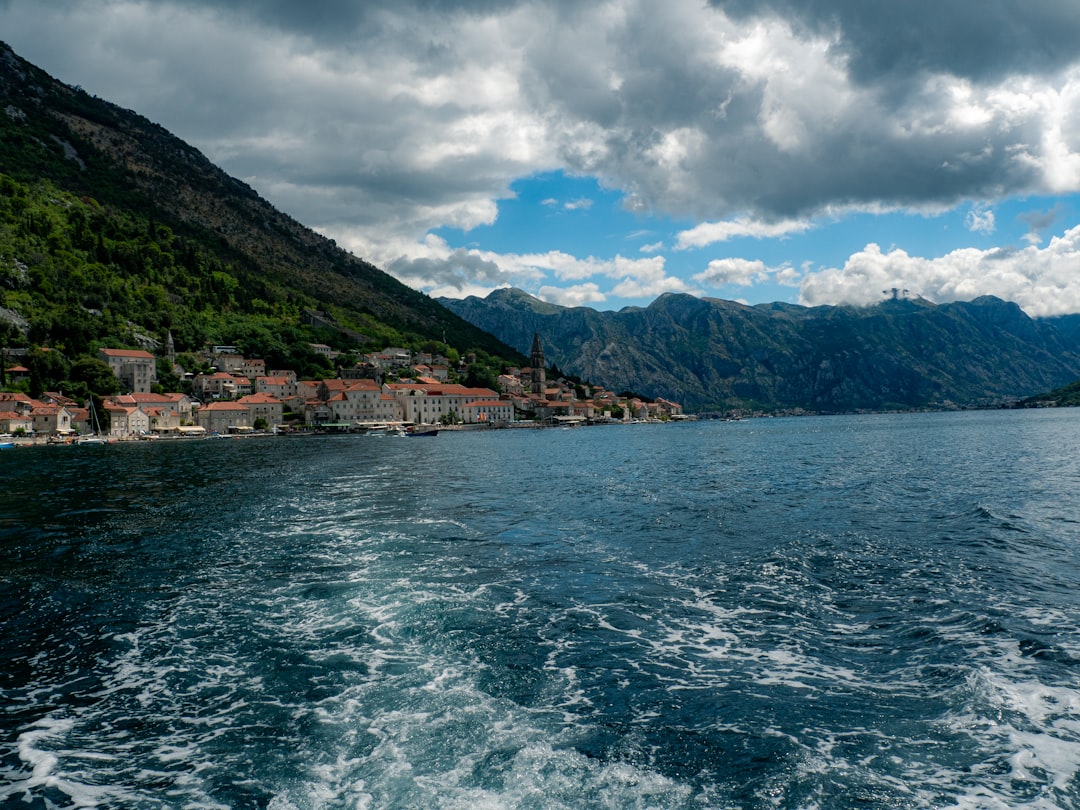
Perast is a baroque gem on the Bay of Kotor in Montenegro, home to just 349 permanent residents and sitting at a mere 6 metres above sea level. Founded in the medieval period and once a proud maritime republic under Venetian influence, this 300-metre-long stone waterfront town packs 16 churches and 17 former palazzi into a strip you can walk end-to-end in under 10 minutes. It sits roughly 12 km northwest of Kotor, making it one of the most rewarding short detours on the entire Adriatic coast.
Three Things Not to Miss in Perast
- Our Lady of the Rocks — A man-made island church built from 1452, reached by a 5-minute boat ride from the Perast waterfront.
- St. Nicholas Church Bell Tower — Climb 55 metres for the best panoramic view of the Bay of Kotor’s double-island scene.
- Perast Museum (Bujović Palace) — A 17th-century palazzo housing original nautical charts and Venetian maritime artefacts for just €3 entry.
Scroll down for our complete travel guide with tips on getting there, where to stay, costs and more.
Arriving in Perast: Airport & Transfers
How do I get to Perast — by car, bus, or boat?
Drive or take a taxi from Kotor — it’s the fastest option at roughly 12 km and 20 minutes. In my experience, the coastal road is spectacular but narrow. Public buses running the Kotor–Herceg Novi route stop at Perast roughly every 60–90 minutes and cost about €2–3 per leg. There is no direct ferry to Perast itself, though boat taxis from Kotor can be arranged for around €30–50 for the ride. The honest caveat: the bus stop sits on the main road above the village, requiring a steep 5-minute walk down to the waterfront.
Which airport is closest to Perast?
Tivat Airport (TIV) is the closest at approximately 25 km from Perast, about a 30–40 minute drive. Podgorica Airport (TGD) is roughly 90 km away — around 90 minutes by car. In my experience, flying into Tivat during summer makes far more sense; the airport sits inside the Bay of Kotor and the drive to Perast along the waterfront road is stunning. My tip: book a private transfer from Tivat for around €25–35 rather than waiting for scarce taxis in high season — they fill up fast.
How long does the journey to Perast take from major hubs?
From Tivat Airport, expect 30–40 minutes by car. From Kotor’s Old Town, it’s a 20-minute drive or a 25-minute local bus ride. From Dubrovnik, the journey is approximately 2.5 hours by car, crossing the Lepetane–Kamenari ferry (a 5-minute crossing costing €5 per car), which shaves off 30 km of mountain road. What surprised me: the ferry queue in July and August can add 45–60 minutes to your journey, so factor that in if you’re catching a flight from Tivat.
Do I need a rental car to explore Perast and the surrounding area?
For Perast itself, you absolutely do not need a car — the town is 300 metres long and entirely walkable. However, to explore the wider Bay of Kotor — Risan’s Roman mosaics, the Vrmac ridge hiking trails, or the walled city of Kotor — a rental car gives you serious freedom. I recommend basing yourself in Perast without a car if you’re staying 1–2 nights and day-tripping only locally. Car hire from Tivat Airport starts at around €30–45 per day in shoulder season but climbs to €60–80 in July. The caveat: parking in Perast is extremely limited, and the main road has no dedicated tourist car park.
Getting Around Perast
What are the best areas to stay in Perast?
Perast has one main area: the waterfront promenade itself. Accommodation along the seafront gives you direct views of the two iconic islets — worth every extra euro. The northern end near the Bujović Palace is slightly quieter than the central stretch near the boat landing. My tip: avoid anything on the main coastal road above the village — you’ll spend your entire stay navigating steps with luggage. The village is so compact (population 349) that no address is more than a 3-minute walk from the water.
What does accommodation in Perast cost per night?
Budget €80–120 per night for a solid guesthouse room with a bay view in shoulder season. In peak July and August, waterfront apartments jump to €150–250 per night. There are no large hotels in Perast — accommodation is almost exclusively family-run guesthouses and private apartments. Hotel Conte, the most well-known property on the waterfront, charges around €180–220 per night in summer. My honest warning: availability is extremely limited given the village’s tiny size, so book at least 3–4 months ahead for July visits or you’ll be commuting from Kotor.
How far in advance should I book accommodation in Perast during high season?
Book at least 3–4 months ahead for July and August — this is non-negotiable. Perast has fewer than 20 bookable properties listed on major platforms, and the best waterfront rooms sell out by April for summer. In my experience, checking Booking.com and Airbnb simultaneously gives you the widest pool. Shoulder months — May, June, September — can usually be booked 4–6 weeks out. The overlooked caveat: many family guesthouses in Perast don’t list online at all; a direct email to properties listed on the Perast.me tourism site sometimes unlocks unadvertised rooms.
Are there special or unique accommodation types in Perast?
Perast’s standout accommodation option is staying inside a restored Venetian palazzo, some of which have been converted into apartments with original stone walls, vaulted ceilings, and direct waterfront terraces. Several families rent out rooms in 17th and 18th-century buildings that were once the residences of sea captains. In my experience, these beat any modern hotel for atmosphere. I recommend searching for apartment rentals in Palata Bujović or contacting the local tourism office directly. The honest trade-off: stone walls and low ceilings mean minimal natural light in ground-floor rooms, and WiFi can be patchy in thick-walled historic buildings.
Where to Stay in Perast
What are the absolute must-sees in Perast?
Three things are non-negotiable. First, take the boat to Our Lady of the Rocks — boats leave from the waterfront for about €5 return and the 17th-century interior mosaics are extraordinary. Second, climb the St. Nicholas Church Bell Tower (entry around €3) for the iconic double-island panorama — best at golden hour. Third, visit the Perast Museum in Bujović Palace for €3 entry to understand the town’s astonishing maritime history — Perast trained Russian naval officers at the request of Peter the Great himself. Miss the museum and you miss the whole point of this place.
What can I experience for free in Perast?
The waterfront promenade itself is free and frankly unmissable — sitting at a café table watching the bay turn gold at sunset costs nothing beyond your coffee. Walking the narrow stone lanes behind the main strip reveals crumbling palazzi and cats sleeping on baroque doorsteps. The exterior of St. George Island can be admired from the shore at no cost — boats don’t land there since it’s a private monastery. I also recommend the free coastal path heading north from Perast toward Risan, a flat 4-km walk with unobstructed bay views that most visitors skip entirely.
Which day trips from Perast are most worthwhile?
Kotor’s UNESCO Old Town is the obvious first choice — 12 km and 20 minutes by car or bus, and the fortress walls (entry €8) require at least 3 hours. Risan, just 4 km northwest, has remarkably preserved 3rd-century Roman mosaics at the Villa Urbana for €2 entry — massively undervisited. Herceg Novi at the bay’s mouth is 35 km away and worth a half-day for its fortress and flower markets. My tip: combine Risan and Perast in one morning, then head to Kotor for the afternoon — all reachable on the Kotor–Herceg Novi bus line without a car.
What local specialities should I eat in Perast?
Order black risotto (crni rižot) made with cuttlefish ink — every restaurant on the waterfront does a version, but quality varies. The standout dish is škampi na buzaru, Adriatic scampi cooked in white wine and garlic sauce, at around €14–18 per portion. Fresh sea bass (brancin) grilled whole with olive oil costs roughly €16–22 and is far better here than in tourist-heavy Dubrovnik. My honest warning: avoid any restaurant displaying laminated photo menus at the dock — these target coach-tour groups and the food is noticeably inferior. Walk one block inland and prices drop by roughly 20–30%.
Perast Highlights & Must-Sees
What makes Perast unique compared to other Bay of Kotor towns?
Perast has no cars on its waterfront — vehicles park above on the main road, leaving the promenade entirely pedestrian. This alone separates it from every other settlement on the bay. Add the fact that a town of just 349 people once commanded its own fleet, trained foreign naval officers, and built 16 churches, and the scale of its former wealth becomes staggering. What surprised me: Perast never fell to the Ottomans — it remained under Venetian protection throughout, which explains the intact baroque architecture. No other Montenegrin coastal town carries that same layered, aristocratic atmosphere.
How many days should I spend in Perast?
1 full day is enough to see everything in Perast itself — the two islets, the museum, the bell tower, and a long waterfront lunch. Staying 1 overnight is worthwhile purely for the experience of the town after the day-trippers leave at 5pm, when the promenade becomes almost eerily quiet and the bay lights reflect off the water. I recommend 2 nights maximum as a base, using Perast for day trips to Kotor and Risan. Any longer and you’ve exhausted the town’s own attractions — the honest truth for a village of 349 people is that there is a natural limit.
When is the best time to visit Perast?
June and September are my top picks — warm enough to swim (sea temperature around 22–24°C), far fewer coach tours, and accommodation prices roughly 30% lower than peak July. Climate data confirms July as the statistically sunniest month, but July also brings the highest visitor density and heat. I visited in late September and the bay was glassy, the light extraordinary, and most restaurants were still fully open. My honest warning: October onwards, several family-run restaurants and guesthouses close for the season, so options thin noticeably after mid-October.
What are local festivals in Perast worth attending?
The most important local event is Fašinada, held every 22 July — a centuries-old tradition where residents row boats to Our Lady of the Rocks and throw stones into the sea to continue building up the man-made island. It is genuinely moving and completely authentic, not staged for tourists. The Assumption of Mary celebrations on 15 August also draw crowds to the island church. My tip: book accommodation 6 months ahead if you want to be in Perast for Fašinada — the few rooms available fill up with returning Montenegrin families who’ve attended for generations.
Eating & Drinking in Perast
How does the weather in Perast affect what I can do there?
Summer heat peaks in July–August with temperatures regularly hitting 32–35°C — midday sightseeing becomes genuinely uncomfortable. In my experience, plan the bell tower climb and museum visit before 10am or after 4pm. Boat trips to the islands are weather-dependent; the bay is sheltered so rough-sea cancellations are rare, but the occasional bura wind (a cold northern gale) can ground boats for a day. Winter months bring mild but rainy conditions — Perast at 6m elevation sees no snow, but the famous Bay of Kotor fog in January and February can make photography frustrating.
How crowded does Perast get in peak season?
July and August are genuinely overwhelming — cruise ship passengers from Kotor flood in on organised tours between 10am and 4pm, and the 300-metre promenade can feel impassable. In my experience, the town transforms completely after 5pm when the tour buses leave and fewer than 50 people remain. My tip: arrive in Perast the evening before, wake up early, and have the whole promenade to yourself until 9:30am. The honest warning: the boat queue to Our Lady of the Rocks at midday in August can mean a 45-minute wait — go before 9am or after 5pm.
How safe is Perast for tourists?
Perast is extremely safe — petty crime is nearly nonexistent in a village of 349 people where locals know every face. I have never felt the slightest concern walking alone at night on the waterfront. The main genuine hazard is the coastal road above the village, which is narrow and used by fast-moving traffic including tour coaches — cross it carefully, especially with children. Pickpocketing is not a real concern in Perast itself, though the more crowded Kotor Old Town warrants the usual city-level awareness. Water safety is the bigger issue: the bay has boat traffic near the islets, so swimming near the landing dock is inadvisable.
Is English widely spoken in Perast?
Yes — English is spoken well by virtually everyone working in tourism, which in a village of 349 people means almost every adult you’ll interact with. Restaurant menus are universally available in English, and boat operators running trips to Our Lady of the Rocks all give explanations in English. In my experience, even older residents who speak no English will communicate warmly through gestures and smartphones. The caveat: bus drivers on the Kotor–Herceg Novi line occasionally speak limited English — have your destination written down in Montenegrin (Perast) to avoid any confusion at stops.
Practical Tips for Perast
What is the daily budget for visiting Perast?
Budget travellers staying in a shared Airbnb and eating at the single inland konoba can manage €60–80 per day including accommodation. A mid-range couple spending a night at a waterfront guesthouse, eating two restaurant meals, and taking the boat to Our Lady of the Rocks should budget €150–200 per day total. Add the €3 bell tower, €3 museum, €5 boat return, and a three-course dinner at a decent waterfront restaurant for around €30–45 per person, and the day adds up fast. My honest note: Perast runs slightly more expensive than comparable Montenegrin villages because of its tiny size and captive tourist audience.
How does public transport work in and around Perast?
Perast is served by the Kotor–Herceg Novi local bus line, with buses running roughly every 60–90 minutes throughout the day. The fare from Kotor is approximately €2–3 each way. The bus stop sits on the main coastal road above the village — not on the waterfront — so factor in a 5-minute steep downhill walk with luggage. There is no internal public transport within Perast; the town is entirely walkable in under 10 minutes end to end. My tip: check live schedules at the Kotor bus station rather than relying on timetables posted online, which are sometimes outdated.
Which apps do you recommend for visiting Perast?
Maps.me with offline Bay of Kotor maps downloaded in advance is essential — mobile signal can drop along the coastal road. Google Translate with Montenegrin (Serbian script) downloaded offline helps with older menus and signage. For boat times and local event info, the Visit Montenegro official app has basic but reliable Perast listings. Booking.com is your best bet for accommodation given the limited supply. My honest tip: a local WhatsApp message to your guesthouse host is worth more than any app in Perast — these family businesses respond faster to direct messages than to platform notifications, and owners often tip you off about Fašinada events or boat cancellations before anyone else.
Perast at a Glance
| Population | 349 |
|---|---|
| Currency | EUR (€) |
| Official language | Montenegrin |
| Time zone | UTC+01:00 |
Source: Wikidata, retrieved August 2026.
Montenegro › Perast
More Destinations in Bay of Kotor
More Destinations in Montenegro
Essential Resources for Planning Your Trip to Perast
- Natural and Culturo-Historical Region of Kotor — official visitor information, passes & events
- Wikipedia: Perast — history, geography & background
- Wikivoyage: Perast — community travel guide & practical tips
- Perast travel – Lonely Planet | Montenegro, Europe — expert itineraries & travel inspiration
- THE 15 BEST Things to Do in Perast (2026) — hotels, restaurants & traveller reviews
- 2026 Perast Travel Guide: must-see attractions, popular … — how to get around
- Numbeo: Cost of Living in Perast — current prices & cost comparison
- Timeanddate: Perast Weather & Climate — forecasts & climate statistics
- Natural and Culturo-Historical Region of Kotor
More Perspectives on Perast
- A Short Guide to Perast | Montenegro’s Prettiest Village
- A Detailed Guide to Perast, Montenegro
- Perast & Herceg Novi: Travel Guide
Perast Travel Videos
Watch these videos for a visual preview before your trip:
- TOP 10 Things to do in Perast, Montenegro 2024!
- Your Ultimate Travel Guide to Perast: What to See and Do
- Perast Montenegro – A Hidden Gem – What to Do in Montenegro – Tourist Attractions in Perast
Perast Travel Discussions on Reddit
Real traveller experiences and community advice:
- Perast is my favourite place in Montenegro : r/travel
- Perast, Bay of Kotor, Montenegro [OC] This Is Why I Travel!
- Just got home from one of the most surprising trips of my …
Data Sources
This page was compiled using data from Wikipedia, Wikidata, Open-Meteo (climate), Numbeo (cost of living) and REST Countries. Information is updated regularly.