
Podgorica: The Complete Travel Guide (2026)
Last reviewed: August 2026 · key facts checked against Wikidata
Podgorica Travel Guide: Everything You Need to Know (2026)
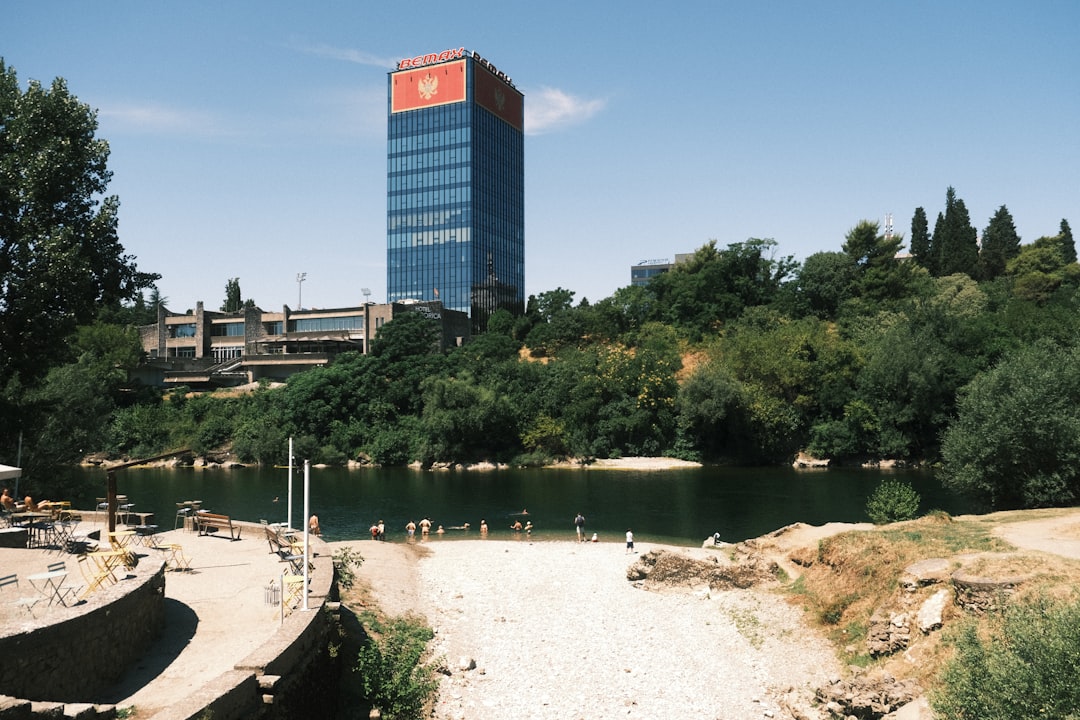
Podgorica, the capital of Montenegro, is home to 150,977 residents and sits at just 49 metres above sea level at the confluence of the Ribnica and Morača rivers. Founded on the site of ancient Doclea, the city became Montenegro’s capital in 1946 after World War II rebuilding. It sits roughly 45 km from the Adriatic coast, making it a practical hub for exploring one of Europe’s least-visited countries.
Three Things Not to Miss in Podgorica
- Stara Varoš (Old Town) — The Ottoman-era quarter retains its original clock tower built in the 18th century — a rare pre-Yugoslav survival in the city.
- Millennium Bridge — The 140-metre cable-stayed bridge over the Morača River is Podgorica’s most photographed structure, especially at sunset.
- Skadar Lake Day Trip — Europe’s largest lake by surface area lies just 30 minutes from the city centre and hosts over 270 bird species.
Scroll down for our complete travel guide with tips on getting there, where to stay, costs and more.
Getting to Podgorica from the Airport
How do I get to Podgorica?
Fly directly into Podgorica Airport (TGD), located just 12 km from the city centre. In my experience, direct flights from London, Vienna, Frankfurt, Istanbul, and Belgrade make this surprisingly accessible. Budget carriers including Ryanair and Wizz Air serve TGD seasonally. Alternatively, bus connections run from Dubrovnik (roughly 2.5 hours) and Belgrade (about 9 hours) — useful if you are combining regional travel. The honest caveat: flight options shrink dramatically outside of summer, so winter travellers often need a connection through Istanbul or Vienna.
Which airport is closest to Podgorica?
Podgorica Airport (TGD) is the nearest and most practical entry point, sitting 12 km south of the city centre. My tip: a taxi from TGD to the city centre costs around €15–€20 and takes under 20 minutes outside rush hour. The airport is small — only 2 gates — so baggage claim is fast and stress-free. What surprised me is that Tivat Airport (TIV), which is technically a 90-minute drive away on the Adriatic coast, often has more summer routes from Western Europe, making it a viable alternative if you plan to start your trip on the coast.
How long does the journey to Podgorica’s city centre take from the airport?
The drive from TGD Airport to Podgorica city centre takes 15–20 minutes by taxi or rideshare. I recommend Car:Go (the regional Uber equivalent), which typically charges €10–€13 — noticeably cheaper than the standard taxi rank outside arrivals. Bus option 31 connects the airport to the city for just €1.04, but runs infrequently and has limited luggage space. The honest trade-off: Car:Go requires a local phone number to register, so set this up before you land, or accept the taxi rank markup of roughly 30% compared to app-based rides.
Do I need a car to explore Podgorica?
For Podgorica city itself, no — the centre is compact and walkable within 30 minutes end to end. I recommend skipping the rental car for your first day. However, if you want to reach Skadar Lake, Ostrog Monastery, or the Morača Canyon — all within 60 km — a rental car becomes essential because public bus schedules are infrequent and timed poorly. Rental cars from Meridian Rent A Car near the airport start at around €30–€40 per day. The hidden caveat: Montenegro’s mountain roads are narrow and steep, demanding genuine driving confidence — not ideal for nervous drivers.
Moving Around Podgorica
Which areas of Podgorica are best to stay in?
I recommend basing yourself in Stara Varoš or the adjacent City Kvart district for the most walkable, characterful experience. Stara Varoš gives you Ottoman-era streets, the clock tower, and authentic cafés within steps of your door. City Kvart is the modern commercial zone near Delta City mall — better for business travellers but sterile for tourism. Avoid booking on the outskirts near the Zabjelo neighbourhood unless you have a rental car. My tip: the 10-minute walk between Stara Varoš and the Millennium Bridge riverside path is the single nicest daily stroll in the city.
What does accommodation cost per night in Podgorica?
Budget travellers will find clean hostel dorms in Podgorica for €15–€20 per night. A solid mid-range hotel — such as Hotel Hemera or Hotel Podgorica — runs €60–€90 per night for a double room. Boutique properties in or near Stara Varoš hover around €70–€100. The honest caveat: Podgorica has limited true luxury options compared to Kotor or Budva on the coast, so visitors expecting five-star facilities will be disappointed. What surprised me is the value: a perfectly comfortable, centrally located apartment on Airbnb regularly comes in under €50 per night, often outperforming hotels at the same price point.
How far in advance should I book accommodation in Podgorica during high season?
For July and August, book at least 4–6 weeks ahead, especially for mid-range hotels and quality apartments. Podgorica is primarily a transit city rather than a resort destination, so it rarely sells out entirely — but the best-value rooms near Stara Varoš and City Kvart go fast in summer. My tip: the Montenegro Carnival of Podgorica in February and the Lake Fest near Skadar in July cause short, sharp booking spikes. Outside these events, last-minute bookings 2–7 days out are usually viable in spring and autumn without penalty on choice or price.
Are there special or unique accommodation types in Podgorica?
In my experience, the most distinctive option is renting a traditional stone house or apartment in Stara Varoš, the Ottoman quarter — rates start around €45 per night and deliver authenticity no hotel matches. Several family-run guesthouses in the Drač riverside area offer rooms with direct Morača River views for under €60. What surprised me: agritourism stays on working farms in the Zeta Plain, just 15–20 km outside the city, offer a completely different Montenegro experience — homegrown food, silence, and starry skies — at €30–€50 per night including breakfast.
Choosing a Neighbourhood in Podgorica
What are the must-sees in Podgorica?
The Millennium Bridge at sunset is non-negotiable — its 140-metre cable-stayed span is the city’s defining image. Stara Varoš, the Ottoman old town with its 18th-century clock tower, is walkable in 45 minutes and the most historic patch in the city. The Natural History Museum of Montenegro covers the country’s extraordinary biodiversity for a €2 entry fee. My tip: the ruins of Doclea, the ancient Roman city just 4 km north of the centre, are almost entirely unvisited — you can walk the 2nd-century Roman forum in complete solitude. That alone is worth the short detour.
What can I experience for free in Podgorica?
Quite a lot, in fact. The Morača Riverside Park is a free, beautiful green corridor running through the city — ideal for morning walks. Entry to Stara Varoš and the historic clock tower area costs nothing. The Cathedral of the Resurrection of Christ, completed in 2013 with extraordinary Orthodox frescoes covering its interior, is free to enter. My tip: walk across the Millennium Bridge at dusk for the best light on the Morača River — no ticket, no queue, just a great view. The Gorica Hill Park directly above the city centre offers a free 30-minute hike with panoramic views over Podgorica.
Which day trips from Podgorica are worth doing?
Skadar Lake National Park, just 30 minutes by car, is Europe’s largest lake and genuinely unmissable — a boat tour costs roughly €15–€25 per person. Ostrog Monastery, carved into a vertical cliff face 60 km northwest, is one of the Balkans’ most dramatic pilgrimage sites and free to enter. Kotor Old Town, a UNESCO World Heritage site on the Adriatic, is a 1.5-hour drive from Podgorica. The honest caveat: reaching all three requires a car — the bus to Ostrog runs only once daily and timing is unreliable. I recommend renting a car for at least 2 days to do these justice.
What local specialities should I try in Podgorica?
Start with Njeguški pršut — dry-cured smoked ham from the Njeguši village — served in most traditional restaurants for €6–€10 per portion. Kačamak is a thick polenta-style dish with cheese and potato, deeply regional and filling, typically under €5. In my experience, the best place to eat this is at Restaurant Konoba Stara Kuća in Stara Varoš. Montenegro’s wine is underrated: a glass of local Vranac red costs €2–€3 and pairs excellently with grilled meats. The honest warning: tourist-facing menus in City Kvart near Delta City often serve generic Balkan grill food at inflated prices — avoid these.
Top Sights in Podgorica
What makes Podgorica unique compared to other Balkan capitals?
Podgorica is the only Balkan capital where you can reach both an Alpine lake and an Adriatic coastline within 90 minutes by car. It is also one of Europe’s least-visited capitals — fewer than 150,000 residents and minimal mass tourism mean you experience genuine daily life rather than a curated tourist bubble. What surprised me most is the Roman ruins of Doclea sitting virtually unguarded 4 km from the centre — in any Western European country, this 2nd-century site would have ticket booths and crowds. The city’s raw, unpolished character is either its greatest charm or its biggest limitation, depending entirely on what you are looking for.
How many days are worthwhile in Podgorica?
I recommend 2 full days in Podgorica itself — one day for the city (Stara Varoš, Millennium Bridge, Cathedral, Gorica Hill) and one day for Skadar Lake or Ostrog Monastery. Add a third day if you want to reach Kotor on the coast or explore the Morača Canyon to the north. The honest caveat: Podgorica is genuinely thin on urban attractions compared to Kotor, Budva, or Cetinje, and most travellers who budget 4+ days here find themselves running out of central city content by day 3. Use it as a base, not a sole destination.
When is the best time to visit Podgorica?
July is the climate peak based on verified data — warm, sunny, and ideal for combining the city with Skadar Lake’s boat trips. My personal preference is May or September: temperatures sit around 22–26°C, crowds are minimal, and prices drop 20–30% versus July peaks. The honest warning: Podgorica summers are brutal — July and August regularly hit 38–40°C, making midday sightseeing genuinely unpleasant. If heat is your limiting factor, April to June is the sweet spot: green landscapes from spring rains, comfortable temperatures, and the city fully operational without the tourist rush.
Are there local festivals in Podgorica worth attending?
The Lake Fest at Skadar Lake, typically held in July, combines music, boat trips, and local food — a genuinely unique regional event drawing around 5,000 visitors annually. The Podgorica Cultural Summer runs throughout July and August with free outdoor concerts in Trg Republike square. The Podgorica Marathon in April is smaller than European city marathons but draws international runners and brings noticeable energy to the riverside. My tip: the Orthodox Christmas celebrations on 7 January in front of the Cathedral of the Resurrection are atmospheric and free — an experience that feels authentically Montenegrin rather than tourist-packaged.
Where to Eat in Podgorica
How does the weather in Podgorica affect what activities you can do?
Summer heat above 38°C in July and August pushes outdoor sightseeing to early mornings before 10:00 and evenings after 18:00. The Morača Riverside Park becomes the city’s natural air conditioner — locals gather in the shade of its trees all afternoon. Winter from December to February brings cold but rarely snow in the city itself at 49m elevation, though the surrounding mountains are snowcapped. Spring floods from the Morača River occasionally limit riverside access in March. My tip: the Skadar Lake boat trip is best in May — water levels are high from rain, bird nesting is active, and temperatures are perfect.
How crowded does Podgorica get in peak season?
Podgorica never gets overwhelmed the way Kotor or Dubrovnik do — it is a working capital, not a resort. Even in peak July, the main sights like Stara Varoš and the Millennium Bridge are uncrowded by Adriatic Coast standards. What does fill up are budget hotels and apartments, and the road to Skadar Lake sees noticeably heavier traffic on weekends. The honest trade-off: because Podgorica lacks mass tourism infrastructure, popular spots like Doclea ruins have no crowd-management at all — you either have them to yourself or share with a handful of visitors. The city’s low tourist density is, frankly, its greatest asset.
How safe is Podgorica for travellers?
Podgorica is safe for standard tourist activities — petty crime is low and violent crime targeting visitors is extremely rare. In my experience, walking Stara Varoš and the Morača riverside at night feels relaxed and unthreatening. The honest caveat: Montenegro has a historically documented organised crime presence, particularly in the Zabjelo and Konik residential districts — these are not tourist areas, but travellers should avoid displaying expensive equipment or cash in any neighbourhood after midnight. Standard European city precautions apply. The emergency number is 112, and basic English is understood at the main Podgorica police station on Bulevar Svetog Petra Cetinjskog.
Is English widely spoken in Podgorica?
English is spoken well by most people under 40 in tourist-facing roles — hotel staff, restaurant servers near Stara Varoš, and transport operators. What surprised me: English proficiency drops sharply at local markets, bus stations, and traditional bakeries, where Serbian/Montenegrin is the only working language. My tip: download Google Translate with the Serbian Cyrillic offline pack before you arrive — Montenegro officially uses both Latin and Cyrillic script, and street signs occasionally appear only in Cyrillic outside the city centre. A phrasebook app covering basic restaurant and shopping vocabulary eliminates 95% of communication friction during a short visit.
Before You Go to Podgorica
What is the daily budget for travelling in Podgorica?
A tight budget traveller can manage €35–€45 per day covering a hostel dorm (€15–€20), local meals at around €11.55 for a cheap restaurant meal, and city transport at €1.04 per ride. A comfortable mid-range day — decent hotel, two restaurant meals, a museum entry, and a Skadar Lake boat trip — runs €80–€110 per person. My tip: street food from the Green Market (Zelena Pijaca) near Stara Varoš — fresh bread, cheese, and cured meats — can replace a meal for under €4. The honest surprise: Podgorica is noticeably cheaper than Split or Dubrovnik for equivalent quality, making it excellent value for a Balkans trip.
How does Podgorica’s public transport network work?
City buses cover most of Podgorica’s urban neighbourhoods, operating from roughly 05:30 to 23:00. A single ticket costs €1.04, purchased from the driver. The most useful routes for visitors run between the bus station, Stara Varoš, and the Delta City commercial area. Inter-city buses to Kotor (€8, 1.5 hours), Budva (€6, 1 hour), and Bar (€5, 50 minutes) depart from the Podgorica Bus Station on Trg Golootočkih žrtava. The honest caveat: there is no metro, tram, or light rail — the network is entirely bus-based, schedules outside peak hours are infrequent, and the Car:Go app fills the gap efficiently for under €5 for most city trips.
Which apps do you recommend for visiting Podgorica?
Car:Go is essential — it is the regional equivalent of Uber and far cheaper than street taxis for getting around Podgorica and reaching the airport. Google Maps works accurately for the city but has gaps for hiking trails around Skadar Lake — supplement with Maps.me which covers rural Montenegro offline. Google Translate with Serbian offline downloaded handles Cyrillic signage and menus efficiently. For accommodation I recommend Booking.com over Airbnb as local properties are listed more comprehensively there. My tip: the Visit Montenegro official app provides verified entry hours and prices for national parks including Skadar Lake — worth installing before you leave home, as on-site information boards are often outdated.
What is Podgorica’s daily budget compared to other Montenegrin destinations?
Podgorica is genuinely the most affordable base in Montenegro. A cheap restaurant meal costs around €11.55 versus €18–€22 for equivalent food in Kotor or Budva old towns. Mid-range hotel rooms run €60–€90 here compared to €110–€160 on the Adriatic coast in July. The honest trade-off: Podgorica’s lower prices reflect lower scenic appeal — you are not sleeping beside a medieval fortress or a turquoise bay. My recommendation is to use Podgorica as a 2-night affordable base with a rental car, then move to the coast for your beach days. This hybrid approach saves €30–€50 per night while keeping all of Montenegro’s best sights within reach.
Podgorica at a Glance
| Population | 150,977 |
|---|---|
| Currency | EUR (€) |
| Official language | Montenegrin |
| Time zone | UTC+01:00 |
Source: Wikidata, retrieved August 2026.
Montenegro › Podgorica
More Destinations in Montenegro
Essential Resources for Planning Your Trip to Podgorica
- Wikipedia: Podgorica — history, geography & background
- Wikivoyage: Podgorica — community travel guide & practical tips
- Podgorica travel – Montenegro, Europe — expert itineraries & travel inspiration
- THE 15 BEST Things to Do in Podgorica (2026) — hotels, restaurants & traveller reviews
- Podgorica Airport (TGD) to 18th Century Villa in the … — how to get around
- Numbeo: Cost of Living in Podgorica — current prices & cost comparison
- Timeanddate: Podgorica Weather & Climate — forecasts & climate statistics
More Perspectives on Podgorica
- Podgorica, Montenegro: Finding Charm Beneath the Concrete
- The Undiscovered Guide to Podgorica
- 15 Cool Things to Do in Podgorica, Montenegro
Podgorica Travel Videos
Watch these videos for a visual preview before your trip:
- Podgorica Travel Guide | Things To Do In The Montenegro Capital
- Podgorica Travel Guide 🇲🇪 | Top Things to Do in Montenegro Capital | Europe’s Most BORING City?
- Top 10 Places To Visit in Montenegro – Travel Guide
Podgorica Travel Discussions on Reddit
Real traveller experiences and community advice:
- What to see in Podgorica (Montenegro) with no car : r/travel
- Podgorica – Is it really boring? : r/montenegro
- Just got back from Montenegro – here’s my honest review
Data Sources
This page was compiled using data from Wikipedia, Wikidata, Open-Meteo (climate), Numbeo (cost of living) and REST Countries. Information is updated regularly.