
Sesimbra: The Complete Travel Guide (2026)
Sesimbra Travel Guide: Everything You Need to Know (2026)
Sesimbra is a coastal fishing town of 52,465 residents nestled at the foot of the Serra da Arrábida mountain range, just 40 km south of Lisbon. Its natural harbour has sheltered Atlantic fishing fleets for centuries, and the village sits inside a protected natural park that keeps high-rise development permanently off the table. What surprised me most was how authentically Portuguese it remains despite being under an hour from one of Europe’s most visited capitals.
Three Things Not to Miss in Sesimbra
- Sesimbra Castle (Castelo de Sesimbra) — A Moorish-era hilltop fortress with panoramic Atlantic views — the medieval walls enclose an entire living village of 200 residents.
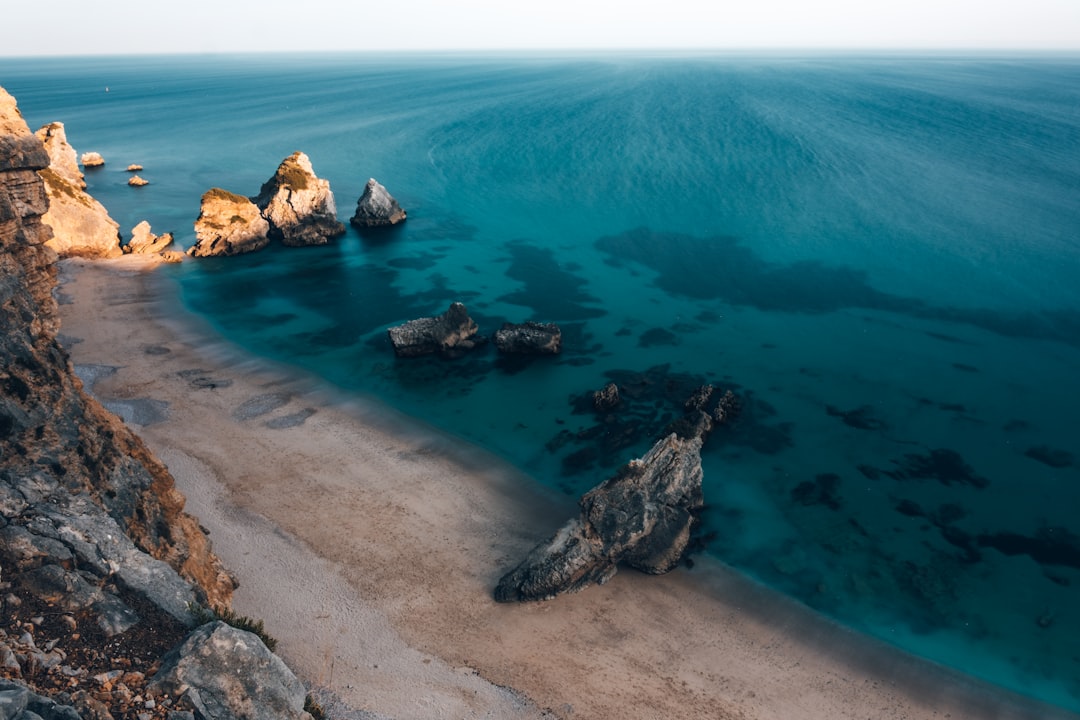
- Portinho da Arrábida Beach — Consistently rated among Portugal’s top 5 beaches, with turquoise water reaching 22°C in summer inside a protected marine reserve.
- Sesimbra Harbour Fish Auction (Lota) — Watch local fishermen unload swordfish and seabass at dawn — one of the most genuine working harbour scenes left in greater Lisbon’s orbit.
Scroll down for our complete travel guide with tips on getting there, where to stay, costs and more.
Arriving in Sesimbra: Airport & Transfers
How do I get to Sesimbra?
The fastest option from Lisbon is by car — **40 km, roughly 40 minutes** via the A2 motorway and IC21. I recommend renting a car or taking a taxi from Lisbon for around **€50–€60**. The public bus run by **Transportes Sul do Tejo (TST, line 207)** departs from Praça de Espanha in Lisbon and takes about **75 minutes**, costing around **€4**. The caveat most guides skip: the bus drops you in the town centre, not at the beaches — and Arrábida’s best coves are completely unreachable without a car or taxi once you arrive.
Which airport is closest to Sesimbra?
**Lisbon Humberto Delgado Airport (LIS)** is the only practical entry point, sitting **approximately 55 km north** of Sesimbra. In my experience, the drive from LIS to Sesimbra takes **50–65 minutes** outside rush hour — factor in 90 minutes if you’re arriving on a Friday afternoon in summer. There is no direct airport bus. Your realistic options are renting a car at the airport (my strong recommendation) or booking a private transfer for around **€60–€80**. Faro Airport (FAO) is technically in Portugal but is **270 km south** — irrelevant for this trip.
How long does the journey to Sesimbra take from Lisbon?
By car it’s **40 minutes door-to-door** from central Lisbon on a normal weekday. My tip: leave Lisbon before 8:00 AM on summer weekends — the A2 southbound gets brutal from 9:00 AM onward, stretching that journey to **90+ minutes**. By TST bus the official schedule says **75 minutes**, but real-world summer times run closer to **90 minutes**. What surprised me is that Sesimbra has no train station and no ferry link — road is your only option, which makes a rental car almost essential for a comfortable visit.
Do I need a car to explore Sesimbra?
For the town centre itself, no — the harbour promenade, castle, and main restaurants are all walkable within **15 minutes**. But for everything that makes Sesimbra extraordinary — **Portinho da Arrábida**, Galapinhos beach, and the Serra da Arrábida viewpoints — a car is non-negotiable. Public transport does not serve these locations. I recommend hiring a car in Lisbon rather than in Sesimbra, where rental options are thin. Honest caveat: parking in Sesimbra town in July and August is genuinely awful — the free seafront lots fill by **9:00 AM** and paid options cost around **€1.50/hour**.
Getting Around Sesimbra
What are the best areas to stay in Sesimbra?
Stay in the **town centre near the harbour** for easy access to restaurants, the fish market, and evening atmosphere — this is where I always base myself. The **Castelo neighbourhood** uphill offers quieter streets and castle views but requires walking up steep cobblestones with luggage. Avoid booking accommodation near the **Santiago Fort** on the western end if you want walkable dining — it feels isolated after dark. For families, the strip along **Avenida dos Náufragos** puts you directly on the main beach. The honest trade-off: central rooms face street noise from Thursday through Sunday nights in summer.
What does accommodation cost per night in Sesimbra?
In my experience, a solid mid-range guesthouse or apartment in Sesimbra runs **€80–€130 per night** in shoulder season (April–June, September). In peak July–August, expect **€130–€220** for the same rooms. The **Hotel do Mar**, a 1970s clifftop property with genuine Atlantic views, charges around **€150–€190** in summer. Budget guesthouses like local **residenciais** on side streets off Rua Comandante Conceição Silva come in at **€60–€80**. Self-catering apartments from **Airbnb or Booking.com** run **€90–€160** and are the best value for stays of 3+ nights, especially with a group.
How far in advance should I book accommodation in Sesimbra during high season?
Book **at least 6–8 weeks ahead** for July and August — Sesimbra has a small accommodation stock for its popularity level, and good harbour-facing rooms disappear fast. What most guides omit: Portuguese nationals from Lisbon and the Alentejo claim a huge share of bookings the moment school holidays are announced, typically in **March**. I recommend booking by **April 1st** for any summer weekend. For shoulder season (May, June, September), **2–3 weeks** ahead is usually fine. Midweek stays are significantly easier to book last-minute than weekends, even in August.
Are there special or unique accommodation types in Sesimbra?
The most distinctive option is staying in a converted fisherman’s cottage in the **old town below the castle** — these whitewashed 2-room houses occasionally appear on Airbnb for **€90–€140/night** and put you inside the historic fabric of the town. **Hotel do Mar** is architecturally notable — a 1970s brutalist-influenced clifftop design with a seawater pool carved into the rock, genuinely unlike anything else in the region. For nature lovers, rural **quinta** farmhouses in the **Serra da Arrábida** hinterland, around 8 km inland, offer silence, olive groves, and stunning mountain light for **€70–€100/night** — but you absolutely need a car.
Where to Stay in Sesimbra
What are the must-see sights in Sesimbra?
The **Castelo de Sesimbra** is non-negotiable — free entry, Moorish foundations, and a living community inside the walls. The **Santiago Fort (Forte de Santiago)**, built in 1200s and sitting directly on the beach, is unique in all of Portugal for its sea-level position. Walk the **harbour fish auction (Lota)** zone at dawn to see Atlantic swordfish unloaded — this is the real Sesimbra. For natural highlights, the **Arrábida Natural Park** viewpoint above **Portinho da Arrábida** at sunrise is one of the most dramatic coastal panoramas I’ve seen in southern Europe. None of these cost more than €5.
What can I experience for free in Sesimbra?
Genuinely a lot. **Castelo de Sesimbra** has free entry every day — don’t skip the tiny church inside the walls. The **harbour promenade** and fish market exterior are free to wander at any hour. All of **Arrábida Natural Park’s** hiking trails are free, including the ridge trail above Portinho with views stretching to Setúbal. The **Sesimbra town beach** is free. My tip: the fish auction at the **Lota de Sesimbra** opens to observers for free in the early morning — arrive before **7:00 AM**. The honest caveat: the best beach, **Portinho da Arrábida**, charges a **€1.50 parking fee** and has a seasonal vehicle access restriction from June 15 to September 15.
Which day trips from Sesimbra do you recommend?
**Setúbal** is the obvious choice — **25 km east**, a working port city with an excellent regional museum and the best bacalhau restaurants in the district. **Palmela Castle** sits **20 km north** and pairs well with a wine tasting at Quinta do Anjo, producing some of Portugal’s most underrated reds. **Arrábida Convent (Convento da Arrábida)** is inside the natural park, **15 km east**, and dates to 1542 — it’s half-hidden on a cliff and most visitors drive past it. Lisbon itself is only **40 km away** and makes a perfectly logical day trip in reverse. I’d skip Setúbal if you only have one day — prioritize Arrábida instead.
What local specialities should I try in Sesimbra?
Sesimbra’s signature dish is **choco frito** — fried cuttlefish from the local fleet, served at virtually every harbour restaurant for **€10–€14**. My personal highlight: fresh **espada preta** (black scabbardfish), caught in deep Atlantic waters and grilled with just olive oil and garlic. The **percebes** (barnacles) sold at harbour stalls are among the freshest I’ve eaten anywhere in Portugal — a plate costs **€12–€18** but is worth every cent. Wash everything down with **Moscatel de Setúbal** from neighbouring vineyards — a golden dessert wine for around **€3–€4 per glass** at local tascas. Avoid any restaurant displaying photos of food on laminated menus near the waterfront.
Sesimbra Highlights & Must-Sees
What makes Sesimbra unique compared to other Portuguese coastal towns?
Three things separate Sesimbra from every other Lisbon-orbit beach town. First, the **Serra da Arrábida** acts as a physical wall against Atlantic wind, creating a **microclimate** that is measurably warmer and calmer than the Sintra coast or Cascais. Second, **active commercial fishing** still defines daily life here — the harbour is not a marina of leisure boats but a working fleet landing swordfish and cuttlefish every morning. Third, the **Arrábida Marine Reserve** produces water clarity of **15–20 metre visibility**, making it the premier shore-diving destination in mainland Portugal. What surprised me: the castle has an active parish with **permanent residents** — almost no other Portuguese castle can say that.
How many days in Sesimbra are worthwhile?
I recommend **3 nights minimum** to do it justice without rushing. Day 1: town, harbour, castle, and dinner at a local tasca. Day 2: full day at **Portinho da Arrábida** — arrive by 9:00 AM to park before restrictions kick in. Day 3: hiking the **Arrábida ridge trail** or a day trip to Setúbal. A 2-night stay is workable but forces hard choices. A single day trip from Lisbon covers the harbour and town beach but misses Arrábida entirely — and that would be a serious mistake. If you’re a diver, add **1 extra day** for a boat dive from **Sesimbra Dive Centre** — visibility in the marine reserve is genuinely world-class.
When is the best time to visit Sesimbra?
**June and September** are my personal top picks — warm enough to swim (water reaches **20–22°C**), crowds are manageable, and harbour restaurants are fully open. The verified best travel months are **April through September**, but July and August bring Lisbon’s entire population to a town with limited parking and accommodation. April and May offer hiking conditions in Arrábida that are genuinely spectacular — wildflowers carpet the limestone ridges. October is underrated: air temperature around **19–20°C**, near-empty beaches, and the fishing fleet is at peak activity. Avoid Christmas to February for beach activities — manageable for hiking but several restaurants close midweek.
Are there local festivals in Sesimbra worth attending?
The **Festas do Senhor Jesus das Chagas** in April is Sesimbra’s most important cultural event — a traditional procession that has continued for over 300 years, culminating with an extraordinary candlelit descent through the old town. The **Nossa Senhora do Cabo** pilgrimage in September draws locals from across the Setúbal District to Cabo Espichel, **14 km west** of Sesimbra, where a clifftop baroque sanctuary receives worshippers in an atmosphere nothing like the tourist coast. For food lovers, the informal **fish festival (Festa do Peixe)** runs in July at the harbour — grilled catch of the day, live music, and a cover charge of around **€5**.
Eating & Drinking in Sesimbra
How does the weather in Sesimbra affect activities?
The Serra da Arrábida physically blocks northerly winds, making Sesimbra’s main beach **noticeably calmer** than Costa de Caparica or Cascais on the same day. Summer (June–September) delivers consistent sunshine with temperatures between **25–30°C** — ideal for swimming, diving, and boat trips. Spring (April–May) is the prime window for hiking Arrábida when the limestone smells of wild lavender and the trails aren’t scorched. The honest caveat: **Portinho da Arrábida** has no shade whatsoever — arrive before 10:00 AM or after 16:00 in July–August or you’ll bake. Winter hiking is genuinely pleasant on clear days but the road into Arrábida can close after heavy rain.
How crowded does Sesimbra get in peak season?
Peak weekend in August is genuinely overwhelming — the **N379 road from Sesimbra toward Arrábida** can queue for **45 minutes** and Portuguese authorities now restrict private vehicles from entering Portinho da Arrábida between **June 15 and September 15**, directing visitors to a shuttle from **Setúbal** instead. The town’s main beach fills by **10:00 AM** on Saturdays in July and August. My tip: book accommodation for **Sunday–Thursday nights** in summer and you’ll experience a completely different, calmer Sesimbra. The shuttle to Arrábida costs around **€3 return** and actually improves the beach experience since parking panic is eliminated.
How safe is Sesimbra?
Sesimbra is extremely safe — petty crime is rare and I’ve never felt uncomfortable here at any hour. The town centre, harbour, and castle area are all fine after dark. The honest caveat most guides ignore: the **cliff paths above Arrábida** have no guardrails in sections and the limestone gets dangerously slippery in fog or rain — **2 serious falls per season** is the local estimate from trail wardens. Also, the **Arrábida marine reserve** has strong currents around Cabo Espichel that have claimed swimmers — never ignore red flags. Standard travel insurance covering water activities is non-negotiable if you plan to dive or kayak.
Is English widely spoken in Sesimbra?
English is spoken adequately in hotels and most harbour-facing restaurants — but less so than in Lisbon or the Algarve. My experience: younger staff under 35 generally communicate well in English, while older fishermen and family-run tascas in the old town operate almost entirely in Portuguese. I recommend learning **10 key Portuguese phrases** before arriving — ordering food, asking prices, and thanking staff in Portuguese gets you genuinely warmer service and sometimes better fish portions. The **Lota fish auction** has no English signage whatsoever. Download **Google Translate with the Portuguese offline pack** before crossing the Tagus — connectivity near Arrábida can be patchy.
Practical Tips for Sesimbra
What is the daily budget for visiting Sesimbra?
A realistic mid-range day in Sesimbra costs **€90–€130 per person** including accommodation, meals, and activities. Breakdown: accommodation **€65–€110/night** (shared between 2), lunch at a harbour tasca **€14–€18**, dinner with wine **€25–€35**, coffee and pastéis throughout the day **€4–€6**, parking or bus **€3–€8**. Budget travellers staying in cheaper guesthouses and eating the **prato do dia** (daily special for €9–€11) can do it on **€55–€70/day**. The single biggest surprise: a boat trip into the marine reserve with snorkelling runs around **€35 per person** — the best value activity in the entire area and cheaper than equivalent experiences in the Azores or Algarve.
How does public transport work in and around Sesimbra?
Within Sesimbra town, you don’t need public transport — everything is walkable in **15 minutes**. Between Sesimbra and Lisbon, **TST bus line 207** runs roughly every **60–90 minutes** from Praça de Espanha, costs **€4** one-way, and takes **75–90 minutes**. Between Sesimbra and Setúbal, bus **line 207/208** connects the towns in about **50 minutes** for **€3**. The critical gap: there is **zero public bus service** into Arrábida Natural Park — except the seasonal shuttle from Setúbal to Portinho operating **June 15 to September 15** for **€3 return**. My tip: if you arrive without a car and want Arrábida, book a local taxi directly at the harbour for around **€20–€25 each way**.
Which apps do you recommend for visiting Sesimbra?
**Transdev/TST app** for real-time bus tracking between Sesimbra and Lisbon — the paper timetable at the stop is often outdated. **Windy.com** is essential for checking sea conditions before booking a boat trip or diving — Atlantic swell can change fast. **AllTrails** has **4 verified hiking routes** in the Serra da Arrábida with offline GPS capability, crucial where mobile signal drops out. **Booking.com** offers the widest local accommodation selection. For food, skip TripAdvisor and use **Zomato** filtered for Portuguese reviewer ratings — it surfaces the tascas that Lisbon weekenders actually use. **Google Translate** with offline Portuguese is non-negotiable for market and auction visits.
Sesimbra at a Glance
| Population | 52,465 |
|---|---|
| Currency | EUR (€) |
| Official language | Portuguese |
| Time zone | UTC±00:00 |
Source: Wikidata, retrieved September 2026.
Portugal › Sesimbra
More Destinations in Portugal
Essential Resources for Planning Your Trip to Sesimbra
- Wikipedia: Sesimbra — history, geography & background
- Wikivoyage: Sesimbra — community travel guide & practical tips
- Castelo de Sesimbra | Portugal | Attractions — expert itineraries & travel inspiration
- THE 15 BEST Things to Do in Sesimbra (2026) — hotels, restaurants & traveller reviews
- What is the best way to travel from Lisbon to Sesimbra with … — how to get around
- Numbeo: Cost of Living in Sesimbra — current prices & cost comparison
- Timeanddate: Sesimbra Weather & Climate — forecasts & climate statistics
More Perspectives on Sesimbra
- Sesimbra Uncovered: The Seaside Secret Just 40 Minutes …
- Sesimbra Travel Guide
- 8 Top Things To Do In Sesimbra –
Sesimbra Travel Videos
Watch these videos for a visual preview before your trip:
- Sesimbra & Arrábida Natural Park | 🇵🇹 Itinerary: No-Rubbish Travel Guide
- Sesimbra – This Tiny Portuguese Village Has One Major Problem
- Sesimbra, Portugal-A Beautiful Beach Town Near Lisbon
Sesimbra Travel Discussions on Reddit
Real traveller experiences and community advice:
- Sesimbra Portugal thoughts? : r/travel
- Sesimbra trips posted on my plane ride home
- Day Trips: Setubal, Sintra, Sesimbra from Lisbon?
Data Sources
This page was compiled using data from Wikipedia, Wikidata, Open-Meteo (climate), Numbeo (cost of living) and REST Countries. Information is updated regularly.