
Monopoli: The Complete Travel Guide (2026)
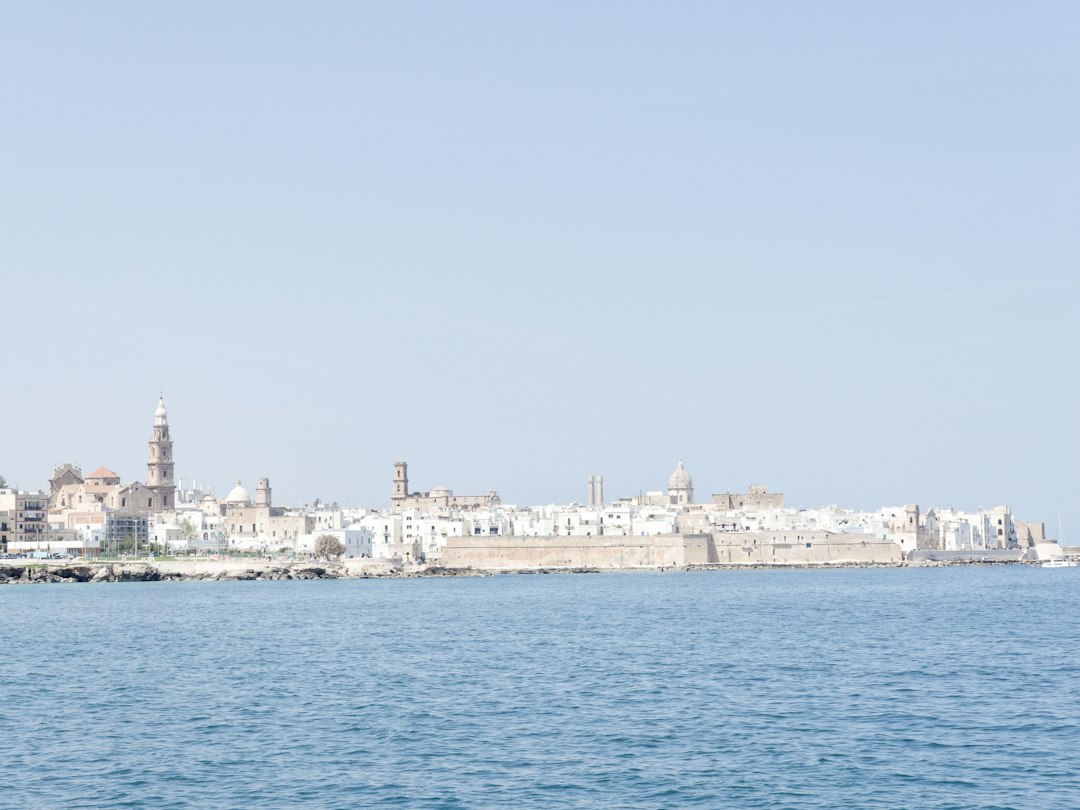
Monopoli Travel Guide: Everything You Need to Know (2026)
Last reviewed: September 2026 · key facts checked against Wikidata
Monopoli is a sun-drenched Adriatic port town of 48,004 residents sitting just 40 kilometres southeast of Bari at 15 metres above sea level, with a historic centre so compact you can walk its medieval alleys end-to-end in under 20 minutes. Founded in the Byzantine era and later fortified by the Spanish viceroys in the 16th century, it balances genuine fishing-village character with a surprisingly sophisticated food and wine scene. August through October are statistically the best months to visit, giving you warm seas, lower crowds than peak July, and the grape-harvest atmosphere of the surrounding Valle d’Itria.
Three Things Not to Miss in Monopoli
- Castle of Charles V — A 16th-century Spanish sea fortress jutting into the Adriatic, free to walk around its outer walls at sunset.
- Porto Vecchio & Fish Market — Monopoli’s working old harbour where local fishermen auction catch daily from around 5 a.m.
- Cala Porta Vecchia Beach — A dramatic rocky cove literally inside the old-town walls, reachable on foot in under 5 minutes from the centre.
Scroll down for our complete travel guide with tips on getting there, where to stay, costs and more.
How to Reach Monopoli
How do I get to Monopoli?
The fastest option: fly into **Bari Karol Wojtyła Airport (BRI)** and take a regional Trenitalia train directly to Monopoli — the journey is **35–45 minutes** and tickets cost as little as **€4**. My tip: book the train at the self-service machines in arrivals rather than queuing at a counter. The honest caveat most guides skip — there is no direct bus from BRI to Monopoli; anyone who tells you otherwise is describing a two-transfer ordeal through central Bari. If you land late at night, a taxi from Bari to Monopoli costs roughly **€50–60**. I recommend the train without hesitation for daytime arrivals.
Which airport is closest to Monopoli?
**Bari Karol Wojtyła Airport (BRI)** is the closest airport, sitting approximately **45 km northwest** of Monopoli by road. In my experience, it handles a solid mix of Ryanair, Wizz Air, and ITA Airways routes from across Europe, so finding a reasonably priced connection is straightforward. The secondary option is **Brindisi Airport (BDS)**, about **75 km south**, which is worth considering if you find a significantly cheaper fare — Ryanair uses it heavily. What surprised me: Brindisi actually gives you a more scenic coastal drive into Monopoli if you rent a car, passing through the trulli district around Fasano.
How long does the journey from Bari to Monopoli take?
By regional train, the Bari–Monopoli leg takes **35–45 minutes** and runs roughly every 30–60 minutes throughout the day on the Trenitalia Bari–Lecce line. By car on the SS16 coastal road, allow **50 minutes** in normal traffic — but in July and August that can stretch to **90 minutes** due to beach congestion near Torre a Mare. My tip: if you’re travelling from Bari city centre rather than the airport, the train from **Bari Centrale station** is almost always faster than driving and costs just **€4**. The caveat: the last train back from Monopoli to Bari departs around **11 p.m.**, so late-night dinner plans require a taxi budget.
Do I need a rental car to explore Monopoli?
For Monopoli’s old town itself, no — the historic centre is entirely walkable and cars are largely banned from the centro storico. However, if you plan day trips to **Alberobello** (30 km), **Polignano a Mare** (10 km), or the masserie countryside, a car makes life dramatically easier. In my experience, a compact rental from **Bari Airport** runs **€30–50 per day** in shoulder season, jumping to **€60–80 in August**. The honest trade-off: parking in Monopoli costs **€1–2 per hour** in the blue zones near the port, and the town’s medieval street layout means you will scrape a mirror eventually. For a beach-focused stay of 3–4 days, skip the car entirely.
Monopoli Public Transport Explained
What are the best areas to stay in Monopoli?
I recommend basing yourself in the **centro storico** (old town) for maximum atmosphere — the whitewashed lanes between **Piazza Vittorio Emanuele II** and the castle put you within 5 minutes’ walk of every restaurant, beach, and sight worth seeing. The **Marina** area along the port is the second-best choice, ideal if you want morning views of fishing boats and easier parking. Avoid booking in the modern residential outskirts around **Via Amendola** — it saves a few euros but adds a dull 20-minute walk to everything interesting. What surprised me: even the most central boutique hotels in Monopoli rarely feel noisy because the old town’s stone walls absorb sound remarkably well.
What does accommodation cost per night in Monopoli?
Budget travellers can find a clean B&B room in the centro storico for **€60–80 per night** in May or October. Mid-range boutique hotels — the category Monopoli does particularly well — run **€100–150** in shoulder season. In peak August those same rooms hit **€180–250**, often with a minimum 3-night stay. My tip: the best value in town are the converted palazzo apartments on platforms like Airbnb, which average **€90–130 per night** for a full apartment sleeping two, giving you a kitchen to cut lunch costs. The caveat most booking sites hide: many old-town properties have no lift and involve carrying luggage up narrow spiral staircases — always check before booking.
How far in advance should I book accommodation in Monopoli during high season?
For **July and August**, book at least **3–4 months ahead** — Monopoli has become a word-of-mouth favourite among Italian and German summer tourists and good centro storico properties sell out completely by April for peak weeks. In my experience, the sweet spot is booking **Ferragosto week (August 10–18)** in February at the latest. For **September and October** — which I consider the best months to visit — booking **4–6 weeks out** is generally sufficient. The honest caveat: last-minute deals in Monopoli are rare in summer; the town is small enough that scarcity is real, not just marketing pressure.
Are there special or unique accommodation types in Monopoli?
Yes — the standout option is staying in a **masseria**, a fortified farmhouse converted into a boutique hotel, in the olive-grove countryside within **10–15 km** of Monopoli. Masseria Il Frantoio and Masseria Torre Coccaro are the most celebrated, with prices starting around **€200 per night** including breakfast and a pool. Inside town, several **palazzo hotels** occupy 18th-century noble residences with original frescoed ceilings — Palazzo Indino is a personal favourite. In my experience, a two-night masseria stay combined with three nights in the old town gives you the complete Apulian experience. The caveat: masserias require a rental car unless you’re happy paying **€25–30 each way** for taxis from town.
Neighbourhoods of Monopoli
What are the must-see sights in Monopoli?
Three sights I consider non-negotiable: **Castle of Charles V** (16th century, free to circle outside, exceptional at sunset), the **Baroque Cathedral of Maria Santissima della Madia** with its extraordinary gilded interior, and the working **Porto Vecchio** harbour where the 5 a.m. fish auction is one of the most viscerally authentic experiences in Puglia. Beyond those, the **Cala Porta Vecchia** sea cove tucked beneath the old walls is unmissable, and the **Archaeological Museum of Monopoli** inside Palazzo Palmieri charges only **€3** and is almost always empty. What surprised me: most visitors walk past the cathedral’s side door and miss the entirely separate 11th-century Byzantine church of **Santa Maria Amalfitana** hidden behind it.
What can I experience for free in Monopoli?
The old town itself is a free attraction — wandering the **Rione Terra** quarter, watching fishermen mend nets at the **Porto Vecchio**, and walking the coastal path below the castle walls costs nothing. The **fish market** running from roughly **5–8 a.m.** daily is free to observe and one of the most photogenic scenes in southern Italy. Every Sunday evening in summer, **Piazza Garibaldi** fills with locals for a spontaneous passeggiata that feels more authentic than any organised event. My tip: the **Cala Porta Vecchia** beach itself is free access — just bring a towel because the rock-and-pebble entry is not sun-lounger territory. The caveat: free parking is nearly impossible in summer, so budget **€5–10 per day** for the blue-zone meters.
Which day trips from Monopoli are most worthwhile?
**Polignano a Mare** is the obvious first choice — only **10 km north**, its clifftop old town above turquoise coves is stunning, and the regional train gets you there in **12 minutes for €2**. **Alberobello** (30 km west, **45 minutes by car or train**) is the UNESCO trulli village that feels genuinely surreal despite the tourist crowds. For a quieter alternative, **Ostuni** — the white city 40 km south — rewards a half-day and has far fewer tour buses on weekday mornings. In my experience, trying to combine Polignano, Alberobello, and Ostuni in a single day is a mistake; each deserves **3–4 hours minimum**. The caveat: Alberobello in July and August is genuinely overwhelmed — go at 8 a.m. or choose September.
What local specialities should I eat in Monopoli?
Monopoli’s signature dish is **tiella di riso, patate e cozze** — a baked layered casserole of rice, potatoes, and local mussels that costs around **€10–14 as a main course** in a trattoria. Fresh **orecchiette with cime di rapa** (turnip tops) is the Puglia-wide pasta staple you should eat at least twice. The local **burrata** here is made within 20 km and costs **€3–4 per ball** at a deli, roughly half what you’d pay in Rome. My tip: skip the seafood restaurants on the tourist-facing **Via Orazio Comes** and walk two streets inland to **Trattoria Il Gusto** or similar neighbourhood spots for half the price and double the quality. For aperitivo, a local **Primitivo di Manduria** glass runs **€4–5**.
What to See in Monopoli
What makes Monopoli unique compared to other Puglian towns?
Monopoli occupies a rare middle ground in Puglia: it has Polignano’s beauty but not yet Polignano’s Instagram saturation, and it has Lecce’s architectural quality but without Lecce’s tour-bus infrastructure. What genuinely sets it apart is the **functioning working port** sitting directly adjacent to the historic centre — this is not a decorative marina but a place where **trawlers unload catch at dawn** and the rhythms of a real fishing economy are visible. The town also has a **living neighbourhood density** that places like Alberobello have lost to tourism. In my experience, sitting in a bar in Monopoli’s old town at 7 a.m., you are surrounded by actual residents, not other travellers — and in 2026, that is increasingly rare in Puglia.
How many days should I spend in Monopoli?
**3 full days** is the minimum to do Monopoli justice without rushing. Day 1: old town, castle, cathedral, and the Porto Vecchio evening scene. Day 2: a morning at **Cala Porta Vecchia** followed by a day trip to Polignano a Mare (**12 minutes by train**). Day 3: a half-day at a local masseria or a drive south through the olive groves toward Fasano. I personally spent 5 days and found the pace ideal — adding Alberobello and Ostuni as day trips without feeling rushed. The honest caveat: if you are not a beach person and have already covered Puglia, 2 days is realistic. But for a first-time Puglia visitor, Monopoli alone is too good to treat as a stopover.
When is the best time to visit Monopoli?
**September and October** are my personal top pick — sea temperature stays above **24°C** through mid-October, crowds drop sharply after **Ferragosto (August 15)**, and hotel prices fall **20–30%** from peak. August delivers maximum atmosphere and nightlife but also maximum prices and beach congestion. Climate data confirms **August through October** as the statistically strongest months. In my experience, the **first two weeks of September** are the single best window: kids are back in school, the water is still warm, and you can book a restaurant table in the old town without a reservation. June is lovely but the sea in early June can feel cool at **21°C**. I would avoid July and August for a relaxing trip.
Are there local festivals in Monopoli worth attending?
The most important is the **Festa della Madonna della Madia** on **December 16**, commemorating the miraculous arrival of a Byzantine icon by sea in 1117 — the procession from the sea to the cathedral is deeply moving and entirely non-touristy. In summer, the **Monopoli Cinema Festival** runs in August in open-air venues in the old town, with tickets around **€8–10**. The **Sagra del Pesce** (fish festival) in summer offers grilled catch at long communal tables for **€10–15 per person**. My tip: the December festival is genuinely worth building a winter trip around — December crowds are minimal, hotel prices drop to **€50–70 per night**, and the cathedral illuminated at night is extraordinary.
Monopoli Food Scene
How does the weather in Monopoli affect activities throughout the year?
Monopoli’s Adriatic position means summers are hot and reliably dry — expect **30–34°C** in July and August with almost zero rainfall. This makes outdoor activities and beach days straightforward from June through September. October brings occasional brief storms but temperatures stay at **20–24°C**, perfect for cycling and walking tours. Winter is mild at **10–15°C** with some rainy days in January and February, but the town is pleasant and uncrowded. The caveat most travel blogs ignore: the **Bora wind** — a cold, sharp northeast wind — can sweep down the Adriatic coast in winter and spring, making outdoor dining or beach walks genuinely uncomfortable for 2–3 day stretches. Always check wind forecasts if visiting between November and March.
How crowded does Monopoli get in peak season?
In **August**, the old town is busy but not unpleasant — Monopoli draws mostly Italian domestic tourists and is not yet on the major international tour-bus circuit, which keeps the atmosphere authentic even at peak. The key pinch points are **Cala Porta Vecchia beach** (packed by 10 a.m. in August — arrive before 8:30) and the **Porto Vecchio promenade** on weekend evenings. What surprised me: even in peak August, you can find a quiet corner of the centro storico because day-trippers from Bari tend to cluster in just 3–4 streets. The honest warning: **parking is a genuine crisis** in August — if you arrive by car on a Saturday in July or August, expect **45 minutes** searching for a space in the surrounding streets.
How safe is Monopoli for travellers?
Monopoli is very safe for solo travellers, couples, and families. Petty theft is the only realistic concern — the **Porto Vecchio area** has had occasional bag-snatch incidents in summer, so keep cameras strapped and bags closed on the busy evening promenade. The centro storico at night feels relaxed and well-lit, and I have walked the old-town lanes after midnight without any concern. What surprised me: Monopoli lacks the aggressive tout culture you encounter in Naples or even Lecce’s tourist centre. The caveat worth knowing: **road safety** is the larger risk — Pugliese drivers are confident to the point of alarming on rural roads, so if you rent a car, drive defensively and treat stop signs as advisory, because locals occasionally do.
Is English widely spoken in Monopoli?
In **hotels, restaurants in the centro storico, and any tourism-facing business**, English is spoken adequately — enough to order, check in, and get directions. Away from the tourist strip, particularly in local bars, bakeries, and the fish market, **Italian is essential**. In my experience, learning 10 Italian phrases goes a disproportionately long way in Monopoli — locals respond with genuine warmth to any attempt at the language and will often switch to surprisingly good English once they see you’re trying. The caveat: older residents in particular may speak **Barese dialect** rather than standard Italian, which can confuse even Italian speakers from other regions. Download **Google Translate** with the Italian offline pack before you arrive.
Local Know-How for Monopoli
What is a realistic daily budget for Monopoli?
A comfortable mid-range day costs **€80–110 per person**: accommodation share **€50–75**, a sit-down lunch **€12–16**, a gelato and coffee **€4**, a trattoria dinner with wine **€25–35**, and beach or transport costs **€5–10**. Budget travellers cooking breakfast in an apartment and eating one picnic lunch (local burrata, bread, olives from the market for **€8**) can manage **€50–60 per day**. Splurge days at a masseria or with a boat tour push to **€150–200**. In my experience, food in Monopoli is excellent value relative to quality — a full fish dinner with local wine that would cost **€70 in Rome** runs **€35–45** here. The hidden cost to budget for: boat trip rentals to nearby grottos run **€25–40 per person**.
How does public transport work in and around Monopoli?
The regional **Trenitalia** line connecting Bari–Monopoli–Brindisi–Lecce is the backbone of inter-city movement and is genuinely reliable — trains run roughly every **30–60 minutes** and a Monopoli–Lecce ticket costs **€9–11**. Within Monopoli, the old town is so compact (under **1 km across**) that urban buses are irrelevant for tourists. **STP Bari** buses connect Monopoli to inland towns like Fasano and Alberobello on infrequent schedules — useful but requires checking timetables the day before. My tip: buy train tickets at the **Monopoli station tabacchi** shop to avoid the machine queues. The honest caveat: no public transport runs to the masserie countryside or to smaller beach coves south of town — these require a car or **€15–25 taxi rides**.
Which apps do you recommend for visiting Monopoli?
**Trenitalia app** is essential for booking and managing train tickets — download it before arriving and register with an email to access cheap advance fares from **€4**. **Google Maps** works well in Monopoli, including offline mode for the old town where signal can drop in narrow lanes. **TheFork (ElTenedor in Italian)** lets you book restaurant tables in advance — useful for peak August weekends. **Windy.com** is my non-obvious recommendation: checking the **Bora wind forecast** 48 hours ahead determines whether outdoor dining or beach visits are pleasant or miserable. For payments, **Revolut or Wise** save on currency conversion fees since all prices are in **€** and ATM withdrawals with standard bank cards often carry a **€3–5 flat fee** per transaction.
Monopoli at a Glance
| Population | 48,004 |
|---|---|
| Currency | EUR (€) |
| Official language | Italian |
| Time zone | Europe/Rome |
Source: Wikidata, retrieved September 2026.
Italy › Monopoli
More Destinations in Italy
Related Travel Guides
Essential Resources for Planning Your Trip to Monopoli
- “Monopoli Beach Link”: to the sea by train and bus — official visitor information, passes & events
- Wikipedia: Monopoli — history, geography & background
- Wikivoyage: Monopoli — community travel guide & practical tips
- A guide to Puglia, Italy – Lonely Planet — expert itineraries & travel inspiration
- THE 15 BEST Things to Do in Monopoli (2026) — hotels, restaurants & traveller reviews
- “Monopoli Beach Link”: to the sea by train and bus — how to get around
- Numbeo: Cost of Living in Monopoli — current prices & cost comparison
- Timeanddate: Monopoli Weather & Climate — forecasts & climate statistics
More Perspectives on Monopoli
- The Complete Guide to Monopoli: A Coastal Town in Puglia
- Monopoli, Italy: Travel Guide to Puglia’s Seaside Gem
- A Curated Guide to Monopoli | A Base By The Sea in Puglia
Monopoli Travel Videos
Watch these videos for a visual preview before your trip:
- Monopoli, Puglia: Italy’s Prettiest Coastal Town?
- 10 Best Things to Do in Monopoli, Italy
- Monopoli Italy 🇮🇹 Travel Guide Hidden Gems, Cheap Eats, Historic Sites, Beaches, Ports and More
Monopoli Travel Discussions on Reddit
Real traveller experiences and community advice:
- Bari vs Monopoli as Base : r/ItalyTravel
- 7 nights in Monopoli : r/ItalyTravel
- A love letter to Puglia💌 : r/travel
Data Sources
This page was compiled using data from Wikipedia, Wikidata, Open-Meteo (climate), Numbeo (cost of living) and REST Countries. Information is updated regularly.