
La Rochelle: The Complete Travel Guide (2026)
Last reviewed: September 2026 · key facts checked against Wikidata
La Rochelle Travel Guide: Everything You Need to Know (2026)
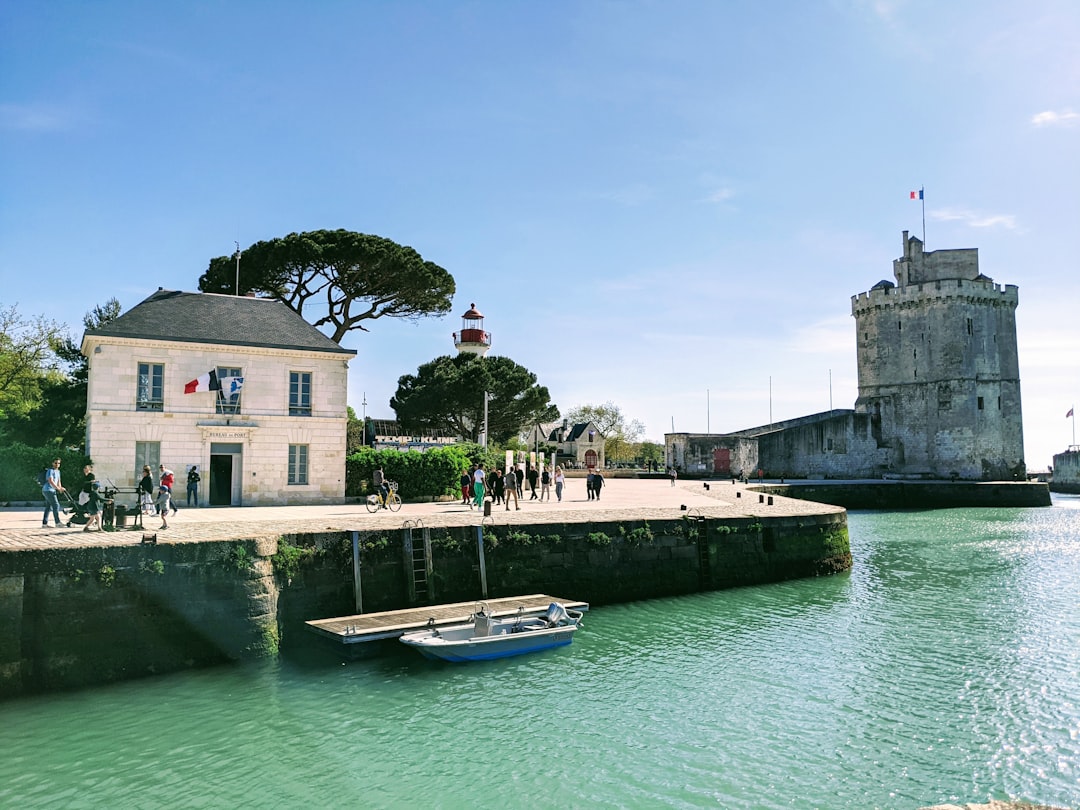
La Rochelle sits at just 4 metres above sea level on France’s Atlantic coast, a fortified port city of 79,851 residents that has been a maritime powerhouse since the 10th century. It’s the capital of Charente-Maritime and the fourth-largest city in Nouvelle-Aquitaine, sitting roughly 470 km southwest of Paris. What surprised me most: its medieval towers and the largest artificial harbour in Europe make it feel far more dramatic than its modest size suggests.
Top 3 Highlights at a Glance
- The Old Port Towers (Tour Saint-Nicolas & Tour de la Chaîne) — Two 14th-century towers that once chained a chain across the harbour entrance — climb both for €8 combined.
- Île de Ré — A 30 km Atlantic island reachable in 20 minutes by bridge, famous for salt marshes and whitewashed villages.
- La Rochelle Aquarium — One of Europe’s largest private aquariums with over 12,000 animals — genuinely world-class, not just a tourist filler.
Scroll down for our complete travel guide with tips on getting there, where to stay, costs and more.
Arrival & Airport
How do I best get to La Rochelle?
By TGV train from Paris Montparnasse in 3 hours — this is the single best option. Tickets booked in advance on SNCF start from €29 one-way. In my experience, the train drops you 10 minutes’ walk from the Old Port, which is unbeatable convenience. Flying in is theoretically possible via La Rochelle–Île de Ré Airport (LRH), but domestic connections are thin and expensive. Driving from Paris takes roughly 4.5 hours via the A10 motorway. My honest caveat: road tolls from Paris to La Rochelle run around €30 each way, so factor that in before renting a car.
Which airport is closest to La Rochelle?
La Rochelle–Île de Ré Airport (LRH) is the closest, sitting just 3 km north of the city centre — a €12 taxi ride or a 10-minute bus ride on line Line 7 for under €2. The airport serves seasonal routes from the UK (Ryanair, easyJet) and a handful of French domestic flights. What most guides omit: international connections here are thin outside summer, so if you’re travelling between October and March, flying into Bordeaux Airport (BOD), roughly 150 km south, gives you far more route options and a €20 FlixBus connection.
How long does the journey to La Rochelle take from major hubs?
From Paris Montparnasse by TGV, expect exactly 3 hours — reliable and comfortable. From Bordeaux Saint-Jean station, a regional TER train takes about 1 hour 50 minutes and costs as little as €15. Driving from Nantes takes 1 hour 40 minutes via the A83. What surprised me: connections from Lyon require a change in Paris or Bordeaux and easily eat up 5–6 hours total, making the TGV the clear priority for most visitors. My tip: always book SNCF trains at least 2 weeks ahead for the best fares.
Do I need a rental car in La Rochelle?
No — La Rochelle’s compact 4 km² historic centre is entirely walkable and extremely bike-friendly. In my experience, a car becomes a liability: parking in the Vieux-Port area costs €2–3 per hour and spaces disappear entirely in July and August. I recommend arriving by train and renting a bike instead — the city’s Yélo bike-share network charges €1 per 30 minutes. The one exception: if you plan to explore Charente-Maritime villages like Saintes or Rochefort beyond the Île de Ré bridge, a rental car for one day costs around €40–50 from Europcar at the train station.
City Transport
What are the best areas to stay in La Rochelle?
Stay in the Vieux-Port (Old Port) district — you’re within 5 minutes of every major sight on foot. The Quartier Saint-Nicolas, just north of the towers, has quieter streets and better-value accommodation. My tip: avoid the Zone Industrielle near the airport which looks cheap online but adds a pointless 25-minute commute. For a livelier atmosphere, the Rue Saint-Nicolas bar and restaurant strip puts you in the heart of evening activity. What most guides omit: the Les Minimes marina district, 2 km south, offers sea-view apartments at 20–30% lower prices than the Vieux-Port, with a direct tram link into the centre.
What does accommodation cost per night in La Rochelle?
An economy hotel in La Rochelle runs around €75 per night based on verified Numbeo data. Mid-range hotels in the Vieux-Port area typically land at €110–150 in shoulder season. In my experience, a solid 3-star like Hôtel François 1er near the towers gives you excellent location for around €95. Peak July–August rates jump 40–60%, pushing decent rooms to €180+. My honest warning: ‘sea view’ listings near Les Minimes often mean a parking lot view — read reviews carefully. Budget travellers can find clean hostel dorms for €28–35 at places like La Rochelle Youth Hostel near the beach.
How far in advance should I book accommodation in La Rochelle during high season?
Book at least 3 months ahead for July and August — this is non-negotiable. La Rochelle’s summer is dominated by French domestic tourists, and the Francofolies music festival in mid-July alone fills every decent hotel within days of opening. In my experience, waiting until 6 weeks out in peak season means paying €200+ for rooms I’d have booked for €110 in April. Shoulder months of May, June, and September are far more forgiving — 2–3 weeks’ notice is usually enough. The Les Minimes apartment rentals via Airbnb book out 2 months ahead even in May, so plan accordingly.
Are there special accommodation types worth trying in La Rochelle?
Yes — renting a houseboat or live-aboard barge in the Vieux-Port marina is genuinely unique to La Rochelle and costs around €120–160 per night for two people. Several private owners list these on Airbnb and Abritel. My tip: the Résidence du Vieux-Port offers studio apartments with direct harbour views starting at €90 — far better value than equivalent hotels. What surprised me: a cluster of converted 19th-century townhouses in Quartier Tasdon, 1 km south of the port, offers chambres d’hôtes (B&Bs) for €70–85 including breakfast — charming and rarely mentioned in mainstream guides.
Accommodation & Neighbourhoods
What are the absolute must-sees in La Rochelle?
Three sights are non-negotiable. First, the Tour Saint-Nicolas and Tour de la Chaîne — 14th-century harbour towers open daily from 9:30am, entry €8 combined, with views that justify every step of the spiral staircase. Second, the La Rochelle Aquarium near Les Minimes: 12,000+ animals across 3 floors, entry €19 adults, genuinely world-class. Third, the Île de Ré across the 3 km toll bridge (€9 car toll in summer) — salt marshes, oyster shacks, and the fortress town of Saint-Martin-de-Ré. My caveat: the Musée du Nouveau Monde is interesting but skip-worthy unless you’re specifically interested in French colonial history.
What can I experience for free in La Rochelle?
More than you’d expect. The Vieux-Port promenade and covered arcades (arcades du 18e siècle) cost nothing and are architecturally stunning. The Plage des Minimes, 2 km from the centre and reachable by free summer shuttle boat, is a proper Atlantic beach at zero entry cost. In my experience, the Marché Central on Place du Marché every Tuesday, Thursday, and Saturday morning is the best free hour in the city — a riot of oysters, Charentais melons, and local cheeses. The Tour de la Lanterne exterior and the medieval city walls along Rue Sur-les-Murs are free to walk and largely overlooked by tourists.
Which day trips from La Rochelle are worth doing?
Île de Ré is the obvious choice — cross the bridge in 20 minutes by bike or 15 by car for salt flats, donkeys in striped jerseys, and the best oysters in France. Rochefort, 30 km south by train in 25 minutes (€6), has the remarkable reconstructed 18th-century frigate L’Hermione — genuinely unmissable for history lovers. Saintes, 60 km east, offers a Roman amphitheatre dating to 40 AD and a €4 entry — reachable by TER train in 45 minutes. My honest warning: the Marais Poitevin ‘Green Venice’ wetlands look magical in photos but require a car and a full day — don’t attempt it as a rushed half-day.
What local specialities should I eat in La Rochelle?
Start with Charente-Maritime oysters — a dozen at a harbour-side écailler costs €9–12 and they’re harvested just 30 km away. Mojettes, the local white bean stew cooked with cream and duck, is the definitive regional comfort food and rarely appears outside the département. In my experience, the best version is at Le Soleil Brille pour Tout le Monde near the port for around €14. Don’t leave without trying Pineau des Charentes, the fortified wine aperitif unique to this region — a glass costs €4–5 in any local bar. The local éclade de moules (mussels roasted under pine needles on a plank) is a dramatic and delicious ritual worth seeking out.
Highlights & Must-Sees
What makes La Rochelle unique compared to other French coastal cities?
La Rochelle is the only French Atlantic city where the medieval harbour architecture, Protestant history, and maritime trading identity have survived intact as a unified whole. The three 14th-century towers still dominate the entrance to a working port — something no comparable city in Normandy or Brittany can match. What surprised me: La Rochelle was a Huguenot stronghold besieged by Richelieu in 1628, and that history is palpable in the architecture. It also claims the largest pleasure harbour in Europe at Les Minimes — 4,500 berths. Unlike overcrowded Saint-Malo or Nice, the city functions as a real, dense French city where tourists are outnumbered by locals 10 months a year.
How many days should I spend in La Rochelle?
3 full days is the sweet spot. Day 1: the Old Port, towers, and covered arcades. Day 2: Île de Ré — commit a full day, it deserves it. Day 3: the Aquarium plus an afternoon at Plage des Minimes or a day trip to Rochefort. In my experience, 2 days feels rushed and 4+ days requires padding unless you’re genuinely passionate about sailing, windsurfing, or cycling the 150 km of Île de Ré bike paths. My tip: arriving on a Tuesday or Saturday morning aligns your first day with the Marché Central — a perfect introduction to the city’s food culture.
When is the best time to visit La Rochelle?
June through August is the verified best window based on climate data — warm, reliably sunny, and with the full summer calendar of events. My personal preference is mid-June: the weather is already excellent, Francofolies (mid-July) hasn’t yet inflated prices, and the Île de Ré isn’t yet choked with French holidaymakers. September is genuinely underrated — sea temperatures are warmest (around 19–20°C), crowds thin sharply after the 1st, and hotel prices drop 30–40%. My honest warning: winter visits (November–February) bring grey Atlantic weather and shuttered restaurants on Île de Ré — the city works in winter, but the full experience requires sun.
Are there local festivals in La Rochelle worth attending?
Francofolies de La Rochelle in mid-July is France’s premier French-language music festival, running for 5 days and drawing 150,000+ visitors — book accommodation 3 months out. The La Rochelle International Film Festival (Festival du Film) in late June is the world’s largest festival dedicated entirely to English-language film, attracting serious cinephiles. In my experience, both festivals dramatically transform the city’s atmosphere and both offer free open-air stages alongside ticketed events. The Festival des Architectures Vives in June turns private courtyards into free outdoor art installations — a genuinely hidden gem that most international visitors miss entirely.
Food & Drink
How does the weather in La Rochelle affect what activities I can do?
La Rochelle sits at 4 metres elevation with a classic Atlantic climate — mild but unpredictable. Summer brings consistent sunshine and temperatures of 24–27°C, perfect for the Île de Ré beaches, sailing, and the 150 km of cycle paths around the island. Spring (April–May) is excellent for walking the old town but sea temperatures hover around 13°C — too cold for swimming. My honest warning: Atlantic storms can arrive without warning even in July, shutting down the boat shuttles to Fort Boyard with 24 hours’ notice — buy refundable tickets. Winter fog frequently reduces visibility in the Marais Poitevin, making November–February poor for that day trip.
How crowded does La Rochelle get in peak season?
July and August are genuinely overwhelming. The Vieux-Port promenade becomes shoulder-to-shoulder on weekend evenings, and the Île de Ré bridge backs up for 45+ minutes on Saturday afternoon changeover days in August. In my experience, the Aquarium queue without pre-booked tickets reaches 90 minutes in late July. The city’s population of 79,851 effectively doubles during peak summer with French domestic tourists. My tip: go to the Île de Ré on Tuesday or Wednesday to avoid weekend traffic, and visit the port towers when they open at 9:30am — crowds only build after 11am. June and September retain 80% of the summer atmosphere at 40% of the summer hassle.
How safe is La Rochelle?
La Rochelle is one of France’s safest mid-sized cities — I’ve walked every neighbourhood at night without concern. The historic centre and Vieux-Port area are extremely low-risk. The main caveat: petty theft (pickpocketing) targets the crowded Aquarium entrance and the Old Port terraces in summer — keep bags zipped and phones in pockets. The Villeneuve-les-Salines district in the northeast has a higher social deprivation index and occasional evening friction, but tourists have no reason to go there. My tip: the worst ‘danger’ in La Rochelle is cycling the Île de Ré paths without lights after sunset — police actively fine cyclists and the paths get dark fast.
Is English widely spoken in La Rochelle?
Significantly more than in most French cities of this size. The summer influx of British tourists via Ryanair from London Stansted has made English near-universal in the Vieux-Port hospitality sector. In my experience, hotel staff, Aquarium ticketing, and most restaurant waiters in the centre handle English fluently. What surprised me: the Île de Ré ferry offices and market vendors are less consistent — basic French phrases for shopping make a real difference. The La Rochelle Film Festival’s English-language focus also means the city has a notably Anglophile cultural atmosphere compared to inland Charente-Maritime towns like Saintes or Rochefort where French is essential.
Practical Tips
What is the daily budget for visiting La Rochelle?
Budget travellers can manage €75–85 per day; mid-range visitors should plan for €140–170. A cheap meal runs around €13 and a mid-range dinner for two around €23 based on verified Numbeo data. Add a €75 economy hotel, local transport at €1.80 per ride, and one paid attraction like the towers at €8 and a budget day costs roughly €80. Mid-range travellers combining a €110 Vieux-Port hotel, the Aquarium at €19, and a proper restaurant dinner land around €160. My honest warning: a car rental plus Île de Ré bridge toll (€9 each way in summer) adds €60–70 to any day that involves driving — factor it into island day-trip planning.
How does public transport work in La Rochelle?
The Yélo network runs buses, trams, and bike-share across the city — a single trip costs €1.80 and a day pass is €4.50. The tram line T1 connects the train station to Les Minimes marina in 18 minutes and is the most useful line for tourists. In my experience, the free summer shuttle boat between the Vieux-Port and La Plage de La Rochelle runs every 30 minutes from June to September and is the most enjoyable way to reach the beach. The Yélo bike-share with 500 bikes at 60 stations is genuinely excellent — €1 per 30 minutes or €5 for a full day. My tip: download the Yélo app before arrival to locate bikes in real time.
Which apps do you recommend for visiting La Rochelle?
SNCF Connect is essential — book all trains before you arrive and save 30–50% on walk-up fares. Yélo (the city transport app) handles bike-share reservations and bus schedules in one place. In my experience, Waze outperforms Google Maps for navigating the one-way system around the Vieux-Port and for real-time Île de Ré bridge traffic warnings. OùManger (or Google Maps filtered by ‘local restaurants’) helps cut through tourist traps near the harbour. My honest tip: download offline maps via Maps.me for Île de Ré cycling routes — mobile signal drops in the salt marsh interior. For weather, Météo-France gives more accurate Atlantic coast forecasts than any international weather app.
More Destinations in Europe
Explore our complete travel guides for more Europe destinations: Fuerteventura Travel Guide (2026), Île dOléron Travel Guide (2026), Île de Boëd Travel Guide (2026), Nancy Travel Guide (2026), Bordeaux Travel Guide (2026).
La Rochelle at a Glance
| Population | 79,851 |
|---|---|
| Currency | EUR (€) |
| Official language | French |
| Time zone | UTC+01:00 |
Source: Wikidata, retrieved September 2026.
Useful Resources for Planning Your Trip to La Rochelle
- Wikipedia: La Rochelle — history, geography and background
- Lonely Planet: La Rochelle — itineraries and travel inspiration
- TripAdvisor: La Rochelle — hotels, restaurants and traveller reviews
🎥 La Rochelle Travel Videos
La Rochelle, France: Stunning 1000-Year-Old City Feels Like …
Hannah Van Wagner
Best Things To Do In La Rochelle | France Travel 2026
Easy Travel Dude
One Day in La Rochelle – The Ocean Door of France
One Day Originals
You are currently viewing a placeholder content from Vimeo. To access the actual content, click the button below. Please note that doing so will share data with third-party providers.
More InformationYou are currently viewing a placeholder content from YouTube. To access the actual content, click the button below. Please note that doing so will share data with third-party providers.
More InformationYou need to load content from reCAPTCHA to submit the form. Please note that doing so will share data with third-party providers.
More InformationYou are currently viewing a placeholder content from GetYourGuide. To access the actual content, click the button below. Please note that doing so will share data with third-party providers.
More Information