
Bay of Kotor: The Complete Travel Guide (2026)
Last reviewed: August 2026 · key facts checked against Wikidata
Bay of Kotor Travel Guide: Everything You Need to Know (2026)
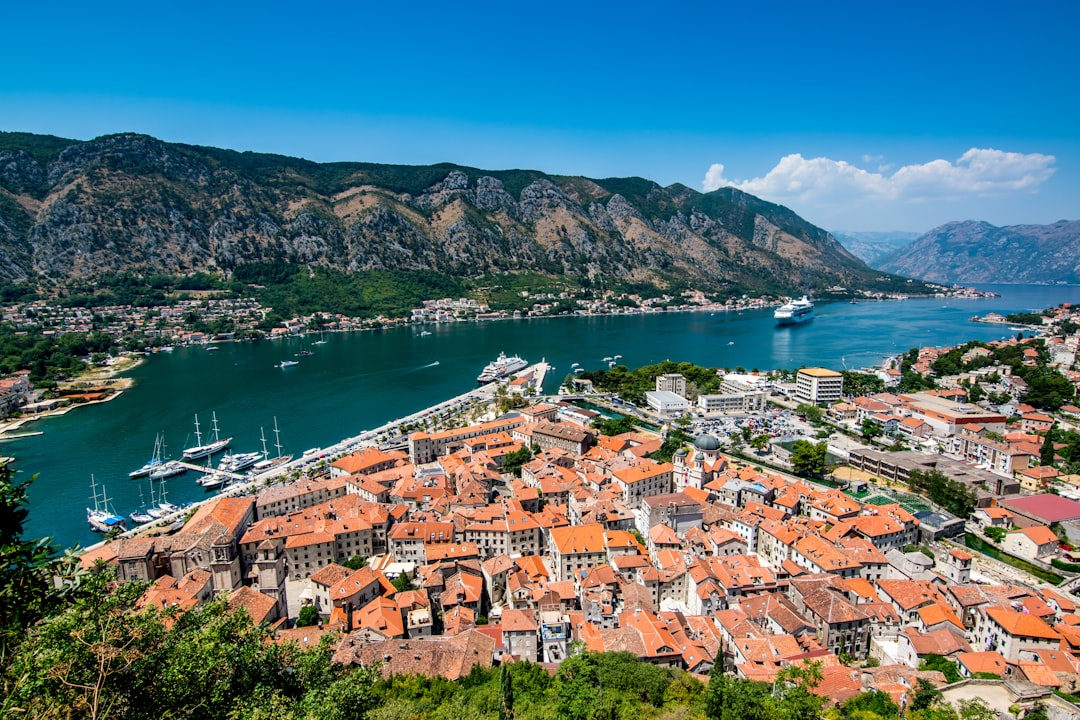
The Bay of Kotor is a dramatic fjord-like inlet on Montenegro’s Adriatic coast, stretching roughly 28 km inland and encircled by limestone mountains that rise sharply to 1,749 metres at Lovćen. Founded as Acruvium by the Romans, the medieval walled city of Kotor at its innermost point has been a UNESCO World Heritage Site since 1979. The entire bay holds five distinct towns strung around its shoreline, making it one of the most scenically concentrated travel regions in southeastern Europe.
Three Things Not to Miss in Bay of Kotor
- Kotor Old Town Walls — A 4.5 km fortress wall climbs 260 metres above the city, rewarding climbers with staggering bay panoramas.
- Our Lady of the Rocks, Perast — A man-made island church built in 1630 reachable by a 5-minute boat ride from Perast’s waterfront.
- Risan Roman Mosaics — The only surviving Roman-era mosaics in Montenegro, dating to the 2nd century AD, hidden in an unassuming courtyard.
Scroll down for our complete travel guide with tips on getting there, where to stay, costs and more.
Getting to Bay of Kotor
How do I best reach the Bay of Kotor?
Fly into Tivat Airport (TIV), which sits directly on the bay’s western shore — the best gateway. I recommend this over Podgorica because Tivat places you inside the bay immediately, with Kotor just 8 km away. Alternatively, Dubrovnik Airport (DBV) in Croatia is 32 km from Kotor and often has cheaper European connections, but the border crossing at Debeli Brijeg adds 30-60 minutes of unpredictability. My tip: book Tivat whenever the price difference is under €40 — the time saved is worth every cent. Warning most guides omit: Tivat has no rail connection and no airport bus; taxis or pre-booked transfers are your only realistic options.
Which airport is closest to the Bay of Kotor?
Tivat Airport (TIV) is the closest airport, sitting literally on the bay’s edge, 8 km from Kotor’s Old Town. In my experience, a taxi from TIV to Kotor costs €10-€15 and takes under 15 minutes in light traffic. The secondary option is Podgorica Airport (TGD), Montenegro’s main hub, which is 85 km away — roughly 90 minutes by road. What surprised me is how many budget carriers now serve Tivat directly from London, Vienna, and Warsaw in summer, making Podgorica unnecessary for most Western European travellers. Caveat: Tivat’s runway is short, so wide-body long-haul flights cannot land there — North American travellers must connect via Podgorica or Dubrovnik.
How long is the journey to the Bay of Kotor from Montenegro’s capital, Podgorica?
The drive from Podgorica to Kotor takes approximately 80-90 minutes covering 85 km via the E762 highway. I recommend renting a car rather than taking the single daily bus, which runs on an inconvenient schedule. Bus tickets cost around €6 but drop you at Kotor’s bus station outside the walls — fine for one-way arrivals. The mountain road via Lovćen National Park is a spectacular alternative adding 30 minutes but delivering hairpin views that justify every corner. Honest caveat: the tunnel shortcut through Sozina charges a €2.50 toll but shaves 20 minutes off the mountain route — worth it if you have luggage.
Are there direct bus connections to the Bay of Kotor?
Yes, direct buses reach Kotor bus station from Podgorica, Budva, Bar, and Herceg Novi daily. In my experience, the Kotor-Budva connection is the most useful, running roughly every 60-90 minutes for a fare of €4 and a journey of 30 minutes. Buses from Dubrovnik to Kotor run 2-3 times daily costing around €10-12 and taking 2.5 hours including the border stop. What most guides omit: buses do not circulate around the inner bay — towns like Perast, Risan, and Stoliv are unreachable by public bus, requiring a taxi (around €15 from Kotor) or your own wheels. Regional connectivity within the bay itself is the weakest link.
Is a rental car necessary to explore the Bay of Kotor properly?
Yes, a rental car is strongly recommended for exploring the full bay. Without one, you miss Perast, Risan, Lepetane, and the Vrmac Peninsula entirely. I recommend booking through AutoEurope or a local agency in Tivat — daily rates start at €25-35 for a compact car in shoulder season, rising to €60-80 in July and August. My tip: book at least 6 weeks ahead for summer, because local fleets sell out completely. Honest warning: the road around the inner bay is a single narrow lane in several stretches with no overtaking room — aggressive local drivers and tour coaches make it stressful. Practice patience, or take the Lepetane-Kamenari ferry to cut 30 km off the loop.
Where to Stay in Bay of Kotor
Which towns in the Bay of Kotor make the best bases?
Kotor Old Town is the best base for first-time visitors — everything is walkable and the atmosphere inside the medieval walls is genuinely special. Perast suits couples wanting silence and Baroque elegance: it has only 350 permanent residents and two car-free main streets. Herceg Novi at the bay’s entrance offers the liveliest café scene and is 35 km from Kotor — worth considering if you want a quieter sleeping option with easy access. I recommend against basing yourself in Tivat unless you’re staying at Porto Montenegro marina and want that specific luxury-yacht lifestyle. What surprised me: Kotor fills with cruise passengers by 10am daily from May to October, so staying inside the walls means accepting morning noise.
Where should I stay around the Bay of Kotor?
For medieval atmosphere, stay inside Kotor Old Town in a converted stone palazzo — you pay a premium but the experience is irreplaceable. For views and tranquillity, the hillside village of Prčanj offers B&Bs with direct bay panoramas at lower prices than Kotor. The Porto Montenegro marina area in Tivat caters to luxury travellers with 5-star hotels like Regent Porto Montenegro. Budget travellers do well in Herceg Novi, which has the bay’s widest selection of guesthouses under €50 per night. My tip: wherever you stay, choose accommodation with parking confirmed in writing — street parking inside Kotor is essentially impossible for guests arriving by car, and the Old Town is pedestrian-only.
What does accommodation cost per night in the Bay of Kotor?
Budget guesthouses in Herceg Novi start at €30-45 per night for a double room in May. Mid-range hotels in Kotor average €80-130 in shoulder season, jumping to €150-220 in peak July and August. A boutique hotel inside Kotor Old Town walls — places like Hotel Cattaro — runs €160-250 per night in summer. Luxury at Regent Porto Montenegro in Tivat starts at €350. Private apartment rentals on Airbnb average €60-90 per night for a one-bedroom in a bay-view location. Honest caveat: prices listed online often exclude a €1-2 per person per night tourist tax collected separately at check-in — small but worth knowing before you arrive with exact cash.
How far in advance should I book accommodation in the Bay of Kotor?
Book at least 3 months ahead for July and August visits — this is not an exaggeration. In my experience, quality rooms inside Kotor Old Town sell out by April for peak summer. For shoulder season — May, June, September, October — booking 4-6 weeks ahead is usually sufficient. Last-minute deals in the bay are rare because the region is small: there are fewer than 2,000 bookable accommodation units across all towns combined. My tip: if you’re flexible, target the second week of September — prices drop 20-30% from August peaks, the weather stays at 26°C, and cruise ship numbers thin out noticeably. Cancellation policies tighten in summer — read the fine print before paying deposits.
When is the best time to visit the Bay of Kotor?
June and September are objectively the best months — warm enough for swimming, thin enough in crowds to enjoy Kotor Old Town without being elbowed by cruise tourists. July delivers the most reliable sunshine but also the hottest temperatures and the densest visitor numbers. In my experience, early June hits a sweet spot: sea temperature reaches 22°C, restaurants are fully open, and you can photograph Perast without another tourist in frame. The shoulder months of April and October offer dramatic moody light for photography and hotel prices 30-40% lower than summer. Honest warning: Kotor receives over 600,000 cruise passengers annually — their ships dock Tuesday through Saturday mornings, so plan Old Town visits for Sunday or Monday if possible.
Best Time to Visit Bay of Kotor
How does the weather affect activities in the Bay of Kotor?
Summer heat between July and August peaks at 33-35°C in the inner bay — the limestone walls trap heat, making the Kotor city walk a physical challenge before 9am or after 5pm. Swimming and kayaking are ideal from June through September when sea temperatures hold between 22-26°C. Winter brings the Bura wind — a fierce northeastern gale that can make the coastal road dangerous and close the Lepetane-Kamenari ferry for hours. Spring activates the bay’s most dramatic scenery: snowmelt from Mount Lovćen creates waterfalls above Dobrota that disappear by July. My tip: the Kotor walls hike (1,350 steps) is best tackled before 8am in summer — after that, exposure to direct sun on white stone becomes genuinely dangerous without water and sun protection.
Are there local festivals in the Bay of Kotor worth attending?
KotorArt runs through July and August, filling the Old Town’s squares and churches with classical concerts, opera, and theatre — tickets range from €10-40 and the setting inside medieval walls is extraordinary. The Mimosa Festival in Herceg Novi happens each February when the town’s mimosa trees bloom en masse — free to attend and genuinely lovely in an off-season way. Boka Night in August is a traditional illuminated boat procession on the bay dating back to the 18th century — one of Montenegro’s most photographed events. What surprised me: the Perast Maritime Days in late August attract very few foreign tourists despite being a charming local festival with traditional boat races and free concerts on the waterfront — a rare authentic experience.
When does the Bay of Kotor get crowded, and how bad is it?
July and August bring crushing crowds, particularly in Kotor Old Town between 10am and 4pm when cruise ships disgorge passengers simultaneously. On peak days, 3-4 cruise ships dock at once, adding up to 10,000 day visitors to a walled city designed for a population of 800. In my experience, Perast handles crowds better — it has no cruise pier and its narrow approach road self-limits bus tour access. The Lepetane-Kamenari ferry queues reach 45-60 minutes in August — budget for this if you’re circling the bay by car. Honest warning: restaurant quality drops noticeably in peak season as kitchens prioritise volume over craft. I recommend eating at family-run konobas on the northern inner shore between Ljuta and Morinje — locals eat there precisely because tourists rarely find them.
What does a daily budget cost for the Bay of Kotor?
Budget travellers managing hostel dorms (€18-25), self-catering, and free sights can survive on €45-55 per day. A comfortable mid-range day — guesthouse, two restaurant meals, a boat trip to Our Lady of the Rocks, and an evening beer — runs €90-120 per person. Luxury travellers at Regent Porto Montenegro with fine dining and spa should budget €350-500 per day. My tip: the single biggest variable is accommodation — food and transport are genuinely affordable by Western European standards. Honest caveat: the bay has almost no free beach infrastructure — sunbeds at organised beach areas in Dobrota and Morinj cost €8-15 per day, which catches budget travellers off guard.
Is the Bay of Kotor cheaper or more expensive than other Montenegrin regions?
The bay is Montenegro’s most expensive region — roughly 25-40% pricier than the inland capital Podgorica and 10-15% pricier than Budva on the open Adriatic coast. The premium is driven by the UNESCO heritage cachet and limited accommodation supply relative to demand. What surprised me: Herceg Novi at the bay’s entrance bucks this trend and remains the bay’s most affordable town — a sit-down lunch at a local konoba costs €8-12 there versus €15-20 for equivalent quality inside Kotor walls. My tip: supermarkets in Tivat (try Idea or Voli supermarket chains) sell excellent local cheese, prosciutto, and wine at prices that make self-catering lunches a genuinely smart financial decision without sacrificing quality.
What Bay of Kotor Costs
What free highlights are there in the Bay of Kotor?
Walking the entire Kotor Old Town is free — the maze of Venetian alleys, the Cathedral of Saint Tryphon (exterior), and the main Trg od Oružja square cost nothing. The coastal promenade from Dobrota to Kotor is a flat, free 3 km walk with unobstructed bay views that most tourists skip entirely. Herceg Novi’s Kanli Kula fortress has free access outside ticketed event times. In my experience, the most underrated free experience is driving or cycling the road from Prčanj to Ljuta on the northern shore at golden hour — the light on the water and the mountains above is genuinely world-class and costs only petrol. Note: the Kotor city walls charge €8 per adult — one of the few genuine entry fees in the bay.
What do local specialities cost in the Bay of Kotor?
A plate of Njeguški pršut (smoked ham from the Lovćen plateau) costs €6-9 as a starter at a bay konoba. Black risotto with squid ink runs €10-14. A glass of Vranac red wine — Montenegro’s signature grape — costs €2-4 in a local restaurant. My tip: the bay’s defining seafood dish is grilled sea bass caught same-day from the Adriatic, priced at €14-18 per portion — order it with blitva (Swiss chard with garlic and olive oil) for a fully local meal. Honest caveat: tourist menus in the shadow of the Kotor walls inflate prices by 30-50% — walk two streets back from the main square and prices drop immediately. The restaurant Bastion inside the walls is worth the premium; most others are not.
Which 5-7 day route do you recommend for the Bay of Kotor?
Day 1: Arrive Tivat, settle in Kotor Old Town, evening walk on the walls. Day 2: Full Kotor day — cathedral, walls hike at dawn, explore Stari Grad lanes. Day 3: Drive or take a taxi to Perast, boat to Our Lady of the Rocks, lunch, then continue to Risan for the Roman mosaics. Day 4: Northern shore drive through Ljuta and Morinj, swim at Bigova Bay, dinner in Herceg Novi. Day 5: Herceg Novi — Kanli Kula, Forte Mare, the Savina Monastery. Day 6: Day trip up Mount Lovćen via the 25-hairpin road to Njegoš Mausoleum at 1,749 metres — one of the Balkans’ great drives. Day 7: Kayak the inner bay from Dobrota, afternoon departure. My tip: use the Lepetane-Kamenari ferry (€5 per car) to avoid retracing the bay circuit.
What are the must-see sights in the Bay of Kotor?
The Kotor city walls are non-negotiable — the 1,350-step climb to St. John’s Fortress rewards with the bay’s defining panorama. Our Lady of the Rocks near Perast is a uniquely moving experience: an artificial island built by sailors stone by stone since 1452. Perast itself, with its 17 churches and two baroque palaces, is one of the best-preserved Venetian towns in the Adriatic — and almost no one stays overnight, so mornings before 10am feel like a private discovery. The Risan mosaics are criminally undervisited. And the Lepetane-Kamenari ferry crossing — just 5 minutes and €5 per car — offers the only point where the inner bay narrows to a strait, giving a perspective impossible from the road.
What natural highlights does the Bay of Kotor region offer?
The bay itself is the headline — a 28 km fjord-like inlet ringed by the Orjen massif (1,894 metres, the wettest mountain in the Balkans with over 5,000 mm of annual rainfall) and Mount Lovćen. Sopot Waterfall near Risan runs strongest in March and April, dropping 20 metres into a pool accessible by a short trail. The Vrmac Peninsula between the inner and outer bay has hiking trails through Mediterranean macchia with sea views on both sides. What surprised me: the underwater visibility in the inner bay reaches 15-20 metres in June — snorkelling from the rocks at Dobrota reveals sea life that rivals more famous Croatian spots. Caveat: jellyfish concentrations in August occasionally make swimming unpleasant at inner-bay beaches.
Routes & Highlights in Bay of Kotor
What local specialities should I try in the Bay of Kotor?
Start with Njeguški pršut — air-dried ham from mountain villages above the bay, smoked over beech wood for 6-12 months. It tastes markedly different from Italian prosciutto: denser and more intensely smoky. Priganice are small fried dough balls served with honey or sour cream — the bay’s breakfast staple costing around €3 at bakeries. The local olive oil pressed from Žutica olives grown on terraces above Grbalj is extraordinary — buy a bottle from a farmstead for €8-12. My tip: in Perast, the restaurant Conte serves a bay fish soup that has been made from the same recipe for three generations — the version here is the finest I’ve eaten in the entire Adriatic region. Pair it with Vranac wine from the Plantaže winery.
What activities are available in the Bay of Kotor beyond sightseeing?
Sea kayaking around the inner bay is the activity I recommend most — full-day guided tours from Kotor cost €35-50 per person and stop at beaches inaccessible by road. Boat hire in Tivat or Kotor starts at €80 per day for a small motorboat without a skipper licence requirement. Rock climbing routes exist on the limestone walls above Kotor — contact Montenegro Adventure Centre in Kotor for guided sessions at €40-60. Hiking on Vrmac and Lovćen requires no guiding and is free. Wine touring through the Grbalj plateau behind Tivat pairs cycling with tastings — rental bikes cost €15 per day in Tivat marina. Honest caveat: scuba diving operators are present but visibility peaks in spring before thermal layers form in summer, which most dive shop marketing omits entirely.
What distinguishes the Bay of Kotor from other Montenegrin destinations?
The bay is the only place in Montenegro — and one of very few in the Adriatic — where mountains meet the sea in a fully enclosed fjord-like setting, creating a completely different visual and emotional experience from open-coast Budva or inland Podgorica. The density of Venetian-era architecture is extraordinary: Kotor, Perast, Herceg Novi, and Dobrota each have genuine historic cores within 35 km of each other. What surprised me most is how nautical identity still permeates local culture — Perast’s maritime academy trained sea captains for 200 years, and family coats of arms on palazzo walls still display ships and anchors. This is not performed heritage for tourists; it is living local pride. No other Montenegrin region offers this layered historical concentration.
Which day trips are possible from the Bay of Kotor?
Budva is 30 km from Kotor — a 35-minute drive — making it an easy half-day for its Old Town and beaches. Cetinje, Montenegro’s former royal capital, is 36 km via the Lovćen mountain road — 50 minutes — and houses the National Museum in an actual royal palace for €5 entry. Dubrovnik in Croatia is 90 minutes by road and absolutely worth a day, though factor in €35-50 for parking inside the city or use the Park and Ride at Ivanica for €5. My tip: take the ferry from Herceg Novi across to the Luštica Peninsula — 15 minutes crossing — and you’re on uncrowded Adriatic beaches that 95% of bay tourists never reach. Avoid driving to Dubrovnik on Saturdays in July when border queues exceed 90 minutes.
Are there language barriers in the Bay of Kotor?
No significant language barriers exist for English speakers. English is widely spoken in hotels, restaurants, boat hire operators, and tourist sites across the entire bay. In my experience, even elderly shopkeepers in Perast manage basic transaction English. Montenegrin is written in both Cyrillic and Latin script — menus and signs typically appear in Latin script in tourist areas, so reading is manageable. My tip: learning three words transforms interactions immediately — ‘hvala’ (thank you), ‘dobar dan’ (good day), and ‘molim’ (please) are received with genuine warmth. Caveat: in Risan and Morinj, where tourism is thinner, older residents may speak only Montenegrin or Serbian — a translation app handles this easily, but bring one downloaded offline as mobile data can drop in the inner bay’s narrower valleys.
Practical Tips for Bay of Kotor
Which apps do you recommend for visiting the Bay of Kotor?
Maps.me with offline Montenegro maps downloaded before arrival is essential — Google Maps fails in the bay’s narrower coastal lanes and in the Vrmac Peninsula interior. Komoot is excellent for hiking routes on Lovćen and Vrmac, with community-verified trail data. For ferry schedules, there is no dedicated app — check montenet.me in a browser for the Lepetane-Kamenari timetable. Booking.com works for accommodation but I recommend cross-checking local property owner direct numbers found on TripAdvisor — direct booking often saves 10-15% versus platform fees. My tip: download XE Currency because Montenegro uses euros but neighbouring Croatian shops near the Dubrovnik border sometimes quote in kunas — always confirm currency before handing over cash in any border-area transaction.
Are there medical facilities in the Bay of Kotor?
Kotor has a general hospital — Dom Zdravlja Kotor on Dobrota road — capable of handling most emergencies including trauma from hiking accidents, which are the most common tourist medical issue. For serious cardiac or surgical cases, patients are transferred 85 km to Clinical Centre in Podgorica. Pharmacies (apoteke) are well-stocked in Kotor and Herceg Novi, open Monday-Saturday 8am-8pm, and pharmacists typically speak enough English to assist. Travel insurance covering helicopter evacuation is strongly recommended for anyone hiking above 1,000 metres on Lovćen or Orjen — mountain rescue response times exceed 60-90 minutes. Honest caveat: dental care in Montenegro is affordable (€30-50 for a consultation) but appointment-based — do not expect walk-in treatment for non-emergencies in peak season.
How safe is the Bay of Kotor for travellers?
The bay is very safe by any European standard — petty theft is rare and violent crime targeting tourists is essentially unheard of. In my experience travelling the region extensively, the primary safety concern is road accidents: the coastal road around the inner bay is narrow, Montenegrin drivers are aggressive, and rental car tourists unfamiliar with switchbacks cause regular fender-benders. Drive defensively and never rush. Swimming safety matters too: the rocky coastline has no lifeguards at informal swimming spots — children need direct supervision. The Kotor city walls hike has unguarded drop-offs on the upper sections — genuinely dangerous in wet weather on the smooth limestone steps. My tip: secure your passport in your accommodation safe rather than carrying it daily — a driving licence or ID card is sufficient for day-to-day identification.
What are common traveller mistakes in the Bay of Kotor?
The biggest mistake is visiting Kotor Old Town between 10am and 3pm without realising cruise ships have already flooded it — I’ve seen queues of 200 people waiting to enter the city gate. Second mistake: renting a car and attempting to circle the entire bay in one day, which leaves you exhausted and having truly experienced nothing — the bay rewards slow travel, not checkbox touring. Third: skipping Herceg Novi because it sounds less glamorous than Kotor — it’s one of the most characterful towns on the Adriatic and almost tourist-free by comparison. Fourth: eating dinner inside the Kotor Old Town walls without researching — most restaurants inside the gate serve mediocre food at high prices specifically because footfall eliminates the need to compete on quality. Walk 10 minutes to Dobrota and eat far better for 30% less.
Which accommodation types suit the Bay of Kotor best?
Stone-house apartments inside Kotor Old Town give the most distinctive bay experience — waking to church bells in a medieval alley is irreplaceable, and prices start at €70 per night for a studio. Guesthouses on the northern shore between Dobrota and Prčanj offer bay-view terraces with breakfast included for €55-85 — my preferred option for a week-long stay. Villa rentals sleeping 4-8 people on the Luštica Peninsula represent excellent value: from €150 per night total, they include pools and private bay access that would cost double in Croatia. In my experience, Porto Montenegro marina apartments in Tivat are gorgeous but disconnected from authentic Montenegrin life — worth it only if the yacht-club atmosphere is specifically what you’re seeking. Avoid chain hotels entirely; the bay’s character lives in its independent properties.
Bay of Kotor at a Glance
| Currency | EUR (€) |
|---|---|
| Official language | Montenegrin |
| Time zone | UTC+01:00 |
Source: Wikidata, retrieved August 2026.
Montenegro › Bay of Kotor
Essential Resources for Planning Your Trip to Bay of Kotor
- Natural and Culturo-Historical Region of Kotor — official visitor information, passes & events
- Wikipedia: Bay of Kotor — history, geography & background
- Wikivoyage: Bay of Kotor — community travel guide & practical tips
- Bay of Kotor travel – Montenegro — expert itineraries & travel inspiration
- THE 15 BEST Things to Do in Kotor (2026) — hotels, restaurants & traveller reviews
- Kotor, Montenegro: what to do, where to stay, when to go — how to get around
- Numbeo: Cost of Living in Bay of Kotor — current prices & cost comparison
- Timeanddate: Bay of Kotor Weather & Climate — forecasts & climate statistics
- Natural and Culturo-Historical Region of Kotor
More Perspectives on Bay of Kotor
- Ultimate Travel Guide to Kotor, Montenegro: Best Things to …
- A Detailed Guide To Kotor, Montenegro | 12 Wonderful …
- The Backpacker’s Travel Guide to Kotor, Montenegro
Bay of Kotor Travel Videos
Watch these videos for a visual preview before your trip:
- KOTOR, MONTENEGRO | 10 Best Things To Do In & Around Kotor
- Bay of Kotor itinerary (1 day by car) | Montenegro travel-guide
- KOTOR TRAVEL GUIDE! Montenegro 🇲🇪 (Things To Do & Prices)
Bay of Kotor Travel Discussions on Reddit
Real traveller experiences and community advice:
- Honest thoughts about Montenegro (Kotor region) : r/travel
- Kotor, Montenegro : r/travel
- Some travel tips for a weekend in the Kotor bay in July
Data Sources
This page was compiled using data from Wikipedia, Wikidata, Open-Meteo (climate), Numbeo (cost of living) and REST Countries. Information is updated regularly.