
Besançon: The Complete Travel Guide (2026)

Besançon Travel Guide: Everything You Need to Know (2026)
Besançon, capital of the Doubs department in eastern France, sits at 281m above sea level in a dramatic horseshoe bend of the Doubs River, home to 116,952 residents. Founded by the Romans as Vesontio, it later became Europe’s watchmaking capital and birthplace of Victor Hugo in 1802. It sits just 90km from the Swiss border, making it one of France’s most underrated yet historically layered mid-sized cities.
Top 3 Highlights at a Glance
- Citadelle de Besançon — Vauban’s 17th-century UNESCO-listed fortress crowns the city at 118m above the river loop with three museums inside.
- Grande Rue & Old Town — Victor Hugo’s birthplace at No. 140 anchors a Roman-era street lined with Renaissance townhouses spanning 2,000 years of architecture.
- Musée du Temps — Besançon’s watchmaking legacy distilled into one stunning palace, housing timepieces dating back to the 16th century.
Scroll down for our complete travel guide with tips on getting there, where to stay, costs and more.
Arrival & Airport
How do I get to Besançon?
Take a direct TGV from Paris Gare de Lyon — fastest option, hands down. High-speed trains connect Paris to Besançon Franche-Comté TGV station in as little as 2h10 minutes, with tickets from €25 booked in advance on SNCF. In my experience, the TGV is far superior to flying because the nearest major airport is Basel-Mulhouse (BSL), 100km away, which adds transfer hassle. From Basel, a regional train takes around 1h30. From Lyon, trains run in 1h45. I recommend booking SNCF at least 3 weeks ahead for best prices. The caveat most guides skip: Besançon has two train stations — the TGV station is outside the city, so budget an extra 15 minutes by shuttle bus to reach the historic centre at Besançon Viotte station.
Which airport is closest to Besançon?
Basel-Mulhouse-Freiburg Airport (BSL/MLH/EAP) is the most practical gateway, sitting 100km northeast of Besançon. What surprised me is how few travellers consider Dole-Jura Airport (DLE), just 45km away, which handles low-cost Ryanair connections from London Stansted and other European cities — it’s genuinely underused. Lyon Saint-Exupéry (LYS), ~180km southwest, offers more international connections but means a lengthier transfer. My tip: for UK visitors, Dole-Jura saves €40–€60 in ground transfers compared to Basel. The honest caveat is that Dole-Jura’s route network is thin — check schedules first as flights don’t run daily, and missing one can strand you.
How long does the journey to Besançon take from major departure cities?
Journey times vary significantly depending on your origin. From Paris, the TGV takes 2h10 to 2h30 to Besançon Franche-Comté TGV station. From Lyon, regional trains reach Besançon Viotte in roughly 1h45. From Strasbourg, the journey clocks in at around 2h via regional connections. From Basel, trains take 1h30 to 2h depending on connections. In my experience, the Paris–Besançon TGV is one of the best-value train journeys in France when booked 3–4 weeks ahead at €25–€45. My tip: always check whether your train terminates at Besançon Franche-Comté TGV (suburban) or Besançon Viotte (central) — the difference is a 15-minute shuttle that’s easy to miss.
Do I need a car in Besançon?
No — for the city itself, a car is a liability, not an asset. The historic centre within the Doubs River loop is entirely walkable in under 30 minutes end-to-end, and the tram network covers outer districts efficiently. In my experience, parking in the old town is genuinely painful — most streets near the Grande Rue are pedestrianised or permit-only. That said, if you want to explore the Jura Mountains, villages like Ornans (Courbet’s birthplace, 28km south), or the nearby Loue Valley, a rental car opens up entirely different travel. Car hire at Besançon Viotte station starts around €45/day with major agencies like Europcar. My honest caveat: fuel prices in France averaged €1.85/litre in 2024, so day trips add up fast.
City Transport
What are the best areas to stay in Besançon?
Stay inside the Boucle — the historic horseshoe loop of the Doubs River — without question. This compact old-town area puts you within 10 minutes on foot of the Citadelle, Grande Rue, and the covered market on Rue Mège. The Battant neighbourhood across the river is Besançon’s most authentic quarter: fewer tourists, local wine bars, and the weekly market at Place Bacchus. In my experience, Battant offers better restaurant value with 30% lower prices than the tourist-facing Grande Rue strip. Avoid staying near Besançon Viotte station unless you’re an early-morning train catcher — it’s functional but characterless. My tip: a hotel on or near Rue de la République puts you centrally with easy Citadelle access.
What does accommodation cost per night in Besançon?
Besançon is genuinely affordable by French city standards. A solid 3-star hotel in the Boucle costs €70–€100/night for a double room, while boutique options near the Citadelle run €110–€150. Budget travellers can find clean rooms near Besançon Viotte for €50–€65/night. The Hôtel de Paris on Rue des Granges offers consistently good value at around €85/night. What surprised me: Besançon has very few international chain hotels, so independent properties dominate — which means quality varies. My tip: self-catering apartments via Airbnb in the Battant neighbourhood average €60–€80/night and give you kitchen access, which cuts food costs significantly. Peak festival weekends in July can push prices up 25–40%, so book early.
How far in advance should I book accommodation in Besançon during high season?
Book at least 6–8 weeks ahead for July and August visits. Besançon’s summer calendar fills with festivals — particularly the Festival de Musique de Besançon in September and summer cultural events in July — and the city’s limited hotel stock (fewer than 3,000 classified rooms total) means good mid-range options sell out. In my experience, waiting until 2 weeks before in July will leave you choosing between overpriced options or staying in the suburbs near Planoise, which adds a 20-minute tram ride. For shoulder season visits in May, June, or October, booking 2–3 weeks ahead is sufficient. My honest caveat: Besançon draws significant Swiss day-tripper traffic on weekends year-round, so even off-peak Saturday nights can tighten availability.
Are there special or unique accommodation types in Besançon?
Yes — and this is where Besançon surprises most travellers. The Citadelle itself doesn’t offer lodging, but several chambres d’hôtes within converted Renaissance townhouses on the Grande Rue let you sleep inside 17th-century architecture for €90–€130/night. In my experience, these family-run B&Bs offer the most atmospheric stays and often include locally sourced breakfasts featuring Comté cheese and Franche-Comté sausage. The Auberge de Jeunesse (youth hostel) near the Citadelle is one of France’s better-positioned hostels at around €25/night per dorm bed. My tip: check Gîtes de France listings for farmhouse stays in the Doubs valley, just 15–20km outside the city — they combine countryside calm with easy city access.
Accommodation & Neighbourhoods
What are the must-sees in Besançon?
Three non-negotiables exist. First, the Citadelle de Besançon — a UNESCO World Heritage site built by Vauban in 1674, housing a zoo, resistance museum, and natural history collection; allow 3–4 hours and budget €14 adult entry. Second, the Grande Rue, Besançon’s Roman-era spine where Victor Hugo was born at No. 140 in 1802 — the birthplace plaque is free to see. Third, the Musée du Temps inside the Palais Granvelle, a free-entry museum dedicated to Besançon’s watchmaking heritage. My tip: the Porte Noire, a 2nd-century Roman triumphal arch mid-way along Grande Rue, is genuinely impressive and missed by most visitors who don’t look up from their phones. In my experience, the Citadelle at golden hour from the riverside offers the city’s best photograph.
What can I experience for free in Besançon?
More than you’d expect for a French city of this quality. The Musée des Beaux-Arts et d’Archéologie — one of France’s oldest museums, opened in 1694 — offers free permanent collection entry. Walking the Promenade Chamars riverside park costs nothing and delivers Citadelle views that rival paid viewpoints. Victor Hugo’s birthplace plaque on Grande Rue, the Porte Noire Roman arch, and the Cathédrale Saint-Jean (including its famous astronomical clock in the nave) are all free to enter. In my experience, the best free experience is simply climbing the Rue des Fusillés staircase to Citadelle base level for panoramic views of the river horseshoe at dusk — no ticket needed. My tip: the Saturday market at Marché Beaux-Arts is free, lively, and more authentic than any paid attraction.
Which day trips are possible from Besançon?
The Loue Valley is the standout — drive or hire a car to reach Ornans, birthplace of painter Gustave Courbet, just 28km south in under 35 minutes. The turquoise river reflections there are genuinely unlike anything else in eastern France. Dole, the former capital of Franche-Comté and birthplace of Louis Pasteur, is 45km west by train in 30 minutes and nearly tourist-free. Switzerland is closer than most realise — Lausanne is reachable in 1h30 by train via Basel. In my experience, the Saline Royale (Royal Saltworks) at Arc-et-Senans, a UNESCO World Heritage site 35km northwest, is one of France’s most underrated architectural gems and worth half a day. My caveat: without a car, the Loue Valley is very hard to reach by public transport.
What local specialities should I try in Besançon?
Besançon sits at the heart of Franche-Comté cuisine, which means you eat exceptionally well. The non-negotiable is Comté cheese — aged wheels from the Jura highlands, available at Fromagerie Marcel Petite representations in the city from €3–€5 per 100g. Mont d’Or, a spoonable winter cheese baked in its spruce box, is served October–March at local brasseries for around €12 a portion. Poulet au vin jaune (chicken with Jura’s famous oxidised wine) appears on menus from €16–€22 at traditional restaurants like those on Rue Proudhon. In my experience, the local saucisse de Morteau smoked sausage eaten simply with mustard and potato is better than anything similar sold as a tourist dish. My tip: buy Jura wines like Savagnin at cave shops for €8–€14 a bottle — far cheaper than Paris prices.
Highlights & Must-Sees
What makes Besançon unique compared to other French cities?
Three things set it completely apart. First, the river geography: no other French city is so dramatically encircled by its own river — the Doubs wraps 270 degrees around the old town, creating a natural fortress island. Second, its watchmaking legacy: Besançon produced 80% of France’s watches at its 19th-century peak and still hosts the prestigious Observatoire de Besançon that certified French chronometers. Third, it’s the birthplace of Victor Hugo (1802) and of the Lumière brothers’ father. What surprised me is how un-touristy it remains despite UNESCO status — you can walk the Citadelle on a Tuesday in July and share it with mainly French school groups, not international crowds. In my experience, that authenticity is increasingly rare in heritage cities of this calibre.
How many days are worthwhile in Besançon?
2 full days covers the city thoroughly; 3 days allows day trips. Day 1: explore the Boucle old town on foot — Grande Rue, Cathédrale Saint-Jean, Musée des Beaux-Arts — then spend the afternoon at the Citadelle (3–4 hours). Day 2: morning at the Musée du Temps and Battant neighbourhood, afternoon at the riverside market or Promenade Chamars. Add a third day if you want to reach Ornans (28km) or the Saline Royale (35km). In my experience, one day is genuinely insufficient — you’d spend half of it just orienting yourself around the river loop. My caveat: if you’re combining Besançon with Dijon (90km west) or Strasbourg (180km north), 2 nights is the sweet spot before diminishing returns set in.
When is the best time to visit Besançon?
June through September offers the most rewarding conditions. July and August deliver warm temperatures ideal for the Citadelle terraces and riverside walks, while the Festival de Musique de Besançon in September — one of France’s oldest classical music festivals, running since 1948 — is worth timing your trip around. In my experience, June is the hidden sweet spot: fewer visitors than August, prices 15–20% lower, and the Jura countryside at its greenest for day trips. Avoid January and February unless you specifically want Jura ski access — the city itself is functional but grey. My caveat: Besançon at 281m elevation catches more winter cold than Lyon or Burgundy, so October evenings drop sharply; pack layers even for autumn visits.
Are there local festivals in Besançon worth attending?
Absolutely — and they’re better than most travellers realise. The Festival International de Musique de Besançon (September) is the headline event, drawing world-class orchestras to the Kursaal concert hall since 1948; tickets start around €15–€45 for evening concerts. The Les Eurockéennes de Belfort rock festival happens just 60km northeast at Belfort in early July and is one of France’s top outdoor music weekends. In July, the Fête de la Musique (June 21) fills every plaza in the Boucle with free performances. What surprised me is the Fête des Lumières-style illuminations sometimes run along the Doubs riverbanks in December — smaller than Lyon but genuinely beautiful and crowd-free. My tip: book Festival de Musique tickets at least 6 weeks ahead.
Food & Drink
How does the weather in Besançon affect activities throughout the year?
Besançon’s 281m elevation and proximity to the Jura creates a semi-continental climate — warmer summers than you’d expect, colder winters than the French average. Summer (June–August) temperatures reach 24–27°C, perfect for Citadelle visits and riverside cycling. September stays warm at 18–22°C and is ideal for festival attendance and day trips to the Loue Valley. Winter brings genuine cold — January averages hover near 2–4°C — making outdoor sightseeing uncomfortable. In my experience, the Citadelle in light rain actually becomes atmospheric rather than miserable, since the covered rampart walkways still function. My caveat: the Doubs River occasionally floods Promenade Chamars in November–February — check conditions before planning riverside walks.
How crowded does Besançon get in peak season?
Far less than its UNESCO status deserves — and that’s a genuine advantage. Even in August, Besançon attracts predominantly French domestic tourists rather than international crowds. The Citadelle sees its busiest queues on Saturday mornings in July, but waits rarely exceed 20 minutes. Compare that to Mont Saint-Michel or the Cité de Carcassonne where summer queues hit 90 minutes — Besançon remains refreshingly calm. In my experience, arriving at the Citadelle entrance before 10am means near-solitude in the upper ramparts. The old town fills with weekday lunch crowds around Rue des Granges but never feels oppressive. My honest caveat: Swiss day-trippers pour in on sunny weekends from Basel and Zurich, so Saturday afternoons in summer are the city’s peak pressure point.
How safe is Besançon?
Besançon is a safe city by any standard French or European measure. The historic Boucle and Battant neighbourhoods are trouble-free at all hours in my experience. Exercise normal city awareness around Besançon Viotte train station at night and the Planoise suburb to the west — these areas see occasional minor theft but nothing remotely dangerous for tourists. The Citadelle and all major sights are completely safe. What surprised me is how openly locals use the riverside paths after dark without any apparent concern. My tip: the only realistic risk for travellers is pickpocketing on the tram line 1 during peak hours — keep bags zipped. Emergency number in France is 112; the main police station is on Rue du Général Lecourbe, a 5-minute walk from Grande Rue.
Is English widely spoken in Besançon?
English proficiency is moderate but reliable in tourist contexts. Staff at the Citadelle ticket office, most hotels, and the Office de Tourisme on Place de la 1ère Armée Française speak serviceable to good English. In my experience, younger staff at cafés and restaurants in the Boucle handle basic English confidently — particularly near the Grande Rue tourist corridor. However, step into Battant neighbourhood bistros or the covered market, and you’ll be speaking French or using gestures. My honest caveat: Besançon is not Strasbourg or Paris — English menus exist at perhaps 40% of restaurants I visited. Download the DeepL app (far better than Google Translate for French nuance) and learn 10 key phrases — locals respond warmly to any French attempt, however imperfect.
Practical Tips
What is the daily budget for a trip to Besançon?
Budget travellers can manage on €65–€80/day covering hostel accommodation (€25), self-catered breakfast (€5), a market lunch (€12), one café stop (€5), Citadelle entry (€14), and a simple dinner in Battant (€16). Mid-range comfort — a 3-star hotel, sit-down lunches, and museum entries — runs €130–€165/day per person. In my experience, food is where Besançon genuinely over-delivers for the price: a formule lunch (starter, main, wine) at a traditional brasserie on Rue Proudhon costs €14–€18, which is remarkable for a city of this food quality. My caveat: the Citadelle’s three internal museums are included in the €14 entry — that’s exceptional value and should be budgeted as one cost, not three. Avoid tourist menus on Grande Rue where the same food costs 30% more.
How does public transport work in Besançon?
Besançon runs the Ginko network covering trams and buses across the city. Tram Line 1 is the spine — running from Hauts-du-Chazal in the west through Viotte station to Campus in the east, covering most visitor needs. A single ticket costs €1.50; a 10-trip carnet runs €12.50. In my experience, the tram is clean, punctual, and runs until around midnight. The historic Boucle itself is so compact that most visitors never need a tram once inside the old town — it’s a 20-minute walk across the entire peninsula. My honest caveat: the tram doesn’t climb to the Citadelle (you walk the final 15 minutes uphill from the old town), and bus connections to outlying Jura villages like Ornans are infrequent — check viamichelin.com before relying on them.
Which apps do you recommend for visiting Besançon?
Five apps that genuinely matter here. SNCF Connect — essential for booking trains to and from Besançon, including the TGV from Paris. Ginko (the official Besançon transport app) — real-time tram and bus tracking across the city network. DeepL — superior to Google Translate for French, especially reading menus and signs in Battant. Organic Maps — offline maps with the Boucle walking routes pre-loaded, invaluable in areas with weak signal near the Citadelle ramparts. Météo-France — the most accurate local weather forecasting for this part of eastern France, especially given the Jura microclimate effect on Besançon. My tip: download the Office de Tourisme de Besançon self-guided walking tour PDF from their website before arrival — it covers 18 key stops in the old town and replaces a €12 guided tour.
More Destinations in Europe
Explore our complete travel guides for more Europe destinations: Chamonix Travel Guide (2026), Bordeaux Travel Guide (2026), Orléans Travel Guide (2026), Barcelona Travel Guide (2026), Girona Travel Guide (2026).
Useful Resources for Planning Your Trip to Besançon
- Wikipedia: Besançon — history, geography and background
- Lonely Planet: Besançon — itineraries and travel inspiration
- TripAdvisor: Besançon — hotels, restaurants and traveller reviews
🎥 Besançon Travel Videos
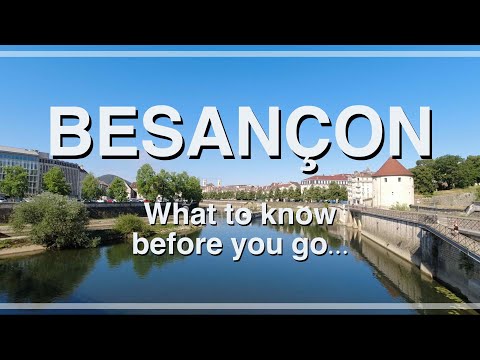
Besançon – What to Know Before you Go
WalkaboutWithRob
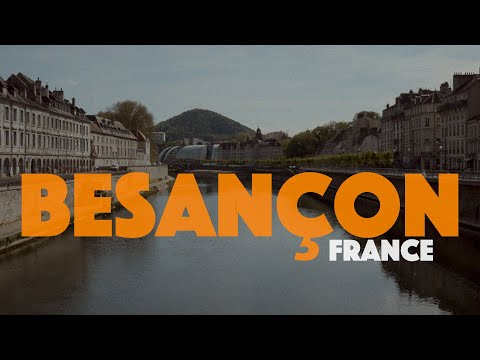
Besançon France Travel Guide | Citadel, Victor Hugo Museum …
Travel With Rain
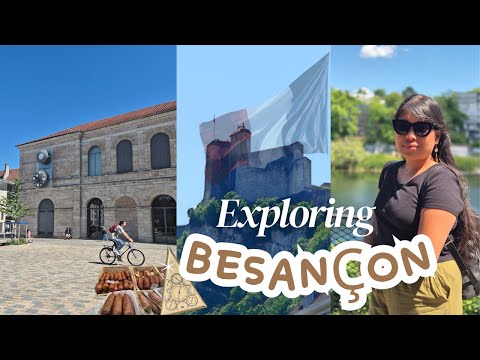
Discovering Besançon, France | Hidden Gem of Eastern France
Sheryl Arnaiz
You are currently viewing a placeholder content from Vimeo. To access the actual content, click the button below. Please note that doing so will share data with third-party providers.
More InformationYou are currently viewing a placeholder content from YouTube. To access the actual content, click the button below. Please note that doing so will share data with third-party providers.
More InformationYou need to load content from reCAPTCHA to submit the form. Please note that doing so will share data with third-party providers.
More InformationYou are currently viewing a placeholder content from GetYourGuide. To access the actual content, click the button below. Please note that doing so will share data with third-party providers.
More Information