
Orléans: The Complete Travel Guide (2026)
Orléans Travel Guide: Everything You Need to Know (2026)
Orléans, with a population of 114,375, sits on the Loire River just 120 kilometres southwest of Paris, making it one of France’s most historically charged yet undervisited cities. Founded in Roman times as Cenabum, it became immortalized in 1429 when Joan of Arc lifted the English siege — a defining moment still celebrated today. At 118 metres elevation and anchored by one of France’s great Gothic cathedrals, Orléans rewards visitors who skip it for the Riviera with outsized cultural depth.
Top 3 Highlights at a Glance
- Cathédrale Sainte-Croix d’Orléans — One of France’s finest Gothic cathedrals, with stained glass windows depicting Joan of Arc’s life added in the 19th century.
- Fêtes de Jeanne d’Arc — Held every May 7–8 since 1430, this is France’s oldest continuously running civic festival.
- Musée des Beaux-Arts d’Orléans — Holds a Velázquez original and one of France’s top provincial fine-art collections, entirely free on the first Sunday of each month.
Scroll down for our complete travel guide with tips on getting there, where to stay, costs and more.
Arrival & Airport
How do I get to Orléans?
Take the direct Intercités train from Paris Austerlitz — it runs roughly every hour and takes just 60 minutes. I recommend this over driving: parking in central Orléans is a headache and the €25–€35 return rail fare is hard to beat. From Paris Bercy-Charenton, the journey can also run via high-speed connections. If you’re coming from Tours, a 45-minute TER regional train connects the two. What surprised me is how many visitors drive unnecessarily — train travel here is genuinely faster than fighting Paris traffic. One caveat: Intercités trains require a seat reservation, which many travellers forget to book.
Which airport is closest to Orléans?
Orléans – Bricy Airport (ORE) exists but handles almost zero commercial flights — treat it as non-existent for tourists. In my experience, Paris Charles de Gaulle (CDG) is your real entry point, roughly 150 km north, and Paris Orly (ORY) is closer at around 120 km. From Orly, take the OrlyVal metro link to Antony, then RER B to Paris centre, then a train south to Orléans — total journey around 2 hours 30 minutes. My tip: budget €40–€60 in transport costs from CDG including connections. The honest caveat: there is no direct airport-to-Orléans shuttle, so a multi-leg connection is unavoidable.
How long does the journey to Orléans take from Paris?
From Paris Austerlitz station, the direct Intercités train reaches Orléans in exactly 60 minutes. This is the single fastest and most reliable option. My tip: book at least a week ahead on SNCF Connect to lock in fares around €10–€18 one way versus the walk-up price of €35+. From the station, central Orléans is a 10-minute tram ride or 15-minute walk to the cathedral quarter. What surprised me is how underused this connection is — you’ll rarely share the train with crowds the way you would on Paris–Lyon routes. Caveat: Sunday evening return trains fill up fast with day-trippers, so book your return leg simultaneously.
Do I need a car in Orléans?
No — Orléans’ compact centre and tram network make a car unnecessary for 95% of visitors. The TAO tram system (Lines A and B) covers the station, cathedral, old town, and the Loire riverfront efficiently, with a single ticket at €1.60. I walked the historic core in under 25 minutes end to end. My tip: buy a 24-hour pass for €4 if you plan more than 3 journeys in a day. The honest caveat: if you want to explore the châteaux of the Loire Valley — Chambord is 45 km east, Chenonceau 80 km southwest — a rental car or guided day-tour bus becomes genuinely useful and saves hours of awkward bus connections.
City Transport
What are the best areas to stay in Orléans?
Stay in the Centre-Ville district, within 10 minutes’ walk of the Cathédrale Sainte-Croix — everything meaningful is here. The Rue de Bourgogne corridor, Orléans’ oldest commercial street, puts you amid wine bars and brasseries. For a slightly quieter base, the Saint-Marceau neighbourhood across the Loire bridge offers genuine local atmosphere with fewer tourists and slightly lower prices. I’d avoid hotels near the train station on Rue de la République — convenient but characterless. Budget hotels in Centre-Ville start at €65 per night, mid-range at €100–€140, and the boutique Hôtel de l’Abeille near the cathedral is worth the €150 splurge for its preserved Art Nouveau interior.
What does accommodation cost in Orléans?
Budget: €55–€75; mid-range: €100–€145; boutique: €150–€220 per night. Orléans is significantly cheaper than Paris — expect to pay 30–40% less for equivalent quality. I recommend the Hôtel Dupanloup on Place Général de Gaulle for solid mid-range value at around €110/night. Airbnb apartments in the old town run €70–€120 for a one-bedroom and are excellent for stays of 3+ nights. The honest caveat: during the Fêtes de Jeanne d’Arc in early May, prices jump 25–40% and rooms sell out months in advance — this is the one period where booking early is non-negotiable. Outside that window, last-minute deals are common.
How far in advance should I book accommodation in Orléans during high season?
For the Fêtes de Jeanne d’Arc (May 7–8), book at least 3 months ahead — this is non-negotiable. Every hotel within walking distance of the cathedral fills completely. For July and August weekends, 4–6 weeks ahead is sufficient; Orléans doesn’t attract beach-holiday crowds. I’ve found rooms available with just 1–2 weeks’ notice in September and October, which are my preferred months to visit. My tip: if you arrive during a Loire Valley open-monuments weekend (Journées du Patrimoine in September), book 6 weeks ahead as Orléans serves as a regional hub. Outside these windows, Orléans is refreshingly bookable — unlike oversaturated Loire Valley towns such as Amboise.
Are there special or unique accommodation types in Orléans?
Orléans has two genuinely distinctive options most guides overlook. First, the Hôtel de l’Abeille, a converted 19th-century bourgeois townhouse near the cathedral with intact Art Nouveau tilework and around €150/night — it functions more like a museum you sleep in. Second, several chambres d’hôtes (B&Bs) in the Faubourg Saint-Jean neighbourhood offer rooms in 16th-century timber-frame houses for €80–€110/night with hosts who speak English well. What surprised me is that Orléans has no true luxury hotel — the ceiling is around €220/night at Le Loft Orléans for design-forward apartments. For Loire Valley château immersion, Château de Chambord offers on-site lodge accommodation 45 km away at a premium.
Accommodation & Neighbourhoods
What are the must-sees in Orléans?
Three sights are non-negotiable. First, Cathédrale Sainte-Croix — climb the north tower (€6, open April–October) for Loire Valley panoramas. Second, the Maison de Jeanne d’Arc, a reconstruction of the house where Joan stayed in 1429, with excellent multilingual exhibits for €4 entry. Third, Musée des Beaux-Arts d’Orléans — free on the first Sunday of every month, it holds a confirmed Velázquez and a rare collection of 17th-century Dutch masters. My tip: the Rue de Bourgogne at aperitivo hour around 6pm is a sight in itself — locals fill every terrasse and no tourist crowds intrude. Don’t waste time at the overly sanitised Place du Martroi beyond a quick photo of the Joan of Arc equestrian statue.
What can I experience for free in Orléans?
Genuinely free highlights include the cathedral interior, the Loire riverfront promenade, and the Musée des Beaux-Arts on the first Sunday of each month. The Parc Floral de la Source, 8 km south of the city, charges €5–€8 in peak season but is completely free November through March — and the tulip fields in April make it worth the fee anyway. I spent an entire free afternoon walking Quai du Châtelet along the Loire, one of the few urban riverbanks in France where the river feels genuinely wild. My tip: the Médiathèque d’Orléans hosts free contemporary art exhibitions year-round. Honest caveat: the Joan of Arc festival events themselves are free on the streets but ticketed grandstand areas cost €12–€25.
Which day trips from Orléans are most worthwhile?
Château de Chambord is the single best day trip — 45 km east, reachable in 50 minutes by car or 1.5 hours by seasonal shuttle bus from Orléans station. Entry costs €14.50 and the 440-room Renaissance hunting lodge is genuinely jaw-dropping. Blois, 60 km southwest, is 35 minutes by TER train (€8–€12) and combines a royal château with a charming old town. For wine lovers, the Clos de la Coulée de Serrant in the Anjou region is a 90-minute drive but one of France’s most storied biodynamic estates. What surprised me: Chartres Cathedral, only 80 km northwest by train, pairs brilliantly with Orléans for a dual-Gothic day if you’re based in Paris rather than overnight in Orléans itself.
What are the local food specialities in Orléans?
Orléans’ signature ingredient is its wine vinegar — ‘vinaigre d’Orléans’ — a protected designation used in cooking across the Loire Valley. Try matelote d’anguilles, a rich eel stew in red wine sauce: deeply local and found on menus along Rue de Bourgogne for €16–€22 a plate. The region’s Loire Valley goat cheeses — particularly Crottin de Chavignol from 150 km west — appear on every cheese board. For dessert, Cotignac d’Orléans, a quince paste sold in decorated wooden boxes, makes a genuinely local souvenir for €5–€8 at the market. My tip: skip the tourist crêperies near the cathedral and eat at La Dariole d’Orléans on Rue Sainte-Anne for proper regional cuisine at honest prices.
Highlights & Must-Sees
What makes Orléans unique compared to other French cities its size?
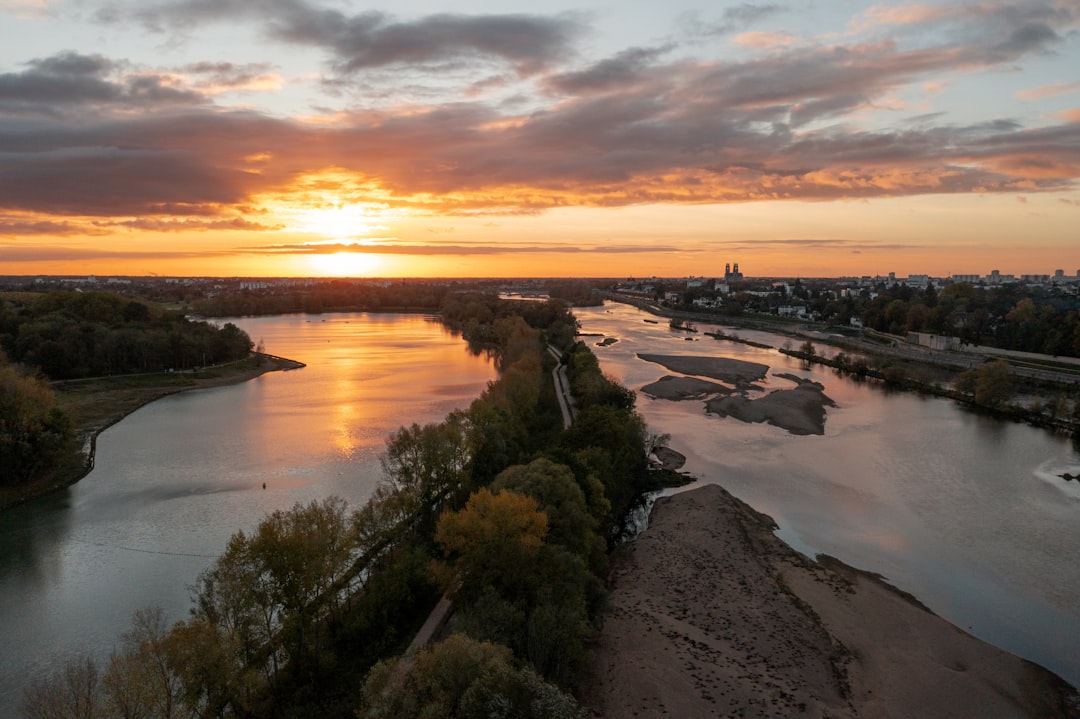
Orléans is the only city in France where a medieval military siege became the founding myth of an entire national identity — Joan of Arc’s 1429 victory here turned the Hundred Years’ War and is re-enacted every May with a ceremony unchanged in structure since 1430. No other French city its size carries this weight of national symbolism while remaining so free of tourist saturation. What surprised me is the Loire itself: Orléans sits at the river’s widest navigable point, and the wild, unembankered sandbanks visible from Pont George V look more like the Loire of 500 years ago than anything you’d see in touristified Amboise or Saumur. The city also produces France’s only traditionally crafted wine vinegar still made by the slow Orléans method.
How many days in Orléans are worthwhile?
2 full days covers Orléans itself comfortably; add a third day for a Chambord day trip. Day 1: cathedral, Maison de Jeanne d’Arc, Musée des Beaux-Arts, and dinner on Rue de Bourgogne. Day 2: Parc Floral de la Source (8 km south), the old town’s timber-frame streets in Faubourg Saint-Jean, and an evening aperitif along the Loire quays. Day 3: Château de Chambord by rental car or seasonal shuttle. In my experience, visitors who stay only one day miss the city’s quieter texture — the lively student quarter around Rue des Carmes and the genuine local bar scene only reveal themselves in the late afternoon. Four days is too long unless you plan to use Orléans as a base for wider Loire Valley château exploration.
When is the best time to visit Orléans?
July is the optimal month based on climate data — warm, long days, and the Fêtes de Jeanne d’Arc crowds have passed. My personal recommendation is late May to mid-June: the Loire is at its most photogenic level, the Fêtes festivities fill the city with a genuine French civic energy on May 7–8, and hotel prices haven’t hit peak-summer rates. September is outstanding for quieter château visits and the Journées du Patrimoine open-monuments weekend. Avoid August if you dislike French holiday crowds and half-closed local restaurants — many Orléans residents leave on their own summer break. The honest winter caveat: November through February is grey, cold, and thin on atmosphere, though the cathedral and museums remain fully open.
Are there local festivals in Orléans worth attending?
The Fêtes de Jeanne d’Arc on May 7–8 is France’s oldest civic festival — running unbroken since 1430 and absolutely worth attending. A young woman from the city is chosen as Joan, a full medieval procession winds through the cathedral quarter, and the atmosphere is genuinely moving rather than gimmicky. In July, Jazz en Orléans brings free outdoor concerts to the riverfront quays for 10 days — no ticket required. September’s Journées du Patrimoine opens private hôtels particuliers and chapels normally closed to the public. My tip: the Marché des Vins de Loire, held irregularly but often in February, is the single best place to taste Loire Valley wines from Sancerre, Vouvray, and Muscadet producers for €5–€10 tasting fee.
Food & Drink
How does the weather affect activities in Orléans across the year?
Orléans has a temperate oceanic climate — summers are warm without being brutal, winters are damp and grey but rarely below freezing. July averages around 23°C with long evenings ideal for Loire riverside walks. Spring (April–June) brings the most photogenic Loire water levels and the Parc Floral’s famous tulip displays. My tip: outdoor activities — cycling the Loire à Vélo trail directly from the city, riverfront picnics, château visits with outdoor grounds — are best April through October. The honest caveat: Loire Valley rain can arrive without warning in May and June; pack a compact waterproof even on clear mornings. Winter visits work well for the Musée des Beaux-Arts and cathedral but the city’s outdoor market energy largely disappears by November.
How crowded does Orléans get in peak season?
Orléans never reaches the saturation levels of Paris, Versailles, or even Amboise — even in July, the cathedral is walkable without queues. The one genuine crowd event is Fêtes de Jeanne d’Arc (May 7–8): the procession route fills completely, hotels are 100% booked, and the city centre is closed to cars. Outside that 48-hour window, I’ve visited in late July and found the main sights comfortably uncrowded. What surprised me is the student population — Orléans has 25,000 university students who create a year-round local life that dilutes tourist concentration. My tip: arrive at Cathédrale Sainte-Croix before 9:30am in summer for empty nave photography. The honest caveat: Chambord, 45 km away, does get genuinely crowded in August — factor this into day-trip timing.
How safe is Orléans?
Orléans is safe for tourists — violent crime targeting visitors is rare. The historic centre around the cathedral and Rue de Bourgogne is well-lit and active until midnight. I’ve walked it at 11pm without concern. The honest caveat: the Les Blossières and La Source peripheral districts have higher local crime rates and are areas I’d avoid after dark — though no tourist reason exists to be there anyway. Pickpocketing at the Saturday market on Place du Châtelet follows standard French city patterns: keep your bag closed and in front. The TAO tram network is reliable and safe late into the evening. Orléans doesn’t have the aggressive street harassment found in parts of Paris’s 18th arrondissement, which makes solo travel here noticeably more relaxed.
Is English widely spoken in Orléans?
English is spoken at a functional level in hotels, museums, and tourist sites — but don’t expect fluency beyond that. The Maison de Jeanne d’Arc and Musée des Beaux-Arts both have English-language audio guides or wall texts. Restaurant staff in the Rue de Bourgogne tourist corridor manage well; those in neighbourhood spots like Faubourg Saint-Jean may struggle. In my experience, opening with ‘Bonjour, parlez-vous anglais?’ before switching unlocks considerably more goodwill than starting directly in English. The honest caveat: Orléans is less internationally oriented than Paris — it’s a working French regional capital, not a tourism hub, and the SNCF ticket machines at the station are in French by default. Download Google Translate with French offline capability before arriving.
Practical Tips
What is the daily budget for a trip to Orléans?
Budget traveller: €65–€85/day; mid-range: €130–€180/day; comfortable: €200–€260/day — all significantly below Paris equivalents. My budget breakdown for mid-range: accommodation €110, lunch at a brasserie €18, dinner with wine €35, tram day pass €4, museum entry €6–€10, and a café stop €4. What surprised me is that a 3-course lunch menu (formule) at respected restaurants like Le Brin de Zinc runs just €16–€22 including a glass of Loire wine — extraordinary value by French standards. The honest hidden cost: day trips to Chambord add €14.50 entry plus €25–€35 for a rental car half-day or shuttle ticket. Budget an extra €50–€60 per Chambord excursion.
How does public transport work in Orléans?
The TAO network runs 2 tram lines and 20 bus routes — a single ticket costs €1.60, a 10-trip carnet €13.50, and a 24-hour pass €4. Tram Line A connects the train station to the cathedral, old town, and riverfront in under 10 minutes — it’s the tourist spine. Tram Line B runs north-south and serves the university district at La Source, 8 km south, where the Parc Floral is located. Trams run from 5:30am to midnight on weekdays and until 1am on weekends. My tip: validate your ticket every single time you board — inspectors are active and the €50 fine for unvalidated tickets is enforced without sympathy. The honest caveat: service frequency drops to every 15–20 minutes on Sunday mornings, which makes early church visits or train connections slower than expected.
Which apps do you recommend for visiting Orléans?
SNCF Connect is mandatory — book all trains to and from Paris here and save up to 50% versus station prices. For local transport, TAO Mobilités (the official Orléans bus and tram app) shows real-time departures. I use Komoot for cycling the Loire à Vélo trail, which starts directly at the city’s riverfront — it maps the 800-km route in sections. Google Maps offline (download Loiret region) works reliably for navigation in areas with poor signal. For restaurants, TheFork (LaFourchette in French) frequently offers 50% discount deals at Orléans restaurants on off-peak weekday evenings — I’ve eaten at €35/head restaurants for €18 this way. Duolingo for 10 minutes of French basics before departure pays dividends in neighbourhood restaurants.
More Destinations in Europe
Explore our complete travel guides for more Europe destinations: Toulouse Travel Guide (2026), Lanzarote Travel Guide (2026), Budapest Travel Guide (2026), Chamonix Travel Guide (2026), Île Bono Travel Guide (2026).
Useful Resources for Planning Your Trip to Orléans
- Wikipedia: Orléans — history, geography and background
- Lonely Planet: Orléans — itineraries and travel inspiration
- TripAdvisor: Orléans — hotels, restaurants and traveller reviews
🎥 Orléans Travel Videos
Don’t go to Paris, visit Orléans instead
WonderJourneys
You are currently viewing a placeholder content from Vimeo. To access the actual content, click the button below. Please note that doing so will share data with third-party providers.
More InformationYou are currently viewing a placeholder content from YouTube. To access the actual content, click the button below. Please note that doing so will share data with third-party providers.
More InformationYou need to load content from reCAPTCHA to submit the form. Please note that doing so will share data with third-party providers.
More InformationYou are currently viewing a placeholder content from GetYourGuide. To access the actual content, click the button below. Please note that doing so will share data with third-party providers.
More Information