
Badajoz: The Complete Travel Guide (2026)
Last reviewed: October 2026 · key facts checked against Wikidata
Badajoz Travel Guide: Everything You Need to Know (2026)
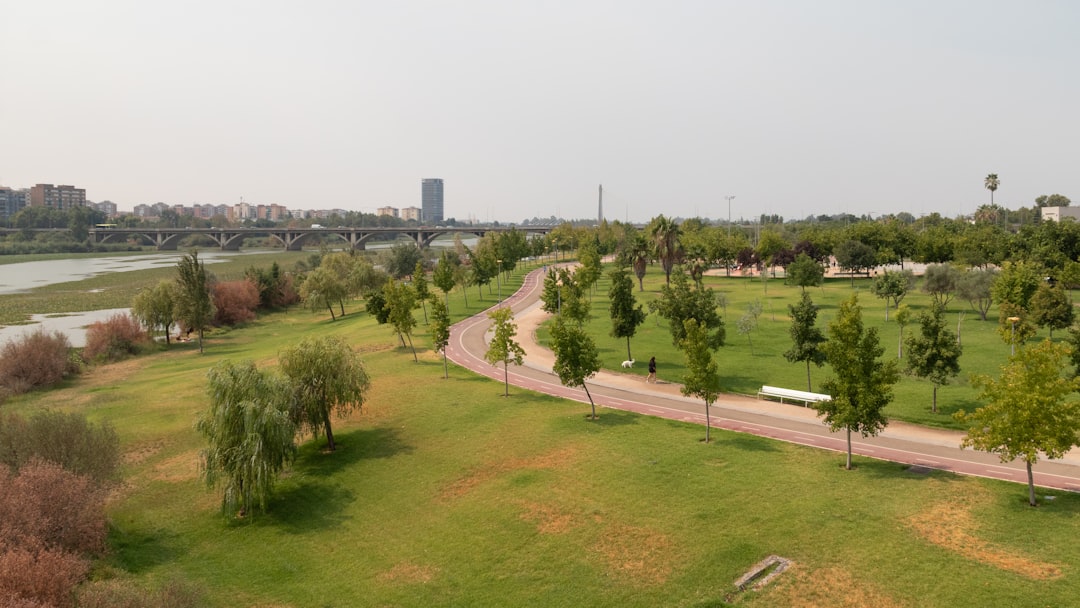
Badajoz is Extremadura’s largest city, home to 150,621 residents and sitting at 185 metres above sea level on the left bank of the Guadiana River, just 6 km from the Portuguese border. Founded as the Moorish city of Batalyaws in 875 AD, it spent centuries as a strategic frontier fortress contested between Spain and Portugal. Today it remains one of Spain’s most underrated provincial capitals, offering Alcazaba ruins, a thriving tapas culture, and border-town energy without the tourist crowds.
Top 3 Highlights at a Glance
- Alcazaba de Badajoz — One of Spain’s largest Arab fortresses, covering 3.7 hectares with unobstructed views over the Guadiana River.
- MEIAC Contemporary Art Museum — Free entry and a world-class collection bridging Spanish and Ibero-American art in a converted 19th-century prison.
- Carnaval de Badajoz — Spain’s second-largest carnival after Tenerife, drawing over 80,000 visitors for its legendary murgas singing competitions.
Scroll down for our complete travel guide with tips on getting there, where to stay, costs and more.
Arrival & Airport
How do I get to Badajoz?
Train or car is your best bet for reaching Badajoz. Renfe operates direct trains from Madrid’s Atocha station, with the journey taking approximately 4 hours and tickets starting at €20 booked in advance through the Renfe app. From Seville, direct trains take around 3 hours. By car from Madrid via the A-5 motorway it’s 400 km, roughly a 3.5-hour drive. What surprises most travellers: the bus network via Alsa is actually cheaper but slower — the Madrid–Badajoz coach takes 5+ hours and costs around €15. My tip: book Renfe at least 2 weeks ahead for Tarifa Promo fares, which sell out fast despite the city being low on most tourists’ radar.
Which airport is closest to Badajoz?
Badajoz Airport (BJZ) is the closest, just 15 km from the city centre — but I’ll be honest, it’s a minor regional airport with extremely limited routes, primarily serving Madrid-Barajas (MAD) via Air Nostrum. In my experience, flying into Seville Airport (SVQ), 220 km away, gives far better international connections and competitive fares. Lisbon Humberto Delgado Airport (LIS) is also only 240 km away and often cheaper for intercontinental arrivals, with easy onward transport by bus or rental car. The trade-off with BJZ: convenience vs. frequency — flights are scarce and often pricier than the Seville alternative.
How long does the journey to Badajoz take from major hubs?
Journey times vary significantly depending on your starting point. From Madrid by fast train it’s 4 hours, by car roughly 3.5 hours on the A-5. From Seville, expect 3 hours by train or 2.5 hours by car via the A-66. From Lisbon, Portugal, it’s a surprisingly quick 2-hour drive, making Badajoz genuinely accessible as a cross-border city break. What most guides omit: the Badajoz train station (Estación de Badajoz) sits 2 km from the old town, walkable in 20 minutes or a short taxi ride for under €6. My tip: arriving from Lisbon by car gives you the most flexibility to explore Extremadura’s wider region.
Do I need a rental car in Badajoz?
For Badajoz city itself, no — you don’t need a car. The historic centre, Alcazaba, cathedral, and MEIAC museum are all within a compact walkable core of under 2 km. City buses run frequently and a single ticket costs €0.80. However, if you plan to explore Extremadura beyond the city — Mérida (60 km), Cáceres (90 km), or the Tentudía natural park — a rental car transforms your trip. I recommend booking through Europcar or Avis at Badajoz station, where daily rates start around €30. The honest caveat: Badajoz traffic around Avenida de Huelva during morning rush hour is genuinely chaotic, so stick to the old town on foot.
City Transport
Which neighbourhoods are the best bases in Badajoz?
Stay in or immediately adjacent to the Casco Antiguo (old town) — this puts you within walking distance of every major sight. The streets around Plaza de España and Calle Menacho are the social and gastronomic heart of the city, lined with tapas bars that serve free food with every drink. For a quieter stay, the Cerro de Reyes residential district is calm and 10 minutes’ walk from the centre. What most guides omit: avoid booking near the Estación de Autobuses on Calle José Rebollo — it’s noisy and an unnecessary 15-minute walk from everything worth seeing. My tip: the streets between Plaza Alta and the Alcazaba offer the most atmospheric accommodation.
What does accommodation cost per night in Badajoz?
Badajoz is genuinely affordable by Spanish standards. A solid 3-star hotel in the Casco Antiguo costs €55–€80 per night, while the best option in town — Hotel NH Badajoz — runs €90–€120 depending on season. Budget guesthouses and hostales around Calle Obispo San Juan de Ribera charge as little as €35 per night for a private double. There are no true luxury 5-star properties in the city, which is actually the honest trade-off: Badajoz lacks high-end options, so if you want a premium experience, Mérida’s Parador (60 km away) is the regional splurge choice. In my experience, booking directly with smaller hostales saves 10–15% versus OTA platforms.
How far in advance should I book accommodation in Badajoz during high season?
For most of the year, 2–3 weeks ahead is sufficient — Badajoz sees nothing like the booking pressure of Seville or Madrid. The critical exception is Carnaval season in February, when the city’s famous carnival draws over 80,000 visitors and every decent room within 30 km sells out. Book 3–4 months ahead for Carnaval if you want anything in the Casco Antiguo at a reasonable price. The Feria de San Juan in late June also spikes demand noticeably. What most guides miss: the Portuguese Easter week also fills Badajoz, as thousands of Lisbon and Évora residents cross the border for short breaks, driving up prices by up to 30%.
Are there special or unique accommodation types in Badajoz?
Badajoz isn’t flush with boutique hotels, but there are worthwhile alternatives to standard chains. Casa rural properties on the outskirts — particularly toward the Cornalvo Natural Park, 30 km east — offer converted farmhouse stays from €60 per night with pool access. Within the city, a handful of apartamentos turísticos (tourist apartments) in restored buildings near Puerta de Palmas sleep 2–4 guests for €50–€70 per night, giving you kitchen access and more space. The honest caveat: Badajoz has no boutique design hotels of note — the accommodation scene is functional rather than aspirational. My tip: search Booking.com under ‘apartamentos Badajoz centro’ for the best self-catering deals.
Accommodation & Neighbourhoods
What are the absolute must-sees in Badajoz?
Three things I would never skip. First, the Alcazaba — a 9th-century Moorish fortress enclosing 3.7 hectares, housing the Museo Arqueológico Provincial inside. Entry is free. Second, the Catedral de San Juan Bautista, a Gothic fortress-cathedral begun in the 13th century whose muscular exterior looks more military than religious — entry costs €4. Third, the MEIAC Museum (Museo Extremeño e Iberoamericano de Arte Contemporáneo), free to enter and genuinely world-class in scope. What surprises most visitors: the Plaza Alta, the old Moorish market square, is one of the most elegantly tiled public spaces in Extremadura yet barely appears in international travel guides.
What can I experience for free in Badajoz?
Badajoz is remarkably generous with free experiences. The Alcazaba fortress grounds are free to enter all day, and the MEIAC contemporary art museum charges nothing year-round. Walking the Puerta de Palmas gateway and the Guadiana riverside promenade costs nothing and takes about 90 minutes at a relaxed pace. The tapas culture here works in your favour financially: most bars in the Casco Antiguo serve a free tapa with every drink, so a €1.50 beer often comes with a plate of jamón or tortilla. My honest observation: the free tapas tradition is more generous in Badajoz than in Seville or Madrid — it’s a genuine local custom, not a tourist gimmick.
Which day trips from Badajoz are worth doing?
Mérida is the unmissable day trip, just 60 km east and reachable by train in 45 minutes for around €7. It holds Spain’s finest Roman ruins including a 1st-century BC theatre still used for performances. Cáceres, 90 km north, is a UNESCO World Heritage old town and easily reached by bus in 1.5 hours for €6. Crossing into Portugal to visit Elvas — a UNESCO-listed garrison town just 15 km away — takes 20 minutes by car and costs nothing at the border. What most guides skip: Olivenza, 24 km south, is a small town that was Portuguese until 1801 and still has a distinctly Manueline architectural character you won’t find elsewhere in Spain.
What local specialities should I eat in Badajoz?
Extremaduran cuisine in Badajoz is underrated and deeply satisfying. Order migas extremeñas — fried breadcrumbs cooked with chorizo and peppers, a peasant dish elevated to an art form here. Ibérico ham from the nearby Dehesa is among the finest in Spain; a full ración costs €8–€12 in local bars. The cheese to seek out is Torta del Casar, a runny, intensely flavoured sheep’s cheese from just 40 km north — a whole torta costs around €12 at the Mercado de Abastos. What surprised me: the local wine from Ribera del Guadiana DO is excellent and almost unknown internationally — a glass costs just €1.50–€2 in traditional bars.
Highlights & Must-Sees
What makes Badajoz genuinely unique compared to other Spanish cities?
Badajoz occupies a genuinely singular cultural position: it’s a Spanish city that has been Portuguese, Moorish, and Roman, and you feel all three layers simultaneously. The border with Portugal is 6 km away, and the city has a cross-border identity unlike anywhere else in Spain — many residents shop in Campo Maior, Portugal weekly, and the city’s carnival has distinct Portuguese rhythmic influences. What no other Spanish provincial capital offers: the combination of a functioning Moorish alcazaba, a Roman bridge foundation, a world-class contemporary art museum, and free tapas culture at this price point. In my experience, it’s the most value-for-money city in all of Extremadura for culturally curious travellers.
How many days should I spend in Badajoz?
2 full days is the ideal minimum for Badajoz city itself — enough to cover the Alcazaba, cathedral, MEIAC, old town, riverside, and a proper evening of tapas. Add a third day for a day trip to Mérida or Elvas. I wouldn’t recommend fewer than 2 nights, because the city genuinely rewards slow exploration and evening socialising, which starts late by Spanish standards — bars fill from 9 PM onwards. The honest trade-off: Badajoz alone cannot justify a long holiday; it works brilliantly as 3 days within a 7–10 day Extremadura circuit combining Mérida, Cáceres, and the Jerte Valley. More than 4 nights in Badajoz alone will feel repetitive.
When is the best time to visit Badajoz?
Based on climate data, April, May, June, July, and September are the optimal months. Spring — particularly April and May — delivers mild temperatures around 20–25°C, green countryside, and zero tourist pressure. September is my personal favourite: summer heat breaks, the city comes alive again after August, and the Feria de San Miguel brings local festivity. Avoid July and August if heat bothers you — Badajoz regularly hits 40°C+ in peak summer, making midday sightseeing genuinely unpleasant. February is worth considering specifically for Carnaval, one of Spain’s most spectacular street festivals. What most guides omit: December to January is cold and quiet but prices drop by 30% and the city feels authentically local.
Are there local festivals in Badajoz worth attending?
Absolutely — Carnaval de Badajoz in February is the headline event, Spain’s second-largest carnival after Tenerife, with murgas (satirical singing groups) competing in the Estadio Nuevo Vivero over two weeks. The atmosphere is electric and entry to street events is free, though grandstand seats cost €15–€25. The Feria de San Juan in late June transforms the fairgrounds with casetas (pavilions), live music, and fairground rides for 10 days. In August, the Festival de Cine Español de Badajoz brings Spanish cinema screenings to outdoor venues. My tip: the Semana de la Muralla in September pairs open-air concerts with illuminated fortress walks — a genuinely magical and uncrowded local event.
Food & Drink
How does weather affect activities in Badajoz throughout the year?
Weather shapes your Badajoz experience significantly. Summer (June–August) temperatures routinely exceed 38°C, making outdoor sightseeing brutal between 11 AM and 5 PM — structure your days around an extended siesta break. Spring and autumn offer the most comfortable conditions for walking the Alcazaba walls, riverside promenade, and old town streets. Winter is cool and occasionally rainy but perfectly functional for museum visits — the MEIAC and Museo Arqueológico are year-round indoor options. What most guides miss: the Guadiana River can flood dramatically in heavy winter rain, occasionally closing the riverside cycling path between Badajoz and the Portuguese border — check locally before planning a cycling excursion in January or February.
How crowded does Badajoz get during peak season?
Bluntly: Badajoz is never overwhelmed by tourists the way Seville or Toledo gets. Even in peak July and August, you won’t queue for the Alcazaba or struggle to find a tapas bar table. The Carnaval in February is the sole exception — streets around Plaza de España and the Paseo de San Francisco become genuinely packed on weekend nights, with 80,000+ visitors descending on a city of 150,000. Hotel availability during Carnaval is legitimately tight within a 50 km radius. For all other periods, Badajoz functions as a relaxed, crowd-free destination — which is precisely its appeal. In my experience, even on a Saturday in June, the Alcazaba is almost deserted by 9 AM.
How safe is Badajoz?
Badajoz is a safe city for travellers by any objective measure. Violent crime against tourists is essentially unheard of. The main practical concern is petty theft around the bus station and the Puerta de Palmas area — keep bags closed and phones pocketed in crowded areas, as you would anywhere in Spain. The Casco Antiguo at night is well-lit and lively until late, with locals of all ages out socialising, which naturally deters opportunistic crime. What surprised me: the area near the Estación de Autobuses after midnight feels noticeably quieter and less welcoming — don’t linger there alone. Overall I’d rate Badajoz as safer than Seville or Madrid for solo travellers.
Is English widely spoken in Badajoz?
Honestly, English is less widely spoken in Badajoz than in coastal Spanish cities. In the historic centre’s hotels and tourist-facing businesses, you’ll find basic English. But in traditional tapas bars, local markets like the Mercado de Abastos, and neighbourhood restaurants, Spanish — or even Extremaduran dialect — is the working language. My tip: download Google Translate with Spanish offline, and learn 10 key phrases before you arrive. Menus are rarely translated in the best local places. The honest upside: the language barrier forces genuine interaction with locals, and Badajocenses are notably warm and patient with foreign visitors who make even minimal effort. Portuguese speakers will find basic communication surprisingly effective given the border proximity.
Practical Tips
What is the daily budget for travelling in Badajoz?
Badajoz is one of Spain’s most affordable cities. A comfortable mid-range daily budget is €70–€90 per person, covering a 3-star hotel room split between 2 people (€35–€45 each), 3 meals, drinks, and entry fees. Budget travellers staying in hostales and eating the €10–€12 menú del día lunch can get by on €50 per day. A genuinely generous day — good hotel, Mérida day trip, quality dinner with wine — comes in around €100–€120. What surprised me most: the free tapas with drinks culture meaningfully cuts food costs; a round of 3 beers with tapas costs €4.50–€6 in traditional bars around Calle Menacho, making evening meals nearly self-funding.
How does public transport work in Badajoz?
Within the city, urban buses operated by Interbus cover all main districts with 10 lines running from 7 AM to around 11 PM. A single ticket costs €0.80 and a 10-trip bonobus card costs €6.50 — excellent value. The city is compact enough that the old town is walkable, making buses mainly useful for reaching the train station, bus station, or suburban areas. For regional travel, Alsa buses connect Badajoz to Mérida (1 hour, €4), Cáceres (1.5 hours, €6), and Seville (2.5 hours, €14). Renfe trains to Madrid take 4 hours from €20. The honest limitation: there is no tram or metro — bus or taxi (base fare €3.50) are your only urban options.
Which apps do you recommend for getting around Badajoz?
My essential app list for Badajoz: Renfe app for train bookings to Madrid and Seville — always cheaper than the counter. Alsa app for regional buses to Mérida and Cáceres. Google Maps works reliably for walking navigation in the old town and bus route planning. Cabify operates in Badajoz and is my preferred taxi alternative — more transparent pricing than hailing street taxis, with rides across the centre typically costing €4–€7. For food, TripAdvisor is less useful here than simply walking down Calle Menacho or Calle San Juan and choosing a busy local bar. XE Currency is worth having for the euro/Portuguese escudo — wait, euro is used both sides of the border, but exchange rate awareness helps with cross-border shopping in Campo Maior markets.
More Destinations in Europe
Explore our complete travel guides for more Europe destinations: Jura Travel Guide (2026), A Coruña Travel Guide (2026), Mallorca Travel Guide (2026), Aquitaine Travel Guide (2026), Rome Travel Guide (2026).
Badajoz at a Glance
| Population | 150,209 |
|---|---|
| Currency | EUR (€) |
| Official language | Spanish |
| Time zone | UTC+01:00 |
Source: Wikidata, retrieved October 2026.
Useful Resources for Planning Your Trip to Badajoz
- Wikipedia: Badajoz — history, geography and background
- Lonely Planet: Badajoz — itineraries and travel inspiration
- TripAdvisor: Badajoz — hotels, restaurants and traveller reviews
🎥 Badajoz Travel Videos
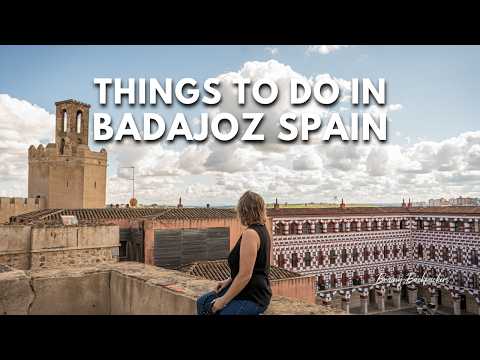
Things To Do in Badajoz (Extremadura Spain)
Brainy Backpackers
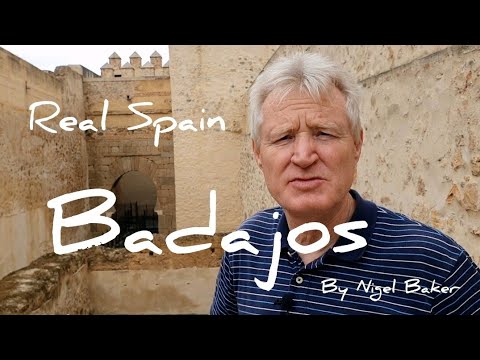
Badajos – City Guide – @realspain by Nigel Baker
Real Spain – Travel with Baker

BONUS VIDEO: A short stroll through the old city of BADAJOZ
Worldwide P.
You are currently viewing a placeholder content from Vimeo. To access the actual content, click the button below. Please note that doing so will share data with third-party providers.
More InformationYou are currently viewing a placeholder content from YouTube. To access the actual content, click the button below. Please note that doing so will share data with third-party providers.
More InformationYou need to load content from reCAPTCHA to submit the form. Please note that doing so will share data with third-party providers.
More InformationYou are currently viewing a placeholder content from GetYourGuide. To access the actual content, click the button below. Please note that doing so will share data with third-party providers.
More Information