
Burgos: The Complete Travel Guide (2026)
Last reviewed: October 2026 · key facts checked against Wikidata
Burgos Travel Guide: Everything You Need to Know (2026)
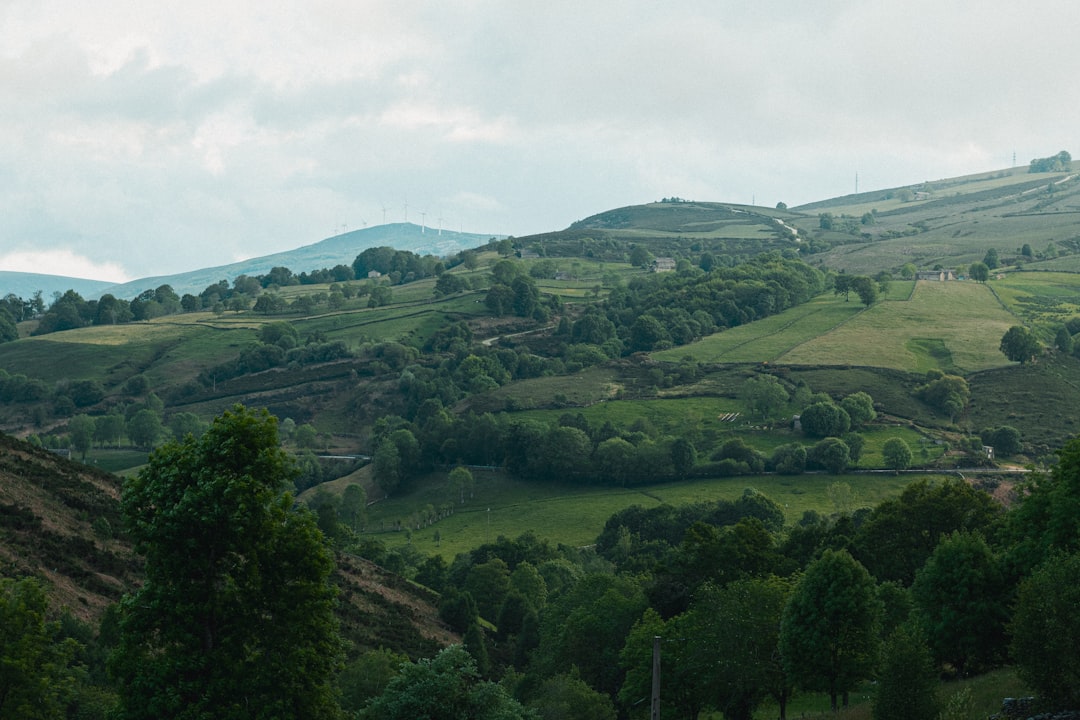
Burgos sits at 859 metres above sea level on the Castilian meseta, giving it one of Spain’s most dramatic Gothic skylines — the cathedral alone took over 300 years to complete. With a population of 179,097, it punches well above its weight culturally, sitting on the Camino de Santiago and serving as the medieval capital of Castile. The city is 243 km north of Madrid, making it an underrated stop that most travellers blow past on the motorway.
Top 3 Highlights at a Glance
- Burgos Cathedral — A UNESCO World Heritage Gothic masterpiece begun in 1221, housing El Cid’s tomb — Spain’s most underrated cathedral.
- Atapuerca Archaeological Site — Oldest known human remains in Europe, dated at 1.2 million years old, just 14 km from the city centre.
- Paseo del Espolón at Dusk — The tree-lined riverside promenade fills with locals after 7pm — the most authentic Castilian evening ritual you’ll witness.
Scroll down for our complete travel guide with tips on getting there, where to stay, costs and more.
Arrival & Airport
How do I best get to Burgos?
Train from Madrid’s Chamartín station is your best option — AVE high-speed trains cover the 243 km in under 2 hours. In my experience, this beats driving every time. My tip: book through Renfe’s website for fares as low as €15 one-way if booked 2–3 weeks ahead. Burgos also has a bus station with regular ALSA coaches from Madrid (2.5 hours, around €20). What surprised me is that the city centre is only a 10-minute walk from both the train and bus stations — no taxi needed. Warning: avoid Friday afternoon trains, as they fill with Madrid weekenders heading north.
Which airport is closest to Burgos?
Burgos Airport (BU, LEBÚ) is the closest, just 5 km from the centre, but it operates only limited seasonal routes — mostly to Barcelona and the Canaries. In my experience, most international travellers fly into Madrid Barajas (MAD), 243 km south, then take the AVE train. Bilbao Airport (BIO) is a credible alternative at 120 km north, with far more international connections including budget carriers like Vueling and Ryanair. My tip: if flying into Bilbao, rent a car — the bus connection to Burgos requires a change in Vitoria and takes over 2 hours. Do not assume Burgos Airport handles your preferred airline.
How long does the journey to Burgos take from major hubs?
From Madrid Chamartín, the AVE takes 1 hour 50 minutes. From Bilbao by car, expect 1 hour 30 minutes via the A-1 motorway. From Barcelona, high-speed rail connects via Madrid with a total journey of roughly 4.5 hours — or fly to Bilbao and drive. What surprised me is how fast Madrid feels: I caught an 8am train and was eating morcilla in Burgos by 10am. The honest caveat: Burgos is not on Spain’s main tourist circuit, so connections from coastal hubs like Málaga or Valencia require patience. In my experience, building Burgos into a Madrid–north Spain road or rail loop is the smartest approach.
Do I need a rental car in Burgos?
No — for the city itself, you absolutely do not need a car. Burgos Cathedral, the Atapuerca museum, the castle, and the old town are all within a 1.5 km radius. In my experience, I walked everywhere without effort. However, a car unlocks the wider province: Atapuerca is 14 km east, the Romanesque monastery of Santo Domingo de Silos is 58 km south, and the medieval village of Covarrubias is 40 km southeast. My tip: base yourself car-free in Burgos, then rent for one full-day excursion. Car hire at the train station typically costs €35–50 per day with a compact. Warning: old town parking is a frustrating maze — do not drive in.
City Transport
Which areas of Burgos make the best bases?
Stay in or immediately adjacent to the Casco Histórico (historic centre) — specifically the area between the cathedral and the Arco de Santa María. This puts you within a 5-minute walk of every major sight. The neighbourhood around Calle Vitoria and Calle San Juan offers a good mix of hotels, tapas bars, and bakeries without the premium of the cathedral-facing frontages. In my experience, staying near the Plaza Mayor means you can step out at 7am before tour groups arrive and have the cathedral square to yourself. Avoid booking on the ring road near the bus station — it’s functional but completely soulless, with a 20-minute walk to the old town.
What does accommodation cost per night in Burgos?
Burgos is excellent value by Spanish city standards. A solid 3-star hotel in the historic centre costs €65–90 per night for a double room in mid-season. Boutique options like Hotel Norte y Londres, in a converted 19th-century building facing the cathedral garden, run €80–110. Budget travellers can find clean guesthouses (pensiones) on Calle San Juan for €40–55. During peak summer (July–August), add roughly 15–20%. In my experience, Burgos does not gouge like Toledo or Segovia despite comparable heritage quality — that’s a genuine advantage. My tip: book directly with hotels and ask for their web rate; OTA commissions sometimes inflate posted prices.
How far in advance should I book accommodation in Burgos during high season?
Book 4–6 weeks ahead for July and August — that’s sufficient for most mid-range options. What surprised me is that Burgos fills up faster during Semana Santa (Easter) and the Fiestas de San Pedro y San Pablo in late June than in midsummer, because the Camino de Santiago pilgrim traffic peaks in late spring. My tip: if you’re visiting during the June 29 fiesta week, book 3 months in advance — decent hotels at reasonable prices vanish quickly. For shoulder season (May, September, October), 1–2 weeks notice is usually fine. The honest caveat: Burgos has fewer total hotel rooms than tourist cities like Salamanca, so supply is tighter than you’d expect for a city of 179,000.
Are there special or unique accommodation types in Burgos?
Yes — Burgos has two options you won’t find in most Spanish cities. First, several pilgrim hostels (albergues) on the Camino de Santiago route pass directly through town; the Albergue Municipal on Calle Fernán González offers beds for €12 per night — open to non-pilgrims outside peak season. Second, the Parador de Burgos (a state-run luxury hotel) is being redeveloped in an old convent building — check its 2026 opening status. In my experience, staying in a Camino albergue for one night gives you a social experience completely unlike standard tourism — dinner conversations with pilgrims from 20 countries at a shared table. Warning: albergues have lights-out rules and early morning noise from departing pilgrims by 6am.
Accommodation & Neighbourhoods
What are the absolute must-sees in Burgos?
Three things I would not skip: Burgos Cathedral (UNESCO, 1221, El Cid’s tomb — buy the €7 entry ticket and spend at least 90 minutes inside); the Museo de la Evolución Humana on Paseo de la Sierra de Atapuerca, which displays 1.2-million-year-old hominid fossils found 14 km away (€6 entry, closed Mondays); and the Cartuja de Miraflores, a 15th-century royal monastery 3.5 km east of the centre, free to enter and containing arguably Spain’s finest Gothic alabaster retablo. What surprised me is that the Cartuja beats most paid museums in quality but gets a fraction of the visitors. My tip: do the cathedral first thing in the morning when light pours through the rose windows.
What can I experience for free in Burgos?
More than you’d expect. Cartuja de Miraflores monastery is free and rivals paid cathedrals elsewhere. The Paseo del Espolón riverside walk, the Arco de Santa María gateway (free exterior), and the Castillo de Burgos viewpoint are all no-charge. The Museo de Burgos (provincial archaeology and fine art) offers free entry on weekends. In my experience, Burgos’s greatest free pleasure is simply walking Calle Fernán González up to the castle at sunset — the panorama over the Gothic spires costs nothing. My tip: the Camino de Santiago route through the city is a living cultural monument — walk the waymarked path from the city gate to the cathedral and you’re experiencing 1,000 years of pilgrimage history at zero cost.
Which day trips from Burgos are worth taking?
Santo Domingo de Silos (58 km south) is my top recommendation — a Benedictine monastery famous for Gregorian chant, where monks still sing daily at 7pm vespers (free, no booking needed). Covarrubias (40 km southeast) is a perfectly preserved medieval village with a collegiate church and the tomb of a Norwegian princess. Atapuerca archaeological site (14 km east, €8 guided tour) requires advance booking through its website and is essential for anyone interested in human evolution. In my experience, the Lerma ducal palace town (37 km south) is criminally overlooked — a whole 17th-century planned town built for a single duke, now a Parador. Warning: none of these are reachable by public transport — you need a rental car or taxi for all of them.
What local specialities should I eat in Burgos?
Morcilla de Burgos is the dish — a rice-based blood sausage entirely different from Andalusian versions, served fried or in bean stew. Every tapas bar in the old town serves it; try it at Bar Morito on Calle Sombrerería for €2 per tapa. Lechazo (roast suckling lamb) is the Sunday centrepiece — Casa Ojeda near the cathedral has served it for decades at around €22 per half portion. Queso de Burgos (fresh white cheese, mild and creamy) is sold in every market and supermarket. What surprised me is how seriously locals take their rosquillas (anise biscuits) — every bakery has its own recipe. My tip: order the menú del día at lunch (€12–14) and you’ll eat three courses better than most European dinner restaurants.
Highlights & Must-Sees
What makes Burgos unique compared to other Spanish cities?
Burgos uniquely combines Gothic architectural supremacy, deep Camino de Santiago heritage, and world-class palaeontology in a city that hasn’t been consumed by mass tourism. The cathedral’s Golden Staircase by Diego de Siloé and the clock figure ‘Papamoscas’ are Spanish art history moments, not just tourist checkboxes. The city was also the capital of the Crown of Castile during the 15th century and birthplace of El Cid — that history is tangible in the streets. In my experience, Burgos feels like what Toledo felt like 30 years ago — genuinely inhabited by Spaniards living their lives, not a heritage theme park. The meseta light in summer (harsh, golden, cinematic) makes it unlike coastal Spain in mood and feel.
How many days should I spend in Burgos?
2 full days covers the city; add 1 day for excursions. Day 1: cathedral in the morning (90 minutes minimum), Museo de la Evolución Humana in the afternoon (2 hours), tapas crawl on Calle Sombrerería in the evening. Day 2: Cartuja de Miraflores in the morning, castle viewpoint at noon, afternoon free for wandering the Camino route through town. Day 3 (optional): rent a car for Santo Domingo de Silos and Covarrubias. In my experience, travellers who give Burgos only a half-day lunch stop miss the point entirely — the cathedral interior alone requires more time than a rushed visit allows. The honest caveat: Burgos has limited nightlife compared to Salamanca or Logroño, so 3 nights feels complete rather than necessary.
When is the best time to visit Burgos?
July, August, and September are climatically optimal based on verified climate analysis. Burgos at 859 metres elevation means summers are pleasantly warm (not scorching like Sevilla) and winters are genuinely cold with occasional snow. In my experience, late September is the sweet spot — crowds thin after summer, the cathedral is uncrowded, and the meseta takes on a golden colour. June 29 (Fiestas de San Pedro) is worth timing a visit around if you want to see the city celebrating at full intensity. Avoid January and February unless you embrace grey skies and bitter wind — the meseta cold is not a cliché. Spring (April–May) is beautiful but rainfall is unpredictable and Semana Santa brings short-term crowds.
What are the local festivals in Burgos worth attending?
Fiestas de San Pedro y San Pablo (June 24–30) is Burgos’s main annual festival — bullfights, open-air concerts, and processions centred on the cathedral and Plaza Mayor. The atmosphere is entirely local, not tourist-facing. Semana Santa (Easter week) features solemn processions through the old town at night — genuinely moving rather than performative. The Día de El Cid (last Saturday of June) celebrates Burgos’s most famous son with medieval market stalls around the castle. In my experience, the San Pedro week is when Burgos shows its full character — book accommodation months ahead. What surprised me is that even the pilgrim arrivals on the Camino de Santiago create a living festival atmosphere daily from May through September on Calle Fernán González.
Food & Drink
How does Burgos weather affect what activities I can do?
At 859 metres elevation, Burgos has a continental climate that directly shapes activity planning. Summer days (July–August) hit 26–30°C — ideal for walking the Camino sections and outdoor dining, but the castle hill becomes exposed and hot by midday. Winter drops to -3°C or below at night, making outdoor sightseeing uncomfortable; however, the cathedral is magnificent in winter light and completely uncrowded. My tip: plan outdoor Atapuerca site visits only May through October — winter tours are available but the site itself is more rewarding when you can walk the terrain. Rain falls most in November and April. What surprised me is how strong the wind is year-round on the meseta — bring a layer even in July for evenings.
How crowded does Burgos get in peak season?
Burgos never reaches the suffocating crowds of Toledo or the Alhambra, but July and August bring noticeable tour group pressure around the cathedral — specifically between 10am and 1pm. The Museo de la Evolución Humana can have 45-minute queues without advance booking in August. In my experience, crowds clear dramatically after 5pm and before 9am — morning visits to the cathedral feel entirely different from midday. The Cartuja de Miraflores stays quiet even in peak season because it’s a 3.5 km walk from the centre. My tip: book the Atapuerca site tour online at least 2 weeks ahead in summer — group numbers are capped and it sells out. The honest truth: Burgos is far less crowded than its cultural weight deserves.
How safe is Burgos for travellers?
Burgos is one of Spain’s safest cities — petty crime is rare compared to Madrid or Barcelona. In my experience, I have never felt unsafe at any hour in the old town or near the cathedral. The Paseo del Espolón is active until midnight with families and elderly locals — a reliable indicator of urban safety. Pickpocketing risk exists but is low; the main concern is the cathedral entrance area during peak tour group arrivals, where distraction theft is possible. My tip: use a zipped crossbody bag in tourist-heavy spots, but don’t be paranoid. Emergency number is 112. The main Hospital Universitario de Burgos is modern and well-equipped, 2 km from the centre. Solo travellers, including women, routinely report feeling completely comfortable here.
Is English widely spoken in Burgos?
Less than in Madrid or Barcelona — prepare for limited English outside hotels. In my experience, staff at the cathedral ticket desk, major museums, and 3-star-plus hotels speak functional English. But tapas bars on Calle Sombrerería, local bakeries, and markets operate entirely in Castilian Spanish. What surprised me is how much this enhances the experience — Burgos forces genuine interaction rather than tourist-facing performance. My tip: download Google Translate with Spanish offline pack before arrival and learn five phrases (the usual por favor, gracias, una ración de morcilla, por favor). Locals respond warmly to any attempt at Spanish. The tourist office on Plaza Alonso Martínez has English-speaking staff and free city maps.
Practical Tips
What is a realistic daily budget for Burgos?
Budget traveller: €55–70 per day; mid-range: €100–130; comfort: €160–200. Budget covers an albergue bed (€12), menú del día lunch (€13), self-catering breakfast, two evening tapas (€8), and museum entry. Mid-range adds a 3-star hotel (€75), sit-down dinner at Casa Ojeda or similar (€28), and cathedral entry (€7). In my experience, Burgos is 20–30% cheaper than Salamanca for equivalent quality. The honest caveat: the Atapuerca guided tour (€8) and car rental for excursions (€35–50) are unavoidable extras if you want the full experience. Wine with lunch adds €3–5 and is universally excellent from the nearby Ribera del Duero region.
How does public transport work within Burgos?
The city is compact enough that you will rarely need buses. The old town, cathedral, castle, and riverside walk form a walkable core of roughly 1.5 km diameter. When you do need a bus, Burgos urban bus network runs 15 lines; a single ticket costs €1.25 and a 10-trip bonobús card costs €8.50. The Cartuja de Miraflores is served by Bus Line 27 from the city centre (€1.25, 20-minute ride). Taxis are metered and a cross-city fare rarely exceeds €8. In my experience, the only time I used transport within the city was for the Cartuja — everything else was on foot. My tip: wear comfortable shoes; the castle hill climb on Calle Fernán González is steep but takes only 12 minutes.
Which apps do you recommend for visiting Burgos?
Renfe app is non-negotiable for booking and managing train tickets — download it before you arrive. Google Maps works excellently for Burgos navigation, including the Camino waypoints. For the Camino de Santiago, the Buen Camino app gives pilgrim infrastructure details even if you’re not walking the full route. TripAdvisor is less useful here than usual — Burgos’s best tapas bars are not well-reviewed in English but are known locally. My tip: the Cathedral of Burgos official website (catedraldeburgos.es) sells timed entry tickets — book here directly to avoid queue times. Cicerone walking guides have a digital version covering the Burgos Camino section. What surprised me is that offline Google Maps for the Burgos province covers all the excursion routes well, including the Atapuerca road.
More Destinations in Europe
Explore our complete travel guides for more Europe destinations: Crete Travel Guide (2026), Brest Travel Guide (2026), Cáceres Travel Guide (2026), Grenoble Travel Guide (2026), Paris Travel Guide (2026).
Burgos at a Glance
| Population | 177,402 |
|---|---|
| Currency | EUR (€) |
| Official language | Spanish |
| Time zone | UTC+01:00 |
Source: Wikidata, retrieved October 2026.
Useful Resources for Planning Your Trip to Burgos
- Wikipedia: Burgos — history, geography and background
- Lonely Planet: Burgos — itineraries and travel inspiration
- TripAdvisor: Burgos — hotels, restaurants and traveller reviews
🎥 Burgos Travel Videos
Must-Do in Burgos, Spain | Journey through History, Culture …
Alcabri Travel
What to visit in Burgos the city of the Cid. Spain’s beautiful …
Come To Spain
Top 10 Best Things to do in Burgos, Spain [Burgos Travel …
Globe Guide
You are currently viewing a placeholder content from Vimeo. To access the actual content, click the button below. Please note that doing so will share data with third-party providers.
More InformationYou are currently viewing a placeholder content from YouTube. To access the actual content, click the button below. Please note that doing so will share data with third-party providers.
More InformationYou need to load content from reCAPTCHA to submit the form. Please note that doing so will share data with third-party providers.
More InformationYou are currently viewing a placeholder content from GetYourGuide. To access the actual content, click the button below. Please note that doing so will share data with third-party providers.
More Information