
Castellón de la Plana: The Complete Travel Guide (2026)

Castellón de la Plana Travel Guide: Everything You Need to Know (2026)
Castellón de la Plana, the capital of its namesake province in Spain’s Valencian Community, sits at just 27 metres above sea level with a population of 180,185 — making it a genuinely liveable mid-size city that most northern European travellers overlook entirely. Founded as a settlement moved inland from its coastal origins in 1251, it sits roughly 75 km north of Valencia along the Mediterranean coast. What surprises most visitors is the split identity: the city centre is distinctly inland and Aragonese in feel, while its beach district El Grao operates almost as a separate seaside town.
Top 3 Highlights at a Glance
- El Fadrí Bell Tower — This freestanding octagonal Gothic tower from 1604 dominates the Plaza Mayor and offers panoramic views over the entire province.
- El Grao Beach District — A working port neighbourhood with 6 km of Blue Flag beaches and seafood restaurants serving locally caught red shrimp.
- Museu de Belles Arts de Castelló — Houses over 1,000 works including pieces by Francisco Ribalta, free entry and almost never crowded.
Scroll down for our complete travel guide with tips on getting there, where to stay, costs and more.
Arrival & Airport
How do I get to Castellón de la Plana?
Train from Valencia is the fastest and easiest option, taking 45 minutes on the Renfe Euromed or regional services. In my experience, the Valencia Joaquín Sorolla station is your most practical hub — high-speed AVE trains connect it to Madrid in under 2 hours, and you transfer straight to a regional service toward Castellón. Budget airlines fly into Valencia Airport (VLC), not Castellón itself. From there, a combined metro-train journey to Castellón costs under €15 and takes roughly 90 minutes total. The caveat most guides skip: there is a Castellón Airport (CDT), but it has virtually no scheduled commercial flights as of 2026 — do not plan your trip around it.
Which airport is closest to Castellón de la Plana?
Valencia Airport (VLC) is the realistic choice, located approximately 75 km south of Castellón. In my experience, it is served by Ryanair, Vueling, and easyJet from across Europe, giving you genuine budget options. There is also Reus Airport (REU) near Tarragona roughly 120 km north, useful if you are combining Castellón with a trip to Catalonia. The warning most travel sites bury: Castellón-Costa Azahar Airport (CDT) exists and is only 8 km from the city centre, but it has operated with minimal or no scheduled services for years — always verify before assuming you can fly directly in.
How long does the journey to Castellón de la Plana take from major hubs?
From Valencia city centre, the Renfe regional train takes 45–55 minutes and runs frequently throughout the day. From Barcelona Sants, the Euromed high-speed train reaches Castellón in approximately 2 hours 30 minutes, a genuinely comfortable journey. From Madrid Atocha, you connect via Valencia, making the total journey around 3 hours 30 minutes by rail. My tip: book Renfe tickets at least 48 hours ahead on renfe.com for discounted Avlo or Euromed fares — walk-up prices can be 40% higher. What surprised me is how infrequently travellers use the train despite it being faster than driving and completely hassle-free for luggage.
Do I need a car in Castellón de la Plana?
For the city itself and El Grao beach district, no — you absolutely do not need a car. The Tram Metropolità de Castelló connects the city centre to El Grao in under 20 minutes for around €1.50 per ride. However, if you want to explore the Desert de les Palmes Natural Park or the hilltop village of Peñíscola on your own schedule, a rental car opens up the region significantly. I recommend hiring from Castellón train station rather than an airport, as rates are typically 20–30% lower. The honest trade-off: parking in the old centre is genuinely frustrating and expensive, so even with a rental car, leave it at your hotel once you arrive.
City Transport
What are the best areas to stay in Castellón de la Plana?
Stay in the Centro Histórico around Plaza Mayor if you want walkable access to the cathedral, El Fadrí tower, and evening tapas bars. For beach access, base yourself in El Grao, the port district roughly 5 km east — it feels like a different, more relaxed town entirely. In my experience, El Grao suits couples and families who want to walk to the sand each morning, while the historic centre suits those focused on culture and nightlife. The caveat: El Grao has fewer budget food options and feels quieter in the evenings compared to the centre. I recommend the Centro for first-time visitors and El Grao for a second trip.
What does accommodation cost in Castellón de la Plana per night?
A solid mid-range hotel in the Centro Histórico runs €70–€110 per night for a double room in 2026. Budget travellers can find guesthouses and hostels from €35–€55. El Grao beachfront apartments — which I strongly recommend for stays of 3 nights or more — average €80–€130 depending on season. The Hotel Luz Castellón and similar 4-star options land around €100–€140. What most guides omit: prices spike sharply during the Fira i Festes de la Magdalena in March, when the city fills with locals from across the region — book 3 months ahead for that window. Outside festivals, same-week bookings are often available with no penalty.
How far in advance should I book accommodation in Castellón de la Plana during high season?
For July and August peak beach season, book at least 6–8 weeks ahead, particularly for El Grao. For the Fira i Festes de la Magdalena — the city’s biggest festival held in March — book 2–3 months in advance or you will be priced out entirely. In my experience, June and October, both excellent travel months, allow bookings just 2–3 weeks ahead without issue. The honest warning: Castellón is not Ibiza — it does not sell out as dramatically as coastal resorts, but the good-value apartments in El Grao go fast because locals from inland Valencia also use them as weekend escapes throughout summer.
Are there special or unique accommodation types in Castellón de la Plana?
The most distinctive option is renting an apartment in El Grao’s fishermen’s quarter, where converted terraced houses sit directly behind the beach promenade — genuinely local in feel, nothing like a resort hotel. Several agriturismos operate in the foothills toward the Desert de les Palmes, roughly 15 km inland, offering a rural alternative with pool access and mountain views. My tip: search Airbnb and Idealista for long-weekend apartment rentals in El Grao — you will find options with sea-view terraces for €90–€120 per night that outclass similarly priced hotels. The trade-off: self-catering means you miss the hotel breakfast scene, which in Castellón is a genuine social ritual worth experiencing at least once.
Accommodation & Neighbourhoods
What are the must-sees in Castellón de la Plana?
El Fadrí, the detached Gothic bell tower beside the Co-Cathedral, is the single image of Castellón — climb it for €2 and panoramic views that reach the sea. The Museu de Belles Arts de Castelló on Carrer Cavallers holds over 1,000 works and is free, almost always uncrowded. El Grao’s Passeig Marítim promenade runs 6 km along the coast and is best walked at sunset. The Mercado Central in the city centre is a working food market — not a tourist attraction — where locals shop for produce at prices that will stun anyone used to Barcelona. In my experience, combining the tower, the market, and a lunch in El Grao covers the city’s core identity in a single day.
What can I experience for free in Castellón de la Plana?
More than most mid-size Spanish cities. The Museu de Belles Arts is permanently free. El Grao beach requires no entry and is genuinely wide and clean, backed by free public showers and changing facilities. The Parque Ribalta, a 19th-century urban park 5 minutes from the train station, is one of the finest free green spaces on the Valencian coast. In my experience, simply walking the Centro Histórico between Plaza Mayor, Carrer Major, and the covered market delivers hours of authentic city life at zero cost. The honest caveat: the city’s free cultural calendar is heavily local — check the Castelló Turisme website in advance, as events are rarely advertised in English.
Which day trips are possible from Castellón de la Plana?
Peñíscola, 60 km north, is the unmissable day trip — a medieval walled city rising from a rocky peninsula, reachable by bus in 75 minutes for around €5 each way. Valencia is 75 km south by train and takes 45 minutes, making it a relaxed half-day or full-day excursion. The Grutas de San José cave system near La Vall d’Uixó — 20 km south — is Europe’s longest navigable underground river and takes 90 minutes by car. My tip: the Desert de les Palmes Natural Park directly west of Castellón is underrated for a morning hike with coastal views; combine it with lunch back in El Grao. The trade-off: without a car, Peñíscola and the caves require planning around bus timetables.
What local specialities should I try in Castellón de la Plana?
Clòtxina — the local Valencian mussel, smaller and more intensely flavoured than Atlantic mussels — is the signature ingredient along the coast, served steamed with lemon for under €8 a portion. Arròs en fesols i naps (rice with beans and turnips) is the inland winter dish that defines Castellón’s culinary identity and separates it from Valencia’s paella culture. In El Grao, order gambetes de Vinaròs — the famous red shrimp from the northern coast — grilled simply; expect to pay €18–€25 for a plate. My honest warning: avoid any restaurant on the main Passeig Marítim promenade displaying tourist menus with photos — walk one block inland and prices drop 30% immediately.
Highlights & Must-Sees
What makes Castellón de la Plana unique compared to similar Spanish cities?
Castellón is genuinely bifurcated between its inland city identity and its coastal El Grao personality — a split that exists nowhere quite like this in Spain. In my experience, it functions as a real working Spanish provincial capital with almost no tourist infrastructure designed around outsiders — menus are in Valencian and Castellano, rarely in English, and that authenticity is the draw. The Fira i Festes de la Magdalena in March is classified as a Festival of National Tourist Interest and yet draws almost exclusively domestic visitors. What surprised me most: the city’s tram system connecting centre to coast is one of the few functioning urban tram lines in Spain outside of major capitals, giving the city a distinctly European transit feel.
How many days in Castellón de la Plana are worthwhile?
2 full days covers the city confidently: one day for the historic centre, Museu de Belles Arts, El Fadrí, and Mercado Central; a second day based in El Grao for beach, seafood lunch, and the port area. Add a third day if you want to do the Peñíscola day trip without rushing. In my experience, Castellón works brilliantly as a 3-night base for exploring the broader province — Peñíscola, the caves at La Vall d’Uixó, and the Desert de les Palmes all branch out logically from here. The honest trade-off: if you only have 1 day, prioritise El Grao over the historic centre — the coastal character is what makes Castellón memorable, not its monuments alone.
When is the best time to visit Castellón de la Plana?
June, July, August, and October are the best months based on climate data. June is my personal favourite — beach weather arrives, the city has not yet filled with August crowds, and restaurant terraces are fully open. October is exceptional: sea temperature stays around 21°C, crowds thin dramatically after September, and local food festivals peak in autumn. July and August are reliable but busier, particularly in El Grao. The Fira i Festes de la Magdalena in March is the cultural highlight of the year — worth timing a visit around despite shoulder-season weather. My warning: January through March can be grey and cool, and some El Grao seafood restaurants reduce hours or close entirely during the quietest winter weeks.
Are there local festivals in Castellón de la Plana worth attending?
The Fira i Festes de la Magdalena in March is the defining event — a 10-day festival of processions, fireworks, music, and the iconic Pregó opening ceremony that dates to 1375. It is classified as a Festival of National Tourist Interest and genuinely dominates the city. In my experience, attending the Cercavila street parade alone justifies timing your trip around it. Sant Joan bonfires on June 23rd are celebrated across El Grao beach with fire-jumping rituals and beach parties running until sunrise — completely free and brilliantly chaotic. The honest caveat: during Magdalena, accommodation doubles in price and books months ahead — if festivals stress you out, June or October give you a quieter, more comfortable city.
Food & Drink
How does the weather in Castellón de la Plana affect activities?
Castellón sits at 27 metres above sea level on the Mediterranean coast and benefits from a classic semi-arid Mediterranean climate with over 300 sunny days per year. Beach activities are viable from late May through early October, with peak sea temperatures in August reaching around 26°C. The Desert de les Palmes hiking is best in spring and autumn — summer heat makes exposed trails genuinely uncomfortable by midday. In my experience, the one genuine weather risk is the DANA phenomenon — cold air drop storms that hit Valencia’s coast in autumn, sometimes producing severe flash flooding. October visits are overwhelmingly sunny, but check forecasts if you are hiking inland. Winter is mild but grey — not a beach trip, but the city functions perfectly for food and culture.
How crowded does Castellón de la Plana get in peak season?
Far less crowded than you expect for a Mediterranean coastal city. In my experience, August brings domestic Spanish tourists to El Grao but nothing approaching the chaos of Benidorm or Lloret de Mar. The Passeig Marítim gets lively on August weekends, restaurants fill by 10pm, and beach space shrinks — but you will still find towel space. The historic centre sees almost no international tourist pressure at any time of year. The honest data point: Castellón receives a fraction of Valencia city’s annual tourism numbers despite comparable infrastructure. Peñíscola day-trippers are the one crowd you need to time carefully — arrive before 11am or after 4pm to avoid the midday bus tour rush in the castle quarter.
How safe is Castellón de la Plana?
Castellón is very safe by any objective measure. In my experience walking the city at all hours, including El Grao at midnight during summer, I have never felt uncomfortable. Petty theft risk exists around the Estació de Tren and busy market areas — keep bags in front and do not leave valuables in hire cars. The Centro Histórico is safe to walk at night; it is lively with locals until late. There is no equivalent of Barcelona’s La Rambla pickpocket corridor here. The one caveat for solo female travellers: the area immediately around Carrer Enmig on weekend late nights can feel loud and intoxicated — not dangerous, but worth knowing if you want a quieter route back to your hotel.
Is English widely spoken in Castellón de la Plana?
Less so than in Valencia city or Barcelona — and that is part of the charm. In my experience, staff at hotels, major restaurants, and tourism offices manage functional English confidently. However, the Mercado Central, neighbourhood bars, and smaller family restaurants operate entirely in Valencian and Castellano, with staff who may speak no English at all. Download Google Translate with Spanish downloaded for offline use before you arrive — the camera translation function is invaluable for menus. My tip: learning 5 phrases in Valencian — not just Spanish — earns you extraordinary goodwill. Locals here are proud of their language and notice immediately when visitors acknowledge it, often responding with immediate warmth and occasionally a free drink.
Practical Tips
What is the daily budget for Castellón de la Plana?
Budget traveller: €60–€75 per day covering a hostel bed (€35), market lunch (€8), tapas dinner (€15), and tram tickets. Mid-range: €110–€150 per day for a 3-star hotel, sit-down lunch with wine, seafood dinner in El Grao, and a museum or activity. Comfortable: €180–€250 with a 4-star hotel, pairing El Grao lunches with evening dining at better restaurants. In my experience, Castellón is 20–30% cheaper than Valencia city for equivalent quality, making it excellent value on the Mediterranean coast. The unavoidable hidden cost: if you do the Peñíscola day trip by bus both ways plus castle entry (€6), budget an extra €25–€30 for that day.
How does public transport work in Castellón de la Plana?
The Tram Metropolità de Castelló (TRAM) is the city’s signature transport link, running from the historic centre through residential districts out to El Grao port and beach in approximately 20 minutes for €1.50 per ride. Urban buses cover districts the tram does not reach, with single tickets also around €1.50. In my experience, a 10-trip bonobús card at approximately €8 is worth buying on day one if you plan multiple tram or bus journeys. Renfe regional trains connect the city to Benicàssim (7 km, €2) and Valencia (75 km, €5–€12) efficiently. My honest warning: schedules thin out sharply after 10pm on weekday evenings — if you are dining late in El Grao, verify the last tram back to the centre or budget for a €8–€12 taxi.
Which apps do you recommend for visiting Castellón de la Plana?
Renfe app for booking all train tickets including regional services to Valencia and Peñíscola connections — buy in advance for up to 40% savings. TRAM Castelló official app shows real-time tram locations and is genuinely accurate. Google Maps works reliably for walking navigation in the centre and El Grao, though I recommend downloading the offline map before arriving. Moovit covers the urban bus network comprehensively. For restaurants, TripAdvisor is less useful here than ElTenedor (TheFork) — the local restaurant booking platform Spaniards actually use, often with 20–30% discounts for off-peak bookings. My personal tip: Windy weather app is essential if you plan beach days or Desert de les Palmes hiking, as coastal wind forecasts here are specific and reliable.
More Destinations in Europe
Explore our complete travel guides for more Europe destinations: Poitiers Travel Guide (2026), Île de Kerners Travel Guide (2026), Île du Levant Travel Guide (2026), Île de Porquerolles Travel Guide (2026), Savoyen Travel Guide (2026).
Useful Resources for Planning Your Trip to Castellón de la Plana
- Wikipedia: Castellón de la Plana — history, geography and background
- Lonely Planet: Castellón de la Plana — itineraries and travel inspiration
- TripAdvisor: Castellón de la Plana — hotels, restaurants and traveller reviews
🎥 Castellón de la Plana Travel Videos
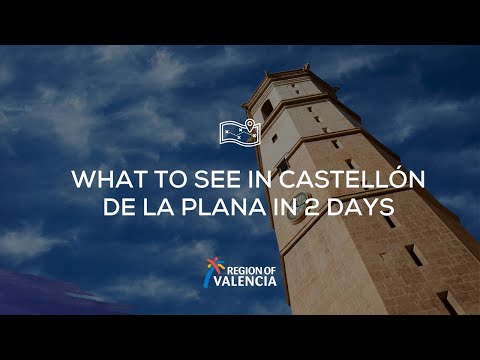
What to see in Castellón de la Plana in 2 days …
Visit Comunitat Valenciana

I Visited Castellón and It Changed My Mind
Come To Spain
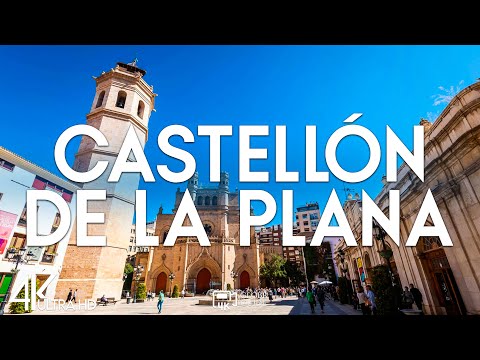
Top 10 Best Things to do in Castellon de la Plana, Spain …
Globe Guide
You are currently viewing a placeholder content from Vimeo. To access the actual content, click the button below. Please note that doing so will share data with third-party providers.
More InformationYou are currently viewing a placeholder content from YouTube. To access the actual content, click the button below. Please note that doing so will share data with third-party providers.
More InformationYou need to load content from reCAPTCHA to submit the form. Please note that doing so will share data with third-party providers.
More InformationYou are currently viewing a placeholder content from GetYourGuide. To access the actual content, click the button below. Please note that doing so will share data with third-party providers.
More Information