
Santiago de Compostela: The Complete Travel Guide (2026)
Last reviewed: October 2026 · key facts checked against Wikidata
Santiago de Compostela Travel Guide: Everything You Need to Know (2026)
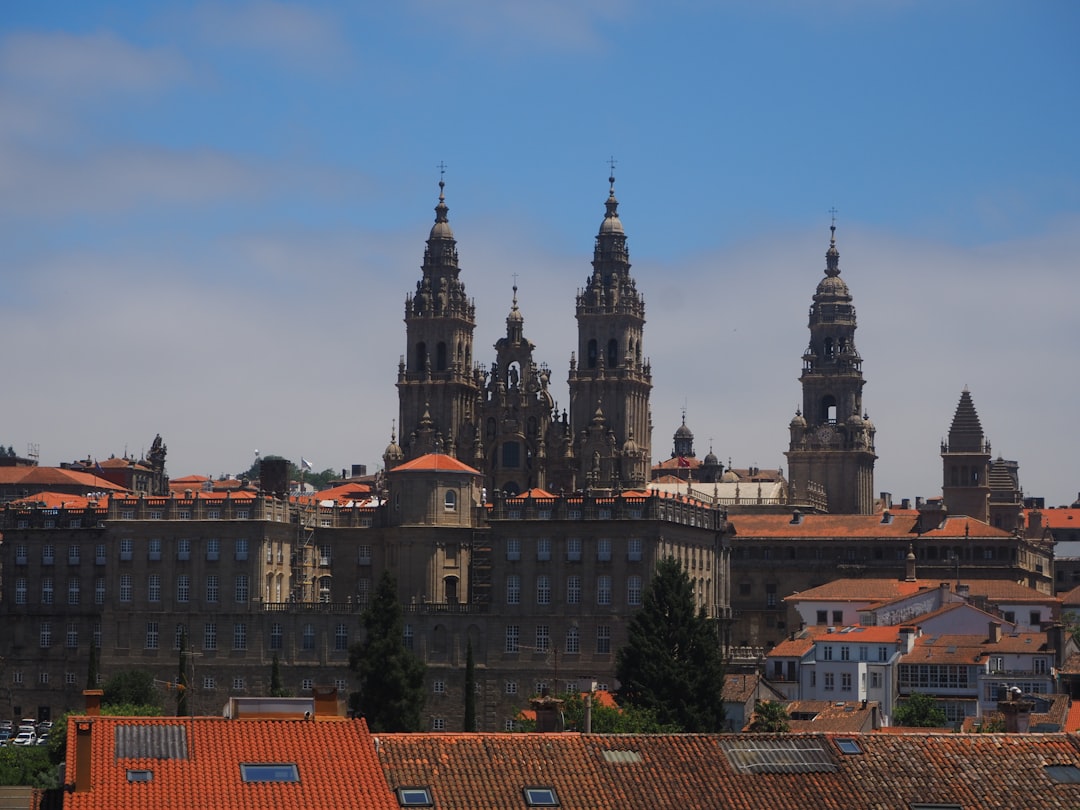
Santiago de Compostela, capital of Galicia with a population of 100,965, sits at 260m above sea level in the rainy northwest corner of Spain and has drawn pilgrims to its cathedral since the 9th century. The UNESCO-listed old town is the finishing line for the Camino de Santiago, one of the world’s most walked pilgrimage routes, with hundreds of thousands of pilgrims arriving every year. Beyond the religious pull, this compact city rewards curious travellers with world-class Galician cuisine, granite baroque architecture, and a lively university atmosphere.
Top 3 Highlights at a Glance
- Cathedral of Santiago de Compostela — The 1,000-year-old baroque façade and the Pórtico de la Gloria inside are among Spain’s finest medieval treasures.
- Mercado de Abastos — The largest market in Galicia sells octopus, percebes, and Albariño wine from stalls open since 7am.
- Pilgrim Mass at Noon — The daily 12pm mass in the cathedral occasionally features the massive Botafumeiro incense burner swinging 65 metres overhead.
Scroll down for our complete travel guide with tips on getting there, where to stay, costs and more.
Arrival & Airport
How do I get to Santiago de Compostela?
Fly directly into Santiago de Compostela Airport (SCQ), 12km northeast of the city centre. In my experience, this is the easiest entry point — Vueling, Iberia, and Ryanair operate routes from Madrid, Barcelona, London, and several other European cities. Alternatively, Spain’s high-speed AVE train connects Madrid to Santiago in 5.5 hours from €30–90 booked in advance via Renfe. From Porto in Portugal, a regional train takes roughly 2.5 hours and costs around €20 — a popular option for pilgrims. The honest caveat: SCQ has limited long-haul connections, so intercontinental travellers must transit through Madrid Barajas (MAD) or Lisbon (LIS).
Which airport is closest to Santiago de Compostela?
Santiago de Compostela Airport (SCQ) is the closest, just 12km from the old town. In my experience, it is a small, manageable airport — you clear baggage in under 20 minutes. Empresa de Transportes Pazos operates the dedicated airport bus into the city centre for €3, taking about 30 minutes. A taxi costs €20–25 fixed rate. What surprised me: A Coruña Airport (LCG), roughly 70km away, is sometimes cheaper for budget routes, but the transfer adds 1 hour and extra cost — rarely worth it unless the fare difference exceeds €50.
How long does the journey to Santiago de Compostela take from major hubs?
My tip: plan your arrival hub carefully. From Madrid, the AVE train takes 5.5 hours and is the most comfortable option. Flying Madrid–SCQ takes 1 hour 20 minutes in the air but adds 3–4 hours of airport faff — the train wins for city-centre-to-city-centre speed. From Barcelona, flying is faster at 1 hour 40 minutes. From Porto, the regional train runs 2.5 hours for around €20. The caveat most guides omit: SCQ airport sometimes closes due to low cloud and fog — Galicia’s notorious orballo mist — causing diversions to Porto or A Coruña, so build buffer time into connections.
Do I need a car in Santiago de Compostela?
No — skip the rental car entirely for a city-focused visit. The old town is pedestrian-only and everything worth seeing is within 1.5km on foot. I recommend arriving by train or bus and walking everywhere. Driving into the historic centre is restricted, parking is scarce and expensive at €2–3 per hour in the Zona Azul. The honest warning: if you plan day trips to the Rías Baixas coast or Cabo Fisterra, a rental car becomes useful — expect €35–55 per day from companies at SCQ airport. For those side trips only, hire locally for 1–2 days rather than keeping a car throughout.
City Transport
What are the best areas to stay in Santiago de Compostela?
I recommend staying inside or immediately adjacent to the Casco Histórico (old town). Being within walking distance of the Cathedral means you experience the city at golden hour and after the day-trip crowds leave — the atmosphere after 9pm is magical. Rúa do Franco and Rúa da Raíña are the most central streets, lined with restaurants and guesthouses. For a quieter stay, the Ensanche neighbourhood — just south of the old walls — offers modern apartments at 10–15% lower prices than old-town equivalents. Avoid booking near the bus station on Praza de Camilo Díaz Baliño unless you want traffic noise.
What does accommodation cost in Santiago de Compostela?
Budget clearly by category. A pilgrim hostel (albergue) bed costs €12–18 per night but requires a Credencial del Peregrino. A solid 2-star guesthouse in the old town runs €55–80 per night for a double. A 3-star hotel like Hotel Virxe da Cerca or NH Santiago de Compostela costs €90–130. The city’s top property, Parador de Santiago de Compostela (Hostal dos Reis Católicos) — a 500-year-old former royal hospital on the cathedral square — runs €200–350 per night. My tip: mid-range guesthouses on Rúa das Hortas offer excellent value at €60–75 without the premium address markup.
How far in advance should I book accommodation in Santiago de Compostela during high season?
Book 3–4 months ahead for July and August visits — this is non-negotiable. What surprised me: the city fills not just with tourists but with pilgrims completing the Camino, creating demand spikes that are impossible to predict week by week. The Holy Compostelan Year (Año Santo Compostelano) occurs when July 25th falls on a Sunday — next in 2027 — which makes 2026 slightly less extreme but still busy. For the Feast of Saint James on July 25, book 6 months ahead minimum. Shoulder months like May, June, and September still warrant 4–6 weeks’ notice. Last-minute arrivals in August routinely find nothing under €120.
Are there special accommodation types worth considering in Santiago de Compostela?
Yes — casas rurales (rural guesthouses) within 10–15km of the city offer stone-built Galician farmhouse stays for €50–80 per night, a genuinely different experience from city hotels. In my experience, staying one night at the Parador de Santiago is worth the splurge even if you budget elsewhere — the cloister breakfast alone is memorable. For pilgrims, the Seminario Mayor de Santiago offers institutional but atmospheric rooms at €30–45 per person. The honest caveat: many old-town buildings lack elevators and air conditioning — Galicia rarely needs AC, but confirm lift access if carrying heavy luggage up medieval stairwells matters to you.
Accommodation & Neighbourhoods
What are the must-see sights in Santiago de Compostela?
Three are non-negotiable. First, the Cathedral of Santiago de Compostela — climb to the roof for €12 for the best skyline view in Galicia. Second, the Museo das Peregrinacións e de Santiago on Praza das Praterías (€2.40 entry, free on Sundays) tells the full pilgrimage story with excellent English signage. Third, the Mercado de Abastos — arrive before 9am on a Saturday when Galician farmers bring produce directly from the rias. My tip: the Porta Santa (Holy Door) on the cathedral’s east facade is only open during Holy Years, but the Praza das Praterías fountain in front of it is the quietest of the cathedral’s four squares.
What can I experience for free in Santiago de Compostela?
Plenty — this city doesn’t punish budget travellers. The Pilgrim Mass at noon in the cathedral is free and occasionally features the famous Botafumeiro (the giant incense burner). Walking the old town streets — Rúa do Vilar, Rúa Nova, and the five cathedral squares — costs nothing and takes 2 hours done properly. The Alameda Park above the city offers the classic two-towers cathedral view that appears on every postcard. Museo do Pobo Galego in the Santo Domingo convent charges just €3, but the 17th-century triple spiral staircase inside is worth the entry. On Sundays, the regional government museum (CGAC contemporary art centre) is free.
Which day trips from Santiago de Compostela are worth it?
Three stand out. Cabo Fisterra — 90km west, the traditional ‘end of the world’ for pilgrims — is a 2-hour drive or 2-hour bus from the bus station; the sunset from the lighthouse is exceptional. Cambados, the capital of Albariño wine country in the Rías Baixas, sits 55km south and pairs beautifully with a seafood lunch. A Coruña, 70km north, offers the world’s oldest functioning lighthouse (Torre de Hércules, UNESCO-listed) and a fantastic beach promenade. My caveat: without a rental car, Cabo Fisterra bus schedules are infrequent — 2 departures daily from the bus station — so plan timing carefully.
What local specialities should I try in Santiago de Compostela?
Galician cuisine is the honest reason to visit beyond the cathedral. Pulpo á feira (octopus with paprika and olive oil on wooden plates) is the regional signature dish — try it at Casa Ezequiel or any stall inside Mercado de Abastos for €12–16 per ración. Percebes (goose barnacles) are expensive at €40–60 per kg but extraordinary. The local cheese Tetilla and Tarta de Santiago (almond cake with a powdered sugar St James cross) are essential. Drink Albariño white wine from the Rías Baixas — a glass costs €2.50–4 in local bars. I recommend avoiding restaurants directly on Rúa do Franco — they charge 20–30% more for the same dishes.
Highlights & Must-Sees
What makes Santiago de Compostela unique compared to other Spanish cities?
In my experience, no other city in Spain combines living religious pilgrimage culture with genuinely great food and a real university town atmosphere in such a compact space. The city has 15,000+ university students — making it feel alive year-round, not a museum piece. The granite architecture turns luminous silver in rain, which other cities would call a drawback but here becomes part of the identity. What surprised me: arriving pilgrims weeping at the cathedral steps is something you witness daily, not as a staged event — it’s emotionally striking even for secular visitors. The city also has zero beach — unlike every other major Galician hub — forcing it to earn its visitors purely on culture and food.
How many days are worthwhile in Santiago de Compostela?
2 full days cover the city thoroughly; 3 days allow one solid day trip. Day 1: old town, cathedral interior and roof, Mercado de Abastos, Alameda Park. Day 2: Museo das Peregrinacións, Colegiata de Santa María do Sar (Romanesque, 12th century, often overlooked), evening tapas crawl in Rúa do Franco area. Day 3: day trip to Cabo Fisterra or Rías Baixas. The honest truth: spending more than 3 days in the city itself without day trips leads to repetition — the old town is beautiful but under 1km². If you’re walking the Camino, add 1 recovery day before onward travel.
When is the best time to visit Santiago de Compostela?
July and August are the best months based on climate data, offering the most reliable dry weather. That said, Galicia is the wettest corner of Spain — even July sees occasional rain and moody granite-grey skies that are, honestly, atmospheric. May and June are my personal preference: fewer crowds, green landscape, temperatures around 18–22°C, and accommodation 20–30% cheaper than peak. September remains excellent with harvest festivals and calmer streets. Avoid November through February if you dislike persistent drizzle — the city averages over 150 rainy days per year. The Feast of Saint James (July 25) brings the biggest festival but also the biggest crowds.
Are there local festivals in Santiago de Compostela worth attending?
Absolutely — Día de Santiago (July 25) is the main event: a firework display over the cathedral facade the night of July 24 (Fuegos del Apóstol) is one of Spain’s best pyrotechnic shows, free to watch from Praza do Obradoiro. Book accommodation 6 months ahead for this date. The Ascensión festival in May fills the old town with Galician folk music and street theatre for 3 days. In August, the Noite de Santiago neighbourhood festivals run across different barrios each weekend. My tip: the university graduation ceremonies in June are colourful and completely public — graduates in traditional Traje de las Luces robes parade through the old town.
Food & Drink
How does the weather affect activities in Santiago de Compostela?
Rain is the defining weather reality — plan around it, not against it. The old town’s granite colonnaded arcades (soportales) along Rúa do Vilar and Rúa Nova were specifically designed for walking in rain without getting wet — use them. Museums, the cathedral interior, and the Mercado de Abastos are excellent rain-day options. Outdoor highlights like Alameda Park and the cathedral roof tour (€12) are best saved for clear mornings. What surprised me: afternoon fog (orballo) burns off most July and August mornings by 10am, leaving clear sunny afternoons — so schedule outdoor activities for 11am–6pm rather than early morning. Day trips to the coast can be sunny while the city is overcast.
How crowded does Santiago de Compostela get in peak season?
July and August are significantly crowded, particularly around the cathedral. The Praza do Obradoiro fills with arriving pilgrims and tour groups by 10am daily, making photography difficult. The cathedral interior queues for the Apostle statue embrace ritual can reach 45–60 minutes mid-afternoon. My strategy: visit the cathedral at 8am when it opens — the atmosphere is reverent and the space is largely empty. The Mercado de Abastos crowds peak between 10am–1pm on Saturdays. The honest warning: July 24–26 around the feast day is extremely crowded — hotels charge peak-of-peak rates and the old town is shoulder-to-shoulder. Arriving a week before or after is noticeably calmer.
How safe is Santiago de Compostela?
Santiago de Compostela is one of the safest cities in Spain — I have never felt unsafe here at any hour. Violent crime is extremely rare. The main risk is petty theft around the cathedral and Praza do Obradoiro where distracted pilgrims and tourists are targeted by pickpockets — keep bags zipped and phones pocketed in those squares. The old town at night remains lively and safe thanks to the university student population keeping streets active until 2–3am. The Ensanche neighbourhood south of the old walls is equally safe. The honest caveat: pilgrim hostels (albergues) occasionally see minor theft of unattended gear — use the provided lockers.
Is English widely spoken in Santiago de Compostela?
Better than most mid-sized Spanish cities, but don’t rely on it universally. Staff at hotels, major restaurants, and the cathedral visitor centre speak functional to fluent English. The Pilgrim Office on Rúa das Carretas operates entirely in English, Spanish, and Portuguese. However, local bars, neighbourhood cafés, and the Mercado de Abastos operate predominantly in Galician and Spanish — menus are rarely translated. My tip: download Google Translate with offline Spanish and Galician packs before arriving — Galician (galego) is a distinct language from Spanish and signage uses both. Even basic Spanish phrases earn genuine warmth from locals who appreciate the effort. The university population means younger residents typically have solid English.
Practical Tips
What is the daily budget for visiting Santiago de Compostela?
Plan by travel style. Budget traveller: €55–70 per day — albergue bed (€15), Mercado de Abastos lunch (€10), supermarket dinner, free cathedral mass. Mid-range: €120–160 per day — 3-star guesthouse (€80), sit-down Galician lunch with Albariño (€22), evening dinner with wine (€30). Comfortable: €200–280 per day including the Parador hotel tier and meals at restaurants like Casa Marcelo or Restaurante Altamar. The honest reality: food and drink are noticeably cheaper than Madrid or Barcelona — a glass of house Albariño costs €2–3 and a pilgrim menu (3 courses with wine) runs €12–14 at dozens of restaurants.
What public transport options exist within Santiago de Compostela?
The old town is walkable in its entirety — public transport is irrelevant for sightseeing. Tubus city buses connect the old town to the Ensanche, university campus, and SCQ airport — a single ticket costs €1.10 and a 10-trip card costs €8.25. The airport bus (line C) runs every 30 minutes from Praza de Galicia for €3. For day trips, the central bus station on Praza de Camilo Díaz Baliño serves Cabo Fisterra (€8 one way), Vigo (€6.50), and A Coruña (€6). Renfe trains to Vigo take 35 minutes for around €7. My tip: the bus station is a 20-minute walk from the cathedral — allow time or take a city bus.
Which apps do you recommend for visiting Santiago de Compostela?
Five apps earn their place on my phone. Renfe (Spanish rail app) — essential for booking AVE trains and checking regional connections; buy tickets 14–60 days ahead for cheapest fares. Moves-it — the official Galicia transport app covering regional buses, including airport connections. Wikiloc — for downloading Camino route maps offline, useful even for non-pilgrims exploring surrounding trails. TheFork (ElTenedor) — reservations at Santiago restaurants; use it to book Casa Marcelo or Restaurante Parranda 3–4 days ahead in summer. Google Maps — offline download of the old town is 45MB and works without data. The honest tip: the official Catedral de Santiago app (free) provides cathedral audio guide content that saves €4 versus renting a device on-site.
More Destinations in Europe
Explore our complete travel guides for more Europe destinations: Clermont-Ferrand Travel Guide (2026), Bilbao Travel Guide (2026), Côte dAzur Travel Guide (2026), Girona Travel Guide (2026), Île de Boëd Travel Guide (2026).
Santiago de Compostela at a Glance
| Population | 100,965 |
|---|---|
| Currency | EUR (€) |
| Official language | Spanish |
| Time zone | UTC+01:00 |
Source: Wikidata, retrieved October 2026.
Useful Resources for Planning Your Trip to Santiago de Compostela
- Wikipedia: Santiago de Compostela — history, geography and background
- Lonely Planet: Santiago de Compostela — itineraries and travel inspiration
- TripAdvisor: Santiago de Compostela — hotels, restaurants and traveller reviews
🎥 Santiago de Compostela Travel Videos

12 Best Things to Do in Santiago de Compostela After Your …
Days We Spend

▶️ SANTIAGO DE COMPOSTELA Travel Guide # 125
ROAD TRIP Spain and Portugal

TOP 10 Things to do in Santiago de Compostela, Spain 2024!
The Travel Boss
You are currently viewing a placeholder content from Vimeo. To access the actual content, click the button below. Please note that doing so will share data with third-party providers.
More InformationYou are currently viewing a placeholder content from YouTube. To access the actual content, click the button below. Please note that doing so will share data with third-party providers.
More InformationYou need to load content from reCAPTCHA to submit the form. Please note that doing so will share data with third-party providers.
More InformationYou are currently viewing a placeholder content from GetYourGuide. To access the actual content, click the button below. Please note that doing so will share data with third-party providers.
More Information