
Alcalá de Henares: The Complete Travel Guide (2026)
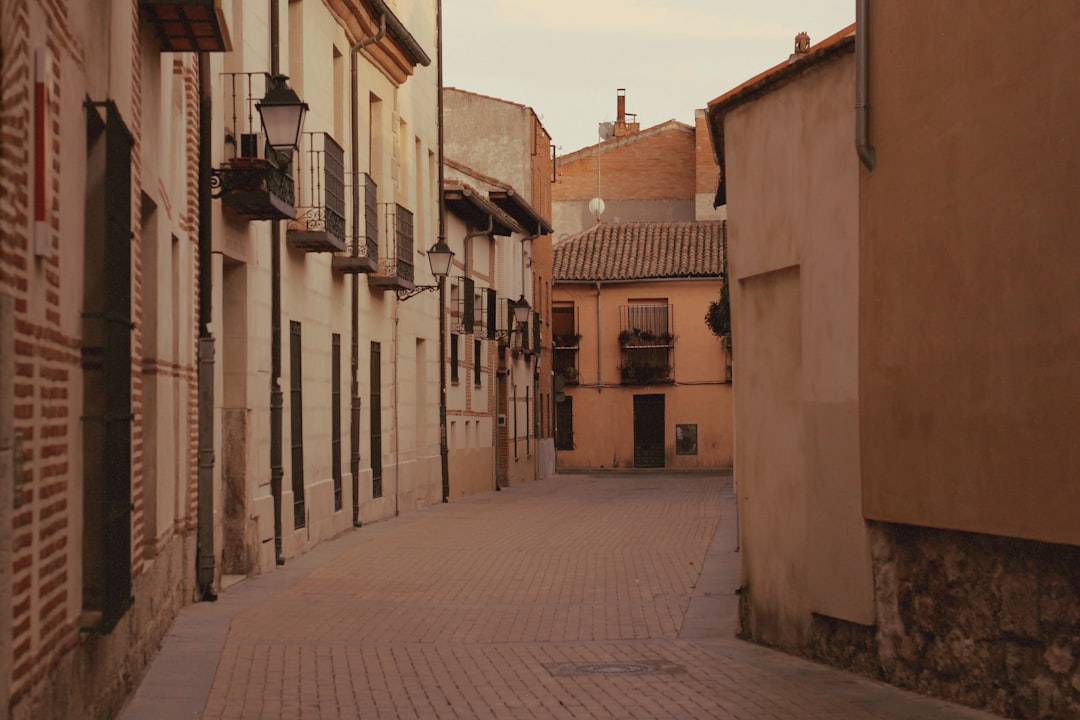
Alcalá de Henares Travel Guide: Everything You Need to Know (2026)
Alcalá de Henares sits 35 km northeast of Madrid at 588 metres above sea level, and with a population of 204,823 it punches well above its weight culturally — this is the birthplace of Miguel de Cervantes and home to one of Europe’s oldest universities, founded in 1499. The UNESCO World Heritage-listed old town is compact enough to cover on foot in a day yet rich enough to justify an overnight stay. What most visitors don’t realise is that the entire historic core was essentially a blueprint for colonial cities across Latin America.
Top 3 Highlights at a Glance
- Universidad de Alcalá — Paraninfo Hall — The 1499 university’s ceremonial hall hosts Spain’s most prestigious literary prize, the Premio Cervantes, every April 23rd.
- Casa Natal de Cervantes — The reconstructed birthplace of Don Quixote’s author preserves authentic 16th-century domestic interiors across two floors.
- Calle Mayor Arcaded Street — This 800-metre porticoed street is the longest arcaded street in Spain, lined with tapas bars and historic facades.
Scroll down for our complete travel guide with tips on getting there, where to stay, costs and more.
Arrival & Airport
How do I get to Alcalá de Henares?
Take the Cercanías C-2 or C-7 commuter train directly from Madrid Atocha — the easiest option by far. Trains run every 10–15 minutes and the journey takes 45–55 minutes depending on stops. A single ticket costs €3.40 from Zone A or use the Multi-card (T-10) for savings if you make multiple trips. In my experience, the train drops you 5 minutes on foot from the historic centre, making a car completely unnecessary. Caveat: avoid the C-2 during Madrid rush hour (08:00–09:30) on weekdays — trains get very crowded and there’s no seat guarantee.
Which airport is closest to Alcalá de Henares?
Madrid-Barajas Adolfo Suárez Airport (MAD) is the only practical option, just 30 km west of Alcalá de Henares. What surprised me is how direct the connection is: take the Cercanías C-1 line from Terminal 4 (T4) to Alcalá de Henares station in roughly 50 minutes for just €2.60 — no transfer needed. My tip: if your flight lands at T1, T2 or T3, take the free inter-terminal bus to T4 first, which adds 15 minutes. Taxis from MAD cost around €40–50 and are only worth it if you’re carrying heavy luggage after a late-night arrival.
How long does the journey from Madrid to Alcalá de Henares take?
From Madrid Atocha the Cercanías train takes 45 minutes on a direct C-2 service — that is the definitive answer. From Puerta del Sol in central Madrid, add roughly 10 minutes to reach Atocha, so budget 55 minutes total door-to-station. Driving via the A-2 motorway takes theoretically 30 minutes but is frequently snarled in traffic, especially mornings. My recommendation: always take the train. The one caveat is that on Sunday evenings return trains fill up with Madrid commuters heading home, so grab a seat early or take the C-7 alternative via Chamartín station.
Do I need a car to explore Alcalá de Henares?
No — a car is an active hindrance in Alcalá de Henares. The entire UNESCO-listed historic centre is pedestrianised or heavily traffic-restricted, and the Cercanías train handles the Madrid connection perfectly. I walked the full historic circuit — university, Cervantes house, Calle Mayor, Magistral Cathedral — in under 3 hours without needing any transport. The one situation where a car helps: visiting the Complutense Archaeological Park or the Roman ruins at Complutum, both about 2 km from the centre. Even then, a €10 taxi solves it. Parking in the old town is scarce, expensive at around €2/hour, and frankly pointless.
City Transport
What are the best areas to stay in Alcalá de Henares?
Stay within the casco histórico (historic centre) — specifically the triangle between Plaza de Cervantes, the university Paraninfo, and the Magistral Cathedral. This area puts every major sight within a 10-minute walk. My top pick is the stretch along Calle de los Libreros, which has charming boutique options. For budget travellers, staying near the train station on Calle Libreros is still walkable (8 minutes) and noticeably cheaper. Avoid booking anywhere south of the Río Henares — that is a modern residential suburb with zero atmosphere and requires a bus or taxi to reach the sights.
What does accommodation cost per night in Alcalá de Henares?
A solid 3-star hotel in the historic centre runs €70–100 per night for a double room. Boutique hotels near the Paraninfo charge €110–140, particularly around Premio Cervantes week in April. Budget hostels and pensions near the train station start at €40–55. What most guides omit: Alcalá de Henares is dramatically cheaper than Madrid for comparable quality — the same €100 room would cost €160+ in Madrid’s Lavapiés or Malasaña neighbourhoods. In my experience, the Hotel Laredo on Calle Mayor offers the best location-to-price ratio at around €85 midweek.
How far in advance should I book accommodation in Alcalá de Henares during high season?
Book at least 6–8 weeks ahead for July and August, which are the statistically best travel months. The real crunch, however, is April 23rd (Cervantes Day / Premio Cervantes ceremony) — hotels fill 3–4 months in advance and prices jump 40–60%. I was caught off-guard by this once and ended up commuting from Madrid. The secondary pressure point is the Alcalá en Corto short film festival in October, which fills the boutique inventory quickly. Outside these windows, Alcalá de Henares is not a crush-capacity destination and 2 weeks’ notice is usually sufficient for mid-range options.
Are there special or unusual accommodation types in Alcalá de Henares?
The most distinctive option is staying in a parador-style converted historic building — the Hospedería Estudiantes, a restored 16th-century student residence on Calle de los Colegios, offers rooms inside the original university precinct, which is genuinely extraordinary. It runs €95–130 per night. A less-publicised option: several apartment rentals inside old palaces on Calle Mayor appear on Airbnb — look for listings in buildings with courtyard access, which give you the architecture without the hotel markup. Caveat: these apartments often have no lift and thick stone walls mean variable WiFi, so confirm connectivity before booking if you work remotely.
Accommodation & Neighbourhoods
What are the must-see sights in Alcalá de Henares?
Three sights are non-negotiable. First, the Paraninfo of the Universidad de Alcalá — the ceremonial hall where Cervantes Prize winners receive their award, with a stunning Plateresque facade dating to 1553; entry is €5. Second, the Casa Natal de Cervantes on Calle Mayor de la Imagen — free on Sundays, €2 other days. Third, walk the full length of Calle Mayor under its 800-metre arcade, especially at golden hour. Bonus: the Magistral Cathedral is one of only 2 collegiate churches in the world where all canons must hold a university doctorate — that uniqueness alone makes the €4 entry worthwhile.
What can I experience for free in Alcalá de Henares?
Alcalá de Henares is generous with free content. The exterior architecture of the Universidad Complutense campus, the arcaded Calle Mayor, and the Plaza de Cervantes with its famous statue cost nothing. The Casa Natal de Cervantes is free every Sunday. The Huerta del Obispo gardens behind the Archbishop’s Palace are free and largely undiscovered by tourists — I had them entirely to myself on a Tuesday morning. Street theatre and organ concerts at the Magistral Cathedral happen free most weekends. My tip: the university courtyard (Patio Trilingüe) is open without charge most mornings and is arguably the most photogenic space in the city.
Which day trips from Alcalá de Henares are worth doing?
Madrid is the obvious answer at 45 minutes by Cercanías — treat the whole city as a day-trip annex. More interesting: Guadalajara city is only 35 minutes east by train (€5.25) and has the extraordinary Palacio del Infantado, a 15th-century Gothic-Mudéjar palace that tourists almost entirely skip. Sigüenza, a medieval cathedral town, is 1 hour 20 minutes by regional train and utterly worth a full day. In my experience, Chinchón to the southeast (reachable by bus Line 337 from Alcalá, 75 minutes, €3.20) combines a spectacular arcaded plaza with excellent local wine — a far better half-day than another Madrid museum.
What are the local specialities in Alcalá de Henares?
The undisputed local icon is almendra garrapiñada — caramelised sugared almonds sold from street carts on Calle Mayor since the 17th century, costing around €3 for a paper cone. For food, order chuletillas al ajillo (lamb chops in garlic) at any traditional bar — the lamb comes from the Guadalajara plateau and is notably better than Madrid versions. The rosquillas de Alcalá are ring-shaped pastries flavoured with aniseed, found in every local bakery for €1–1.50 each. My tip: eat at Mesón El Estudiante on Calle de los Colegios for an authentic set lunch menu (menú del día) at €14–16 including wine.
Highlights & Must-Sees
What makes Alcalá de Henares unique compared to other Spanish cities?
Alcalá de Henares is the only city in the world purpose-built around a university that became the model for 23 colonial university cities across Latin America — UNESCO recognised this in 1998 as Outstanding Universal Value. It is the birthplace of Miguel de Cervantes (born 1547) and also of Catherine of Aragon (born 1485), making its claim to global literary and royal history exceptional. What surprised me most: the historic university district is almost entirely intact, unlike Salamanca or Granada where tourism has diluted authenticity. On a weekday morning, you genuinely walk those cloisters feeling like a student from 1520.
How many days should I spend in Alcalá de Henares?
1 full day covers everything essential; 2 days allows a relaxed pace with day trips. In my experience, most visitors treat it as a half-day from Madrid and leave disappointed because they rush — commit to arriving by 10:00 and leaving after dinner and you’ll cover the Paraninfo, Cervantes house, Calle Mayor, and cathedral with time for lunch. Stay overnight and your second day opens up the Complutum Roman ruins (2 km out, free entry), the Palacio Arzobispal gardens, and a slow evening on Plaza de Cervantes. There is no reason to stay a third night unless you’re using it as a base for regional day trips toward Guadalajara or Sigüenza.
When is the best time to visit Alcalá de Henares?
July and August are statistically the best months based on climate data, with reliable sunshine and low rainfall. However, my personal recommendation is late September to mid-October — temperatures drop to a comfortable 18–22°C, the university reopens after summer, and the city regains its authentic student energy. April 23rd (Cervantes Day) is the single most atmospheric date in the calendar: street markets, costumed characters from Don Quixote, and the Premio Cervantes ceremony at the Paraninfo. Avoid August weekends if you dislike crowds — Madrid residents flood in specifically then. January and February are quiet, cool at around 6–8°C, but every sight stays open and hotel prices drop 30–40%.
Are there local festivals in Alcalá de Henares worth attending?
Semana Cervantina (Cervantes Week, April 19–23) is the headline event — the old town fills with Golden Age theatre, period markets, and authors from across the Spanish-speaking world gathering for the Premio Cervantes handover on April 23rd. Entry to street events is free; the Paraninfo ceremony requires an invitation but the outdoor atmosphere outside is electric. The Alcalá en Corto Film Festival runs each October over 5 days with free screenings in the Cervantes Theatre. What most guides omit: the Noche de los Libros (Night of Books) on April 22nd turns every bookshop in the city into a late-night event space until midnight — one of the most genuinely local experiences I’ve had in Spain.
Food & Drink
How does the weather in Alcalá de Henares affect what activities you can do?
Alcalá de Henares sits at 588 metres on the Castilian meseta, giving it a continental climate with real seasonal extremes. Summers hit 35–38°C in July–August, making midday sightseeing genuinely uncomfortable — shift all outdoor activity to before 12:00 or after 18:00. Winters drop to -2°C to 4°C at night, and the open arcades of Calle Mayor channel cold wind, so bring a proper coat November through February. Spring and autumn are ideal for the Complutum Roman site, which has no shade. Rain is rare — the driest months align with peak summer — but a thunderstorm can appear suddenly in September, so keep a light layer in your bag.
How crowded does Alcalá de Henares get in peak season?
Peak crowding hits during April 23rd Cervantes Week and summer weekends in July–August. On a normal August Saturday, Calle Mayor and Plaza de Cervantes fill with day-trippers from Madrid, but it never reaches the overwhelming density of Toledo or Segovia — there are simply fewer tour buses. In my experience, by 14:00 on any weekend the crowds thin dramatically as visitors head to lunch and don’t return. The Casa Natal de Cervantes has the longest queues — 20–35 minutes on Cervantes Day, 5 minutes max any other time. Genuinely quiet periods: any weekday morning October through March, when you’ll encounter more local university students than tourists by a ratio of roughly 10 to 1.
How safe is Alcalá de Henares for tourists?
Alcalá de Henares is safe for tourists by any European standard. The historic centre around the university and Calle Mayor has a consistent police and security presence. In my experience over multiple visits, the only realistic risk is pickpocketing near the train station and on the Cercanías platform during busy Madrid commute hours — keep bags in front. The district of El Val and parts south of the train station are residential working-class areas where I’d avoid walking alone after 24:00, not because of serious danger but because of occasional low-level nuisance. The tourist zone itself — everything within 800 metres of Plaza de Cervantes — is active, well-lit, and hassle-free at all hours.
Is English widely spoken in Alcalá de Henares?
English is functional but limited outside the main tourist circuit. Staff at the Casa Natal de Cervantes, the Paraninfo tour desk, and larger hotels speak workable English. At traditional bars and bakeries on side streets, expect Spanish only — this is not a city built for international mass tourism. My tip: download Google Translate with the Spanish offline pack and use the camera function for menus. The university presence means younger locals (students aged 18–25) often speak decent English, so asking a student for directions works better than asking a shopkeeper. What surprised me: the tourist office on Plaza de Cervantes has English-speaking staff every day, 10:00–14:00 and 16:00–18:00.
Practical Tips
What is the daily budget for visiting Alcalá de Henares?
A realistic daily budget on a mid-range trip runs €70–100 per person, covering accommodation, meals, and entry fees. Breakdown: accommodation €40–55 (budget) or €85–110 (mid-range); a menú del día lunch €14–16; coffee and pastry breakfast €3–4; evening tapas and wine €18–25; entry to Paraninfo + Cervantes house €7. Budget travellers staying in a pension, eating set lunches, and skipping dinner can manage €50–60/day. What most guides omit: Alcalá is 20–35% cheaper than Madrid for identical food quality. I spent €83 on a comfortable full day including a mid-range hotel, all sights, and a three-course dinner with wine.
How does public transport work in and around Alcalá de Henares?
The Cercanías commuter train is the backbone — lines C-2 and C-7 connect Alcalá to Madrid in 45–55 minutes with trains every 10–15 minutes throughout the day. Within the city, urban buses (lines 1–9) cover residential areas, but the historic centre is entirely walkable and I never needed a bus once inside the UNESCO zone. The Interurbano bus network connects to nearby towns including Torrejón de Ardoz and Guadalajara. A Cercanías single ticket costs €3.40 from central Madrid (Zone B2); the Abono Transporte 10-trip card reduces per-journey cost to around €1.50. Taxis within the city centre cost €5–8 for any standard trip.
Which apps do you recommend for visiting Alcalá de Henares?
Cercanías RENFE (official app) is non-negotiable — check real-time departures from Alcalá de Henares station and buy tickets without a queue; train disruptions appear here 10–15 minutes before the platform boards. Google Maps works accurately in the historic centre and covers the pedestrian zones. TripAdvisor is less useful here than in Madrid — instead use El Tenedor (TheFork) for restaurant booking, which shows real-time availability at places like Mesón El Estudiante. For the university history, download the Guía de Alcalá audio guide app (free, available in English) — it provides 22 narrated stops around the UNESCO zone that the paper leaflets don’t match. Revolut or Wise for payments avoids currency conversion fees.
More Destinations in Europe
Explore our complete travel guides for more Europe destinations: Poitiers Travel Guide (2026), Marseille Travel Guide (2026), Cuenca Travel Guide (2026), Île Berder Travel Guide (2026), Badajoz Travel Guide (2026).
Useful Resources for Planning Your Trip to Alcalá de Henares
- Wikipedia: Alcalá de Henares — history, geography and background
- Lonely Planet: Alcalá de Henares — itineraries and travel inspiration
- TripAdvisor: Alcalá de Henares — hotels, restaurants and traveller reviews
🎥 Alcalá de Henares Travel Videos

Alcalá de Henares | What to visit in Spain in 2025? | 4k 50p
Come To Spain

THIS Medieval Spanish Town is a Must Visit!
Spain Revealed

Alcalá de Henares, What to visit in autumn in Spain? | Top …
Come To Spain
You are currently viewing a placeholder content from Vimeo. To access the actual content, click the button below. Please note that doing so will share data with third-party providers.
More InformationYou are currently viewing a placeholder content from YouTube. To access the actual content, click the button below. Please note that doing so will share data with third-party providers.
More InformationYou need to load content from reCAPTCHA to submit the form. Please note that doing so will share data with third-party providers.
More InformationYou are currently viewing a placeholder content from GetYourGuide. To access the actual content, click the button below. Please note that doing so will share data with third-party providers.
More Information