
Fès: The Complete Travel Guide (2026)
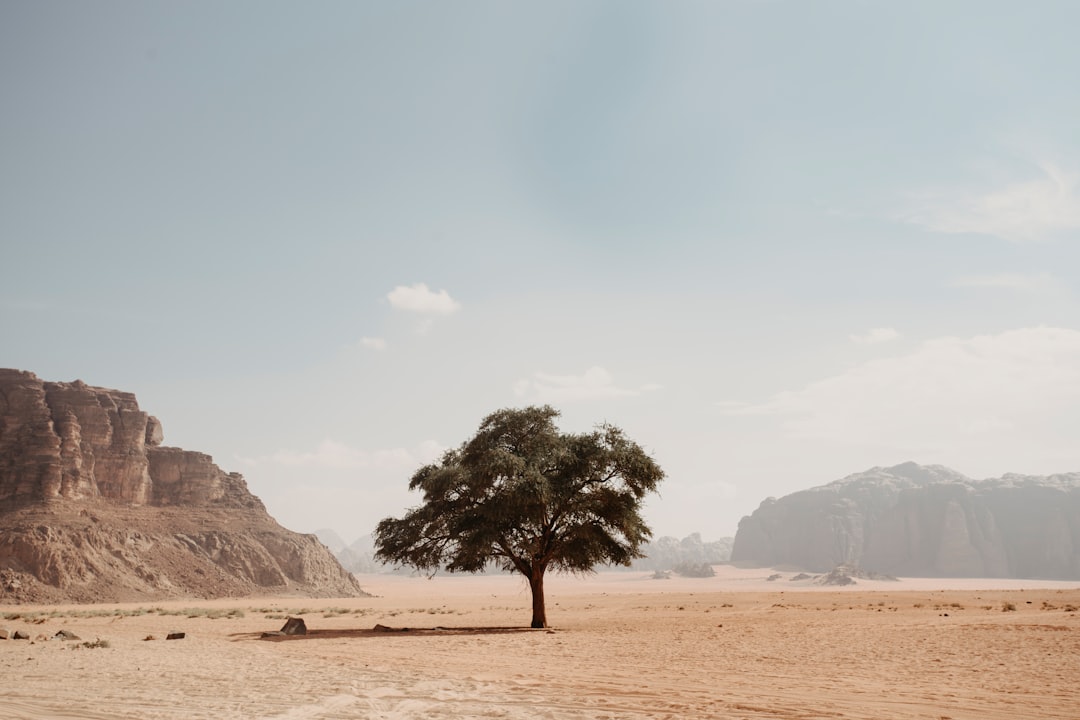
Fès Travel Guide: Everything You Need to Know (2026)
Fès sits at 408 metres above sea level in northern Morocco, home to 1,167,842 residents and arguably the world’s most intact medieval Islamic city. Founded in 789 AD by Idris I, its medina — Fès el-Bali — was designated a UNESCO World Heritage Site in 1981 and contains over 9,400 narrow lanes. What surprised me most: this city operates almost entirely without motor vehicles inside the old walls, making it unlike anywhere else I have visited across 80-plus countries.
Three Things Not to Miss in Fès
- Chouara Tannery — The oldest leather tannery in the world, operating since the 11th century — the stone vats and raw dye colours are absolutely surreal.
- Al-Qarawiyyin University & Mosque — Founded in 859 AD, it is recognised as the world’s oldest continuously operating university — the courtyard view alone is worth the detour.
- Bou Inania Madrasa — The only madrasa in Fès open to non-Muslims, with 14th-century zellij tilework covering every centimetre of its interior walls.
Scroll down for our complete travel guide with tips on getting there, where to stay, costs and more.
How to Reach Fès
How do I get to Fès — what are the transport options?
Fly directly into Fès or take the train from Casablanca. **Fès-Saïss Airport (FEZ)** receives direct flights from Paris, Madrid, Brussels, and Amsterdam — Ryanair and Royal Air Maroc dominate routes. The **CTM overnight bus from Casablanca** costs around **DH 100–130** and drops you at the Fès bus station near Bab Mahrouk. In my experience, the train from **Casablanca Voyageurs** is the most comfortable overland option at roughly **DH 110** for second class, taking **3 hours 45 minutes**. My tip: avoid arriving by bus after dark — the area around the main bus terminal is disorienting and aggressive taxi touts operate there nonstop.
Which airport serves Fès and how close is it?
**Fès-Saïss Airport (FEZ)** is the only airport serving Fès, located **15 kilometres south** of the medina. A **petit taxi** to Bab Boujloud takes around **25 minutes** in normal traffic and should cost **DH 80–100** — always agree the price before getting in, because meters are routinely ignored. The **airport bus (Line 16)** costs just **DH 4** but runs infrequently and stops near the Fès Ville Nouvelle, not the medina. What surprised me: there is no Uber or Careem operating reliably from FEZ in 2025, so the petit taxi negotiation is unavoidable. My tip: have dirhams ready from the airport ATM before exiting arrivals.
How long does the journey to Fès take from Casablanca or Marrakech?
From **Casablanca**, the ONCF train takes **3 hours 45 minutes**; driving by car takes around **3 hours** on the A3 motorway. From **Marrakech**, the fastest route is train via Casablanca, totalling around **7 hours** — or a **CTM bus direct** at roughly **8 hours** for about **DH 180**. In my experience, the train is far more comfortable than the bus and worth the marginal price difference. I recommend booking ONCF tickets online at **oncf.ma** at least 2 days ahead during Eid and summer school holidays, when carriages sell out. The honest caveat: Moroccan trains run late regularly — never book a connecting flight the same day.
Do I need a rental car to explore Fès?
No — a rental car is actively counterproductive inside Fès. **Fès el-Bali medina has zero vehicle access** across its 9,400-plus lanes; you will park outside the walls and walk everywhere regardless. For day trips to **Meknes (60 km), Ifrane (65 km), or Volubilis (80 km)**, a rental car genuinely adds flexibility and costs around **DH 350–500 per day** from agencies at FEZ airport. My tip: if you plan to visit **Azrou or the cedar forests**, rent a car for exactly 1 day rather than relying on grand taxis. The honest warning: Fès traffic in Ville Nouvelle is chaotic and parking near Bab Boujloud costs **DH 5–10 per hour** with persistent unofficial attendants.
Fès Public Transport Explained
What are the best areas to stay in Fès?
Stay inside **Fès el-Bali** for the full medina experience — specifically the **Bab Boujloud or R’cif neighbourhoods** place you within walking distance of every major sight. **Ville Nouvelle** (the French-built new city) is calmer, has wider pavements, and better cafes, but you lose at least **20–30 minutes** commuting to the medina each way. In my experience, a **riad inside the medina** beats any hotel for atmosphere, even if the lanes to reach it are genuinely difficult with luggage. The trade-off: medina riads can feel claustrophobic, internet connectivity is sometimes weak inside thick stone walls, and some alley approaches involve donkeys blocking your path.
What does accommodation cost per night in Fès?
A clean **riad guesthouse inside the medina** starts at **DH 350–500 per night** for a double room with breakfast included — that is roughly **€32–46**. Mid-range riads with rooftop terraces and traditional décor run **DH 700–1,200**. Luxury riads like **Riad Fès** or **Palais Amani** charge **DH 2,500–5,000+**. Budget hostels near **Bab Boujloud** offer dorm beds from **DH 120**. In my experience, the breakfast included in most riads — msemen flatbread, olive oil, honey, and mint tea — saves you **DH 60–80** compared to eating out. The overlooked cost: most riads charge extra for air conditioning use in July–August, sometimes **DH 100 per night** more.
How far in advance should I book accommodation in Fès during high season?
Book **at least 6–8 weeks ahead** for April, May, September, and October — the four best travel months — because quality riads inside the medina have only 5–12 rooms and fill fast. During **Ramadan** and the **Fès Festival of World Sacred Music** (held each June, typically 8 days), every decent riad in the medina sells out **3–4 months** in advance. My tip: contact riads directly via email rather than only through Booking.com — owners often offer **10–15% discounts** for direct bookings to avoid platform fees. The honest caveat: cancellation policies at family-run riads are strict; non-refundable deposits of **50%** are standard.
Are there special or unique accommodation types in Fès?
Riads are the defining accommodation type of Fès — a traditional **courtyard house with an interior garden**, often 400–600 years old, converted into guesthouses. Staying in one is genuinely unlike any hotel experience I have had. **Dar Roumana** and **Riad Dar Bensouda** are outstanding mid-range examples with authentic tilework and personalised service. Some riads offer cooking classes, hammam sessions, and rooftop dinners overlooking the medina skyline — often bundled for **DH 200–350 extra**. The trade-off most guides skip: many historic riads have extremely steep internal staircases with no lift — if you have mobility limitations or heavy luggage, confirm room locations before booking.
Neighbourhoods of Fès
What are the absolute must-sees in Fès?
The **Chouara Tannery** viewed from a leather shop terrace (free entry to the terrace, purchase not required), **Al-Qarawiyyin Mosque** (exterior and library courtyard only for non-Muslims), and **Bou Inania Madrasa** (entry **DH 20**) are non-negotiable. Add the **Medersa Attarine** adjacent to the Qarawiyyin for its carved stucco detail, and the **Mellah** (Jewish quarter) for a complete picture of Fès’s layered history. In my experience, the **Bab Bou Jeloud blue gate at dusk** is the single most photogenic moment in the city. The honest caveat: every leather shop near Chouara will pressure you hard — a firm but polite “la shukran” (no thank you) works.
What can I experience for free in Fès?
Wandering **Fès el-Bali** itself costs nothing and takes days to fully explore — the souks, the smell of freshly baked bread from clay ovens, and the sound of the adhan echoing across rooftops are all free. **Bab Bou Jeloud** and the panoramic viewpoint on **Borj Nord hill** above the medina require zero entry fee. The **Mellah market on Friday mornings** is completely free to walk through. In my experience, the best free hour in Fès is sitting at a café on **Place Batha** watching craftsmen pass with handcarts — it costs only a **DH 8 mint tea**. The hidden trade-off: nothing inside the medina is truly free of human attention — budget patience alongside money.
Which day trips from Fès are most worthwhile?
**Meknes** is **60 km west** and reachable by grand taxi in **45 minutes** for around **DH 35 per seat** — its Bab Mansour gate rivals anything in Morocco. Combine it with **Volubilis**, Morocco’s best-preserved Roman ruins, only **30 km further** (entry **DH 70**). **Ifrane**, the so-called ‘Little Switzerland’ at **1,665 metres altitude**, is **65 km south** — a surreal contrast to the medina, especially beautiful in spring. My tip: hire a grand taxi for the full Meknes–Volubilis–Ifrane triangle for around **DH 500–700 for the car** (split among up to 6 passengers). The honest warning: Volubilis gets brutally hot between June and August — go before 9 AM.
What local specialities should I eat in Fès?
Fès is widely considered Morocco’s culinary capital. **Pastilla** (a flaky pigeon or chicken pie dusted with icing sugar and cinnamon) originated here and costs **DH 45–80** at a proper restaurant. **Harira soup** (tomato, lentils, chickpeas) is the essential street food at **DH 8–12 per bowl** near **Bab Rcif**. **Mechui** (slow-roasted whole lamb) from the ovens in the tannery district is spectacular. In my experience, **Restaurant Nur** in the medina serves modern Fassi cuisine at fair prices — around **DH 150–200 for a full meal**. The overlooked tip: breakfast at any street stall near **Place Batha** — msemen with argan oil for **DH 15** — beats any hotel breakfast I have paid **DH 80** for.
What to See in Fès
What makes Fès unique compared to other Moroccan cities?
Fès el-Bali is the world’s largest car-free urban area and the most complete medieval Islamic city still functioning as a living community — not a museum piece. Founded in **789 AD**, it predates Marrakech by over 200 years and contains **Al-Qarawiyyin**, the world’s oldest continuously operating university (established **859 AD**). Unlike Marrakech, which has become heavily commercialised for tourism, Fès retains genuine craft traditions: **zellige tilework, leather tanning, hand-woven carpets, and brass engraving** are still produced in the same workshops as 500 years ago. In my experience, the sensory overload of the medina — incense, tanned leather, spice dust, donkey hooves on cobblestones — is unreplicable anywhere else on earth.
How many days should I spend in Fès?
**3 full days minimum** to cover the medina properly without rushing; **4–5 days** if you add Meknes, Volubilis, and Ifrane as day trips. Day 1: Fès el-Bali north (Chouara, Bou Inania, souks). Day 2: Fès el-Bali south (Andalusian quarter, Mellah, Al-Qarawiyyin). Day 3: Fès Jdid and a cooking class or hammam. In my experience, travellers who allocate only 1–2 days leave frustrated — the medina is genuinely disorienting and rewards slow exploration. The honest caveat: **day 1 will feel overwhelming** regardless of how experienced a traveller you are — get lost on purpose and do not fight it.
When is the best time to visit Fès?
**April, June, September, and October** are the optimal months based on climate data. April brings wildflowers in the hills around the city and temperatures of around **20–24°C**. October is my personal favourite: the summer crowds thin out, temperatures are comfortable, and the light in the medina is golden. **July and August** are brutal — Fès sits inland at 408 metres with no sea breeze, and temperatures regularly hit **38–42°C** inside the medina’s enclosed lanes. My tip: if June is your only option, time it to overlap with the **Festival of World Sacred Music** — the open-air concerts in the Bou Inania courtyard are extraordinary.
Are there local festivals in Fès worth attending?
The **Fès Festival of World Sacred Music** (Festival de Fès des Musiques Sacrées du Monde) is held every **June for 8 days** and is one of the genuinely great cultural events I have attended anywhere in the world. Tickets range from **DH 150 for outdoor concerts** to **DH 600+ for the Bab Makina gala evenings**. Accommodation books out **3–4 months** ahead during the festival. The **Eid al-Adha** period transforms the medina into a completely different city — sheep are everywhere, most tourist restaurants close, and the experience is raw and authentic. My honest warning: Ramadan brings beautiful night atmosphere but nearly all restaurants inside the medina close until **iftar at sunset**, which disorients standard meal planning entirely.
Fès Food Scene
How does the weather in Fès affect what I can do?
Fès has a **continental semi-arid climate** modified by its 408-metre elevation — hotter summers and colder winters than coastal Moroccan cities. In **January and February**, temperatures drop to **5–8°C at night** and the medina can feel damp and grey — riads without heating become genuinely cold. In **July–August**, midday heat exceeds **40°C** inside enclosed lanes, making serious sightseeing impossible between noon and 4 PM. **Spring (April–May)** is perfect: warm days, cool evenings, and the hills surrounding the city are green. In my experience, the **light in October mornings** inside the medina is the most beautiful photographic condition Fès offers — soft, low, and almost amber-coloured through the souks.
How crowded does Fès get in peak season?
Peak pressure hits in **April, May, and October** when European tour groups descend simultaneously. The **Chouara Tannery** terrace viewing area gets packed by **10 AM** with 40–60 tourists at once during those months. In my experience, arriving at **8 AM on a weekday** gives you 20–30 minutes nearly alone. **July and August** bring fewer Europeans but more Moroccan diaspora families returning from France and Spain. The medina’s lanes are narrow enough that even **30 extra tourists** make a visible difference in congestion around the main sights. My tip: hire a **licensed guide for DH 300–400 for a half day** — it signals local authority and groups naturally part around you in the souks.
How safe is Fès for travellers?
Fès is **safe for tourists** — violent crime against visitors is extremely rare. The primary issue is aggressive touting, especially around **Bab Boujloud** where unofficial ‘guides’ will attach themselves to you and demand payment after showing you somewhere uninvited. My tip: book a licensed guide through your riad and ignore all unsolicited approaches in the first **200 metres** from the blue gate. Solo female travellers experience **persistent verbal attention** in the medina but physical harassment is uncommon. I recommend **not wearing headphones** inside the medina — you need full situational awareness in a maze where getting genuinely lost for **45+ minutes** is a realistic possibility for first-timers.
Is English widely spoken in Fès?
English is spoken adequately in tourist-facing settings — **riad staff, licensed guides, and restaurant waiters** in the medina generally manage well. However, Fès is more **French and Arabic-dominant** than Marrakech; shopkeepers in the souks often lead with French. In my experience, learning **10 Darija phrases** (Moroccan Arabic) transforms interactions dramatically — even a basic ‘shukran’ (thank you) or ‘la, shukran’ (no, thank you) earns visible respect. Outside the medina in residential areas and the **Ville Nouvelle’s local cafes**, English essentially disappears. My tip: download the **Google Translate Arabic offline pack** before arriving — photo translation of menus and signage in the souks is genuinely useful.
Local Know-How for Fès
What is the daily budget for travelling in Fès?
**Budget traveller: DH 400–550 per day** (hostel dorm, street food, self-guided sightseeing). **Mid-range: DH 800–1,200 per day** (riad double room with breakfast, two restaurant meals, 1–2 paid sights). **Comfortable: DH 1,500–2,500 per day** (boutique riad, licensed guide, hammam, rooftop dinner). Paid entry sights are genuinely cheap — **Bou Inania Madrasa costs DH 20**, most others are under **DH 70**. In my experience, the biggest daily cost surprises are **licensed guide fees (DH 300–400 for half a day)** and **riad dinner surcharges** — some riads charge **DH 250–350 per person** for in-house dinners that are good but not exceptional. Alcohol, if desired, is only available in a few tourist restaurants at **DH 60–90 per beer**.
How does public transport work in Fès?
Inside **Fès el-Bali**, there is no public transport — the medina is pedestrian and donkey only. **Petit taxis** (small red taxis) cover Ville Nouvelle and the medina gates; a trip across the city costs **DH 15–30** on the meter (which drivers routinely refuse to use — agree price first). City buses run between **Ville Nouvelle and Place Batha** near the medina for **DH 4 per ride**. **Grand taxis** (large beige Mercedes) operate fixed routes to surrounding towns like Meknes for **DH 30–35 per seat**. In my experience, the **petit taxi is the workhorse of daily movement** in Fès — practical, cheap when negotiated properly, and far faster than walking between the medina and Ville Nouvelle.
Which apps do you recommend for navigating and visiting Fès?
**Maps.me with offline Morocco map downloaded** is essential — Google Maps loses accuracy inside the medina’s 9,400 lanes, but Maps.me handles alley-level navigation surprisingly well. **ONCF app** for train bookings to and from Casablanca or Marrakech. **Google Translate** with Arabic offline pack for souk signs and menus. In my experience, **no app fully replaces spatial intuition inside Fès el-Bali** — I still got lost with GPS on day 1. **WhatsApp** is how every riad, guide, and local business communicates; have it installed and share your number freely. My tip: screenshot your riad’s location pin on Google Maps before entering the medina each day — finding your way back by description alone in the dark is a genuine challenge.
Fès at a Glance
| Population | 1,167,842 |
|---|---|
| Currency | Moroccan dirham (DH) |
| Official language | Arabic, Standard Moroccan Tamazight |
| Time zone | UTC+01:00 |
Source: Wikidata, retrieved September 2026.
Morocco › Fès
More Destinations in Morocco
Essential Resources for Planning Your Trip to Fès
- Fez Travel Guide | Fez Tourism — official visitor information, passes & events
- Wikipedia: Fès — history, geography & background
- Wikivoyage: Fès — community travel guide & practical tips
- Fès — Lonely Planet — expert itineraries & travel inspiration
- Fès — TripAdvisor — hotels, restaurants & traveller reviews
- Fez Travel Guide | Fez Tourism — how to get around
- Numbeo: Cost of Living in Fès — current prices & cost comparison
- Timeanddate: Fès Weather & Climate — forecasts & climate statistics
More Perspectives on Fès
Fès Travel Videos
Watch these videos for a visual preview before your trip:
- How to Experience Fes Properly | A Cinematic Travel Guide
- Fes Morocco Travel Guide 2026 — What Most Tourists Get Wrong
- VISIT FEZ IN MOROCCO: WHAT I THOUGHT (travel guide what to see and do in 2024)
Data Sources
This page was compiled using data from Wikipedia, Wikidata, Open-Meteo (climate), Numbeo (cost of living) and REST Countries. Information is updated regularly.
Fès Travel Discussions on Reddit
Real traveller experiences and community advice: