
Guatemala: The Complete Travel Guide (2026)
Last reviewed: August 2026 · key facts checked against Wikidata
Guatemala Travel Guide: Everything You Need to Know (2026)
Guatemala, home to 17,263,239 people, packs extraordinary diversity into a country roughly the size of Tennessee — from active volcanoes topping 4,220 meters to colonial cities founded in the 1500s. It borders Mexico, Belize, Honduras, and El Salvador, making it the logical hub for Central American exploration. With 37 volcanoes, 22 indigenous Maya languages still spoken daily, and Lake Atitlán sitting at 1,562 meters, this is one of the most geographically and culturally dense destinations in the Western Hemisphere.
Top 3 Highlights at a Glance
- Tikal National Park — Ancient Maya city with Temple IV rising 65 meters above the jungle canopy — utterly unlike anywhere else on Earth.
- Lake Atitlán — Volcanic crater lake at 1,562m surrounded by three volcanoes and 12 indigenous villages, each with its own distinct culture.
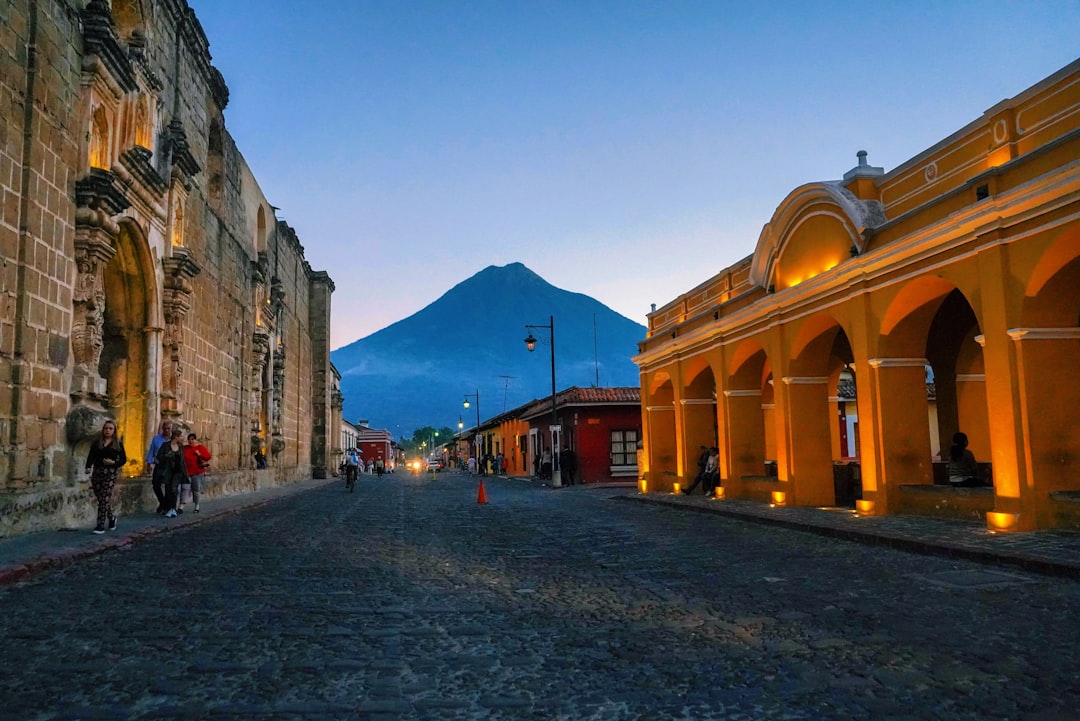
- Antigua Guatemala — UNESCO-listed colonial city founded 1543, with cobblestone streets framed by perfectly preserved baroque ruins and active volcanoes.
Scroll down for our complete travel guide with tips on getting there, where to stay, costs and more.
Getting There & Transport
Which airports are the best entry points into Guatemala?
La Aurora International Airport (GUA) in Guatemala City is the main entry point for 95% of international travelers. In my experience, GUA handles all major carriers including American, Delta, United, Copa, and Avianca, with direct flights from Miami in under 3 hours and from Houston in about 2.5 hours. A secondary option is Mundo Maya International Airport (FRS) near Flores in the Petén jungle — used mainly by those heading directly to Tikal — but its connections are limited to a handful of domestic hops. My tip: flying into GUA and out of FRS (or vice versa) on a one-way ticket saves significant backtracking if Tikal is on your itinerary. The caveat most guides skip: GUA sits at 1,502 meters altitude, so some travelers feel mild shortness of breath on arrival.
How do I get from Guatemala City’s airport to my first accommodation?
Take an official yellow taxi or pre-booked shuttle — never an unmarked car. The official taxi stand is inside the arrivals hall; a metered ride to Zona 10 (the upscale Zona Viva district) costs roughly $8–12 USD, and to Zona 1 historic center about $10–15 USD. I recommend booking a shared shuttle to Antigua ($12–15 USD per person) through your hotel in advance — the ride takes 45–60 minutes and Antigua is a far more pleasant base than Guatemala City for most first-time visitors. My tip: avoid Uber for the first ride; the app works in Guatemala City but drivers occasionally decline airport pickups due to confrontations with taxi unions. Warning most guides omit: the area immediately outside the arrivals exit has aggressive unlicensed touts — walk past them directly to the official stand.
What transport options are there within Guatemala?
You have four realistic options: shuttle minivans, chicken buses, domestic flights, and rental cars. Shuttle minivans ($12–25 USD per leg) connect all major tourist hubs — Antigua, Lake Atitlán, Lanquín (Semuc Champey), and Flores — and are the safest, most convenient choice. ‘Chicken buses’ (retired US school buses) cover the same routes for $1–3 USD but involve multiple transfers and 2–3x the travel time. TAG Airlines and Cielos del Norte operate domestic flights between Guatemala City and Flores/Santa Elena for $80–140 USD one way — worth it given the 9-hour overland alternative. In my experience, mixing shuttles for long legs and chicken buses for short local hops gives you the best balance of cost, safety, and authentic experience. What surprised me: Guatemala City’s urban traffic is brutal — budget 90 minutes to cross the capital at peak hours.
Do I need a rental car to explore Guatemala?
For most travelers, no — the shuttle network covers 90% of tourist destinations well. However, a rental car opens up the eastern Río Dulce region, the Pacific coast black sand beaches near Monterrico, and the Cuchumatanes highlands in ways shuttles simply cannot. Major agencies including Hertz, Budget, and Alamo operate at GUA airport; expect to pay $35–60 USD per day for a basic 4WD, which is essential on unpaved roads. My honest caveat: Guatemalan roads are poorly signed, potholes are extreme on secondary routes, and driving at night is strongly discouraged due to safety concerns. I recommend renting only for the Verapaz region or Río Dulce circuit, hiring a driver through your hotel ($60–80 USD per day) for unfamiliar routes. Parking in Antigua is manageable; parking in Guatemala City is a genuine stress.
How good is the public transport network between Guatemala’s regions?
Guatemala’s inter-regional public transport is functional but slow and requires patience. The backbone is the chicken bus network — former US school buses repainted in vivid colors — which connects virtually every town for under $3 USD but rarely runs on fixed schedules. There are no passenger trains. Pullman-class coaches (Trans Galgos Inter, Fuente del Norte) operate comfortable long-distance routes from Guatemala City’s Zona 1 terminal to Huehuetenango, Cobán, and the Mexican border at $6–15 USD. In my experience, the Guatemala City to Flores chicken bus route involves 3 connections and 10–12 hours — the domestic flight is worth every dollar if time is limited. What surprised me: the tourist shuttle system run by operators in Antigua is the de facto ‘express network’ for backpackers and is genuinely efficient despite being informal.
Accommodation
Which regions of Guatemala should I stay in?
Antigua is the default and best base for first-time visitors — I recommend at least 3 nights there. It sits 45 km west of Guatemala City at 1,530 meters and offers the country’s best restaurant and accommodation infrastructure. Panajachel or San Marcos La Laguna on Lake Atitlán suit travelers wanting indigenous culture and nature. Flores is the mandatory base for Tikal, though the town itself is small. For off-the-beaten-path immersion, Quetzaltenango (Xela) — Guatemala’s second city — offers language schools, highland market culture, and far fewer tourists. My tip: Guatemala City’s Zona 10 (Zona Viva) is the only safe urban neighborhood worth staying in if you have a connection flight; most areas of the capital are not set up for tourist accommodation. Avoid basing yourself in Zona 1 unless you know the city well.
What does good accommodation cost per night in Guatemala?
Expect to pay $60–120 USD per night for a solid mid-range hotel in Antigua. Budget guesthouses (hospedajes) start at $15–25 USD for a clean private room in Antigua or Panajachel. Boutique colonial hotels in Antigua’s center — properties like Casa Santo Domingo or Palacio de Doña Leonor — run $120–200 USD and deliver genuine value for the architecture and service. Lake Atitlán eco-lodges range wildly from $30 to $250 USD depending on view and remoteness. In Flores, options are simpler; expect $25–60 USD for a decent room. What surprised me: Guatemala offers some of Central America’s best accommodation value in the $60–90 USD range — you consistently get colonial courtyards, included breakfasts, and personal service that would cost triple in Europe. The caveat: ‘budget’ often means cold showers, so always ask specifically.
When should I book hotels in Guatemala — how far in advance?
Book Antigua at least 6–8 weeks ahead for peak season (December–January and Easter week). Semana Santa (Easter week) in Antigua is one of Latin America’s most spectacular events, and every hotel within 20 km books out 3–4 months in advance at double normal rates. For Lake Atitlán in July–August, 4–6 weeks ahead is sufficient for mid-range options, though popular eco-lodges like those near San Marcos La Laguna fill fast. Tikal lodges — there are only 3 hotels inside the park (Jungle Lodge, Tikal Inn, Campsites) — should be reserved 8–10 weeks ahead if you want to stay for the dawn or sunset experience. In my experience, traveling in May or October, I’ve booked 2 weeks out without trouble. The honest caveat: Guatemala’s booking platforms are inconsistent — always confirm directly by email or WhatsApp after booking online.
When is the best time to travel to Guatemala?
April is the single best month — dry, uncrowded after Easter, and vegetation still green. Based on climate analysis, November through April constitutes the dry season, with December and January being peak tourist months. My personal preference is late January through early April — clear skies, roads passable, and Tikal’s jungle not yet parched brown. February and March deliver the best volcano trekking conditions on Volcán Acatenango and Volcán Santa María. Avoid late May through October if you dislike rain — the wet season brings daily afternoon downpours, though mornings are usually clear. What surprised me: Guatemala’s altitude means even the ‘dry season’ sees occasional showers in the highlands, and Lake Atitlán generates its own micro-weather system — the Xocomil wind picks up most afternoons year-round, making lake crossings choppy by 2 p.m.
How does peak season affect prices in Guatemala?
Expect hotel prices to rise 40–80% during Semana Santa and Christmas week. In my experience, a $70 USD room in Antigua during February becomes $120–140 USD in the week before Easter with minimum-stay requirements attached. Flight prices from North America into GUA spike by $150–250 USD round-trip in late December. The July–August North American and European summer is a secondary peak — prices rise 20–30% and Atitlán gets noticeably busier with domestic tourism. The honest trade-off: traveling in October or May cuts accommodation costs by roughly a third, but you accept daily rain. What surprised me: Tikal entrance fees (currently $25 USD for non-residents) do not increase seasonally, making the park a consistent budget item regardless of when you go. Local restaurants and chicken buses are unaffected by tourist seasons.
Best Time to Visit
Which regions of Guatemala have different climate zones?
Guatemala has 4 distinct climate zones crammed into a country half the size of the UK. The Pacific coastal lowlands (near Puerto San José and Monterrico) are hot and humid year-round, averaging 32–35°C. The central highlands (Antigua, Quetzaltenango, Lake Atitlán) sit at 1,500–2,400 meters with pleasant temperatures of 18–24°C days and 8–12°C nights. The Petén jungle in the north (Tikal, Flores) is tropical, with crushing humidity and 28–36°C year-round. The Verapaz region (Cobán, Semuc Champey) is categorized as ‘tierra fría’ — perpetually cool and misty, earning it the nickname ‘La Ciudad de la Eterna Primavera.’ My tip: pack for three climate zones simultaneously if you plan to do Antigua, Tikal, and Atitlán — the temperature difference between zones can be 15°C on the same day.
What are Guatemala’s rainy seasons and how do they affect travel?
The rainy season runs May through October, with September being the wettest month. Rainfall in the Petén (Tikal region) can reach 2,000mm annually, making jungle trails muddy and road conditions unreliable from August onward. The Pacific coast receives the heaviest rainfall intensity — brief but violent afternoon storms. The central highlands get reliable afternoon rain from June–September but mornings remain clear, making sightseeing viable. In my experience, the worst month to visit is September — hurricane season affects the Caribbean coast near Livingston and Río Dulce, and road closures from mudslides are genuinely common on mountain routes. The caveat most guides skip: the Verapaz/Cobán region has its own wet season extending almost year-round — it rains there even in ‘dry’ months, which is why Semuc Champey’s pools are green and lush but the roads can be brutal after October.
What does a trip to Guatemala cost per person per day?
Budget travelers can manage $35–50 USD per day; mid-range costs $80–130 USD. On the low end: a dorm bed in Antigua ($12 USD), chicken buses ($2–3 USD per leg), street food meals ($3–5 USD), and free plaza sightseeing add up to roughly $35–45 USD daily. Mid-range travelers staying in boutique hotels, eating at sit-down restaurants, and taking tourist shuttles realistically spend $90–120 USD per day. Splurge travelers at properties like Casa Santo Domingo with private tours should budget $200–300 USD daily. My tip: the biggest budget variable is tours — a guided Acatenango volcano overnight hike costs $35–60 USD, a private Tikal sunrise tour runs $80–120 USD. What surprised me: Guatemala is significantly cheaper than Costa Rica or Panama for equivalent quality, making it the best-value destination in Central America by a wide margin.
How expensive is food in Guatemala?
Food is genuinely affordable — local meals cost $2–5 USD, tourist restaurants $8–18 USD. A comedor (local eatery) lunch of black beans, rice, grilled chicken, tortillas, and fresh juice costs $3–4 USD in any market town. In Antigua’s restaurant scene — which is Central America’s best — a full dinner with wine at a quality restaurant like Hector’s Bistro or Mesón Panza Verde runs $18–30 USD per person. Street food highlights include pepián stew ($2.50), tamales ($0.75 each), and chuchitos available at market stalls in every highland town. Fresh tropical fruit from Mercado de Artesanías in Antigua is absurdly cheap — a kilo of mangoes for $0.50 USD in season. My honest caveat: tourist restaurants in Antigua and on Lake Atitlán have adopted international pricing — a craft beer costs $4–6 USD, pushing food bills higher than the local reality.
What hidden costs should I expect when traveling Guatemala?
Park entrance fees, departure taxes, and boat transfers add up faster than expected. Tikal charges $25 USD per person (non-resident rate), and the Semuc Champey park fee is $10 USD on top of transport costs. Lake Atitlán boat lanchas between villages cost $2–5 USD per crossing and aren’t included in any shuttle price. Volcano guide fees are mandatory on some peaks — Volcán Pacaya requires a $15 USD guide fee — and optional but wise on Acatenango. ATM fees are unavoidable: Guatemalan ATMs charge $3–5 USD per withdrawal, plus your home bank’s foreign transaction fee. What most guides omit: many ATMs in rural areas have a withdrawal limit of 1,000 GTQ (roughly $130 USD), forcing multiple fee-generating transactions. Travel insurance covering altitude sickness and emergency evacuation from remote areas like the Cuchumatanes highlands is essential and often overlooked.
Budget & Costs
How much cash should I bring to Guatemala?
Bring $200–300 USD in cash as emergency backup, but rely primarily on ATM withdrawals in Quetzales. The Guatemalan currency is the Quetzal (GTQ); in 2025–2026, 1 USD ≈ 7.7 GTQ. Outside Antigua, Panajachel, and Flores, card payments are rare — markets, chicken buses, comedores, and rural hospedajes are cash-only. I recommend withdrawing 1,500–2,000 GTQ ($195–260 USD) at a time from Banrural or BAC Credomatic ATMs in Antigua (lower fees, better security than street machines). My tip: carry small bills — 20 and 50 GTQ notes — because market vendors and chicken bus drivers rarely have change for a 200 GTQ note. The caveat: USD cash is accepted at major tourist businesses in Antigua and at the Tikal entrance gate, but exchange rates offered are worse than the official rate.
Which credit cards are accepted in Guatemala?
Visa is the most widely accepted card in Guatemala; Mastercard works at most ATMs and hotels. In Antigua’s hotels, larger restaurants, and tour agencies, Visa and Mastercard are standard. American Express is accepted at upscale hotels like Casa Santo Domingo but refused almost everywhere else. Outside Antigua, card acceptance drops sharply — in Quetzaltenango, Cobán, and rural areas, expect cash-only environments the majority of the time. In my experience, contactless payments are rare and chip-and-pin is the norm at card terminals. My tip: notify your bank of your travel dates before departure — Guatemalan transactions trigger fraud alerts on US and European cards with alarming frequency. The honest warning: card skimming at ATMs in Guatemala City’s Zona 1 is a documented problem; use machines inside banks or supermarkets like La Torre or Paiz rather than street-facing ATMs.
Which regions of Guatemala must I not miss?
The non-negotiable trio is Antigua, Lake Atitlán, and the Petén for Tikal. Beyond that core, Semuc Champey in Alta Verapaz — a series of turquoise natural limestone pools above the Cahabón River — is the most beautiful natural site most first-timers skip. The Ixil Triangle (Nebaj, Chajul, Cotzal) in the Cuchumatanes highlands offers access to indigenous Q’anjob’al and Ixil culture genuinely unchanged by tourism. Quetzaltenango (Xela) serves as a highland hub for the indigenous markets of Zunil and Almolonga and the natural hot springs at Fuentes Georginas at 2,600m altitude. My honest opinion: travelers who stick only to Antigua and Atitlán miss 70% of what makes Guatemala extraordinary. The caveat: reaching Semuc Champey involves a 5–7 hour drive from Antigua on rough roads — plan accordingly.
What are Guatemala’s tourist highlights?
The top five are Tikal, Antigua, Lake Atitlán, Semuc Champey, and Chichicastenango market. Tikal’s Temple I and IV are among the most awe-inspiring archaeological structures in the Americas — 65 meters of ancient Maya engineering surrounded by howler monkeys and toucans. Antigua’s Arco de Santa Catalina and the Cerro de la Cruz viewpoint are iconic. Chichicastenango’s Thursday and Sunday market — running since pre-Columbian times — is one of the largest indigenous markets in Central America. Volcán Acatenango overnight hike (summit at 3,976m) delivers views of active Volcán de Fuego erupting 900 meters below at dawn — genuinely unlike any volcano experience in the world. In my experience, the Río Dulce gorge boat journey from Livingston to the town of Río Dulce — a 2-hour passage through towering jungle-clad cliffs — is the most underrated highlight in the country.
What experiences in Guatemala are found nowhere else on Earth?
Three experiences are truly unique to Guatemala and irreplaceable. First: watching Volcán de Fuego erupt from your sleeping bag on the Acatenango summit at 3,976m — red lava fountains visible in pitch darkness, with the Pacific coast glowing 100 km away. Second: Semana Santa in Antigua — 400-year-old processional carpets (‘alfombras’) made from colored sawdust and flowers covering cobblestone streets, with 80,000-person processions carrying carved floats weighing tons. Third: the Santiago Atitlán cult of Maximón — a living Maya-Catholic deity worshipped in a private house that moves each year, where locals bring offerings of cigarettes, rum, and money in rituals blending pre-Columbian and Christian traditions in ways unlike any syncretic religion I’ve encountered elsewhere. What surprised me: all three experiences cost almost nothing to witness — entry to Maximón’s shrine costs a $1 donation.
Regions & Highlights
Which areas of Guatemala are overcrowded — and what are quieter alternatives?
Antigua and Panajachel (Atitlán) hit saturation in December and Easter week. Antigua’s main streets — 5a Avenida Norte and the Parque Central — fill with tour groups by 10 a.m. daily in peak season. My alternative: San Juan La Laguna on Lake Atitlán instead of Panajachel — a 20-minute lancha ride delivers a village with indigenous textile cooperatives, zero party scene, and lakeside serenity. For Tikal, El Mirador — the largest Maya city ever built, accessible only by 2-day jungle trek or helicopter from Flores — sees a fraction of Tikal’s visitors. The Pacific coast near Monterrico gets crowded on Guatemalan holiday weekends but is empty midweek. My honest tip: Quetzaltenango is Antigua without the tour groups — colonial architecture, volcano access, excellent Spanish schools, and a population that lives its own life regardless of tourists. I consistently recommend it over Antigua for travelers staying more than 10 days.
How many days do I need to see Guatemala properly?
10–14 days covers the essentials without rushing; 7 days is the absolute minimum. A tight 7-day itinerary works as: 2 days Antigua, 2 days Lake Atitlán, 1 day Chichicastenango market, 2 days Tikal (fly GUA–FRS). In 10 days, add Semuc Champey (2 nights minimum from Lanquín) and an extra Atitlán village day. For 14 days: incorporate Quetzaltenango, Fuentes Georginas, and the Ixil Triangle. In my experience, most travelers underestimate transit time — the Antigua to Semuc Champey shuttle takes 7–9 hours on a good day. The honest caveat: Guatemala rewards slowing down — spending 5 days in one village learning Spanish or weaving with a local family delivers more than cramming 6 destinations into a week. Many language schools in Antigua and Xela offer $150–200 USD weekly one-on-one Spanish immersion that fundamentally transforms the experience.
Do I need a visa to visit Guatemala?
Citizens of the US, EU, UK, Canada, and Australia do not need a visa for Guatemala. Nationals of these countries receive a 90-day entry stamp free on arrival at GUA airport or land borders. Guatemala is part of the CA-4 Agreement with Honduras, El Salvador, and Nicaragua — meaning your 90 days covers all four countries combined, not 90 days per country. My tip: if you plan to visit Mexico and re-enter Guatemala, you may need to exit to a non-CA-4 country (like Belize or back to Mexico) to reset your stamp. The caveat most travelers miss: immigration officials at land borders occasionally pressure travelers for informal ‘fees’ of $1–5 USD — these are not official and you can politely refuse, but most experienced travelers pay to avoid delays. Always keep your passport entry stamp visible and travel with a printed return ticket.
What languages are spoken in Guatemala?
Spanish is the official language, but 22 Maya languages are actively spoken by millions. The most widely spoken indigenous languages are K’iche’ (around 1 million speakers, dominant in Quetzaltenango region), Kaqchikel (Lake Atitlán area), and Q’eqchi’ (Alta Verapaz). In Antigua and tourist hubs, English is sufficient — hotel staff, tour guides, and restaurant menus are routinely bilingual. Outside Antigua, English is sparse. In my experience, learning 20 basic Spanish phrases transforms interactions in markets and comedores — locals in the Ixil Triangle and Cuchumatanes respond with extraordinary warmth to any Spanish attempt. What surprised me: in some remote highland villages, Spanish is itself a second language — elders primarily speak K’iche’ or Mam. I recommend downloading Duolingo’s Spanish course for 30 days before your trip — even basic phrases open doors that no amount of English fluency can.
What cultural rules do I need to know before visiting Guatemala?
Dress modestly in indigenous villages — bare shoulders and short shorts cause genuine offense. In Chichicastenango, Santiago Atitlán, and the Ixil Triangle, covered shoulders and knees are not suggestions — they’re signs of respect for communities that have maintained their traditions for centuries despite historical trauma. Photographing Maya women in traditional dress without explicit permission is widely resented — always ask, accept refusal graciously. In Catholic churches, silence and modesty are expected even during the syncretic Maya-Catholic ceremonies that occur inside. My tip: never photograph military or police installations — it’s illegal and taken seriously. The honest caveat: Guatemala’s history includes a brutal civil war (1960–1996) that killed 200,000 people, predominantly indigenous Mayas — topics of land rights and indigenous justice remain deeply sensitive. Entering conversations about this with humility rather than assumptions is essential. Tipping is not mandatory but 10% at sit-down restaurants is appreciated.
Practical Tips
How safe is Guatemala for travelers in 2026?
Guatemala is safe for tourists in established areas but requires genuine situational awareness. The major tourist corridor — Antigua, Lake Atitlán, Tikal, Semuc Champey — is traveled by hundreds of thousands of visitors annually without serious incident. Guatemala City is the primary concern: Zonas 1, 3, 6, and 18 have high gang activity and I avoid them entirely. Zona 10 (Zona Viva) and Zona 14 are safe for evening dining and hotel stays. At Lake Atitlán, San Pedro La Laguna has had isolated tourist robbery incidents on hiking trails — use a guide for the San Pedro Volcano hike. In my experience, the biggest practical risks are opportunistic bag snatching in markets and ATM skimming in the capital. I recommend: no jewelry, day bag rather than a backpack on crowded streets, and no phone use while walking at night. The US State Department rates Guatemala as Level 3 (Reconsider Travel) for its overall crime rating, though this overstates risk in tourist zones.
What health precautions should I take before visiting Guatemala?
Get Hepatitis A, Typhoid, and Tetanus vaccinations before departure — these are non-negotiable. The CDC additionally recommends Yellow Fever vaccination for travelers arriving from endemic countries. Malaria prophylaxis (typically Chloroquine) is recommended for the Petén jungle region (Tikal and surroundings) below 1,500 meters — consult your travel doctor 4–6 weeks before departure. Altitude sickness is a real issue above 2,500 meters — the Acatenango summit at 3,976m and the Cuchumatanes plateau at 3,800m can cause genuine AMS. Drink only bottled or filtered water everywhere including Antigua — tap water is unsafe. In my experience, the most common traveler ailment is gastrointestinal illness from ice at market stalls — skip ice outside established restaurants. Dengue fever is present year-round in lowland areas; use DEET-based repellent containing at least 30% concentration. Carry a basic kit with oral rehydration salts, Imodium, and antihistamines.
What SIM card or eSIM options are available in Guatemala?
Buy a Tigo or Claro SIM at the airport for $5–10 USD including initial data credit. Both Tigo and Claro have kiosks in the GUA arrivals hall open during all flight hours. A 30-day plan with 10GB data costs $10–15 USD on either network. Tigo has marginally better rural coverage in the Petén and highlands in my experience. eSIM options via Airalo or Holafly work well if your phone supports them — a 10GB Guatemala eSIM costs around $12–18 USD and activates instantly. Coverage is reliable in Antigua, Panajachel, Flores, and Quetzaltenango. The honest caveat: signal drops to zero in the Ixil Triangle, deep Petén jungle, and along the Cobán–Lanquín road — download offline Maps.me or Google Maps for these areas before leaving towns. WhatsApp is the universal communication platform in Guatemala — your hotel, guide, and shuttle driver will all contact you via WhatsApp rather than email or phone calls.
Which apps do you recommend for traveling Guatemala?
Download these 6 apps before your flight: Maps.me, WhatsApp, XE Currency, iOverlander, Duolingo, and Airalo. Maps.me works fully offline — essential for the Cobán–Semuc Champey road where Google Maps loses detail. WhatsApp is how Guatemala operates: hotels confirm bookings, drivers send pickup notifications, and markets list prices via WhatsApp. XE Currency gives live GTQ/USD exchange rates without requiring data connection once cached. iOverlander shows community-verified campsite and accommodation reports for overlanders and adventurous travelers reaching places like Laguna Lachuá. Duolingo for pre-trip Spanish prep. My tip: download the Moovit app for Guatemala City bus routes if you must navigate the capital — it’s imperfect but better than nothing. The caveat: no app replaces asking your guesthouse owner for current safety and road conditions — local knowledge in Guatemala changes week to week, especially during the wet season.
What are the most common traveller mistakes in Guatemala?
The biggest mistake is treating Guatemala City as a destination rather than a transit hub. Travelers who spend 2 days in the capital miss 2 days they could spend in Antigua, which is 45 minutes away and infinitely more rewarding. Second mistake: underestimating travel times — the Google Maps estimate for Cobán to Lanquín (Semuc Champey) shows 2 hours but road conditions mean 3.5–5 hours in practice. Third: exchanging currency at the airport — GUA airport exchange desks offer rates 8–12% worse than ATMs 200 meters away in arrivals. Fourth: solo hiking volcanoes without a guide — robberies on the Santa María and Santiaguito volcano trails near Xela have occurred. Fifth: booking only one night at Lake Atitlán — the lake reveals itself slowly, and 48 hours minimum is needed to experience multiple villages by lancha. In my experience, the travelers who leave Guatemala most disappointed are those who rushed — slow down, this country rewards patience.
Guatemala at a Glance
| Population | 17,263,239 |
|---|---|
| Currency | quetzal (Q) |
| Official language | Spanish |
| Time zone | UTC−06:00 |
Source: Wikidata, retrieved August 2026.
Related Travel Guides
Essential Resources for Planning Your Trip to Guatemala
- Antigua Guatemala — official visitor information, passes & events
- Wikipedia: Guatemala — history, geography & background
- Wikivoyage: Guatemala — community travel guide & practical tips
- Guatemala travel – Lonely Planet | Central America — expert itineraries & travel inspiration
- THE 15 BEST Things to Do in Guatemala (2026) — hotels, restaurants & traveller reviews
- What are the safest ways to travel from Guatemala airport … — how to get around
- Numbeo: Cost of Living in Guatemala — current prices & cost comparison
- Timeanddate: Guatemala Weather & Climate — forecasts & climate statistics
- Antigua Guatemala
More Perspectives on Guatemala
- A Simple Guatemala Travel Guide for First Time Visitors
- Things to be aware of on a Guatemala trip : r/travel
- Guatemala Travel Guide + 1-Week Itinerary
Guatemala Travel Videos
Watch these videos for a visual preview before your trip:
- Guatemala Travel Guide: EVERYTHING You Need to Know
- The Ultimate 7-14 day Guatemala Itinerary
- How To Plan Your BEST Trip To GUATEMALA 🇬🇹 | ALL the tips you need to know!
Guatemala Travel Discussions on Reddit
Real traveller experiences and community advice:
- Things to be aware of on a Guatemala trip : r/travel
- Guatemala deserves more attention : r/travel
- r/GuatemalaTravel
Data Sources
This page was compiled using data from Wikipedia, Wikidata, Open-Meteo (climate), Numbeo (cost of living) and REST Countries. Information is updated regularly.