
Guinea-Bissau: The Complete Travel Guide (2026)
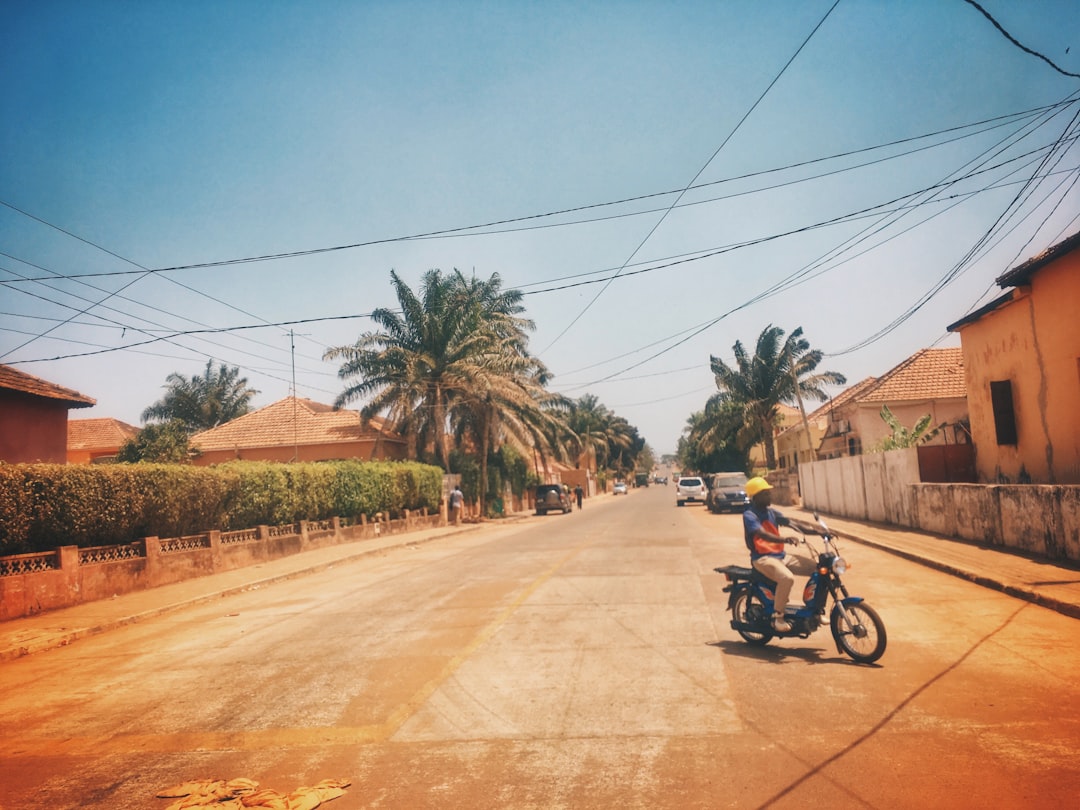
Last reviewed: August 2026 · key facts checked against Wikidata
Guinea-Bissau Travel Guide: Everything You Need to Know (2026)
Guinea-Bissau is a West African nation covering 36,125 square kilometres with a population of approximately 2,080,000, bordering Senegal to the north and Guinea to the southeast. The capital Bissau, home to roughly 1,861,283 people, sits on the Geba River estuary and serves as the sole practical entry point for international visitors. This is one of the world’s least-visited countries — a raw, genuinely off-grid destination where the Bijagós Archipelago alone offers over 80 islands, most of them uninhabited.
Top 3 Highlights at a Glance
- Bijagós Archipelago — A UNESCO Biosphere Reserve of 88 islands where saltwater hippos and nesting sea turtles outnumber tourists by thousands.
- Bissau Velho (Old Town) — The crumbling Portuguese colonial quarter around Praça Che Guevara holds the haunting Fortaleza d’Amura, built in 1753.
- Orango Islands National Park — Home to the world’s only known population of hippos that regularly swim in saltwater, entirely inaccessible by road.
Scroll down for our complete travel guide with tips on getting there, where to stay, costs and more.
Getting There & Transport
Which airports are the best entry points into Guinea-Bissau?
Osvaldo Vieira International Airport (OXB) in Bissau is the only international entry point. In my experience, there are no secondary airports handling international traffic — every visitor lands here. The airport sits 9 km from central Bissau. Direct regional connections exist from Dakar (DSS), Lisbon (LIS), and Casablanca (CMN). TACV (Cape Verde Airlines) and TAP Air Portugal operate the main routes. My tip: book well ahead — flights fill fast because the schedule is thin, sometimes only 2-3 departures per week on key routes. What surprised me is how small the terminal is — immigration can take 45-90 minutes even with modest crowds, so factor that into connection planning.
How do I get from the airport to my first accommodation in Guinea-Bissau?
A taxi from OXB airport to central Bissau is the only realistic option — the ride covers 9 km and costs roughly 5,000-8,000 West African CFA francs (XOF) (approximately USD 8-13). I recommend negotiating the fare before entering the vehicle — meters do not exist here. My tip: ask your hotel in advance if they offer airport pickup; mid-range properties like Hotel Ledger frequently do for a fixed, transparent rate. There is no bus or shuttle service from the airport. What surprised me is that even at night, taxis are available outside arrivals, but drivers will inflate prices dramatically for visibly disoriented newcomers — a caveat most travel blogs skip.
What transport options are there within Guinea-Bissau?
Road transport dominates: candongas (shared minibuses) connect Bissau to regional towns like Gabú, Bafatá, and Canchungo for 500-1,500 XOF (under USD 2.50). Pirogue (wooden motorboat) is the only way to reach the Bijagós islands — crossings from Bissau port or Bubaque take 2-6 hours depending on destination. There is no functioning railway. In my experience, road conditions outside Bissau deteriorate severely in rainy season, making some routes impassable without 4WD. My tip: for island travel, negotiate pirogue fares as a group — solo travellers pay disproportionately more, easily USD 40-80 for a private crossing to Orango.
Do I need a rental car in Guinea-Bissau?
Yes, for inland travel a 4WD rental is strongly advisable. In my experience, the road between Bissau and Bafatá (roughly 170 km) can take 4-5 hours due to potholes and lack of paving. Formal car rental agencies are scarce — your best option is negotiating a car-with-driver through Hotel Ledger or a local fixer in Bissau, costing around USD 80-120 per day all-in. A caveat most guides omit: self-drive rental is technically possible but insurance is non-existent in any meaningful sense, and breakdowns in remote areas leave you genuinely stranded. For Bissau city only, taxis and candongas are sufficient and far cheaper.
How good is the public transport network between regions of Guinea-Bissau?
It functions but is slow and unpredictable. Candongas depart from Bandim Market in Bissau to major towns daily, but schedules are informal — vehicles leave when full, not at fixed times. The Bissau–Gabú route covers 215 km and takes 5-6 hours. I recommend building generous buffer time into any regional itinerary. What surprised me is that services to border regions like São Domingos (near Senegal) are functional but infrequent — often just 1-2 departures before 9am. There are no luxury coaches. For island hopping in the Bijagós, public pirogues exist but run on weather-dependent, irregular schedules — the honest caveat is that you can get stranded for days.
Accommodation
Which regions should I stay in when visiting Guinea-Bissau?
Bissau city is the essential base for most travellers — it has the best accommodation infrastructure, the only reliable ATM network, and serves as the gateway to everything else. For island experiences, Bubaque island (the most accessible in the Bijagós) has a small cluster of guesthouses and acts as a hub for deeper island exploration. The Bafatá region in the east is Guinea-Bissau’s second city and offers an authentic Fula cultural experience with minimal tourist infrastructure. My tip: if your trip is under 10 days, stay in Bissau and do island day-trips or 2-night Bubaque stays rather than attempting the remote interior, which demands serious logistical planning.
What does good accommodation cost per night in Guinea-Bissau?
Budget guesthouses in Bissau start at roughly USD 20-35 per night. Mid-range hotels like Hotel Ledger Plaza Bissau — the most internationally recognisable property — run USD 90-130 per night for a comfortable room with reliable air conditioning and Wi-Fi. On Bubaque island, eco-lodges and simple guesthouses cost USD 30-60 per night, sometimes including meals. What surprised me is the poor value-to-price ratio at the budget end — USD 25 rooms can have cold water only and intermittent electricity. My honest caveat: paying for Hotel Ledger (roughly USD 110) eliminates most friction and is worth the premium specifically in Bissau, where unreliable power genuinely disrupts cheap stays.
When should I book hotels in Guinea-Bissau — how far in advance?
Book at least 6-8 weeks in advance for peak season (November–January). In my experience, Hotel Ledger fills quickly during the dry season, and Bubaque’s limited guesthouses — there are fewer than 10 properties with more than 5 rooms — sell out with very little warning. For travel during major West African summits or events hosted in Bissau, rooms at the top tier can be gone 3-4 months ahead. The honest caveat most travellers learn too late: Guinea-Bissau has almost no reliable online booking infrastructure — email or phone confirmation directly with the property is essential, and even then, double-check 48 hours before arrival.
When is the best time to travel to Guinea-Bissau?
November, December, and January are the optimal months — these are the driest and most comfortable, with low humidity and navigable roads. In my experience, December offers the ideal balance: roads are fully passable, pirogue crossings to the Bijagós are calmer, and daytime temperatures are manageable at roughly 28-31°C. January is slightly cooler and equally dry. I recommend avoiding July through September entirely — the rainy season turns unpaved roads into mud traps, and island crossings become genuinely dangerous. What most guides omit: the harmattan wind blows dust from the Sahara in January–February, reducing visibility and coating everything, which is uncomfortable but not a trip-breaker.
How does peak season affect prices in Guinea-Bissau?
Peak season (November–January) pushes accommodation prices up by roughly 20-40% compared to the rainy season. Hotel Ledger rates climb toward USD 130 from their low-season USD 90. Pirogue charter prices to the Bijagós also inflate — a boat that costs USD 50 in October may cost USD 80 in December. Flights into OXB from Lisbon and Dakar see small but real fare increases. The honest trade-off: travelling in peak season is unambiguously easier logistically, and the price premium is modest compared to more touristic African destinations. My tip: book flights 10-12 weeks ahead for peak months — last-minute fares can double on thin-schedule routes.
Best Time to Visit
Which regions of Guinea-Bissau have different climate zones?
Guinea-Bissau has two primary climate zones. The coastal and island zone — including Bissau and the Bijagós Archipelago — is humid tropical, with a pronounced rainy season and year-round higher humidity. The eastern interior (around Gabú and Bafatá) is Sudanian savanna — hotter and drier, with more extreme temperature swings between day and night. In my experience, the east feels dramatically different: dustier, hotter in the dry season (reaching 38-40°C in April), and less affected by coastal sea breezes. What surprised me is how much cooler Bissau feels at night compared to Gabú, even in the same month — a 5-7°C difference is common in January.
What are the rainy seasons in Guinea-Bissau?
The main rainy season runs from June through October, with August being the wettest month and effectively the peak of the monsoon. In my experience, July and August bring near-daily heavy downpours that flood unpaved roads and make the Bijagós pirogue crossings risky — I would not travel to the islands during these months. The Bissau coastal area receives far more rainfall than the eastern interior around Gabú. A caveat most guides omit: even in the shoulder months of May and November, sudden intense storms can occur — carry a waterproof bag for electronics regardless of when you travel. Road travel between Bafatá and the south can remain difficult into early November.
What does a trip to Guinea-Bissau cost per person per day?
Budget travellers spending nights in basic guesthouses and eating local rice-and-fish dishes at Bandim Market can manage on USD 35-50 per day. A mid-range day — decent hotel, one restaurant meal, local transport and a short pirogue excursion — runs USD 80-120. Comfortable travel with Hotel Ledger accommodation, guided excursions to the Bijagós, and a mix of restaurant meals costs USD 150-200 per day. My honest warning: the cost ceiling shoots up fast when you add island boat charters and guides, which are non-negotiable for reaching places like Orango National Park. Budget travellers should treat island excursions as a USD 60-100 splurge item, not a daily expense.
How expensive is food in Guinea-Bissau?
Local food is genuinely cheap. A plate of caldo de mancarra (peanut stew with rice) at a neighbourhood restaurant near Bandim Market costs 500-1,000 XOF (about USD 0.80-1.70). A full meal with grilled fish and a cold beer at a mid-range restaurant in central Bissau runs 3,000-6,000 XOF (roughly USD 5-10). Tourist-facing restaurants near Hotel Ledger charge 8,000-15,000 XOF (USD 13-25) for a main course. In my experience, the best eating in Guinea-Bissau happens at open-air spots around the central market — the freshness of grilled barracuda is exceptional. My caveat: vegetarians face real limitations outside Bissau; inland towns offer almost no vegetable-only dishes.
What hidden costs should I expect in Guinea-Bissau?
Several costs catch travellers off guard. Pirogue charters to the Bijagós are the biggest — a private boat to Orango runs USD 60-100 each way. Guide fees are expected even for short island walks: budget USD 15-25 per day for a knowledgeable local guide. The visa on arrival fee (around USD 60-80) is payable in cash only. Yellow fever vaccination certificate is mandatory — if you don’t have one, you’ll be turned away at OXB. ATMs in Bissau sometimes run out of cash on weekends; carrying USD or euros as backup costs nothing but saves enormous stress. My tip: budget an extra USD 150 buffer per week for these unavoidable friction costs.
Budget & Costs
How much cash should I bring to Guinea-Bissau?
Bring enough USD or euros to cover your entire trip — treat ATMs as a bonus, not a lifeline. In my experience, the 2-3 functioning ATMs in central Bissau (near Banco da África Occidental) run dry on weekends and during peak visitor periods. XOF (West African CFA franc) is the local currency, pegged to the euro at 655.96 XOF per EUR — convert at the airport or a central Bissau bureau. I recommend arriving with at least USD 300-400 in cash for a week-long trip, plus your visa fee in cash. The honest caveat: US dollar bills dated before 2009 are widely refused — bring only new, clean notes or euros instead.
Which credit cards are accepted in Guinea-Bissau?
Credit card acceptance in Guinea-Bissau is extremely limited. Hotel Ledger Plaza accepts Visa and Mastercard, and a handful of upmarket restaurants in central Bissau may process cards — but I would never rely on it. Outside the capital, card payment is functionally non-existent. In my experience, even when a terminal is present, connectivity failures mean transactions fail more often than they succeed. Visa has slightly better acceptance than Mastercard; American Express is not accepted anywhere I encountered. My honest advice: operate on a cash-only basis and treat any card acceptance as a pleasant surprise. Inform your home bank before departure — Bissau triggers fraud blocks on most European and North American cards.
Which regions of Guinea-Bissau must I not miss?
The Bijagós Archipelago is non-negotiable — this is what makes Guinea-Bissau genuinely unique on the continent. Start with Bubaque island as your base, then push to Orango for the saltwater hippos or Rubane for near-deserted beaches. In the capital, Bissau Velho (the old colonial quarter) and Bandim Market are essential for understanding daily life. For cultural depth, the Bafatá region in the east offers mosques, Fula villages, and a West African interior atmosphere completely unlike the coast. My tip: if time forces a choice, prioritise the Bijagós over everything else — no other archipelago in West Africa combines endemic wildlife, isolation, and indigenous Bijagó culture at this level.
What are the tourist highlights of Guinea-Bissau?
The Bijagós Archipelago (UNESCO Biosphere Reserve, 88 islands) is the headline attraction. Orango Islands National Park harbours the world’s only saltwater-swimming hippo population. In Bissau city, Fortaleza d’Amura (built 1753) and the Presidential Palace ruins — partially destroyed in the 1998 civil war and left deliberately unrestored — tell the country’s turbulent history viscerally. Varela beach in the far northwest, near the Senegalese border, is arguably the most beautiful undeveloped beach in West Africa — 200+ km of virtually empty white sand. What surprised me is how accessible the Cacheu River Mangroves are for birdwatching — over 400 species recorded, rivalling any dedicated birding destination on the continent.
What experiences in Guinea-Bissau are found nowhere else?
Three things are genuinely irreplaceable here. First: watching saltwater hippos emerge from the ocean at dusk on Orango island — the only place on Earth this happens regularly. Second: witnessing a Bijagó initiation ceremony (fanado) if timing aligns — these multi-day rites of passage are rarely open to outsiders but occasionally visible in villages on Canhabaque island. Third: Varela beach — arriving at a 200 km stretch of Atlantic coastline where you may be the only foreigner for days. In my experience, the combination of total isolation, wildlife density, and intact indigenous culture creates something that simply does not exist anywhere in more-visited West Africa. My caveat: accessing all three requires patience, flexibility, and solid logistical preparation.
Regions & Highlights
Which areas of Guinea-Bissau are overcrowded — and what are quieter alternatives?
Bubaque island is the most visited part of the Bijagós and feels comparatively busy in December–January, with perhaps 50-100 tourists present simultaneously — modest by global standards but noticeable on a small island. My tip: take a pirogue 45 minutes further to Rubane or Soga island for near-total solitude. In Bissau, Bandim Market gets genuinely packed — go at 7am rather than midday to experience it without the crush. The Cacheu region in the northwest sees almost no tourists despite the atmospheric Portuguese-era fort at Cacheu town — a rewarding alternative for history lovers who’ve had their fill of the capital.
How many days do I need for Guinea-Bissau?
A minimum of 7 days is needed to scratch the surface meaningfully. I recommend 10-14 days for a satisfying trip. Allocate 2 days in Bissau city, 1 day travelling to the Bijagós (including the pirogue crossing), 3-4 days on the islands (Bubaque plus at least one outer island like Orango), 1 day for the Cacheu or Varela detour, and a buffer day for inevitable transport delays. What surprised me is how much dead time logistics consume — a pirogue departure that was scheduled for 8am leaving at 2pm is normal, not exceptional. Travellers who push too tight a schedule in Guinea-Bissau end up frustrated and miss the best of it.
Do I need a visa for Guinea-Bissau?
Most nationalities require a visa. Citizens of ECOWAS member states (Nigeria, Senegal, Ghana, etc.) enter visa-free. EU, US, UK, and Australian passport holders can obtain a visa on arrival at OXB airport — the fee is approximately USD 60-80, payable in cash only (USD or euros accepted). In my experience, the process takes 20-45 minutes at the counter and is straightforward as long as you have a yellow fever certificate and enough cash. My honest warning: visa on arrival policies in Guinea-Bissau have changed with little notice before — check the Embassy of Guinea-Bissau or your country’s foreign affairs website no more than 4 weeks before departure to confirm current requirements.
What languages are spoken in Guinea-Bissau?
Portuguese is the official language but is spoken fluently by only a minority. Guinea-Bissau Creole (Crioulo) is the true lingua franca — virtually every person in the country uses it daily. In my experience, basic Crioulo phrases open doors that Portuguese alone does not. The Bijagó, Fula, Mandinka, and Balanta languages dominate in their respective ethnic regions. In Bissau city, younger, educated residents often speak some French (useful given Senegalese neighbours). English is rare — I’d estimate fewer than 5% of the population has working English. My tip: download a Portuguese–Crioulo phrasebook PDF before departure and learn 10-15 Crioulo greetings — the goodwill it generates is disproportionate.
What cultural rules do I need to know before visiting Guinea-Bissau?
Several norms matter. In Bijagó villages, always ask permission before entering — the islands have sacred sites (balobas) that outsiders must not approach without a guide’s introduction. Photographing military installations, the Presidential Palace, and uniformed personnel is prohibited and can result in equipment confiscation. Friday is the primary prayer day for the significant Muslim population (particularly in eastern regions like Gabú) — government offices and many businesses close by midday. Dress modestly outside beach areas — shoulders and knees covered is the respectful standard inland. In my experience, offering a small gift (tea, kola nuts) when visiting a village chief is not mandatory but generates extraordinary warmth and access.
Practical Tips
How safe is Guinea-Bissau?
Guinea-Bissau is generally safe for tourists in Bissau and the Bijagós, but the context matters. Petty theft around Bandim Market and at OXB airport is the most common risk — keep valuables secured. The country has experienced 9 coups or coup attempts since 1974, and political instability can escalate quickly; monitor your government’s travel advisory during your trip. In my experience, personal safety on the islands and in Bissau was not a concern — locals are notably welcoming. The honest caveat: the north and east near the Senegalese border has seen drug trafficking activity (Guinea-Bissau is a known transit route), and I would not travel those areas alone at night. Medical emergency infrastructure is critically limited — this is the real risk.
What health precautions should I take before visiting Guinea-Bissau?
Yellow fever vaccination is mandatory — you will be denied entry at OXB without a valid certificate. Malaria is endemic year-round; start antimalarial medication (Malarone or doxycycline — consult your doctor) at least 2 days before arrival. Hepatitis A, typhoid, and routine vaccinations should be up to date. In my experience, the mosquito pressure in the Bijagós is intense at dusk — DEET 50%+ repellent and a treated mosquito net are non-negotiable on the islands. Drink only bottled water; tap water in Bissau is not safe. My honest warning: there is no functioning hospital capable of treating serious trauma or complex illness in Guinea-Bissau — medical evacuation insurance covering a flight to Dakar (USD 5,000-15,000 without insurance) is essential, not optional.
What SIM card or eSIM options are available in Guinea-Bissau?
MTN Guinea-Bissau and Orange Guinea-Bissau are the two main operators — both sell SIM cards at OXB airport and at kiosks near Bandim Market for roughly USD 2-3. Data bundles for 1 GB cost approximately 1,500-2,000 XOF (around USD 2.50-3.50). In my experience, MTN has marginally better coverage in the islands, though signal disappears completely on outer Bijagós islands beyond Bubaque. eSIM support is not widely available from local operators as of early 2026 — use a global eSIM provider like Airalo for a Guinea-Bissau data plan if you prefer eSIM. My caveat: 4G is available in Bissau city but drops to 2G/3G outside the capital and is non-existent on most islands.
Which apps do you recommend for travelling in Guinea-Bissau?
My essential list: Maps.me with offline Guinea-Bissau maps downloaded before departure — Google Maps coverage is thin outside Bissau. WhatsApp is the universal communication platform here; every guesthouse, guide, and fixer uses it — get numbers and confirm plans this way. XE Currency for real-time XOF conversion. iOverlander has crowd-sourced notes from the small but dedicated overlander community passing through Guinea-Bissau — genuinely useful for road conditions and hidden campsites. Seek (iNaturalist) is worthwhile for the Bijagós birdwatching. My honest caveat: download everything before arrival — app store downloads are painfully slow on Guinea-Bissau’s mobile network, and hotel Wi-Fi rarely reaches the speed needed for large downloads.
What are common traveller mistakes in Guinea-Bissau?
Six recurring mistakes I’ve seen: (1) Arriving without yellow fever certificate — non-negotiable, no exceptions. (2) Underestimating pirogue logistics — boats to Orango don’t run on demand; plan 2-3 days buffer for island travel. (3) Bringing only card payment — Guinea-Bissau runs on cash. (4) Skipping medical evacuation insurance — the biggest financial risk of the trip. (5) Attempting to see Bijagós and Bafatá in under a week — the logistics make that a disaster; choose one. (6) Photographing anything near military or government buildings without explicit permission — equipment gets confiscated and the encounter becomes stressful and time-consuming. In my experience, travellers who research logistics obsessively before departure have dramatically better trips than those who plan to figure it out on arrival.
Guinea-Bissau at a Glance
| Population | 1,861,283 |
|---|---|
| Currency | West African CFA franc (F) |
| Official language | Portuguese |
| Time zone | UTC±00:00 |
Source: Wikidata, retrieved August 2026.
Essential Resources for Planning Your Trip to Guinea-Bissau
- Guinea-Bissau Travel Advisory | Travel.State.gov — official visitor information, passes & events
- Wikipedia: Guinea-Bissau — history, geography & background
- Wikivoyage: Guinea-Bissau — community travel guide & practical tips
- Guinea-Bissau travel – Africa — expert itineraries & travel inspiration
- THE 15 BEST Things to Do in Guinea-Bissau (2026) — hotels, restaurants & traveller reviews
- Numbeo: Cost of Living in Guinea-Bissau — current prices & cost comparison
- Timeanddate: Guinea-Bissau Weather & Climate — forecasts & climate statistics
- Guinea-Bissau – UNESCO World Heritage Convention
More Perspectives on Guinea-Bissau
- Guinea-Bissau travel guide
- West Africa road trip: Guinea-Bissau | Sophie’s World Travel …
- Guinea-Bissau Travel Advisory | Travel.State.gov
Guinea-Bissau Travel Videos
Watch these videos for a visual preview before your trip:
- Top 12 Places to Visit in Guinea Bissau 🇬🇼 – 4k Travel Video
- Guinea-Bissau: West Africa’s Hidden Cultural Gem (2023 Travel Guide) | Why You Need to Visit! 🌍
- I need to speak PORTUGUESE here in GUINEA – BISSAU |S7E36|
Guinea-Bissau Travel Discussions on Reddit
Real traveller experiences and community advice:
- Guinea Bissau : r/travel
- 3 weeks in Senegal and thinking of short detour to Guinea- …
- r/travel Region of the Week: ‘Western Tip of Africa
Data Sources
This page was compiled using data from Wikipedia, Wikidata, Open-Meteo (climate), Numbeo (cost of living) and REST Countries. Information is updated regularly.