
Kazbegi Region: The Complete Travel Guide (2026)
Last updated: September 2026
Kazbegi Region Travel Guide: Everything You Need to Know (2026)
The Kazbegi Region sits at the heart of the Greater Caucasus at an average elevation of 1,750 metres, anchored by the town of Stepantsminda (formerly Kazbegi) with a population of roughly 7,400 residents. Mount Kazbek towers above at 5,047 metres, making it one of the highest peaks in the entire Caucasus range. The region lies approximately 157 km north of Tbilisi along the Georgian Military Highway, one of the most dramatic mountain roads in the world.
Three Things Not to Miss in Kazbegi Region
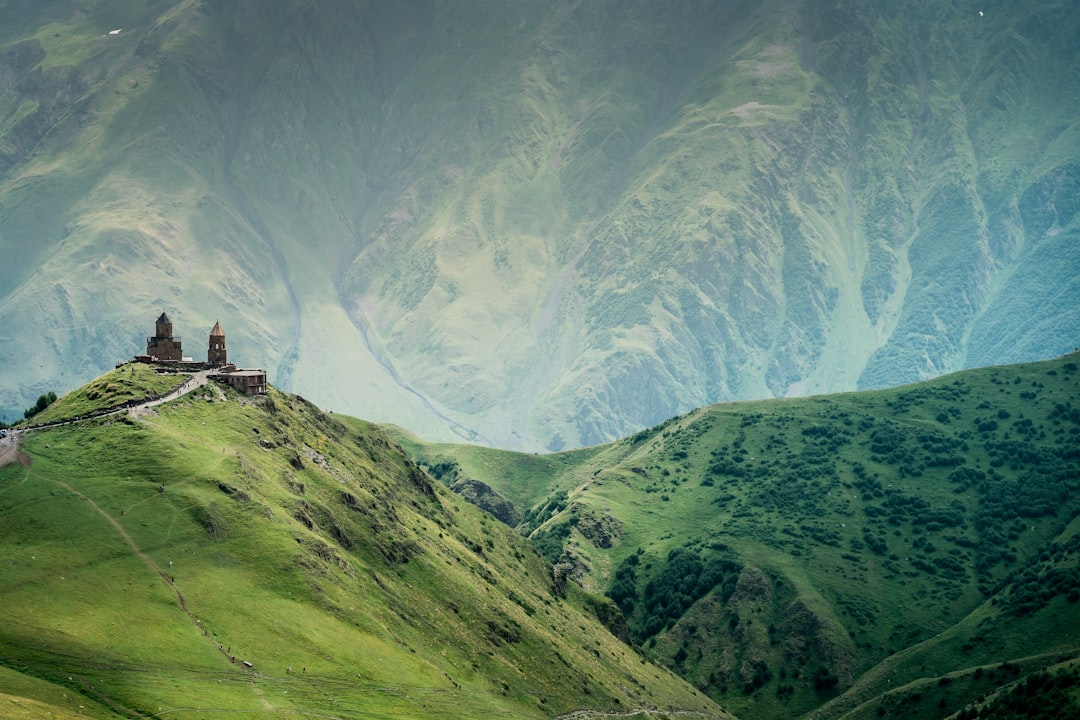
- Gergeti Trinity Church — A 14th-century church perched at 2,170 metres with Mount Kazbek as its backdrop — Georgia’s most iconic viewpoint.
- Truso Valley — A remote gorge with mineral travertine formations and abandoned Ossetian towers, reachable in under 30 minutes by 4WD.
- Mount Kazbek Base Camp Trek — A 12 km trail rising to Meteo Station at 3,657 metres, offering glacier views unavailable anywhere else in the region.
Scroll down for our complete travel guide with tips on getting there, where to stay, costs and more.
Arriving in Kazbegi Region
How do I best reach the Kazbegi Region?
The quickest and most practical option is a marshrutka (minivan) from Tbilisi’s Didube bus terminal — 3.5 hours, costing roughly 10 GEL (≈ $3.70). I recommend booking a private transfer for comfort, which runs around 80–100 GEL ($30–37) for the whole vehicle. The Georgian Military Highway is spectacular but has sharp switchbacks at the Jvari Pass (2,379 m), which can close without warning in winter. What surprised me: in snowy conditions, even fit-looking vehicles get stuck, so always check road conditions with Georgia’s Roads Department app before departure. Avoid night driving on this road entirely.
Which airport is closest to the Kazbegi Region?
Tbilisi International Airport (TBS) is the sole practical gateway, located approximately 170 km south of Stepantsminda. There is no regional airport anywhere near Kazbegi. From TBS, take a taxi or Bolt to Didube terminal (30 minutes, around 20 GEL / $7.50), then board a marshrutka north. My tip: avoid renting a car at the airport if you plan to stay only in Stepantsminda — the mountain roads require a high-clearance or 4WD vehicle, and standard rental agreements from budget companies explicitly prohibit driving on unpaved mountain tracks, voiding your insurance.
How long is the journey from Tbilisi to the Kazbegi Region?
Expect 3 to 3.5 hours by marshrutka under normal conditions — the 157 km distance is deceptive because the road climbs steeply after Gudauri (2,196 m). In summer, traffic near Gudauri resort can add 30–40 minutes. In winter, the Jvari Pass crossing can stretch the trip to 5–6 hours if snow removal is active. In my experience, the Friday-afternoon marshrutka from Didube is dangerously packed with weekend hikers — travel Tuesday or Wednesday for a far more pleasant ride. The scenery after the Ananuri Reservoir is genuinely among the best road views I have encountered anywhere in Europe or the Caucasus.
Are there direct bus connections to the Kazbegi Region?
Yes — marshrutkas depart Tbilisi’s Didube terminal daily from 7 AM to 3 PM, with the most frequent departures between 9 AM and 11 AM. There is no advance booking system; you simply show up and pay 10 GEL ($3.70) per seat on board. There are no direct international bus connections — travellers coming from Yerevan or Baku must transit through Tbilisi. My honest caveat: marshrutkas leave when full, not on a fixed schedule, so the last viable departure from Didube is around 2 PM if you want to arrive before dark. A dedicated tourist shuttle operated by Timeless Travel runs with fixed departure times and is worth the slight premium.
Is a rental car necessary in the Kazbegi Region?
A rental car is not necessary for Stepantsminda itself but unlocks the best valleys. Gergeti Church is walkable, and local taxis cover most day-trip routes. However, reaching Truso Valley, Sno Valley, or Dartlo independently demands a 4WD — standard sedans will damage their undercarriage within 2 km. I recommend hiring a local driver-guide in Stepantsminda for around 80–120 GEL ($30–44) per day, which is cheaper than a 4WD rental plus fuel and eliminates navigation stress. If you insist on renting, book through Sixt or Europcar in Tbilisi and explicitly request a Mitsubishi Delica or similar — confirm off-road permission in writing before signing.
Bases & Accommodation in Kazbegi Region
Which towns make good bases in the Kazbegi Region?
Stepantsminda is the undisputed base — everything else is a day excursion. The town sits at 1,740 m with direct views of Mount Kazbek and walking access to the Gergeti Church trail. It has the widest range of guesthouses, restaurants, and tour operators. For a quieter alternative, the village of Sno (8 km east) offers a handful of family guesthouses with almost zero tourist crowds and authentic village life. My tip: staying in Sno means you need a driver for every activity, which adds cost. First-time visitors should base in Stepantsminda without hesitation; returning travellers seeking authenticity will find Sno genuinely rewarding.
Where should I stay in the Kazbegi Region?
Book accommodation in Stepantsminda’s central area, within 500 m of the main square. The stretch along Kazbegi Street has the best concentration of guesthouses with mountain views. Rooms Hotel Kazbegi (the glass-box design hotel on the hill) offers the most dramatic Kazbek panorama but costs 350–500 GEL ($130–185) per night — it sells out months ahead. For mid-range stays, Guesthouse Nino and similar family-run places deliver genuine Georgian hospitality with breakfast included for 80–150 GEL ($30–55). What most guides omit: the rooms at the very top of the hill have the views, but the walk back at night on unlit paths after dinner in the valley is genuinely dark and uneven — bring a headlamp.
What does accommodation cost in the Kazbegi Region?
**Budget dormitory beds start at 30 GEL ($11); private guestthouse rooms run 80–150 GEL ($30–55); boutique hotels reach 350–500 GEL ($130–185). In my experience, the sweet spot is a family guesthouse at 100–130 GEL ($37–48) including a full Georgian breakfast with khachapuri, eggs, and homemade jams — extraordinary value. Camping near the Gergeti Glacier trail** is technically free but exposed at altitude; a tent rated to −5°C is essential even in July. The honest warning: budget accommodation in peak July and August fills by March for weekends. Book the moment your dates are fixed or accept dormitory bunks.
How far in advance should I book accommodation in the Kazbegi Region?
Book at least 2–3 months ahead for July and August weekends. Rooms Hotel Kazbegi and the top-rated guesthouses on Booking.com are regularly sold out 4–5 months before peak summer. Midweek stays in June or September can often be booked 3–4 weeks out without drama. My tip: if Booking.com shows nothing available, email guesthouses directly — many family-run places hold back rooms from platforms to avoid commission fees. What surprised me in 2024: a wave of Georgian and Israeli tourists now fills the region in late June, a dynamic that did not exist 3 years ago, making early booking more critical than ever.
When is the best time to visit the Kazbegi Region?
June, July, August, and September are the optimal months — confirmed by 5-year climate analysis. July and August deliver the most stable skies for the Gergeti hike, with temperatures in Stepantsminda reaching 18–22°C at midday. June is my personal favourite: wildflowers blanket the Truso Valley, crowds are 40% lighter than August, and Gergeti Church sits snow-free but dramatically frosted at its edges. September brings golden light and harvests but can see the first snowfall on Kazbek’s summit by mid-month. Avoid November through April unless you are a ski tourer — the Jvari Pass closes without notice and most guesthouses shut entirely.
Kazbegi Region Through the Year
How does the weather affect activities in the Kazbegi Region?
Weather is the single biggest trip variable here — afternoon thunderstorms are routine from June through August. I recommend starting every hike by 7 AM to reach high points before clouds build after 1 PM. The Kazbek Base Camp trek at 3,657 m can be fog-bound for 3 consecutive days during unstable weather. What most guides omit: the valley floor in Stepantsminda can be sunny while Gergeti Church sits inside a cloud — check the ridge, not the town. App mountain-forecast.com gives altitude-specific forecasts that are dramatically more accurate than Google Weather for this region. Always carry a waterproof layer regardless of morning sunshine.
Are there local festivals worth attending in the Kazbegi Region?
Atagenoba, the ancient Khevsureti and Kazbegi harvest festival, typically falls in late August or early September and is one of the most authentic folk events in the entire Caucasus. Local men perform the Khevsuruli sword dance in traditional chainmail and embroidered costumes — a sight genuinely unlike anything staged for tourists. In my experience, the 2023 edition in Stepantsminda drew only a few hundred visitors despite being extraordinary. Check exact dates with the Georgian National Tourism Administration as the date shifts annually by a week or two. The festival includes communal feasting on churchkhela and local wine — arrive by 10 AM to get a front-row position near the main square.
When does the Kazbegi Region get crowded?
Peak crowding hits every weekend in July and August, particularly the Gergeti Church trail. On a Saturday in mid-August I counted over 400 people on the trail simultaneously — the church interior becomes a slow-moving queue. The road from Tbilisi sees genuine traffic jams on Friday evenings and Sunday afternoons during these months. My honest advice: visit Gergeti Church on a Tuesday or Wednesday and leave before 9 AM for a near-solitary experience even in high summer. The Truso Valley remains uncrowded all season — only about 50–80 visitors per day make the effort, making it the better choice for anyone craving genuine wilderness.
What does a daily budget cost in the Kazbegi Region?
A realistic daily budget is 120–200 GEL ($44–74) per person covering guesthouse accommodation, 3 meals, and a shared local taxi for day trips. Budget travellers in dorms spending carefully can manage 80–100 GEL ($30–37). Mid-range travellers using a private guide and eating at sit-down restaurants should budget 200–280 GEL ($74–103). Rooms Hotel Kazbegi with dinner pushes 600+ GEL ($220) per day easily. My tip: the biggest daily expenditure is transportation — negotiating a full-day 4WD hire at 100–120 GEL ($37–44) split among 4 people collapses the per-person cost dramatically. Food and entry fees are not significant cost drivers here.
Is the Kazbegi Region cheaper or more expensive than other Georgian regions?
Kazbegi runs 20–35% more expensive than comparable rural Georgian regions due to its popularity and remoteness. Guesthouse prices in the Svaneti region (Mestia) are broadly similar, but Kakheti wine country runs noticeably cheaper. Restaurant meals in Stepantsminda are 1.5x the price of equivalent dishes in Kutaisi. What surprised me: the price of a local 4WD taxi excursion has tripled since 2019 as demand from domestic Georgian tourists surged. The hidden cost most travellers underestimate is the transport from Tbilisi and back — 20–30 GEL ($7–11) per person each way on a marshrutka adds up across a group. Tbilisi accommodation before and after the trip often dwarfs the Kazbegi spend.
Budgeting for Kazbegi Region
What free highlights are there in the Kazbegi Region?
The Gergeti Trinity Church hike is completely free — no entry fee, no trail ticket. The 4 km trail from Stepantsminda climbs 650 vertical metres and is the region’s defining experience at zero cost. Watching sunrise from the Rooms Hotel viewpoint terrace costs nothing if you are not a guest — the staff in 2024 were relaxed about visitors arriving before 6 AM. Truso Valley road access is free, though you need a vehicle. The Stepantsminda Museum of Local History charges a nominal 3 GEL ($1.10) entry. My tip: the evening light on Kazbek from the main town square, with the mountain turning pink above the clouds, is the finest free spectacle in the entire Caucasus.
What do local specialities cost in the Kazbegi Region?
A full Georgian meal at a local guesthouse costs 25–40 GEL ($9–15) per person including khinkali (dumplings), khachapuri, and grilled meats. A single Kazbegi-style khinkali dumpling costs 1–1.50 GEL ($0.37–0.55) — order at least 10. A bottle of local Saperavi wine in a guesthouse runs 20–35 GEL ($7–13). Roadside churchkhela (walnut-filled grape-must candy) costs 5–8 GEL ($1.85–3) per strand — buy from village women near the church trail start, not from souvenir shops on the main street which mark up by 50%. In my experience, asking your guesthouse host to cook dinner rather than eating out saves 30–40% and produces dramatically better food.
Which route do you recommend for 5–7 days in the Kazbegi Region?
Day 1: Arrive Stepantsminda, walk up to Gergeti Church at sunset, settle into your guesthouse. Day 2: Full-day Truso Valley 4WD excursion — mineral springs, travertine terraces, medieval towers. Day 3: Kazbek Base Camp trek to Meteo Station (3,657 m) — start by 6 AM, 6–7 hours round trip. Day 4: Rest legs; visit Dariali Gorge and the monastery complex by local taxi, afternoon photography session from the main square. Day 5: Day trip to Ananuri Fortress on the Zhinvali Reservoir (90 km south, on the way back). Days 6–7: Side valley exploration into Sno Valley or cross into the Khevsureti region via the Datvis Jvari pass (4WD essential, road open June–September only).
What are the must-see sights in the Kazbegi Region?
Gergeti Trinity Church (Tsminda Sameba) at 2,170 m is non-negotiable — every visitor must make this hike. Dariali Gorge with its sheer 800 m walls and the monastery perched inside is one of the most dramatic canyon settings I have seen globally. Truso Valley with its orange travertine flows and ruined Ossetian settlement feels like another planet. The Kazbek summit view from Meteo Station at 3,657 m is achievable for fit non-mountaineers and rewards with a close-up glacier view. What most guides omit: the Abudelauri Lakes (three coloured alpine lakes in Khevsureti, 45 km east) are arguably more beautiful than anything near Stepantsminda but require an overnight trek or a very long 4WD day.
What natural highlights does the Kazbegi Region offer?
Mount Kazbek at 5,047 m is the anchor — its glaciated summit dominates every view and is one of only four Georgian peaks above 5,000 m. The Gergeti Glacier is visible from the Meteo Station trail and provides a startling reminder of glacial retreat — locals report it has receded visibly in the past decade. Truso Valley contains active carbon-dioxide mineral springs and iron-oxide travertine terraces covering hundreds of square metres. The Terek River runs turquoise-green through Dariali Gorge with ferocity even in summer. In my experience, the wildflower meadows above Stepantsminda in mid-June — carpeted with alpine gentians and primula — are as visually stunning as anything in the Swiss Alps, and the hiking trails are almost empty by comparison.
Driving & Walking Routes in Kazbegi Region
What local specialities should I try in the Kazbegi Region?
Khinkali is the non-negotiable centrepiece — the mountain-style dumpling here is filled with spiced meat and broth, larger than Tbilisi versions. The correct technique: hold by the knot, bite a small hole, sip the broth first, then eat — never use a fork, which marks you as a tourist instantly. Kubdari (Svan meat-filled bread) from the border with Svaneti culture appears on several Stepantsminda menus and is distinct from khachapuri. Local mountain honey sold by roadside vendors near Gveleti waterfall is extraordinarily floral. My tip: ask your guesthouse for chacha (Georgian grape spirit) — the homemade version at 50–60% alcohol is a cultural ritual, not a tourist gimmick, and refusing it politely requires explanation.
What activities are available in the Kazbegi Region?
Hiking dominates — trails range from the 2-hour Gergeti Church walk to the 12 km Kazbek Base Camp trek gaining 1,917 m elevation. Mountaineering on Kazbek itself requires a guide, crampons, and an 11,000 GEL ($4,000+) full expedition through operators like Geoland or Alpindza. Mountain biking down from Gergeti is growing rapidly — bike rentals available in town for 40–60 GEL ($15–22) per day. In winter, ski touring on Kazbek’s flanks attracts expert skiers willing to hike for untracked powder. Photography is a serious activity here — the combination of alpine light, medieval architecture, and snow peaks is arguably the finest single-frame subject in the Caucasus.
What distinguishes the Kazbegi Region from other Georgian regions?
Nothing in Georgia combines high-alpine drama with medieval Christian architecture at this scale. Kakheti has better wine, Svaneti has wilder terrain, but Kazbegi alone puts a 14th-century church at 2,170 m with a 5,047 m glaciated volcano as its backdrop. The Khevsur ethnic minority culture — with its unique syncretic blend of Christianity and pre-Christian mountain traditions — survives more visibly here than anywhere in the Caucasus. What surprised me: the community of Khevsur warriors who maintained mail-armour fighting traditions into the 20th century is documented in the local museum with artefacts that rival any ethnographic collection in Tbilisi. This cultural depth is entirely missed by day-trippers from the capital.
Which day trips are possible from the Kazbegi Region?
Ananuri Fortress on the Zhinvali Reservoir (90 km south, 90 minutes by car) is a must on your return day — a 17th-century fortress complex with two churches that is one of Georgia’s best-preserved medieval sites. Gudauri ski resort (45 km south, 40 minutes) offers paragliding from 1,990 m in summer — tandem flights cost around 200 GEL ($74). Sno Valley (8 km east, 15 minutes) is a tranquil half-day detour with watchtowers and river swimming. My tip: the Gveleti Waterfall (6 km north of Stepantsminda, 15 minutes by car) is a 30-minute walk from the road through birch forest and enormously undervisited — I shared it with only 4 people on a July afternoon.
Are there language barriers in the Kazbegi Region?
English is spoken at a basic to intermediate level in most Stepantsminda guesthouses and restaurants. The Georgian alphabet is entirely its own system — transliterations vary wildly on signs, making navigation by text alone challenging. Russian is widely understood among guesthouse owners aged 40+ and serves as a practical backup language. My tip: download Google Translate’s Georgian offline pack before leaving Tbilisi — connectivity is patchy in valleys. What most guides omit: locals in remote villages like Sno and Gveleti speak almost no English and limited Russian; hand gestures and a Georgian phrasebook showing written script will earn extraordinary warmth and hospitality from a community that genuinely appreciates the effort.
Local Know-How for Kazbegi Region
Which apps do you recommend for the Kazbegi Region?
Maps.me with offline Georgia map downloaded before departure is essential — Google Maps loses detail on mountain tracks. Mountain-forecast.com (browser, not app) gives altitude-specific 7-day forecasts critical for planning the Kazbek trek. Bolt works for getting from Tbilisi airport to Didube but stops being relevant once you are in the mountains. The Georgian Roads Department website (roads.ge) posts real-time Jvari Pass status. My tip: screenshot the Stepantsminda guesthouse district map from OSMAnd before entering the valley because mobile data in the side streets vanishes entirely. A Magti or Geocell SIM purchased at Tbilisi airport gives the best coverage along the Military Highway for 15–20 GEL ($5.50–7.40).
Are there medical facilities in the Kazbegi Region?
Stepantsminda has a small outpatient clinic (ambulatoria) but no hospital or surgical facility. The nearest hospital with emergency capacity is in Gori (120 km south) or Tbilisi (157 km south) — a 2.5 to 3.5 hour drive on mountain roads. Altitude sickness is a real risk on the Kazbek Base Camp trail: ascend slowly, hydrate with 3–4 litres of water per day, and descend immediately if headache persists. My honest warning: helicopter evacuation from the high ridges costs 2,000–5,000 USD without travel insurance — purchase a policy covering high-altitude trekking and helicopter evacuation before departure, not as an afterthought. Bring a blister kit, ibuprofen, and any personal prescriptions in full.
How safe is the Kazbegi Region?
Petty crime is virtually nonexistent — I have never heard of a single theft from a hiker in years of visiting. The region is deeply traditional and hospitality-oriented. The real safety risks are natural: unpredictable rockfall on steep trails, sudden afternoon thunderstorms at altitude, and flash flooding in narrow gorges after heavy rain. The border with Russia runs 24 km north at the Lars crossing — stay on marked trails and do not approach military or border infrastructure. In my experience the locals are among the most genuinely protective hosts I have encountered anywhere — if you look lost, someone will appear and guide you without expecting payment.
What are common traveller mistakes in the Kazbegi Region?
Starting the Gergeti hike at noon in August is the single most common error — afternoon clouds obscure the mountain and afternoon thunderstorms drench the trail. Underestimating altitude is the second: 1,740 m in Stepantsminda means your first night often brings mild headaches — rest, don’t rush straight onto the Kazbek trek. Renting a standard sedan and attempting Truso Valley destroys the car and your deposit — always confirm 4WD clearance. Booking only 1 night and treating Kazbegi as a day trip from Tbilisi wastes the golden-hour morning light that defines the experience. My tip: bring more cash than you think — the single ATM in Stepantsminda runs dry on summer weekends and the nearest reliable cash point is 45 km south in Gudauri.
Which accommodation types suit the Kazbegi Region best?
Family guesthouses are the definitive Kazbegi accommodation type — they include breakfast, offer local knowledge no hotel can match, and deliver an authentically Georgian experience for 80–150 GEL ($30–55) per night. They are not luxury: shared bathrooms are common below 100 GEL, and walls are thin. Rooms Hotel Kazbegi suits travellers who want guaranteed comfort and the best view in the region at a premium. Camping with a quality tent is viable from June to September on public land above the tree line — the silence above 2,500 m at night under Kazbek is extraordinary. My tip: avoid anything marketed as a “hostel” in the main square unless you have read recent reviews — a few establishments use the label loosely for poorly maintained guesthouses.
Georgia › Kazbegi Region
Essential Resources for Planning Your Trip to Kazbegi Region
- Georgia: Tourism Trends Analysis and Recommendations — official visitor information, passes & events
- Wikipedia: Kazbegi Region — history, geography & background
- Wikivoyage: Kazbegi Region — community travel guide & practical tips
- 9 of the best places to visit in Georgia — expert itineraries & travel inspiration
- THE 15 BEST Things to Do in Stepantsminda (2026) — hotels, restaurants & traveller reviews
- How to get to the Caucasus mountains from Tbilisi, Georgia? — how to get around
- Numbeo: Cost of Living in Kazbegi Region — current prices & cost comparison
- Timeanddate: Kazbegi Region Weather & Climate — forecasts & climate statistics
More Perspectives on Kazbegi Region
- Visit Kazbegi, Georgia in 2026:The Ultimate Kazbegi Guide
- The Ultimate Guide to Kazbegi
- Kazbegi (more than a travel guide)
Kazbegi Region Travel Videos
Watch these videos for a visual preview before your trip:
- Georgia Travel Guide: Best Things to do in Tbilisi, Kazbegi and Kakheti
- Epic Things to Do in Stepantsminda Kazbegi Georgia Travel
- Kazbegi – Day Tour from Tbilisi, Georgia | What to expect
Kazbegi Region Travel Discussions on Reddit
Real traveller experiences and community advice:
- Georgia Tbilisi Kazbegi and some sites along the way. …
- [Tourism]- Trip to Kazbegi – Safety : r/Sakartvelo
- Kazbegi (Georgia) : r/TravelNoPics
Data Sources
This page was compiled using data from Wikipedia, Wikidata, Open-Meteo (climate), Numbeo (cost of living) and REST Countries. Information is updated regularly.