
Mestia: The Complete Travel Guide (2026)
Last reviewed: August 2026 · key facts checked against Wikidata
Mestia Travel Guide: Everything You Need to Know (2026)
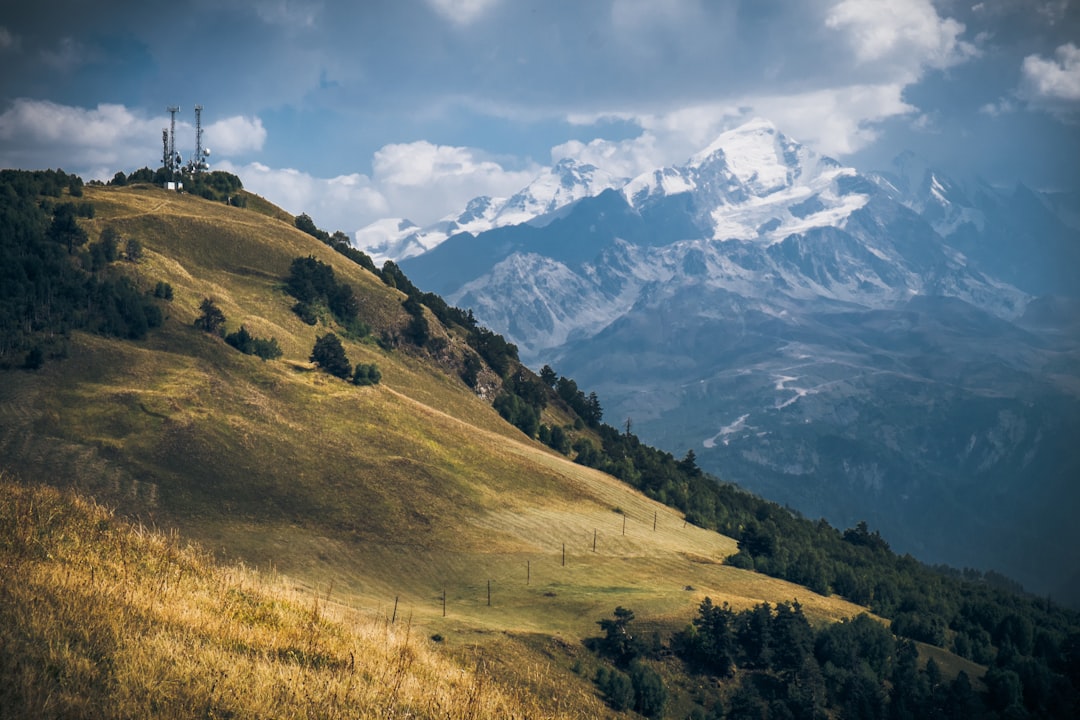
Mestia is a highland townlet in the Svaneti region of northwest Georgia, sitting at 1,500 metres above sea level in the Greater Caucasus Mountains with a registered population of just 1,798 people. The town is the cultural capital of the Svan people, one of the oldest surviving ethnic groups in the Caucasus, and serves as the gateway to some of the most dramatic mountain scenery in the entire region. Despite its small size, Mestia holds UNESCO-listed medieval Svan towers and attracts serious trekkers, skiers, and history hunters from across Europe and Asia.
Three Things Not to Miss in Mestia
- Svan Towers of Mestia — Over 200 medieval defensive towers up to 28 metres tall still punctuate the skyline — a genuinely nowhere-else sight.
- Chalaadi Glacier Trek — A 9 km round-trip hike from town leads to an active glacier face you can touch — no guide required.
- Ethnographic Museum of Svaneti — Houses 8th-century gold and silver icons looted from Georgian churches during medieval raids — shockingly undervisited.
Scroll down for our complete travel guide with tips on getting there, where to stay, costs and more.
Arriving in Mestia: Airport & Transfers
How do I get to Mestia?
Fly from Tbilisi to Mestia on a 30-minute Vanilla Sky Airlines propeller flight, or take the overnight marshrutka from Tbilisi’s Didube bus station — a 9-hour overnight journey costing roughly 15 GEL (about $6). In my experience, the minivan is surprisingly comfortable and you arrive at dawn with the mountains glowing. The honest caveat: the Mestia airport (LTN, officially Mestia Queen Tamar Airport) operates only when weather permits — flights cancel without warning in cloud cover. I always book the marshrutka as a backup plan when flying in.
Which airport is closest to Mestia?
Mestia Queen Tamar Airport (IATA: LTN) sits literally 2 km from the town centre — you can walk it in 20 minutes with a light bag. It accepts only small turboprop aircraft operated from Natakhtari Airport near Tbilisi. The flights run Tuesday, Thursday, and Saturday typically, with tickets costing around 80 GEL one-way ($30). My tip: book weeks ahead in summer because these 15-seat planes sell out fast. Warning most guides omit — this airport has no instrument landing system, so a single cloud layer cancels the flight and you get no compensation, only a rebooking.
How long does the journey to Mestia take from Tbilisi?
Flying takes 30 minutes gate-to-gate once airborne. By marshrutka from Didube terminal in Tbilisi, expect 9 to 10 hours on winding mountain roads. The shared taxi from Zugdidi (the nearest large town) takes 3 hours and costs around 50 GEL ($18) per seat or 200 GEL ($73) for the whole vehicle. What surprised me: the Zugdidi-to-Mestia road was substantially upgraded after 2012, making it far less terrifying than travel blogs from the 2010s suggest — though the final 40 km are still narrow hairpin stretches that can slow you if a truck blocks the route.
Do I need a car in Mestia?
No car is needed for Mestia town and nearby treks — the town centre is walkable in under 15 minutes end to end. I recommend renting a 4WD only if you plan to reach Ushguli, the highest permanently inhabited settlement in Europe at 2,200 metres, which requires a rough 45 km dirt road. Local shared taxis to Ushguli cost around 60 GEL ($22) per person. The caveat: renting locally costs 150–200 GEL ($55–73) per day for a basic Niva 4WD, and Georgian mountain rental contracts offer zero roadside assistance — you are genuinely on your own if something breaks.
Getting Around Mestia
What are the best areas to stay in Mestia?
Stay in the Old Town (Lanchvali quarter) if you want authentic Svan tower views from your window and proximity to the ethnographic museum. The area around Seti Square is the practical hub — guesthouses cluster here near the main restaurants and the trailheads. I recommend Seti Square area for first-timers: everything is within a 10-minute walk, including the ski gondola base station. The honest trade-off: Lanchvali is quieter and more atmospheric but has fewer restaurant options within stumbling distance after a long trek day.
What does accommodation cost in Mestia?
Budget guesthouses with breakfast included run 40–60 GEL ($15–22) per person per night — exceptional value. Mid-range guesthouses with private bathrooms and home-cooked dinner cost 80–120 GEL ($29–44). The best-appointed option in town, Hotel Mestia, charges around 200–250 GEL ($73–91) per night for a double in peak season. In my experience, the family-run guesthouses around Seti Square deliver the best food and local knowledge, far outperforming the hotels for the same or lower price. Warning: most places require cash payment in Georgian Lari — do not expect card terminals.
How far in advance should I book accommodation in Mestia during high season?
Book at least 6–8 weeks ahead for July and August — the peak trekking window. Mestia has fewer than 50 registered guesthouses for the entire townlet, and the Chalaadi and Koruldi Lakes treks pull serious crowds in summer. My tip: contact guesthouses directly via Facebook Messenger rather than Booking.com — owners respond faster and often give a 10–15% discount for direct bookings paid in cash. The caveat most guides omit: if you arrive without a booking in late July, you will genuinely struggle to find a bed, not merely pay a premium.
Are there special accommodation types in Mestia worth knowing about?
Mestia’s signature stay is the Svan family guesthouse, where you sleep in a home attached to or adjacent to an original defensive tower — some rooms are literally inside restored tower structures with 2-metre-thick stone walls. Booking a full-board guesthouse (breakfast plus dinner) for around 80–100 GEL ($29–36) per person is the smartest move: hosts prepare traditional Svan dishes like kubdari (spiced meat bread) and chvishtari (cornbread with cheese) that no restaurant replicates. What surprised me: several guesthouses in Lanchvali quarter now offer heated rooms with underfloor heating — a genuine luxury at 1,500 metres in shoulder season.
Where to Stay in Mestia
What are the must-sees in Mestia?
The Svan Towers scattered across the town are the defining sight — climb the open tower near Seti Square for panoramic views. The Mikheil Khergiani Museum, dedicated to the legendary Soviet mountaineer born here, is a genuinely moving 45-minute visit costing 5 GEL ($2). Walk or taxi to Chalaadi Glacier for the most accessible ice face in Georgia — 4.5 km from the trailhead. In July and August, hire a 4WD to Ushguli for a full-day excursion to UNESCO-listed tower villages. My tip: the Koruldi Lakes trail (approximately 14 km round trip) offers the single best Caucasus panorama I have seen anywhere.
What can I experience for free in Mestia?
Walking among the Svan Towers themselves costs nothing — the streets of Lanchvali quarter are open and the exterior architecture is half the experience. The Chalaadi Glacier trailhead is free and the glacier face is free to approach. Attending a Sunday church service at the 10th-century Lamaria Church is free and deeply atmospheric, with Svan polyphonic chanting sometimes audible — a UNESCO-listed intangible cultural heritage. My tip: the sunset view from the ridge above the ski gondola top station (reachable on foot in summer) costs nothing and beats every paid viewpoint in the region.
Which day trips from Mestia are possible?
Ushguli (45 km, roughly 2.5 hours by 4WD) is the headline day trip — four tower-village hamlets at 2,200 metres that together form a UNESCO World Heritage Site. The Becho Valley leads toward the foot of Mt. Tetnuldi and takes a full day on foot or 1 hour by 4WD. For a shorter outing, the Zhabeshi village loop (12 km on foot) passes waterfalls and alpine meadows with zero other tourists in my experience. What most guides omit: the road to Ushguli becomes impassable after heavy rain — always ask your guesthouse host about road conditions before hiring a car.
What local specialities should I try in Mestia?
Kubdari is the non-negotiable Svan speciality — a thick, dense flatbread stuffed with spiced pork or beef, baked in a wood oven, costing 8–12 GEL ($3–4). Chvishtari is a fried cornbread packed with sulguni cheese — order it at breakfast for 5 GEL ($2). Svan salt (svanuri marili) — a blend of rock salt with blue fenugreek, coriander and garlic — is the condiment on every table and makes the best edible souvenir. My honest caveat: restaurant versions of kubdari in tourist-facing places near Seti Square are often pale imitations — ask your guesthouse host to make it, or walk to Cafe Laila, which consistently nails the authentic recipe.
Mestia Highlights & Must-Sees
What makes Mestia unique compared to other Georgian destinations?
Mestia is the only place in Georgia — and arguably in the entire Caucasus — where a living medieval defensive tower culture remains intact and inhabited. The Svan people have maintained linguistic and cultural continuity for over 2,000 years in near-total mountain isolation. The combination of UNESCO-listed towers, a functioning ski resort (the Hatsvali ski area has a vertical drop of 750 metres), a glacier within walking distance, and 5,000-metre peaks on the horizon — all within a town of fewer than 1,800 people — is genuinely without parallel. What surprised me most: the juxtaposition feels completely natural rather than contrived.
How many days in Mestia are worthwhile?
A minimum of 3 full days to cover the Chalaadi Glacier, the tower quarter, and the Ethnographic Museum without rushing. 5 days is the sweet spot: add the Koruldi Lakes hike and a full-day Ushguli excursion. Serious trekkers doing the Mestia-to-Ushguli multi-day trail (officially 4 days, approximately 45 km) should budget 7 days total including arrival and rest. My honest trade-off: anything under 3 nights feels like you have barely scratched the surface, and you will regret not staying longer — Mestia is one of the destinations I have returned to specifically because I underestimated it the first time.
When is the best time to visit Mestia?
August is the statistically best month based on climate analysis — warmest, driest, and with all trails fully accessible. July is nearly as good and marginally less crowded. The shoulder season of June and September offers excellent trekking conditions with 30–40% fewer visitors and lower accommodation prices. Winter (December–March) is worth considering specifically for skiing at Hatsvali, with lift passes around 50 GEL ($18) per day. My caveat: May and early June see significant snowmelt flooding on trails, and October can bring early snowfall above 2,000 metres that closes the Ushguli road without warning.
Are there local festivals in Mestia worth attending?
The Svan New Year (Lamproba) falls in late February and involves torchlit processions and communal feasting — one of the most atmospheric winter festivals I have witnessed in the Caucasus. In August, the Mariamoba festival (August 28) celebrates the Assumption of Mary with horse racing and traditional Svan games in the meadows above town. The Mestia Mountain Festival held annually in late July draws Georgian folk musicians and polyphonic choirs — performances happen in the open square near Seti Square and entry is free. My tip: book accommodation 3 months ahead if you target the late-July festival weekend.
Eating & Drinking in Mestia
How does weather affect activities in Mestia throughout the year?
Summer thunderstorms build almost daily above 3,000 metres from June to August — start all high-altitude hikes by 7am to summit before the 2pm storm window. Winter snow at 1,500 metres typically arrives in November and can exceed 1.5 metres by January, making the Hatsvali ski area genuinely skiable but closing the Ushguli road entirely. Spring snowmelt makes the Chalaadi Glacier trail muddy but passable from May. What most guides omit: Mestia sits in a rain shadow relative to the Black Sea coast, so it receives significantly less precipitation than Zugdidi on the valley floor — a cloudy day in Zugdidi is often a sunny morning in Mestia.
How crowded does Mestia get in peak season?
In July and August, the Chalaadi Glacier trail sees a noticeable flow of trekkers — I counted roughly 50–80 hikers per morning on a Tuesday in late July. The town itself never feels overwhelmed given its tiny size, but the 8–10 best guesthouses fill completely, and the 2 ATMs in town regularly run dry by afternoon. The Mestia-to-Ushguli trail is genuinely busy in peak season — you will pass 10–20 other groups daily on the main route. My tip: hiking the Koruldi Lakes trail on a weekday rather than a weekend cuts the crowd by roughly 60% in my observation.
How safe is Mestia for travellers?
Mestia is extremely safe for solo travellers, including solo women — petty crime is virtually nonexistent in a town of 1,798 people where everyone knows each other. The genuine safety risks are environmental: altitude sickness above 3,000 metres, afternoon lightning on exposed ridges, and sudden weather changes that strand hikers. I recommend carrying a charged offline GPS app (Maps.me works well here) and leaving your trekking plan with your guesthouse host. The honest caveat: mountain rescue response time from Tbilisi is measured in hours, not minutes — self-sufficiency on longer trails is not optional, it is essential.
Is English widely spoken in Mestia?
English proficiency in Mestia is better than you would expect for a mountain town of under 2,000 people. Guesthouse owners and anyone under 35 typically speaks functional to good English, often self-taught via YouTube and tourism work. Restaurant menus at the 3–4 main tourist eateries near Seti Square are in English. However, older residents and drivers on the Zugdidi route often speak only Georgian and Russian. My tip: download the Georgian script to recognise key words on signage, and install Google Translate with Georgian downloaded offline — the camera translation feature is genuinely useful for handwritten menus at local canteens.
Practical Tips for Mestia
What is the daily budget for visiting Mestia?
A tight but comfortable daily budget runs 80–100 GEL ($29–36) per person, covering a dorm or shared-bath guesthouse, two meals, and a coffee. A mid-range budget of 150–200 GEL ($55–73) gets you a private-bath room with full board and one paid attraction or a shared taxi excursion. A comfortable splurge day — private 4WD to Ushguli, best guesthouse, meals with wine — costs around 300 GEL ($110). In my experience, Mestia is one of the most extraordinary-value mountain destinations in Europe: the Koruldi Lakes hike costs literally zero, and kubdari costs less than a coffee in Tbilisi.
How does public transport work in and around Mestia?
Within Mestia, public transport is irrelevant — the entire town is walkable. The primary intercity link is the marshrutka (shared minivan) from Zugdidi, departing Zugdidi’s central market at 9am, 12pm, and 3pm, costing 30 GEL ($11) per seat and taking 3 hours. From Tbilisi’s Didube terminal, overnight marshrutkas depart around 10pm costing 40–50 GEL ($15–18). The honest caveat: marshrutkas to Mestia operate on flexible Georgian time — the 9am departure might leave at 9:40am once the driver decides the van is full enough. Build buffer time before any flight or onwards connection.
Which apps do you recommend for visiting Mestia?
Maps.me with the Georgia map downloaded offline is essential — it covers the Svaneti hiking trails better than Google Maps and works with zero data. Yandex Go handles taxis in Zugdidi and Tbilisi reliably for around 8–15 GEL ($3–5) for short rides. Google Translate with Georgian downloaded offline handles menus and signage. For weather on high-altitude trails, Windy.com gives the most accurate mountain-level forecasts — I check it the night before every ridge hike. The caveat: mobile data in Mestia runs on Magti or Silknet networks, and coverage above 2,200 metres drops to zero — your offline apps are your only tools on the high trails.
Mestia at a Glance
| Population | 1,798 |
|---|---|
| Official language | Georgian |
Source: Wikidata, retrieved August 2026.
Georgia › Mestia
More Destinations in Georgia
Essential Resources for Planning Your Trip to Mestia
- Svaneti Travel Guide: Tips for Visiting Georgia’s Most … — official visitor information, passes & events
- Wikipedia: Mestia — history, geography & background
- Wikivoyage: Mestia — community travel guide & practical tips
- Svaneti History & Ethnography Museum | Georgia — expert itineraries & travel inspiration
- THE 10 BEST Things to Do Near Chalet Mestia (2026) — hotels, restaurants & traveller reviews
- Georgia’s Treasures: 8 Days of UNESCO Heritage Sites — how to get around
- Numbeo: Cost of Living in Mestia — current prices & cost comparison
- Timeanddate: Mestia Weather & Climate — forecasts & climate statistics
More Perspectives on Mestia
- Mestia – The Georgian Heaven On Earth
- The Ultimate Svaneti Itinerary for 3-7 Days of Travel
- Mestia Travel Guide 2026: Top Attractions, Things to do & …
Mestia Travel Videos
Watch these videos for a visual preview before your trip:
- Mestia Travel Guide: 15 Things You Shouldn’t Miss
- Svaneti Skiing Guide + Things to Do in Mestia in Winter
- MESTIA TO USHGULI (GEORGIA HIKE)
Mestia Travel Discussions on Reddit
Real traveller experiences and community advice:
- Mestia, Georgia : r/travel
- r/travel – Mestia and Ushguli Villages, Svaneti, Georgia
- Solo travel to Georgia : r/Sakartvelo
Data Sources
This page was compiled using data from Wikipedia, Wikidata, Open-Meteo (climate), Numbeo (cost of living) and REST Countries. Information is updated regularly.