
Svaneti: The Complete Travel Guide (2026)
Last updated: September 2026
Svaneti Travel Guide: Everything You Need to Know (2026)
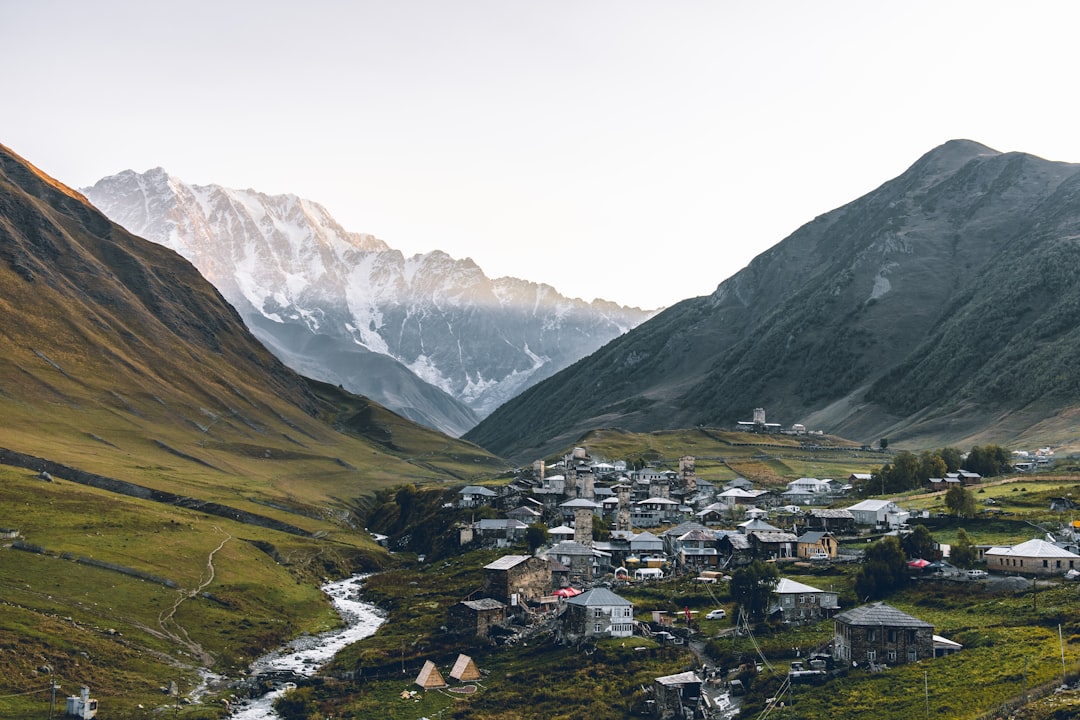
Svaneti is a high-altitude region in northwestern Georgia, with peaks exceeding 5,000 metres along the Greater Caucasus range, including Mount Shkhara at 5,193 metres — Georgia’s highest summit. The region’s capital Mestia sits at roughly 1,500 metres elevation and is home to the Svan people, a distinct Georgian subgroup who have maintained their culture for over 2,000 years. Tower-houses dating to the 9th–12th centuries still punctuate the skyline, and UNESCO listed Upper Svaneti as a World Heritage Site in 1996.
Three Things Not to Miss in Svaneti
- Ushguli — Europe’s highest permanently inhabited village at 2,200 metres, ringed by medieval defensive towers and Shkhara glacier views.
- Mestia Svan Towers — Over 175 defensive towers packed into one valley, each standing up to 25 metres tall and built without mortar.
- Koruldi Lakes Trek — A 4-hour hike from Mestia reaches three alpine lakes at 2,700 metres with unobstructed panoramas of the Caucasus crest.
Scroll down for our complete travel guide with tips on getting there, where to stay, costs and more.
Arriving in Svaneti
How do I best reach Svaneti?
Fly from Tbilisi to Mestia — it is the fastest and most practical option. Vanra Airlines operates twin-prop flights from Natakhtari Airport (near Tbilisi) to Mestia Airport in roughly 50 minutes. Alternatively, a marshrutka (shared minibus) from Tbilisi’s Didube station takes 8–10 hours and costs around $10–15 per seat. In my experience, the marshrutka is brutal but gives you a dramatic mountain approach through the Enguri gorge. The honest caveat: Mestia flights cancel frequently due to cloud cover — always have a day’s buffer before onward commitments.
Which airport is closest to Svaneti?
Mestia Queen Tamar Airport (LTK) is the closest airport, sitting just 3 km from Mestia town centre. It handles small turboprop aircraft only and has no jet bridge — you walk across the tarmac. Kutaisi International Airport (KUT) is the nearest international hub, approximately 230 km away by road, and served by Wizz Air and other budget carriers from Europe. My tip: fly internationally into Kutaisi, sleep one night there, then catch the marshrutka north to Svaneti — this avoids Tbilisi traffic entirely and saves roughly 3 hours of travel time.
How long is the journey from Tbilisi to Svaneti?
By plane, the direct Tbilisi–Mestia flight is 50 minutes when it runs. By road from Tbilisi, expect 8–10 hours depending on road conditions and stops. From Kutaisi, the drive is roughly 5–6 hours. What surprised me: the final 80 km stretch from Zugdidi to Mestia through the Enguri gorge takes nearly 3 hours alone because the road is narrow, winding and occasionally washed out after heavy rain. Always check road conditions in advance, especially April through May when snowmelt causes rockslides.
Are there direct bus connections to Svaneti?
Yes — marshrutkas run daily from Tbilisi Didube station to Mestia, departing around 07:00 and costing $10–15. From Zugdidi, marshrutkas to Mestia depart multiple times daily and take 3 hours, costing around $5. Zugdidi is the regional hub and easy to reach by train from Tbilisi in 5.5 hours for roughly $4. The honest caveat: marshrutkas leave when full, not on a fixed schedule — arrive early at Didube or you may wait 1–2 hours for the vehicle to fill. I recommend booking a private transfer from Zugdidi ($40–60) if you are carrying heavy hiking gear.
Is a rental car necessary in Svaneti?
A rental car is not essential in Mestia itself, but it dramatically expands your options. The Mestia–Ushguli road (45 km one-way) is not served by reliable public transport — shared jeep taxis cost around $60–80 return and are worth it for a day trip. Renting a 4WD in Mestia costs roughly $80–120 per day from local operators like Svaneti Rentals. My honest warning: the Ushguli road is unpaved, deeply rutted and requires a high-clearance vehicle — a standard sedan will bottom out. If you only plan to hike from Mestia, you can manage without a car entirely.
Bases & Accommodation in Svaneti
Which towns make good bases in Svaneti?
Mestia is the undisputed base for Svaneti — it has the airport, the majority of guesthouses, restaurants and the trailhead for most major hikes. Ushguli is worth an overnight if you want to experience the authentic village atmosphere without day-trippers, but accommodation is basic and options are limited. I stayed one night in Ushguli at a local family guesthouse and it was one of the most atmospheric evenings of my Georgia trip. The honest trade-off: Ushguli has no ATM, patchy electricity and almost no restaurant variety — come prepared with cash and snacks.
Where should I stay in Svaneti?
Stay in a family-run guesthouse in Mestia’s Lanchvali or Seti districts for the best combination of tower views and walking access to town. Guesthouse Nino and Hotel Old House are consistently well-reviewed local options. For a splurge, Betlemi Mount Hotel offers private balconies facing Ushba peak. In Ushguli, local families rent rooms informally — expect basic but genuinely warm hospitality. My tip: guesthouses almost always include breakfast and dinner in the rate — factor this in when comparing prices to hotels. Booking.com has decent Mestia coverage but many guesthouses must be contacted directly via WhatsApp.
What does accommodation cost in Svaneti?
Family guesthouses with half-board (breakfast and dinner included) run $25–45 per person per night in Mestia. Mid-range hotels cost $60–100 per room. Ushguli guesthouses charge $20–35 per person with meals, though quality varies. What surprised me: the included dinners at Svan guesthouses are often the best meals you will eat in the region — home-cooked kubdari (meat-filled bread), bean soup and local wine. The caveat: peak season (July–August) sees prices rise by 20–30% and availability drops sharply — book at least 6–8 weeks in advance for those months.
How far in advance should I book accommodation in Svaneti?
For July and August, book at least 6–8 weeks ahead — top Mestia guesthouses sell out entirely. For June and September, 2–3 weeks is usually sufficient. The honest caveat most guides skip: many Svaneti guesthouses do not appear on major booking platforms and require direct contact via WhatsApp or Facebook Messenger — I always message 3–4 options simultaneously and confirm by phone. Outside peak season, walk-in rooms are available, but the best family guesthouses fill first. If you are joining an organised trekking group, accommodation is typically arranged as part of the package.
When is the best time to visit Svaneti?
June through September are the best months, based on climate data. July and August offer the most stable hiking weather, warmest temperatures and full access to all trails. June is excellent — trails are clear of snow above 2,500 metres by mid-month and crowds are lower than August. September is my personal favourite: the light turns golden, crowds thin and the first dustings of snow appear on the peaks without blocking routes. The honest warning: May sees heavy snowmelt and muddy trails, while October brings serious snowfall risk above Mestia — the Ushguli road can close from late October onward.
Svaneti Through the Year
How does the weather affect activities in Svaneti?
Weather directly controls what is possible in Svaneti. Summer afternoon thunderstorms are common, especially in July — I always start high-altitude hikes by 07:00 to summit before clouds build by noon. The Koruldi Lakes trail (2,700 metres) becomes dangerous in poor visibility. The Mestia–Ushguli Svaneti Trek (4 days, roughly 50 km) is only comfortable July–mid-September. Light rain gear is non-negotiable year-round. What surprised me: even in peak July, nights in Mestia drop to around 10°C — bring a fleece. Flights to Mestia cancel in cloud cover, sometimes for 2–3 consecutive days.
Are there local festivals worth attending in Svaneti?
Lhamproba is Svaneti’s most distinctive festival, held in late July or early August in various villages — local Svan men carry icons through the streets in a procession blending Christian and pre-Christian ritual. Mestia Music and Culture Festival has grown in recent years, typically held in August, featuring Georgian polyphonic singing, which UNESCO recognised as Intangible Cultural Heritage. My tip: check the exact Lhamproba date with your guesthouse host before booking — it shifts by village and year. These festivals are genuinely participatory, not staged for tourists, which makes them rare and memorable.
When does Svaneti get crowded?
August is peak season — Mestia fills with Georgian domestic tourists, European trekkers and growing numbers of visitors from Israel and Poland. The Mestia town square and popular restaurants get genuinely crowded on weekends. The Koruldi Lakes and Chalaadi Glacier trails see constant foot traffic in August. My honest trade-off: even at peak, Svaneti is nowhere near as crowded as Kazbegi — you will not queue for trailheads. Ushguli, however, gets day-trippers from 10:00–16:00 who then leave, so an overnight stay gives you the village almost entirely to yourself before and after.
What does a daily budget cost in Svaneti?
Budget travellers spending $35–50 per day can cover a guesthouse with half-board, a beer and one paid activity. Mid-range comfort — a decent hotel room, one restaurant dinner, a guided hike — costs $70–100 per day. My personal daily spend in Svaneti over 5 days averaged $65, including a shared jeep to Ushguli ($15 per seat). The honest caveat: Svaneti is noticeably more expensive than the Georgian lowlands because everything must be trucked up the gorge. Alcohol and imported snacks carry significant mark-ups — buy wine and provisions in Zugdidi before heading up.
Is Svaneti cheaper or more expensive than other Georgian regions?
Svaneti is the most expensive region in Georgia, roughly 30–50% pricier than Tbilisi guesthouses and double the cost of rural Kakheti. A restaurant main course in Mestia costs $6–10 versus $3–5 in Tbilisi. However, the half-board guesthouse model means your total daily spend can still be competitive because meals are bundled. Transport is where costs bite hardest — a private jeep to Ushguli costs $60–80 return, a price you would never pay for an equivalent distance in eastern Georgia. My tip: travelling in a group of 4 slashes per-person transport costs significantly.
Budgeting for Svaneti
What free highlights are there in Svaneti?
The Chalaadi Glacier walk from Mestia (roughly 8 km return) is completely free and one of the most dramatic easy hikes in the Caucasus. The Mestia History and Ethnography Museum charges a small $2 entry fee — barely worth calling an expense — and houses extraordinary medieval icons. Walking among the Svan towers in Chazhashi (the tower district of Ushguli) costs nothing. Every trail out of Mestia — Hatsvali, Koruldi, Zhabeshi — is free to hike independently. My tip: the viewpoint above Mestia cemetery at sunset, a 20-minute walk from the centre, is the best free panorama in the region.
What do local specialities cost in Svaneti?
Kubdari — Svaneti’s iconic spiced meat bread — costs $2–3 at a bakery and is the single best food value in the region. A plate of Svan salt-seasoned potato dishes runs $4–6 at a local restaurant. A half-litre of local beer costs $1.50–2.50. Home-produced wine served at guesthouses is often included in the dinner price or costs $5–8 per bottle. What surprised me: Svan cuisine is distinctly different from lowland Georgian food — spicier, heavier on wild herbs and with a lamb-forward protein profile. Do not leave without trying tashmijabi (cheese-thickened mashed potato) at a family dinner.
Which route do you recommend for 5–7 days in Svaneti?
Day 1: Arrive Mestia, walk the tower district and Svaneti Museum. Day 2: Koruldi Lakes hike (6 hours round trip). Day 3: Chalaadi Glacier trail (half day), afternoon rest or Hatsvali cable car. Day 4: Shared jeep to Ushguli, afternoon exploring Chazhashi towers and Shkhara views, overnight in Ushguli. Day 5: Morning in Ushguli before crowds arrive, return to Mestia by jeep. Days 6–7: Optional: hike the first leg of the classic Mestia–Ushguli Trek to Zhabeshi and back, or day trip to Mazeri for Ushba peak views. My honest trade-off: 5 days is the minimum to avoid rushing — 7 days lets you rest between demanding hikes.
What are the must-see sights in Svaneti?
Ushguli is non-negotiable — the cluster of medieval towers against the Shkhara glacier is one of the most dramatic landscapes in Europe. The Mestia History and Ethnography Museum holds irreplaceable medieval Georgian icons evacuated from village churches during the Soviet era — spending 1.5 hours here transforms your understanding of Svan history. The Chalaadi Glacier is a 45-minute walk from the trailhead to the glacier snout and accessible to almost anyone. In my experience, the Mazeri valley with direct views of the double-summited Ushba peak (4,710 metres) is criminally undervisited and more dramatic than anything seen from Mestia itself.
What natural highlights does Svaneti offer?
Svaneti sits inside the Greater Caucasus range at altitudes between 1,500 and 5,193 metres, giving it extreme vertical diversity within a compact area. The Chalaadi Glacier is accessible to casual hikers. The Koruldi Lakes at 2,700 metres offer the finest alpine panorama reachable without technical gear. The Enguri River gorge cuts through the approach road with sheer limestone walls. For experienced trekkers, the Tetnuldi Glacier and routes toward Laila Pass are world-class mountaineering terrain. What surprised me: Svaneti harbours brown bears and Caucasian chamois — I spotted chamois on the Koruldi ridge without binoculars.
Driving & Walking Routes in Svaneti
What local specialities should I try in Svaneti?
Kubdari is Svaneti’s signature dish — a thick flatbread stuffed with spiced ground pork or beef, unique to this region and not found in lowland Georgia. Svan salt (a blend of rock salt, garlic, fenugreek and dried herbs) is the essential flavouring across all local cooking — buy a bag to take home for $1–2 at the market. Tashmijabi is a rich, stretchy cheese-and-potato purée that is deeply satisfying after a day’s hiking. Local chacha (Georgian grape pomace spirit, roughly 60% ABV) is served at every guesthouse table — sip, do not shoot. My tip: ask your host to cook chvishtari (cornbread with sulguni cheese) for breakfast.
What activities are available in Svaneti?
Hiking dominates — from easy 2-hour valley walks to the 4-day Mestia–Ushguli Trek (roughly 50 km). The Hatsvali ski resort, 12 km from Mestia, opens December–March with a functioning chairlift and basic facilities. Mountain biking is growing fast — the Mestia–Ushguli road is a challenging but popular route for experienced cyclists. Horse riding to Koruldi or Ushguli can be arranged through Mestia guesthouses for $40–70 per day. Paragliding launches from Hatsvali in summer. Rock climbing routes exist on crags near Becho valley. In my experience, multi-day trekking with a local guide ($40–60 per day) is the single best use of time here.
What distinguishes Svaneti from other Georgian regions?
Svaneti is the only Georgian region where a distinct ethnic subgroup — the Svans — has maintained a separate language, architectural tradition and pre-Christian ritual culture into the 21st century. The Svan defensive towers, unlike anything in the Caucasus, were built as family refuges during blood feuds and foreign invasions. UNESCO recognised the cultural landscape in 1996. No other Georgian region combines genuine medieval living architecture with 5,000-metre peaks and a functioning indigenous culture in this way. What surprised me: Svan is a spoken language with no standard written form — hearing locals converse in it feels like encountering something the modern world nearly erased.
Which day trips are possible from Mestia in Svaneti?
Ushguli is the king of day trips — 45 km from Mestia, shared jeep costs $15 per seat, full day needed. Mazeri village in the Becho valley (30 km from Mestia) gives the closest views of Ushba peak and is far less visited. Chalaadi Glacier is a half-day trip by foot from Mestia. Hatsvali viewpoint is reachable by cable car in 15 minutes from central Mestia. I also recommend a half-day to Latali village to see its 10th-century church frescoes, virtually unknown to non-Georgian visitors. The honest caveat: all road trips depend on weather — afternoon thunderstorms can make the Ushguli dirt road impassable temporarily.
Are there language barriers in Svaneti?
English is limited but improving rapidly in Mestia. Guesthouse owners who cater to international trekkers usually speak functional English or use Google Translate fluently on their phones. In Ushguli and more remote villages, Georgian or Russian is needed. My tip: download the Georgian script as a reference and learn 10 words — locals respond with remarkable warmth to any attempt. Restaurant menus in Mestia increasingly have English text. The honest caveat: communicating complex dietary restrictions or medical needs beyond Mestia requires a Georgian-speaking companion or guide. I always carried a translated card listing allergies when trekking remote sections.
Local Know-How for Svaneti
Which apps do you recommend for visiting Svaneti?
Maps.me with pre-downloaded Georgia maps is essential — offline navigation saved me twice when mobile data dropped in the gorge. Wikiloc has user-uploaded GPS tracks for every major Svaneti trail, including Koruldi and the Ushguli trek. Google Translate with Georgian downloaded offline handles most communication needs. Windy.com gives the most accurate mountain weather forecasts — check it the evening before every high-altitude hike. For accommodation, Booking.com covers Mestia partially, but Facebook groups like “Trekking in Georgia” connect you with guesthouses that have no online presence. WhatsApp is universal among local operators for booking transport and guides.
Are there medical facilities in Svaneti?
Mestia has a small regional hospital with basic emergency capacity, but serious trauma or altitude illness requiring surgery must be evacuated to Kutaisi (5–6 hours) or Tbilisi (8–10 hours). There is no hyperbaric chamber in the region. The honest warning most guides skip: altitude sickness can affect visitors at Ushguli (2,200 metres) and above — ascend gradually and do not push high if you have a headache. Carry a basic first aid kit including ibuprofen, blister plasters and oral rehydration salts. Travel insurance covering mountain rescue and helicopter evacuation is not optional here — it is essential. Evacuation flights from remote areas can cost $3,000–5,000 without coverage.
How safe is Svaneti?
Svaneti is extremely safe for tourists — I walked alone at night in Mestia without any concern. Petty crime is nearly non-existent; the region’s strong community culture discourages it. The genuine risks are environmental: unpredictable mountain weather, trail hazards and river crossings in snowmelt season. Do not attempt the Mestia–Ushguli trek alone without navigation experience — one wrong turn in poor visibility is serious. Road accidents are a real risk on the Zugdidi–Mestia route where local drivers overtake on blind bends. The honest caveat: the blood feud tradition (historically strong in Svan culture) is now effectively extinct — this is not a safety concern for modern visitors.
What are common traveller mistakes in Svaneti?
The biggest mistake: arriving without booked accommodation in July or August — top guesthouses fill 6 weeks ahead. Second: not carrying enough cash — Mestia has 2 ATMs that frequently run out of Georgian lari on weekends; withdraw generously in Zugdidi. Third: underestimating trail difficulty — the Koruldi Lakes gain 1,200 metres of elevation in 4 km; I have seen tourists in flip-flops turn back in distress halfway up. Fourth: planning the Mestia flight as a fixed schedule element — weather cancellations are frequent. Fifth: skipping Ushguli as a day trip without an overnight — you miss the village entirely absent of crowds. Always buy provisions before leaving Mestia for multi-day hikes.
Which accommodation types suit Svaneti best?
Family guesthouses with half-board are the definitive Svaneti experience — you eat with the family, hear local stories and pay a fair price. In Mestia, options like Guesthouse Laila or Guesthouse Nino represent this model at its best. Small boutique hotels like Betlemi Mount Hotel suit couples wanting more privacy. Camping is possible at designated spots near Ushguli and on the Mestia–Ushguli trek — a lightweight tent saves significant money over 4 days. The honest caveat: truly budget dormitory-style hostels are limited in Svaneti compared to Tbilisi or Kazbegi — backpackers should budget for at least $20–25 per night as a floor. Luxury options remain underdeveloped, which is largely a good thing.
Georgia › Svaneti
Essential Resources for Planning Your Trip to Svaneti
- Upper Svaneti — official visitor information, passes & events
- Wikipedia: Svaneti — history, geography & background
- Wikivoyage: Svaneti — community travel guide & practical tips
- Svaneti History & Ethnography Museum | Georgia — expert itineraries & travel inspiration
- THE 15 BEST Things to Do in Upper Svaneti (2026) — hotels, restaurants & traveller reviews
- Svaneti (more than a travel guide) — how to get around
- Numbeo: Cost of Living in Svaneti — current prices & cost comparison
- Timeanddate: Svaneti Weather & Climate — forecasts & climate statistics
- Upper Svaneti
More Perspectives on Svaneti
- The Ultimate Svaneti Itinerary for 3-7 Days of Travel
- A complete Svaneti Georgia travel guide
- Svaneti: Discover Georgia’s Mountain Paradise – AleksBlog.com
Svaneti Travel Videos
Watch these videos for a visual preview before your trip:
- Svaneti, Georgia: What Travel Guides Don’t Tell You
- Svaneti Skiing Guide + Things to Do in Mestia in Winter
- Medieval Escape! 24 Hours in Georgia’s Highest Villages (Ushguli & Mestia, Svaneti)
Svaneti Travel Discussions on Reddit
Real traveller experiences and community advice:
- Georgia, Svaneti 🇬🇪 : r/travel
- r/travel – Svaneti, Ushguli, Georgia
- Hiking the remote valleys and villages of the Upper Svaneti …
Data Sources
This page was compiled using data from Wikipedia, Wikidata, Open-Meteo (climate), Numbeo (cost of living) and REST Countries. Information is updated regularly.