
Garmisch-Partenkirchen: The Complete Travel Guide (2026)
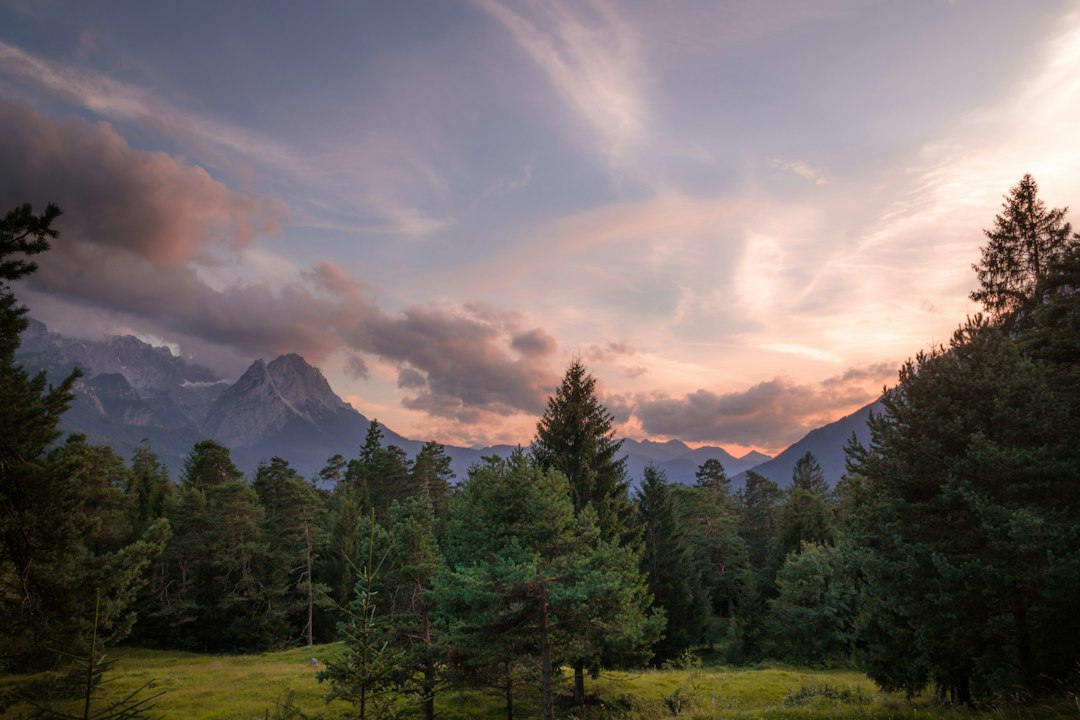
Last reviewed: September 2026 · key facts checked against Wikidata
Garmisch-Partenkirchen Travel Guide: Everything You Need to Know (2026)
Garmisch-Partenkirchen sits at 708 metres above sea level in the Bavarian Alps, just 90 km south of Munich, with a population of 27,509 — yet it hosted the 1936 Winter Olympics and remains Germany’s premier Alpine resort town. The Zugspitze, Germany’s highest peak at 2,962 metres, looms directly above the town and is accessible by cog railway from the centre. What surprises most visitors is how a town this small packs in world-class skiing, dramatic gorge hiking, and Bavarian culture within a 10-minute walk of each other.
Three Things Not to Miss in Garmisch-Partenkirchen
- Zugspitze Summit — Germany’s highest point at 2,962 m — the panoramic view covers 4 countries on a clear day.
- Partnachklamm Gorge — A 700-metre-long glacial gorge carved through limestone walls rising up to 80 metres high.
- Olympiaski Stadium & Historic Old Town — The 1936 Winter Olympics venue stands next to fresco-painted Lüftlmalerei facades dating to the 17th century.
Scroll down for our complete travel guide with tips on getting there, where to stay, costs and more.
Getting to Garmisch-Partenkirchen from the Airport
How do I get to Garmisch-Partenkirchen?
Take the direct train from Munich Hauptbahnhof — it is the easiest option. In my experience, the Bayerische Oberlandbahn (BOB) or Deutsche Bahn regional train runs roughly every hour and the journey takes exactly 1 hour 22 minutes, costing around €12–€16 one way. The Bayern-Ticket (€29 for one person, €6 per additional person) covers this route and is outstanding value for groups. My tip: book the Bayern-Ticket online the night before to save time at the machine. The honest caveat most guides skip — trains fill up fast on Friday afternoons and Sunday evenings in winter ski season, so board at Munich rather than an intermediate stop or you will stand the entire way.
Which airport is closest to Garmisch-Partenkirchen?
Munich Airport (MUC) is the closest and only practical choice, located 95 km northeast of Garmisch-Partenkirchen. In my experience, the transfer takes around 90 minutes: take the S-Bahn S1 or S8 to Munich Hauptbahnhof (approximately 45 minutes), then the regional train south. There is no direct airport-to-Garmisch bus or rail link, so the city centre connection is mandatory. My tip: allow 2.5 hours total transfer time if your flight lands in the afternoon — peak-hour S-Bahn crowding at MUC is brutal and the connection at Hauptbahnhof can be tight. Innsbruck Airport (INN) in Austria is only 60 km away but requires a car or taxi and involves a border crossing.
How long does the journey to Garmisch-Partenkirchen take from Munich?
By direct regional train from Munich Hauptbahnhof, the journey takes 1 hour 22 minutes — door to door from the city centre. By car via the A95 Autobahn, Google Maps shows 75 minutes, but what surprised me is that on winter weekends, the A95 south becomes a notorious traffic jam — locals call it the Skistau (ski traffic jam) and it can add 60–90 minutes to your drive. I recommend the train unconditionally on weekends. By taxi or private transfer, expect to pay €120–€160 one way from central Munich. There are no domestic flights to consider for this distance.
Do I need a rental car in Garmisch-Partenkirchen?
For the town itself and most major hikes, no — you absolutely do not need a car. The Zugspitze cog railway (Zahnradbahn) departs from Garmisch station, the Partnachklamm is a 20-minute walk from the centre, and local buses cover Grainau and Mittenwald. However, a car unlocks the quieter Austrian valleys and less-visited lakes like Walchensee and Sylvenstein Reservoir. My tip: rent from Europcar or Sixt at Garmisch station rather than Munich Airport to save one day’s rental cost. The honest caveat — parking in the centre costs €1.50–€2 per hour and filling up free spots by 9 a.m. on summer weekends is nearly impossible.
Moving Around Garmisch-Partenkirchen
What are the best areas to stay in Garmisch-Partenkirchen?
Stay in Garmisch (the western half) for the best restaurant and bar access — the pedestrian zone around Marienplatz and Mohrenplatz puts you within 5 minutes of the train station and main shopping. Partenkirchen (the eastern half) is quieter, more traditional, and closer to the Partnachklamm gorge trailhead — I prefer it for atmosphere. The Zugspitzstrasse corridor near the cog railway station suits skiers wanting zero morning commute. Avoid booking in the outskirt hamlet of Farchant unless you have a car — the bus runs infrequently after 7 p.m. My honest warning: rooms directly on Bahnhofstrasse can be noisy due to early morning rail traffic.
What does accommodation cost per night in Garmisch-Partenkirchen?
Budget smartly — prices vary dramatically by season. A solid 3-star guesthouse (Gasthof) in Partenkirchen runs €80–€120 per night in summer. 4-star hotels like the Zugspitz Resort or Reindl’s Partenkirchner Hof charge €180–€280 per night in peak ski season (January–February). A private apartment via Fewo-direkt (the German Airbnb equivalent) averages €95–€140 per night for two people and often includes a kitchen — my top pick for stays of 4+ nights. What surprised me: rooms during the Zugspitze Trail Run weekend in July sell out months in advance and prices spike 40% above normal. Budget hostels are almost nonexistent — the cheapest dorm bed at Jugendherberge Garmisch-Partenkirchen is around €35 per night.
How far in advance should I book accommodation in Garmisch-Partenkirchen during high season?
Book 3–6 months ahead for peak winter (January–March) and at least 6–8 weeks ahead for July and August. In my experience, the critical booking windows most guides ignore are the German school holidays (Schulferien Bayern) — when Bavarian families descend en masse and even mediocre guesthouses sell out. The Christmas–New Year period is arguably harder to book than ski season proper — I have seen basic rooms disappearing by September for December 28–January 2. My tip: check booking.com with free cancellation as a placeholder, then switch to direct hotel booking for a 5–10% discount once your travel dates are confirmed. Last-minute deals in Garmisch-Partenkirchen are rare.
What special accommodation types are available in Garmisch-Partenkirchen?
The standout option unique to this area is the mountain hut (Berghütte) overnight stay. The Zugspitzplatt hut system lets you sleep at altitude and reach the summit at sunrise before day-trippers arrive — beds cost €30–€50 per person in a dormitory through the DAV (Deutscher Alpenverein). DAV membership gets you a 50% discount on hut fees, paying for itself in two nights. In my experience, a night at Münchner Haus (2,959 m, directly on the Zugspitze summit) is genuinely unforgettable and unlike anything in a valley hotel. Traditional Bauernhof (farm stays) in the surrounding villages offer breakfast and a deeply local experience for €70–€90 per night.
Choosing a Neighbourhood in Garmisch-Partenkirchen
What are the must-see sights in Garmisch-Partenkirchen?
Three experiences are non-negotiable. First, ride the Zugspitze (2,962 m) via the Zahnradbahn cog railway from Garmisch station — the full return ticket costs €68 per adult and the summit view covers Germany, Austria, Switzerland, and Italy simultaneously. Second, walk the Partnachklamm gorge — entry costs €6, the 700-metre illuminated canyon is stunning even in winter, and it is the most dramatic short hike in Bavaria. Third, explore the Lüftlmalerei frescoes of Partenkirchen old town along Frühlingstrasse — these 17th-century painted facades are free to view and most visitors rush past them to reach the mountains. My tip: the frescoes at dusk with warm light are photogenic beyond belief.
What can I experience for free in Garmisch-Partenkirchen?
Plenty — this town rewards walkers willing to leave the cable car queues behind. The Philosophenweg trail above Partenkirchen offers sweeping Zugspitze views for zero cost. The Olympic ski jump (Olympia-Schanze) arena is freely walkable outside event days — standing at the base of the 90-metre jump is genuinely impressive. Zugspitzplatt glacier walks at mid-station are accessible with just the upward rail ticket if you hike down. What surprised me: the weekly farmers market (Wochenmarkt) on Marienplatz every Tuesday and Friday morning is free, lively, and one of the best places to buy local cheese for €2–€5 per 100g. The Kurpark gardens in Partenkirchen provide free deck chairs and mountain views.
Which day trips from Garmisch-Partenkirchen are worth it?
Mittenwald is my top recommendation — 18 km east by regional train (€5 each way), this violin-making town has even better Lüftlmalerei than Garmisch and far fewer tourists. Schloss Linderhof, King Ludwig II’s most intimate palace, is 28 km west and reachable by RVO bus 9606 (€7 return) — budget 3–4 hours including the gardens. Innsbruck, Austria sits only 60 km south and is reachable by car in 50 minutes — a proper city day trip for under €30 total. My honest caveat: Neuschwanstein Castle is often suggested but requires 2.5 hours each way by public transport — it works only as a rushed full day and I think Linderhof is the superior palace in the region.
What local specialities should I try in Garmisch-Partenkirchen?
Start with Kaiserschmarrn — the shredded caramelised pancake with plum sauce served at virtually every mountain hut costs €10–€14 and is genuinely excellent after a 3-hour hike. Obatzda (spiced Camembert spread with radishes and pretzels) is the perfect beer garden starter at €5–€7. In my experience, the best Bavarian roast pork (Schweinsbraten) in town is at Gasthof Fraundorfer on Ludwigstrasse in Partenkirchen — a family restaurant since 1820 with Zither music on weekends, mains around €16–€22. My tip: order the local Garmischer Bräu beer — brewed regionally and far better than the tourist-facing mass brands. Skip the overpriced fondue restaurants near the cable car stations.
Top Sights in Garmisch-Partenkirchen
What makes Garmisch-Partenkirchen unique compared to other Bavarian towns?
The combination of accessibility and genuine Alpine scale is unmatched anywhere else in Germany. From Garmisch-Partenkirchen train station, you can be at the summit of Germany’s highest mountain in 75 minutes — no other German town offers that ratio of urban comfort to extreme altitude. The dual-town identity (Garmisch and Partenkirchen were forcibly merged in 1935 for the Olympics and locals still identify with their half) creates an unusual cultural tension you can feel. What surprised me: the FIS Alpine World Ski Championships return here in 2028, meaning infrastructure is actively being upgraded — construction zones are a current trade-off but the facilities will be exceptional. No other German Alpine town comes close to this density of world-class winter sport history.
How many days should I spend in Garmisch-Partenkirchen?
3 full days is the sweet spot for a first visit covering the essentials without rushing. Day 1: Zugspitze summit and the cog railway experience. Day 2: Partnachklamm gorge in the morning, Partenkirchen old town in the afternoon, Gasthof Fraundorfer dinner. Day 3: day trip to Mittenwald or Linderhof Palace. Extend to 5 days if you ski in winter or want to tackle multi-day hikes like the Zugspitz Trail (26 km). My honest caveat: 1-day visitors from Munich see almost nothing — the Zugspitze alone requires 5–6 hours return and leaves no time for the gorge or town. If you only have 1 day, skip the summit and walk Partnachklamm + old town Partenkirchen instead — a far richer experience per hour.
When is the best time to visit Garmisch-Partenkirchen?
June through September offers the most reliable weather for hiking and summit visits. July and August give the longest daylight (sunrise at 5:30 a.m., sunset past 9 p.m.) and the best summit visibility odds. January and February are peak ski season — snow is guaranteed above 1,300 m and the Zugspitzplatt glacier is skied even in poor snow years. My personal favourite is late September: the crowds thin dramatically after German school holidays end, the Alpenglow (Alpenglühen) on the peaks is extraordinary, and accommodation prices drop 20–30%. The period to avoid for hiking is November to mid-December — most mountain lifts close for maintenance, trails are icy without full snow cover, and the town feels genuinely quiet.
Are there local festivals in Garmisch-Partenkirchen worth attending?
Garmisch-Partenkirchen Fasching (Carnival) in February is raucously local and sees residents in elaborate costumes taking over the town — it overlaps with ski season but the atmosphere is unlike anything in the tourist brochures. The New Year Ski Jumping (Neujahrsspringen) on January 1st draws 30,000 spectators to the Olympic ski jump — a standing ticket costs €25–€40 and the atmosphere is electric. In summer, the Richard Strauss Festival in June celebrates the composer who lived and died in Garmisch-Partenkirchen, with classical concerts in intimate venues. My tip: the Almabfahrt (cattle drive) in late September, when decorated cows descend from Alpine pastures through town, is free, colourful, and genuinely moving — most tourists have no idea it happens.
Where to Eat in Garmisch-Partenkirchen
How does the weather affect activities in Garmisch-Partenkirchen throughout the year?
The Zugspitze summit is cloud-covered roughly 300 days per year — that statistic is the single most important weather fact for planning your visit. Check wetter.com or the Zugspitze webcam the evening before and reschedule if the summit is socked in. Summer thunderstorms build rapidly above 1,500 m from early afternoon — start mountain hikes before 8 a.m. and aim to be below the treeline by 2 p.m. In winter, valley fog (Hochnebel) can trap Garmisch in grey mist while the slopes above 1,000 m are sunny — a ski day at Zugspitzplatt can feel like escaping to another climate. My tip: the Föhn wind (warm Alpine downdrawn wind) brings intense clear days with extraordinary visibility but triggers headaches in sensitive people.
When does Garmisch-Partenkirchen get crowded during peak season?
Overcrowding peaks during three specific windows: the Christmas–New Year week (Dec 26–Jan 3), Fasching weekend in February, and the last 2 weeks of July. On a peak summer Saturday, the Zugspitze cable car queue at Eibsee can reach 90 minutes wait time — this is the detail most guides bury. My tip: buy the Zugspitze ticket online the evening before and arrive at Eibsee station by 7:45 a.m. to board with zero queue. The Partnachklamm gorge gets genuinely shoulder-to-shoulder on Saturday afternoons in August — visit on a weekday morning or after 4 p.m. when tour buses have left. Midweek in any season is consistently 40% quieter than weekends.
How safe is Garmisch-Partenkirchen for travellers?
Exceptionally safe by any measure — petty crime is minimal. The genuine safety concern here is mountain-related, not crime-related. In my experience, the most dangerous thing in Garmisch-Partenkirchen is underestimating Alpine weather — 3–5 hikers require mountain rescue annually on routes around the Zugspitze. The Bergwacht (Mountain Rescue Service) is professional and responds quickly, but a rescue helicopter ride generates a bill of €3,000–€8,000 if you lack Alpine rescue insurance (Alpinversicherung). Buy DAV membership (€67 per year) — it includes full mountain rescue coverage worldwide. The town centre is safe at all hours; the only minor irritant is occasional drunk skiers in ski boots on Bahnhofstrasse on winter Saturday nights.
Is English widely spoken in Garmisch-Partenkirchen?
Yes — more so than almost any other German Alpine town. The tourism industry has operated internationally since the 1936 Winter Olympics, and hotel staff, lift operators, and most restaurant workers speak functional to fluent English. What surprised me: in Partenkirchen’s traditional guesthouses, older owners may speak limited English and menus are exclusively in German — bring Google Translate with photo mode active (it handles German menu Gothic script well). Learning 5 German phrases (Guten Morgen, Bitte, Danke, Ein Bier bitte, Die Rechnung bitte) generates disproportionate goodwill. The honest caveat: supermarket cashiers at Edeka or Rewe speak German only — this is not a tourist context and basic German or hand gestures get you through.
Before You Go to Garmisch-Partenkirchen
What is the daily budget for Garmisch-Partenkirchen?
Budget €95–€130 per person per day for a comfortable mid-range trip. Breakdown: accommodation €50–€70 per person (shared double room), meals €25–€35 (breakfast at guesthouse, lunch picnic from Edeka supermarket, dinner at a Gasthof), transport €8–€12 (local buses and train), and attraction entry €10–€20 (excluding Zugspitze). The Zugspitze ticket alone at €68 blows the daily budget — plan it as a dedicated spend day. Budget travellers staying at Jugendherberge and picnicking can manage €60–€70 per day excluding the summit. My tip: the GaPa Card (given free by most hotels) covers free local bus travel and discounts at attractions — activate it immediately on check-in.
How does public transport work within and around Garmisch-Partenkirchen?
Surprisingly well for a town this size. The RVO regional bus network connects Garmisch-Partenkirchen to Mittenwald, Grainau, Oberau, and Linderhof with reliable hourly services. Within town, bus lines 1 and 2 cover the main Garmisch–Partenkirchen corridor and run until 11 p.m. The GaPa Card (free from your hotel) covers all local buses at zero additional cost — this is the single best free perk in town. The Zugspitze cog railway (Bayerische Zugspitzbahn) departs from its own dedicated station 200 metres south of the main DB station. My honest caveat: Sunday bus frequency drops to every 90 minutes on some rural routes — download the MVV app before arrival to check real-time schedules.
Which apps do you recommend for visiting Garmisch-Partenkirchen?
Four apps cover everything you need. First, MVV (Münchner Verkehrsgesellschaft) for all regional trains and bus timetables, including Garmisch connections — buy Bayern-Tickets directly in-app. Second, Komoot for offline Alpine hiking maps — download the Werdenfels region pack (€4.99) before you lose cell signal above 1,500 m. Third, Zugspitze webcam via wetter.com — check summit visibility every morning before committing to the cable car. Fourth, DB Navigator for live Deutsche Bahn train status and ticket purchase. My tip: download Google Maps offline for the Garmisch area as a backup — cell coverage in the Partnachklamm gorge and on northern Zugspitze faces is genuinely absent, and phone navigation fails without offline maps.
Garmisch-Partenkirchen at a Glance
| Population | 27,509 |
|---|---|
| Currency | EUR (€) |
| Official language | German |
| Time zone | UTC+01:00 |
Source: Wikidata, retrieved September 2026.
Germany › Garmisch-Partenkirchen
Essential Resources for Planning Your Trip to Garmisch-Partenkirchen
- Infrastructures — official visitor information
- Wikivoyage: Garmisch-Partenkirchen — community travel guide & practical tips
- Wikipedia: Garmisch-Partenkirchen — history, geography & background
- 2026 Garmisch-Partenkirchen Travel Guide — how to get there and around
Data Sources
Key facts on this page (population, currency, language, time zone) come from Wikidata, climate figures from Open-Meteo. The retrieval date is shown next to the facts table.