
Île de Boëd: The Complete Travel Guide (2026)
Île de Boëd Travel Guide: Everything You Need to Know (2026)
Île de Boëd is a small tidal island off the coast of Brittany, France, located near Séné in the Gulf of Morbihan — a region that hosts over 40 islands within its sheltered inland sea. The island sits roughly 15 km southeast of Vannes and is accessible on foot or by causeway only at low tide, making timing your visit as important as the visit itself. Brittany’s Gulf of Morbihan has been continuously inhabited since at least 4000 BC, and Boëd remains one of its most atmospheric and least commercialised island stops.
Top 3 Highlights at a Glance
- Low-tide causeway crossing — Walk to the island on an ancient tidal path exposed for only a few hours per day — timing is critical.
- Gulf of Morbihan panorama — Unobstructed 360° views of 40+ islands from Boëd’s shoreline, best at golden hour in summer.
- Séné Wildlife Reserve approach — The 4,000-hectare wetland reserve flanking Boëd hosts egrets and spoonbills within 2 km of the island.
Scroll down for our complete travel guide with tips on getting there, where to stay, costs and more.
Arrival & Airport
How do I get to Île de Boëd?
Drive or cycle to Séné, then walk the tidal causeway — no ferry, no ticket desk. Vannes is your nearest transport hub, 15 km northwest by car. From Vannes train station, take a taxi or rent a bike; no direct bus reaches the causeway access point at Pointe de Bilhervé. In my experience, renting a bike in Vannes and cycling the coastal path to Séné takes about 45 minutes and is the most rewarding approach. The honest caveat most guides omit: the causeway is exposed for roughly 2–3 hours per tidal cycle — arrive late and you wade back or wait 10 hours.
Which airport is closest to Île de Boëd?
Vannes-Meucon Airport (VNE) is the closest at roughly 20 km, but it operates only small regional and seasonal flights. My recommendation for most international travellers is Nantes Atlantique Airport (NTE), 110 km south, with daily Air France and Transavia connections from Paris CDG and several European cities. From Nantes, a direct TGV train reaches Vannes in under 1 hour 20 minutes. What surprised me: Rennes Airport (RNS), 110 km north, adds a slower bus leg and rarely saves time despite similar distance. Budget €15–€25 for the Nantes-to-Vannes train ticket booked in advance.
How long does the journey to Île de Boëd take from Paris or a major hub?
From Paris Montparnasse, a direct TGV to Vannes takes 2 hours 10 minutes; add 30–45 minutes by car or bike to reach the causeway at Séné. Total door-to-island time from central Paris: under 3 hours 30 minutes. In my experience, the TGV is by far the most comfortable option — a second-class ticket costs €35–€65 booked 6 weeks ahead on SNCF. The trade-off: trains fill fast on Friday afternoons in July and August, and a missed connection in Vannes means a 2-hour wait for the next regional service toward Séné.
Do I need a car to visit Île de Boëd?
No car is strictly necessary, but one makes logistics significantly smoother. Without a car, you rely on taxis from Vannes (roughly €20 one-way to Séné) or cycling, which is genuinely enjoyable on the Gulf’s flat coastal paths. My tip: if you’re basing yourself in Vannes for 3+ days, skip the car entirely — parking near the Séné causeway is a single small lot that fills by 9:00 AM in summer. The caveat guides omit: tidal windows may not align with bus or taxi availability, so independent travellers without a car must plan tide times meticulously the evening before.
City Transport
What are the best areas to stay when visiting Île de Boëd?
Stay in Vannes old town for the best combination of restaurants, transport links, and evening atmosphere — the medieval centre around Place des Lices is walkable and beautiful. Séné village, 3 km from the causeway, offers quieter gîtes and B&Bs with direct marshland views. In my experience, Séné suits early-morning tidal crossings far better since you can leave at 6:00 AM without a taxi. The honest trade-off: Séné has almost no nightlife or restaurant variety; if you want more than one dinner option, Vannes wins decisively. Baden, 8 km west, is a pleasant mid-point with several waterfront hotels.
What does accommodation cost near Île de Boëd?
Budget €75–€110 per night for a solid 3-star hotel room in Vannes old town in shoulder season. In July and August, the same rooms run €130–€180. Gîtes in Séné average €90–€140 per night for a self-catering unit sleeping 2–4 people and represent genuine value if you’re staying 3+ nights. In my experience, the Hôtel La Marébaudière in Vannes (roughly €120/night in summer) offers the best proximity to the Gulf without tourist-trap pricing. The caveat: budget hostels simply don’t exist in this area — the Gulf of Morbihan caters to independent travellers and families, not backpacker infrastructure.
How far in advance should I book accommodation for Île de Boëd in high season?
Book at least 10–12 weeks ahead for July and August stays — the Gulf of Morbihan is one of Brittany’s most visited areas and accommodation in both Vannes and Séné sells out fast. I’ve seen gîtes in Séné go fully booked by February for peak summer weeks. My tip: set a Booking.com alert in January for your target dates. The trade-off most guides omit: cancellable rates in this area carry a 15–20% premium over non-refundable options, but given how often Atlantic weather disrupts travel plans in Brittany, that flexibility is usually worth paying for.
Are there special accommodation types worth considering near Île de Boëd?
Absolutely — gîtes de France (self-catering rural cottages) around Séné and Le Tour du Parc are the standout option here. Several sit directly on the Gulf shoreline with private garden access and cost €700–€1,100 per week in peak summer for a 4-person unit. In my experience, these beat hotels for a Gulf immersion experience — you hear the birds at dawn and can time your causeway walks freely. A second option worth considering: chambres d’hôtes (B&Bs) in Séné, which typically include a generous Breton breakfast featuring kouign-amann and local butter for around €95–€120/night total.
Accommodation & Neighbourhoods
What are the must-sees at and around Île de Boëd?
The tidal crossing itself is the centrepiece — walking the ancient path to Boëd with the Gulf stretching in every direction is genuinely unlike anything else in France. Beyond the island, the Cairn de Gavrinis, a Neolithic passage tomb 10 km west near Larmor-Baden, is one of Europe’s most decorated megalithic monuments and accessible only by a €9 ferry. The Vannes medieval walls and washhouses (lavoirs) along the remparts are free and spectacular. In my experience, combining a morning tidal crossing to Boëd with an afternoon at Gavrinis makes for the single best day in the entire Gulf of Morbihan.
What can I experience for free near Île de Boëd?
The tidal crossing to Île de Boëd costs absolutely nothing — no entry fee, no booking system, just accurate tide timing. The Vannes rampart walk is free and takes about 45 minutes; the Séné wildlife reserve trails (some sections) are free and excellent for birdwatching. What surprised me: the weekly Vannes market at Place du Poids Public, held every Wednesday and Saturday morning, is one of Brittany’s finest and costs nothing to wander. The caveat: ‘free’ in this region has an asterisk — parking near the Séné causeway costs €3–€5/day in summer, and the free reserve trails require a €1 donation at the barrier for maintenance.
Which day trips are possible from Île de Boëd?
The Île aux Moines, reachable by a €5 ferry from Port Blanc in 15 minutes, is the Gulf’s most inhabited island and worth a half-day. Carnac, with over 3,000 standing stones, is 35 km southeast — about 40 minutes by car. The walled city of Vannes makes an obvious and excellent half-day. In my experience, the best single day trip is Belle-Île-en-Mer, France’s largest Breton island, reachable from Quiberon in 45 minutes by ferry (€18 return) — though this requires a full day. The trade-off: attempting more than 2 day trips in a single week means you never properly experience the Gulf’s own slow rhythm.
What are the local specialities to try near Île de Boëd?
Oysters from the Gulf of Morbihan are the non-negotiable priority — farmed in the bay you’re crossing to reach Boëd, they’re sold directly from producers in Séné for €8–€12 per dozen. Kouign-amann (Breton butter cake) and far breton (prune flan) are the essential pastry experiences. In my experience, the best seafood meal in the area is at Le Gavrinis restaurant in Larmor-Baden — a plateau de fruits de mer (seafood platter) runs €35–€55 per person but uses produce pulled from the Gulf that morning. The honest warning: Vannes waterfront restaurants near the Promenade de la Rabine charge tourist premiums of 20–30% above local rates.
Highlights & Must-Sees
What makes Île de Boëd unique compared to other French island destinations?
Boëd is unique because access is governed entirely by the tide — no boat, no bridge, no infrastructure. You walk there on the seabed itself, and if you misjudge the tide, the island holds you. This creates a relationship with the natural rhythm of the place that no managed tourist site in France replicates. What surprised me: unlike Île du Mont-Saint-Michel (which draws 3 million visitors annually), Boëd has no visitor management, no souvenir shops, and no café — it’s genuinely wild. In my experience, this is one of the last places on the French Atlantic coast where you can stand completely alone on an island and feel the Gulf of Morbihan exactly as Neolithic settlers found it.
How many days should I plan for Île de Boëd and the surrounding area?
Plan 4–5 days minimum to do the area justice. Day 1: arrive Vannes, explore the old town. Day 2: tidal crossing to Boëd (morning) + Séné wildlife reserve (afternoon). Day 3: Gavrinis cairn boat trip + Île aux Moines. Day 4: Carnac megaliths or Belle-Île. Day 5: slow morning market in Vannes, depart. In my experience, 3 days leaves you rushing between tidal windows and missing the contemplative pace the Gulf demands. The honest caveat: if Atlantic weather closes in — which it does even in July — a tidal island day can vanish, so build in 1 buffer day for rescheduling the Boëd crossing.
When is the best time to visit Île de Boëd?
June and September are the optimal months — warm enough for the causeway crossing (average 19–21°C), far fewer crowds than July–August, and oyster season in full swing. July and August guarantee the best weather but bring peak Gulf traffic with Vannes hotel prices spiking 40–60% above June rates. In my experience, the second week of September is the single best week of the year: summer warmth lingers, the sailing regatta crowds have left, and oyster producers are back at full output after August’s heat hiatus. Avoid November through February — tidal crossings become dangerous in Atlantic storms and most Séné gîtes close entirely.
Are there local festivals worth attending near Île de Boëd?
The Festival de Jazz de Vannes runs in late July, drawing international acts to the medieval rampart gardens — free open-air concerts most evenings. The Fêtes Historiques de Vannes in late July sees the old town fill with medieval pageantry and costumes; it’s genuinely spectacular rather than touristy. In my experience, the best locally-rooted event is the Fête de la Mer in Séné (usually mid-August), where Gulf oyster farmers open their parks to visitors for tastings at €5–€8 per plate. The trade-off: attending any festival in Vannes during the last two weeks of July means accommodation prices hit their annual peak and must be booked 6+ months in advance.
Food & Drink
How does weather affect activities around Île de Boëd?
Weather affects everything here because the tidal crossing becomes dangerous in winds above Force 5 (30 km/h) — wet rocks, no railings, and a fast-rising tide are a serious combination. In my experience, check both the Météo-France app and the Marees.fr tide table every morning before heading to Séné. Summer (June–September) averages 5–7 hours of sunshine daily with temperatures between 18–24°C — comfortable for walking. The caveat guides omit: Brittany’s weather can shift within 2 hours regardless of season; I’ve been caught in 20-minute hail squalls in August on the Gulf. Always carry a waterproof layer, even when you leave the hotel in sunshine.
How crowded does Île de Boëd get in peak season?
The island itself stays genuinely uncrowded even in August because its tidal access naturally caps visitor numbers — at most 30–40 people cross during a single tidal window. The broader Gulf area, however, is extremely busy: Vannes receives over 1 million visitors annually and in late July its medieval streets feel genuinely saturated by 11:00 AM. In my experience, the causeway access point at Séné sees a morning rush of walkers between 9:00–10:30 AM on weekends in July — arrive before 8:30 AM or after 3:00 PM on a weekday crossing for real solitude. The honest trade-off: peak season gives you the warmest water and longest days, but the Gulf’s magic is best felt in silence.
How safe is Île de Boëd for travellers?
The Gulf of Morbihan is one of France’s safest travel destinations for crime — petty theft is rare and violent crime essentially nonexistent in this rural coastal area. The genuine safety risk at Boëd is the tide itself. Every few years, walkers misjudge the window and require coastguard rescue from the rising water. In my experience, the tide here moves faster than most visitors expect — the final 200 metres of the crossing can be knee-deep within 20 minutes of the tide turning. My firm advice: download the Marees.fr app, cross only in the 2 hours after low tide, and never cross alone if you’re unfamiliar with tidal terrain.
Is English widely spoken around Île de Boëd?
English is spoken adequately in Vannes hotels, tourist offices, and larger restaurants — enough to navigate your stay without French. In Séné village and at the oyster farms near the causeway, French is essentially the only language; bring a translation app. In my experience, a handful of basic French phrases unlock dramatically warmer service in this part of Brittany — locals appreciate the effort far more than in Paris. The honest caveat: Breton cultural identity runs deep here, and some older residents speak Breton as a first language — French is the second language for them, meaning English is a distant third. Google Translate handles both French and Breton dialects passably in offline mode.
Practical Tips
What is the daily budget for visiting Île de Boëd?
Budget travellers spending carefully can manage €80–€95 per day — a gîte share, market picnic lunches using Gulf oysters and bread, one sit-down dinner, and the Gavrinis ferry. Mid-range travellers should budget €150–€200 per day including a 3-star hotel in Vannes, one good seafood restaurant dinner (€40–€55 per person), and a day trip. The hidden cost most guides skip: parking fees, Gavrinis ferry (€9), and a Gulf boat tour (€18–€35) add up to €50–€70 in activity costs per day if you’re doing the area properly. In my experience, €160/day per person as a couple in June is realistic for a genuinely satisfying trip without counting pennies.
How does public transport work for getting around near Île de Boëd?
Vannes is served by Breizhgo regional buses connecting to Auray, Lorient, and Carnac — tickets cost €2 per journey on most routes. Within Vannes, the Kicéo urban bus network covers the city for €1.50 per trip. The gap: no public bus reaches the Séné causeway access point — it’s a 3 km gap from the nearest Séné village bus stop. In my experience, the Vannes Vélo bike-share scheme (€1/hour) combined with the coastal cycling path is the most practical public-transport-adjacent solution for reaching Boëd without a car. The caveat: bike-share docks near Port de Plaisance sometimes run empty on Saturday mornings in summer — check the app before walking there.
Which apps do you recommend for visiting Île de Boëd?
Marees.fr is non-negotiable — it gives precise local tide times for the Gulf of Morbihan and is the single most important app for a Boëd visit. Météo-France is more accurate than any international weather app for Brittany’s micro-climates. For transport, SNCF Connect handles all French train bookings; for buses, Breizhgo has its own app. In my experience, Maps.me with offline Brittany maps saved me twice when mobile data dropped in the Gulf marshes. iNaturalist is a surprise recommendation — the Séné wetlands have exceptional biodiversity and the app identifies birds and plants in real time, turning a walk into a genuinely educational experience rather than just a pretty stroll.
What are common traveller mistakes when visiting Île de Boëd?
The biggest mistake is not checking tide times before leaving accommodation — I’ve watched families drive 25 minutes to Séné only to find the causeway submerged for the next 9 hours. Second mistake: treating Boëd as a half-hour Instagram stop rather than spending 2–3 hours on and around the island. Third: eating dinner on the Vannes waterfront promenade — it’s scenic but overpriced by 25–30% versus restaurants 3 streets inland near Rue des Halles. In my experience, the most costly mistake is underestimating Gulf weather — wet trainers on a tidal crossing on a cold Breton morning are genuinely miserable. Waterproof trail shoes are not optional kit here, regardless of the forecast.
More Destinations in Europe
Explore our complete travel guides for more Europe destinations: Budapest Travel Guide (2026), Haut-Provence Travel Guide (2026), Castellón de la Plana Travel Guide (2026), Salamanca Travel Guide (2026), Sevilla Travel Guide (2026).
Île de Boëd at a Glance
| Currency | EUR (€) |
|---|---|
| Official language | French |
| Time zone | UTC+01:00 |
Source: Wikidata, retrieved August 2026.
Useful Resources for Planning Your Trip to Île de Boëd
- Wikipedia: Île de Boëd — history, geography and background
- Lonely Planet: Île de Boëd — itineraries and travel inspiration
- TripAdvisor: Île de Boëd — hotels, restaurants and traveller reviews
🎥 Île de Boëd Travel Videos
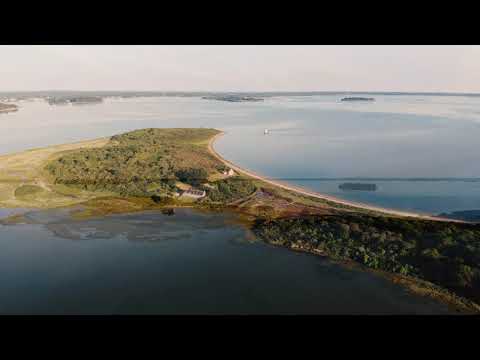
Survol de l’île Boëd, située au large de Séné
Golfe du Morbihan Vannes Tourisme
You are currently viewing a placeholder content from Vimeo. To access the actual content, click the button below. Please note that doing so will share data with third-party providers.
More InformationYou are currently viewing a placeholder content from YouTube. To access the actual content, click the button below. Please note that doing so will share data with third-party providers.
More InformationYou need to load content from reCAPTCHA to submit the form. Please note that doing so will share data with third-party providers.
More InformationYou are currently viewing a placeholder content from GetYourGuide. To access the actual content, click the button below. Please note that doing so will share data with third-party providers.
More Information